
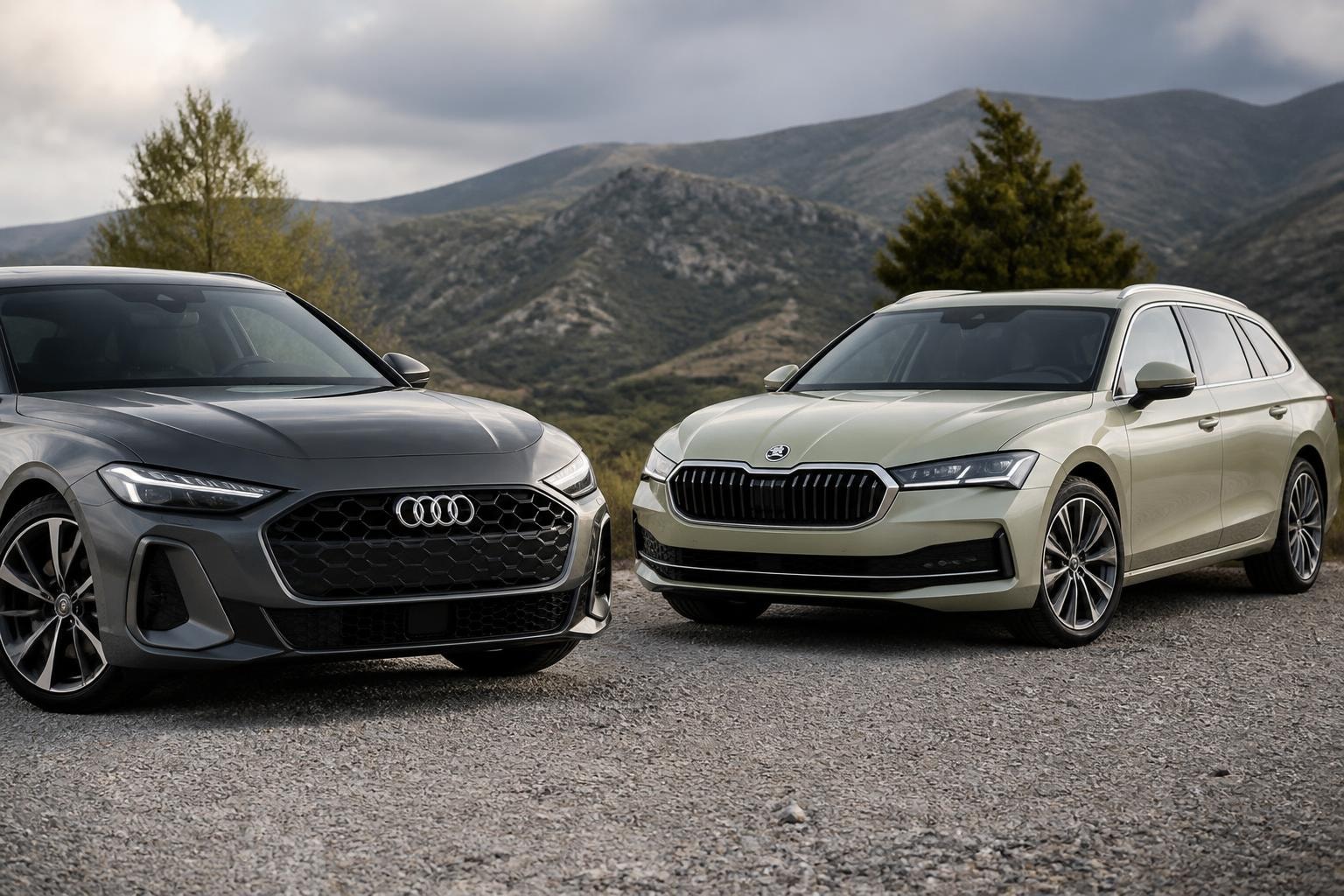
When considering European vehicles, the relationship between Audi and Skoda presents a fascinating study in automotive engineering, brand positioning, and value proposition. Both brands operate under the Volkswagen Group umbrella, sharing platforms, technologies, and engineering resources while targeting distinctly different market segments. For New Zealand drivers, particularly those on Auckland's North Shore, understanding the connection between these two manufacturers can inform smarter purchasing decisions and more effective vehicle maintenance strategies.
The Volkswagen Group Connection
The relationship between Audi and Skoda extends far beyond simple corporate ownership. Since Skoda’s integration into the Volkswagen Group, the Czech manufacturer has transformed from a budget brand into a sophisticated automaker that leverages the same engineering prowess that defines Audi's premium offerings.
This shared technological foundation means that both Audi and Skoda vehicles often ride on identical platforms, utilise the same engine families, and incorporate similar electronic systems. The MQB (Modular Transverse Matrix) platform, for instance, underpins numerous models across both brands, from the Skoda Octavia to various Audi A-series models.
Platform Sharing Benefits
The advantages of this engineering collaboration extend directly to vehicle owners:
- Proven reliability through shared components tested across multiple brands
- Parts availability with interchangeable components reducing wait times
- Service expertise where technicians familiar with one brand understand the other
- Cost efficiency in maintenance due to economies of scale in parts production
Engineering Heritage and Brand Evolution
Skoda’s remarkable 125-year history demonstrates a legacy of innovation that predates its current corporate structure. Founded in 1895 as a bicycle manufacturer, Skoda evolved into automobile production and ultimately became one of Europe's most respected value brands. This heritage brings practical engineering solutions focused on functionality and durability.
Audi, meanwhile, built its reputation on quattro all-wheel-drive technology, premium materials, and cutting-edge performance. The brand’s storied history includes racing victories, technological breakthroughs, and consistent positioning at the luxury end of the market.
When examining Audi Skoda comparisons, these distinct philosophies remain evident despite shared components. Skoda prioritises space efficiency, practical features, and value for money. Audi emphasises design refinement, advanced technology integration, and premium brand cachet.
Feature Comparison Table
| Feature Category | Skoda Approach | Audi Approach |
|---|---|---|
| Interior Design | Functional, spacious layouts | Premium materials, minimalist aesthetics |
| Technology | Practical, user-friendly systems | Cutting-edge, complex integration |
| Pricing Strategy | Value-focused positioning | Premium market placement |
| Target Market | Practical buyers seeking quality | Luxury-oriented consumers |
Common Models and Mechanical Similarities
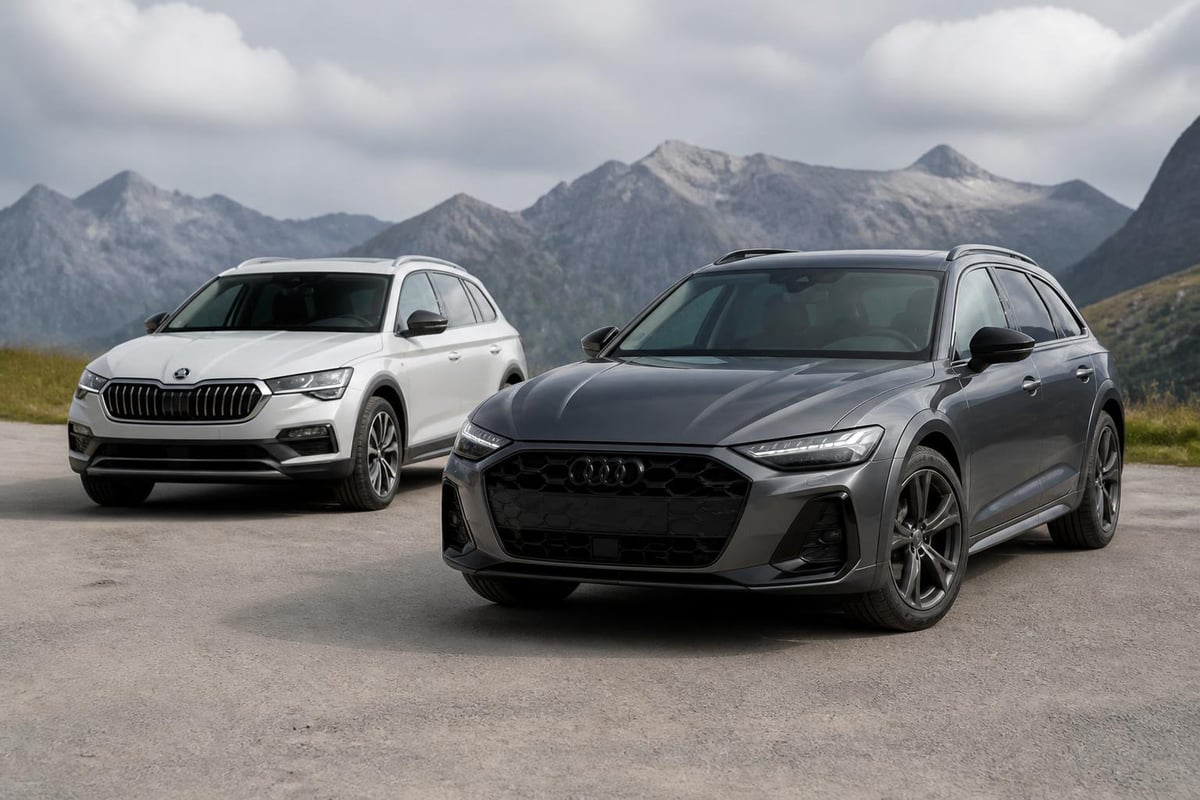
Several model pairings across the Audi Skoda range share fundamental engineering. The Skoda Octavia, celebrated for its enduring appeal, shares its platform with the Audi A3, offering similar mechanical components in different packaging. Both vehicles utilise identical engine options in many markets, including the efficient 2.0-litre TDI diesel and various TSI petrol units.
The Skoda Superb and Audi A4 represent another pairing where platform sharing delivers distinct vehicles. The Superb often provides more interior space thanks to its stretched wheelbase, while the A4 focuses on sporting dynamics and premium appointments.
Key mechanical commonalities include:
- Engine families across both brands (EA888 petrol, EA288 diesel)
- Seven-speed DSG dual-clutch transmissions
- Electronic stability control and safety systems
- Infotainment architecture (MIB systems)
- Suspension geometry and componentry
Servicing Considerations for North Shore Owners
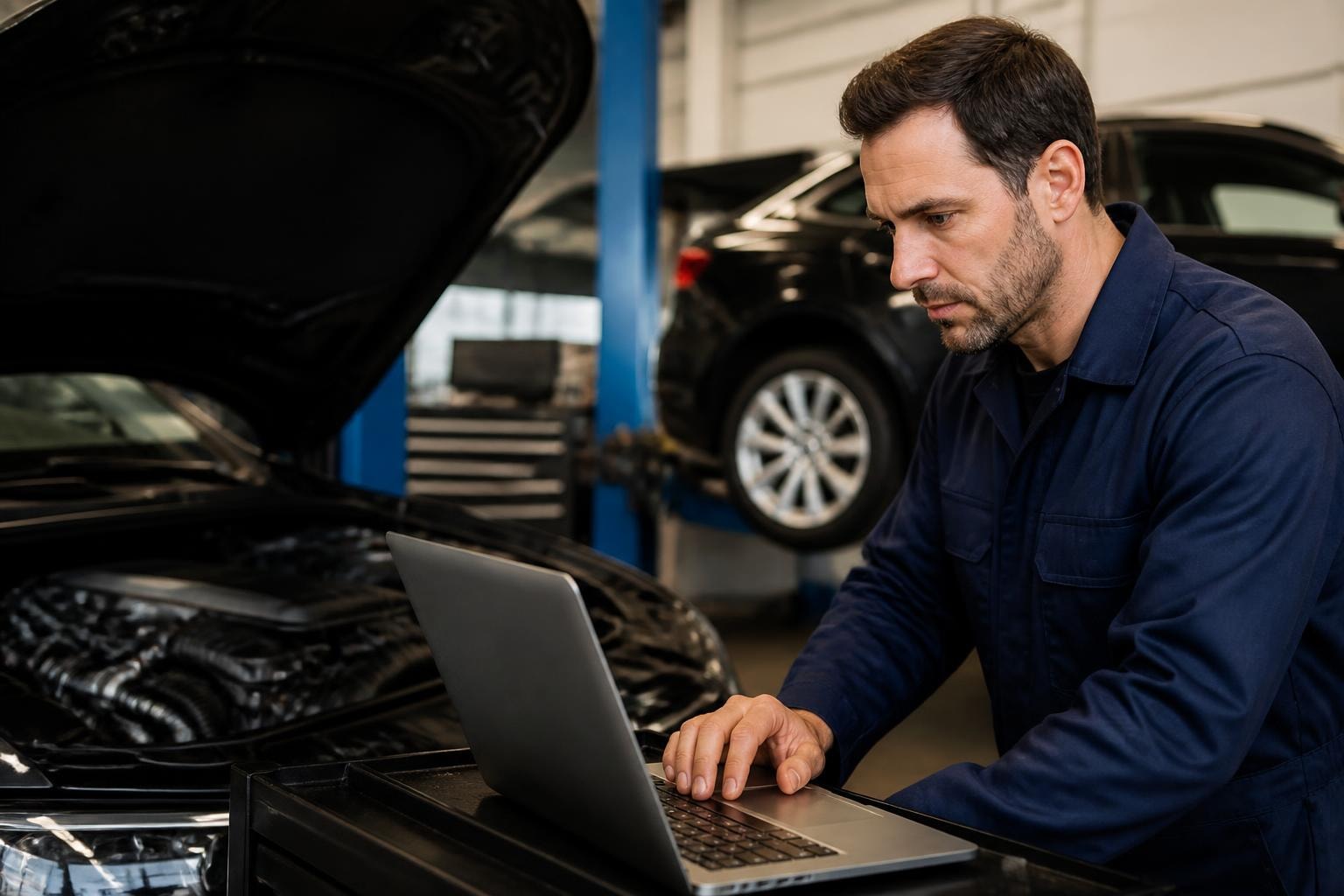
For Auckland residents who own either Audi or Skoda vehicles, understanding the mechanical relationship between these brands offers practical servicing advantages. Specialist workshops equipped to service one brand typically possess the diagnostic equipment, technical knowledge, and parts access necessary for the other.
This is particularly relevant for North Shore drivers seeking alternatives to dealership servicing. Independent specialists who understand the Volkswagen Group ecosystem can provide expert care for both Audi Skoda vehicles, often at more competitive rates than brand-specific dealers whilst maintaining the same quality standards.
Service Interval Alignment
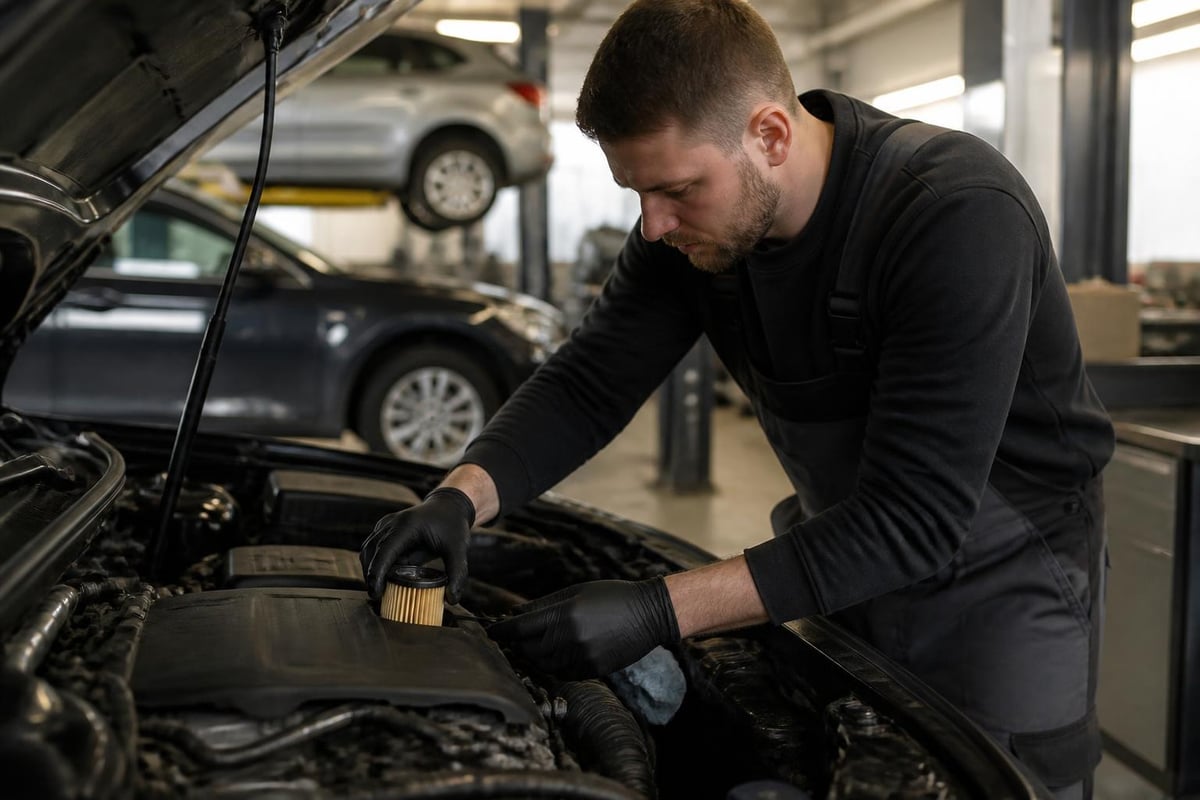
Both manufacturers follow similar service schedules based on Volkswagen Group protocols:
| Service Type | Typical Interval | Common Components |
|---|---|---|
| Oil Changes | 12 months/15,000km | VW 502.00 spec oil, OEM filters |
| Brake Fluid | 2 years | DOT 4 fluid, VW approved |
| Air Filters | 24 months/30,000km | Engine and cabin filters |
| Spark Plugs | 60,000-120,000km | NGK or Bosch specifications |
| DSG Service | 60,000km | Dual-clutch transmission oil |
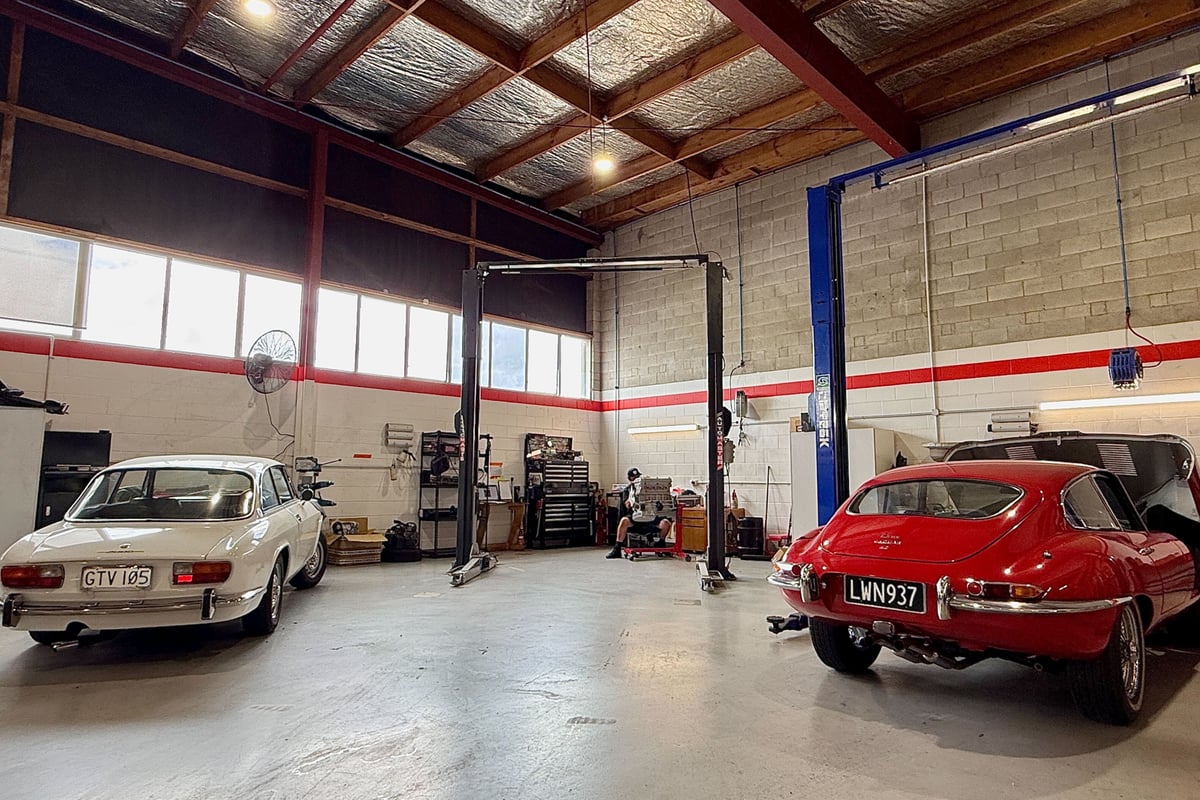
The VODIS Automobile service team specialises in both Audi and Skoda maintenance, recognising the shared engineering that connects these brands whilst respecting their individual characteristics and requirements.
Parts Compatibility and Cost Implications
One of the most significant practical benefits of the Audi Skoda relationship emerges in parts sourcing and replacement costs. Many components carry identical part numbers across brands, whilst others are functionally equivalent despite different packaging or branding.
Commonly interchangeable components:
- Engine management sensors and actuators
- Brake system components (pads, discs, calipers on shared platforms)
- Suspension components including control arms and bushings
- Electrical switches and control modules
- Cooling system parts including thermostats and water pumps
However, some body panels, interior trim pieces, and brand-specific electronic modules remain unique to each manufacturer. Understanding these distinctions helps owners make informed decisions about genuine versus aftermarket parts, particularly for vehicles outside warranty periods.
Technology Integration Across Brands
Modern Audi Skoda vehicles incorporate increasingly sophisticated electronic systems, many of which share underlying architecture. The MIB (Modular Infotainment Platform) system appears across both brands, offering varying interface designs but identical core functionality and diagnostic requirements.
Driver assistance systems similarly share fundamental components. Adaptive cruise control, lane-keeping assist, and parking sensors utilise the same radar and camera hardware across the Volkswagen Group, with software calibration creating brand-specific behaviours and interfaces.
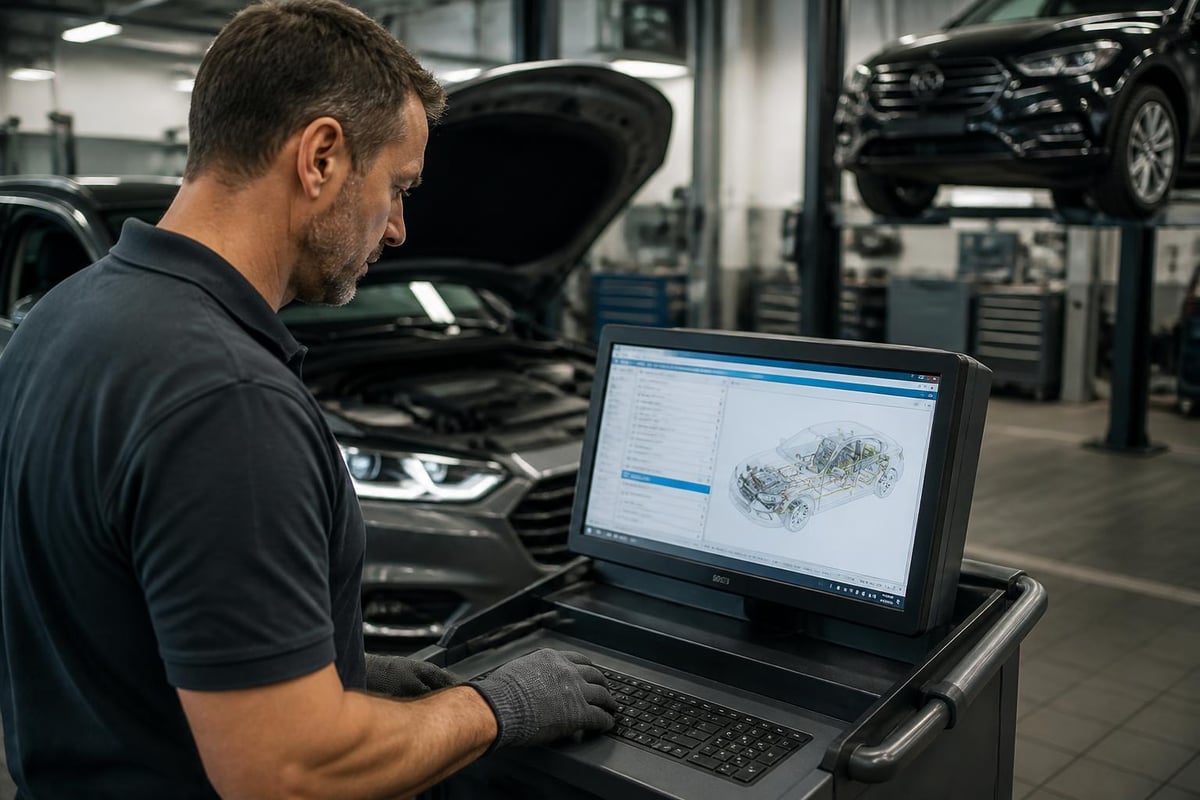
This technological convergence means that diagnostic equipment and technical expertise transfer effectively between brands. Workshops equipped with VCDS (VAG-COM Diagnostic System) or VAS diagnostic tools can interrogate fault codes, perform adaptations, and execute software updates for both Audi and Skoda vehicles using the same fundamental procedures.
Advanced System Capabilities
| System Category | Shared Technology | Brand Differentiation |
|---|---|---|
| Infotainment | MIB3 platform | Interface design, premium audio options |
| Safety | Front Assist, AEB | Calibration sensitivity, additional features |
| Lighting | LED matrix architecture | Audi signature designs, dynamic elements |
| Climate | Automatic climate zones | Premium multi-zone in Audi models |
Ownership Experience and Value Proposition
The decision between Audi and Skoda often centres on value perception rather than fundamental capability differences. Skoda vehicles typically offer more standard equipment at lower price points, with generous warranties and straightforward specifications. Audi positions itself as a premium alternative, commanding higher prices for equivalent mechanical packages wrapped in sophisticated design and exclusive brand appeal.
For practical-minded drivers, particularly those planning to keep vehicles beyond warranty periods, Skoda represents exceptional value. The mechanical foundation matches Audi's engineering standards whilst initial purchase prices remain significantly lower. Depreciation patterns typically favour Skoda as well, with less dramatic value drops compared to premium-badged alternatives.
Conversely, buyers prioritising brand prestige, cutting-edge design, and the latest technology often find Audi's premium positioning worthwhile. The quattro all-wheel-drive system, available across more of Audi's range, delivers superior traction in New Zealand's varied driving conditions. Interior refinement and advanced features often appear in Audi models before filtering down to other Volkswagen Group brands.
Maintenance Cost Realities
Long-term ownership costs for Audi Skoda vehicles reveal interesting patterns. While Audi commands higher parts prices for brand-specific components, the majority of mechanical elements cost similarly across both brands when sourced appropriately. Independent specialists who understand this relationship can provide cost-effective maintenance for both marques.
Typical maintenance cost factors:
- Labour rates vary more by workshop than by brand
- Genuine parts pricing reflects brand positioning, not necessarily quality differences
- Aftermarket alternatives often fit both brands identically
- Diagnostic procedures require similar time investment
- Major service items (timing belts, clutches) show minimal price variation
For North Shore owners, choosing an independent specialist with Volkswagen Group expertise often delivers the optimal balance of quality and value. These workshops understand the Audi Skoda engineering relationship, maintain appropriate diagnostic equipment, and source parts strategically to control costs without compromising quality.
Future Directions and Electric Transition
Both Audi and Skoda are actively developing electric vehicle portfolios built on Volkswagen Group's MEB (Modular Electric Drive Matrix) platform. This new generation of platform sharing brings the same benefits to electric vehicles that current owners experience with conventional powertrains.
The Audi e-tron range represents the premium electric offering, whilst Skoda's Enyaq provides similar electric driving capability at more accessible price points. Both vehicles share battery technology, electric motors, and charging systems, maintaining the established pattern of shared engineering with differentiated positioning.
For New Zealand buyers considering electric European vehicles in coming years, understanding this continuing Audi Skoda relationship will remain relevant. Service requirements, diagnostic procedures, and parts commonality should follow familiar patterns, though the transition from mechanical to electrical systems will require updated workshop equipment and technician training.
Making Informed Decisions
Whether choosing between Audi and Skoda for a new purchase or maintaining an existing vehicle, understanding their shared engineering heritage provides valuable context. These aren't simply different brands under corporate ownership; they represent a sophisticated example of platform sharing that delivers genuine benefits to owners whilst maintaining distinct brand identities.
For maintenance and repair purposes, the Audi Skoda connection means greater flexibility in service provider selection. Workshops specialising in Volkswagen Group vehicles can effectively service both brands, often providing superior value compared to single-brand dealerships whilst maintaining equivalent expertise and quality standards.
The key to maximising ownership satisfaction lies in recognising where the brands converge and where they diverge. Mechanical components, diagnostic requirements, and fundamental engineering merit identical approaches. Brand-specific elements like interior trim, exterior styling, and premium features require individual consideration but rarely impact the core ownership experience or long-term reliability.
Understanding the engineering relationship between Audi and Skoda empowers owners to make smarter decisions about purchasing, servicing, and long-term vehicle care. For Auckland's North Shore residents seeking expert maintenance for either brand, VODIS Automobile offers specialised knowledge of Volkswagen Group vehicles with over 20 years of trusted service. Our factory-trained technicians understand the shared platforms and unique characteristics of both manufacturers, delivering professional care that maintains your European vehicle's performance and reliability.