

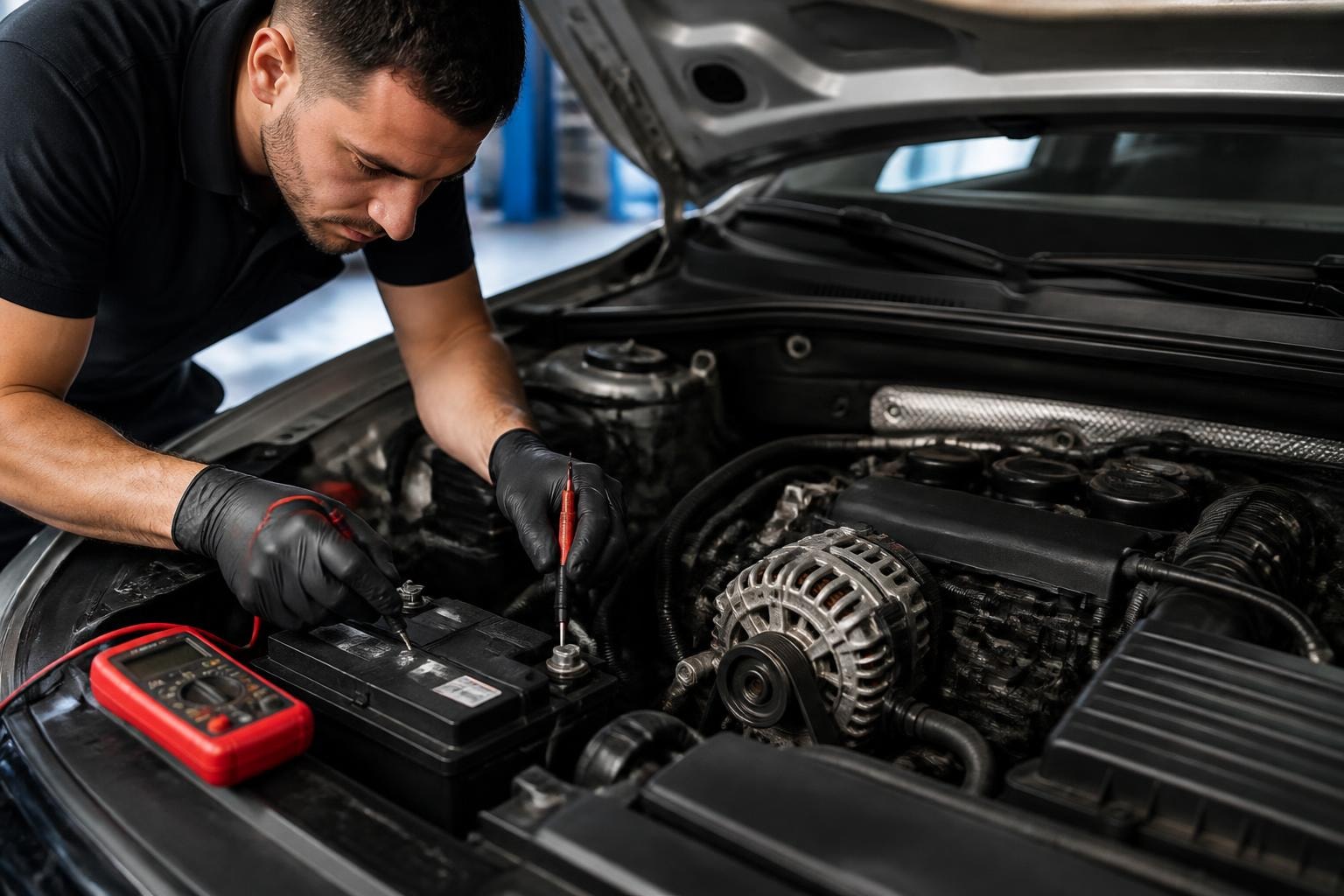
Modern European vehicles represent the pinnacle of automotive engineering, and at the heart of their sophisticated operation lies an intricate network of electrical systems. Understanding auto electrical components and their maintenance requirements is essential for preserving the performance, reliability, and longevity of premium vehicles like Volkswagen, Audi, Mercedes, BMW, and Skoda models. These systems have evolved from simple circuits powering lights and ignition to complex networks managing everything from engine control units to advanced driver assistance systems, making specialised knowledge more critical than ever.
Understanding Modern Auto Electrical Architecture
European vehicles utilise exceptionally sophisticated electrical architectures that differ significantly from mass-market automobiles. The auto electrical system in a modern BMW or Mercedes comprises multiple control modules communicating through CAN bus networks, each managing specific vehicle functions with precision.
Core Components and Their Functions
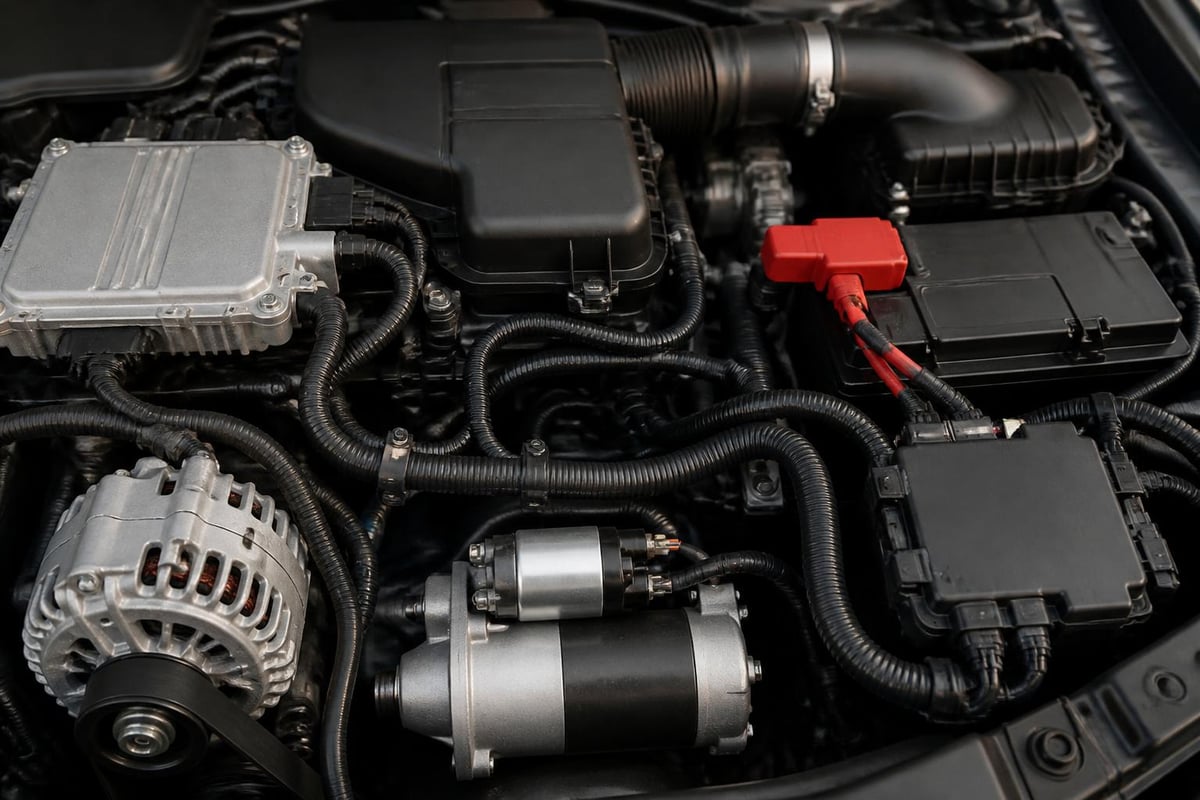
The foundation of any auto electrical system begins with three primary components working in harmony:
- Battery: Stores electrical energy and provides power when the engine is off
- Alternator: Generates electricity whilst the engine runs and recharges the battery
- Starter motor: Draws power from the battery to crank the engine during ignition
Beyond these fundamentals, European vehicles incorporate dozens of additional electrical components. Engine control modules process sensor data thousands of times per second, adjusting fuel delivery and ignition timing. Body control modules manage interior lighting, power windows, and central locking systems. Advanced driver assistance modules coordinate radar sensors, cameras, and actuators to provide safety features.
Voltage Standards and Power Distribution
Modern European automobiles operate on a 12-volt electrical system, though some high-performance and hybrid models incorporate 48-volt networks for enhanced efficiency. Understanding how car electrical systems work provides valuable context for appreciating the complexity of power distribution throughout the vehicle.
Power flows from the battery through a main distribution point, typically a fuse box containing multiple circuits. Each circuit protects specific components through fuses or circuit breakers, preventing electrical overload that could damage sensitive electronics or create fire hazards.
| Component Type | Typical Current Draw | Circuit Protection |
|---|---|---|
| Headlights | 10-15 amps | 15-20 amp fuse |
| Fuel pump | 5-8 amps | 10-15 amp fuse |
| Engine control module | 2-5 amps | 7.5-10 amp fuse |
| Climate control | 15-25 amps | 25-30 amp fuse |
Common Auto Electrical Issues in European Vehicles
European vehicles, whilst engineered to exacting standards, can experience specific electrical challenges that require professional diagnosis and repair. Recognising symptoms early prevents minor issues from escalating into costly repairs.
Battery and Charging System Failures
Battery-related problems represent the most frequent auto electrical complaint. Premium European vehicles often feature sophisticated battery management systems that monitor charge levels, temperature, and cycling history. When batteries deteriorate, these systems may trigger warning lights or enter protective modes that limit electrical functions.
Alternator failures manifest through several telltale signs:
- Dashboard battery warning light illumination
- Dimming headlights during idle
- Electrical accessories functioning intermittently
- Difficulty starting after short trips
- Unusual whining or grinding noises from the engine bay
Modern alternators incorporate voltage regulators that maintain consistent charging rates regardless of engine speed. When these regulators fail, voltage fluctuations can damage sensitive electronic components throughout the vehicle.
Wiring Harness and Connection Degradation
European vehicles utilise extensive wiring harnesses containing hundreds of individual circuits. Over time, connections can corrode, wires can chafe against chassis components, and insulation can deteriorate. Avoiding common auto electrical system problems requires regular inspection of visible wiring and prompt attention to any unusual electrical behaviour.
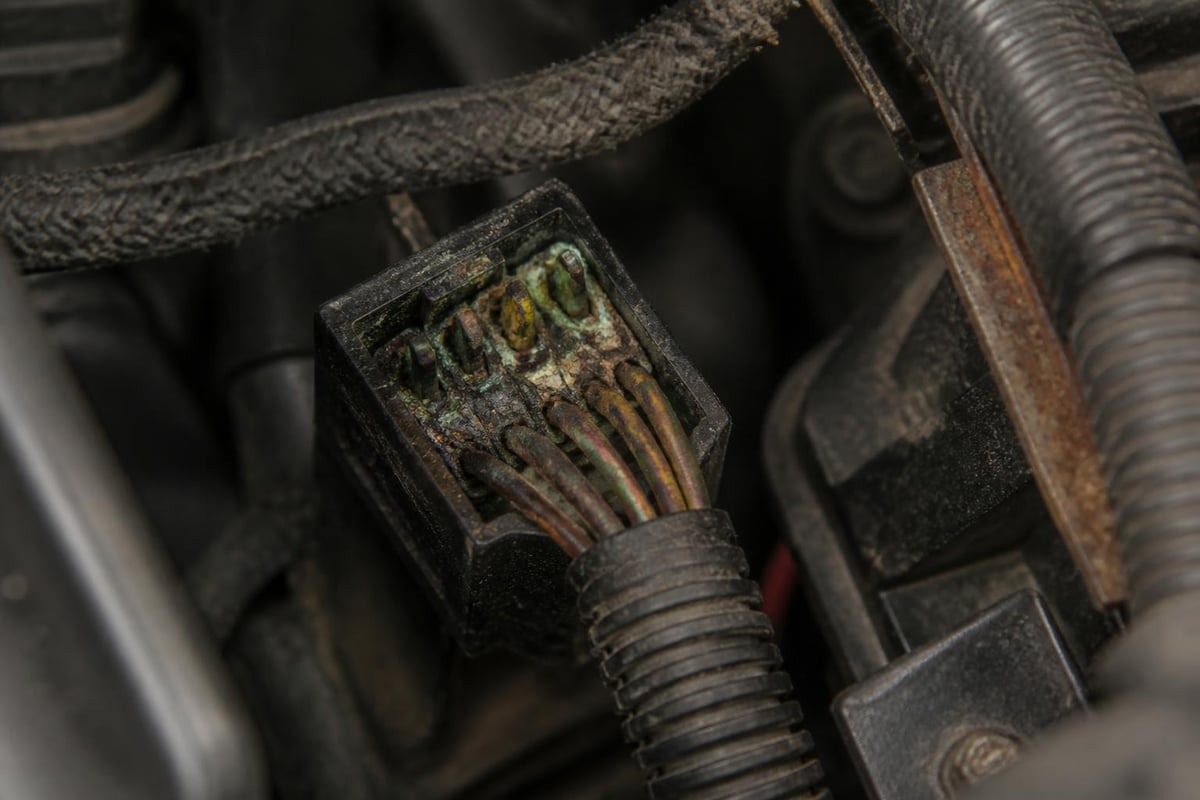
Water ingress represents a particular concern for auto electrical reliability. Sunroof drains, door seals, and bulkhead penetrations can allow moisture to reach control modules and wiring junctions. The resulting corrosion creates high-resistance connections that cause intermittent faults notoriously difficult to diagnose.
Control Module and Sensor Failures
Modern European vehicles depend on dozens of sensors feeding data to control modules. Oxygen sensors, mass airflow sensors, throttle position sensors, and wheel speed sensors all play critical roles in vehicle operation. When sensors fail or provide inaccurate data, control modules may trigger warning lights, reduce engine power, or disable safety features.
Diagnostic Approaches for Auto Electrical Problems
Diagnosing auto electrical faults in European vehicles requires specialised equipment and manufacturer-specific knowledge. Generic scan tools may read basic fault codes, but accessing the full diagnostic capabilities of Volkswagen, Audi, Mercedes, BMW, or Skoda systems demands professional-grade diagnostic platforms.
Systematic Testing Methodology
Professional technicians follow structured diagnostic procedures when investigating electrical complaints:
- Visual inspection: Examining battery terminals, ground connections, and visible wiring for obvious damage
- Voltage testing: Measuring battery voltage, charging system output, and voltage drops across connections
- Current draw analysis: Testing for parasitic drains that discharge batteries when vehicles are parked
- Circuit continuity: Verifying wiring integrity between components using specialised meters
- Module communication: Scanning CAN bus networks for communication errors between control modules
Intermittent electrical faults present the greatest diagnostic challenge. Symptoms that appear sporadically may relate to temperature-sensitive components, vibration-induced connection failures, or software glitches within control modules. Maintaining automotive electrical systems through regular professional inspection helps identify developing problems before they become intermittent.
Manufacturer-Specific Diagnostic Tools
European manufacturers equip their vehicles with proprietary diagnostic protocols accessible only through approved diagnostic systems. A BMW's integrated fault memory stores detailed information about electrical system events, including exact conditions when faults occurred. Accessing this data requires factory-level diagnostic equipment that generic tools cannot replicate.
For owners of European vehicles seeking reliable diagnostics and repairs, working with specialists who invest in manufacturer-approved equipment ensures accurate problem identification. Vodis VW | Audi | Skoda Service employs factory-trained technicians equipped with the latest diagnostic technology to identify and resolve electrical system issues efficiently.

Preventive Maintenance for Auto Electrical Longevity
Proactive maintenance extends the lifespan of auto electrical components and prevents unexpected failures. European vehicles benefit from specific maintenance approaches that account for their sophisticated electrical architectures.
Battery Care and Testing
Premium European vehicles often specify particular battery types with specific charge retention characteristics. AGM (Absorbent Glass Mat) batteries, commonly used in vehicles with start-stop technology, require different charging protocols than conventional flooded batteries.
Regular battery maintenance includes:
- Cleaning terminals and cable connections semi-annually
- Testing battery state of charge and cranking capacity annually
- Inspecting hold-down brackets for secure mounting
- Checking electrolyte levels in serviceable batteries
- Recording battery age for timely replacement planning
Proper battery cable attachment ensures reliable electrical connections and prevents starting problems. Loose or corroded terminals create resistance that reduces available current for starting and charging.
Alternator and Charging System Inspection
The charging system deserves regular attention to prevent sudden failures. Professional technicians can measure alternator output voltage and ripple patterns that indicate developing problems before complete failure occurs. Maintaining car electrical systems through scheduled inspections identifies worn alternator bearings, failing voltage regulators, and loose drive belts.
| Maintenance Task | Recommended Frequency | Purpose |
|---|---|---|
| Battery voltage test | Every 6 months | Verify charge retention |
| Alternator output test | Annually | Confirm charging capacity |
| Belt tension inspection | Every service | Prevent charging failures |
| Ground connection cleaning | Every 2 years | Reduce voltage drops |
| Module software updates | As recommended | Fix known electrical issues |
Protecting Electrical Systems During Service
Certain maintenance and repair procedures pose risks to auto electrical components if not performed correctly. Disconnecting batteries without proper precautions can erase module memory settings and trigger security systems. Jump-starting vehicles with reversed polarity can destroy expensive control modules instantly.
Professional service centres follow manufacturer protocols for electrical system protection during repairs. This includes using memory savers during battery replacement, observing proper jump-start procedures, and registering new batteries with the vehicle's energy management system.
Advanced Electrical Features in Modern European Vehicles
Contemporary European automobiles incorporate electrical systems that would have seemed like science fiction a decade ago. Understanding these advanced features helps owners appreciate the complexity beneath their vehicles' sophisticated capabilities.
Adaptive Lighting Systems
Modern headlight assemblies represent marvels of auto electrical engineering. Adaptive LED headlights adjust beam patterns based on steering angle, vehicle speed, and oncoming traffic detection. These systems coordinate inputs from steering angle sensors, GPS data, and camera systems to optimise illumination whilst minimising glare for other drivers.
Driver Assistance Technologies
Advanced driver assistance systems (ADAS) rely extensively on electrical sensors, cameras, and radar units. Lane departure warning, adaptive cruise control, and autonomous emergency braking all depend on continuous electrical system reliability. When auto electrical problems affect sensor power or communication networks, these safety features may disable themselves until proper repairs restore system integrity.

Infotainment and Connectivity
Modern European vehicles feature infotainment systems that integrate navigation, audio, vehicle settings, and smartphone connectivity. These systems draw continuous power and communicate with numerous vehicle modules to display information and control functions. Electrical system voltage fluctuations or communication network errors can cause infotainment malfunctions that frustrate owners.
Electrical System Modifications and Accessories
Adding aftermarket electrical accessories to European vehicles requires careful consideration of existing electrical capacity and integration requirements. Improper installations can overload circuits, interfere with control module communication, or void manufacturer warranties.
Calculating Electrical Load Capacity
Before adding accessories, calculate the total amperage draw against available alternator capacity. A typical European vehicle alternator produces 120-180 amps, but normal vehicle operation already consumes 60-80% of that capacity. Adding high-draw accessories like aftermarket lighting, audio amplifiers, or refrigeration units requires professional evaluation of the charging system's reserve capacity.
Integration with Vehicle Electronics
Modern European vehicles monitor electrical circuits continuously. Adding accessories to existing circuits may trigger fault codes if current draw exceeds expected parameters. Professional installations incorporate proper circuit protection and, when necessary, independent circuits to prevent interference with factory systems.
Seasonal Electrical System Considerations
New Zealand's climate presents specific challenges for auto electrical systems that owners should understand and address proactively.
Cold Weather Impact
Although New Zealand winters rarely reach extreme cold, temperature drops affect battery performance significantly. Chemical reactions within batteries slow at lower temperatures, reducing available cranking current precisely when engines require more power to start. Batteries approaching the end of their service life may perform adequately during warm months but fail when temperatures drop.
Heat and Humidity Effects
Auckland's humid conditions accelerate corrosion at electrical connections. Salt air in coastal areas compounds this effect, particularly affecting battery terminals and ground connections. Regular cleaning and application of corrosion-preventive treatments extend connection reliability.
Electrical System Preparation for Extended Storage
Vehicles stored for extended periods experience parasitic battery drain from modules maintaining memory and security systems. Understanding electrical system maintenance helps owners prepare vehicles for storage correctly. Professional recommendations include disconnecting batteries or connecting maintenance chargers to preserve battery condition during storage periods.
The Evolution of Auto Electrical Technology
The automotive industry continues advancing electrical system sophistication at an unprecedented pace. Understanding emerging technologies helps vehicle owners anticipate future maintenance requirements and capabilities.
48-Volt Mild Hybrid Systems
European manufacturers increasingly incorporate 48-volt electrical networks alongside traditional 12-volt systems. These dual-voltage architectures power starter-generators that provide seamless stop-start functionality and brief electric-only propulsion. Maintaining these hybrid electrical systems requires specialised training and diagnostic equipment.
Over-the-Air Software Updates
Many modern European vehicles receive software updates wirelessly, modifying control module programming without visiting service centres. Whilst convenient, these updates depend on reliable electrical systems to complete successfully. Interrupted updates due to battery discharge or connection problems can render vehicle systems inoperable until professional intervention restores functionality.
Electrification and High-Voltage Systems
Fully electric and plug-in hybrid European vehicles incorporate high-voltage electrical systems operating at 400 volts or higher. These systems demand extreme caution and specialised training for safe diagnosis and repair. Only technicians with manufacturer-approved high-voltage qualifications should service these components.
Maintaining the complex auto electrical systems in modern European vehicles requires specialised knowledge, proper diagnostic equipment, and systematic approaches to problem-solving. Regular professional inspections, prompt attention to warning signs, and adherence to manufacturer maintenance schedules preserve electrical system reliability and protect your investment in premium automotive engineering. For expert auto electrical diagnostics and repairs on Volkswagen, Audi, Mercedes, BMW, and Skoda vehicles, VODIS Automobile combines over 20 years of experience with factory-trained technicians and the latest diagnostic technology to keep your European vehicle performing at its best.