

Choosing the right car maintenance centre represents one of the most important decisions vehicle owners make. Beyond routine servicing, these facilities serve as the guardians of your vehicle's performance, safety, and longevity. For European vehicle owners in particular, selecting a car maintenance centre with specialized knowledge and equipment can mean the difference between optimal performance and recurring issues. Understanding what separates exceptional facilities from average ones empowers owners to make informed choices that protect their investment.
The Critical Role of Specialized Expertise
European vehicles demand a level of technical knowledge that extends far beyond general automotive repair. A quality car maintenance centre focusing on European marques invests heavily in technician training, diagnostic equipment, and technical documentation specific to manufacturers like Volkswagen, Audi, Mercedes, BMW, and Skoda.
Factory-Trained Technicians Make the Difference
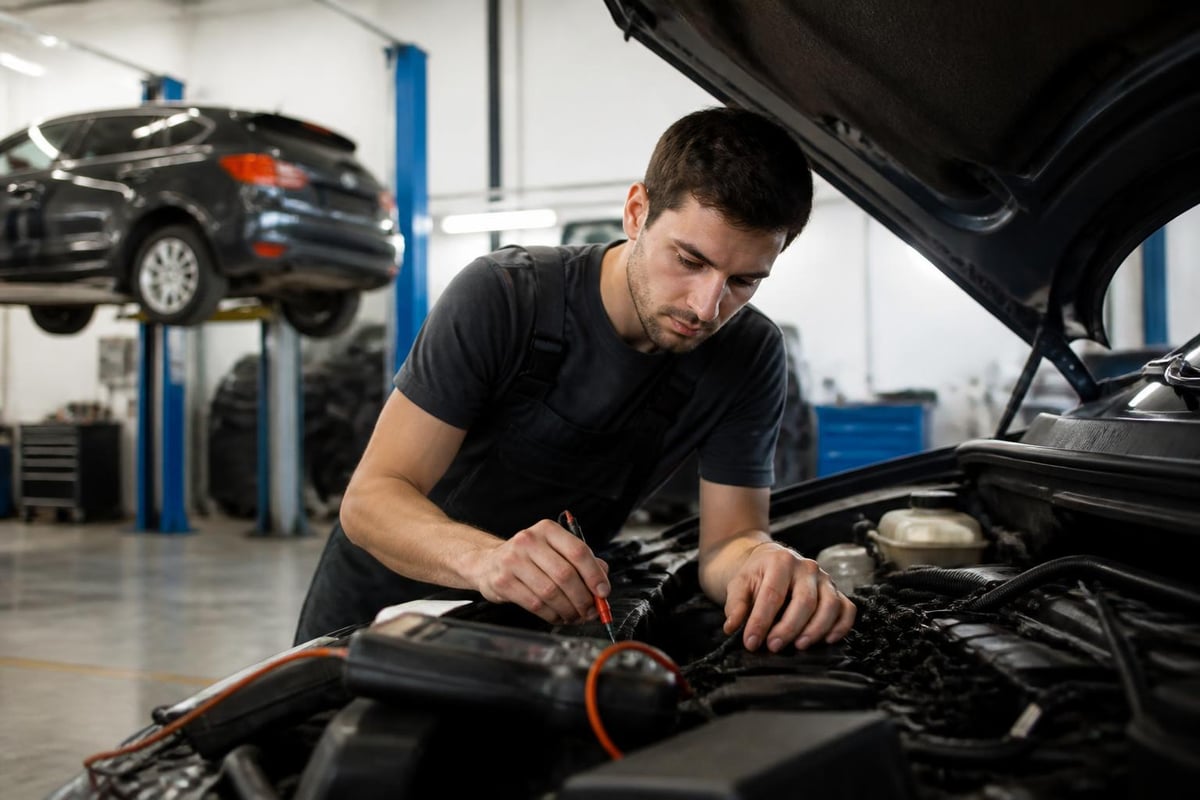
The complexity of modern European vehicles requires technicians who understand proprietary systems, software protocols, and manufacturer-specific repair procedures. Factory training programs provide mechanics with:
- Direct access to manufacturer technical bulletins and updates
- Hands-on experience with brand-specific diagnostic tools
- Understanding of engine management systems unique to each manufacturer
- Knowledge of electronic architecture and control modules
- Expertise in advanced driver assistance systems (ADAS)
Continuous education separates exceptional facilities from those relying on outdated knowledge. As vehicles become increasingly sophisticated, ongoing training ensures technicians remain current with the latest technologies and repair methodologies.
Standards and Best Practices in Modern Facilities
Professional car maintenance centres operate according to established industry standards that protect both customers and vehicles. The Automotive Maintenance & Repair Association provides frameworks that strengthen relationships between motorists and service providers through transparent practices and ethical standards.
Documentation and Authorization Requirements
Reputable facilities follow strict protocols for documenting work and obtaining customer authorization. These practices include:
- Pre-service inspections that identify potential issues before work begins
- Detailed estimates outlining parts, labour, and expected completion times
- Customer authorization for any work exceeding the original estimate
- Service records maintaining complete history of all work performed
- Post-service reporting explaining completed work and future recommendations
The accepted trade standards emphasize performing repairs in a workmanlike manner according to manufacturer recommendations, ensuring consistency and quality across the industry.
| Standard Practice | Purpose | Customer Benefit |
|---|---|---|
| Written estimates | Transparency in pricing | No surprise costs |
| Work authorization | Customer control | Only approved repairs completed |
| Quality inspections | Verify proper completion | Work done right first time |
| Service documentation | Maintain history | Complete vehicle records |
| Warranty provision | Stand behind work | Peace of mind |
Diagnostic Technology and Equipment Investment
Modern European vehicles contain dozens of electronic control units communicating through sophisticated networks. A properly equipped car maintenance centre maintains diagnostic tools capable of interfacing with these systems at the manufacturer level.
Essential Diagnostic Capabilities
Manufacturer-specific scan tools provide access to proprietary systems that generic code readers cannot reach. These tools enable technicians to:
- Read fault codes from all vehicle control modules
- View live data streams during dynamic testing
- Perform module programming and software updates
- Execute guided diagnostic routines
- Reset service indicators and adaptations
Beyond diagnostic equipment, specialized tools for European vehicles include timing equipment for engines with complex valve timing systems, brake bleeding systems for electronic brake modules, and suspension calibration tools for adaptive damping systems.
The Auto Care Association’s data standards help ensure consistency in parts identification and service procedures, supporting efficient and accurate repairs.
Parts Quality and Supply Chain Management
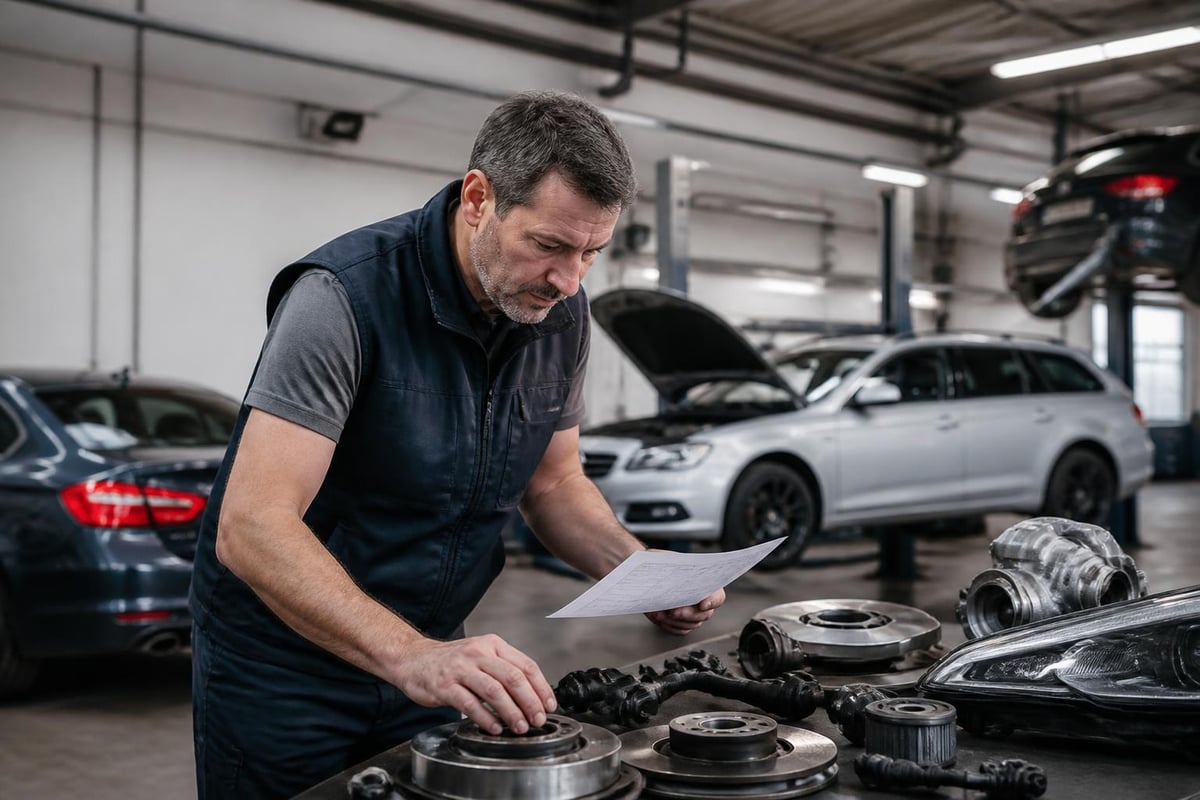
The parts installed at a car maintenance centre directly impact vehicle performance and longevity. European vehicles require components meeting stringent specifications, whether genuine manufacturer parts or high-quality European alternatives.
Genuine Versus Quality Aftermarket Parts
Premium facilities offer flexibility in parts sourcing while maintaining quality standards. The choice between genuine and aftermarket parts depends on several factors:
Genuine parts provide exact manufacturer specifications, warranty compliance for newer vehicles, and guaranteed compatibility. They represent the safest choice for critical systems and warranty-applicable repairs.
Quality European aftermarket parts from reputable manufacturers offer cost savings while maintaining performance standards. Established brands produce components specifically engineered for European vehicles, often by the same suppliers who manufacture genuine parts.
A trustworthy car maintenance centre provides transparent guidance on parts options, explaining the benefits and limitations of each choice without pressuring customers toward unnecessary expenses.
Service Intervals and Preventative Maintenance
European manufacturers specify detailed maintenance schedules designed to maximize vehicle lifespan and performance. Following these intervals at a qualified car maintenance centre prevents costly repairs and maintains optimal operation.
Understanding Variable Service Intervals
Modern European vehicles often feature variable service intervals based on driving conditions, with onboard computers calculating service needs according to:
- Operating temperature ranges
- Engine load and driving style
- Fuel quality and consumption patterns
- Short trip frequency
- Environmental conditions
However, certain maintenance tasks require attention at fixed intervals regardless of computer calculations. Engine oil in high-performance European engines experiences thermal stress that demands regular replacement even with low mileage accumulation.
Critical Maintenance Categories
| Service Category | Typical Interval | Importance Level |
|---|---|---|
| Engine oil and filter | 10,000-15,000 km or annually | Critical |
| Brake fluid | 24 months | High |
| Transmission service | 60,000-80,000 km | High |
| Coolant system | 4-5 years or 120,000 km | High |
| Timing belt (where applicable) | Manufacturer specified | Critical |
| Spark plugs | 60,000-100,000 km | Medium |
| Air filters | 30,000-50,000 km | Medium |
| Brake pads and discs | Condition-based | Critical |
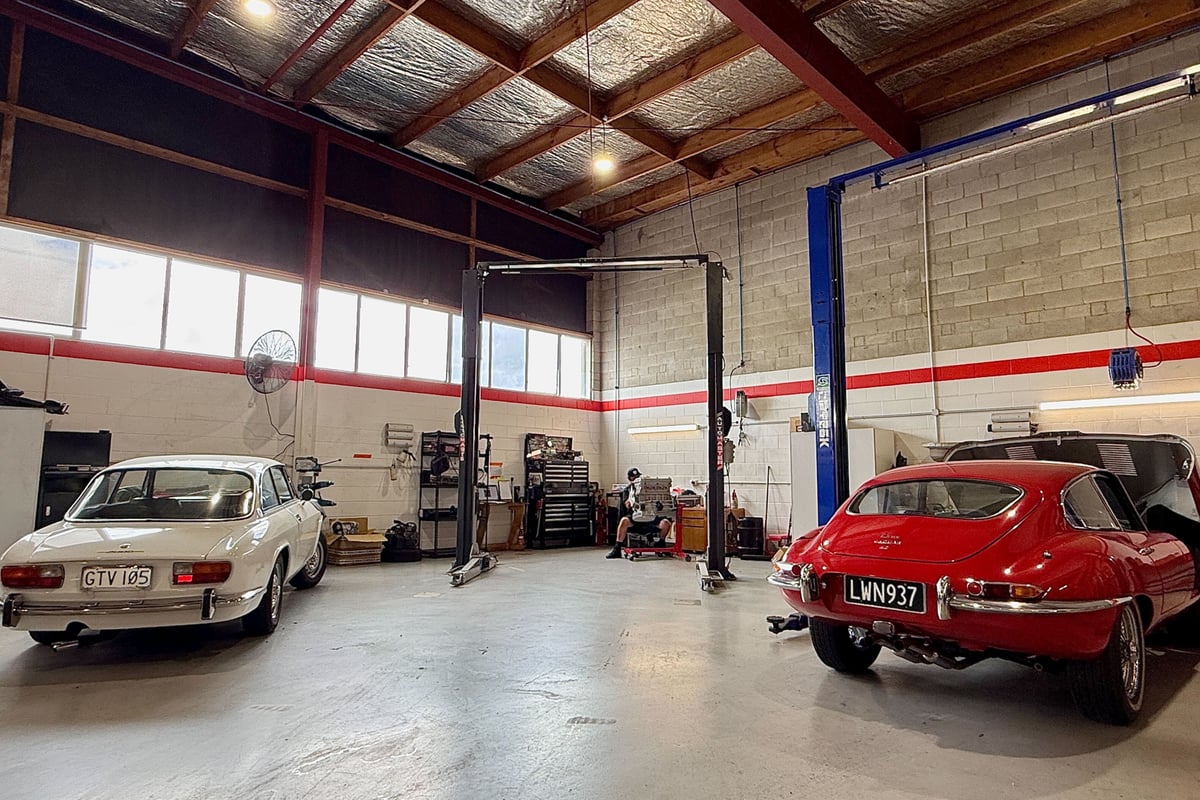
For North Shore Auckland vehicle owners, VODIS VW | Audi | Skoda Service offers expert servicing with factory-trained technicians and genuine or high-quality European parts. Their streamlined online booking system allows customers to schedule services in under 60 seconds, with fast turnaround times and courtesy cars available.
Customer Communication and Transparency
Exceptional car maintenance centres distinguish themselves through clear, honest communication that builds long-term customer relationships. This transparency extends from initial estimates through service completion and follow-up recommendations.
Multi-Point Inspection Reporting
Comprehensive facilities perform detailed inspections during every service, documenting vehicle condition with measurements and photographic evidence. This approach provides customers with:
- Visual documentation of wear items showing actual condition
- Measurable data for brake pad thickness, tyre tread depth, and fluid condition
- Priority ratings distinguishing immediate needs from future considerations
- Cost estimates for identified work allowing budget planning
- Timeline recommendations for when attention becomes necessary
The AAA Approved Auto Repair standards emphasize the importance of detailed estimates and customer communication in building trust between facilities and vehicle owners.
Operational Efficiency and Customer Convenience
Modern car maintenance centres recognize that customer time holds significant value. Efficient operations minimize vehicle downtime while maintaining quality standards.
Streamlined Service Processes
Online booking systems allow customers to schedule appointments outside business hours, viewing available times and selecting preferred services. Digital platforms enable:
- Service history access from any device
- Automatic service reminders based on vehicle records
- Real-time updates on service progress
- Digital invoicing and payment options
- Feedback and review submission
Courtesy vehicle programs eliminate transportation challenges during extended repairs, allowing customers to maintain their schedules without interruption.
Same-day service for routine maintenance demonstrates respect for customer time. A well-organized car maintenance centre schedules efficiently, completing standard services without requiring overnight stays.
Warranty Protection and Workmanship Guarantees
Reputable facilities stand behind their work with comprehensive warranty coverage. These guarantees demonstrate confidence in parts quality and technical expertise while protecting customers from defective components or workmanship errors.
Understanding Service Warranties
Standard warranty coverage includes:
- Parts warranties ranging from 12 months to lifetime depending on component type
- Labour warranties covering reinstallation if parts fail within warranty period
- Workmanship guarantees addressing errors in repair execution
- Written documentation clearly stating warranty terms and exclusions
Nationwide warranty networks benefit customers who relocate or travel, ensuring warranty honor regardless of location. This coverage proves particularly valuable for European vehicle owners who may travel extensively.
Safety Standards and Workplace Practices
Behind-the-scenes operational standards significantly impact service quality and customer safety. Professional car maintenance centres implement rigorous safety protocols protecting both technicians and customer vehicles.
The OSHA vehicle maintenance guidelines outline critical safety practices including proper lifting procedures, hazardous material handling, and workspace organization. These standards prevent workplace injuries while ensuring vehicles receive safe, professional handling.
Facility Organization and Cleanliness
Workshop organization directly correlates with service quality. Well-maintained facilities feature:
- Dedicated work bays preventing cross-contamination between services
- Organized tool storage ensuring proper equipment availability
- Clean environments protecting vehicles from damage during service
- Proper lighting enabling detailed inspections and precision work
- Climate control maintaining optimal working conditions
Environmental responsibility extends beyond regulatory compliance. Professional facilities properly dispose of used fluids, recycle parts materials, and minimize environmental impact through responsible practices.
Building Long-Term Customer Relationships
The relationship between vehicle owners and their chosen car maintenance centre extends far beyond individual service visits. Exceptional facilities invest in customer relationships through consistent quality, honest advice, and personalized service.
Trust Through Transparency
Honest recommendations separate professional facilities from those prioritizing short-term revenue. Quality car maintenance centres advise customers when repairs can wait, when alternative solutions exist, and when manufacturer recalls address issues at no cost.
Service history tracking enables personalized maintenance planning. By maintaining complete records, facilities can:
- Anticipate upcoming service needs based on vehicle age and mileage
- Track recurring issues indicating underlying problems
- Provide informed advice based on vehicle-specific history
- Avoid unnecessary duplicate services
- Plan major services during convenient periods
The best practices for operational excellence emphasize measurement and disciplined methodologies that improve service consistency while building customer confidence.
Adapting to Emerging Vehicle Technologies
European manufacturers lead in implementing advanced technologies, from hybrid powertrains to sophisticated driver assistance systems. Forward-thinking car maintenance centres invest in training and equipment to service these evolving technologies.
Electric and Hybrid Vehicle Servicing
High-voltage system expertise requires specialized training and safety equipment. Technicians servicing hybrid and electric European vehicles must understand:
- High-voltage battery system diagnostics and safety protocols
- Electric motor and inverter maintenance procedures
- Regenerative braking system service requirements
- Charging system troubleshooting and repair
- Software updates for battery management systems
Traditional maintenance remains essential even for electrified vehicles. Brake systems, suspension components, climate control, and interior systems require the same attention as conventional vehicles.
Regional Considerations for Auckland Vehicle Owners
Auckland's unique climate and driving conditions influence maintenance requirements for European vehicles. Coastal humidity, urban congestion, and varied terrain present specific challenges requiring specialized attention.
Climate-Related Maintenance Priorities
Salt air exposure accelerates corrosion on vehicles, particularly affecting brake components, exhaust systems, and undercarriage areas. Regular inspections and protective treatments extend component life in coastal environments.
Short-trip driving common in urban Auckland prevents engines from reaching optimal operating temperatures, affecting oil quality and increasing moisture accumulation in exhaust systems. More frequent oil changes benefit vehicles primarily used for short journeys.
Traffic congestion increases wear on cooling systems, automatic transmissions, and brake components. Vehicles experiencing predominantly stop-and-go driving benefit from proactive maintenance addressing these stress points.
Measuring Service Quality and Value
Selecting a car maintenance centre requires evaluating multiple factors beyond pricing. True value encompasses quality workmanship, appropriate parts, expert diagnosis, and long-term vehicle health.
Quality Indicators to Consider
- Technician qualifications and ongoing training commitments
- Facility equipment specific to European vehicle requirements
- Customer reviews emphasizing technical expertise and communication
- Warranty coverage demonstrating confidence in work quality
- Service transparency through detailed reporting and explanations
- Professional affiliations with industry organizations
- Longevity indicating sustained business success and customer retention
The Motorist Assurance Program provides vehicle inspection and maintenance standards designed to build trust between motorists and service providers, offering frameworks for evaluating facility quality.
Price alone proves insufficient for judging value. The lowest-cost provider may compromise on parts quality, skip necessary procedures, or lack expertise for proper diagnosis. Conversely, premium pricing should correspond to demonstrable expertise, superior parts, and comprehensive service.
Making Informed Service Decisions
Empowered vehicle owners make better maintenance decisions by understanding their car maintenance centre's recommendations and asking informed questions. Building automotive knowledge enables productive conversations with service advisors.
Questions to Ask Your Service Provider
When receiving service recommendations, consider asking:
- What specific symptoms or measurements indicate this service need?
- Can you show me the affected component or provide documentation?
- What are the safety implications of delaying this work?
- Are there alternative approaches or solutions to consider?
- Which parts options are available and how do they differ?
- What warranty coverage applies to this repair?
- How will this service affect other vehicle systems?
Written estimates should detail parts, labour hours, and expected completion times. Understanding estimate components enables meaningful comparison when seeking multiple quotes for major repairs.
Service records belong to vehicle owners. Maintaining personal copies ensures continuity when changing service providers and proves valuable when selling vehicles.
Selecting the right car maintenance centre fundamentally impacts European vehicle ownership satisfaction, combining expert technical knowledge with transparent communication and quality workmanship. For Auckland North Shore residents seeking specialized European vehicle care, VODIS Automobile delivers over 20 years of trusted service through factory-trained technicians, quality parts, and genuine commitment to customer satisfaction. Their expertise with Volkswagen, Audi, Mercedes, BMW, and Skoda vehicles ensures your European car receives the specialized attention it deserves.