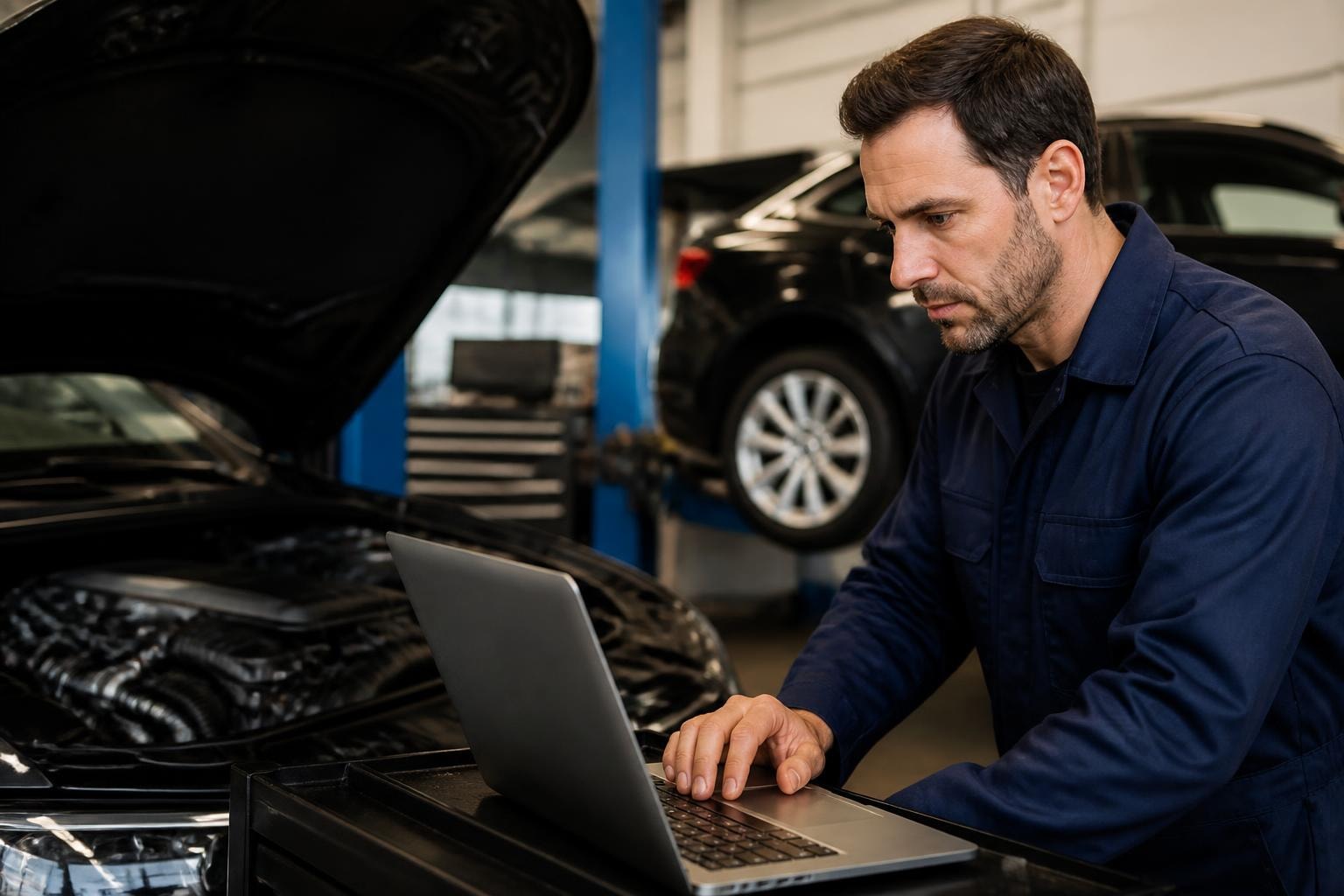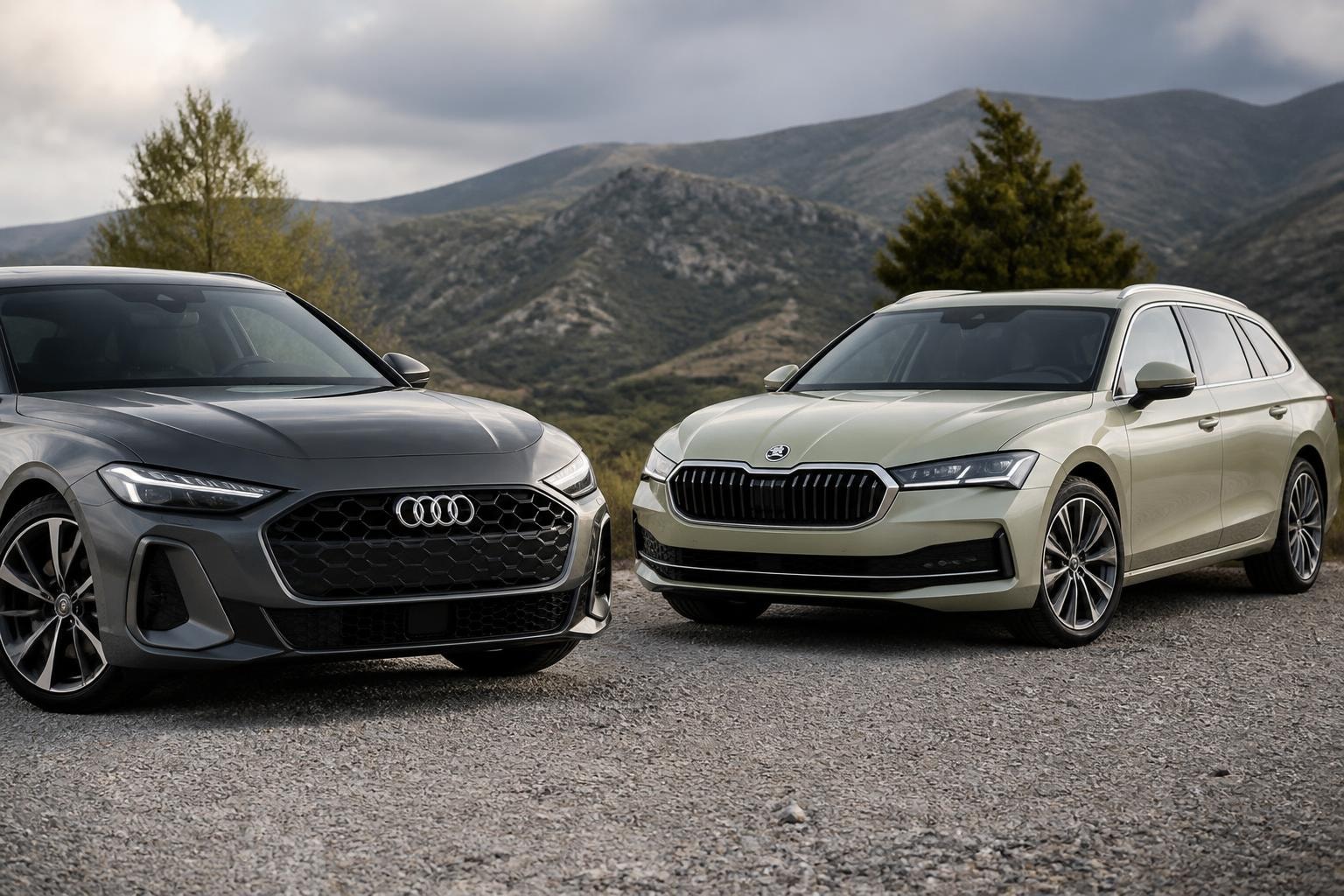

Owning a European vehicle in New Zealand brings a distinctive driving experience characterized by superior engineering, refined performance, and advanced technology. Whether you drive a Volkswagen, Audi, Mercedes-Benz, BMW, or Skoda, these vehicles demand specialized attention that differs significantly from their Japanese or American counterparts. Understanding the nuances of european auto repair ensures your investment remains protected, your safety stays uncompromised, and your vehicle delivers the performance standards European manufacturers built into every component. For Auckland's North Shore residents, accessing expert servicing tailored specifically to these brands becomes essential for maintaining both value and reliability.
Understanding European Vehicle Engineering Differences
European manufacturers approach automotive design with distinct philosophies that directly impact servicing requirements and repair methodologies. These vehicles typically feature more complex electrical architectures, proprietary diagnostic protocols, and engineering tolerances that demand precision during maintenance procedures.
Advanced Electronic Systems
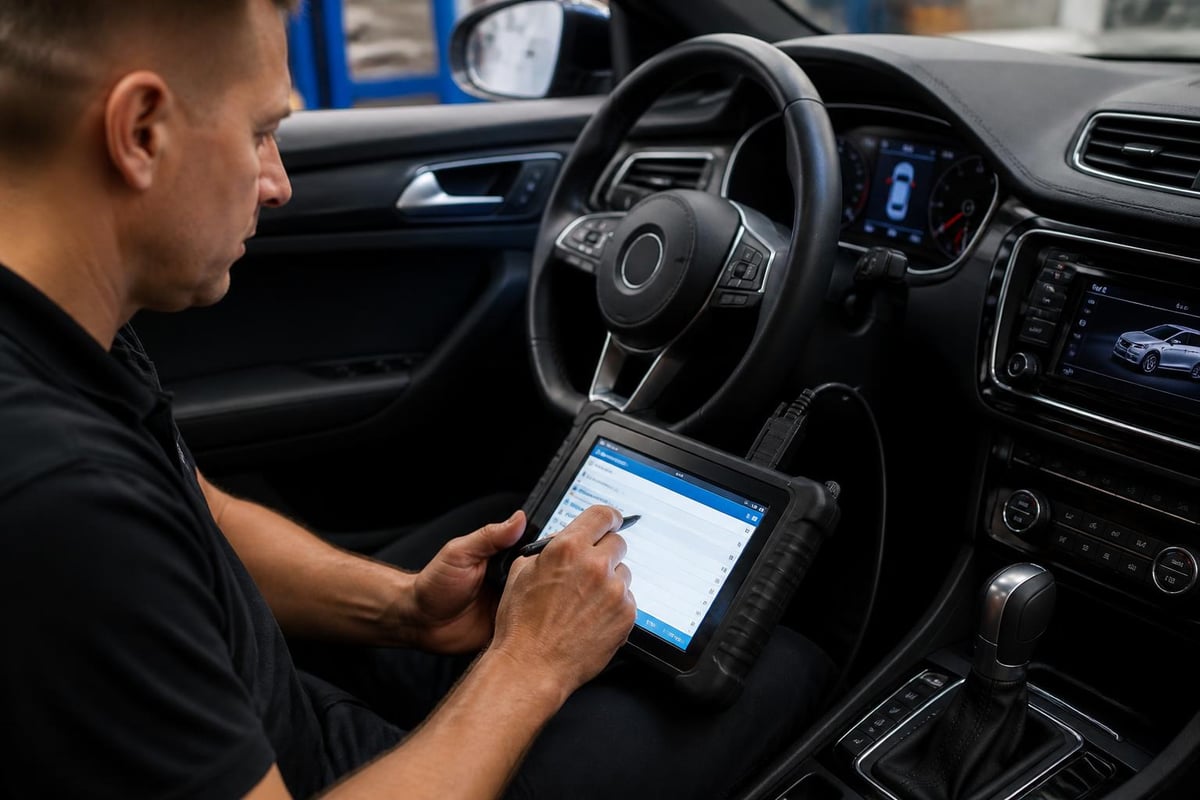
Modern European vehicles integrate sophisticated electronics controlling everything from engine management to suspension dynamics. These systems communicate through proprietary networks that require manufacturer-specific diagnostic equipment to access, interpret, and troubleshoot effectively.
Key electronic complexities include:
- Multi-module network architectures with dozens of interconnected control units
- Encrypted diagnostic protocols requiring authorized access tools
- Software-dependent mechanical systems needing regular updates
- Integration between comfort, safety, and performance functions
The European automotive aftermarket continues transforming as vehicles become increasingly software-defined, requiring repair facilities to invest substantially in technology and training.
Precision Engineering Standards
European manufacturers employ tighter manufacturing tolerances than many competitors, resulting in components that fit together with minimal clearance. While this precision enhances performance and reduces noise, it simultaneously demands exacting standards during repairs and component replacement.
| Aspect | European Standard | Impact on Repair |
|---|---|---|
| Bolt torque specifications | Highly precise, often angle-based | Requires calibrated torque equipment |
| Fluid specifications | Manufacturer-specific formulations | Cannot substitute generic alternatives |
| Parts compatibility | VIN-specific variations | Need precise identification systems |
| Service intervals | Variable based on driving conditions | Requires adaptive service scheduling |
Maintenance Requirements for European Vehicles
European auto repair encompasses both scheduled maintenance and addressing unexpected issues, with prevention playing a crucial role in ownership costs. These vehicles reward proactive servicing while penalizing neglect more severely than many alternatives.
Scheduled Service Intervals
European manufacturers typically specify service intervals based on time, distance, or vehicle condition monitoring systems. Unlike simpler fixed-interval approaches, these schedules adapt to driving patterns, environmental conditions, and how aggressively the vehicle operates.
Common service categories:
- Oil and filter services – Often required annually or every 15,000 kilometres
- Inspection services – Comprehensive checks at specific mileage points
- Major services – Extensive component replacement at longer intervals
- Brake fluid replacement – Typically every two years regardless of mileage
- Coolant system servicing – Manufacturer-specific intervals, often 4-6 years
The projected growth of the European automotive repair and maintenance services market to $250.84 billion by 2033 reflects increasing complexity and the expanding vehicle fleet requiring specialized attention.
Component-Specific Considerations
Certain components on European vehicles require particular attention due to design characteristics or operating conditions in the New Zealand environment.
Critical maintenance areas:
- Timing system components – Many European engines use timing chains requiring periodic inspection and tensioner replacement
- Direct injection systems – Carbon buildup on intake valves necessitates periodic cleaning
- Dual-mass flywheels – Wear characteristics differ from conventional clutch systems
- Electronic parking brakes – Require specific procedures for pad replacement
- Air suspension systems – Need specialized equipment for diagnostics and repairs
Understanding these specific requirements helps owners budget appropriately and prevents catastrophic failures resulting from deferred maintenance. When searching for quality european auto repair facilities, verify they possess both equipment and expertise for your specific make and model.
Choosing the Right European Auto Repair Specialist
Not all repair facilities possess the capabilities, equipment, or knowledge required for proper European vehicle servicing. Selecting an appropriate specialist involves evaluating several critical factors that separate competent generalists from true European automotive experts.
Technical Capabilities and Equipment
European vehicles require specialized diagnostic equipment that represents substantial investment for independent workshops. Factory-level diagnostic systems can cost tens of thousands of dollars, with subscription fees for software updates and technical information adding ongoing expenses.
| Equipment Category | Purpose | Why It Matters |
|---|---|---|
| Manufacturer diagnostic tools | Access vehicle control modules | Generic scanners cannot reach all systems |
| Calibrated torque equipment | Achieve precise fastener tension | Prevents damage from incorrect torque |
| Specialized service tools | Perform manufacturer procedures | Some repairs impossible without proper tools |
| Wheel alignment systems | Set precise suspension geometry | European specs differ from other vehicles |
Technician Training and Experience
The technical knowledge required for competent european auto repair extends beyond general automotive principles. Technicians need specific training on European systems, regular updates on new technologies, and hands-on experience with the quirks and common issues affecting different models.
Experienced European specialists recognize patterns that generic technicians might miss. They understand which components typically fail at specific mileages, how certain symptoms indicate particular problems, and which preventive measures deliver the best value for owners.
For Auckland's North Shore residents, booking service appointments online with specialists who maintain factory-trained technicians ensures your vehicle receives attention from professionals who understand its specific requirements. This expertise translates directly into accurate diagnostics, efficient repairs, and advice you can trust regarding future maintenance needs.
Parts Quality and Sourcing
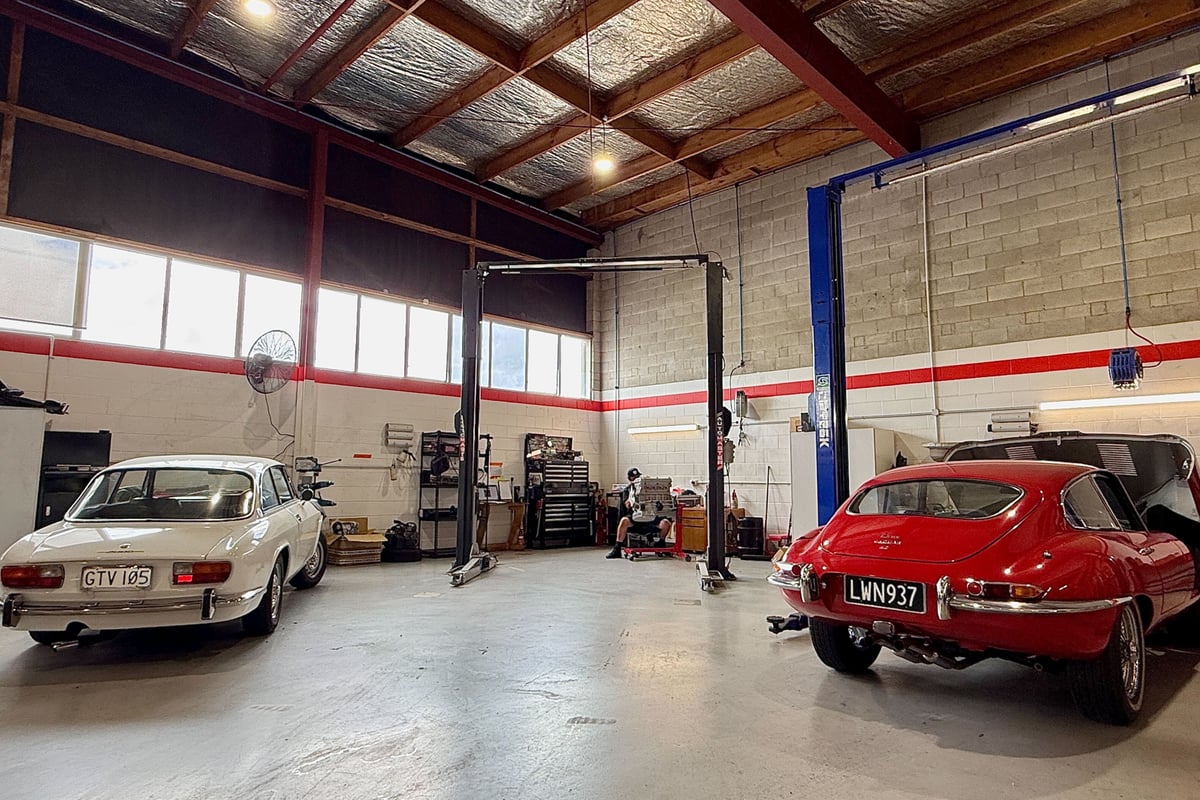
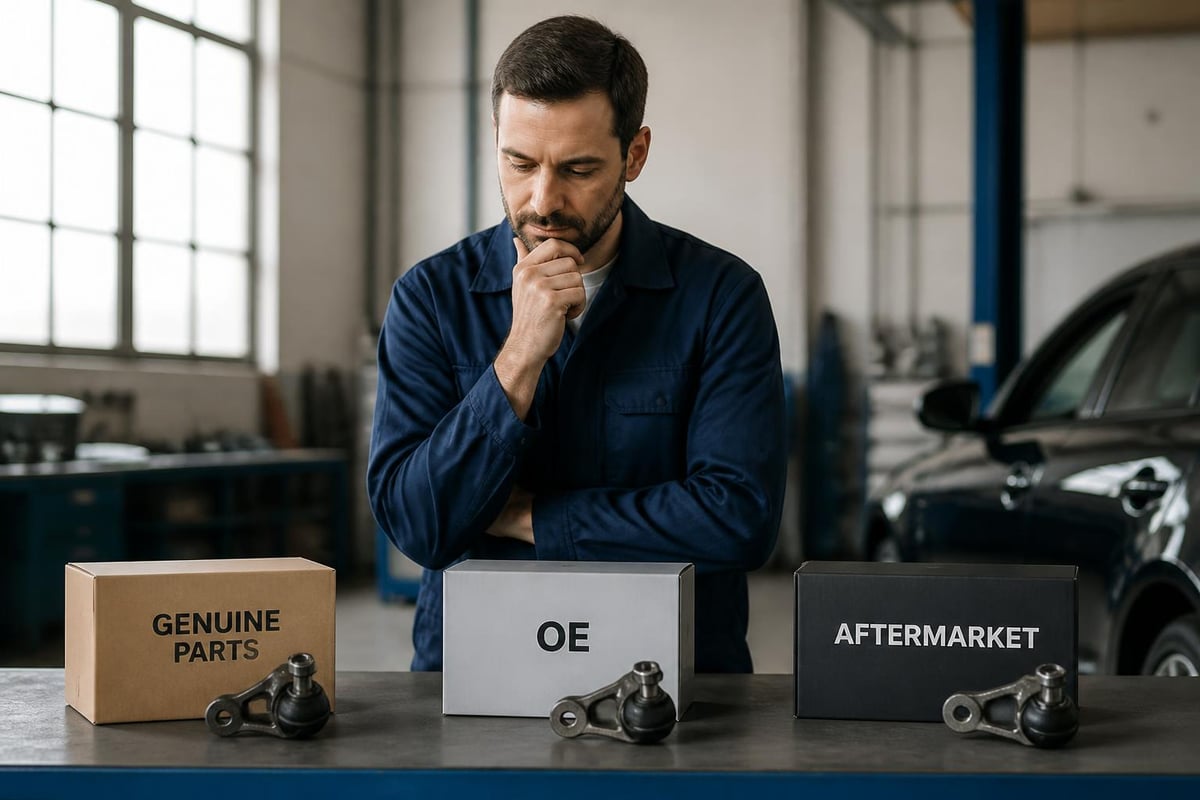
European vehicles perform optimally with components meeting original equipment specifications. While aftermarket alternatives exist across quality spectrums, understanding the differences helps owners make informed decisions balancing cost and reliability.
Parts quality tiers:
- Genuine manufacturer parts – Original equipment from the vehicle manufacturer
- Original Equipment (OE) supplier parts – Made by the same supplier, different packaging
- Premium aftermarket – Quality brands meeting or exceeding OE specifications
- Economy aftermarket – Lower-cost alternatives with variable quality
Reputable european auto repair specialists source parts strategically, using genuine components where critical while identifying premium aftermarket alternatives that deliver equivalent performance at reduced cost. They avoid economy-tier parts on safety-critical systems or components where failure causes expensive secondary damage.
Common European Vehicle Issues and Solutions
Different European manufacturers exhibit characteristic issues stemming from design choices, component suppliers, or engineering compromises. Recognizing these patterns helps owners anticipate potential problems and budget for future repairs.
Volkswagen and Audi Common Concerns
Volkswagen Group products, including Audi and Skoda, share numerous components and platforms, resulting in some common maintenance requirements across brands.
Typical areas requiring attention:
- DSG transmission servicing – Dual-clutch transmissions need fluid and filter changes every 60,000 kilometres
- Water pump failures – Plastic impeller water pumps typically require replacement between 100,000-150,000 kilometres
- Carbon buildup – Direct injection engines accumulate deposits requiring periodic cleaning
- Ignition coil failures – Individual coil packs may fail, causing misfires
- Window regulator mechanisms – Power window systems sometimes require repair or replacement
BMW and Mercedes-Benz Specific Issues
Premium German manufacturers employ sophisticated technologies that occasionally present maintenance challenges, particularly as vehicles age and accumulate mileage.
| System | Common Issue | Typical Timeframe |
|---|---|---|
| Cooling system | Expansion tank, radiator, or hoses | 80,000-120,000 km |
| Suspension | Electronic damper failures | 100,000-150,000 km |
| Electronics | Various module failures | Variable, age-related |
| Oil leaks | Valve cover gaskets, oil pan | 100,000+ km |
Understanding these patterns doesn't mean the issues are inevitable, but awareness helps owners recognize symptoms early when repairs typically cost less and prevent secondary damage. The structural vulnerabilities and competitive dynamics of the EU automotive sector influence parts availability and repair strategies as manufacturers adapt their supply chains.
Cost Factors in European Auto Repair
European vehicle ownership costs extend beyond purchase price, with servicing and repairs typically exceeding expenses for Japanese or Korean alternatives. Understanding these cost drivers helps owners budget appropriately and make informed decisions throughout ownership.
Labour Rate Considerations
Specialized european auto repair commands premium labour rates reflecting the substantial investment in training, equipment, and technical information required. Independent specialists typically charge less than franchised dealers while maintaining equivalent capabilities and expertise.
Factors influencing labour costs:
- Technician certification and training levels
- Diagnostic equipment investment and subscriptions
- Workshop location and overhead expenses
- Job complexity and time requirements
- Warranty coverage on completed work
While hourly rates appear higher, experienced specialists often complete jobs more efficiently than less knowledgeable technicians, potentially resulting in lower total costs despite higher rates.
Parts Pricing Variables
European vehicle components typically cost more than equivalents for mass-market brands, reflecting engineering complexity, lower production volumes, and import expenses for the New Zealand market.
Parts cost influences include:
- Whether components are locally stocked or require international shipping
- Exchange rate fluctuations affecting import costs
- Genuine versus quality aftermarket alternatives
- New versus remanufactured component options
- Availability of pattern parts for older vehicles
Preventive Maintenance Value
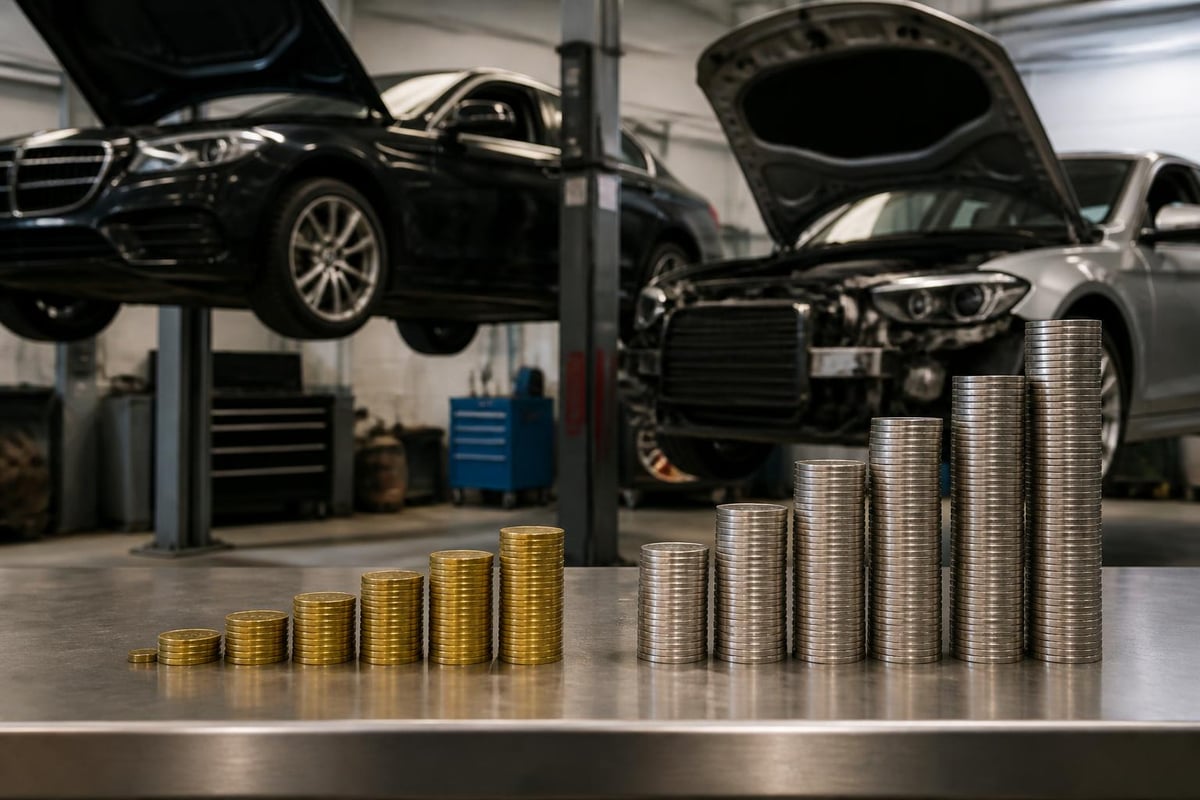
The most effective cost management strategy involves adhering to manufacturer service schedules and addressing minor issues before they escalate into major repairs. European vehicles particularly reward this approach due to their integrated systems where one failure can cascade into multiple component damage.
The Warranty Advantage of Specialized Service
Many European vehicle owners mistakenly believe they must return to franchised dealers for servicing to maintain warranty coverage. New Zealand's Consumer Guarantees Act provides protections that enable owners to choose independent specialists without voiding manufacturer warranties, provided services meet required standards.
Independent Specialist Benefits
Quality independent european auto repair facilities offer several advantages over franchised dealer networks while maintaining equivalent technical capabilities and using appropriate parts.
Key independent specialist advantages:
- More personalized service with consistent contact points
- Often more flexible scheduling and faster turnaround times
- Typically lower labour rates for equivalent expertise
- Greater transparency in pricing and recommendations
- Focus on building long-term customer relationships
Facilities that have served their communities for decades build reputations on quality workmanship and honest advice. They understand that customer satisfaction drives referrals and repeat business, creating alignment between workshop interests and owner needs.
Parts and Labour Warranties
Reputable specialists stand behind their work with comprehensive warranties covering both parts and labour. These warranties typically match or exceed manufacturer requirements, with 12-month coverage being standard for most repairs and services.
Future Trends Affecting European Auto Repair
The automotive industry continues evolving rapidly, with several trends particularly impacting European manufacturers and the servicing requirements for their vehicles. Understanding these developments helps owners anticipate future changes in maintenance needs and costs.
Electrification and Hybrid Systems
European manufacturers increasingly incorporate electrification across their ranges, from mild hybrid systems enhancing fuel efficiency to fully electric powertrains. The emergence of the electric vehicle industry demonstrates how manufacturers leverage cross-industry expertise to develop competitive advantages in this transition.
Electrification impacts on servicing:
- Reduced routine maintenance for fully electric vehicles
- High-voltage system expertise requirements for technicians
- Specialized safety equipment and procedures
- Battery health monitoring and management services
- Different wear patterns on brake systems due to regenerative braking
Connected Vehicle Technologies
Modern European vehicles increasingly rely on connectivity for functionality updates, remote diagnostics, and feature activation. This evolution transforms traditional servicing relationships as vehicles communicate directly with manufacturers and potentially alert owners to emerging issues.
Software-Defined Vehicle Functions
Mechanical repairs increasingly involve software components, with many vehicle functions controlled or influenced by programmable modules. This trend demands that european auto repair facilities maintain current software tools and manufacturer subscriptions to perform what were previously purely mechanical repairs.
Regional Considerations for New Zealand Owners
The New Zealand market presents unique considerations for European vehicle owners, from importation patterns to parts availability and climate conditions affecting vehicle longevity.
Imported Vehicle Verification
Many European vehicles enter New Zealand through import channels, sometimes arriving with modifications or deferred maintenance from previous markets. Comprehensive pre-purchase inspections by knowledgeable specialists help identify potential issues before purchase.
Import inspection priorities:
- Verification of service history and maintenance completion
- Assessment of modifications and their quality
- Inspection for accident damage or structural repairs
- Confirmation of odometer accuracy and vehicle identity
- Review of pending maintenance or known model issues
Parts Availability Challenges
New Zealand's distance from European parts distribution networks occasionally creates availability challenges, particularly for older models or less common variants. Establishing relationships with well-connected european auto repair specialists who maintain supplier networks helps minimize delays when repairs require specific components.
Climate and Driving Condition Impacts
New Zealand's varied climate conditions, from coastal salt air to alpine environments, affect European vehicles differently than their design markets. Salt exposure accelerates corrosion on vulnerable components, while mountainous terrain stresses cooling and brake systems.
Maintaining a European vehicle in New Zealand requires specialized knowledge, appropriate equipment, and access to quality parts that generic facilities often lack. Whether you're scheduling routine servicing or addressing unexpected issues, choosing specialists with deep European automotive expertise protects your investment and ensures reliable performance. For North Shore residents seeking experienced european auto repair professionals, VODIS Automobile combines over 20 years of trusted service with factory-trained technicians specializing in Volkswagen, Audi, Mercedes, BMW, and Skoda vehicles, delivering the precision and reliability your European vehicle deserves.