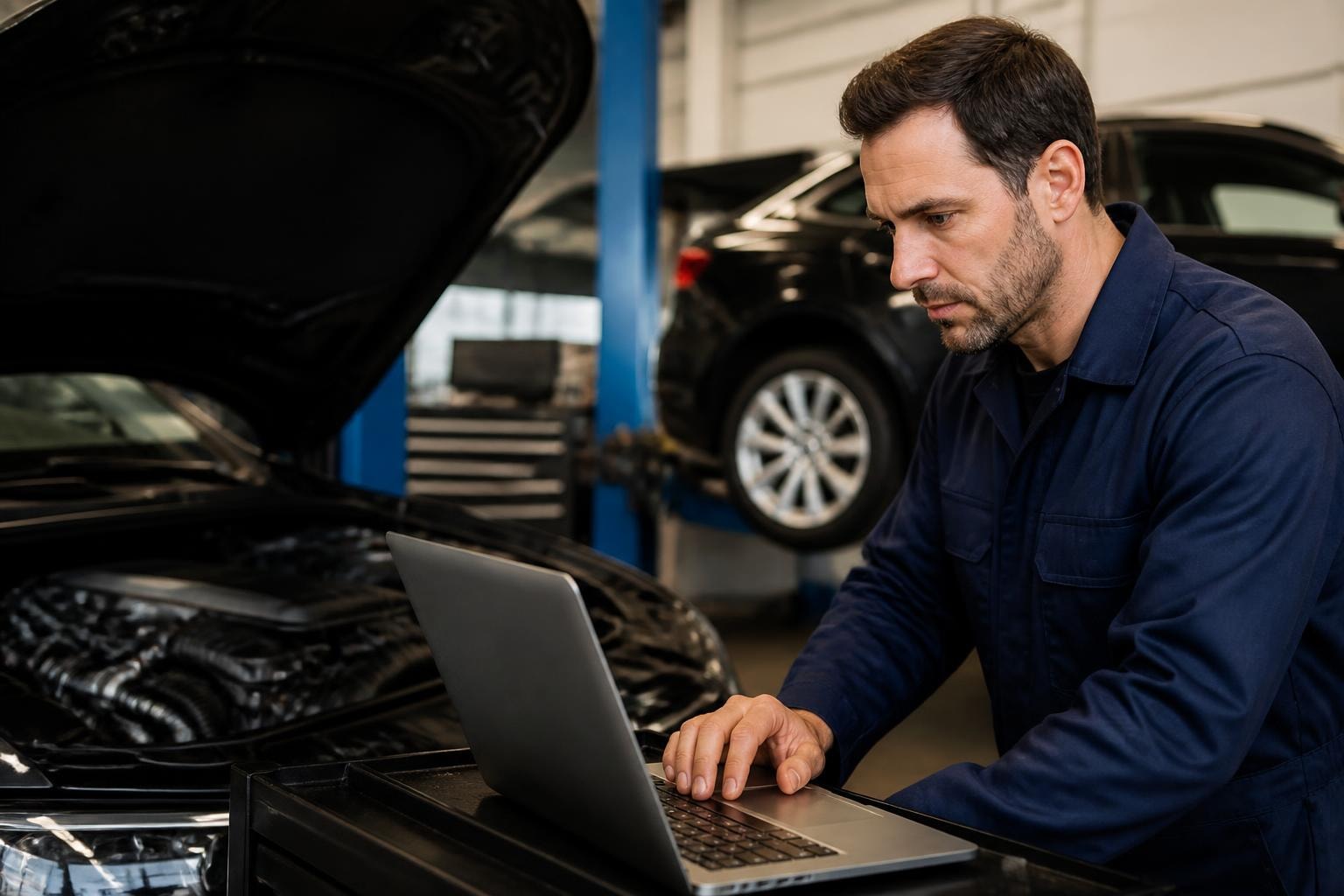

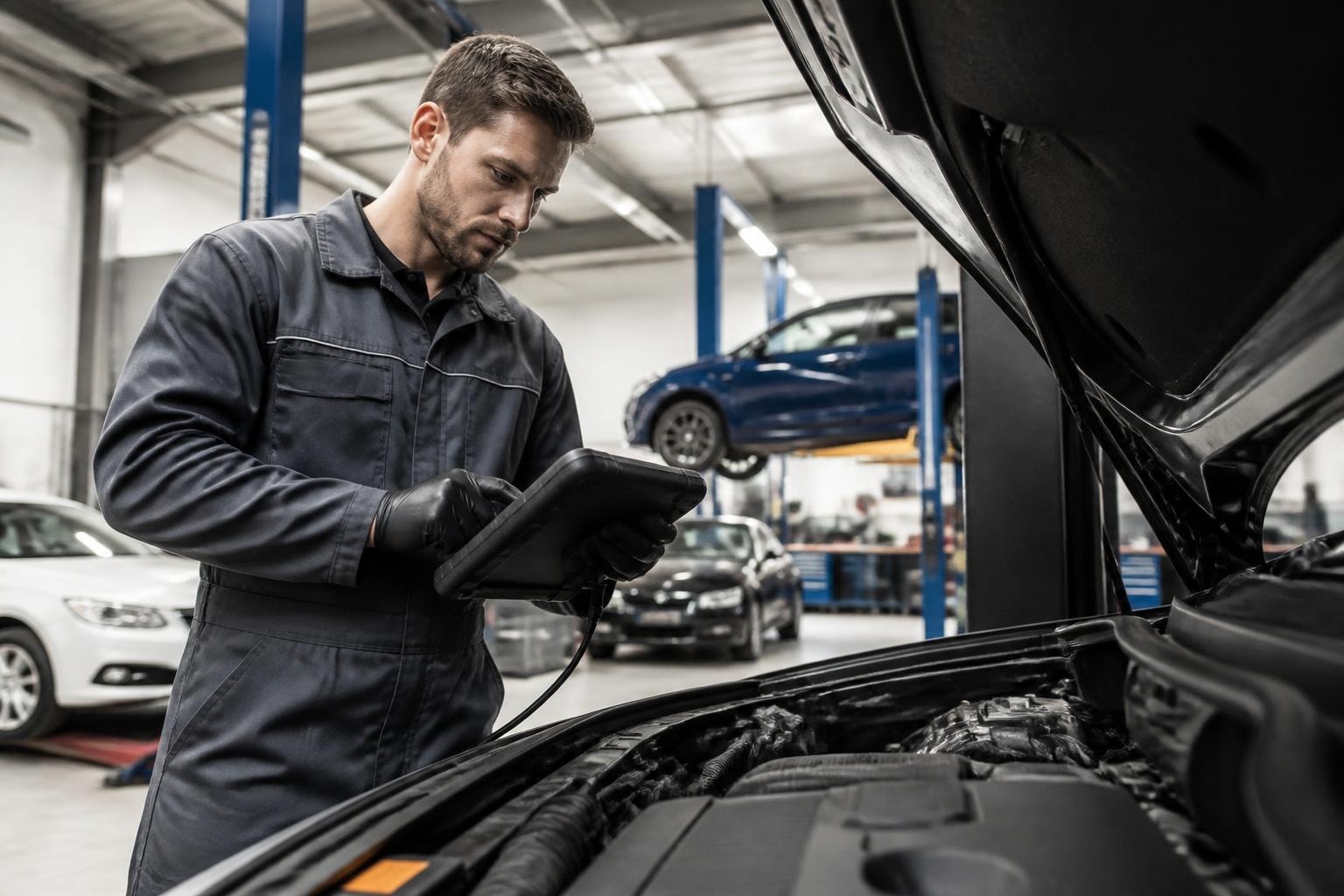
European vehicles represent engineering excellence, combining performance, safety, and sophisticated technology. For Auckland owners of Volkswagen, Audi, Mercedes, BMW, and Skoda vehicles, finding a reliable european car service auckland provider is essential to maintaining these precision machines. The complexity of European automotive systems demands specialized knowledge, factory-trained expertise, and access to genuine parts that match manufacturer specifications. With over 50,000 European vehicles registered across Auckland's North Shore alone, the demand for quality servicing continues to grow among discerning owners who understand the value of professional maintenance.
Understanding European Vehicle Service Requirements
European manufacturers engineer their vehicles with specific maintenance protocols that differ significantly from Asian or American brands. These protocols are designed to maximize performance, ensure longevity, and maintain the sophisticated electronic systems that define modern German engineering.
The Complexity of German Engineering
European vehicles utilize advanced technologies including direct injection fuel systems, dual-clutch transmissions, adaptive suspension components, and intricate electronic management systems. Each component requires specialized diagnostic equipment and technical knowledge that general mechanics may not possess.
Key distinguishing factors include:
- Proprietary diagnostic software specific to each manufacturer
- Precise torque specifications for critical components
- Time-sensitive service intervals based on driving conditions
- Integration of mechanical and electronic systems
- Use of synthetic oils and premium-grade fluids
The higher maintenance costs associated with European vehicles reflect these engineering standards rather than poor reliability. Proper maintenance by qualified technicians actually extends vehicle life significantly beyond industry averages.
Service Interval Variations
Unlike many vehicles that follow simple kilometer-based service schedules, European cars often implement condition-based servicing. This intelligent approach monitors oil quality, brake pad wear, and component performance to determine optimal service timing.
| Service Type | Typical Interval | Key Components |
|---|---|---|
| Oil Service | 15,000-20,000 km | Engine oil, filter, inspection |
| Inspection Service | 30,000-40,000 km | Brake fluid, filters, full inspection |
| Major Service | 60,000-80,000 km | Transmission service, coolant, comprehensive check |
| Timing Belt | 100,000-180,000 km | Belt/chain, tensioners, water pump |
Understanding these intervals helps Auckland owners budget appropriately and avoid unexpected repair costs. Following manufacturer recommendations prevents minor issues from developing into major mechanical failures.
Choosing Quality European Car Service Auckland Providers
Selecting the right service centre impacts your vehicle's performance, safety, and resale value. Not all workshops possess the expertise, equipment, or commitment to European automotive standards required for proper maintenance.
Essential Qualifications to Verify
Factory training distinguishes specialist technicians from general mechanics. Manufacturers like Volkswagen, Audi, and BMW require specific certification programs that cover diagnostic procedures, repair protocols, and safety systems unique to their vehicles.
Critical qualifications include:
- Manufacturer-specific training credentials
- Access to proprietary diagnostic equipment
- Membership in recognized automotive trade organizations
- Comprehensive insurance and warranty coverage
- Transparent pricing and communication practices
Independent specialists often provide advantages over dealerships, including lower labor rates, personalized service, and flexibility in parts sourcing. The best european car service auckland centres combine dealership-quality expertise with the customer focus of independent businesses.
The Importance of Genuine and OEM Parts
European vehicles require components manufactured to exact specifications. While aftermarket alternatives may appear cost-effective, they often compromise performance, safety, or longevity. Essential maintenance tips for European vehicles emphasize the critical importance of using OEM (Original Equipment Manufacturer) parts.
Genuine parts offer several advantages:
- Precise engineering tolerances matching original specifications
- Warranty protection that aftermarket parts cannot provide
- Proven reliability through extensive manufacturer testing
- Proper integration with electronic management systems
- Resale value preservation documented through service records
Specialist workshops maintain relationships with parts suppliers ensuring quick access to components when required. This supply chain efficiency minimizes vehicle downtime and ensures repairs meet manufacturer standards.
Common Service Procedures for European Vehicles
Understanding typical maintenance requirements helps Auckland owners anticipate costs and schedule services appropriately. European manufacturers design comprehensive service schedules addressing wear items and preventive maintenance.
Engine and Transmission Servicing
Modern European engines utilize sophisticated fuel injection, turbocharging, and variable valve timing systems requiring precise maintenance. Direct injection engines, common in Volkswagen and Audi vehicles, demand specific cleaning procedures to prevent carbon buildup on intake valves.
Transmission servicing represents another critical area. Dual-clutch transmissions (DSG/PDK) require fluid changes at specified intervals despite some manufacturers initially claiming "lifetime" fluids. Experience demonstrates that regular transmission servicing prevents costly clutch pack failures.
Brake System Maintenance
European vehicles typically feature advanced braking systems with large rotors, performance-oriented pad compounds, and sophisticated electronic stability control. These systems demand regular inspection and maintenance to ensure optimal performance.
| Component | Service Action | Typical Interval |
|---|---|---|
| Brake Fluid | Complete flush and replacement | Every 2 years |
| Brake Pads | Inspection and replacement | 30,000-60,000 km |
| Brake Rotors | Measurement and machining/replacement | 60,000-100,000 km |
| Electronic Systems | Diagnostic scan and calibration | At each service |
Many European vehicles require electronic parking brake servicing during pad replacement, a procedure impossible without proper diagnostic equipment. This technical requirement exemplifies why choosing qualified european car service auckland specialists matters significantly.
Electrical System Diagnostics
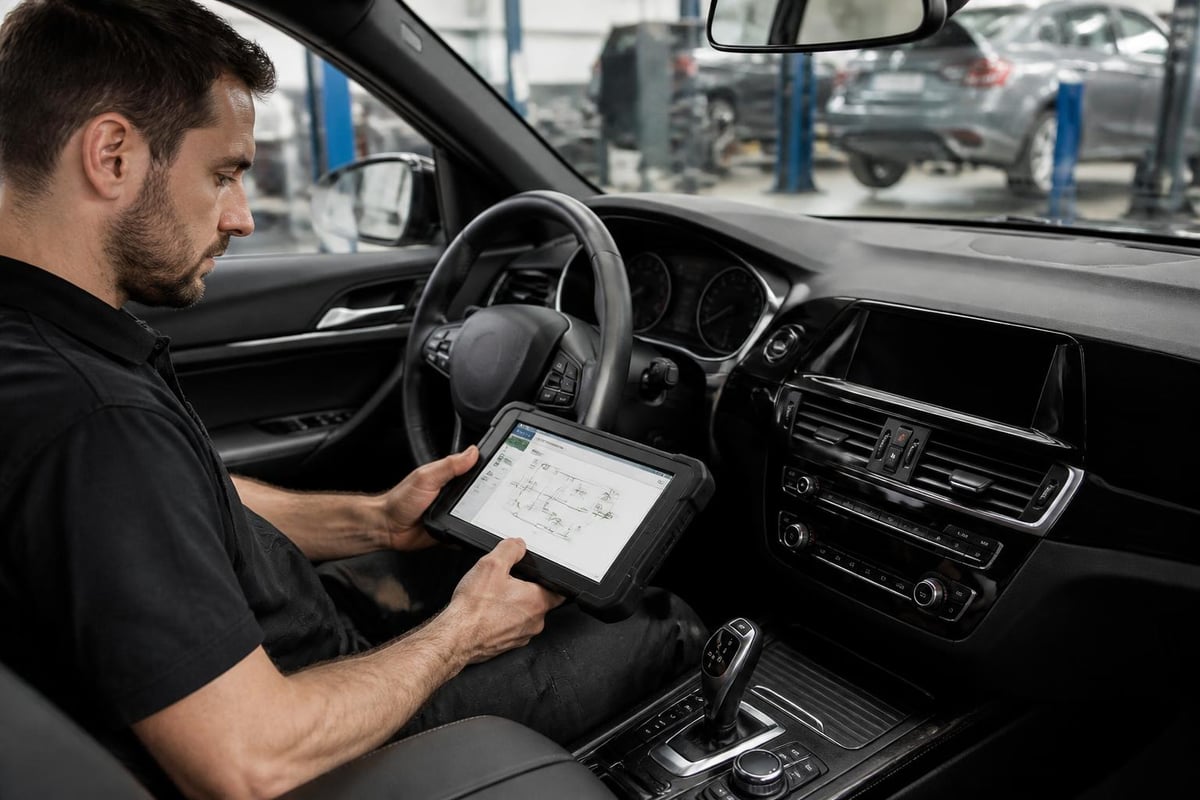
Modern European vehicles contain dozens of electronic control modules managing everything from engine performance to climate control. These interconnected systems require sophisticated diagnostic procedures when issues arise.
Common electrical concerns include:
- Battery management system monitoring
- Sensor calibration following component replacement
- Software updates addressing manufacturer-identified issues
- Module coding after repairs or replacements
- Network communication diagnostics
Advanced diagnostic capabilities separate true European specialists from general repair shops. Investment in manufacturer-level diagnostic equipment represents a significant commitment that demonstrates workshop expertise and dedication to quality service.
Preventive Maintenance Strategies
Proactive maintenance prevents unexpected breakdowns and extends vehicle lifespan considerably. Practical habits that help European cars last hundreds of thousands of kilometers demonstrate how consistent care delivers exceptional longevity.
Regular Fluid Analysis and Replacement
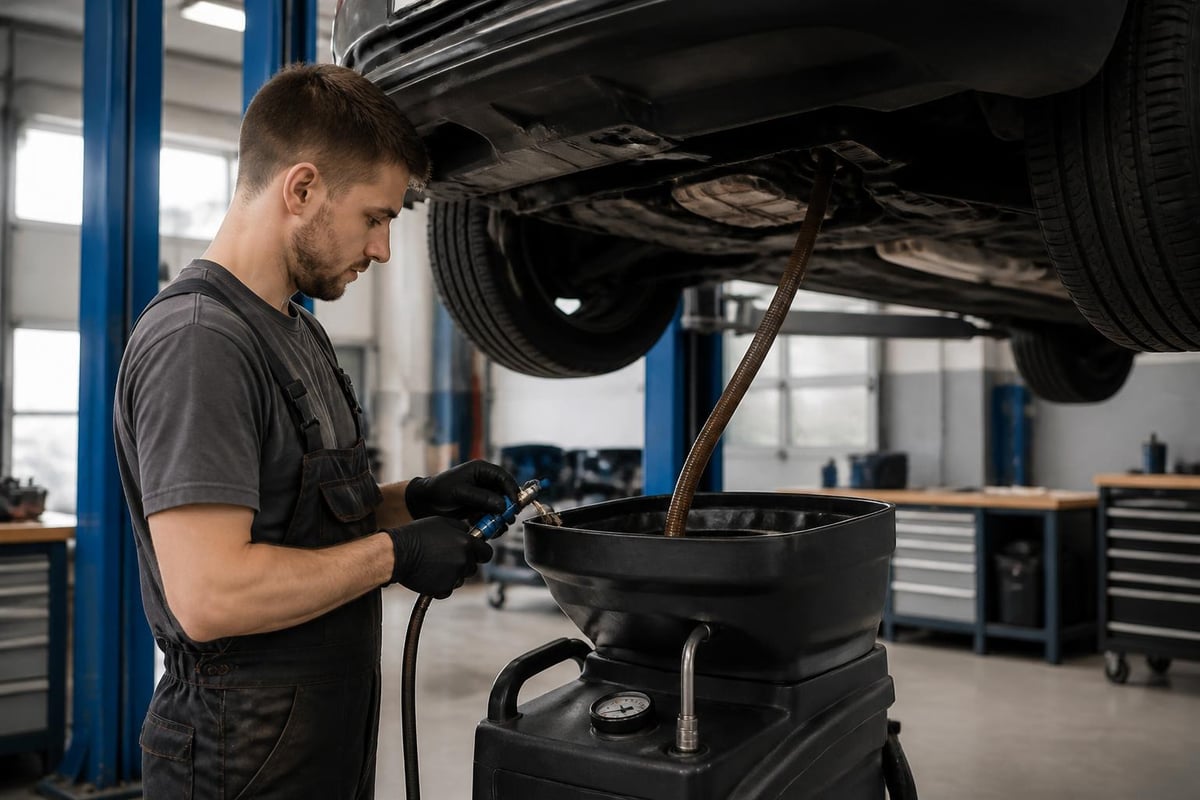
Engine oil quality directly impacts turbocharger longevity, timing chain wear, and internal component protection. European engines operate at higher temperatures and pressures than many competitors, placing additional stress on lubricants.
Recommended fluid service intervals:
- Engine oil: Every 15,000 km maximum, regardless of service indicator
- Coolant: Every 5 years or 100,000 km
- Brake fluid: Every 2 years without exception
- Transmission fluid: Every 60,000 km for DSG/automatic transmissions
- Differential oil: Every 80,000 km for quattro/xDrive systems
Using manufacturer-specified fluids ensures proper viscosity, additive packages, and performance characteristics. Synthetic oils provide superior protection in Auckland's varying climate conditions, from summer heat to winter cold starts.
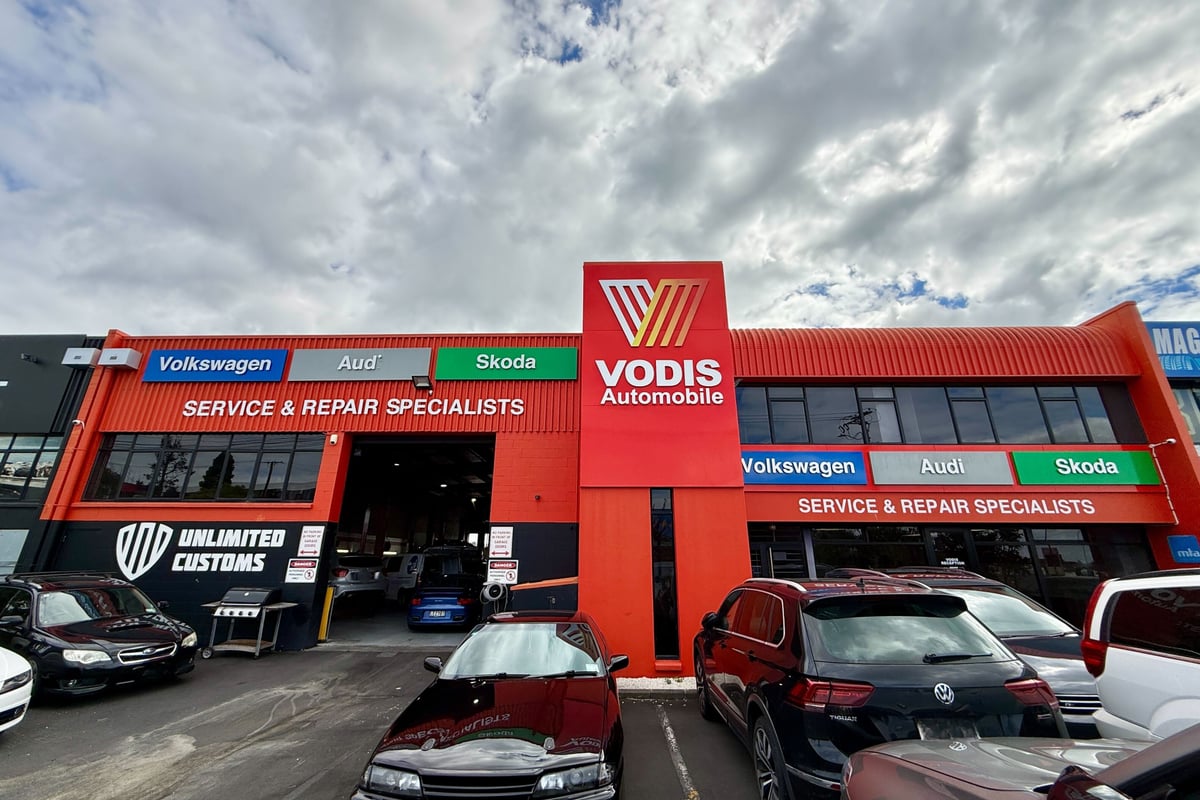
For those seeking convenient scheduling, booking your european car service auckland appointment through digital platforms streamlines the process significantly. VODIS VW | Audi | Skoda Service offers online booking that takes under 60 seconds, allowing North Shore residents to schedule maintenance efficiently without phone calls or waiting.
Timing Belt and Chain Maintenance
Timing component failure represents one of the most catastrophic mechanical issues European vehicles can experience. Interference engines, common in Volkswagen and Audi models, suffer severe internal damage if timing belts fail during operation.
Timing system considerations:
- Belts require replacement every 100,000-120,000 km or 5-7 years
- Chains need inspection but rarely require replacement if properly maintained
- Water pumps should be replaced concurrently with timing belts
- Tensioners and idlers deteriorate and must be replaced with belts
- Labour costs justify replacing all related components simultaneously
Preventive timing belt replacement costs significantly less than engine rebuild following belt failure. Auckland's stop-start traffic patterns and hilly terrain place additional stress on these components, potentially accelerating wear.
Warranty Considerations and Service Records
Maintaining comprehensive service documentation protects your investment and ensures warranty validity. European manufacturers require proof of proper maintenance to honor warranty claims on new and certified pre-owned vehicles.
Documentation Requirements
Every service should generate detailed records including:
- Date and odometer reading
- Specific services performed with part numbers
- Technician qualifications and workshop details
- Fluid types and specifications used
- Inspection results and recommendations
Digital service records increasingly supplement traditional paper documentation. Many european car service auckland specialists maintain cloud-based customer portals where owners access complete service histories, upcoming maintenance schedules, and repair estimates.
Warranty Protection Strategies
| Warranty Type | Coverage Period | Service Requirements |
|---|---|---|
| New Vehicle | 3-5 years | Manufacturer schedule adherence |
| Certified Pre-Owned | 1-2 years extension | Authorized service centres |
| Extended Warranty | Variable | Specific provider requirements |
| Component Warranties | 12 months typical | Quality parts and installation |
Independent specialists can maintain warranty validity provided they follow manufacturer schedules and use appropriate parts. The myth that dealership servicing is mandatory for warranty coverage has been definitively disproven through consumer protection legislation.
Cost Transparency and Value Assessment
Understanding service costs helps Auckland European car owners budget appropriately and recognize fair pricing. Quality european car service auckland providers offer detailed estimates before commencing work and explain pricing structures clearly.
Service Cost Components
Labor rates reflect technician expertise, facility overhead, and equipment investment. European specialists typically charge $140-180 per hour, reflecting their specialized training and diagnostic capabilities. This premium over general mechanics ($100-130/hour) delivers significant value through accurate diagnosis and efficient repairs.
Typical service costs (2026 Auckland rates):
- Minor service (oil, filter, inspection): $250-400
- Major service (comprehensive): $600-900
- Brake pad replacement (per axle): $400-700
- Timing belt service: $1,200-2,000
- Diagnostic investigation: $150-250
Premium parts pricing reflects quality and engineering precision. Genuine brake pads may cost 30-50% more than budget alternatives but deliver superior performance, reduced brake dust, and quieter operation alongside longer lifespan.
Long-Term Value Calculation
Proper maintenance preserves resale value significantly. Well-documented service histories command premium pricing in Auckland's used vehicle market, often recovering maintenance costs multiple times over.
Consider the total ownership equation:
- Higher service costs ($400-600 annually more than Asian equivalents)
- Better fuel efficiency (saving $300-500 annually)
- Superior safety ratings (potentially lower insurance costs)
- Enhanced resale values (15-25% premium with complete service history)
- Extended lifespan (250,000+ km achievable with proper care)
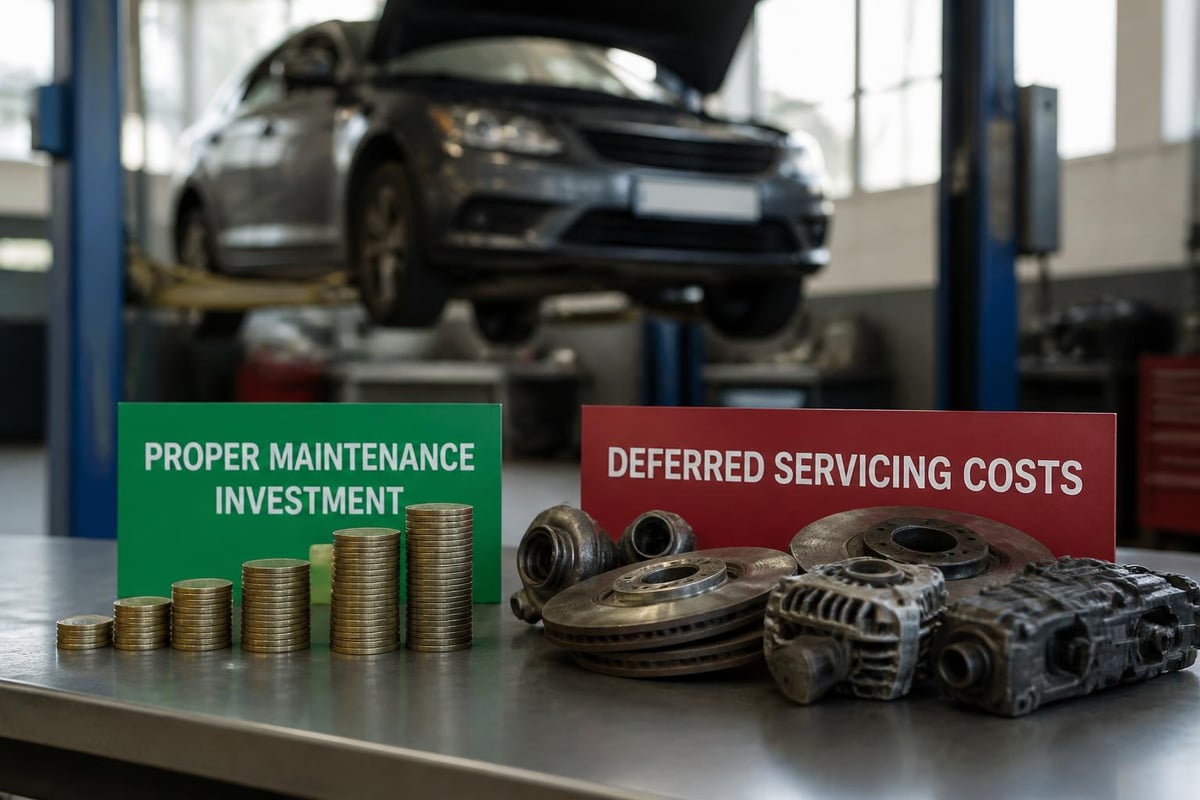
This calculation demonstrates why choosing quality european car service auckland providers represents investment rather than expense. Short-term savings through deferred maintenance or budget service options inevitably cost more through accelerated depreciation and unexpected repairs.
Specialist Knowledge for Specific Brands
Each European manufacturer incorporates unique engineering approaches requiring brand-specific expertise. While fundamental principles remain consistent, detailed knowledge of particular systems distinguishes exceptional service from adequate maintenance.
Volkswagen and Skoda Servicing
Volkswagen Group vehicles share platforms and components across brands, but specific applications vary. TSI and TDI engines require particular attention to carbon cleaning, DPF (diesel particulate filter) regeneration, and turbocharger maintenance.
Common Volkswagen-specific concerns include:
- DSG transmission mechatronic unit failures (typically 100,000-150,000 km)
- Water pump failures on certain TSI engines
- Timing chain stretch on early 1.4 TSI variants
- AdBlue system maintenance on modern diesel engines
- Electronic parking brake servicing requirements
Skoda vehicles benefit from Volkswagen engineering at competitive price points, making proper maintenance especially valuable for preserving this cost advantage throughout ownership.
Audi Performance and Technology
Audi vehicles incorporate sophisticated quattro all-wheel-drive systems, advanced MMI interfaces, and performance-oriented powertrains. These technologies demand comprehensive understanding for proper maintenance and repair.
Audi-specific maintenance priorities:
- Quattro differential service every 60,000 km
- Carbon buildup prevention on TFSI engines
- S-Tronic transmission adaptation procedures
- Virtual cockpit and MMI software updates
- Air suspension system maintenance (where fitted)
Performance models (S and RS variants) require specialized expertise regarding upgraded braking systems, performance tires, and enhanced cooling requirements. Track driving or spirited use accelerates wear patterns requiring more frequent inspection.
BMW and Mercedes Precision
BMW vehicles emphasize driving dynamics through rear-wheel and xDrive all-wheel configurations. Their maintenance includes transmission adaptation, differential servicing, and sophisticated electronic system management.
Mercedes vehicles incorporate advanced safety technologies, air suspension systems (AIRMATIC), and complex electrical architectures. Proper diagnostic procedures prevent unnecessary component replacement and reduce repair costs.
Both manufacturers utilize extensive electronic integration where multiple systems share data through CAN bus networks. Diagnostic expertise identifying root causes rather than replacing symptoms saves owners considerable expense while ensuring proper repairs.
Auckland-Specific Considerations
Local driving conditions, climate factors, and regulatory requirements influence European vehicle maintenance in Auckland. Understanding these regional factors helps owners make informed service decisions.
Urban Driving Patterns
Auckland's traffic congestion subjects European vehicles to challenging conditions. Short trips, frequent stop-start driving, and extended idling periods create "severe duty" conditions according to manufacturer definitions.
These patterns affect:
- Oil degradation accelerates in stop-start traffic
- Brake wear increases in hill-climbing and urban conditions
- Carbon buildup worsens with short-trip driving cycles
- Battery health deteriorates faster with frequent starting
- Cooling system stress increases in traffic congestion
Adapting service intervals to reflect actual driving conditions rather than blindly following standard schedules optimizes reliability. Specialist european car service auckland providers assess individual usage patterns and recommend appropriate maintenance timing.
Climate and Environmental Factors
Auckland's maritime climate presents unique challenges. Salt air exposure accelerates corrosion on brake components, exhaust systems, and underbody elements. Regular washing and underbody protection preserve component integrity.
| Environmental Factor | Impact | Prevention Strategy |
|---|---|---|
| Salt Air Exposure | Brake caliper and rotor corrosion | Regular washing, protective coatings |
| Temperature Variation | Fluid degradation, seal wear | Appropriate viscosity selection |
| Humidity | Electrical connection corrosion | Dielectric grease application |
| UV Exposure | Plastic and rubber deterioration | Interior protection, regular inspection |
Volcanic soil and Auckland's unique road conditions create abrasive particles affecting paint, filters, and brake components. Quality air and cabin filters prevent premature wear of sensitive components like MAF (mass airflow) sensors and HVAC systems.
Warrant of Fitness Requirements
New Zealand's WOF system ensures vehicle safety compliance. European vehicles must meet identical standards regardless of purchase price or engineering sophistication. However, worn components that might pass on budget vehicles often fail on European cars due to tighter manufacturing tolerances.
Common WOF failure points include:
- Brake efficiency below required thresholds
- Tire tread depth or damage
- Suspension component wear
- Lighting system malfunctions
- Emissions test failures (where applicable)
Combining regular services with WOF inspections at your european car service auckland specialist ensures compliance while identifying issues before they become costly failures. Many workshops offer complimentary WOF with major service packages, adding value and convenience.
The Role of Technology in Modern Servicing
Advanced diagnostic technology transforms European vehicle maintenance from mechanical procedures to sophisticated system analysis. Modern workshops invest heavily in equipment matching dealership capabilities while maintaining independent service advantages.
Diagnostic Equipment Requirements
Manufacturer-level diagnostic systems access all vehicle control modules, perform bi-directional testing, and execute programming procedures. These capabilities enable:
- Complete system scanning identifying fault codes across all modules
- Live data monitoring during test drives diagnosing intermittent issues
- Component activation testing actuators and sensors individually
- Coding and adaptation following component replacement
- Software updates addressing manufacturer-identified concerns
Generic OBD scanners access only basic engine management data, missing critical information from transmission, ABS, airbag, and comfort control modules. This limitation prevents accurate diagnosis and forces expensive trial-and-error part replacement.
Predictive Maintenance Technologies
Emerging technologies enable condition-based servicing that maximizes component life while preventing unexpected failures. Oil quality sensors, brake pad wear indicators, and battery management systems provide real-time data informing service timing.
Advanced monitoring systems track:
- Precise oil degradation levels rather than simple kilometer counts
- Brake pad thickness preventing metal-to-metal contact
- Battery state of health predicting replacement requirements
- Tire pressure and temperature optimizing safety and efficiency
- Filter restriction levels indicating replacement necessity
These systems align with optimization of maintenance strategies for complex automotive systems, representing the evolution from time-based to condition-based servicing. Quality european car service auckland specialists interpret this data accurately, providing recommendations based on actual vehicle condition rather than arbitrary schedules.
Building Long-Term Service Relationships
Establishing ongoing relationships with trusted european car service auckland providers delivers numerous benefits beyond individual repair transactions. Familiarity with specific vehicles enables proactive maintenance and personalized service recommendations.
Continuity Benefits
Consistent service at a single facility creates comprehensive vehicle histories enabling technicians to:
- Identify recurring issues and underlying causes
- Track wear patterns specific to individual driving habits
- Anticipate upcoming maintenance requirements
- Provide accurate cost forecasting for budget planning
- Recognize abnormal changes indicating developing problems
This institutional knowledge proves invaluable when diagnosing complex intermittent faults or assessing whether symptoms indicate normal wear versus premature failure warranting warranty claims or manufacturer goodwill assistance.
Communication and Transparency
Professional european car service auckland specialists prioritize clear communication throughout the service process. This includes:
- Pre-service consultation discussing concerns and service scope
- Detailed estimates before commencing work with parts and labor breakdowns
- Progress updates for extended repairs or unexpected findings
- Photo documentation showing worn components and explaining recommendations
- Post-service follow-up ensuring satisfaction and addressing any concerns
This transparency builds trust and enables informed decision-making. Owners understand exactly what work their vehicles require, why it matters, and what consequences result from deferring recommended services.
Loyalty Programs and Service Packages
Many specialist workshops offer loyalty benefits rewarding ongoing relationships:
| Benefit Type | Typical Offer | Value Proposition |
|---|---|---|
| Service Discounts | 10-15% off labor | Reduces ongoing costs |
| Courtesy Vehicles | Free loan cars | Eliminates inconvenience |
| Priority Scheduling | Expedited bookings | Saves time |
| Extended Warranties | 24-month parts/labor | Additional peace of mind |
| Service Packages | Pre-paid maintenance | Budget certainty |
These programs acknowledge customer loyalty while encouraging proper maintenance adherence. Pre-paid service packages particularly benefit budget-conscious owners by spreading costs across ownership periods rather than facing unexpected large bills.
Recognizing Quality Service Indicators
Distinguishing exceptional european car service auckland providers from adequate alternatives requires understanding quality indicators that signal expertise, professionalism, and commitment to customer satisfaction.
Facility and Equipment Standards
Professional workshops maintain clean, organized facilities with specialized equipment visible throughout service areas. Key indicators include:
- Manufacturer-specific diagnostic computers prominently displayed
- Specialized tools for European vehicles (not generic equipment)
- Clean work areas indicating organizational discipline
- Proper fluid storage and handling procedures
- Current technical manuals and service information systems
Modern workshops often provide customer viewing areas or video progress updates, demonstrating confidence in workmanship and transparency in procedures. This openness contrasts sharply with workshops restricting customer access or providing minimal communication.
Technician Qualifications and Training
Ask about technician credentials and ongoing training participation. Quality workshops invest in continuous education as European manufacturers release new models incorporating advanced technologies.
Qualification indicators include:
- Factory training certificates displayed or available upon request
- Trade organization memberships (MTA, AIA)
- Years of experience specifically with European brands
- Specialized certifications for advanced systems (hybrid, diesel, performance)
- Regular attendance at technical updates and training seminars
Workshops employing multiple technicians should demonstrate depth of expertise rather than relying on single specialists. This ensures consistent service quality and prevents scheduling bottlenecks when experienced technicians are unavailable.
Customer Reviews and Reputation
Online reviews and recommendations provide valuable insights into service quality, communication practices, and business integrity. Look for patterns in feedback rather than isolated exceptional or negative experiences.
Positive indicators in reviews include:
- Consistent praise for communication and transparency
- Appreciation of technical expertise and accurate diagnosis
- Recognition of fair pricing and value delivery
- Comments about longevity of repairs and warranty support
- Acknowledgment of convenient processes like online booking
Negative patterns revealing concerning practices include repeated mentions of unexpected charges, poor communication, incomplete repairs, or defensive responses to legitimate concerns. Professional businesses address criticism constructively and demonstrate commitment to customer satisfaction.
Advanced Services for European Vehicles
Beyond routine maintenance, specialist european car service auckland providers offer advanced services addressing complex repairs, performance upgrades, and restoration projects.
Performance Optimization
European vehicles often possess significant performance potential accessible through professional tuning and optimization. ECU (Engine Control Unit) remapping increases power output while maintaining reliability when performed correctly.
Performance services include:
- ECU calibration increasing horsepower and torque responsibly
- Suspension upgrades improving handling without compromising comfort
- Brake system enhancement for track use or towing applications
- Exhaust modifications balancing sound character with emission compliance
- Tire and wheel optimization maximizing grip and aesthetics
These modifications require deep technical knowledge preventing mechanical stress or reliability compromise. Amateur tuning often voids warranties and causes premature component failure, making specialist expertise essential.
Restoration and Preservation
Classic European vehicles represent significant investments deserving specialized care. Restoration services address mechanical reliability alongside cosmetic presentation, preserving automotive heritage for future generations.
Preservation maintenance for classic European cars includes:
- Sourcing correct-specification parts for period authenticity
- Addressing corrosion prevention in vulnerable areas
- Maintaining original systems while improving reliability
- Documenting all work for provenance and value preservation
- Balancing usability with collector value considerations
Auckland's climate proves relatively kind to classic vehicles compared to harsh northern hemisphere winters, making proper storage and maintenance particularly rewarding for preserving these automotive icons.
Pre-Purchase Inspections
Comprehensive inspections before purchasing used European vehicles prevent expensive surprises. Specialist assessments identify deferred maintenance, accident damage, and mechanical issues invisible to untrained observers.
| Inspection Area | Assessment Focus | Risk Identification |
|---|---|---|
| Mechanical Systems | Engines, transmissions, drivetrain | Major repair requirements |
| Electronic Functions | All modules, sensors, actuators | Expensive electrical faults |
| Structural Integrity | Frame, suspension mounts, corrosion | Safety and value concerns |
| Service History | Documentation completeness | Maintenance adequacy |
| Market Value | Comparable pricing analysis | Overpayment prevention |
Investment in pre-purchase inspection (typically $300-500) often saves thousands in avoided problem vehicles or provides negotiating leverage reducing purchase prices by amounts far exceeding inspection costs.
Maintaining European vehicles in Auckland requires specialized knowledge, proper equipment, and commitment to manufacturer standards that distinguish these sophisticated machines from ordinary transportation. Choosing qualified specialists ensures your Volkswagen, Audi, Mercedes, BMW, or Skoda receives the expert care preserving performance, safety, and value throughout ownership. For North Shore residents seeking trusted european car service auckland expertise backed by over 20 years of experience, VODIS Automobile combines factory-trained technicians, genuine parts, and professional service that keeps your European vehicle performing exactly as its engineers intended.