

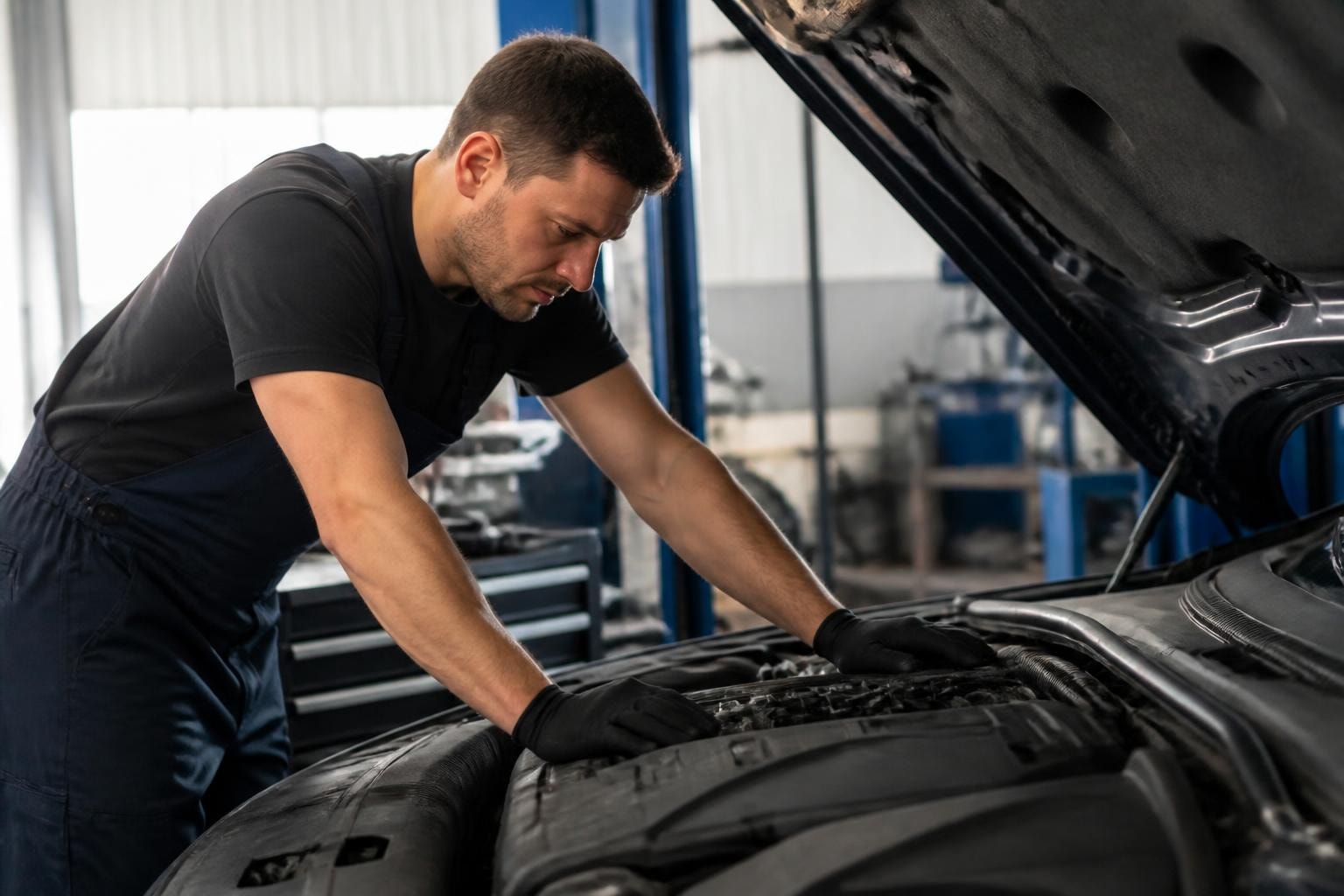
Finding a good car service provider is one of the most important decisions European vehicle owners make. Whether you drive a Volkswagen, Audi, Mercedes, BMW, or Skoda, the quality of servicing directly impacts your vehicle's performance, safety, and longevity. Understanding what separates exceptional service from mediocre maintenance helps you make informed choices about where to entrust your valuable investment. In this comprehensive guide, we'll explore the critical elements that define quality automotive care and how to identify service centres that consistently deliver outstanding results for European vehicles.
What Defines Good Car Service
Good car service extends far beyond basic oil changes and routine inspections. It encompasses a comprehensive approach to vehicle maintenance that combines technical expertise, quality materials, transparent communication, and genuine customer care.
Technical Expertise and Specialization
The foundation of exceptional automotive care lies in the technician's knowledge and experience. European vehicles feature sophisticated engineering, advanced electronics, and manufacturer-specific systems that require specialized understanding. Technicians who work exclusively with European marques develop insights into common issues, recall campaigns, and model-specific maintenance requirements that generalist mechanics might overlook.
Factory training programmes provide mechanics with direct access to manufacturer specifications, diagnostic procedures, and repair techniques. This specialized education ensures that technicians understand the intricate systems within your vehicle and can identify potential problems before they escalate into costly repairs.
Key technical qualifications include:
- Manufacturer-specific certifications and ongoing training
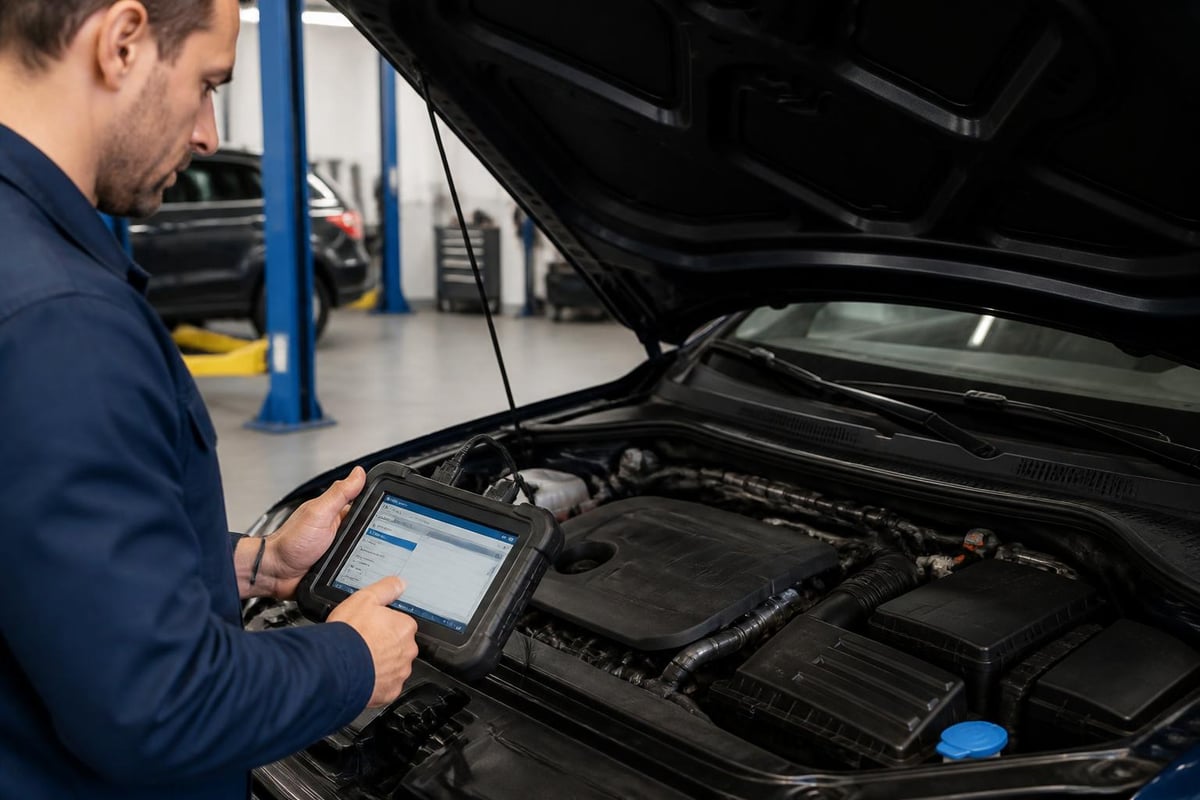
- Experience with advanced diagnostic equipment
- Understanding of European vehicle electronics and computer systems
- Knowledge of model-year variations and technical service bulletins
- Familiarity with specialized tools required for European vehicles
Quality Parts and Materials Selection
The components and fluids used during servicing significantly impact your vehicle's performance and reliability. Good car service providers source quality parts that meet or exceed original equipment manufacturer (OEM) specifications, ensuring compatibility and longevity.
Genuine parts offer precise fitment and proven reliability, whilst high-quality aftermarket alternatives from reputable European suppliers can provide excellent value without compromising performance. The critical factor is that service centres stand behind their parts selection with comprehensive warranties.
| Part Category | OEM Option | Quality Aftermarket | Economy Alternative |
|---|---|---|---|
| Engine Oil | Manufacturer-specified formula | European-brand synthetic meeting specs | Generic synthetic |
| Brake Pads | Genuine parts | Premium European brands | Budget options |
| Filters | OEM filters | High-quality European equivalents | Standard replacements |
| Warranty Coverage | 12-24 months typical | 12 months from reputable suppliers | 3-6 months limited |
The choice of engine oil deserves particular attention for European vehicles. Many models require specific viscosity grades and formulations that differ from standard oils. Following the manufacturer’s maintenance schedule ensures your vehicle receives the correct specifications at appropriate intervals.
Communication and Transparency Standards
Outstanding service providers distinguish themselves through clear, honest communication at every stage of the maintenance process. This transparency builds trust and empowers vehicle owners to make informed decisions about their automotive care.
Pre-Service Consultation
Before any work begins, good car service centres conduct thorough consultations to understand your vehicle's history, current concerns, and maintenance needs. This conversation should cover your driving patterns, any unusual symptoms you've noticed, and upcoming travel plans that might affect service timing.
Skilled service advisors ask probing questions to gather relevant information and explain recommended services in straightforward language. They provide itemized estimates that detail labour costs, parts pricing, and expected completion timeframes without pressure tactics or unnecessary upselling.
During-Service Updates
Professional service centres contact customers when inspections reveal additional concerns or when repairs take longer than anticipated. These updates include photographic evidence of worn components, clear explanations of the issues discovered, and honest assessments of urgency.
Effective communication during service includes:
- Prompt notification of inspection findings
- Digital photos or videos showing problem areas
- Detailed explanations of recommended repairs
- Transparent pricing before proceeding with additional work
- Realistic timeframe updates if delays occur
Post-Service Documentation
Comprehensive service records provide valuable documentation for warranty claims, resale value, and future maintenance planning. Quality service providers supply detailed invoices listing all completed work, parts installed, labour hours, and technician notes about vehicle condition.

Facility Standards and Equipment Investment
The physical environment and technological capabilities of a service centre reveal much about their commitment to quality work. Good car service requires substantial investment in specialized equipment, diagnostic tools, and facility infrastructure.
Modern European vehicles rely on complex computer systems that communicate across multiple control modules. Accessing these systems requires manufacturer-specific diagnostic software that can cost tens of thousands of dollars per year in subscription fees and updates. Service centres that maintain current diagnostic capabilities demonstrate their dedication to proper vehicle care.
Essential Equipment for European Vehicle Service
Proper servicing of Volkswagen, Audi, Mercedes, BMW, and Skoda vehicles demands specialized tools beyond standard automotive equipment. These investments enable technicians to perform manufacturer-specified procedures correctly and efficiently.
The basic maintenance tasks common to all vehicles require precision tools when applied to European cars. Simple procedures like brake pad replacement may need specific tools to retract electronic parking brake calipers or reset brake wear sensors.
Climate-controlled workshop environments protect sensitive electronic components during service and ensure proper curing of sealants and adhesives. Clean, organized workspaces reduce the risk of contamination in fuel systems, prevent lost fasteners, and demonstrate professional standards.
Customer Service Excellence
Technical competence must be paired with exceptional customer service to create truly good car service experiences. The human element of automotive care significantly influences customer satisfaction and long-term loyalty.
Convenience Features
Understanding that vehicle service disrupts daily routines, quality service centres offer amenities that minimize inconvenience:
- Courtesy vehicles for extended repairs
- Shuttle services to home or work locations
- After-hours drop-off and pick-up options
- Online booking systems for scheduling convenience
- Mobile service for minor maintenance at customer locations
Modern service centres recognize that customers appreciate digital convenience. Online booking portals allow you to schedule appointments, review service history, and approve recommended work from your smartphone. For North Shore Auckland residents, booking your European vehicle service can be completed in under sixty seconds through efficient online systems.

Relationship Building
Exceptional service providers remember customer preferences, vehicle histories, and previous conversations. This personalized attention creates continuity of care that benefits both the customer and the vehicle. When the same team services your car consistently, they notice subtle changes that might indicate developing issues.
| Service Aspect | Good Car Service | Average Service |
|---|---|---|
| Response Time | Same-day callback, quick email replies | 24-48 hour response |
| Appointment Flexibility | Multiple scheduling options, accommodating | Limited time slots |
| Service Updates | Proactive communication, detailed reports | Updates only when requested |
| Personal Recognition | Remember customer and vehicle history | Treat each visit as first contact |
| Problem Resolution | Address concerns immediately, fair solutions | Defensive, slow to resolve issues |
Preventative Maintenance Philosophy
Good car service centres prioritize prevention over reaction. Rather than waiting for components to fail, they implement systematic maintenance schedules that address wear items before they cause breakdowns or secondary damage.
Understanding Manufacturer Service Intervals
European manufacturers invest millions in engineering research to determine optimal service intervals for their vehicles. These schedules consider factors like engine design, operating conditions, and component life expectancy. Following these maintenance guidelines helps prevent expensive repairs and ensures warranty coverage remains valid.
Service intervals vary significantly between models and driving conditions. Vehicles used primarily for short trips in urban environments may require more frequent oil changes than those driven on highways. Quality service providers adjust recommendations based on your specific usage patterns rather than applying one-size-fits-all intervals.
Common European Vehicle Maintenance Requirements
European cars often have maintenance needs that differ from Asian or American vehicles. Understanding these requirements helps you evaluate whether a service centre truly specializes in European automotive care.
Typical European vehicle maintenance includes:
- DSG transmission fluid changes every 40,000-60,000 kilometres
- Carbon buildup cleaning on direct-injection engines
- Timing belt replacement at manufacturer intervals (often 100,000-160,000 km)
- Brake fluid changes every two years regardless of mileage
- Coolant system servicing with specific formulations
- Air conditioning system maintenance including refrigerant specification
- Fuel system cleaning to address ethanol-related deposits
Professional service centres educate customers about these requirements and explain why they're necessary for European vehicles. This educational approach demonstrates expertise and helps customers understand the value of recommended services.
Warranty and Guarantee Policies
Confidence in workmanship is reflected in the warranties service centres offer on parts and labour. Good car service providers stand behind their work with comprehensive guarantees that protect customers from defective parts or improper repairs.
Parts and Labour Coverage
Industry-standard warranties typically cover parts and labour for twelve months from the service date. This protection ensures that if a component fails prematurely or installation proves faulty, the service centre will rectify the issue at no additional cost.
Some service centres offer extended warranties on major repairs like engine work or transmission rebuilds. These enhanced guarantees demonstrate confidence in technical abilities and parts quality. Regular maintenance performed by qualified technicians helps prevent the types of failures that warranty claims address.
Warranty Claim Process
Understanding how service centres handle warranty claims reveals much about their customer service philosophy. Reputable providers process legitimate warranty claims promptly without excessive documentation requirements or attempts to avoid responsibility.
The warranty should clearly specify what's covered, exclusion criteria, and the process for making claims. Good car service centres explain these terms upfront and honour their commitments even when it impacts profitability.
Pricing Transparency and Value
Cost-effectiveness doesn't mean choosing the cheapest option. Good car service delivers value through fair pricing, transparent estimates, and work that's done correctly the first time. Understanding pricing structures helps you evaluate whether quoted rates represent reasonable value.
Labour Rate Considerations
Labour rates vary based on location, facility overhead, and technician expertise. Specialized European vehicle service centres often charge premium rates that reflect their technicians' advanced training and the expensive diagnostic equipment they maintain.
These higher rates frequently prove economical when repairs are completed efficiently without repeated visits or misdiagnoses. A specialist who correctly identifies and fixes an issue in one visit provides better value than a generalist who requires multiple attempts at lower hourly rates.
Factors influencing service pricing:
- Technician certification levels and experience
- Diagnostic equipment capabilities and software subscriptions
- Parts sourcing (genuine vs. aftermarket options)
- Facility location and overhead costs
- Warranty coverage provided on work
- Complexity of the specific repair or service
Avoiding Unnecessary Services
Honest service advisors distinguish between essential maintenance, recommended services, and optional enhancements. They prioritize safety-critical items and manufacturer-required services whilst being transparent about work that can be deferred.
Preventative maintenance saves money long-term by addressing wear items before they fail catastrophically. However, good car service centres don't exploit this principle by recommending services before they're genuinely needed. Trust develops when customers realize that service recommendations align with actual vehicle needs rather than sales targets.
Signs You've Found Good Car Service
Identifying exceptional service providers becomes easier when you know what to look for. Several indicators consistently correlate with quality automotive care and customer satisfaction.
Positive Customer Reviews and Referrals
Word-of-mouth recommendations from other European vehicle owners provide valuable insights into service quality. Long-term customers who return for years indicate consistent performance and trustworthy service.
Online reviews offer additional perspectives, particularly when examining how service centres respond to criticism. Professional responses to negative feedback that acknowledge concerns and explain resolution steps demonstrate accountability and commitment to improvement.
Clean Service Records and Documentation
Quality service centres maintain meticulous records accessible to customers for future reference. These detailed histories prove invaluable when diagnosing intermittent problems, validating warranty claims, or documenting maintenance for resale purposes.
Digital service records with photographs of completed work show transparency and professional standards. The best service providers give customers access to these records through online portals where service history remains permanently available.
Industry Affiliations and Certifications
Membership in professional organizations and industry certifications indicate commitment to maintaining current knowledge and adhering to established standards. Whilst not guarantees of quality, these affiliations suggest serious professional commitment.
Reputable service centres display certifications prominently and maintain relationships with parts suppliers, tool manufacturers, and training organizations. These connections ensure access to technical information, recall notifications, and the latest repair procedures.
Long-Term Relationship Benefits
Establishing a relationship with a trusted service provider delivers advantages that extend beyond individual service visits. Consistency of care creates value through personalized attention and historical knowledge.
Service History Awareness
When the same team maintains your vehicle over years, they develop familiarity with its specific characteristics and service history. This continuity enables technicians to notice subtle changes in performance, identify patterns that might indicate developing issues, and provide maintenance advice tailored to your vehicle's actual condition rather than generic recommendations.
Historical knowledge proves particularly valuable with older European vehicles where previous repairs, modifications, or recurring issues inform current diagnostic approaches. New service centres lack this context and may repeat previous diagnostic steps or miss connections between current symptoms and past work.
Priority Scheduling and Special Accommodation
Loyal customers often receive preferential scheduling during busy periods and greater flexibility for urgent situations. Service centres value long-term relationships and reciprocate customer loyalty with enhanced service levels.
This preferential treatment might include expedited service for urgent needs, accommodation of special scheduling requests, or willingness to work with customers facing financial constraints to prioritize essential safety work whilst deferring optional services.
Building Trust Through Consistent Performance
Trust develops gradually through repeated positive experiences. When service centres consistently deliver on promises, communicate honestly, and perform quality work, customers gain confidence that allows them to accept recommendations without second-guessing motives.
This trust benefits both parties. Customers enjoy peace of mind knowing their vehicle receives appropriate care, whilst service centres work more efficiently without constant justification of recommendations. The relationship evolves from transactional to collaborative, with both parties working toward the shared goal of optimal vehicle performance and longevity.
Evaluating Service Centre Capabilities
Before entrusting your European vehicle to a service centre, conduct due diligence to verify their capabilities match your vehicle's needs. Several evaluation methods provide insights into whether a facility can deliver good car service.
Asking the Right Questions
Direct questions during initial contact reveal much about a service centre's expertise and customer service philosophy. Don't hesitate to inquire about specific qualifications, equipment, and processes.
Essential questions to ask:
- What manufacturer-specific training have your technicians completed?
- Which diagnostic equipment and software do you use for my vehicle brand?
- Can you provide references from other owners of my vehicle model?
- What warranty do you offer on parts and labour?
- How do you handle situations where repairs exceed initial estimates?
- What courtesy transportation options are available during extended repairs?
- Can I review service records and documentation online?
Evasive answers or reluctance to discuss qualifications should raise concerns. Confident, knowledgeable service advisors welcome these questions and provide detailed, specific responses.
Facility Tours and First Impressions
Visiting a service centre before committing to major work allows you to assess facility conditions, meet staff members, and observe operations. Professional service centres welcome prospective customers and gladly answer questions about their processes.
Observe workshop organization, equipment maintenance, and how staff interact with current customers. Clean, well-organized facilities with modern equipment and professional staff interactions indicate attention to detail that likely extends to vehicle service quality.
Choosing good car service for your European vehicle protects your investment and ensures reliable performance for years to come. By prioritizing technical expertise, transparent communication, and customer-focused service, you'll find partners who treat your vehicle with the care it deserves. VODIS Automobile has provided trusted European vehicle servicing to North Shore Auckland residents for over twenty years, combining manufacturer-trained technicians, quality parts, and genuine customer care. Experience the difference that specialized expertise and professional service make for your Volkswagen, Audi, Mercedes, BMW, or Skoda.