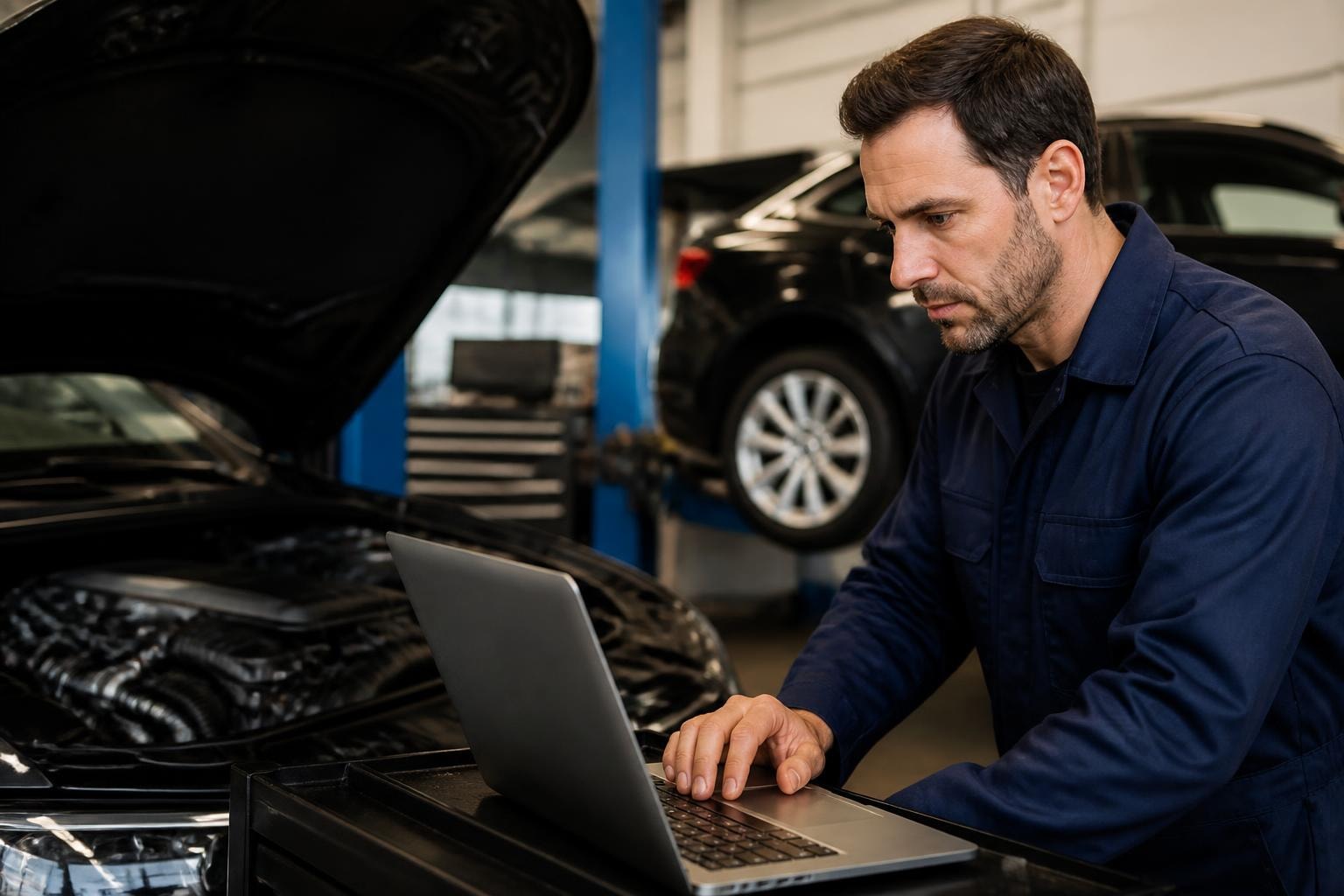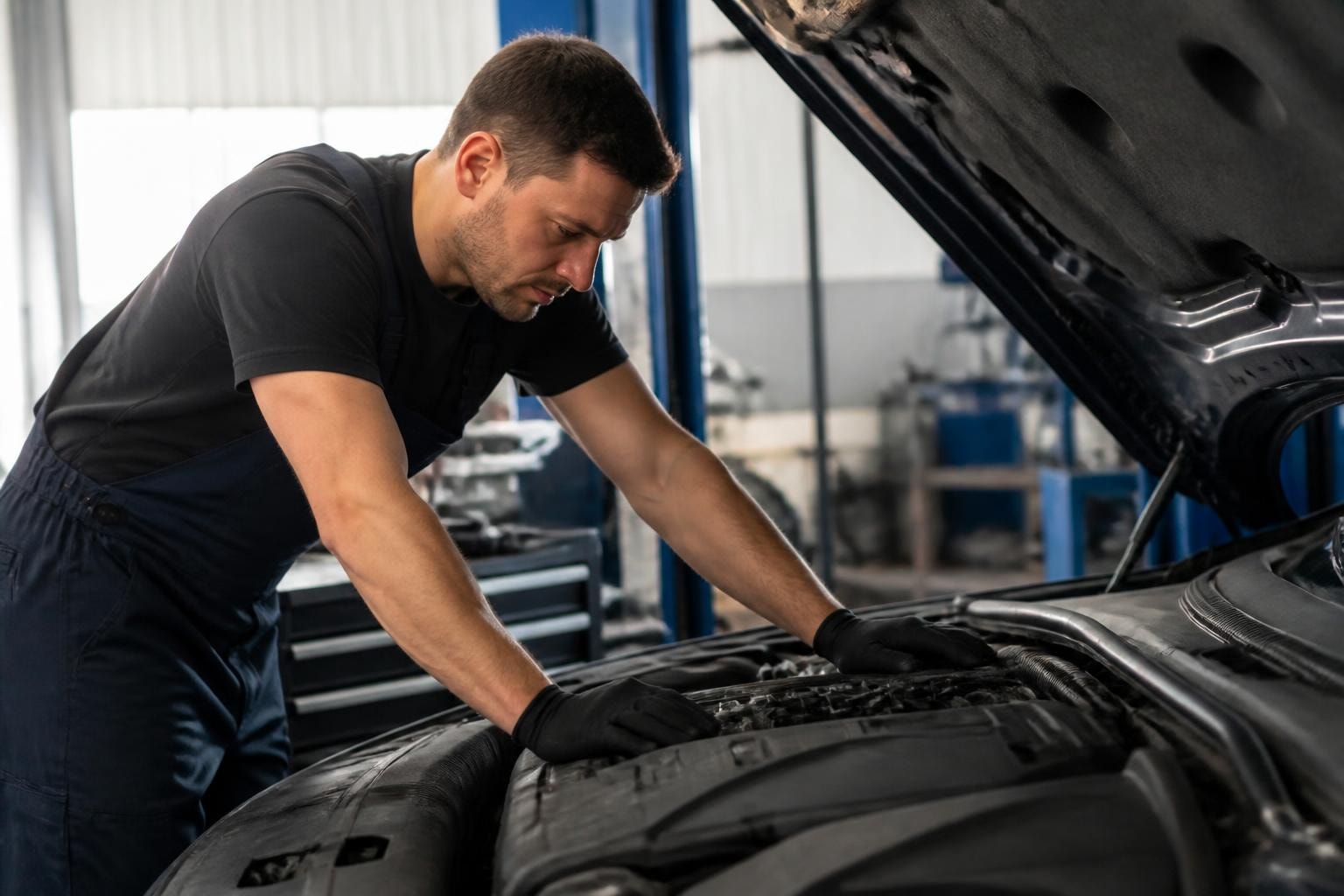

Maintenance specialists form the backbone of operational excellence across industries, ensuring equipment, systems, and facilities function at peak performance. These skilled professionals combine technical expertise with strategic thinking to prevent breakdowns, extend asset lifespans, and maintain safety standards. In the automotive sector, particularly within European vehicle servicing, maintenance specialists play a crucial role in diagnosing complex systems, performing precision repairs, and upholding manufacturer specifications that keep premium vehicles running smoothly.
Understanding the Maintenance Specialist Role
The role of maintenance specialists extends far beyond basic repair work. These professionals are responsible for comprehensive asset management, from scheduled preventive maintenance to emergency troubleshooting and everything in between.
A detailed job description for maintenance specialists reveals the multifaceted nature of this position. Primary responsibilities include conducting regular equipment inspections, identifying potential failures before they occur, maintaining detailed service records, and coordinating with other departments to minimise downtime. In automotive contexts, these duties translate to managing service schedules, interpreting diagnostic data, and ensuring every vehicle meets stringent quality standards.
Core Responsibilities and Daily Tasks
Maintenance specialists juggle numerous priorities throughout their workday:
- Preventive maintenance planning: Creating and executing scheduled service intervals based on manufacturer recommendations and usage patterns
- Diagnostic troubleshooting: Using advanced tools and technical knowledge to identify root causes of malfunctions
- Repair execution: Performing hands-on maintenance tasks ranging from routine fluid changes to complex component replacements
- Documentation management: Maintaining accurate records of all maintenance activities, parts used, and time invested
- Quality assurance: Conducting post-repair testing to verify work meets specifications
The scope varies significantly depending on the industry and specialisation. For European vehicle technicians, this means staying current with evolving automotive technologies, from traditional combustion engines to hybrid systems and sophisticated electronic control units.

Essential Skills and Technical Competencies
Success as maintenance specialists requires a unique blend of technical prowess and soft skills that enable effective problem-solving and communication.
Technical Expertise Requirements
| Skill Category | Key Competencies | Application in European Automotive |
|---|---|---|
| Diagnostic Skills | Fault finding, testing procedures, data interpretation | Using manufacturer-specific diagnostic software for VW, Audi, BMW systems |
| Mechanical Knowledge | Component function, repair techniques, precision work | Understanding European engineering standards and specifications |
| Electrical Systems | Wiring diagrams, control modules, sensor networks | Troubleshooting complex Mercedes and BMW electrical architectures |
| Tool Proficiency | Specialised equipment operation, calibration | Operating advanced diagnostic tools and precision measurement instruments |
Beyond these technical foundations, maintenance specialists must develop strong analytical thinking abilities. The capacity to interpret symptoms, correlate data points, and devise effective solutions separates competent technicians from exceptional ones.
Communication and Interpersonal Abilities
Technical skills alone don't define outstanding maintenance specialists. The ability to communicate complex technical issues in accessible language proves invaluable when explaining repair recommendations to clients or collaborating with team members.
Effective maintenance specialists demonstrate:
- Clear verbal and written communication for reporting findings and documenting procedures
- Customer service orientation that builds trust and long-term relationships
- Team collaboration skills for coordinating with parts departments, service advisors, and fellow technicians
- Time management capabilities to balance multiple service priorities efficiently
Professional Development Pathways
The journey to becoming a skilled maintenance specialist involves continuous learning and professional development. Industry certifications validate expertise and demonstrate commitment to excellence.
Several recognised certification programs support career advancement for maintenance specialists. The Certified Maintenance & Reliability Technician (CMRT) program assesses core competencies across maintenance fundamentals, while the Maintenance Master Certification offers hands-on skills development through comprehensive training modules.
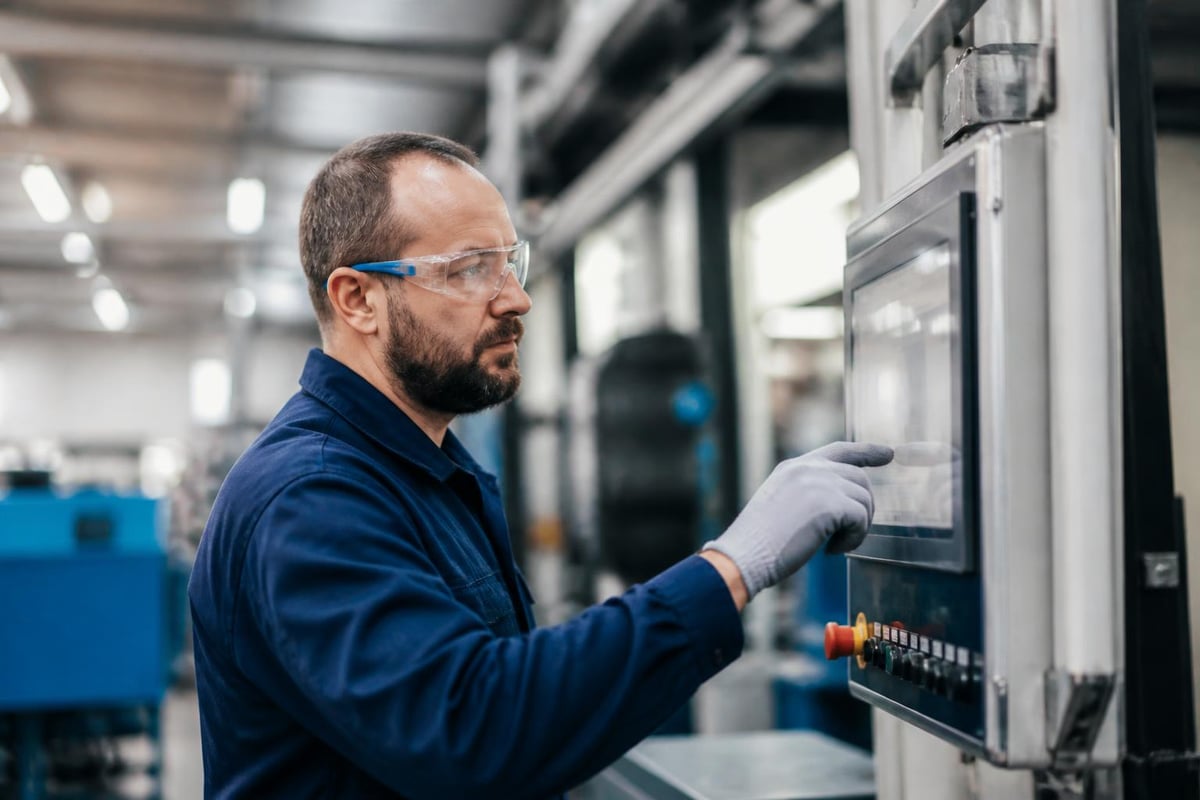
Industry-Specific Training
For automotive maintenance specialists working with European vehicles, manufacturer-specific training becomes essential. Factory training programs from Volkswagen, Audi, BMW, Mercedes-Benz, and Skoda provide deep dives into proprietary systems, diagnostic protocols, and repair procedures unique to each brand.
These programs typically cover:
- Brand-specific diagnostic systems: Learning to navigate and interpret manufacturer software platforms
- Advanced driver assistance systems (ADAS): Understanding radar, camera, and sensor calibration requirements
- Powertrain technologies: Mastering turbocharged engines, dual-clutch transmissions, and hybrid systems
- Network communications: Troubleshooting CAN bus, LIN, and MOST network protocols
- Programming and coding: Performing module programming and vehicle adaptation procedures
Quality service centres invest heavily in ongoing technician training. When maintenance specialists complete regular upskilling, customers benefit from accurate diagnostics, efficient repairs, and confidence that their vehicles receive expert care. You can book your European vehicle service knowing that factory-trained specialists handle your vehicle's unique requirements.

Continuing Education and Skill Maintenance
Technology evolves rapidly, particularly in automotive engineering. Maintenance specialists must commit to lifelong learning to remain effective. This includes attending workshops, completing online training modules, studying technical service bulletins, and participating in peer knowledge-sharing networks.
Professional organisations like Mobius Institute offer structured pathways for developing expertise in maintenance and reliability practices. These resources help maintenance specialists stay ahead of industry trends and adopt best practices that improve efficiency and outcomes.
Tools and Technology Integration
Modern maintenance specialists rely on sophisticated tools that enhance diagnostic accuracy and repair efficiency. The evolution from mechanical repairs to technology-driven service has transformed the profession fundamentally.
Diagnostic Equipment and Software
| Tool Category | Purpose | Examples in European Automotive |
|---|---|---|
| Scan Tools | Reading fault codes, live data streaming | ODIS, ISTA, Xentry, VIDA |
| Oscilloscopes | Analysing electrical signals and waveforms | Diagnosing sensor operation, actuator function |
| Multimeters | Testing circuits, voltage, resistance | Verifying electrical system integrity |
| Pressure Testers | Diagnosing fluid system issues | Testing fuel pressure, compression, boost |
The integration of digital tools revolutionises how maintenance specialists approach problem-solving. Cloud-based service platforms enable technicians to access repair information, wiring diagrams, and technical bulletins instantly. Augmented reality applications now provide step-by-step visual guidance for complex procedures.
Documentation and Management Systems
Accurate record-keeping separates professional operations from amateur attempts. Maintenance specialists use computerised maintenance management systems (CMMS) to track:
- Service history and maintenance intervals
- Parts inventory and ordering
- Labor time and job costing
- Warranty claims and documentation
- Customer communication logs
This systematic approach ensures nothing falls through the cracks while providing valuable data for identifying patterns and optimising service delivery.
Quality Standards and Best Practices
Maintenance specialists in premium automotive service environments adhere to rigorous quality standards that ensure consistent, reliable outcomes.
Preventive Maintenance Protocols
Proactive maintenance forms the cornerstone of effective vehicle care. Maintenance specialists develop and implement schedules based on manufacturer recommendations, operating conditions, and historical data. This approach prevents costly breakdowns and extends component lifespans significantly.
Key preventive maintenance principles include:
- Adhering to prescribed service intervals for fluids, filters, and wear components
- Conducting multi-point inspections to identify emerging issues early
- Using OEM or equivalent quality parts that meet original specifications
- Following torque specifications and assembly procedures precisely
- Testing systems post-service to verify correct operation
Safety and Compliance Considerations
Workplace safety remains paramount for maintenance specialists who work with potentially hazardous materials, high-pressure systems, and heavy equipment. Professional operations maintain strict safety protocols covering personal protective equipment, tool handling, chemical storage, and environmental compliance.
Regulatory compliance extends to proper disposal of fluids, recycling of components, and adherence to environmental standards. Maintenance specialists must stay informed about evolving regulations and ensure their practices meet or exceed legal requirements.
Career Progression and Opportunities
The maintenance specialist career path offers numerous advancement opportunities for dedicated professionals seeking growth.
Entry to Expert Trajectories
Most maintenance specialists begin as apprentices or junior technicians, learning fundamentals under experienced mentors. Through combination of hands-on experience, formal training, and certification achievement, they progress through increasingly responsible roles:
- Apprentice/Trainee: Learning basic skills and procedures under supervision
- Qualified Technician: Performing standard maintenance and repairs independently
- Senior Technician: Handling complex diagnostics and mentoring junior staff
- Specialist/Master Technician: Focusing on specific systems or brands with expert-level capability
- Workshop Supervisor/Manager: Overseeing teams and operational aspects
Some maintenance specialists pursue the Certified Manager of Maintenance (CMM) designation, which focuses on management strategies and operational efficiency. This pathway suits those interested in leadership roles that blend technical knowledge with business acumen.
Specialisation Advantages
Developing deep expertise in specific vehicle brands or systems creates competitive advantages in the marketplace. European vehicle specialists command premium positions due to the complexity and precision required for these sophisticated automobiles. The investment in brand-specific training pays dividends through enhanced diagnostic accuracy, faster repair times, and stronger customer loyalty.
Industry Trends Shaping the Future
The maintenance specialist profession continues evolving in response to technological innovation and changing customer expectations.
Electrification and Hybrid Systems
The automotive industry's shift toward electrification presents both challenges and opportunities for maintenance specialists. Traditional combustion engine expertise remains valuable, but professionals must now master:
- High-voltage battery systems and safety procedures
- Electric motor diagnostics and repair protocols
- Regenerative braking system maintenance
- Charging infrastructure and onboard charger troubleshooting
Forward-thinking maintenance specialists embrace these changes, recognising that hybrid and electric vehicles require specialised knowledge that enhances professional value.
Connected Vehicles and Data Analytics
Modern vehicles generate vast amounts of data through integrated sensors and telematics systems. Maintenance specialists increasingly leverage this information for predictive maintenance, identifying potential failures before they manifest as breakdowns. Remote diagnostics capabilities allow preliminary assessments before vehicles arrive at service centres, improving efficiency and customer experience.
Sustainability and Environmental Responsibility
Environmental consciousness shapes maintenance practices across industries. Maintenance specialists contribute to sustainability through proper waste management, recommending longer-lasting quality components, and optimising service procedures to minimise environmental impact. This aligns with broader corporate responsibility initiatives and customer values.
Building Professional Networks
Successful maintenance specialists recognise the value of professional connections and community engagement. Participating in industry associations, attending trade shows, and engaging with online forums facilitates knowledge exchange and career development.
Peer networks provide invaluable resources for troubleshooting complex issues, discovering new techniques, and staying informed about industry developments. Collaborative learning accelerates skill development beyond what individual study alone can achieve.
Maintenance specialists represent the critical link between mechanical systems and operational reliability, combining technical expertise with problem-solving abilities that keep complex equipment functioning optimally. Whether you're considering this career path or seeking skilled professionals to care for your European vehicle, understanding the depth of knowledge and commitment required highlights the value these specialists deliver. For expert maintenance from factory-trained technicians who specialise in Volkswagen, Audi, Mercedes, BMW, and Skoda vehicles, VODIS Automobile provides the professional service and reliability that discerning European car owners trust.