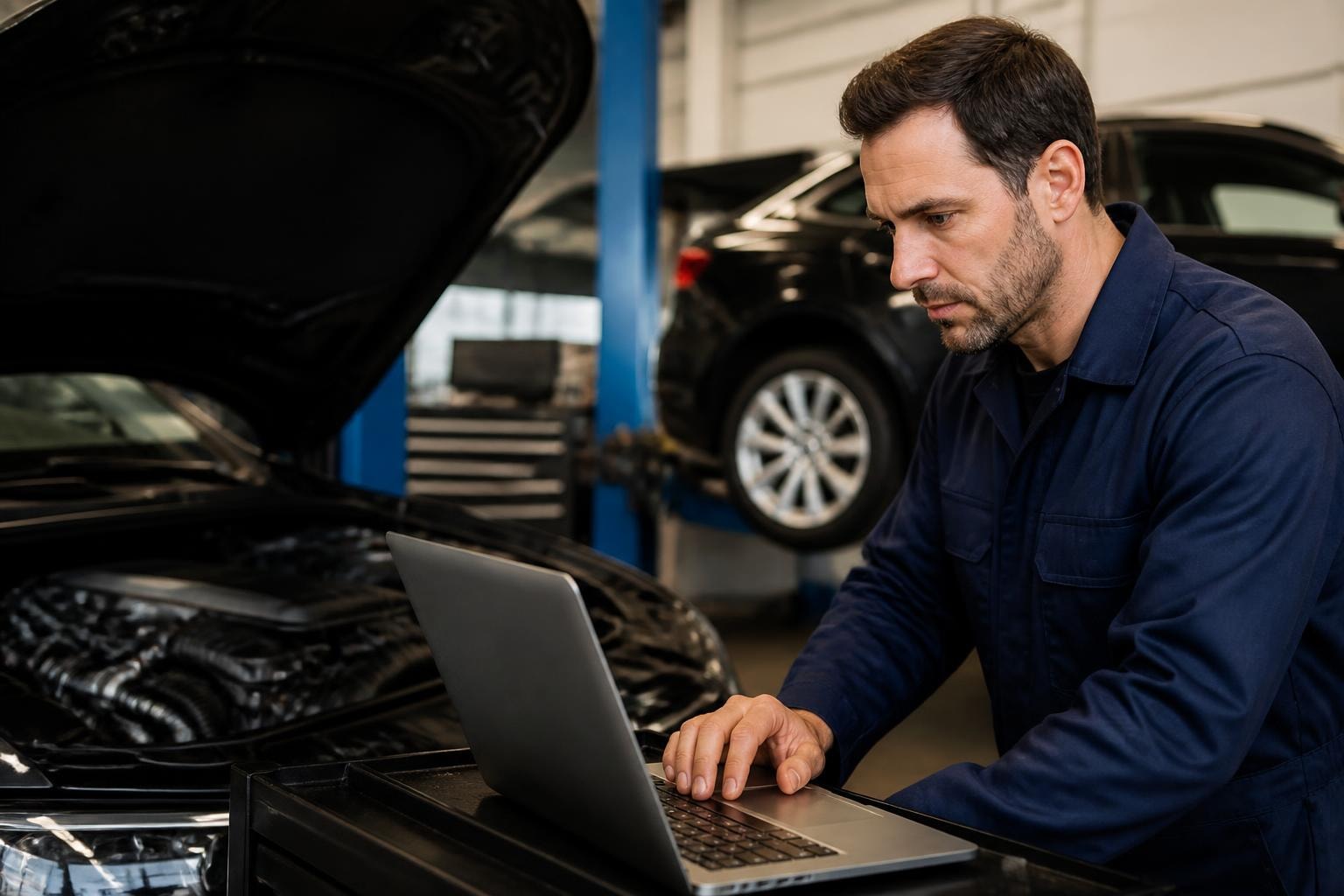

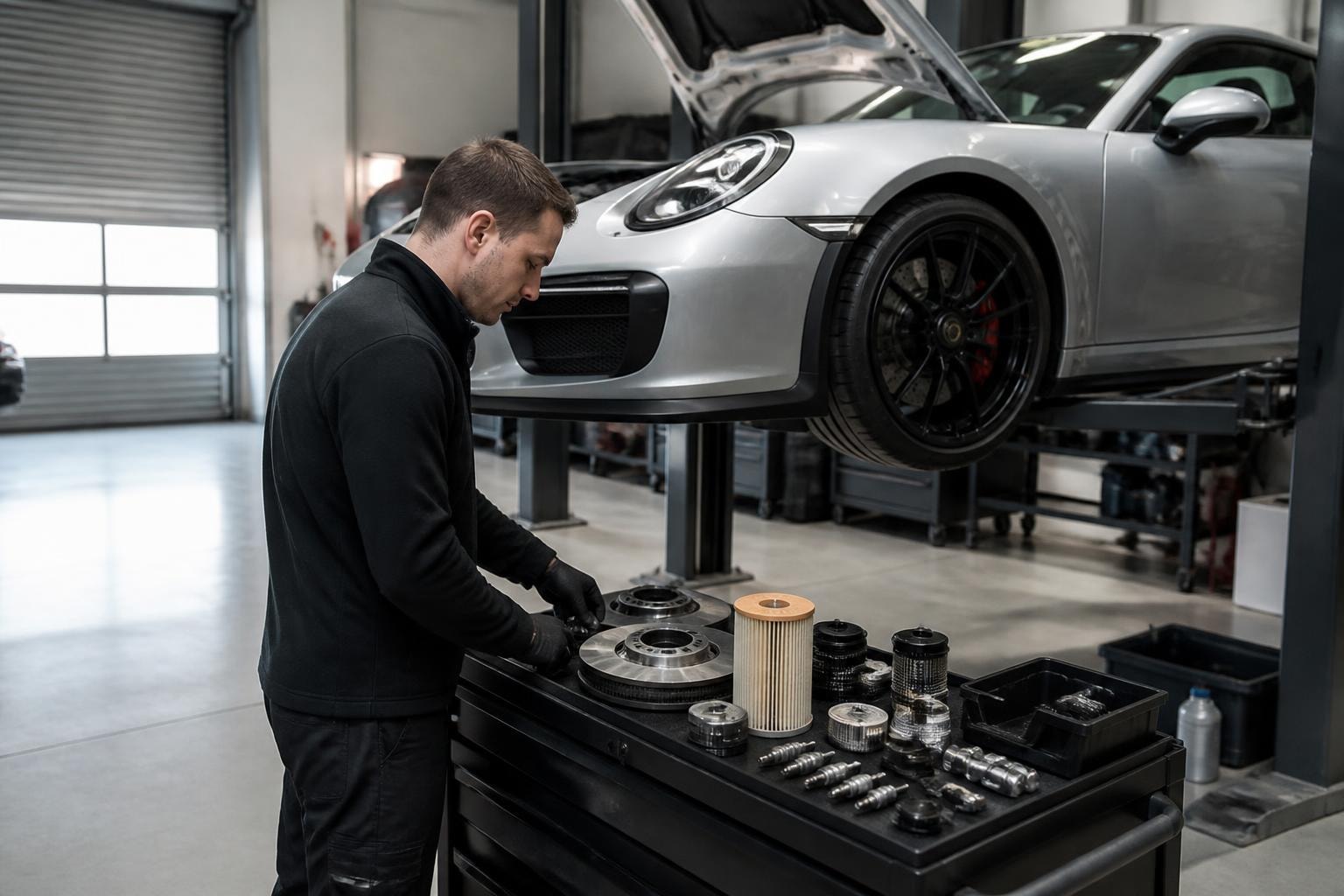
Owning a Porsche represents a commitment to precision engineering and driving excellence. These iconic German sports cars demand specialist attention to maintain their legendary performance and reliability. Whether you own a 911, Cayenne, Macan, or Panamera, understanding proper porsche car service requirements ensures your investment delivers the exhilarating experience these vehicles promise. From routine oil changes to complex diagnostic procedures, knowing what your Porsche needs and when it needs it makes all the difference between a well-maintained masterpiece and an expensive garage ornament.
Understanding Porsche Service Requirements
Porsche vehicles operate under strict manufacturer guidelines designed to preserve performance, safety, and longevity. The service schedule depends on several factors including model year, engine type, mileage, and driving conditions.
Modern Porsches utilize sophisticated onboard computers that monitor oil quality, brake wear, and other critical systems. These intelligent monitoring systems calculate service intervals based on actual usage patterns rather than arbitrary time or distance thresholds. However, this doesn't eliminate the need for scheduled maintenance at specific intervals.
Standard Service Intervals
Porsche recommends service every 12 months or 15,000 kilometres, whichever arrives first. For vehicles subject to severe driving conditions, including track use or frequent short trips, more frequent servicing proves essential.
Minor services typically include:
- Engine oil and filter replacement
- Fluid level checks and top-ups
- Brake system inspection
- Tyre pressure and condition assessment
- Battery health check
- Visual safety inspection
Major services involve additional procedures:
- Air filter replacement
- Cabin filter replacement
- Brake fluid replacement (every two years)
- Spark plug replacement (varies by model)
- Comprehensive vehicle diagnostics
- Detailed brake and suspension inspection
Common Porsche Issues Requiring Specialist Attention
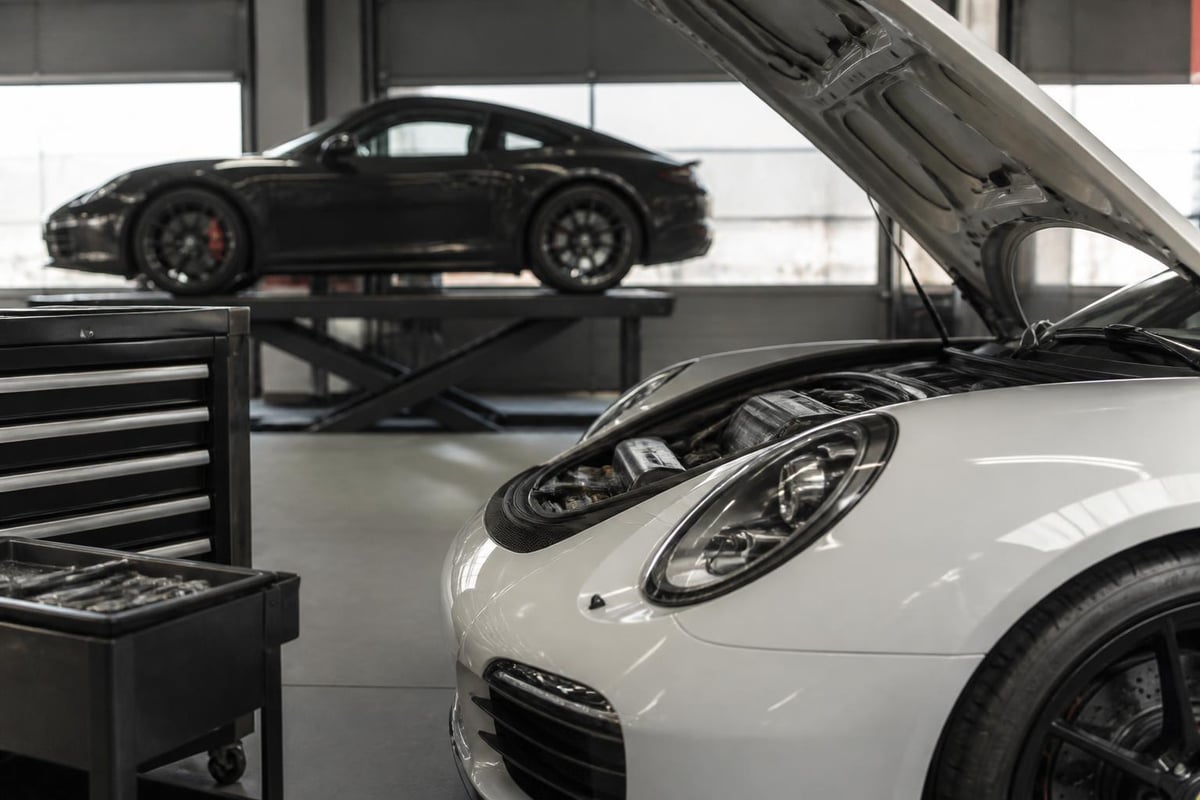
Even with meticulous care, Porsches experience specific issues that require expert diagnosis and repair. Understanding these common Porsche problems helps owners recognize warning signs early.
Engine and Performance Concerns
The intermediate shaft (IMS) bearing failure represents one of the most serious issues affecting 1997-2008 models with M96 and M97 engines. This component supports the intermediate shaft connecting the crankshaft to the camshafts. Failure results in catastrophic engine damage, often without warning.
Symptoms indicating potential IMS bearing issues include:
- Metallic debris in engine oil
- Unusual engine noises at startup
- Oil leaks from the rear main seal area
- Rough idling or misfires
Cooling system leaks frequently plague water-cooled Porsche engines. Plastic coolant pipes, ageing radiators, and deteriorating hoses develop leaks over time. Critical maintenance services emphasize the importance of regular cooling system inspections to prevent overheating damage.
Electrical and Ignition System Faults
Ignition coil failures occur commonly across the Porsche range, particularly in 996 and 997 generation 911s. These failures cause misfires, rough running, and illuminated check engine lights. Modern Porsches utilize individual coils for each cylinder, meaning multiple coils may fail simultaneously or in quick succession.
Common electrical issues also include alternator failures, battery drain problems, and sensor malfunctions. The complex electrical architecture requires specialized diagnostic equipment to identify root causes accurately.
| Issue Type | Affected Models | Typical Symptoms | Prevention Strategy |
|---|---|---|---|
| IMS Bearing | 996, 997 (1997-2008) | Oil leaks, metal debris | Regular oil analysis, bearing upgrade |
| Coolant Leaks | 996, 997, 991 | Overheating, sweet smell | Annual cooling system inspection |
| Ignition Coils | 996, 997, 991 | Misfires, rough idle | Replace at first sign of failure |
| Air-Oil Separator | All water-cooled | Oil consumption, smoke | Replace every 60,000-80,000km |
Choosing the Right Service Provider
Selecting an appropriate facility for porsche car service significantly impacts maintenance quality, costs, and overall ownership experience. Several factors deserve consideration when making this decision.
Dealership Versus Independent Specialist
Authorized Porsche dealerships offer manufacturer-trained technicians, genuine parts, and comprehensive warranty protection. However, their premium pricing structure doesn't suit every owner's budget.
Independent specialists focusing on European vehicles provide compelling alternatives. These facilities employ technicians with extensive Porsche experience, often utilizing the same diagnostic equipment and technical information as dealerships. Quality independent specialists typically charge 30-40% less than dealerships while maintaining comparable service standards.
The key lies in finding an independent workshop with:
- Dedicated European vehicle expertise
- Factory-level diagnostic equipment
- Porsche-specific tooling
- Access to genuine or OEM-equivalent parts
- Detailed service records and communication
- Proven track record with Porsche models
Questions to Ask Potential Service Providers
Before entrusting your Porsche to any facility, gather information about their capabilities and approach:
- What Porsche-specific diagnostic tools do you utilize?
- Can you provide references from other Porsche owners?
- Do you maintain detailed digital service records?
- What warranty covers your work and parts?
- How do you communicate necessary repairs and costs?
Transparent communication distinguishes exceptional service providers from mediocre ones. The best facilities explain issues clearly, provide detailed quotes before commencing work, and contact owners if additional problems emerge.
Critical Maintenance Services Never to Skip
Certain porsche car service procedures directly impact safety, reliability, and long-term component survival. Repair issues owners should never ignore include both routine maintenance and emerging problems.
Brake System Maintenance
Porsche braking systems deliver extraordinary stopping power through high-performance components operating under extreme conditions. Regular brake maintenance proves absolutely essential for safety and performance.
Brake fluid absorbs moisture over time, reducing its boiling point and compromising braking effectiveness. Porsche specifies brake fluid replacement every two years regardless of mileage. This seemingly minor service prevents brake fade, internal corrosion, and ABS system damage.
Brake pad and rotor inspection should occur at every service interval. Porsche brake pads contain wear sensors that illuminate warning lights, but visual inspection identifies issues earlier. Ceramic composite brakes (PCCB) require specialist knowledge and significantly different maintenance procedures.
Oil Changes and Engine Health
Engine oil serves multiple critical functions: lubricating moving parts, cooling components, cleaning internal surfaces, and protecting against corrosion. Porsche engines operate at high temperatures and pressures, placing exceptional demands on lubricants.
Using the correct oil specification proves non-negotiable. Porsche specifies particular viscosity grades and performance standards for each engine type. Modern turbocharged engines require different oils than naturally aspirated units. Using incorrect oil voids warranties and accelerates engine wear.
Oil change intervals vary by model and usage. While service indicators may suggest 15,000km intervals, many specialists recommend 10,000km changes for vehicles experiencing hard driving or track use. Oil analysis services identify internal wear patterns and contamination, providing valuable engine health insights.
Transmission and Drivetrain Care
Porsche offers both manual and PDK (Porsche Doppelkupplung) dual-clutch transmissions. Each type requires specific maintenance procedures.
Manual transmissions need periodic fluid changes, typically every 60,000-80,000 kilometres. PDK transmissions require more frequent attention, with fluid and filter changes recommended every 60,000 kilometres or four years. Neglecting PDK maintenance leads to expensive clutch pack and mechatronics unit failures.
All-wheel-drive Cayenne, Macan, and 911 Carrera 4 models incorporate transfer cases and rear differentials requiring regular fluid services. Understanding maintenance costs helps owners budget appropriately for these procedures.
Diagnostic Technology and Modern Porsche Service
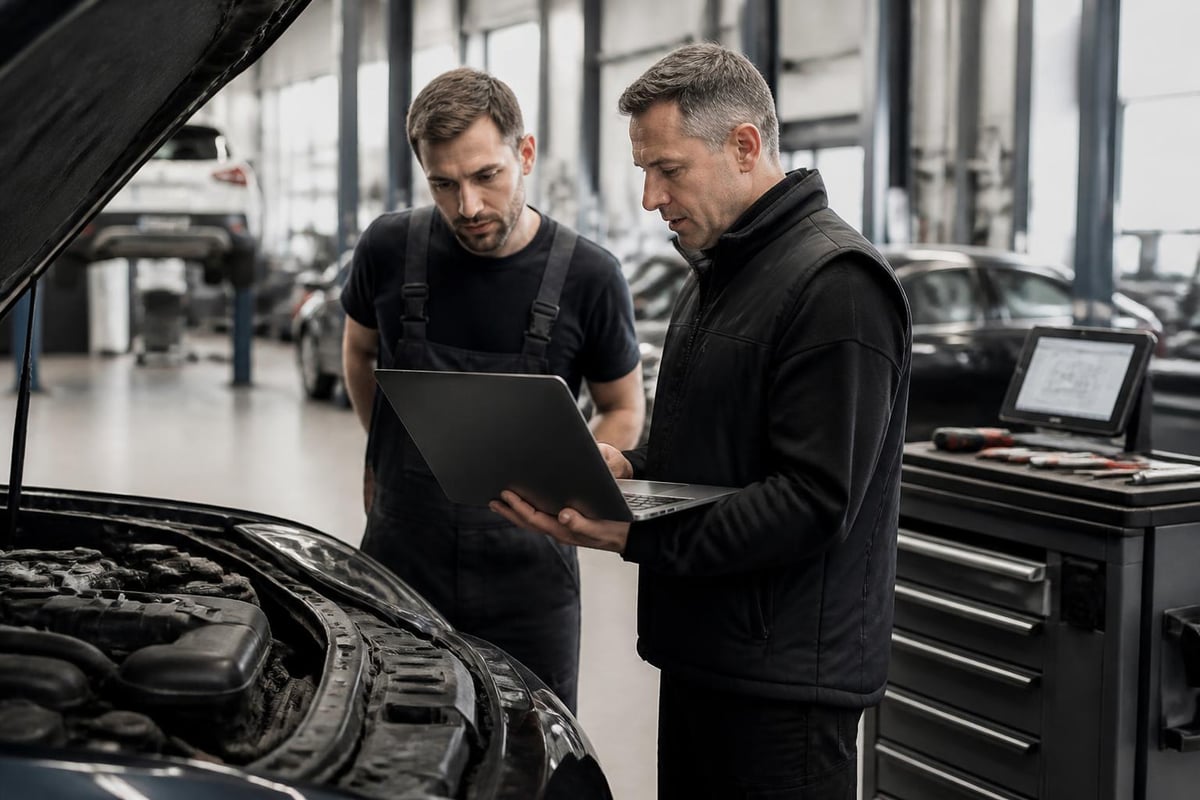
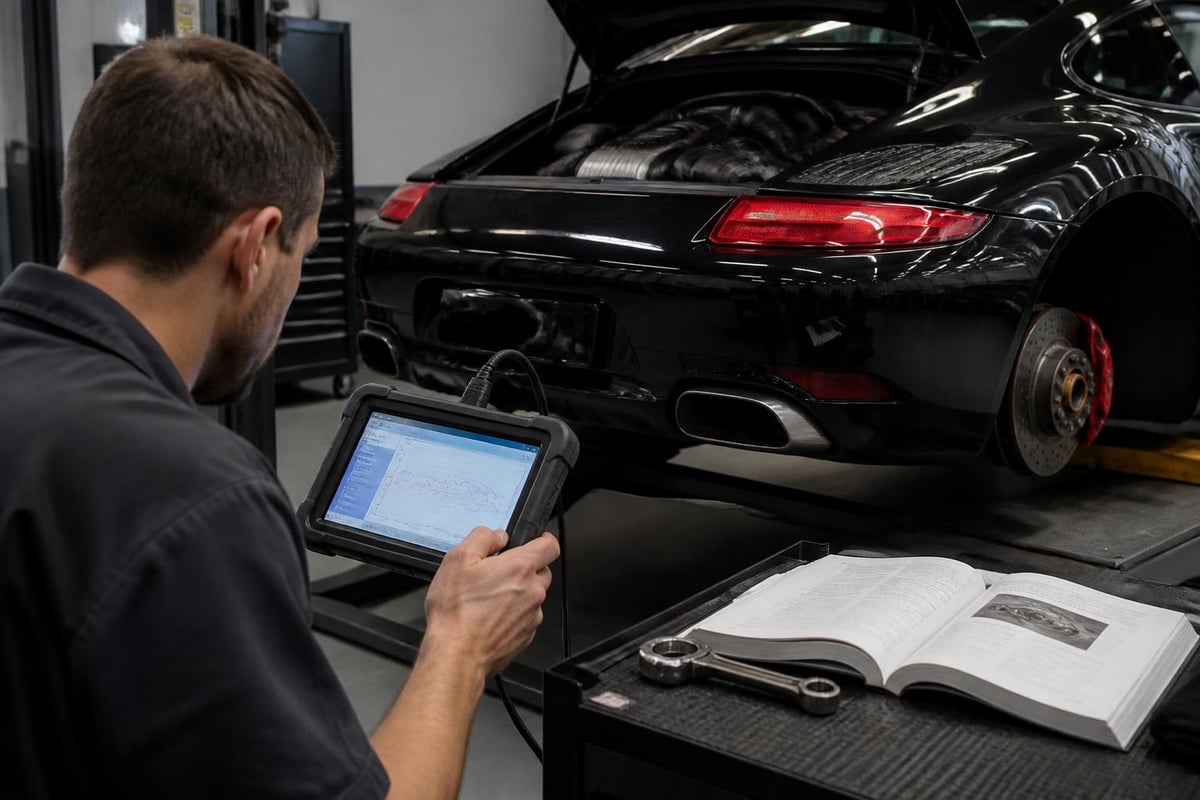
Contemporary Porsches feature incredibly sophisticated electronic systems controlling everything from engine management to suspension damping. Proper diagnosis requires manufacturer-level scan tools capable of communicating with all vehicle modules.
Essential Diagnostic Capabilities
Professional porsche car service facilities utilize diagnostic equipment accessing:
- Engine control modules for performance data
- ABS and stability control systems
- Air suspension and PASM (Porsche Active Suspension Management)
- PDK transmission control units
- HVAC and comfort systems
- Advanced driver assistance features
Generic OBD-II scanners provide insufficient information for proper Porsche diagnosis. These basic tools read only standardized fault codes, missing manufacturer-specific data streams, adaptation procedures, and module programming capabilities.
Proper diagnosis involves more than simply reading fault codes. Experienced technicians analyze live data, perform component tests, and utilize technical service bulletins addressing known issues. This comprehensive approach identifies root causes rather than replacing parts indiscriminately.
Software Updates and Programming
Modern Porsches receive regular software updates addressing performance enhancements, emissions compliance, and system refinements. These updates require specialized equipment and manufacturer access.
Service facilities should verify and install relevant software updates during routine maintenance. Updates may improve throttle response, transmission shift quality, or address specific operational concerns. Neglecting software maintenance leaves vehicles operating with outdated calibrations potentially affecting performance and reliability.
Seasonal Preparation and Storage Considerations
New Zealand's varied climate conditions require thoughtful preparation to maintain Porsche condition throughout the year. Seasonal changes affect different vehicle systems and components.
Winter Readiness
Cooler months demand attention to battery health, as cold temperatures reduce battery capacity and increase starting demands. Battery testing identifies weak cells before they cause starting failures.
Tyre condition and tread depth become particularly important during wet winter conditions. Porsche's powerful acceleration and high cornering speeds require adequate traction. Many owners switch to dedicated winter tyres in areas experiencing regular frost or snow.
Coolant concentration testing ensures adequate freeze protection. While Auckland's moderate climate rarely experiences freezing temperatures, owners travelling to southern regions or alpine areas must verify proper antifreeze levels.
Summer Performance Preparation
Warmer temperatures increase demands on cooling systems and air conditioning. Pre-summer inspection identifies marginal radiators, deteriorating hoses, and refrigerant leaks before they cause breakdowns.
Extended daylight hours encourage spirited driving. Verifying brake condition, suspension settings, and tyre pressures optimizes safety and performance. Track day participants should complete comprehensive pre-event inspections covering all safety-critical systems.
Long-Term Storage Best Practices
Owners storing Porsches for extended periods should implement proper preparation procedures:
- Change engine oil before storage
- Fill the fuel tank and add stabilizer
- Inflate tyres to maximum pressure
- Connect a battery maintainer
- Cover the vehicle with breathable material
- Start and circulate fluids monthly if possible
Proper storage preparation prevents corrosion, fuel degradation, and battery discharge. Re-commissioning after storage should include fresh fluids, thorough inspection, and test driving to verify all systems function correctly.
Parts Quality and Replacement Considerations
Component quality directly affects reliability, performance, and safety. Porsche owners face choices between genuine parts, OEM-equivalent alternatives, and aftermarket options.
Genuine Versus Aftermarket Parts
Genuine Porsche parts carry manufacturer warranties and meet exact specifications. However, their premium pricing encourages many owners to consider alternatives for routine components.
OEM-equivalent parts come from the same suppliers providing genuine components but lack Porsche branding and associated markup. Brands like Bosch, Bilstein, and Continental manufacture numerous original equipment components available through alternative channels at lower costs.
Aftermarket performance parts offer opportunities for enhancement but require careful selection. Reputable manufacturers like H&R, KW, and Fabspeed produce quality upgrades backed by warranties and proven track records. Unknown brands promising extreme performance at bargain prices often deliver disappointing results.
| Component Category | Genuine Parts | OEM Equivalent | Aftermarket |
|---|---|---|---|
| Engine Oil | Premium | Recommended | Specification critical |
| Brake Pads | Excellent | Good alternative | Performance options available |
| Suspension Components | Premium | Cost-effective OEM | Upgrade opportunities |
| Filters (oil/air/cabin) | Quality assured | Identical quality | Variable quality |
| Ignition Components | Tested compatibility | Reliable choice | Mixed results |
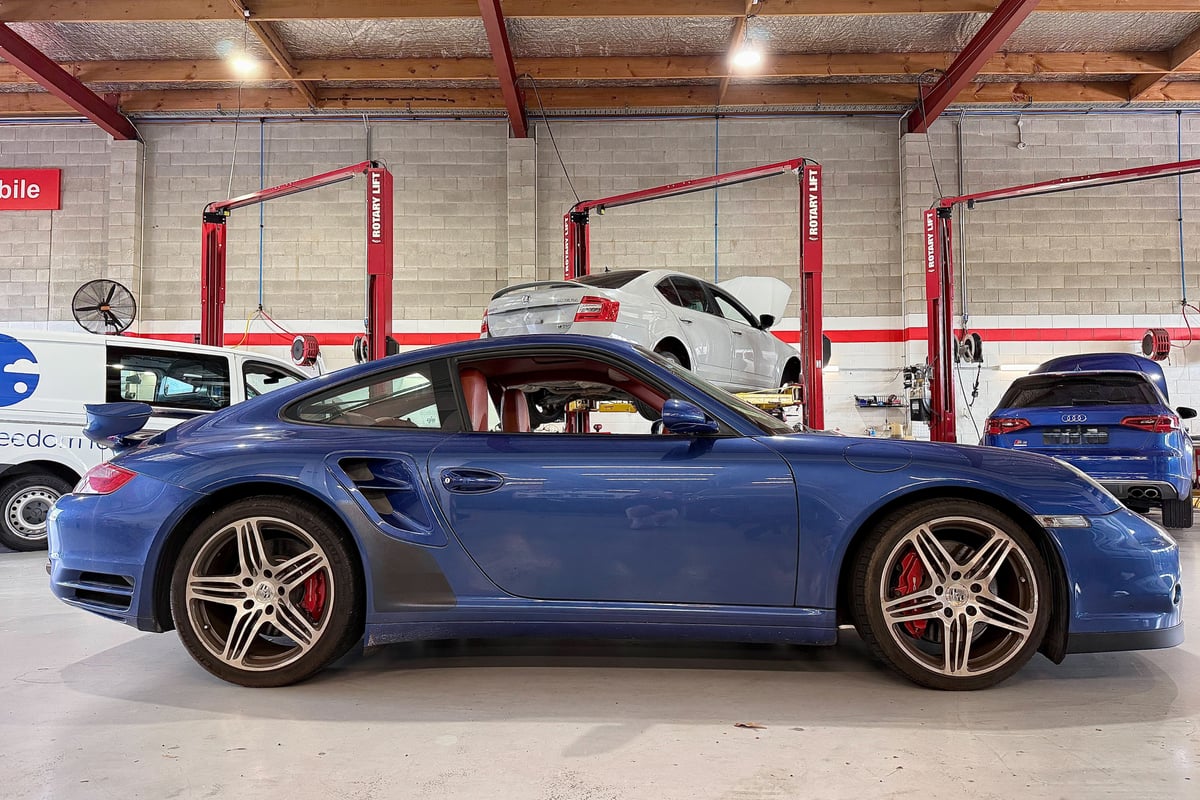
For owners of European vehicles including Volkswagen, Audi, and Skoda models alongside their Porsche, choosing a service centre with broad European expertise provides significant advantages. These specialists maintain relationships with quality parts suppliers across multiple brands, ensuring access to premium components at competitive pricing.
At facilities specializing in European automobiles, technicians develop deep familiarity with shared platform components and engineering approaches common across German manufacturers. This expertise translates to efficient diagnosis and repair of complex systems. You can conveniently book your European vehicle service online with specialists who understand the nuances of premium German engineering.
Understanding Service Costs and Budgeting
Porsche ownership involves higher maintenance costs than mainstream vehicles, but proper budgeting and preventive care minimize surprises. Comprehensive maintenance cost overviews help owners plan appropriately.
Annual Service Investment
Minor services typically cost between $500-$800 at quality independent specialists, covering oil changes, inspections, and minor adjustments. Major services ranging from $1,200-$2,500 include additional fluid changes, filter replacements, and comprehensive inspections.
Brake services vary dramatically depending on system type. Standard steel brake rotors and pads cost $1,500-$2,500 per axle. Ceramic composite brakes (PCCB) require $15,000-$20,000 for complete replacement, though they typically last 100,000+ kilometres with proper use.
Tyre expenses depend on size and performance level. High-performance summer tyres for a 911 Carrera range from $1,800-$3,500 per set. All-season tyres for Cayenne or Macan models cost $1,200-$2,200 installed.
Unexpected Repair Reserves
Beyond scheduled maintenance, owners should maintain reserves for unexpected repairs. Common repair issues help identify potential expenses.
Setting aside $2,000-$3,000 annually for contingency repairs provides reasonable protection against surprise expenses. This fund covers items like alternator replacement, coolant system repairs, or suspension component failures occurring between regular services.
Extended warranties and specialist insurance products offer additional protection for owners concerned about major component failures. These programmes vary significantly in coverage, exclusions, and value. Careful review ensures appropriate protection without paying for unnecessary coverage.
Record Keeping and Resale Value Protection
Comprehensive service documentation significantly impacts Porsche resale values. Prospective buyers pay premium prices for vehicles with complete, verified maintenance histories demonstrating proper care.
Essential Documentation
Maintain organized records including:
- All service invoices with detailed work descriptions
- Parts receipts showing quality components
- Diagnostic reports and test results
- Software update confirmations
- Modifications and upgrades with receipts
- Pre-purchase inspection reports
Digital service records provide convenient access and backup protection. Many modern service facilities maintain cloud-based customer portals storing complete vehicle histories. These systems generate detailed reports summarizing all work performed over ownership duration.
Protecting Investment Value
Consistent porsche car service at reputable facilities, using quality parts, and addressing issues promptly protects long-term value. Deferred maintenance shows immediately during pre-purchase inspections, significantly reducing market appeal and selling prices.
Original specifications generally command higher values than extensively modified vehicles. While tasteful upgrades from respected manufacturers may enhance appeal to enthusiast buyers, extreme modifications often limit market reach and reduce overall values.
Proper Porsche maintenance requires specialist knowledge, appropriate diagnostic equipment, and commitment to using quality parts and fluids. By understanding service requirements, recognizing common issues, and choosing qualified service providers, owners protect their investment while enjoying the exceptional driving experience these remarkable vehicles deliver. While VODIS Automobile specializes in Volkswagen, Audi, Mercedes, BMW, and Skoda vehicles rather than Porsche specifically, their European vehicle expertise and commitment to quality service exemplifies the professional approach Porsche owners should seek. For your European vehicle servicing needs on Auckland's North Shore, discover how VODIS Automobile delivers the specialist care your vehicle deserves.