
Skoda vehicles have earned a reputation for reliability, practicality, and value throughout New Zealand. These Czech-engineered vehicles, backed by Volkswagen Group technology, deliver exceptional performance when properly maintained. Whether you drive a Fabia, Octavia, Superb, or Kodiaq, understanding the fundamentals of skoda car maintenance ensures your investment continues to deliver the comfort and efficiency you expect. Regular servicing not only preserves your vehicle's performance but also protects its resale value and prevents costly repairs down the track.
Understanding Skoda Service Intervals
Skoda vehicles operate on time-based and distance-based service schedules, whichever comes first. Most models require servicing every 12 months or 15,000 kilometres for petrol engines, whilst diesel variants may extend to 18,000 kilometres depending on the model year and specifications.
Fixed vs Flexible Service Regimes
Modern Skoda vehicles typically follow two distinct service approaches:
Fixed Service Regime: Predetermined intervals suitable for harsh driving conditions, including frequent short trips, stop-start city driving, or dusty environments common in New Zealand's rural areas. This regime provides predictable maintenance scheduling and ensures components receive attention at manufacturer-recommended intervals.
Flexible Service Regime: Uses onboard monitoring systems to calculate service requirements based on actual driving conditions, engine load, and oil degradation. The vehicle's computer system tracks various parameters and alerts drivers when maintenance is due, potentially extending intervals under ideal conditions.
Most New Zealand drivers benefit from the fixed regime given our diverse driving conditions, from Auckland's congested motorways to Canterbury's rural roads. Skoda’s official maintenance guidelines provide detailed information about which regime suits your specific model and driving patterns.
Essential Skoda Maintenance Tasks
Proper skoda car maintenance encompasses several critical areas that require regular attention. Understanding these components helps you recognize warning signs and maintain your vehicle's optimal performance.
Engine Oil and Filter Changes
Engine oil serves as your Skoda's lifeblood, lubricating moving parts, reducing friction, and dissipating heat. Skoda engines require specific oil grades and specifications, particularly for newer models with advanced engine technology.
- Petrol engines: Typically require 5W-30 or 5W-40 fully synthetic oil
- Diesel engines: Often specify 5W-30 long-life oil meeting VW 507.00 standards
- Filter replacement: Should accompany every oil change to maintain filtration efficiency
Neglecting oil changes accelerates engine wear, reduces fuel efficiency, and can void manufacturer warranties. The recommended interval for most Skoda models sits at 15,000 kilometres or annually, though severe driving conditions may warrant more frequent changes.
Air and Cabin Filter Maintenance
Air filters prevent contaminants from entering your engine, whilst cabin filters ensure clean air inside the vehicle. Both require periodic inspection and replacement.
| Filter Type | Replacement Interval | Signs of Deterioration |
|---|---|---|
| Engine Air Filter | 30,000-45,000 km | Reduced acceleration, decreased fuel economy |
| Cabin Air Filter | 15,000-30,000 km | Reduced airflow, musty odours, foggy windows |
| Fuel Filter (diesel) | 60,000 km | Rough idling, difficulty starting |
Regular filter maintenance is particularly important in New Zealand's varied climate, where pollen, dust, and moisture can compromise filter efficiency. A comprehensive maintenance checklist helps track these intervals alongside other critical tasks.
Brake System Inspection and Service
Skoda vehicles feature sophisticated braking systems requiring regular attention. Brake fluid absorbs moisture over time, reducing its boiling point and compromising braking performance.
Key brake maintenance tasks include:
- Brake fluid replacement every two years regardless of mileage
- Brake pad inspection at each service, replacement typically at 30,000-50,000 km
- Disc rotor measurement and replacement as needed
- Handbrake adjustment to maintain parking security
New Zealand's hilly terrain places additional demands on braking systems, particularly in regions like Wellington or Dunedin. Regular inspection prevents brake fade and ensures consistent stopping power.
Transmission and Drivetrain Care
Skoda's DSG (Direct Shift Gearbox) dual-clutch automatic transmissions require specific maintenance protocols. Unlike conventional automatics, DSG gearboxes contain both wet and dry clutch variants, each with distinct service requirements.
DSG Transmission Service
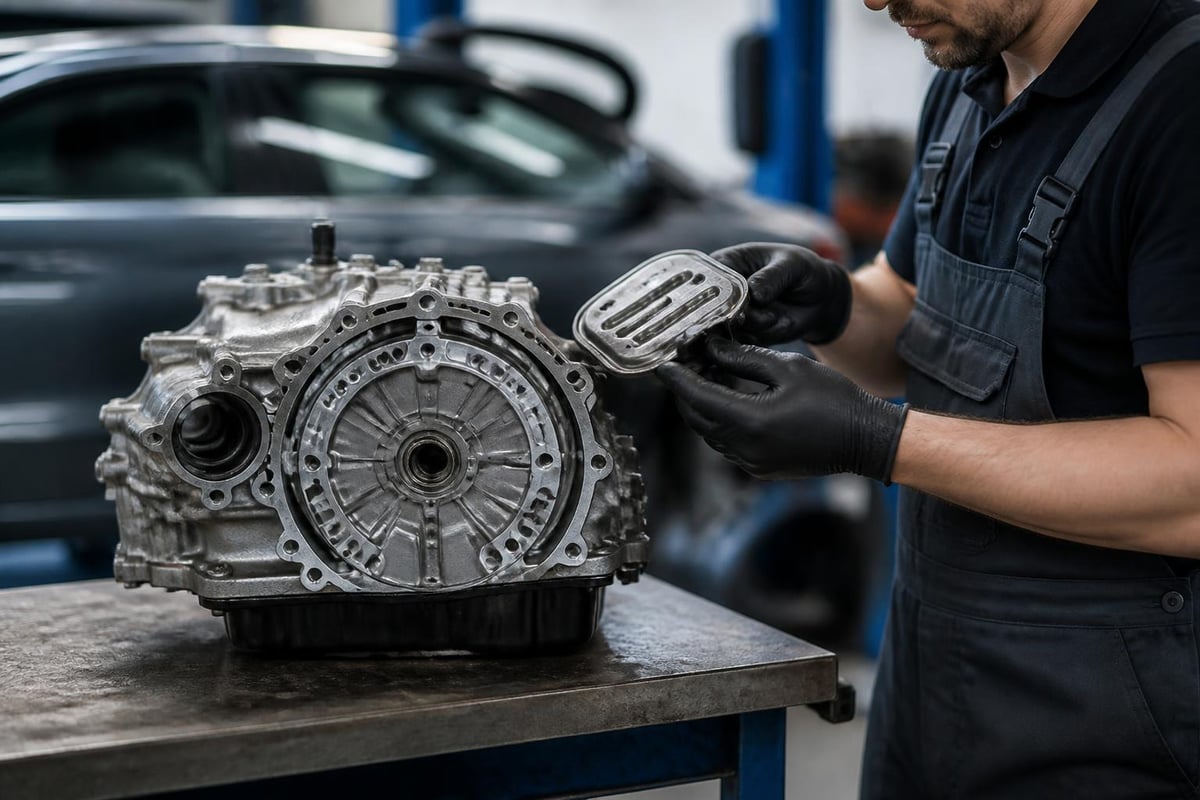
Wet-clutch DSG transmissions (DQ250, DQ381) require oil and filter changes every 60,000 kilometres to maintain smooth operation and prevent premature clutch wear. This service involves draining the transmission fluid, replacing the internal filter, and refilling with specified DSG oil.
Dry-clutch variants (DQ200) are considered sealed units but still benefit from inspection and potential fluid top-ups. Ignoring DSG maintenance can lead to jerky gear changes, clutch judder, and expensive repairs exceeding $5,000.
Manual transmission owners should ensure gearbox oil receives attention during major services, typically every 90,000-120,000 kilometres, maintaining smooth gear engagement and preventing synchromesh wear.
Cooling System and Temperature Management
Your Skoda's cooling system maintains optimal engine temperature, preventing overheating and ensuring efficient combustion. This system requires regular inspection and periodic coolant replacement.
Coolant Service Requirements
Skoda engines use long-life coolant (typically G12 or G13 specification) designed to last up to five years or 150,000 kilometres before requiring replacement. However, coolant level checks should occur at every service, and hoses require inspection for cracks, bulges, or leaks.
Common cooling system issues in Skoda vehicles:
- Thermostat failures causing slow warm-up or overheating
- Water pump bearing wear creating noise or leaks
- Radiator blockages reducing cooling efficiency
- Expansion tank cap failures affecting system pressure
New Zealand's climate extremes, from frosty Otago winters to scorching Northland summers, demand a properly functioning cooling system. Regular maintenance prevents roadside breakdowns and expensive engine damage.
Timing Belt Replacement: Critical Maintenance
Many Skoda petrol and diesel engines feature timing belts requiring replacement at specified intervals. This critical maintenance task prevents catastrophic engine failure should the belt snap during operation.
Timing Belt Service Intervals
| Engine Type | Interval | Notes |
|---|---|---|
| 1.4 TSI petrol | 120,000 km or 5 years | Includes water pump replacement |
| 1.6 TDI diesel | 130,000 km or 5 years | Tensioner and pulleys also replaced |
| 2.0 TDI diesel | 130,000 km or 5 years | Consider fuel pump belt inspection |
Timing belt replacement represents a significant service expense, typically ranging from $800 to $1,500 depending on engine complexity. However, this investment pales compared to the $8,000-$15,000 cost of repairing an engine damaged by belt failure.
Some newer Skoda engines feature timing chains rather than belts, eliminating this scheduled replacement but requiring oil change diligence to prevent chain stretch and guide wear. For professional skoda car maintenance including timing belt services, booking with experienced European vehicle specialists ensures the job meets Skoda's exacting standards.
Electrical System and Battery Maintenance
Modern Skoda vehicles contain sophisticated electrical systems managing everything from engine controls to infotainment. Regular electrical system checks prevent unexpected failures and ensure reliable starting.
Battery Care and Replacement
Skoda batteries typically last 4-6 years in New Zealand conditions, though extreme temperatures and frequent short trips can reduce lifespan. Signs of battery deterioration include slow engine cranking, dimming lights, and electrical glitches.
Battery maintenance tips:
- Keep terminals clean and free from corrosion
- Ensure secure battery mounting to prevent vibration damage
- Test battery voltage and cranking amps during services
- Consider trickle charging if the vehicle sits unused for extended periods
Many Skoda models feature start-stop technology requiring enhanced flooded batteries (EFB) or absorbed glass mat (AGM) batteries. Replacing these with standard batteries causes system malfunctions and reduced component lifespan.
Tyre Maintenance and Wheel Alignment
Tyres represent your Skoda's only contact with the road, making their condition critical for safety, handling, and fuel efficiency. Regular tyre maintenance extends their lifespan and ensures optimal performance.
Tyre Pressure and Rotation
Maintaining correct tyre pressures improves fuel economy by up to 3% whilst ensuring even wear and predictable handling. Skoda recommends checking pressures monthly and before long journeys, adjusting for load as specified in your vehicle's handbook.
Tyre rotation every 10,000 kilometres promotes even wear across all four corners. Front-wheel-drive Skoda models typically wear front tyres faster due to steering and driving forces, making rotation particularly beneficial.
Wheel alignment should be checked:
- Annually as preventive maintenance
- After kerb strikes or pothole impacts
- When replacing tyres
- If the vehicle pulls to one side or exhibits uneven tyre wear
Proper alignment protects your tyre investment, improves fuel economy, and enhances driving comfort. New Zealand's sometimes challenging road conditions make regular alignment checks particularly valuable.
Skoda Electric Vehicle Maintenance
Skoda's expanding electric vehicle range, including the Enyaq iV, requires different maintenance approaches compared to conventional petrol or diesel models. Whilst EVs eliminate many traditional service requirements, they introduce new considerations.
EV-Specific Maintenance Tasks
Electric Skoda vehicles don't require oil changes, timing belt replacements, or exhaust system maintenance. However, they still need regular attention to brakes, tyres, suspension, and cooling systems. Skoda’s EV maintenance guidance emphasizes the importance of regular servicing despite reduced component wear.
Critical EV maintenance areas:
- Battery thermal management system inspection
- Brake fluid replacement (despite regenerative braking, fluid still absorbs moisture)
- Cabin air filter changes (HVAC works harder in EVs)
- High-voltage system checks by qualified technicians
- Software updates ensuring optimal battery management
Regenerative braking reduces brake pad wear significantly, but calipers require cleaning and lubrication to prevent seizure from lack of use. This counterintuitive maintenance need catches some EV owners by surprise.
Cost Management and Service Planning
Strategic planning helps manage skoda car maintenance costs whilst ensuring your vehicle receives necessary attention. Understanding service requirements allows budgeting for upcoming expenses and prevents financial surprises.
Annual Maintenance Budget Planning
A well-maintained Skoda typically requires $500-$800 annually for routine servicing, excluding major services or component replacements. Major services, occurring every two years or 30,000 kilometres, may cost $800-$1,200 depending on model complexity.
Setting aside funds for predictable expenses like timing belt replacement, brake service, and tyre replacement prevents these necessary maintenance tasks from becoming financial burdens. Many specialists offer service plans spreading costs across monthly payments, improving budget predictability.
For business owners and professionals managing multiple vehicles, working with specialists like Eastmure & Associates Limited ensures proper tax treatment of vehicle expenses and optimal financial structuring. Their expertise in wealth protection and strategic planning helps high-net-worth individuals maximize deductions whilst maintaining compliance.
Choosing the Right Service Provider
Selecting an appropriate service provider significantly impacts your Skoda's maintenance quality and long-term reliability. Whilst dealerships offer manufacturer backing, independent European vehicle specialists often provide comparable expertise at more competitive pricing.
Specialist vs Dealer Servicing
Independent specialists focusing on European vehicles bring specific advantages for Skoda owners:
- Dedicated expertise: Technicians specializing in Volkswagen Group vehicles understand Skoda's unique requirements
- Quality parts: Access to genuine and premium aftermarket components maintaining vehicle integrity
- Competitive pricing: Lower overhead costs compared to dealership networks
- Personal service: Smaller operations often provide more attentive customer communication
- Warranty protection: Professional servicing maintains new vehicle warranties provided recommended procedures are followed
Vasstech’s servicing guidance explains how independent specialists maintain manufacturer warranty validity through proper documentation and approved procedures. Factory-trained technicians using correct specifications and quality parts provide equivalent service to dealerships whilst often delivering better value.
Preventive Maintenance: Avoiding Costly Repairs
Proactive maintenance prevents small issues escalating into expensive failures. Regular inspections identify developing problems before they cause breakdowns or component damage.
Common Skoda Issues and Prevention
Different Skoda models exhibit specific tendencies requiring attention:
1.4 TSI engines: Water pump failures and timing chain stretch in earlier versions. Regular oil changes using correct specifications prevent chain issues, whilst cooling system monitoring catches water pump deterioration early.
DSG transmissions: Mechatronic unit failures in earlier DQ200 gearboxes. Regular fluid changes (wet-clutch variants) and gentle launching prevent premature wear.
Electronic parking brakes: Motor and cable failures, particularly in high-mileage vehicles. Regular operation and cable lubrication maintain reliability.
Understanding your model's common issues allows targeted preventive attention. Preventative maintenance tips specific to Skoda vehicles help owners focus efforts where they deliver maximum benefit.
Record Keeping and Service History
Maintaining comprehensive service records proves invaluable for warranty claims, resale value, and troubleshooting recurring issues. A complete service history can add $1,000-$2,000 to your Skoda's resale value by demonstrating conscientious ownership.
Digital and Physical Documentation
Modern service centres provide digital service records accessible online, whilst traditional stamp books remain valuable for older vehicles. Retain all invoices detailing work performed, parts used, and technician observations.
Essential documentation includes:
- Service stamps or digital records confirming scheduled maintenance
- Itemized invoices showing specific work performed
- Warranty documentation for parts and labour
- Technical service bulletins addressing known issues
- Registration and WOF certificates
Organized records help technicians understand your vehicle's maintenance history, enabling more accurate diagnostics and preventing duplicate work. When booking services through online portals, digital record-keeping becomes automatic, simplifying long-term documentation.
Seasonal Maintenance Considerations
New Zealand's seasonal variations demand specific maintenance attention throughout the year. Preparing your Skoda for changing conditions ensures reliable operation and prevents weather-related issues.
Winter Preparation
Southern regions experiencing frost and snow require additional winter readiness:
- Battery testing: Cold temperatures reduce cranking power; ensure adequate capacity
- Coolant concentration: Verify antifreeze protection to -35°C minimum
- Tyre condition: Consider winter tyres for alpine areas or chains where required
- Washer fluid: Use freeze-resistant solution preventing pump and reservoir damage
- Lights and wipers: Ensure maximum visibility during shorter daylight hours
Summer Readiness
Northern regions facing intense heat and UV exposure need different preparation:
- Cooling system inspection: Verify proper operation before temperature extremes
- Air conditioning service: Regassing and leak testing ensure cabin comfort
- Tyre pressure adjustment: Hot weather increases tyre pressures
- Paint and trim protection: UV degradation accelerates in intense sunlight
DIY Maintenance vs Professional Service
Whilst some skoda car maintenance tasks suit DIY completion, understanding your limitations prevents costly mistakes. European vehicles' complexity often justifies professional attention for all but the simplest tasks.
Suitable DIY Tasks
Confident home mechanics can safely complete several maintenance items:
- Wiper blade replacement
- Cabin air filter changes (accessible locations)
- Tyre pressure checks and adjustments
- Exterior and interior cleaning
- Fluid level monitoring (not replacement)
Tasks Requiring Professional Expertise
Complex systems demand specialist knowledge and equipment:
| Task | Why Professional Service Required |
|---|---|
| DSG transmission service | Requires specific fill procedures and diagnostic tools |
| Brake fluid replacement | Needs proper bleeding to prevent air entrainment |
| Timing belt replacement | Precision timing and special locking tools essential |
| Electronic diagnostics | Requires manufacturer-level scan tools |
| Suspension work | Safety-critical requiring proper torque specifications |
Professional servicing ensures work meets Skoda's engineering standards whilst providing warranty coverage on parts and labour. The peace of mind from expert service often justifies the modest additional cost over DIY approaches.
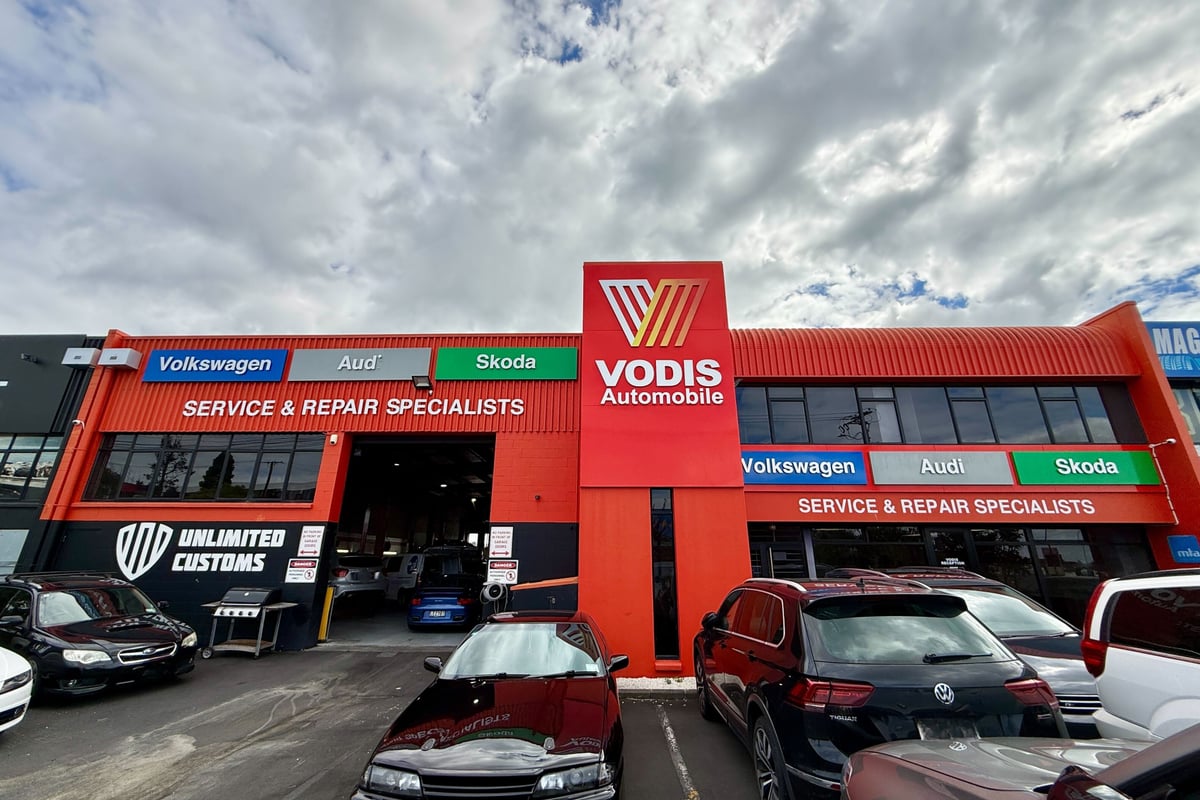
Maintaining your Skoda according to manufacturer specifications protects your investment whilst ensuring the reliability and performance these vehicles are known for. Whether you require routine servicing, major component replacement, or specialist diagnostics, choosing experienced technicians familiar with European vehicles makes all the difference. VODIS Automobile has served Auckland's North Shore for over 20 years, offering factory-trained expertise specifically for Skoda, Volkswagen, Audi, Mercedes, and BMW vehicles. Their commitment to quality parts, transparent communication, and customer satisfaction ensures your Skoda receives the specialist care it deserves.