


Owning an Audi represents a commitment to German engineering excellence, sophisticated technology, and premium performance. However, maintaining these high-performance vehicles requires specialized knowledge, proper service intervals, and attention to detail that goes beyond basic automotive care. Understanding the specific requirements of audi car maintenance ensures your vehicle delivers the performance, reliability, and longevity that Audi owners expect while protecting your significant investment.
Understanding Audi Service Requirements
Audi vehicles operate on a sophisticated maintenance schedule designed to optimize performance and prevent costly repairs. The brand's engineering demands precision in both timing and execution of service procedures.
The Audi Service Interval System
Modern Audi models utilize an intelligent service interval system that monitors driving conditions, mileage, and operational parameters to determine optimal maintenance timing. This system typically recommends service intervals at specific mileage points or time intervals, whichever comes first.
Standard service intervals include:
- Oil and filter changes every 10,000 miles or 12 months
- Brake fluid replacement every 2 years
- Air filter replacement every 20,000 to 30,000 miles
- Spark plug replacement between 40,000 and 60,000 miles
- Transmission service every 40,000 to 60,000 miles
The 2025 Audi service schedule provides detailed specifications for fluid capacities and maintenance intervals that remain relevant for 2026 models. These schedules vary based on model, engine type, and driving conditions.
Distinguishing Between Minor and Major Services
Audi car maintenance divides into minor and major service categories, each addressing different systems and components.
Minor services typically occur annually or every 10,000 miles and include oil changes, filter replacements, and basic inspections. These services maintain daily operational efficiency and catch potential issues early.
Major services happen less frequently, usually every 20,000 to 40,000 miles, and involve comprehensive system checks, fluid replacements, and component inspections. These deeper maintenance procedures ensure long-term reliability and performance.
| Service Type | Typical Interval | Key Components |
|---|---|---|
| Minor Service | 10,000 miles / 1 year | Oil, oil filter, basic inspection |
| Major Service | 20,000-40,000 miles | All fluids, filters, comprehensive checks |
| Brake Service | 2 years | Brake fluid, pad inspection |
| Transmission | 40,000-60,000 miles | Fluid replacement, filter |

Critical Maintenance Components for Audi Vehicles
European vehicles like Audi require specific attention to components that differ from other automotive brands. Understanding these critical areas helps prevent expensive repairs and maintains vehicle integrity.
Engine Oil and Filter Management
The engine represents the heart of your Audi's performance, and proper lubrication is essential. Audi engines require specific oil grades and specifications that meet Volkswagen Group standards.
Key considerations for oil maintenance:
- Always use oils meeting VW 502.00/505.00 specifications or higher
- Synthetic oil is mandatory for most modern Audi engines
- Oil capacity varies significantly between engine types
- Quality filters prevent contaminants from damaging precision components
Neglecting proper oil specifications can void warranties and cause premature engine wear. The high-performance nature of Audi engines generates significant heat and stress, making premium oil essential rather than optional.
Brake System Excellence
Audi vehicles feature advanced braking systems that require specialized maintenance. The combination of performance capabilities and vehicle weight demands attention to brake components.
Brake fluid absorbs moisture over time, reducing its boiling point and compromising braking performance. Audi recommends brake fluid replacement every two years regardless of mileage. This preventive measure maintains brake responsiveness and prevents internal system corrosion.
Brake pad and rotor inspection should occur during every service interval. Performance-oriented Audi models may require more frequent brake component replacement due to aggressive driving or mountainous terrain.
Cooling System Integrity
The cooling system maintains optimal engine temperatures across various driving conditions. Audi car maintenance includes regular coolant inspection and replacement to prevent overheating and engine damage.
Coolant degrades over time, losing its ability to protect against corrosion and maintain proper freezing and boiling points. Most Audi models require coolant replacement every 4 to 6 years, though specific intervals vary by model and year.
Technology and Diagnostic Considerations
Modern Audi vehicles incorporate sophisticated electronic systems that require specialized diagnostic equipment for proper maintenance and troubleshooting.
Advanced Diagnostic Requirements
Unlike general automotive service, Audi car maintenance often requires proprietary diagnostic tools to access vehicle systems, read fault codes, and perform adaptations. These systems monitor hundreds of parameters and store detailed information about vehicle performance.
Generic code readers cannot access many Audi-specific systems or perform required service procedures like electronic parking brake resets, adaptation procedures, or control module programming. This technological complexity makes choosing qualified service providers essential.
Systems requiring specialized diagnostics:
- Engine management and fuel injection
- Transmission control and adaptation
- Advanced driver assistance systems (ADAS)
- Quattro all-wheel-drive systems
- Electronic suspension and steering
- Climate control and comfort systems

Software Updates and Recalls
Manufacturers regularly release software updates that improve vehicle performance, address known issues, or enhance features. Staying current with these updates forms an important part of comprehensive audi car maintenance.
Service centers with manufacturer access can identify and install available updates during regular maintenance visits. These updates may address fuel efficiency, transmission shifting, or safety system enhancements.
Cost Management and Budget Planning
Understanding the financial aspects of Audi ownership helps you plan appropriately and avoid unexpected expenses. Audi maintenance costs vary based on model, age, and service requirements.
Annual Maintenance Budgeting
Average annual maintenance costs for Audi vehicles typically range from $800 to $1,200 for routine services. This baseline increases with vehicle age and mileage as components require replacement.
| Service Category | Estimated Annual Cost | Frequency |
|---|---|---|
| Oil Changes | $150-$250 | 1-2 times |
| Brake Service | $100-$400 | As needed |
| Tires | $800-$1,500 | Every 3-4 years |
| Major Service | $500-$1,000 | Every 2 years |
Performance models like S and RS variants typically incur higher maintenance costs due to specialized components, higher-performance tires, and more frequent brake service requirements.
Warranty and Extended Coverage
New Audi vehicles include comprehensive warranties covering specific periods and mileage limits. Understanding warranty coverage helps you maximize benefits and plan for post-warranty expenses.
Factory warranties typically include:
- Basic warranty: 4 years/50,000 miles
- Powertrain warranty: 4 years/50,000 miles
- Corrosion warranty: 12 years/unlimited miles
Extended warranty options provide continued coverage beyond factory periods, potentially reducing long-term ownership costs for high-mileage drivers.
Choosing the Right Service Provider
The complexity of audi car maintenance makes selecting a qualified service provider crucial for maintaining vehicle performance and value.
Independent Specialists Versus Dealerships
Both dealerships and independent specialists offer Audi maintenance services, each with distinct advantages. Dealerships provide direct manufacturer access, latest technical information, and genuine parts availability. However, their higher labor rates can significantly impact service costs.
Independent specialists focusing on European vehicles often provide comparable expertise at reduced costs. These facilities invest in specialized equipment, employ factory-trained technicians, and maintain access to technical resources while offering more personalized service experiences.
When evaluating independent service centers, verify they:
- Specialize in European or specifically Audi vehicles
- Use genuine or OEM-equivalent parts
- Employ certified technicians
- Maintain proper diagnostic equipment
- Provide detailed service documentation
Maintaining Service Records
Comprehensive service documentation protects your investment and supports resale value. Detailed records demonstrate proper maintenance adherence and can prevent warranty disputes.
Keep records of all services including dates, mileage, work performed, parts replaced, and service provider information. Digital records through service center portals provide convenient access and prevent document loss.
Seasonal Maintenance Considerations
Climate variations and seasonal changes affect Audi vehicle performance and maintenance requirements. Proactive seasonal preparation prevents weather-related issues and optimizes vehicle operation.
Winter Preparation
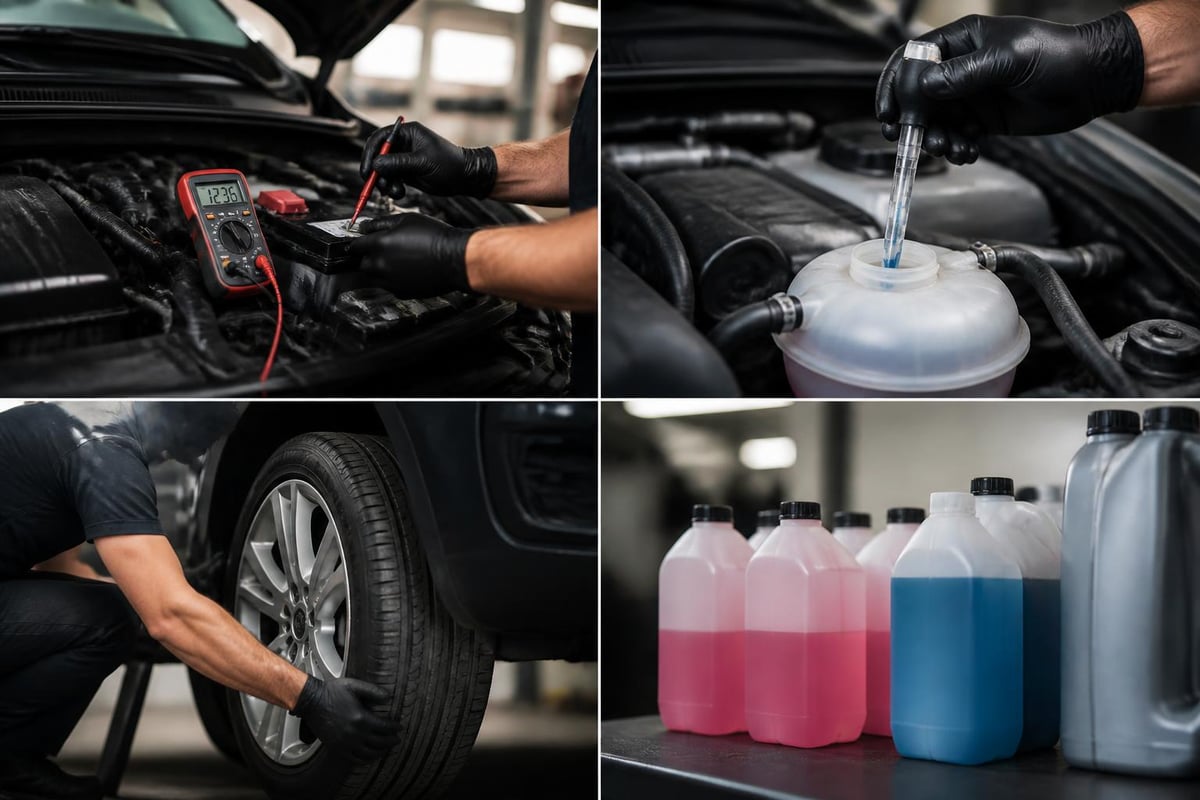
Cold weather challenges multiple vehicle systems requiring specific preparation steps. Battery performance decreases in cold temperatures, making testing essential before winter arrives.
Winter maintenance checklist:
- Battery load testing and terminal cleaning
- Coolant concentration verification for freeze protection
- Tire tread depth inspection or winter tire installation
- Wiper blade replacement and washer fluid top-up
- Brake system inspection for optimal cold-weather performance
Quattro all-wheel-drive systems require proper tire maintenance for optimal traction. Uneven tire wear or incorrect pressures compromise the system's sophisticated power distribution.
Summer and Hot Weather Concerns
High temperatures stress cooling systems, air conditioning, and tire integrity. Summer preparation focuses on heat management and component inspection.
Air conditioning service includes refrigerant level checks, cabin filter replacement, and system performance testing. A well-maintained climate control system enhances comfort and prevents expensive compressor failures.
Tire pressure increases with temperature, requiring regular monitoring and adjustment. Overinflated tires reduce contact patches and compromise handling, while underinflation accelerates wear and increases fuel consumption.
DIY Maintenance Capabilities and Limitations
While professional service remains essential for comprehensive audi car maintenance, certain tasks are suitable for capable owners with proper knowledge and tools.
Owner-Appropriate Tasks
Simple maintenance procedures within most owners' capabilities include checking and topping fluids, monitoring tire pressures, replacing cabin air filters, and inspecting exterior lighting. These basic checks maintain vehicle condition between professional services.
Modern Audi vehicles provide onboard information systems displaying fluid levels, tire pressures, and service requirements. Familiarizing yourself with these systems enables proactive monitoring and early problem detection.
Safe DIY maintenance activities:
- Windshield washer fluid replenishment
- Tire pressure monitoring and adjustment
- Exterior bulb replacement (basic lights)
- Cabin air filter replacement
- Visual inspection of belts, hoses, and fluid leaks
When Professional Service Becomes Essential
Complex procedures require specialized knowledge, equipment, and facilities beyond typical home garage capabilities. Attempting these services without proper resources risks vehicle damage or personal injury.
Professional service becomes mandatory for engine work, transmission service, brake system repairs, suspension work, and any procedure requiring vehicle lifting, specialized tools, or electronic adaptations. These operations demand expertise and equipment that justify professional service costs.
Electronic parking brakes, adaptive suspensions, and advanced driver assistance systems require specific procedures and calibrations only achievable with proper diagnostic equipment. Improper service can trigger fault codes, reduce system functionality, or create safety hazards.
Long-Term Ownership Strategies
Maximizing your Audi's lifespan and performance requires strategic planning beyond routine maintenance intervals.
Preventive Replacement Philosophy
Proactive component replacement before failures occur prevents secondary damage and reduces total ownership costs. Waiting for complete component failure often results in collateral damage to related systems.
Timing belts exemplify preventive replacement importance. These critical components typically require replacement between 60,000 and 100,000 miles depending on engine type. Belt failure causes catastrophic engine damage costing thousands in repairs, far exceeding preventive replacement costs.
Similarly, replacing aging hoses, belts, and seals prevents roadside breakdowns and potential engine damage from overheating or fluid loss. Small preventive investments provide significant peace of mind and reliability.
Performance Optimization Through Maintenance
Proper audi car maintenance doesn't just prevent problems but actively enhances performance. Clean air filters improve throttle response and fuel efficiency. Fresh transmission fluid ensures crisp, responsive shifting. New spark plugs optimize combustion efficiency and engine smoothness.
Addressing minor issues promptly prevents performance degradation and maintains the driving experience that attracted you to Audi ownership. The difference between well-maintained and neglected vehicles becomes increasingly apparent over time.
Scheduling Your Next Service
Establishing consistent maintenance patterns with qualified professionals simplifies ownership and prevents service lapses. Many service centers offer online scheduling, service reminders, and courtesy transportation options that minimize inconvenience.
Booking appointments in advance ensures availability during preferred times and allows service centers to prepare necessary parts and allocate appropriate technician time. This preparation reduces service duration and improves efficiency.
For Auckland Audi owners seeking specialized care, booking your maintenance appointment with experienced European vehicle specialists ensures your vehicle receives expert attention from technicians who understand the unique requirements of German engineering.
Proper audi car maintenance combines regular service intervals, quality parts, specialized expertise, and preventive care to ensure your vehicle delivers the performance and reliability Audi owners expect. Whether you're planning routine service or addressing specific concerns, partnering with experienced professionals makes all the difference. For over 20 years, VODIS Automobile has provided Auckland's North Shore with expert European vehicle service, combining specialized knowledge with genuine commitment to customer satisfaction for all your Audi maintenance needs.