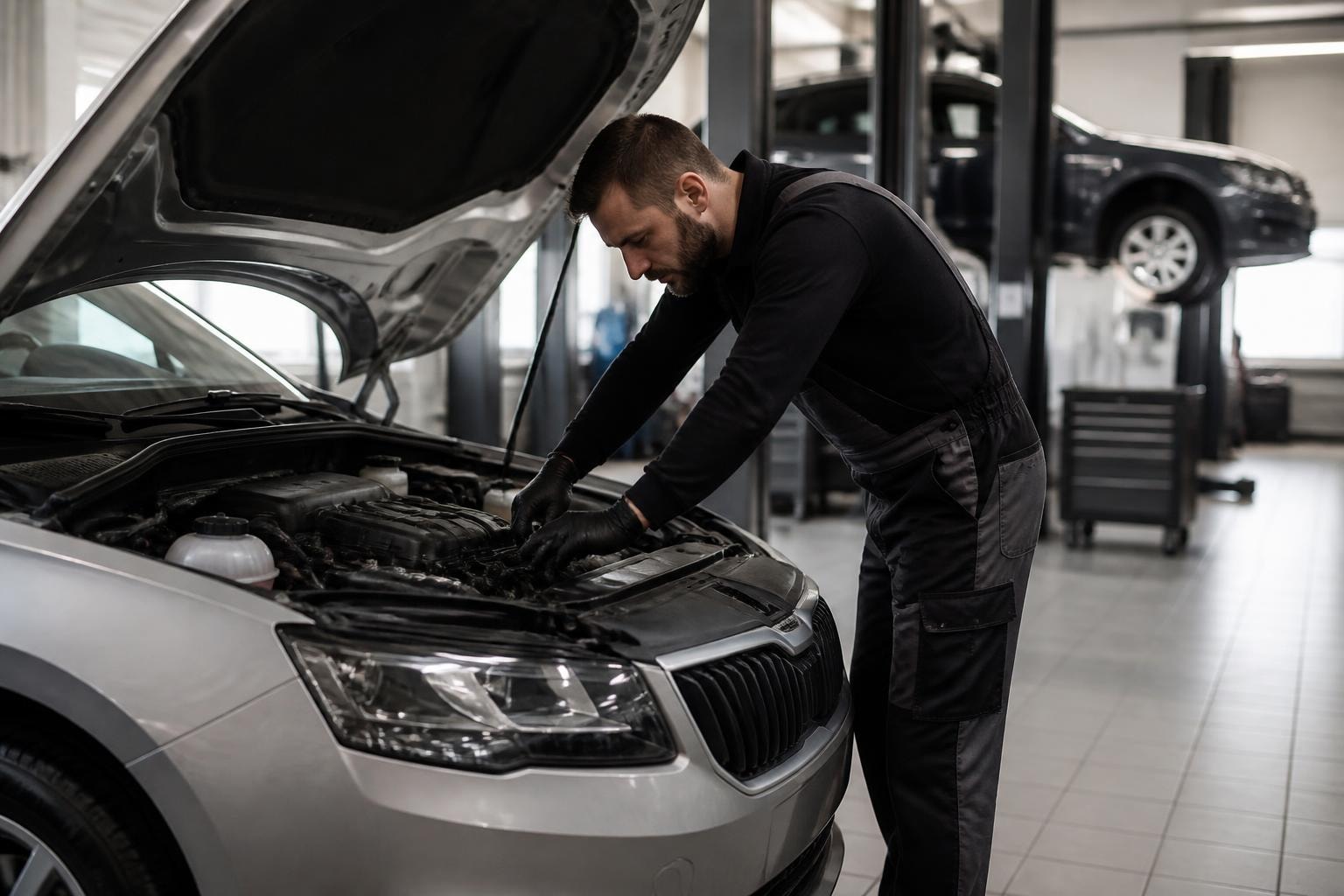

Choosing the right auto car workshop for your European vehicle requires understanding what separates exceptional service from basic maintenance. For owners of Volkswagen, Audi, Mercedes, BMW, and Skoda vehicles, the workshop you select directly impacts your car's performance, longevity, and resale value. A professional facility combines specialized knowledge, advanced diagnostic equipment, and a commitment to manufacturer-specific standards that generic repair shops cannot match. As automotive technology becomes increasingly complex, particularly in European engineering, the expertise and infrastructure of your chosen auto car workshop becomes more critical than ever.
What Defines a Professional Auto Car Workshop
A professional auto car workshop goes beyond basic mechanical repairs to provide comprehensive care for sophisticated vehicle systems. The foundation starts with technician expertise and certification levels that demonstrate proficiency with specific brands and models.
Specialized Training and Certification Standards
European vehicles require technicians who understand the unique engineering approaches of German and European manufacturers. Unlike general mechanics, specialists in an auto car workshop focusing on European brands invest hundreds of hours in brand-specific training, diagnostic procedures, and software updates. These professionals maintain certifications through continuous education as vehicle technology evolves.
Key certification areas include:
- Factory-authorized training programs
- Advanced diagnostic system expertise
- Electronic control unit (ECU) programming capabilities
- Hybrid and electric vehicle qualifications for newer European models
The IATF 16949:2016 standard provides quality management system requirements that guide professional automotive service providers in maintaining consistent, high-quality service delivery.
Diagnostic Equipment and Technology Infrastructure
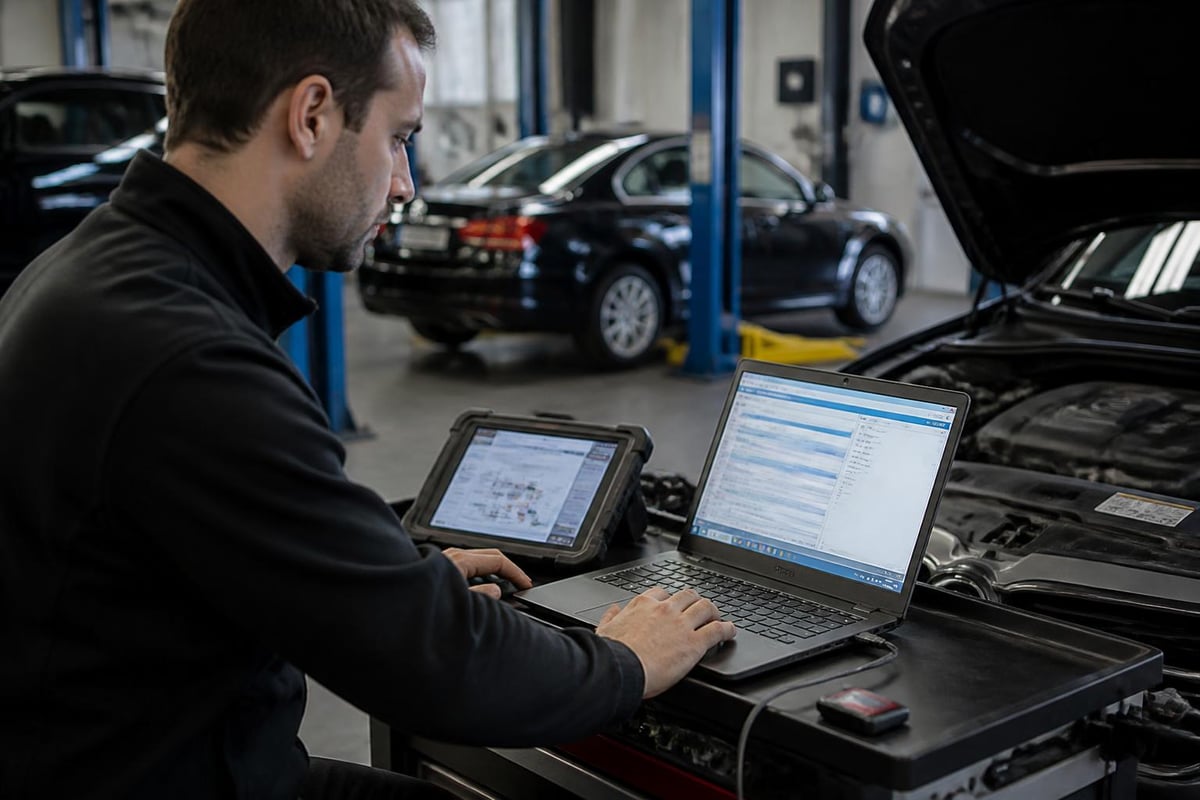
Modern European vehicles integrate dozens of computer systems that communicate through complex networks. A qualified auto car workshop must invest significantly in diagnostic equipment that interfaces with these proprietary systems.
| Equipment Category | Purpose | European Brand Relevance |
|---|---|---|
| Factory Diagnostic Software | System scanning and programming | Brand-specific protocols required |
| Oscilloscopes | Electrical system analysis | Critical for complex German electronics |
| Alignment Systems | Precision wheel alignment | Maintains European handling characteristics |
| Air Conditioning Service | Refrigerant recovery and recharge | Meets environmental compliance standards |
The technology infrastructure extends beyond diagnostic tools to include up-to-date repair information databases, wiring diagrams, and technical service bulletins specific to European manufacturers.
Essential Services Provided by a Quality Auto Car Workshop
Comprehensive vehicle care encompasses preventive maintenance, diagnostic services, and complex repairs. Understanding these service categories helps vehicle owners make informed decisions about their maintenance schedules.
Scheduled Maintenance and Service Intervals
European manufacturers design maintenance schedules based on extensive engineering analysis and real-world testing. A specialized auto car workshop follows these manufacturer-recommended intervals rather than generic service timelines.
Common service intervals include:
- Oil and filter changes at manufacturer-specified distances
- Brake fluid replacement every two years
- Coolant system service based on extended-life formulations
- Transmission service at prescribed intervals
- Timing belt replacement at critical mileage points
Following proper maintenance schedules prevents costly repairs and maintains warranty coverage. Many European vehicles use condition-based servicing systems that monitor actual component wear rather than relying solely on mileage or time intervals.
Advanced Diagnostic and Repair Capabilities
When warning lights appear or performance issues develop, accurate diagnosis becomes essential. Professional technicians in an auto car workshop use systematic approaches to identify root causes rather than replacing parts based on guesswork.
The diagnostic process typically follows these stages:
- Customer symptom documentation and verification
- Visual inspection and preliminary testing
- Diagnostic scan and fault code retrieval
- Component-level testing and measurements
- Root cause identification and repair recommendation
- Post-repair verification and system testing
This methodical approach, combined with automotive workshop best practices, ensures repairs address actual problems rather than symptoms. For complex issues involving multiple systems, experienced technicians understand how different components interact within European vehicle architectures.
Layout and Organization Impact on Service Quality
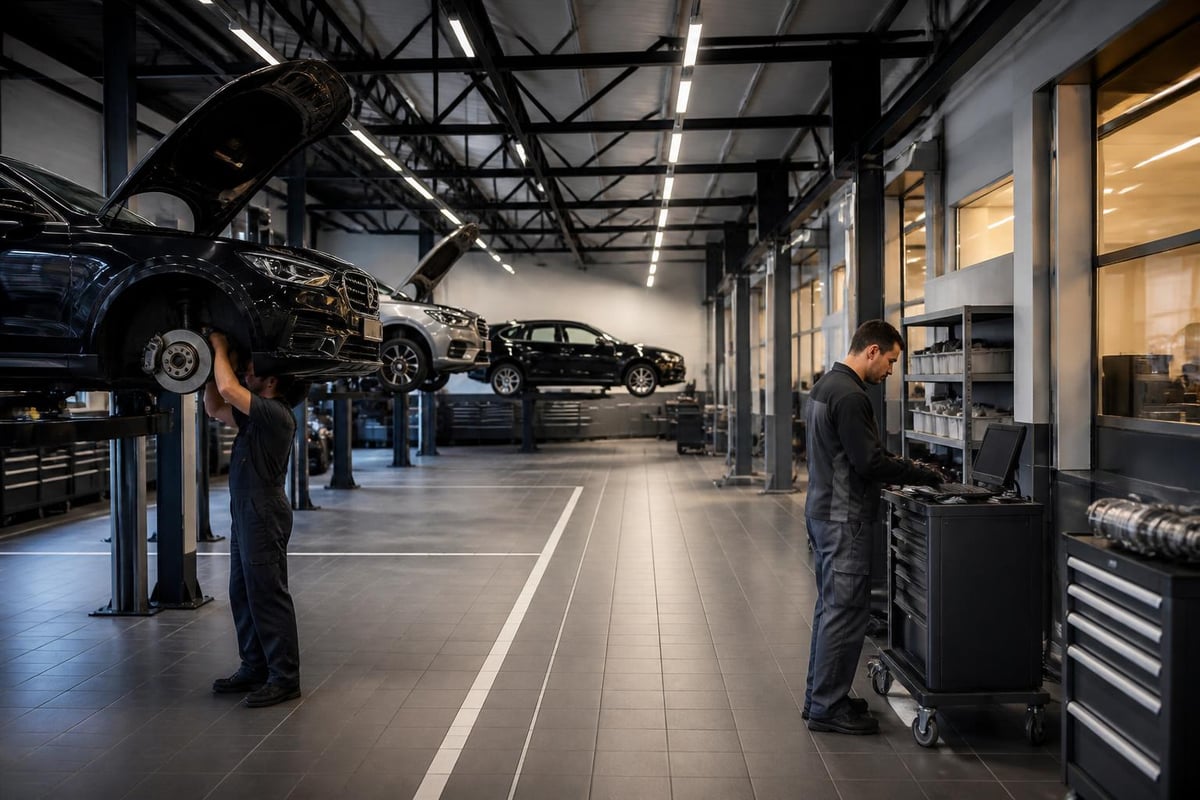
The physical design and organization of an auto car workshop significantly influences service efficiency, safety, and quality outcomes. Thoughtful layout planning optimizes workflow while maintaining strict safety standards.
Workflow Efficiency and Bay Organization
Strategic workshop design separates different service types to prevent cross-contamination and optimize technician movement. A well-organized facility creates dedicated zones for diagnostic work, routine maintenance, major repairs, and parts storage.
Effective workshop layout strategies consider these critical factors:
- Service bay configuration that accommodates various vehicle sizes
- Tool and equipment placement minimizing technician travel time
- Parts inventory systems enabling quick component retrieval
- Customer service areas separated from work zones
- Quality control stations for final inspection processes
Safety Standards and Environmental Compliance
Professional workshops maintain rigorous safety protocols that protect both employees and customers. OSHA standards for autobody repair provide comprehensive guidelines that extend to general automotive service operations.
Critical safety considerations include:
| Safety Area | Requirements | Implementation |
|---|---|---|
| Hazardous Materials | Proper storage and disposal | Designated containment areas |
| Ventilation Systems | Exhaust removal and air quality | Industrial ventilation equipment |
| Personal Protection | Eye, hand, and respiratory protection | Mandatory PPE policies |
| Fire Prevention | Extinguisher placement and training | Regular safety drills |
| Equipment Maintenance | Regular inspection and calibration | Documented maintenance schedules |
Environmental compliance extends beyond safety to include proper handling of oils, coolants, batteries, and refrigerants. Responsible auto car workshop operations include partnerships with certified recycling and disposal services.
Selecting the Right Auto Car Workshop for Your European Vehicle
Making an informed choice about vehicle service requires evaluating multiple factors beyond price and convenience. Vehicle owners should assess workshop capabilities against their specific needs and brand requirements.
Evaluating Expertise and Specialization
General repair facilities may advertise European vehicle service, but true specialization requires dedicated focus. When evaluating an auto car workshop, consider the percentage of their work devoted to your vehicle's brand and their technician training investments.
Questions to ask potential service providers:
- What percentage of your work involves European vehicles?
- Which specific brands do your technicians specialize in?
- What diagnostic equipment do you maintain for my vehicle's brand?
- How do you stay current with technical service bulletins?
- Can you provide examples of complex repairs on similar models?
Brand specialization matters because European manufacturers use proprietary systems, unique parts, and specific service procedures. An auto car workshop focused on Volkswagen, Audi, Mercedes, BMW, and Skoda vehicles maintains the knowledge depth and parts relationships necessary for efficient, accurate service.
Communication and Customer Service Standards
Technical expertise means little without clear communication and transparent service processes. Professional workshops provide detailed explanations of recommended services, including why specific repairs are necessary and the consequences of deferring maintenance.
Quality customer service indicators:
- Written estimates before work begins
- Regular updates during extended repairs
- Explanation of findings with supporting evidence
- Maintenance schedule recommendations
- Warranty information on parts and labor
Effective communication builds trust and helps vehicle owners make informed decisions. You can typically schedule service through convenient online booking systems like VODIS Automobile’s booking platform that streamline appointment coordination.
Maintenance Philosophy and Long-Term Vehicle Care
The approach an auto car workshop takes toward maintenance reveals their commitment to customer value versus short-term profits. Professional facilities focus on preventive care and evidence-based recommendations rather than unnecessary services.
Preventive Maintenance vs. Reactive Repairs
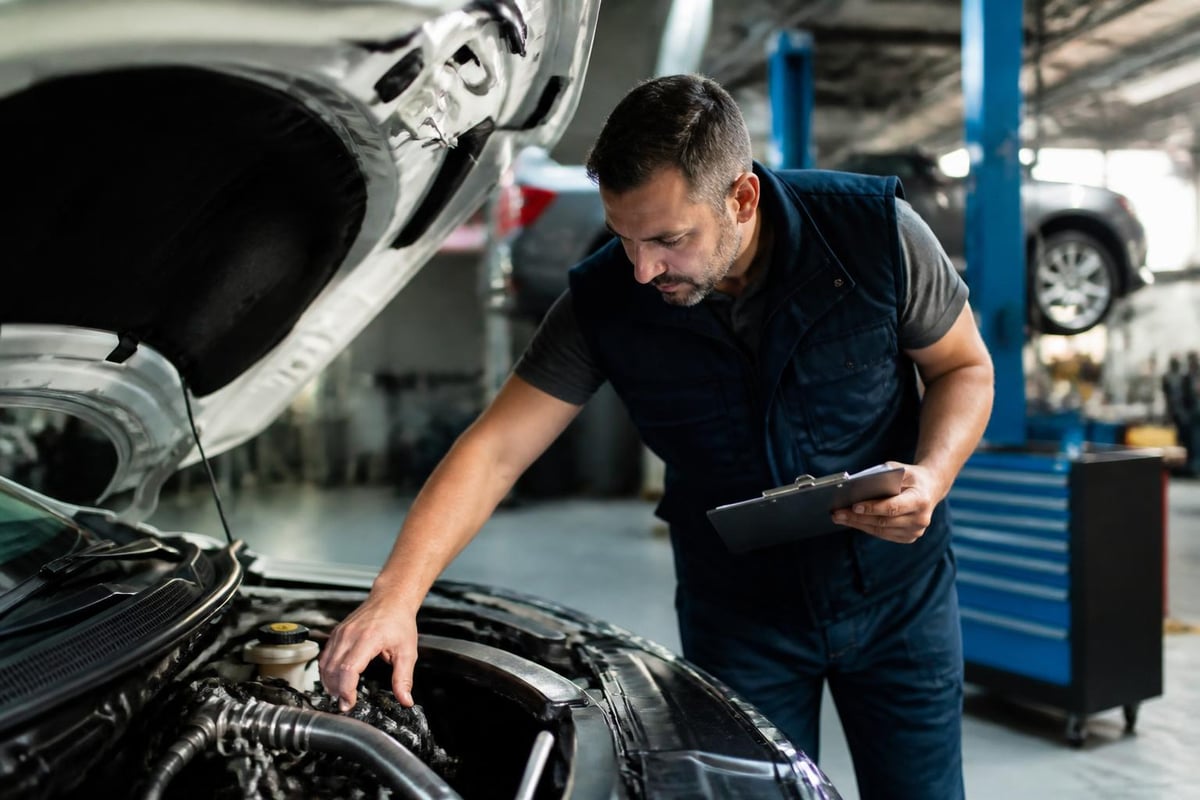
Preventive maintenance costs less and preserves vehicle value more effectively than waiting for failures. A quality auto car workshop educates customers about maintenance timing and the engineering reasons behind manufacturer recommendations.
| Service Approach | Cost Impact | Vehicle Longevity | Unexpected Failures |
|---|---|---|---|
| Preventive Maintenance | Lower long-term costs | Extended lifespan | Minimized risk |
| Reactive Repairs Only | Higher total expenses | Reduced reliability | Frequent breakdowns |
| Deferred Maintenance | Exponential cost growth | Accelerated deterioration | Safety compromises |
Understanding these differences helps vehicle owners appreciate why consistent maintenance at a qualified auto car workshop protects their investment more effectively than sporadic attention.
Building Long-Term Service Relationships
Consistent service at the same facility creates valuable history documentation and relationship benefits. Technicians who service your vehicle regularly develop familiarity with its specific condition, previous repairs, and developing issues.
Long-term relationships with an auto car workshop provide:
- Comprehensive service history tracking all maintenance and repairs
- Personalized maintenance scheduling based on your driving patterns
- Priority service availability during peak demand periods
- Proactive problem identification from technicians who know your vehicle
- Parts warranty coordination spanning multiple service visits
These benefits accumulate over time, making the initial effort to find the right workshop a valuable long-term investment. For insights on organizing efficient service operations, review these practical workshop organization tips that professional facilities implement.
Technology Integration and Modern Workshop Capabilities
Contemporary auto car workshop operations leverage digital tools for scheduling, diagnostics, customer communication, and quality assurance. These systems improve service accuracy while enhancing customer convenience.
Digital Service Management Systems
Modern workshops use integrated software platforms that connect appointment scheduling, vehicle history, parts ordering, and customer communications. These systems eliminate paperwork errors and ensure nothing gets overlooked during service visits.
Digital system advantages include:
- Automated service reminders based on mileage and time
- Digital vehicle inspection reports with photos
- Real-time service status updates
- Electronic payment and invoice access
- Centralized maintenance history across multiple vehicles
Remote Diagnostics and Software Updates
European vehicles increasingly require software updates for performance optimization, emissions compliance, and feature enhancements. A properly equipped auto car workshop maintains the capability to perform these updates along with remote diagnostic procedures that access vehicle data directly.
Advanced facilities can sometimes perform preliminary diagnostics before vehicles arrive, streamlining the service process and reducing diagnostic time. This capability particularly benefits vehicles with intermittent problems that may not exhibit symptoms during shop visits.
Parts Quality and Supply Chain Management
Component quality directly affects repair longevity and vehicle performance. Professional workshops maintain relationships with reputable parts suppliers and understand the differences between original equipment, genuine replacement, and aftermarket components.
Original Equipment vs. Aftermarket Components
The parts debate centers on balancing cost, quality, and performance. An honest auto car workshop explains these differences and helps customers make informed choices based on their budget and vehicle usage.
| Part Category | Quality Level | Price Point | Warranty Coverage | Best Use Cases |
|---|---|---|---|---|
| Original Equipment (OE) | Manufacturer specifications | Highest | Comprehensive | Critical systems, newer vehicles |
| Genuine Replacement | OE equivalent quality | Mid-high | Strong | Most repairs and maintenance |
| Premium Aftermarket | Variable by brand | Medium | Moderate | Non-critical components |
| Economy Aftermarket | Lower specifications | Lowest | Limited | Budget-conscious repairs |
For European vehicles, parts quality affects more than just durability. Incorrect specifications can trigger warning lights, affect performance calibration, or create compatibility issues with integrated vehicle systems.
Supply Chain Reliability and Parts Availability
Efficient parts sourcing minimizes vehicle downtime and service delays. Established auto car workshop operations maintain relationships with multiple suppliers, ensuring rapid access to common maintenance items and the ability to source specialized components quickly.
Professional facilities stock frequently needed service items specific to their specialization areas. For a workshop focusing on Volkswagen, Audi, Mercedes, BMW, and Skoda vehicles, this means maintaining inventory of brand-specific filters, brake components, and common wear items that enable same-day service completion.
Quality Assurance and Service Verification
The final steps in professional service delivery involve thorough verification that repairs meet specifications and vehicles perform as expected. Quality assurance processes protect customers and build workshop reputation.
Post-Repair Testing Protocols
Completing a repair represents only part of the service cycle. Professional technicians verify their work through systematic testing that confirms the original problem is resolved and no new issues were introduced.
Standard verification procedures:
- Test drive evaluation matching original symptoms
- Diagnostic scan confirming no active fault codes
- Visual inspection of work area and adjacent components
- Torque specification verification on critical fasteners
- Fluid level confirmation and leak inspection
- Customer orientation on any operational changes
This attention to detail distinguishes professional operations from facilities that simply complete tasks and return vehicles. For health and safety considerations that support quality operations, review these garage safety guidelines.
Documentation and Service Records
Comprehensive documentation serves multiple purposes: warranty compliance, resale value support, and diagnostic reference for future service. A quality auto car workshop provides detailed service records that include parts used, procedures performed, measurements taken, and technician notes.
Digital record systems make this information accessible across service visits and transferable to new owners, enhancing vehicle value and providing transparency about maintenance history.
Selecting the right auto car workshop requires evaluating technical capabilities, communication standards, and long-term value rather than focusing solely on price. European vehicles deserve specialized care from facilities equipped with proper diagnostic equipment, trained technicians, and quality parts. For Volkswagen, Audi, Mercedes, BMW, and Skoda owners in Auckland, VODIS Automobile combines over 20 years of European vehicle expertise with modern facilities and customer-focused service. Experience the difference that specialized knowledge and professional care make for your European vehicle's performance and longevity.