
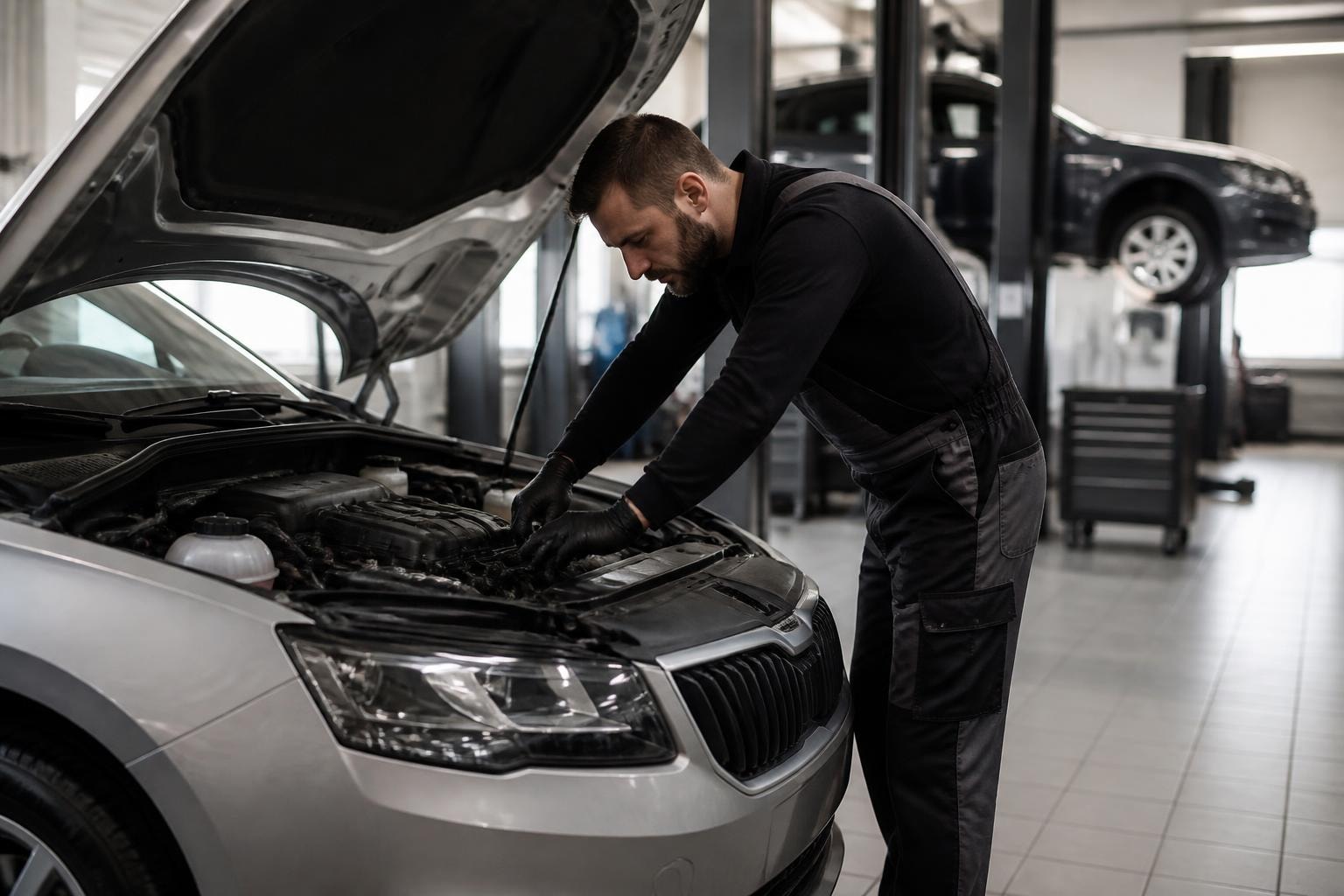
Owning a Skoda represents a commitment to European engineering excellence, renowned for its blend of practicality, performance, and reliability. However, maintaining that exceptional standard requires a proactive approach to vehicle care. Skoda maintenance encompasses far more than occasional oil changes; it involves a comprehensive understanding of service intervals, manufacturer specifications, and the unique requirements of European automotive technology. Whether you're driving a Fabia, Octavia, Superb, or Kodiaq, proper maintenance ensures your vehicle delivers the performance, safety, and longevity that attracted you to the brand in the first place.
Understanding Skoda Service Intervals
Skoda vehicles follow a structured maintenance schedule designed to optimise performance and prevent premature wear. The manufacturer typically recommends service intervals based on either time or distance, whichever comes first. Most modern Skoda models require servicing every 12 months or 15,000 kilometres for standard driving conditions, though this can vary depending on your specific model and driving patterns.
Fixed vs Flexible Service Regimes
Skoda offers two distinct service approaches, each suited to different driving profiles. The fixed service regime follows predetermined intervals regardless of driving conditions, making it ideal for drivers who primarily undertake short journeys, frequent cold starts, or demanding driving conditions. This approach ensures consistent maintenance regardless of how the vehicle's computer interprets your driving style.
Conversely, the flexible service regime uses sophisticated onboard sensors to monitor oil quality, engine load, and driving patterns. The vehicle's computer calculates optimal service intervals, potentially extending the period between services for drivers who predominantly undertake longer motorway journeys under moderate conditions. Understanding Skoda service intervals helps you determine which regime best suits your needs.

Essential Skoda Maintenance Components
Every skoda maintenance schedule addresses critical vehicle systems that require regular attention. These components work together to ensure your vehicle operates safely, efficiently, and reliably throughout its service life.
Engine Oil and Filter Changes
Engine oil serves as the lifeblood of your Skoda's powerplant, lubricating moving components, reducing friction, and dissipating heat. Over time, oil degrades and accumulates contaminants that compromise its protective qualities. Regular oil changes prevent premature engine wear and maintain optimal performance.
Key considerations for oil maintenance:
- Use manufacturer-specified oil grades and viscosity ratings
- Replace oil filters simultaneously with oil changes
- Monitor oil levels between services, particularly on turbocharged models
- Consider synthetic oils for enhanced protection in demanding conditions
Brake System Inspections
Skoda's braking systems combine precision engineering with advanced safety features, requiring regular inspection to maintain effectiveness. Brake pad thickness, disc condition, fluid quality, and calliper operation all demand periodic assessment.
| Component | Inspection Frequency | Replacement Indicators |
|---|---|---|
| Brake pads | Every service | <3mm thickness, squealing noise |
| Brake discs | Every service | Scoring, excessive wear, vibration |
| Brake fluid | Every 2 years | Moisture contamination, dark colour |
| Brake lines | Annually | Corrosion, cracking, leaks |
Timing Belt and Chain Maintenance
Timing belt or chain replacement represents one of the most critical preventative maintenance tasks for Skoda owners. These components synchronise engine valve operation with piston movement, and failure can result in catastrophic engine damage.
Most Skoda petrol engines require timing belt replacement every 120,000 kilometres or 5 years, though specific intervals vary by engine type. Some newer models feature timing chains designed to last the engine's lifetime, though they still require periodic inspection for wear and proper tension.
Comprehensive Service Checks
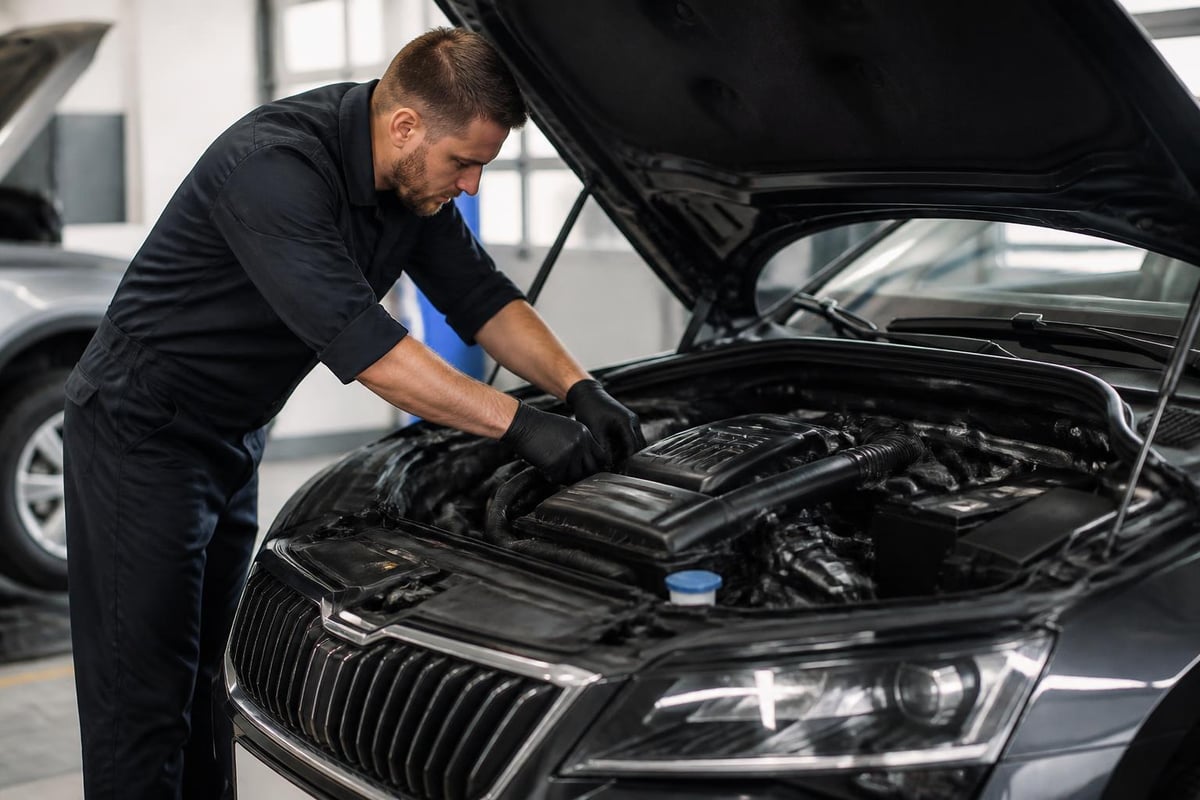
Beyond routine maintenance items, skoda maintenance involves systematic inspection of numerous vehicle systems. These checks identify potential issues before they develop into costly repairs or safety concerns.
- Suspension and steering components: Inspect for wear in bushings, ball joints, tie rod ends, and shock absorbers
- Cooling system integrity: Check hoses, radiator condition, coolant concentration, and thermostat operation
- Electrical system health: Test battery condition, alternator output, and inspect wiring for damage
- Exhaust system condition: Examine for leaks, corrosion, and catalytic converter efficiency
- Tyre condition and alignment: Assess tread depth, wear patterns, and wheel alignment accuracy
Air Conditioning System Maintenance
Skoda's climate control systems require periodic attention to maintain efficiency and prevent bacterial growth. The cabin air filter should be replaced annually or every 15,000 kilometres, whilst the air conditioning system benefits from refrigerant pressure checks and antibacterial treatments during major services.
Model-Specific Maintenance Considerations
Different Skoda models present unique maintenance requirements based on their engineering specifications, intended use, and technological features. Understanding these distinctions ensures appropriate care for your specific vehicle.
Skoda Octavia Maintenance
The Octavia remains Skoda's bestselling model globally, available in both petrol and diesel variants with varying maintenance needs. Diesel models require particular attention to the diesel particulate filter (DPF), which captures harmful emissions but requires periodic regeneration cycles. Maintenance schedules for the Octavia detail specific service requirements across different generations and engine configurations.
Skoda Superb Service Requirements
As Skoda's flagship model, the Superb features more sophisticated systems demanding specialised knowledge. The adaptive chassis control, electronic differential lock, and advanced driver assistance systems all require diagnostic equipment and expertise during servicing. The Superb maintenance schedule provides detailed information on maintaining these premium features.
Skoda SUV Maintenance
The Karoq and Kodiaq SUV models introduce additional considerations such as all-wheel-drive system maintenance, increased brake wear from heavier vehicle weight, and suspension components designed for varied terrain. Four-wheel-drive variants require differential oil changes and coupling inspections at specified intervals.
DIY Maintenance vs Professional Servicing
Whilst some basic skoda maintenance tasks fall within the capabilities of enthusiastic owners, European vehicles demand specialised knowledge, diagnostic equipment, and genuine or high-quality replacement parts for optimal results.
Tasks suitable for capable DIY enthusiasts:
- Windscreen washer fluid top-ups
- Tyre pressure checks and adjustments
- Basic visual inspections of fluid levels
- Cabin air filter replacement on accessible models
Tasks requiring professional expertise:
- Engine oil and filter changes requiring proper disposal
- Brake system servicing and bleeding
- Timing belt replacement with correct tensioning
- Diagnostic trouble code interpretation and resolution
- Software updates and electronic system calibration
Professional servicing through specialists familiar with European vehicles ensures maintenance meets manufacturer specifications whilst preserving warranty coverage. For those operating commercial vehicle fleets that may include Skoda-based vans or light commercial variants, establishing relationships with experienced service providers proves particularly valuable, similar to how commercial operators benefit from specialist advice when choosing work vehicles through providers like Fortis Motor Group for their commercial needs.
Digital Service Records and Documentation
Modern Skoda vehicles feature digital service records accessible through dealer networks and authorised service centres. Maintaining comprehensive service documentation proves essential for warranty claims, resale value, and tracking maintenance history.
Benefits of complete service records:
- Demonstrates proper vehicle care to potential buyers
- Validates warranty coverage for repairs
- Enables service centres to understand vehicle history
- Identifies patterns requiring attention
- Supports insurance claims when necessary
Request detailed invoices specifying parts used, labour performed, and observations noted during inspection. Photograph service stamps in physical service books and retain digital copies of all documentation.
Seasonal Maintenance Considerations
New Zealand's varied climate conditions require seasonal attention to ensure your Skoda performs optimally year-round. Different regions present unique challenges, from coastal salt exposure to alpine winter conditions.
Winter Preparation
Cold weather affects numerous vehicle systems, demanding proactive preparation before winter's arrival. Battery capacity diminishes in cold temperatures, making pre-winter testing essential. Coolant antifreeze concentration should be verified to prevent freezing damage, whilst wiper blades require inspection for effective clearing of heavy rain.
Summer Readiness
Elevated temperatures stress cooling systems, air conditioning components, and tyres. Ensure coolant systems operate efficiently, air conditioning refrigerant levels remain adequate, and tyre pressures account for thermal expansion. Intense UV exposure accelerates deterioration of rubber components including belts, hoses, and wiper blades.
Cost-Effective Maintenance Strategies
Strategic planning reduces skoda maintenance costs whilst maintaining vehicle integrity and performance. Understanding which services provide maximum value helps prioritise expenditure effectively.
Preventative Maintenance Investment
Addressing minor issues immediately prevents escalation into expensive repairs. A small coolant leak costs minimal amounts to repair initially but can result in engine overheating and catastrophic damage if ignored. Similarly, replacing worn brake pads before they damage discs saves hundreds of pounds in additional repairs.
Using Quality Alternative Parts
Whilst genuine Skoda parts guarantee perfect fitment and quality, high-quality European aftermarket components often provide equivalent performance at reduced cost. Reputable brands manufacturing to original equipment specifications deliver reliability whilst offering value. However, critical safety components such as brake parts warrant careful consideration of quality over economy.
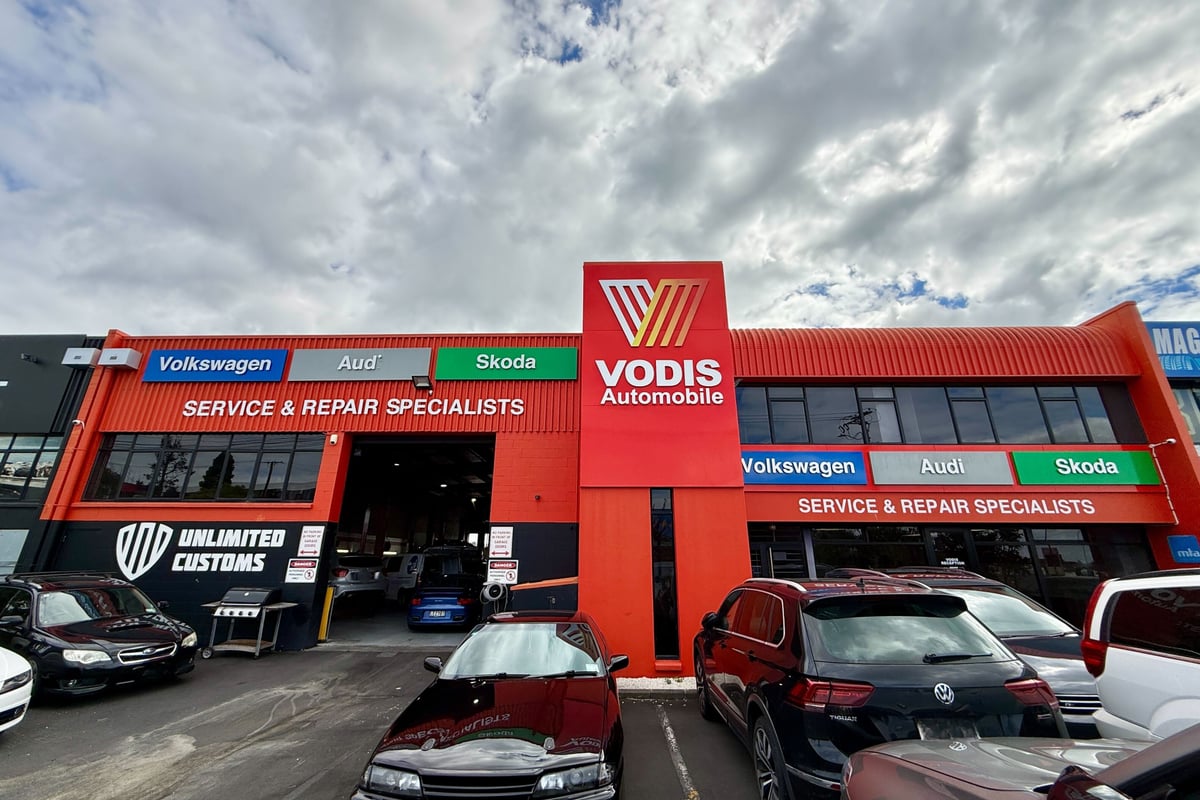
At VODIS Automobile, the Vodis VW | Audi | Skoda Service combines factory-trained expertise with genuine or premium European parts, ensuring your vehicle receives appropriate care without compromising quality. Their 12-month parts and labour warranty on all work provides additional peace of mind for North Shore Skoda owners.
Common Skoda Maintenance Issues
Certain maintenance concerns appear more frequently across Skoda's model range, though prevalence varies by specific model, age, and driving conditions. Awareness of these issues enables early detection and resolution.
Diesel Particulate Filter Concerns
Diesel Skoda models equipped with DPF systems require regular motorway driving to facilitate regeneration cycles. Predominantly urban driving prevents proper regeneration, leading to filter blockages. Symptoms include reduced power, increased fuel consumption, and warning lights. Regular longer journeys at motorway speeds help maintain DPF health, whilst severe cases may require professional cleaning or replacement.
Dual-Clutch Transmission Servicing
Models equipped with DSG (Direct Shift Gearbox) transmissions require fluid and filter changes every 60,000 kilometres to maintain smooth operation and prevent premature wear. Unlike conventional automatic transmissions, DSG systems use specialised fluid and precise filling procedures requiring professional equipment.
Electronic System Updates
Modern Skodas feature numerous electronic control units managing everything from engine performance to safety systems. Manufacturers periodically release software updates addressing performance optimisation, emissions compliance, and system refinements. Professional service centres access these updates through factory diagnostic systems.
Maximising Skoda Longevity
Proper skoda maintenance extends vehicle lifespan significantly, with many examples exceeding 300,000 kilometres when appropriately cared for. Consistent attention to manufacturer recommendations, quality parts selection, and addressing issues promptly all contribute to exceptional longevity.
Longevity best practices:
- Adhere strictly to service interval recommendations
- Address warning lights and unusual symptoms immediately
- Use quality fluids meeting manufacturer specifications
- Avoid aggressive driving during engine warm-up periods
- Store vehicles in covered locations when possible
The comprehensive approach outlined in Skoda’s official maintenance guidance emphasises regular attention across all vehicle systems rather than focusing solely on immediate concerns.
Selecting the Right Service Provider
Choosing an appropriate service centre significantly impacts maintenance quality, cost, and convenience. Independent specialists often provide superior value compared to dealership servicing whilst maintaining equivalent expertise and quality standards.
Qualities of Excellent Service Centres
Experienced European vehicle specialists demonstrate specific characteristics distinguishing them from general mechanics. Factory training on Skoda systems, investment in manufacturer-specific diagnostic equipment, and access to technical service bulletins ensure accurate diagnosis and appropriate repairs.
| Consideration | Dealership | Independent Specialist | General Mechanic |
|---|---|---|---|
| Skoda-specific training | Excellent | Very Good | Limited |
| Diagnostic equipment | Latest factory tools | Quality aftermarket | Basic generic |
| Parts quality | Genuine OEM | Genuine or premium | Variable quality |
| Service cost | Premium pricing | Competitive rates | Budget pricing |
| Warranty support | Direct manufacturer | Parts & labour warranty | Limited coverage |
Questions for Potential Service Providers
Before entrusting your Skoda to any service centre, verify their capabilities through specific questions about their experience, equipment, and processes. Enquire about technician qualifications, parts sourcing policies, warranty coverage, and whether they maintain digital service records compatible with manufacturer systems.
Understanding Service Costs
Skoda maintenance costs vary considerably based on model, service type, parts quality, and service provider selection. Major services naturally cost more than interim inspections due to additional components requiring replacement and extended labour requirements.
Service Type Breakdown
Minor services typically include engine oil and filter changes, basic inspections, and fluid level checks, generally costing between NZD 200-400 depending on model and oil specifications. Major services incorporate timing belt replacement (where applicable), brake fluid changes, coolant system servicing, and comprehensive inspections, often ranging from NZD 800-1,500 for most models.
Additional costs arise from items requiring replacement during inspections, such as worn brake components, deteriorated wiper blades, or depleted batteries. Transparent service centres provide detailed quotes before proceeding with non-routine work.
Warranty Considerations
New Skoda vehicles include comprehensive manufacturer warranties typically spanning three years or 100,000 kilometres. Maintaining warranty coverage requires adherence to manufacturer service schedules using approved parts and qualified technicians.
Independent service centres staffed by appropriately trained technicians can perform warranty-compliant servicing using genuine or equivalent-specification parts. Ensure service documentation clearly identifies parts used and work performed to validate warranty compliance if claims arise.
Extended warranty programmes offer additional protection beyond manufacturer coverage, though careful evaluation of terms, exclusions, and cost-effectiveness proves essential before purchasing such products.
Environmental Responsibilities
Responsible skoda maintenance includes proper disposal of replaced fluids, worn components, and consumables. Professional service centres manage waste disposal through approved channels, ensuring environmental compliance and preventing contamination.
Used engine oil, brake fluid, coolant, and batteries all require specialised disposal procedures. Attempting DIY disposal through inappropriate means risks environmental damage and potential legal consequences. The environmental considerations detailed in comprehensive Skoda maintenance guides highlight proper practices for responsible vehicle care.
Advanced Diagnostic Capabilities
Modern Skoda vehicles generate detailed diagnostic data accessible through specialised equipment. These systems monitor hundreds of parameters, storing fault codes when irregularities occur and enabling technicians to identify issues efficiently.
Professional diagnostic equipment reads manufacturer-specific codes, accesses live data streams, and performs system tests impossible with generic code readers. This capability proves particularly valuable when addressing intermittent faults or complex electronic system issues that defy simple visual inspection.
Record Keeping Best Practices
Meticulous maintenance records provide numerous benefits throughout vehicle ownership. Beyond supporting resale value and warranty claims, detailed documentation enables service centres to understand vehicle history and identify patterns requiring attention.
Maintain both physical and digital copies of all service invoices, receipts for parts purchased, and records of any warranty work performed. Note mileage, date, and specific work completed for each service. Modern smartphone applications facilitate digital record management, ensuring documentation remains accessible regardless of location.
Proper skoda maintenance requires commitment to manufacturer schedules, quality parts, and skilled technicians familiar with European engineering standards. By following recommended service intervals and addressing issues promptly, you'll ensure your Skoda delivers reliable performance for years to come. When you're ready to schedule your next service, the experienced team at VODIS Automobile offers factory-trained expertise, genuine parts, and over 20 years of trusted European vehicle care right here on Auckland's North Shore.