


Owning a European vehicle comes with distinct advantages-superior engineering, refined performance, and cutting-edge technology. However, maintaining these sophisticated machines requires specialized knowledge that goes far beyond general automotive repair. European automotive specialists possess the training, equipment, and experience necessary to keep your Volkswagen, Audi, BMW, Mercedes, or Skoda performing at its best. Understanding what distinguishes these professionals from general mechanics can help you make informed decisions about your vehicle's care and longevity.
What Defines European Automotive Specialists
European automotive specialists focus exclusively on vehicles manufactured by European brands, developing deep expertise in the unique engineering approaches, proprietary systems, and maintenance requirements that set these cars apart. Unlike general repair shops that service all makes and models, these specialists invest heavily in brand-specific diagnostic equipment, technical documentation, and ongoing training programs.
The complexity of modern European vehicles demands this focused approach. Each manufacturer employs distinct electronic architectures, suspension designs, and engine management systems that require specialized understanding. A technician who works exclusively with these brands develops pattern recognition skills that allow them to diagnose issues more quickly and accurately than generalists who encounter European vehicles only occasionally.
Technical Competencies and Certifications
Professional credentials separate qualified european automotive specialists from general mechanics. Many pursue certifications through manufacturer-approved programs or independent organizations that validate their expertise. Advanced vehicle technology certification programs now cover emerging systems like electric drivetrains and advanced driver assistance systems (ADAS), ensuring specialists stay current with rapidly evolving automotive technology.
Key competency areas include:
- Electronic diagnostic procedures using manufacturer-specific software
- Engine management system calibration and programming
- Transmission adaptation and learning procedures
- Suspension geometry and alignment specifications
- Climate control system diagnostics
- Safety system integration and calibration
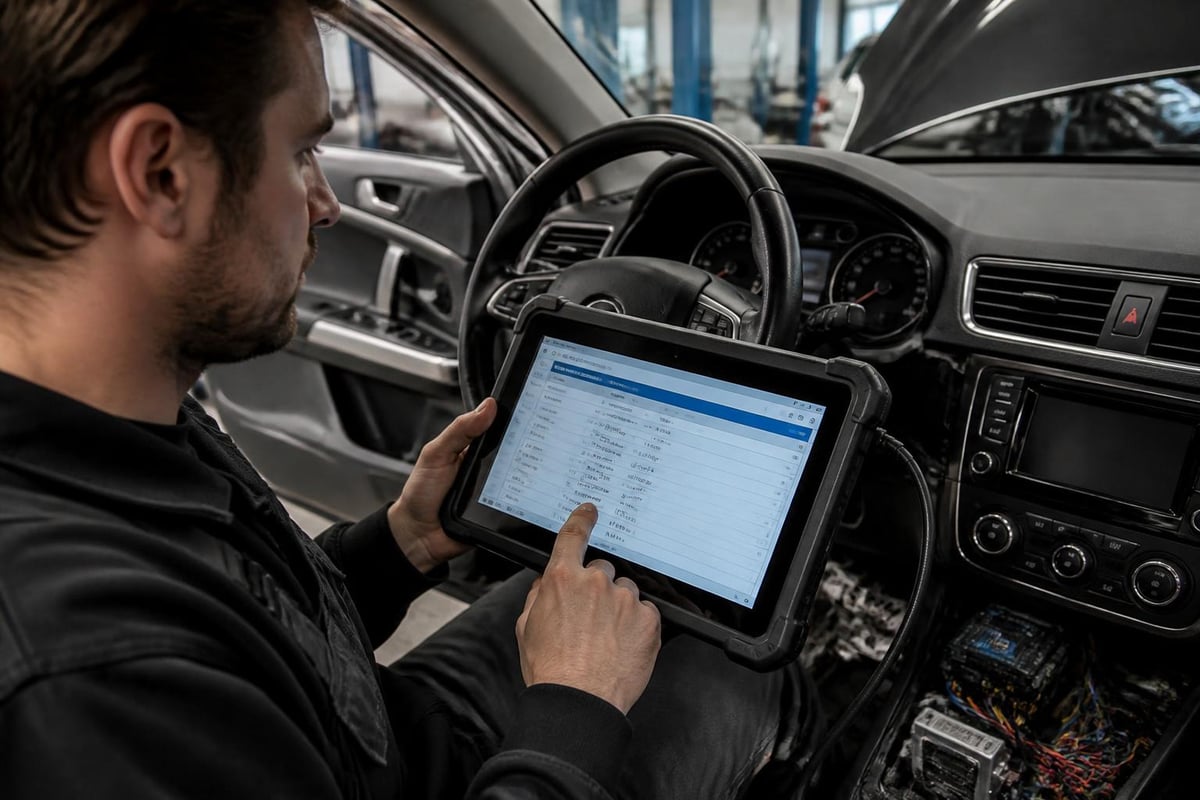
The European independent automotive aftermarket has evolved significantly, with specialists now handling increasingly complex repairs that were once exclusive to dealership service departments. This shift reflects both the growing capabilities of independent specialists and the trust vehicle owners place in their expertise.
Equipment and Technology Requirements
Investing in proper diagnostic equipment represents a substantial commitment that distinguishes serious european automotive specialists from general repair facilities. Modern European vehicles communicate through proprietary protocols that require brand-specific scan tools, often costing tens of thousands of dollars per manufacturer.
Diagnostic Infrastructure
| Equipment Type | Purpose | Investment Level |
|---|---|---|
| Factory Scan Tools | Access manufacturer-specific modules and programming | High ($15,000-$30,000 per brand) |
| Oscilloscopes | Analyze electrical signals and sensor data | Medium ($3,000-$8,000) |
| Alignment Systems | Precision wheel alignment per specifications | High ($40,000-$80,000) |
| Programming Hardware | Software updates and module coding | Medium ($5,000-$15,000) |
Beyond diagnostic equipment, specialists require comprehensive technical information systems. These databases provide wiring diagrams, component locations, service procedures, and technical service bulletins that guide proper repair methodologies. Annual subscription costs for multiple brands can exceed $10,000, representing an ongoing investment in maintaining technical currency.
Workshop infrastructure also matters significantly. European vehicles often require specific lifting points, support procedures, and environmental controls during certain repairs. Proper equipment protects both the vehicle and ensures repairs meet exacting standards.
Training and Knowledge Development
Continuous education separates exceptional european automotive specialists from adequate ones. European manufacturers release new models with updated systems annually, requiring technicians to regularly expand their knowledge base. Professional technical training programs offer courses covering the latest innovations in European automotive technology.
The learning curve for European vehicle systems extends beyond initial certification. Each manufacturer employs unique approaches to common challenges:
- Engine management strategies vary between brands, affecting diagnostic approaches
- Electrical architecture designs require different troubleshooting methodologies
- Transmission control systems use manufacturer-specific adaptation procedures
- Safety system integration demands understanding of proprietary communication protocols
- Comfort and convenience features require knowledge of coding and programming procedures
Specialists often develop expertise through mentorship relationships, working alongside experienced technicians who transfer institutional knowledge about common failure patterns, repair shortcuts, and diagnostic strategies not found in official documentation.
Staying Current with Industry Changes
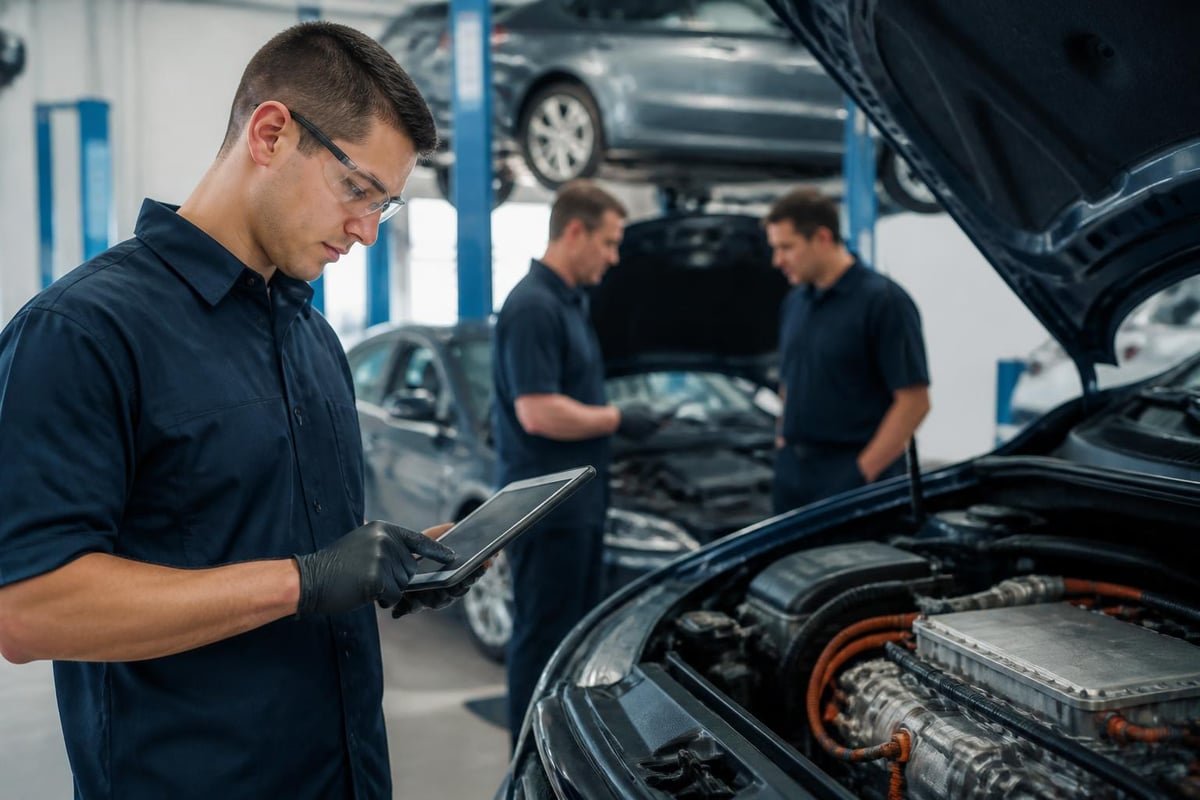
The transformation of the European automotive aftermarket presents both challenges and opportunities for specialists. Electrification, connectivity, and autonomous driving technologies require fundamentally new skill sets. Forward-thinking specialists invest in training for electric vehicle systems, high-voltage safety procedures, and software-based diagnostics.
Choosing the Right Specialist for Your Vehicle
Selecting qualified european automotive specialists requires evaluating multiple factors beyond proximity and price. The right specialist becomes a long-term partner in maintaining your vehicle's performance and value.
Evaluation Criteria
Experience with your specific brand matters tremendously. A specialist who primarily services Volkswagen and Audi vehicles brings different expertise than one focused on BMW and Mercedes. Ask about the shop's primary focus and the percentage of their work devoted to your vehicle's make.
Technical capabilities provide another critical evaluation point. Request information about:
- Diagnostic equipment inventory and capabilities
- Technical information system subscriptions
- Technician certifications and training history
- Years of experience with European vehicles specifically
- Specialty areas (performance tuning, electrical diagnosis, engine rebuilds)
Communication standards reveal how specialists interact with clients. Professional shops explain repairs clearly, provide detailed estimates, and document work thoroughly. They should welcome questions and offer transparent explanations of recommended services.
Questions to Ask Potential Specialists
| Question Category | Specific Questions | Why It Matters |
|---|---|---|
| Technical Capability | What diagnostic equipment do you use for my vehicle brand? | Confirms proper tooling availability |
| Experience | How many of my vehicle model do you service annually? | Indicates familiarity with common issues |
| Parts Sourcing | Do you use OEM, OE equivalent, or aftermarket parts? | Affects quality and warranty coverage |
| Warranty | What warranty do you provide on labor and parts? | Demonstrates confidence in workmanship |
| Communication | How do you keep customers informed during repairs? | Shows commitment to transparency |
Parts Quality and Sourcing Strategies
European automotive specialists navigate complex decisions around parts sourcing that significantly impact repair quality and cost. Understanding the parts hierarchy helps vehicle owners make informed choices about their maintenance investments.
Original Equipment Manufacturer (OEM) parts come directly from the vehicle manufacturer, guaranteeing exact specifications and fit. These typically carry the highest price but offer complete confidence in quality and compatibility. Many specialists stock commonly needed OEM components for popular models to reduce customer wait times.
Original Equipment (OE) parts are manufactured by the same suppliers who produce OEM components but sold under the supplier's brand name. These offer OEM quality at reduced prices, typically 20-30% less expensive. Knowledgeable european automotive specialists maintain relationships with OE suppliers to access quality components at fair prices.
Aftermarket parts vary widely in quality, from premium manufacturers that exceed OEM specifications to budget options that may compromise performance or longevity. Experienced specialists develop expertise in identifying reliable aftermarket sources for components where quality alternatives exist.
Strategic Parts Selection
- Critical safety systems: Brake components, suspension parts, and safety-related electronics warrant OEM or premium OE parts
- Wear items: Filters, fluids, and certain maintenance components perform well with quality aftermarket alternatives
- Electrical components: Complex electronic modules typically require OEM parts for proper functionality
- Performance components: Upgraded aftermarket options may exceed OEM specifications for enthusiast applications
Service Intervals and Preventive Maintenance
European manufacturers specify maintenance schedules based on extensive engineering analysis and real-world testing. European automotive specialists understand that following these intervals prevents expensive repairs and maintains vehicle performance over the long term.
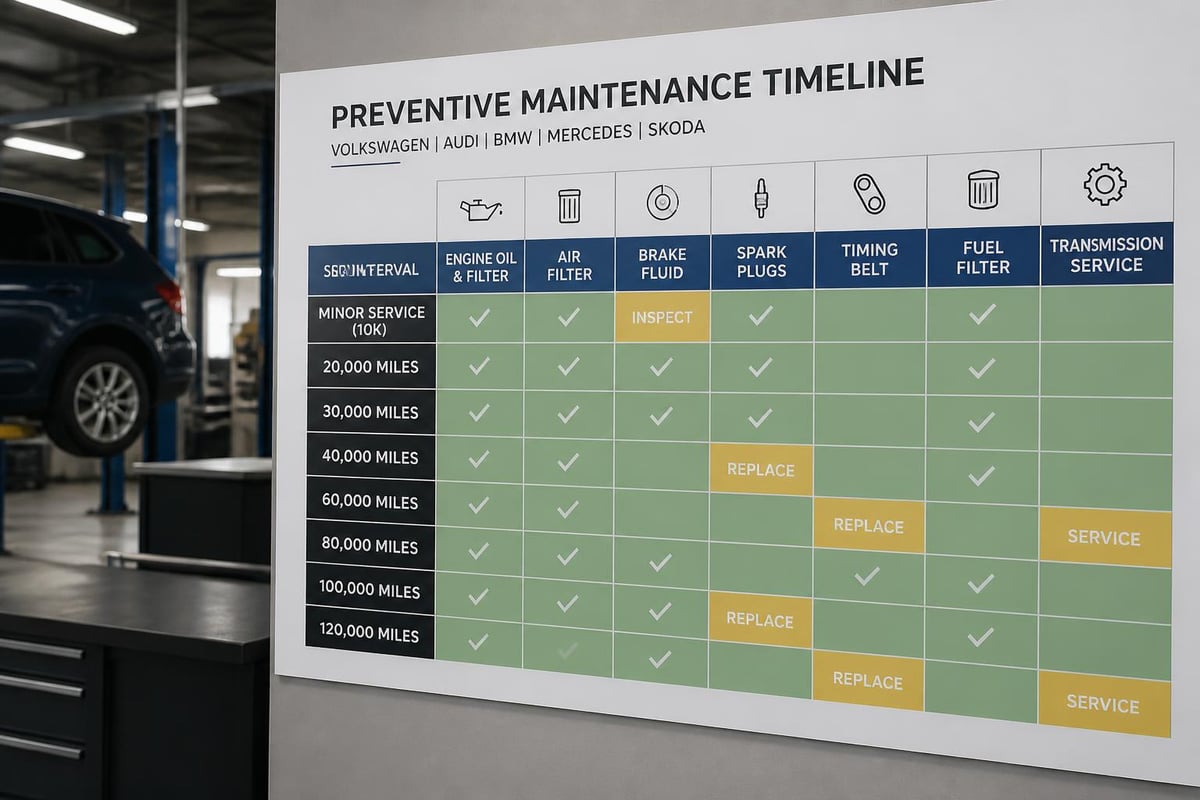
Modern European vehicles use condition-based servicing systems that monitor driving patterns, operating conditions, and component wear to calculate service intervals dynamically. Specialists interpret these systems correctly, understanding when to follow computer-generated intervals and when operating conditions warrant more frequent servicing.
Common Service Categories
- Minor services (typically 10,000-15,000 km): Oil and filter changes, visual inspections, fluid level checks
- Major services (typically 30,000-60,000 km): Comprehensive inspections, air filter replacement, brake fluid exchange, detailed system testing
- Timing belt services (60,000-120,000 km depending on model): Critical preventive maintenance preventing catastrophic engine damage
- Transmission services (60,000-100,000 km): Fluid and filter changes maintaining transmission longevity
- Cooling system services (90,000-150,000 km): Coolant replacement and system pressure testing
Specialists who maintain detailed service histories for their clients can recommend appropriate maintenance based on previous work, upcoming mileage milestones, and known model-specific concerns. You can schedule your European vehicle service with qualified professionals who understand these nuanced requirements.
Diagnostic Expertise and Problem-Solving
Advanced diagnostic capabilities represent perhaps the most valuable service european automotive specialists provide. Modern European vehicles contain dozens of electronic control modules communicating across multiple networks, creating diagnostic complexity that demands systematic approaches and deep technical knowledge.
Effective diagnosis begins with understanding normal system operation. Specialists who regularly work with specific models develop baseline knowledge about how systems should behave, allowing them to quickly identify deviations indicating problems. This experiential knowledge complements technical documentation and diagnostic procedures.
Diagnostic Methodology
The diagnostic process follows logical steps that maximize efficiency while ensuring accurate problem identification:
- Customer interview: Understanding symptoms, operating conditions, and problem history
- Visual inspection: Identifying obvious issues before deploying diagnostic equipment
- System scanning: Reading fault codes from all control modules
- Data analysis: Reviewing live data streams and comparing to specification ranges
- Component testing: Isolating specific components or circuits as needed
- Root cause identification: Determining underlying causes rather than just symptoms
- Repair verification: Testing repairs under actual operating conditions
Intermittent problems present particular challenges that separate skilled specialists from average technicians. These issues require patience, systematic testing, and sometimes creative diagnostic approaches. Experienced european automotive specialists develop strategies for capturing intermittent faults through extended test drives, data logging, and component stress testing.
Value Proposition of Independent Specialists
Independent european automotive specialists offer compelling advantages over dealership service departments for many vehicle owners. Understanding these benefits helps justify the investment in specialized independent service.
Cost efficiency represents the most obvious advantage. Independent specialists typically charge 30-50% less than dealerships for equivalent services while maintaining comparable quality standards. Lower overhead costs, competitive parts pricing, and efficient workflows enable these savings without compromising expertise.
Personalized service creates stronger customer relationships. Independent shops often work with the same clients for years, developing familiarity with individual vehicles and ownership preferences. This continuity enables specialists to track vehicle history, anticipate needs, and provide customized recommendations.
| Aspect | Independent Specialist | Dealership |
|---|---|---|
| Labor Rates | $120-$150/hour | $180-$250/hour |
| Parts Pricing | Flexible sourcing options | Primarily OEM |
| Wait Times | Often shorter, more flexible | Longer, appointment-dependent |
| Personal Service | Direct technician relationships | Service advisor intermediaries |
| Warranty Work | Generally not authorized | Factory warranty provider |
Flexibility in parts sourcing allows specialists to tailor repair costs to customer budgets and preferences. While maintaining quality standards, they can offer OEM, OE, or premium aftermarket options depending on client needs and component criticality.
Building Long-Term Service Relationships
Establishing an ongoing relationship with qualified european automotive specialists provides cumulative benefits that compound over your vehicle's ownership period. These relationships enable proactive maintenance planning, cost predictability, and peace of mind knowing your vehicle receives consistent, expert care.
Comprehensive service records maintained by your specialist create invaluable documentation for future diagnostics and resale value. Detailed histories showing consistent professional maintenance demonstrate responsible ownership and can significantly enhance vehicle value when selling.
Trust develops through consistent positive experiences. When specialists demonstrate technical competence, transparent communication, and fair pricing over multiple service visits, vehicle owners gain confidence in their recommendations. This trust streamlines decision-making around repairs and maintenance investments.
Specialists who know your vehicle intimately can identify developing issues before they become expensive problems. Regular service appointments provide opportunities for experienced technicians to notice subtle changes in performance, unusual noises, or early wear patterns that less familiar technicians might miss.
Regional Considerations and Local Expertise
Geographic factors influence the european automotive specialists landscape significantly. Shops in regions with high concentrations of European vehicles develop deeper expertise and maintain more comprehensive parts inventory than those in areas where these vehicles represent smaller market segments.
Climate and operating conditions affect maintenance requirements substantially. Specialists in coastal environments understand corrosion prevention strategies, while those in extreme cold climates focus on cold-weather performance optimization. Local expertise ensures maintenance programs address regional challenges effectively.
Auckland's North Shore represents a prime example of concentrated European vehicle ownership, supporting specialized service providers who focus exclusively on these brands. High-quality independent specialists in such markets compete effectively with dealerships by offering superior service, competitive pricing, and convenient locations.
Selecting qualified european automotive specialists represents one of the most important decisions European vehicle owners make. The right specialist combines technical expertise, proper equipment, ongoing training, and genuine commitment to customer satisfaction. When you find a specialist who demonstrates these qualities consistently, you establish a partnership that protects your investment and ensures reliable performance for years to come. VODIS Automobile has served Auckland's North Shore for over 20 years, offering expert care for Volkswagen, Audi, Mercedes, BMW, and Skoda vehicles through a highly skilled team dedicated to professionalism and excellence.