


European vehicles represent sophisticated engineering achievements that demand specialized attention and expertise. When you invest in a Volkswagen, Audi, BMW, Mercedes, or Skoda, you're not just purchasing transportation-you're committing to maintaining a precision-crafted machine that requires quality car auto service to perform at its best. Understanding the unique maintenance needs of European automobiles and partnering with qualified service professionals ensures your vehicle delivers the performance, safety, and longevity you expect from these premium brands.
Understanding Quality Car Auto Service Standards
The automotive service industry operates under rigorous quality management frameworks designed to protect consumers and ensure consistent excellence. Organizations throughout the global automotive supply chain adhere to the IATF 16949:2016 standard, which establishes comprehensive requirements for quality management systems focused on continuous improvement and defect prevention.
For independent service centers specializing in European vehicles, quality car auto service extends beyond simply following manufacturer guidelines. It encompasses a holistic approach to vehicle care that integrates advanced diagnostic capabilities, technician expertise, and commitment to transparent customer communication.
Key Components of Quality Service Delivery
Quality automotive service centers distinguish themselves through several critical factors:
- Specialized diagnostic equipment calibrated for specific European manufacturers
- Ongoing technician training in evolving vehicle technologies and systems
- Genuine or OEM-equivalent parts that meet manufacturer specifications
- Comprehensive service documentation tracking vehicle history and maintenance patterns
- Transparent pricing structures with detailed explanations of recommended services
The IAF Automotive Quality Management Standard provides a framework that quality-focused service centers use to establish and continuously improve their operations, ensuring every customer interaction meets the highest professional standards.

European Vehicle Maintenance: Why Quality Matters
European automobiles incorporate advanced engineering systems that demand precision maintenance to function correctly. Unlike mass-market vehicles designed for general repair facilities, brands like Volkswagen, Audi, BMW, Mercedes, and Skoda feature proprietary technologies requiring specialized knowledge.
Quality car auto service for European vehicles addresses manufacturer-specific requirements that generic service centers may overlook. Engine management systems, transmission programming, suspension geometries, and electrical architectures differ significantly across European manufacturers-and even between model years within the same brand.
Critical Maintenance Intervals
European manufacturers establish specific service intervals based on extensive testing and engineering analysis. Following these schedules prevents premature wear and maintains warranty coverage:
| Service Type | Typical Interval | Critical Components |
|---|---|---|
| Oil & Filter | 10,000-15,000 km | Engine lubrication system |
| Brake Fluid | 24 months | Hydraulic brake system |
| Coolant System | 40,000-60,000 km | Engine temperature regulation |
| DSG Transmission | 60,000 km | Direct-shift gearbox |
| Timing Belt | 90,000-120,000 km | Engine valve timing |
Adhering to manufacturer-recommended intervals represents the foundation of quality car auto maintenance. However, driving conditions in Auckland's varied terrain-from motorway commuting to coastal exposure-may necessitate adjusted service schedules.
Essential Maintenance Tasks for European Vehicles
Proper vehicle care combines routine inspections with preventive maintenance that addresses wear before it becomes catastrophic failure. AAA’s essential maintenance tips emphasize the importance of systematic approaches to vehicle care.
Engine and Lubrication Systems
The engine represents your vehicle's most valuable component, requiring quality car auto service to maintain optimal performance. European engines, particularly turbocharged variants common in Volkswagen and Audi models, demand high-quality synthetic oils meeting specific viscosity and additive requirements.
Regular oil analysis can reveal developing issues before they cause damage. Quality service centers track oil consumption patterns, monitoring for abnormalities that indicate seal degradation or internal wear. BMW and Mercedes vehicles with high-performance engines are particularly sensitive to oil quality and change intervals.
Critical engine maintenance includes:
- Oil and filter replacement at manufacturer intervals
- Air filter inspection and replacement
- Fuel system cleaning and injector service
- Turbocharger inspection for bearing wear
- PCV system verification and cleaning
Transmission and Drivetrain Care
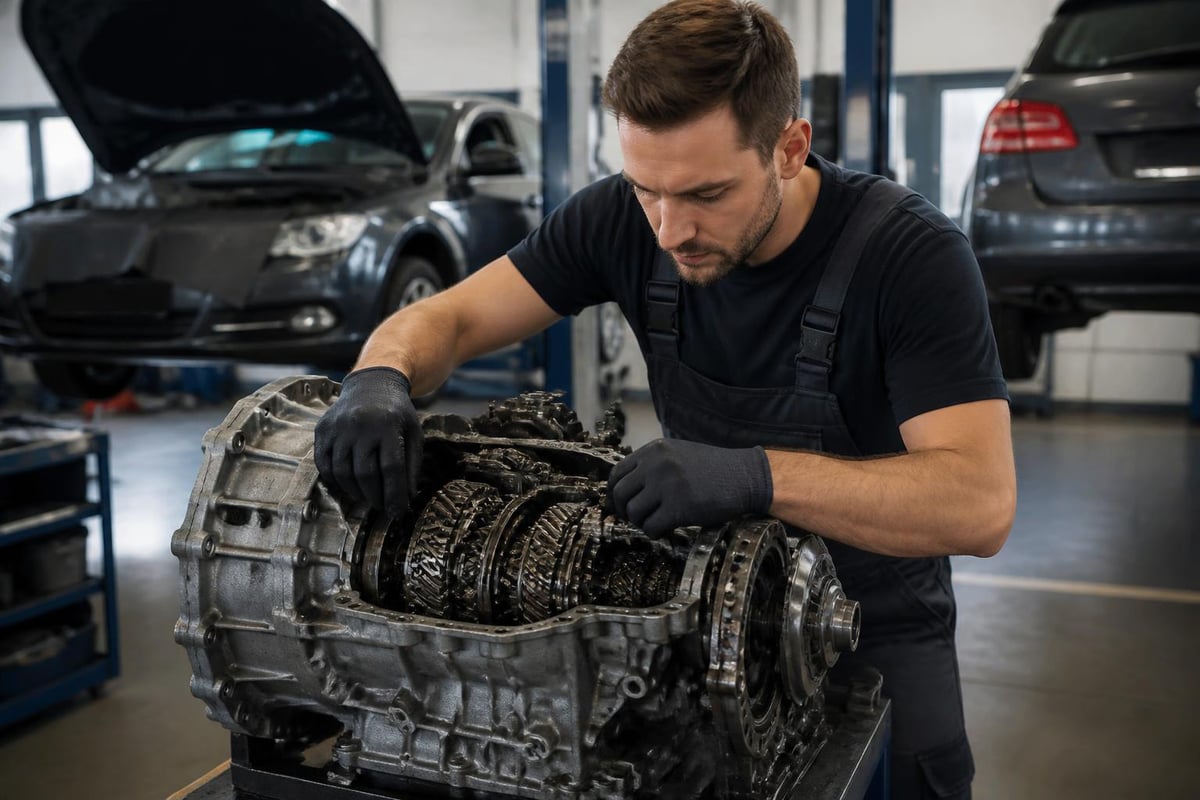
Modern European vehicles increasingly feature sophisticated automatic transmissions, including DSG dual-clutch systems in Volkswagen and Audi models, and advanced automatics in BMW and Mercedes vehicles. These transmissions require specialized service that generic facilities cannot properly perform.
Quality car auto service for transmissions involves fluid replacement with manufacturer-specified fluids, software updates to address known issues, and mechanical inspections of wear components. Transmission neglect represents one of the costliest maintenance oversights, with replacement costs often exceeding $8,000-12,000 for European vehicles.
Brake System Maintenance
European vehicles feature advanced braking systems with sophisticated electronic controls, including ABS, stability control, and emergency braking assistance. Allstate’s maintenance guide emphasizes regular brake inspections as fundamental to vehicle safety.
Quality brake service extends beyond pad replacement. Comprehensive brake maintenance addresses:
- Rotor thickness measurement and surface inspection
- Caliper operation and seal integrity
- Brake fluid condition and moisture content
- Electronic sensor functionality
- Parking brake adjustment and cable condition
Premium European vehicles often employ large-diameter rotors and high-performance pad compounds that require specific replacement parts. Using inferior components compromises braking effectiveness and can trigger electronic warning systems.
Diagnostic Capabilities and Modern Vehicle Technology
Contemporary European vehicles function as sophisticated computers managing dozens of interconnected systems. Quality car auto service requires diagnostic equipment capable of communicating with these complex networks to identify faults, update software, and perform system calibrations.
Advanced Diagnostic Requirements
Generic OBD-II scanners provide limited functionality with European vehicles. Comprehensive diagnostics demand manufacturer-specific software accessing proprietary control modules for:
- Engine management and emissions systems
- Transmission programming and adaptation
- Suspension and chassis systems
- Lighting and body control modules
- Driver assistance and safety systems
- Instrument cluster and infotainment
Experienced technicians interpret diagnostic data within the context of vehicle history and reported symptoms, distinguishing between actual faults and spurious codes triggered by temporary conditions or component interactions.
| Diagnostic Level | Capability | Equipment Required |
|---|---|---|
| Basic OBD-II | Generic fault codes | Standard scanner |
| Enhanced | Manufacturer codes | Brand-specific tool |
| Comprehensive | All modules, coding | Factory-level software |
| Programming | ECU updates, calibration | Authorized access |
Quality car auto service centers invest significantly in maintaining current diagnostic capabilities as manufacturers continually update vehicle systems and software.
Preventive Maintenance vs. Reactive Repairs
The distinction between preventive maintenance and reactive repairs fundamentally impacts vehicle ownership costs and reliability. Chase’s maintenance recommendations highlight how regular upkeep prevents expensive emergency repairs.
Cost-Benefit Analysis of Preventive Care
Preventive maintenance follows scheduled intervals to replace wear components before failure. While requiring regular investment, this approach prevents the cascade failures that occur when one neglected system damages others.
Common examples of preventive savings:
- $150 timing belt replacement prevents $6,000+ engine rebuild
- $80 coolant service prevents $2,500 head gasket failure
- $200 transmission service prevents $10,000 transmission replacement
- $60 battery replacement prevents computer module damage from voltage fluctuations
Quality car auto service emphasizes preventive maintenance education, helping vehicle owners understand the long-term value of systematic care. For professionals and families depending on their vehicles, preventive approaches minimize unexpected breakdowns and service disruptions.
Building a Maintenance Schedule
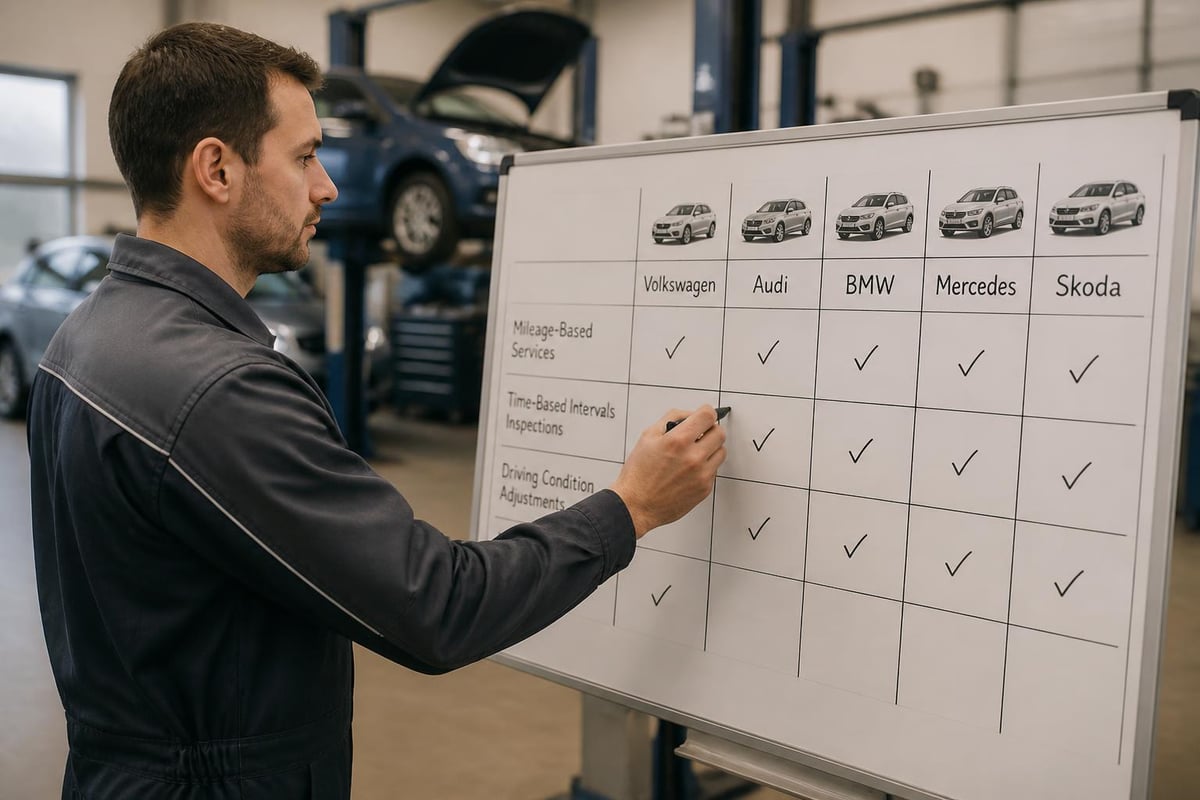
Developing a personalized maintenance schedule accounts for manufacturer recommendations, driving patterns, and environmental factors. Auckland's coastal climate, for instance, accelerates corrosion on brake components and exhaust systems compared to drier regions.
Capital One’s comprehensive maintenance checklist provides frameworks for organizing service intervals. Quality service centers maintain digital records tracking completed services and forecasting upcoming needs.
Selecting Quality Service Providers
Choosing an appropriate service provider represents one of the most important decisions European vehicle owners make. While dealerships offer manufacturer training and warranty approval, independent specialists often provide superior value through focused expertise and personalized service.
Evaluating Service Center Qualifications
Quality car auto service providers demonstrate their capabilities through certifications, equipment investments, and customer relationships. When evaluating potential service centers, consider:
- Specialization focus: Centers dedicated to specific manufacturers develop deeper expertise than general repair shops
- Technician credentials: ASE certifications and manufacturer training indicate professional competence
- Equipment inventory: Manufacturer-specific diagnostic tools and specialty equipment signal serious commitment
- Customer communication: Clear explanations, detailed estimates, and progress updates reflect professional standards
- Facility condition: Organized, well-maintained shops indicate attention to detail
For those maintaining their own vehicles or performing basic tasks, having access to quality tools makes a significant difference. Resources like GereedschapXXL provide professional-grade equipment for enthusiast mechanics and DIY maintenance.
Understanding Service Value
Quality car auto service involves more than finding the lowest price. Total ownership costs reflect service quality, parts longevity, and repair accuracy. Inferior service often creates future problems requiring additional repairs, ultimately costing more than premium service would have initially.
Value indicators include:
- Warranty coverage on labor and parts
- First-time fix rates and diagnostic accuracy
- Transparent pricing with detailed explanations
- Proactive communication about developing issues
- Long-term customer relationships and retention
Established service centers with decades of experience demonstrate their value through customer loyalty and community reputation. Over twenty years of successful operation indicates consistent quality delivery and ethical business practices.
Seasonal Maintenance Considerations
New Zealand's climate presents specific challenges requiring seasonal attention. Quality car auto service adapts to environmental conditions affecting vehicle systems throughout the year.
Winter Preparation
Winter conditions stress electrical systems, batteries, and heating components. Comprehensive winter preparation includes:
- Battery load testing and terminal cleaning
- Antifreeze concentration verification
- Heating system performance check
- Tire tread depth assessment
- Lighting system inspection
- Wiper blade replacement
European vehicles with advanced climate control systems require functional heating for windscreen defogging and driver comfort. DMV.org’s basic care guidelines emphasize seasonal preparation for optimal vehicle operation.
Summer Readiness
Summer heat challenges cooling systems, air conditioning, and tire integrity. Quality car auto service addresses:
- Cooling system pressure testing and hose inspection
- Air conditioning refrigerant levels and compressor operation
- Tire pressure adjustment for temperature changes
- Brake fluid moisture content (heat accelerates deterioration)
- Battery water levels in non-sealed batteries
Auckland's coastal environment introduces additional considerations, including accelerated corrosion from salt exposure and moisture intrusion into electrical connections.
Tire Maintenance and Safety
Tires represent the only contact point between your vehicle and the road, making tire maintenance fundamental to safety. Toyota’s maintenance checklist emphasizes tire care for vehicle performance and safety.
Tire Service Requirements
Quality car auto service includes comprehensive tire management:
| Service | Frequency | Purpose |
|---|---|---|
| Pressure Check | Monthly | Fuel economy, wear, handling |
| Rotation | 8,000-10,000 km | Even wear distribution |
| Alignment | Annually or as needed | Prevent uneven wear |
| Balance | With rotation | Smooth operation |
| Replacement | 2-3mm tread depth | Legal and safety minimum |
European vehicles often require specific tire sizes, load ratings, and speed ratings matching original equipment specifications. Premium vehicles may employ run-flat tires or tire pressure monitoring systems requiring specialized service equipment.
Understanding Tire Wear Patterns
Abnormal tire wear indicates suspension, alignment, or inflation issues requiring attention. Quality service centers analyze wear patterns to diagnose underlying problems:
- Center wear: Overinflation reducing contact patch
- Edge wear: Underinflation causing sidewall flexing
- One-side wear: Alignment issues or suspension damage
- Cupping: Suspension component wear or balance issues
- Feathering: Toe alignment problems
Addressing these issues promptly prevents premature tire replacement and improves vehicle handling and safety.
The Role of Documentation and Service History
Comprehensive service records provide invaluable information for maintaining European vehicles. Quality car auto service centers maintain detailed documentation tracking every service, repair, and inspection performed.
Benefits of Complete Service Records
Well-documented service history offers multiple advantages:
- Warranty protection: Documented maintenance proves compliance with warranty requirements
- Resale value: Complete records increase buyer confidence and vehicle value
- Diagnostic assistance: Service patterns help identify recurring issues or component lifespans
- Maintenance tracking: Clear visibility into upcoming service needs
- Performance optimization: Historical data guides preventive maintenance timing
Digital record systems enable service centers to proactively schedule maintenance based on vehicle age, mileage, and previous service intervals. Many facilities now offer customer portals providing access to service history and recommended maintenance.
Transitioning Between Service Providers
When changing service providers, request complete service records from your previous center. Quality car auto service facilities welcome this information, using it to establish baseline understanding of your vehicle's condition and service status.
You can schedule your next service appointment through convenient online booking systems that streamline the service process and reduce wait times.
Environmental Responsibility in Automotive Service
Modern automotive service incorporates environmental considerations including proper waste disposal, fluid recycling, and emissions compliance. Quality car auto service providers operate under environmental regulations governing hazardous material handling.
Sustainable Service Practices
Responsible service centers implement:
- Used oil collection and recycling programs
- Refrigerant recovery and reuse systems
- Brake fluid and coolant disposal protocols
- Battery and tire recycling participation
- Parts packaging and waste reduction
These practices protect local environments while demonstrating corporate responsibility. Auckland's coastal location makes environmental stewardship particularly important for preserving marine ecosystems and water quality.
Technology Integration in Modern Service
Contemporary service centers leverage technology for improved customer experience and service quality. Digital systems enhance communication, efficiency, and accuracy throughout the service process.
Customer Communication Platforms
Quality car auto service increasingly employs:
- Online appointment scheduling and service history access
- Digital vehicle inspections with photographic documentation
- Text message service updates and completion notifications
- Electronic estimate approvals and payment processing
- Automated maintenance reminders based on vehicle data
These technologies improve transparency while reducing service time and miscommunication. Customers appreciate real-time updates and visual documentation of recommended services.
Diagnostic Software Evolution
Manufacturer diagnostic systems receive regular updates addressing newly discovered issues, refining calibrations, and expanding capabilities. Quality service centers maintain current software versions ensuring they can properly diagnose and service the latest vehicle models while accessing updated repair procedures for older vehicles.
Long-Term Vehicle Value Protection
Consistent quality car auto service represents an investment in preserving your vehicle's value, reliability, and performance. European vehicles, with their sophisticated engineering and premium positioning, particularly benefit from professional maintenance.
Protecting Your Investment
Strategic maintenance approaches maximize vehicle longevity:
- Follow manufacturer schedules: Engineers designed these intervals for optimal component life
- Address issues promptly: Small problems become expensive failures when neglected
- Use quality parts: Inferior components compromise performance and may damage other systems
- Choose qualified technicians: Expertise prevents costly diagnostic errors and improper repairs
- Maintain documentation: Complete records prove care quality to future buyers
Vehicles receiving consistent professional care routinely exceed 200,000 kilometers while maintaining strong performance and reliability. This longevity provides superior total cost of ownership compared to vehicles experiencing neglect and reactive repair approaches.
Performance Optimization
Beyond preventing failures, quality maintenance optimizes vehicle performance. Clean fuel systems, properly functioning sensors, and fresh fluids ensure your European vehicle delivers the driving experience its engineers intended. Regular attention to seemingly minor details-spark plug condition, air filter cleanliness, tire pressures-measurably impacts acceleration, fuel economy, and handling characteristics.
Maintaining a European vehicle demands specialized knowledge, proper equipment, and systematic attention to manufacturer requirements. By prioritizing quality car auto service and partnering with experienced professionals, you protect your investment while ensuring reliable, safe transportation for years to come. VODIS Automobile has delivered specialized European vehicle service to Auckland's North Shore community for over twenty years, combining technical expertise with transparent communication and customer-focused service. Whether your Volkswagen, Audi, BMW, Mercedes, or Skoda needs routine maintenance or complex repairs, our qualified team provides the quality care your vehicle deserves.