

Owning an Audi means experiencing German engineering excellence, but maintaining that performance requires specialized knowledge and attention. Audi service repair demands more than generic automotive maintenance-it requires technicians who understand the sophisticated systems, electronics, and precision engineering that define these vehicles. Whether you're driving an A3, Q5, or RS model, understanding the service requirements, diagnostic processes, and repair considerations ensures your Audi continues delivering the driving experience you expect. This comprehensive guide explores everything Auckland Audi owners need to know about proper service and repair procedures.
Understanding Audi Service Intervals and Maintenance Requirements
Audi vehicles operate on a sophisticated service schedule designed to maintain optimal performance and longevity. The manufacturer employs a flexible servicing system that monitors driving conditions, oil quality, and component wear to determine when maintenance is required.
Service Indicator System
Modern Audi models feature an intelligent service indicator that calculates maintenance needs based on actual usage rather than arbitrary time intervals. This system considers:
- Engine oil degradation through quality sensors
- Driving style including acceleration patterns and load
- Operating conditions such as temperature extremes
- Distance traveled and average journey length
The service indicator displays messages ranging from minor inspections to major services, providing specific timeframes before attention is required.
Standard Service Classifications
Audi service repair follows distinct categories, each addressing different maintenance needs:
| Service Type | Typical Interval | Key Components |
|---|---|---|
| Oil Service | 15,000 km or 12 months | Engine oil, oil filter, basic inspection |
| Inspection Service | 30,000 km or 24 months | Comprehensive checks, filters, fluids |
| Major Service | 60,000 km or 48 months | Extensive component replacement, detailed inspection |
| Brake Fluid | 24 months | Complete brake fluid replacement |
| Spark Plugs | 60,000-120,000 km | Plug replacement (varies by engine) |
Regular adherence to these schedules prevents costly repairs and maintains vehicle value. The Auto Repair Source database provides detailed maintenance schedules for various Audi models, offering precise guidance on service requirements.

Advanced Diagnostics and Electronic Systems
Audi vehicles incorporate complex electronic architecture that requires specialized diagnostic equipment for accurate service and repair. Understanding these systems separates qualified specialists from general mechanics.
Diagnostic Protocol
Modern Audi service repair relies heavily on factory-level diagnostic tools. The VAG-COM (VCDS) system and dealer-level equipment access control modules throughout the vehicle, reading fault codes that generic scanners cannot detect.
Professional diagnostics examine:
- Engine management systems including fuel injection and ignition timing
- Transmission control modules monitoring shift patterns and clutch wear
- Safety systems such as ABS, ESP, and airbag networks
- Comfort electronics covering climate control, infotainment, and lighting
- Chassis systems including adaptive suspension and steering assist
The Ross-Tech Wiki provides valuable information about accessing official factory diagnostic protocols, essential for accurate troubleshooting.
Common Diagnostic Challenges
Intermittent electrical faults present particular challenges in Audi service repair. Issues may appear sporadically, requiring data logging and extended monitoring to identify root causes. Skilled technicians use freeze-frame data and live monitoring to capture fault conditions when they occur.
Software updates also play a crucial role in modern Audi maintenance. Manufacturers regularly release updates addressing known issues, improving performance, and enhancing functionality. These updates require dealer-level access or specialized independent workshops with proper authorization.
Engine and Drivetrain Service Requirements
Audi engines represent sophisticated engineering, from efficient four-cylinder units to powerful V8 and V10 configurations. Each requires specific service approaches and specialized knowledge.
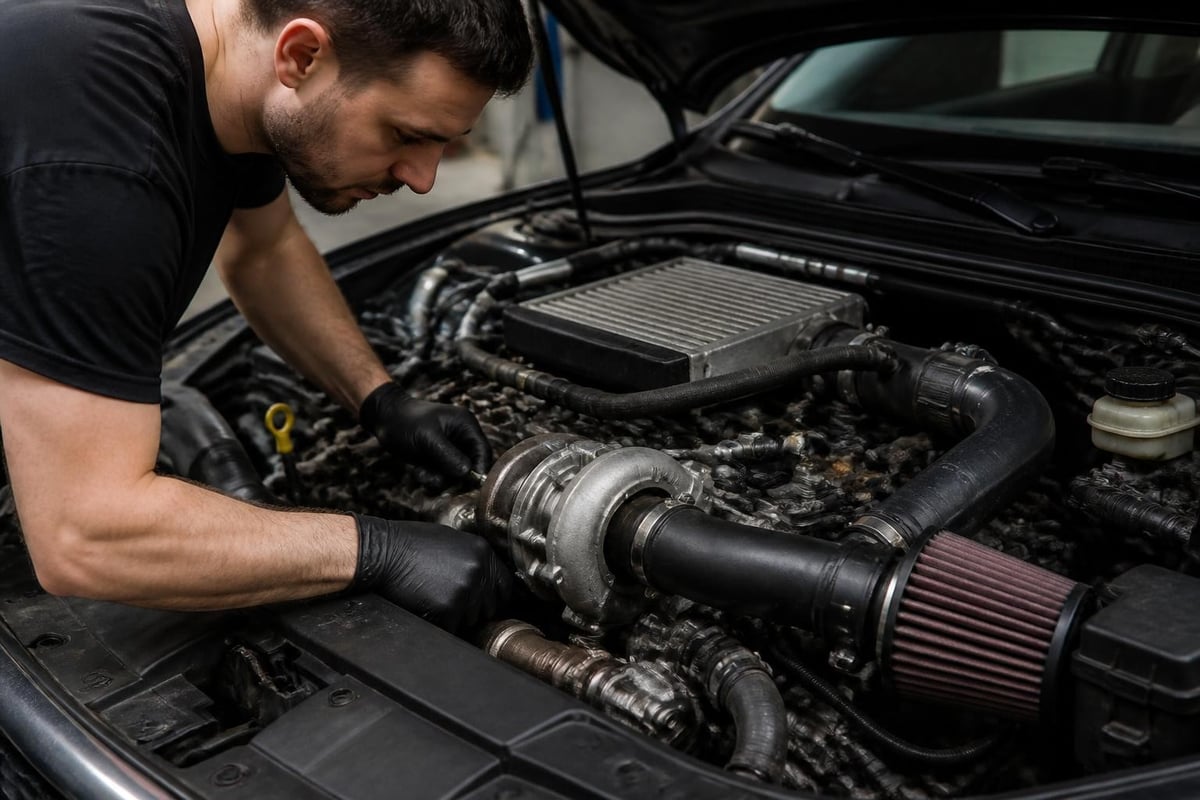
Turbocharged Engine Considerations
Many Audi models feature turbocharged engines demanding particular attention during service:
- Oil quality becomes critical as turbochargers operate at extreme temperatures
- Oil change intervals should never be extended beyond recommendations
- Cooling system maintenance prevents turbo damage from heat-related failures
- Air intake cleanliness ensures optimal boost pressure and efficiency
Turbocharged engines are particularly sensitive to neglected maintenance. Carbon buildup on intake valves, common in direct-injection engines, requires periodic cleaning through specialized procedures that general workshops may not offer.
Transmission Service Protocols
Contrary to some manufacturer claims, transmission fluid in Audi vehicles benefits from periodic replacement. The dual-clutch S tronic transmissions and torque-converter automatics each require specific service approaches.
DSG/S tronic Service Requirements:
- Fluid and filter change every 60,000 km
- Mechatronic unit inspection for wear
- Clutch pack assessment through diagnostic data
- Adaptation reset after service completion
Torque Converter Automatic Requirements:
- Fluid exchange every 80,000 km
- Filter replacement where accessible
- Valve body inspection for high-mileage units
- Torque converter assessment during major services
The Audi erWin service provides manufacturer repair manuals with precise specifications for transmission service procedures, ensuring correct fluid types and capacities are used.
Suspension, Steering, and Brake System Maintenance
Audi's renowned handling characteristics depend on properly maintained suspension and steering components. These systems require regular inspection and timely replacement to preserve driving dynamics.
Adaptive Suspension Systems
Many Audi models feature adaptive damping or air suspension systems that add complexity to service and repair. These systems require:
- Electronic diagnostic capability to access suspension control modules
- Specialized tools for air suspension height calibration
- Genuine or equivalent quality components to maintain system integrity
- Software coding when replacing control units or sensors
Air suspension systems particularly demand expertise, as improper service can lead to compressor failure, air spring damage, or system faults that disable the suspension entirely.
Brake System Service
Audi brake systems range from standard hydraulic setups to advanced systems with electronic parking brakes and regenerative braking integration. Professional audi service repair ensures these safety-critical components receive proper attention.
| Component | Inspection Interval | Typical Replacement |
|---|---|---|
| Brake Pads Front | Every service | 30,000-50,000 km |
| Brake Pads Rear | Every service | 50,000-80,000 km |
| Brake Discs Front | Every 20,000 km | 60,000-100,000 km |
| Brake Discs Rear | Every 20,000 km | 80,000-120,000 km |
| Brake Fluid | 24 months | 24 months |
| Brake Lines | Every major service | As required |
Electronic parking brakes require specific procedures during pad replacement, including diagnostic tool access to retract calipers electrically. Attempting brake service without proper equipment can damage expensive components.
Parts Selection and Quality Considerations
The choice between genuine Audi parts, OEM suppliers, and aftermarket components significantly impacts service quality and longevity. Understanding these options helps owners make informed decisions about their audi service repair needs.
Genuine Parts Advantages
Audi genuine parts offer guaranteed fitment and quality, backed by manufacturer warranties. These components undergo rigorous testing and meet precise specifications. For critical systems like engines, transmissions, and safety equipment, genuine parts provide peace of mind.
OEM and Quality Aftermarket Options
Original Equipment Manufacturer (OEM) suppliers produce components to Audi specifications without the premium brand markup. Companies like Bosch, Continental, and ZF supply parts to Audi factories and offer identical components through aftermarket channels at reduced costs.
The FourRingsRepair resources section provides valuable information comparing OEM and aftermarket parts, helping owners understand quality differences and make cost-effective choices without compromising reliability.
High-Quality Aftermarket Brands:
- Mann+Hummel for filters
- Bilstein and Sachs for suspension components
- Brembo and ATE for brake systems
- Mahle and Hengst for engine components
- Liqui Moly and Castrol for fluids
Quality independent specialists maintain relationships with these suppliers, offering cost-effective alternatives to main dealer pricing while maintaining service standards.
Finding Qualified Audi Service Specialists
Selecting the right service provider for your Audi proves crucial to maintaining vehicle performance and value. Auckland offers various options, from main dealers to independent specialists with Audi expertise.
Specialist Qualifications to Verify
When evaluating audi service repair providers, consider these essential qualifications:
- Factory-trained technicians with Audi-specific certification
- Diagnostic equipment access including VCDS or dealer-level tools
- Technical information subscriptions to manufacturer databases
- Parts sourcing capability for genuine and quality alternatives
- Workshop facilities equipped for European vehicle complexity
Independent specialists often combine main dealer expertise with more competitive pricing and personalized service. For North Shore residents, booking your service through an online booking portal streamlines the scheduling process and ensures transparent communication throughout the service process.

Questions to Ask Potential Service Providers
Before committing to a workshop for your audi service repair, gather information about their capabilities:
- What diagnostic equipment do you use for Audi vehicles?
- Are your technicians factory-trained or certified?
- Do you have access to manufacturer technical information?
- What warranty do you provide on parts and labour?
- Can you provide references from other Audi owners?
- Do you offer courtesy vehicles during service?
- How do you communicate service findings and costs?
Transparent answers to these questions indicate professional operations committed to quality workmanship.
Common Audi Model-Specific Issues
Different Audi models present characteristic issues that informed owners should understand. Recognizing these patterns helps anticipate maintenance needs and budget accordingly.
A3/A4/A6 Common Concerns
The popular A-series models share platforms and powertrains, leading to some common service requirements:
- Water pump failures particularly on 2.0T engines around 100,000 km
- Carbon buildup on direct-injection engines requiring walnut blasting
- PCV system failures causing oil consumption and rough running
- Ignition coil failures on four-cylinder turbo engines
- Control arm bushings requiring replacement around 80,000-100,000 km
Q-Series SUV Considerations
Audi's SUV lineup introduces additional service considerations:
- Air suspension components on models equipped with adaptive systems
- Differential service on Quattro all-wheel-drive systems
- Transfer case maintenance often overlooked but critical
- Increased brake wear due to vehicle weight
- Cooling system demands from towing or off-road use
Performance Model Requirements
RS and S-line models demand heightened service attention. Higher-performance engines, upgraded brakes, and sport-tuned suspensions require more frequent inspection and earlier component replacement. These models benefit most from specialists experienced with performance Audi service repair.
The OEM repair information resource provides access to model-specific technical bulletins and service campaigns, essential for addressing known issues proactively.
Cost Considerations and Service Value
Understanding audi service repair costs helps owners budget appropriately and recognize fair pricing. Service expenses vary based on model, age, service type, and parts selection.
Typical Service Cost Ranges (Auckland Market)
| Service Type | Independent Specialist | Main Dealer |
|---|---|---|
| Basic Oil Service | $280-$400 | $450-$650 |
| Full Inspection Service | $550-$750 | $850-$1,200 |
| Major Service (60k) | $950-$1,400 | $1,500-$2,200 |
| Brake Pad Replacement | $450-$700 | $650-$1,000 |
| Timing Belt Service | $1,200-$1,800 | $1,800-$2,800 |
These ranges reflect quality service with appropriate parts. Significantly lower pricing may indicate compromised parts quality or incomplete service procedures.
Long-Term Value Protection
Regular, quality service protects resale value substantially. Well-maintained Audis with complete service histories command premium prices in the used market. The investment in proper audi service repair pays dividends when selling or trading your vehicle.
Documentation proves critical-maintain detailed records including:
- Service invoices with work descriptions
- Parts receipts showing quality components
- Diagnostic reports for major repairs
- Warranty documentation for replaced components
- Service book stamps or digital service history
This documentation demonstrates responsible ownership and justifies asking premium prices when selling.
Seasonal Service Considerations for New Zealand Conditions
New Zealand's climate presents specific challenges for Audi vehicles, particularly in regions experiencing temperature extremes or coastal exposure. Adapting your service approach to local conditions extends component life and prevents weather-related failures.
Winter Preparation
While Auckland's winters remain mild compared to European conditions, temperature drops and increased rainfall demand attention:
- Battery testing as cold weather reduces capacity
- Wiper blade replacement before winter rainfall
- Tyre tread inspection for wet weather traction
- Cooling system check ensuring correct antifreeze concentration
- Lighting function verification for shorter daylight hours
Summer Readiness
Higher temperatures and increased travel during summer holidays require different preparation:
- Cooling system pressure testing to prevent overheating
- Air conditioning service ensuring refrigerant charge and function
- Tyre pressure monitoring as heat increases pressure
- Brake fluid condition assessment for moisture contamination
- Road trip preparation including comprehensive pre-journey inspection
Coastal Environment Protection
Auckland's coastal location exposes vehicles to salt air that accelerates corrosion. Protective measures include:
- Regular undercarriage washing to remove salt deposits
- Annual underbody inspection for corrosion development
- Protective coating application to vulnerable areas
- Brake component cleaning to prevent seized calipers
- Careful monitoring of electrical connections for corrosion
Warranty Considerations and Service History
Understanding how service choices affect warranty coverage and vehicle value helps owners make informed decisions about their audi service repair provider.
New Vehicle Warranty Requirements
Audi's new vehicle warranty doesn't mandate main dealer servicing, contrary to common belief. The Consumer Guarantees Act 1993 protects consumers' rights to choose service providers. However, services must:
- Meet manufacturer specifications for intervals and procedures
- Use appropriate quality parts meeting or exceeding standards
- Be performed by qualified technicians with proper training
- Be properly documented with detailed service records
- Follow prescribed procedures as outlined in service manuals
Independent specialists offering factory-standard service maintain warranty validity while potentially offering cost savings and personalized attention.
Extended Warranty Implications
Extended warranty products often impose stricter servicing requirements. Review warranty terms carefully to understand:
- Required service provider qualifications
- Parts quality specifications
- Service interval adherence requirements
- Documentation and approval processes
- Claim procedures and excess payments
Some extended warranties specifically exclude coverage if servicing hasn't occurred at authorized facilities, making provider selection critical.
Maintaining your Audi through professional service and repair ensures the performance, safety, and reliability that define the marque. Understanding service requirements, selecting quality specialists, and adhering to maintenance schedules protects your investment and driving enjoyment. For Auckland's North Shore residents, VODIS Automobile combines over 20 years of European vehicle expertise with factory-trained technicians, providing the specialized knowledge your Audi deserves. With comprehensive diagnostic capabilities, quality parts sourcing, and genuine commitment to customer satisfaction, VODIS delivers the service excellence your premium vehicle requires.