

Modern European vehicles rely on sophisticated electrical systems that control everything from engine management to safety features and comfort functions. Understanding auto electrical repair has become essential for vehicle owners, particularly those driving premium brands like Volkswagen, Audi, Mercedes, BMW, and Skoda. These complex systems require specialized knowledge and diagnostic equipment to maintain properly, making professional expertise crucial when electrical issues arise. The integration of advanced electronics in today's vehicles means that electrical problems can manifest in unexpected ways, affecting performance, safety, and overall driving experience.
Understanding Modern Automotive Electrical Systems
European vehicles feature some of the most advanced electrical architectures in the automotive industry. These systems comprise multiple interconnected networks that communicate through various protocols, managing hundreds of sensors, actuators, and control modules simultaneously.
The Evolution of Vehicle Electronics
The transformation from simple alternator-and-battery systems to complex computer networks has fundamentally changed auto electrical repair. Modern European vehicles incorporate:
- Multiple control modules managing distinct vehicle functions
- CAN bus networks enabling high-speed communication between systems
- Advanced driver assistance systems requiring precise sensor calibration
- Adaptive lighting systems with automatic levelling and cornering functions
- Energy management systems optimizing power distribution across the vehicle
This complexity means that electrical faults in contemporary vehicles require systematic diagnostic approaches rather than simple visual inspections. Professional technicians must understand both traditional electrical theory and modern network communication protocols.
Common Electrical Components and Their Functions
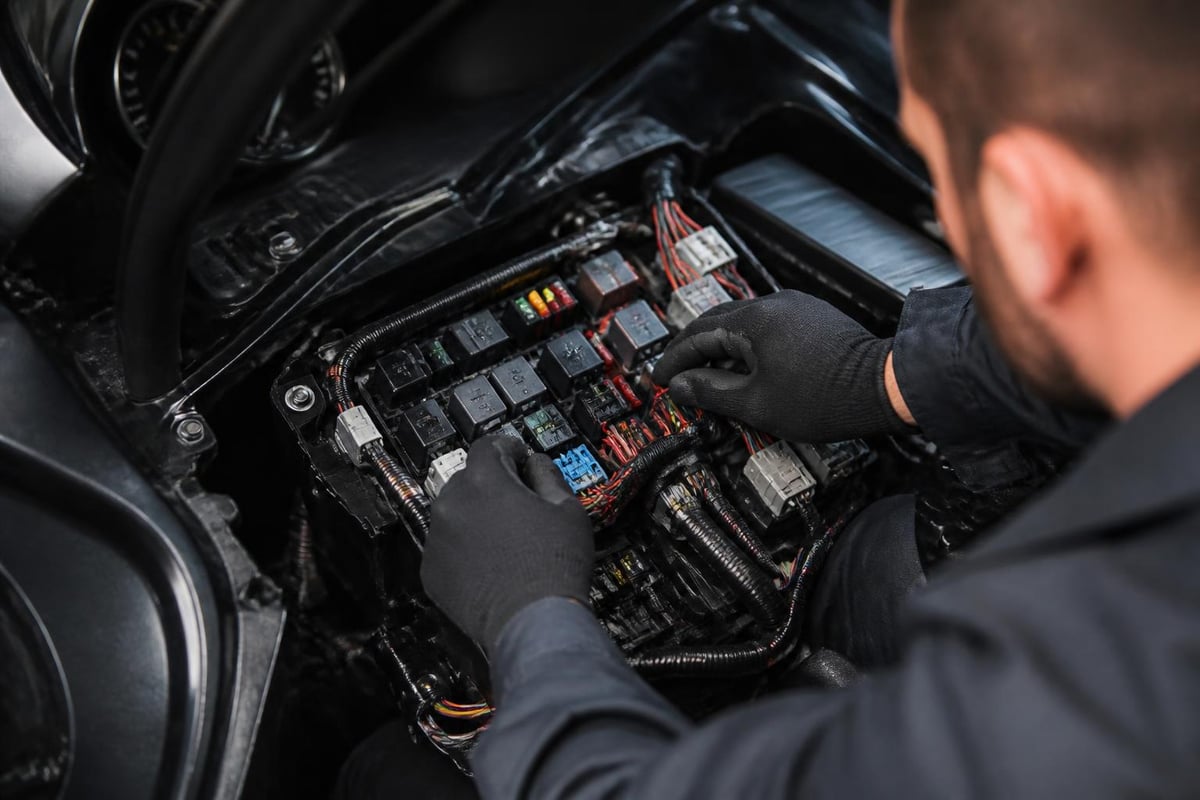
European vehicles contain numerous electrical components that work together seamlessly. The battery serves as the primary power source, whilst the alternator generates electricity during engine operation. The starter motor draws substantial current to crank the engine, whilst various fuses and relays protect circuits from overload conditions.
| Component | Primary Function | Common Issues |
|---|---|---|
| Battery | Energy storage and supply | Premature discharge, sulfation, terminal corrosion |
| Alternator | Electrical generation | Diode failure, bearing wear, voltage regulation problems |
| Starter Motor | Engine cranking | Solenoid failure, brush wear, gear engagement issues |
| Control Modules | System management | Software corruption, moisture damage, connector faults |
| Wiring Harnesses | Signal and power distribution | Chafing, corrosion, insulation breakdown |
Understanding these components helps vehicle owners recognize potential electrical issues before they escalate into major failures.
Diagnostic Approaches in Auto Electrical Repair
Professional auto electrical repair begins with comprehensive diagnostics. Modern European vehicles require specialized scan tools capable of communicating with manufacturer-specific protocols to retrieve fault codes and live data streams.
Factory-Level Diagnostic Equipment
Premium diagnostic equipment provides access to detailed system information that generic code readers cannot retrieve. These professional tools enable technicians to:
- Read and clear fault codes from all control modules across the vehicle
- View live data streams showing real-time sensor values and system parameters
- Perform bi-directional testing to activate components and verify proper operation
- Access guided troubleshooting routines for complex electrical faults
- Complete coding and programming procedures after component replacement
This level of diagnostic capability is essential for efficient and accurate electrical troubleshooting in modern European vehicles.
Systematic Troubleshooting Methods
Effective electrical diagnosis follows a logical progression from symptom identification through root cause analysis. Experienced technicians begin by verifying the complaint, gathering relevant information from the vehicle owner about when and how the problem occurs. They then retrieve diagnostic trouble codes and analyze freeze frame data to understand the conditions present when the fault occurred.
Physical inspection follows electronic diagnosis, examining wiring harnesses, connectors, and components for visible damage, corrosion, or mechanical issues. Voltage drop testing helps identify high resistance in circuits, whilst current draw measurements can reveal parasitic drains or component failures. Resources like Auto Repair Source provide technicians with detailed wiring diagrams and troubleshooting procedures for specific vehicle models.
Electrical Issues Specific to European Vehicles
European manufacturers incorporate unique electrical architectures and components that present distinct challenges. Understanding these brand-specific characteristics is crucial for effective auto electrical repair on premium vehicles.
Volkswagen Group Electronics
Volkswagen, Audi, and Skoda vehicles share common electrical platforms within the VAG group. These vehicles utilize sophisticated gateway modules that manage communication between network segments, and any fault in these gateways can cause widespread system failures.
- Convenience systems controlled through complex body control modules
- Immobiliser integration requiring specialized programming during repairs
- Adaptive features that must be recalibrated after electrical work
- CAN bus networks with specific termination requirements
BMW vehicles feature similarly complex electrical systems with their own unique characteristics. The brand's integrated power management system actively monitors battery condition and adjusts charging strategies accordingly. This intelligent system can cause confusion during conventional electrical testing if technicians are unfamiliar with its operation.

Mercedes-Benz Multiplexing Systems
Mercedes-Benz vehicles employ extensive multiplexing to reduce wiring complexity whilst increasing functionality. These systems distribute control functions across multiple modules that communicate through high-speed networks. When electrical issues arise, identifying which module is at fault requires understanding the signal flow through the entire network.
The brand's sleep mode management poses particular challenges for diagnosing intermittent electrical drains. Various modules remain partially active after the vehicle is locked to monitor security systems and maintain memory functions. Abnormal current draw can stem from modules failing to enter sleep mode correctly, requiring detailed analysis of network traffic and module states.
Battery and Charging System Maintenance
The foundation of any vehicle's electrical system rests upon proper battery and charging system operation. European vehicles with advanced electrical features place significant demands on these components, making regular maintenance essential.
Modern Battery Technology
Contemporary European vehicles increasingly specify AGM (Absorbent Glass Mat) or EFB (Enhanced Flooded Battery) technology rather than conventional flooded batteries. These advanced batteries support start-stop systems and increased electrical loads, but they require specific charging profiles and replacement procedures.
When replacing batteries in modern European vehicles, technicians must register the new battery with the vehicle's power management system. This registration allows the system to adjust charging parameters based on battery age and type, optimizing performance and longevity. Failure to complete this procedure can result in premature battery failure or charging system issues.
Professional service centers offering European vehicle servicing understand these requirements and ensure proper battery registration during replacement procedures. This attention to manufacturer specifications prevents future electrical problems and maintains vehicle performance.
Alternator Performance Testing
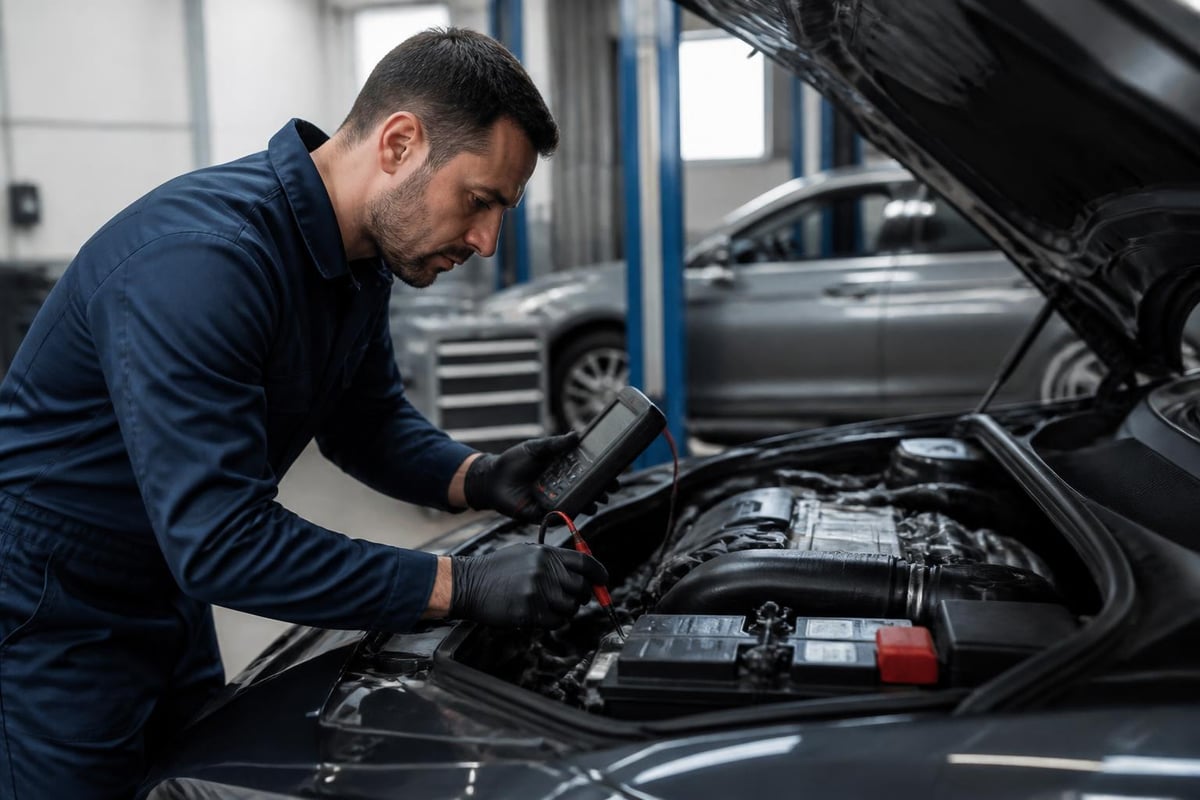
Comprehensive alternator testing extends beyond simple voltage output measurement. Modern alternators incorporate sophisticated voltage regulators that adjust output based on battery condition, electrical load, and engine operating conditions.
| Test Parameter | Specification | Implications |
|---|---|---|
| Output Voltage | 13.8-14.8V | Ensures proper charging without overcharging |
| Ripple Voltage | <0.5V AC | Indicates diode health and bearing condition |
| Load Current | Minimum 80% of rating | Confirms adequate output capacity |
| Voltage Drop | <0.5V total | Verifies connection integrity |
Regular testing using proper procedures identifies developing alternator issues before they leave drivers stranded.
Interior Electrical Systems and Comfort Features
European vehicles distinguish themselves through extensive comfort and convenience features, all controlled electronically. These systems enhance the driving experience but add complexity to auto electrical repair when faults occur.
Climate Control Electronics
Automatic climate control systems in premium European vehicles employ multiple temperature sensors, blend door actuators, and control modules to maintain precise cabin temperatures. Common electrical faults include actuator motor failures, sensor drift, and control module communication errors.
Diagnosing these issues requires understanding the system's logic and control strategies. Temperature sensors provide input to the climate control module, which then commands actuator motors to position blend doors for optimal temperature distribution. When problems arise, systematic testing determines whether sensors, actuators, or the control module itself has failed.
Power Window and Sunroof Systems
Power windows and sunroof mechanisms incorporate anti-pinch protection and one-touch operation, requiring proper initialization after electrical disconnection. The control modules learn window and sunroof travel limits through initialization procedures that must be completed following battery disconnection or component replacement.
Failure to perform these initialization routines can result in windows that won't fully close or sunroofs that stop mid-travel. The comprehensive repair information available through automotive databases helps technicians complete these procedures correctly.
Lighting Systems and Advanced Technologies
Modern European vehicles feature sophisticated lighting systems far removed from simple bulb-and-switch arrangements. These advanced systems enhance safety and visibility whilst presenting unique challenges for auto electrical repair.
Adaptive Headlight Systems
Bi-xenon and LED adaptive headlights adjust beam patterns based on vehicle speed, steering angle, and road conditions. These systems incorporate:
- Stepper motors controlling light direction and pattern
- Level sensors monitoring vehicle attitude
- Control modules processing inputs and commanding outputs
- High-voltage ballasts (for xenon systems) generating discharge arc
- LED driver circuits managing current through solid-state lighting
When faults occur in these systems, diagnosis requires specialized knowledge of high-voltage circuits and careful handling procedures. Xenon ballasts can retain dangerous voltages even after disconnection, whilst LED driver circuits require specific testing procedures to avoid damage.
Advanced Driver Assistance Systems
Radar sensors, cameras, and ultrasonic sensors enabling safety features depend upon precise electrical operation and careful calibration. Any electrical work affecting sensor mounting positions or control module operation may require recalibration using factory-approved procedures.
These systems monitor blind spots, maintain safe following distances, and provide emergency braking assistance. Electrical faults can disable these critical safety features, making prompt and accurate auto electrical repair essential for maintaining vehicle safety.
Preventive Maintenance for Electrical Systems
Proactive electrical system maintenance prevents unexpected failures and extends component life. European vehicle owners can take several steps to maintain electrical system health between professional services.
Regular Inspection Points
Visual inspection reveals many developing electrical problems before they cause breakdowns. Check battery terminals for corrosion, ensuring tight, clean connections. Examine visible wiring harnesses for chafing, particularly where they pass through body panels or near moving components.
- Battery terminal cleaning every six months prevents voltage drop
- Alternator belt inspection identifies wear before failure
- Connector examination reveals moisture ingress early
- Ground point maintenance ensures proper circuit completion
- Fuse box monitoring catches developing overload conditions
These simple checks complement comprehensive electrical system testing during scheduled services.
Load Testing and Capacity Verification
Annual battery load testing provides advance warning of declining capacity. Modern European vehicles require substantial cranking current, particularly in cold weather, and batteries lose capacity as they age. Load testing applies a controlled electrical load whilst monitoring voltage, revealing whether the battery can deliver required current.
Similarly, alternator output testing under load conditions verifies that the charging system maintains proper voltage whilst supplying normal electrical loads. This testing identifies developing alternator problems before they result in roadside breakdowns. Professional technicians at facilities specializing in European vehicles understand the specific electrical requirements of different models and conduct appropriate testing during routine maintenance.
Software and Programming Considerations
Modern auto electrical repair increasingly involves software updates and module programming. European manufacturers regularly release software updates addressing electrical system performance, communication protocols, and feature enhancements.
Module Coding and Adaptation
When replacing control modules in European vehicles, technicians must code the new module to match the vehicle's specific configuration. This coding process enables or disables features based on installed equipment and market requirements. Adaptation procedures then allow modules to learn specific vehicle parameters like throttle position ranges or transmission shift points.
Incorrect coding can result in features not working despite proper electrical installation. Only technicians with access to manufacturer-specific programming tools and current software versions can complete these procedures correctly. The detailed procedures available through resources like automotive repair databases guide qualified technicians through complex programming requirements.
Security and Immobiliser Systems
Transponder keys and immobiliser systems protect modern vehicles from theft through encrypted communication between keys and vehicle control modules. Electrical work affecting engine control modules, instrument clusters, or security systems may require key programming or immobiliser synchronization.
These security features add layers of complexity to auto electrical repair. Simply replacing a faulty control module isn't sufficient; the new module must be synchronized with existing security components and programmed with vehicle-specific codes. This work requires specialized equipment and access to manufacturer security databases.
Environmental Factors Affecting Electrical Systems
Auckland's maritime climate presents specific challenges for vehicle electrical systems. Moisture, salt air, and temperature variations all impact electrical component longevity and performance.
Corrosion Prevention and Management
Coastal environments accelerate electrical connector corrosion, particularly affecting ground points and multi-pin connectors. Regular inspection and protection of vulnerable connections prevents electrical faults before they develop.
| Location | Vulnerability | Protection Method |
|---|---|---|
| Battery Terminals | High current, exposure | Terminal protectant spray, regular cleaning |
| Engine Bay Connectors | Heat, moisture | Dielectric grease application |
| Underbody Modules | Road spray, salt | Regular underbody washing |
| Door Harness Flex Points | Mechanical stress | Protective loom, movement verification |
Proactive corrosion management significantly extends electrical system reliability in challenging environments.
Moisture Intrusion Points
Water ingress into control modules or connectors causes immediate and progressive electrical damage. Common entry points include sunroof drains that become blocked, door membrane failures allowing water into door cavities, and body seal deterioration permitting moisture into passenger compartments.
When water reaches electrical components, it creates short circuits, causes corrosion, and damages sensitive electronics. Prompt attention to water leaks prevents expensive electrical repairs. The comprehensive diagnostic information available to professional technicians helps identify moisture-related electrical faults and their root causes.
Choosing Professional Auto Electrical Repair Services
Selecting qualified technicians for electrical work on European vehicles ensures accurate diagnosis and lasting repairs. Several factors distinguish professional service providers from general repair facilities.
Specialized Training and Equipment Requirements
European vehicle electrical systems require brand-specific diagnostic tools and software. Independent specialists invest in the same factory-level equipment used by dealerships, enabling complete system access and programming capabilities. This investment reflects commitment to proper service standards.
Technician training is equally important. European manufacturers offer technical training programs that keep technicians current with evolving electrical systems and repair procedures. Look for service providers whose technicians maintain certifications and participate in ongoing education.
Quality Parts and Repair Standards
Electrical component quality directly affects repair longevity and system performance. Professional service centers source genuine or equivalent-specification parts that meet manufacturer requirements. Using substandard electrical components saves money initially but often leads to premature failure and repeat repairs.
Warranty coverage reflects service provider confidence in their work. Reputable facilities stand behind electrical repairs with comprehensive warranties covering both parts and labour. This commitment to quality provides peace of mind and protects your investment in proper auto electrical repair.
Cost Considerations and Value Assessment
Understanding electrical repair pricing helps vehicle owners make informed decisions whilst avoiding unnecessary expense. Several factors influence auto electrical repair costs for European vehicles.
Diagnostic Fees and Their Value
Comprehensive electrical diagnosis requires time and specialized equipment. Professional diagnostic fees reflect the expertise and tools necessary to accurately identify electrical faults. Whilst these fees might seem substantial, proper diagnosis prevents replacing components unnecessarily and ensures first-time repairs.
Some electrical problems require extensive diagnosis, particularly intermittent faults that don't present consistent symptoms. Detailed resources from sources like Auto Repair Source help technicians follow systematic troubleshooting procedures that minimize diagnostic time whilst maximizing accuracy.
Repair Versus Replacement Decisions
Complex electrical components sometimes present repair-versus-replacement decisions. Alternators, starter motors, and some control modules can be rebuilt rather than replaced outright. These decisions depend on component availability, rebuild quality, and cost comparison.
Professional technicians evaluate these options based on long-term value rather than immediate cost savings. A quality rebuilt component from a reputable supplier may offer excellent value, whilst inferior rebuilds often fail prematurely. Similarly, control modules sometimes require replacement rather than repair when internal circuit boards suffer damage.
Future Trends in Automotive Electrical Systems
European manufacturers continue advancing vehicle electrical technology, introducing new systems and capabilities that will shape future auto electrical repair requirements.
Electrification and Hybrid Systems
Hybrid and fully electric powertrains introduce high-voltage electrical systems operating at 400 volts or more. These systems require specialized training and safety equipment for service and repair. Technicians must understand high-voltage safety procedures and possess proper personal protective equipment before working on these vehicles.
The integration of high-voltage and conventional 12-volt systems adds complexity to electrical diagnosis. Both systems must communicate and operate together seamlessly, requiring comprehensive understanding of both architectures during troubleshooting.
Increased Connectivity and Over-the-Air Updates
Modern European vehicles incorporate cellular connectivity enabling over-the-air software updates and remote diagnostics. Whilst this technology allows manufacturers to update vehicle software remotely, it also introduces new potential failure modes and security considerations.
Service facilities must adapt to these connected vehicles by maintaining current software versions and understanding how connectivity features interact with traditional electrical systems. Resources like technical repair databases will continue evolving to provide information on these advancing technologies.
Understanding auto electrical repair requirements for modern European vehicles helps owners maintain their vehicles properly and recognize when professional service is necessary. The complex electrical systems in premium vehicles demand specialized knowledge, diagnostic equipment, and quality repair standards that only dedicated professionals can provide. For North Shore residents seeking expert electrical service for their Volkswagen, Audi, Mercedes, BMW, or Skoda vehicles, VODIS Automobile offers the factory-trained expertise and professional standards necessary to diagnose and repair even the most challenging electrical issues efficiently and reliably.