


Understanding the fundamentals of auto repairs and maintenance is essential for every vehicle owner, particularly those who drive European marques such as Volkswagen, Audi, Mercedes, BMW, and Skoda. These sophisticated vehicles require specialized knowledge and attention to detail that goes beyond basic automotive care. The difference between a vehicle that provides reliable service for decades and one that becomes a constant source of frustration often comes down to how well its maintenance schedule is followed and how quickly repairs are addressed when issues arise.
The Foundation of Preventative Maintenance
Regular preventative maintenance represents the cornerstone of vehicle longevity and performance. Rather than waiting for components to fail, a structured approach to auto repairs and maintenance focuses on scheduled inspections and replacements based on manufacturer recommendations and real-world usage patterns.
Critical Service Intervals for European Vehicles
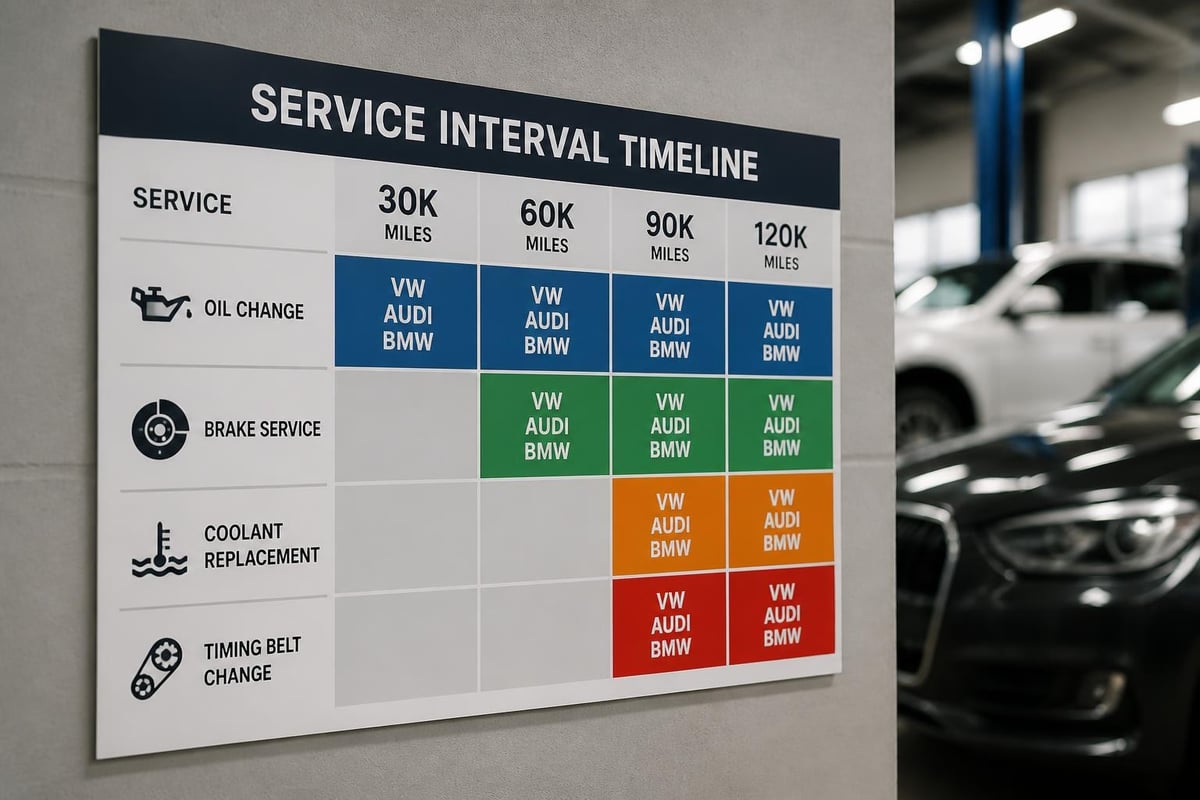
European manufacturers design their vehicles with specific service intervals that account for engine technology, oil capacity, and component longevity. Understanding these intervals helps prevent unexpected breakdowns and maintains warranty coverage where applicable.
Key maintenance milestones include:
- Oil and filter changes every 10,000-15,000 kilometres (or as specified by manufacturer)
- Brake fluid replacement every two years
- Coolant system service every four to five years
- Transmission fluid changes at prescribed intervals
- Timing belt replacement between 90,000-150,000 kilometres depending on model
Many vehicle owners don't realize that following a routine car maintenance checklist can significantly extend the lifespan of critical components. The investment in scheduled services consistently proves more economical than emergency repairs resulting from neglect.
Beyond the Service Schedule
While manufacturer recommendations provide an excellent baseline, certain driving conditions and usage patterns require more frequent attention. Vehicles operating in harsh environments, used for short trips, or subjected to performance driving need modified maintenance schedules.
| Condition | Impact | Recommended Action |
|---|---|---|
| Short trips (under 10km) | Increased engine wear, moisture accumulation | More frequent oil changes, battery checks |
| Coastal environments | Accelerated corrosion, brake component wear | Quarterly underbody inspection, brake cleaning |
| Performance driving | Higher thermal stress on fluids and brakes | Track-specific fluid specifications, frequent inspection |
| Heavy traffic commuting | Extended idle time, thermal cycling | Coolant system monitoring, air filter replacement |
Recognizing Early Warning Signs
Successful auto repairs and maintenance strategies depend on identifying problems before they escalate into major failures. European vehicles incorporate sophisticated diagnostic systems that alert drivers to developing issues, but understanding the subtler signs of wear requires attention and experience.
Dashboard Warnings and Diagnostics
Modern European vehicles feature comprehensive onboard diagnostics that monitor hundreds of parameters continuously. When warning lights illuminate, they represent the vehicle's attempt to communicate specific concerns that require professional attention.
Common warning indicators include:
- Check engine light (emissions system, sensor malfunctions)
- Brake system warning (pad wear, fluid level, ABS faults)
- Oil pressure or level alerts
- Coolant temperature warnings
- Transmission fault indicators
Ignoring these warnings can transform minor repairs into substantial expenses. Research on auto repair cost uncertainty reveals that consumers often delay necessary repairs due to concerns about pricing, which frequently results in more expensive interventions later.
Physical Symptoms That Demand Attention
Beyond electronic warnings, vehicles communicate through changes in behavior, sounds, and physical characteristics. Developing an awareness of your vehicle's normal operation makes these changes immediately apparent.
Unusual noises such as grinding during braking, clicking from the suspension, or whining from the transmission all indicate specific component wear. Vibrations through the steering wheel or chassis can point to wheel balance issues, worn suspension bushings, or brake disc problems. Changes in handling characteristics, including pulling to one side or increased steering effort, similarly warrant immediate investigation.
Fluid leaks represent another critical warning sign. Oil, coolant, transmission fluid, and brake fluid all have distinct colors and consistencies. Identifying the source and type of leak helps technicians diagnose problems quickly and prevents catastrophic failures from fluid loss.
Essential Components Requiring Regular Attention
Certain vehicle systems require more frequent monitoring and maintenance than others due to their critical role in safety and performance. Understanding these priority areas helps vehicle owners allocate maintenance resources effectively.
Brake System Maintenance
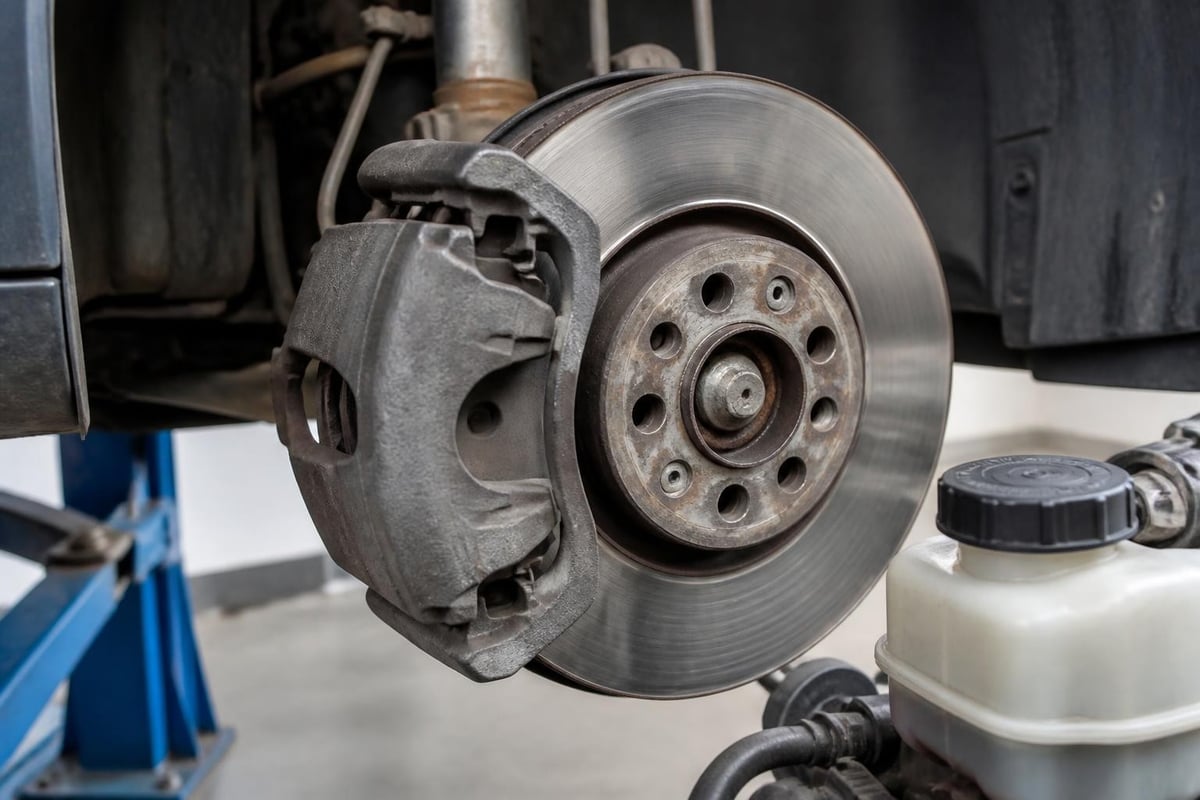
The brake system represents the most critical safety feature on any vehicle. European vehicles often feature high-performance brake systems with specific requirements for pad compound, rotor specifications, and fluid quality.
Brake pads wear gradually through normal use, with wear rates varying based on driving style and conditions. Regular inspection allows replacement before metal-to-metal contact damages rotors, converting a straightforward pad replacement into a more expensive rotor and pad service. Brake fluid, being hygroscopic, absorbs moisture over time, reducing boiling point and potentially causing brake fade or component corrosion.
Tyre Care and Alignment
Tyres represent the sole contact between vehicle and road surface, making their condition paramount for safety and performance. Beyond simple tread depth monitoring, auto repairs and maintenance protocols must include regular pressure checks, rotation schedules, and alignment verification.
Incorrect tyre pressure affects handling, fuel efficiency, and wear patterns. Under-inflation causes excessive sidewall flexing and heat buildup, while over-inflation reduces contact patch size and compromises grip. Rotation at 10,000-kilometre intervals promotes even wear across all four tyres, maximizing their usable life. Preventative vehicle maintenance tips often emphasize tyre care as one of the most cost-effective maintenance activities.
Wheel alignment affects tyre wear, handling precision, and fuel economy. Misalignment can result from impact with potholes, kerbs, or general suspension component wear. Symptoms include uneven tyre wear patterns, steering pull, and off-center steering wheel position when driving straight.
Fluid Systems and Their Critical Role
European vehicles rely on multiple fluid systems, each engineered for specific performance characteristics and service intervals. Understanding these systems helps prevent failures and maintains optimal performance.
Engine Oil Selection and Service
Engine oil serves multiple functions: lubricating moving parts, cooling critical components, suspending contaminants, and sealing piston rings. European manufacturers specify oil viscosity grades and quality standards (such as VW 504/507 or BMW LL-04) that meet their engines' specific requirements.
Using incorrect oil specifications can void warranties and cause accelerated wear. Modern European engines often feature tight tolerances, turbochargers, and extended service intervals that demand high-quality synthetic oils meeting precise specifications. The service interval depends on multiple factors, including oil quality, driving conditions, and manufacturer recommendations.
Cooling System Integrity
The cooling system maintains optimal engine operating temperature across varying ambient conditions and load levels. Components including the radiator, water pump, thermostat, hoses, and coolant itself all require periodic inspection and replacement.
Coolant degrades over time, losing its ability to prevent corrosion and transfer heat efficiently. Most European manufacturers specify coolant replacement every four to five years, regardless of mileage. Water pump failure represents a common issue on higher-mileage vehicles, often addressed during timing belt replacement to minimize labor duplication.
The Economics of Scheduled Maintenance Versus Emergency Repairs
Financial considerations significantly influence maintenance decisions, yet the numbers consistently favor preventative approaches over reactive repairs. Current auto repair industry statistics demonstrate that preventative maintenance reduces total ownership costs substantially compared to deferred maintenance strategies.
| Maintenance Approach | Annual Cost (Average) | Unexpected Repairs | Vehicle Reliability | Resale Value Impact |
|---|---|---|---|---|
| Scheduled preventative | $1,200-1,800 | Minimal | High | Positive (+15-20%) |
| Reactive only | $800-1,200 initial | Frequent ($2,000-4,000) | Low | Negative (-20-30%) |
| Deferred/neglected | $200-400 initial | Severe ($3,000-8,000) | Very low | Significant negative (-30-50%) |
These figures reflect typical patterns for European vehicles aged 5-10 years. The initial savings from avoiding scheduled maintenance quickly evaporate when major component failures occur. Timing belt failure, for instance, often results in catastrophic engine damage costing many thousands in repairs, whereas preventative replacement represents a fraction of that expense.
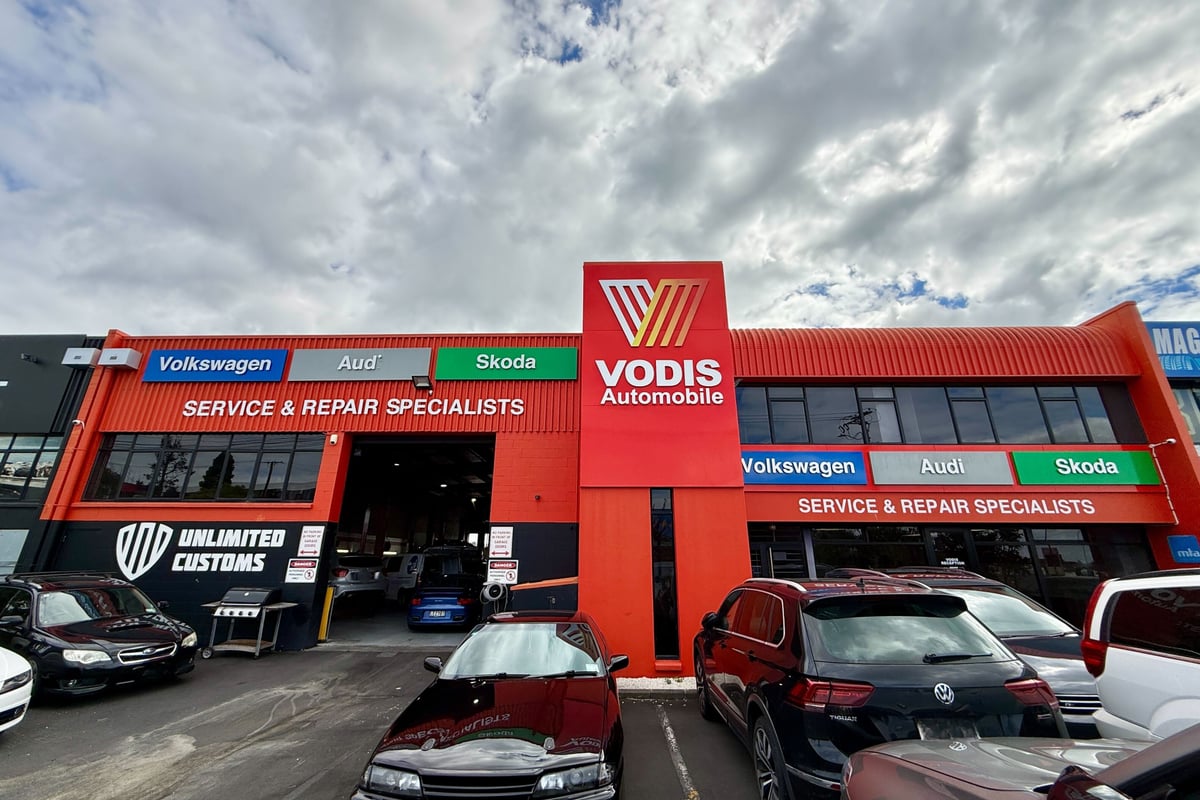
Professional servicing by specialists familiar with European vehicles ensures that maintenance follows manufacturer specifications and uses appropriate parts. For North Shore Auckland residents, accessing expert VW, Audi, and Skoda servicing through booking portals streamlines the maintenance process and ensures work is completed by factory-trained technicians.
Seasonal Considerations for Auto Repairs and Maintenance
New Zealand's climate, while temperate, still presents seasonal challenges that influence maintenance priorities. Adjusting your auto repairs and maintenance schedule to account for seasonal factors helps prevent weather-related issues.
Winter Preparation
Cooler temperatures affect battery performance, tyre pressure, and fluid viscosity. Batteries lose cranking power as temperatures drop, making pre-winter testing essential for vehicles with aging batteries. Tyre pressure decreases approximately 1 PSI for every 5-degree temperature drop, requiring adjustment to maintain optimal pressure.
Windscreen washer fluid should contain appropriate antifreeze additive to prevent freezing in the reservoir and spray nozzles. Wiper blades deteriorate over time and warrant inspection before winter rainfall increases. Headlight aim and bulb function become more critical with extended darkness periods.
Summer Readiness
Higher temperatures stress cooling systems, air conditioning components, and batteries. Cooling system inspection before summer ensures that radiators, hoses, and coolant levels can handle increased thermal loads. Air conditioning performance checks verify refrigerant charge and system integrity.
Battery terminals should be clean and tight, as heat accelerates battery deterioration. Tyre pressure increases with temperature, requiring monitoring to prevent over-inflation. Paint and interior protection from UV exposure, while not strictly mechanical maintenance, preserves vehicle appearance and value.
Common Repair Issues in European Vehicles
While European vehicles are engineered to high standards, certain common issues emerge across different models and manufacturers. Understanding these patterns helps owners anticipate and budget for likely repairs as vehicles age.
Electrical System Complexity
European vehicles feature sophisticated electrical systems controlling everything from engine management to comfort features. Window regulators, central locking actuators, and control modules can fail over time. Diagnostic expertise becomes essential for efficient troubleshooting, as symptoms often don't directly indicate the root cause.
Battery drain issues frequently result from modules failing to enter sleep mode, requiring systematic diagnosis to identify the culprit circuit. Alternator and battery testing should be comprehensive, measuring not just voltage but also charging system performance under load.
Suspension and Steering Components
European vehicles often prioritize handling precision, employing complex suspension geometries with multiple bushings, joints, and adjustable components. These elements wear through normal use, affecting handling and alignment.
Control arm bushings, ball joints, and anti-roll bar links all have finite service lives. Regular inspection identifies wear before it affects safety or damages other components. Replacement with quality parts matching original specifications ensures maintained handling characteristics.
Many vehicle owners also maintain organized garage spaces to protect their vehicles and perform basic maintenance tasks. NextLevel Garage Co. demonstrates how proper garage setup, including storage solutions and floor protection, can facilitate regular vehicle care and preserve automotive investments.
Choosing Quality Parts and Service Providers
The parts and service providers selected for auto repairs and maintenance directly impact reliability, performance, and long-term costs. European vehicles benefit from parts meeting or exceeding original equipment specifications and installation by technicians with manufacturer-specific training.
Original Equipment Versus Aftermarket Parts
Original equipment manufacturer (OEM) parts are designed specifically for each vehicle model, ensuring precise fit and function. Genuine parts typically carry manufacturer warranties and meet exact specifications for materials, tolerances, and performance.
Quality aftermarket parts from reputable suppliers can offer excellent value, particularly for wear items like brake pads and filters. However, critical components such as timing belts, water pumps, and fuel system parts warrant OEM quality to ensure reliability. Understanding car maintenance tips includes recognizing when to prioritize parts quality over initial cost savings.
Parts selection considerations:
- Critical safety components (brakes, suspension, steering): OEM or equivalent quality
- Wear items (filters, wipers, bulbs): Quality aftermarket acceptable
- Engine internals and timing components: OEM strongly recommended
- Electrical components: OEM preferred due to compatibility concerns
- Body and trim parts: Quality aftermarket often suitable
Specialist Expertise Advantages
European vehicles incorporate manufacturer-specific technologies, diagnostic protocols, and service procedures that require specialized knowledge and equipment. Generalist repair facilities may lack the diagnostic tools, technical information, or experience necessary for efficient, accurate service.
Specialists invest in manufacturer-specific diagnostic equipment, technical training, and parts inventory that enables faster diagnosis and repair completion. Their experience with particular brands means they recognize common issues quickly and understand the nuances of different model years and variants.
Factory-trained technicians understand the engineering philosophy behind design decisions, allowing them to diagnose complex interactions between systems that might confuse less experienced technicians. This expertise proves particularly valuable when addressing intermittent faults or symptoms that don't trigger specific diagnostic codes.
Record Keeping and Documentation
Maintaining comprehensive service records provides multiple benefits throughout vehicle ownership. Documentation demonstrates that auto repairs and maintenance followed manufacturer schedules, supporting warranty claims and enhancing resale value.
Digital and Physical Records
Modern service facilities typically maintain digital service histories accessible through customer portals. These records detail work performed, parts installed, and recommendations for future service. Supplementing digital records with physical copies provides redundancy and portability if changing service providers.
Service records should include dates, mileage, work performed, parts used (including part numbers), and the facility that completed the work. Receipt copies, warranty cards, and technical service bulletins addressed during repairs all contribute to comprehensive documentation.
Value in the Resale Market
Prospective buyers of used European vehicles place significant value on documented service history. Industry statistics consistently show that vehicles with complete service records command premium prices and sell more quickly than those lacking documentation.
A documented history demonstrates responsible ownership and allows buyers to verify that critical services like timing belt replacement occurred at appropriate intervals. This transparency reduces buyer risk and justifies higher asking prices that often exceed the cumulative maintenance investment.
Technology Integration in Modern Maintenance
Contemporary European vehicles incorporate advanced technologies that both simplify and complicate auto repairs and maintenance procedures. Understanding these systems helps owners work effectively with service providers and make informed decisions.
Onboard Diagnostics and Predictive Maintenance
Modern vehicles continuously monitor component condition and predict service requirements based on actual usage rather than just mileage or time. Oil life monitors, for example, consider factors including engine temperature, load, and operating conditions to recommend optimal change intervals.
These predictive systems provide more accurate service timing than fixed intervals, potentially extending service life under gentle use while recommending earlier intervention for severe conditions. However, they require periodic reset by service technicians using appropriate diagnostic equipment.
Remote Diagnostics and Connectivity
Many European vehicles now feature connectivity allowing remote diagnostics and even some software updates. This technology enables proactive maintenance scheduling and early fault detection, potentially preventing breakdowns through early intervention.
Connected vehicles can alert owners and service providers to developing issues before dashboard warnings illuminate, allowing scheduled repairs rather than emergency interventions. Software updates can address minor issues, improve performance, or enhance features without requiring physical service visits.
Proper auto repairs and maintenance represent the most reliable path to long-term vehicle satisfaction and minimized ownership costs, particularly for sophisticated European vehicles that reward attentive care. Whether you drive a Volkswagen, Audi, Mercedes, BMW, or Skoda on Auckland's North Shore, VODIS Automobile offers the specialized expertise, genuine parts, and professional service your vehicle deserves, backed by over 20 years of trusted experience and a commitment to clear communication throughout every service.