


Service maintenance represents the cornerstone of vehicle longevity and performance, particularly for sophisticated European automobiles. Whether you drive a Volkswagen, Audi, Mercedes, BMW, or Skoda, understanding the principles of effective maintenance can dramatically extend your vehicle's lifespan whilst preventing costly repairs. This comprehensive approach to vehicle care encompasses everything from routine inspections to predictive diagnostics, ensuring your European car continues to deliver the performance and reliability you expect.
Understanding Service Maintenance Fundamentals
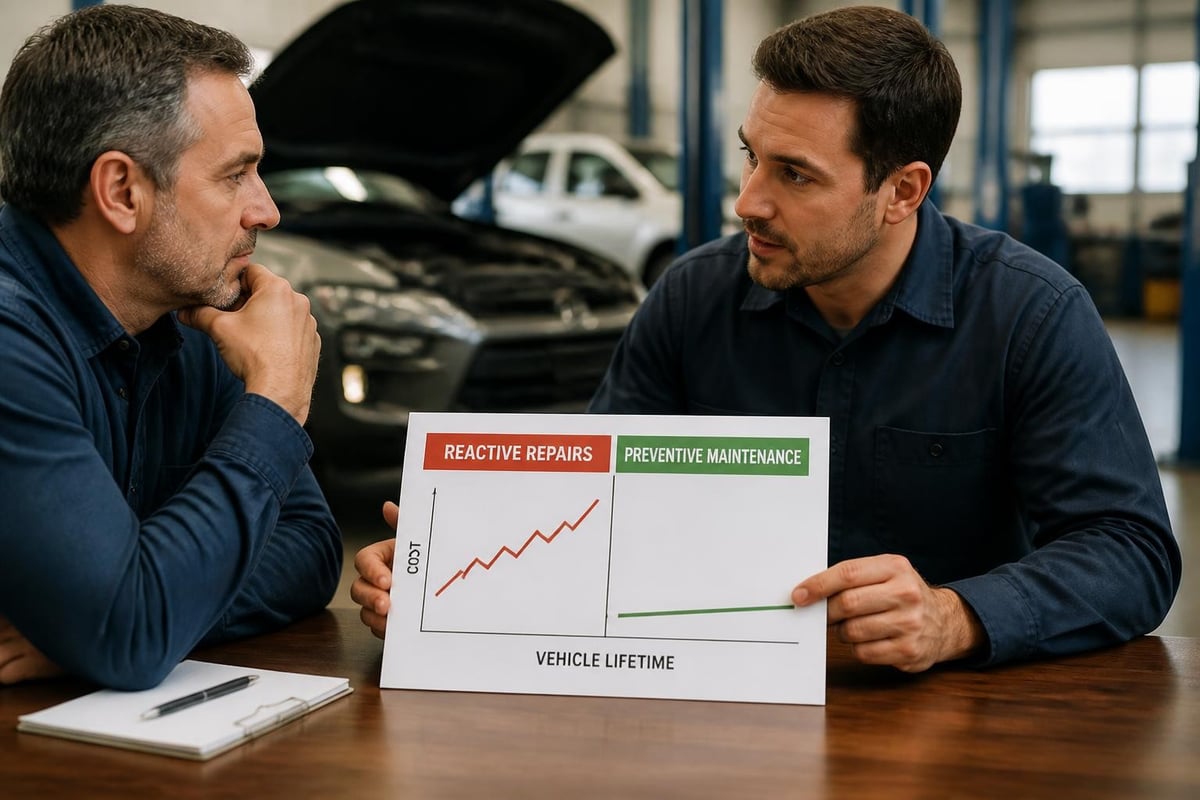
Service maintenance differs fundamentally from reactive repairs. Rather than waiting for components to fail, a structured maintenance programme anticipates wear patterns and addresses potential issues before they escalate into major problems. This proactive philosophy aligns perfectly with European vehicle engineering, where precision components work in harmony to deliver exceptional driving experiences.
The foundation of any effective service maintenance strategy begins with recognising that modern European vehicles contain intricate systems requiring specialist knowledge. Electronic control units, advanced suspension systems, and sophisticated engine management technologies demand more than basic mechanical understanding. They require technicians who comprehend the unique characteristics of each manufacturer's approach to automotive engineering.
The Economics of Preventive Care
Implementing regular service maintenance delivers measurable financial benefits. Consider the following comparison:
| Maintenance Approach | Average Annual Cost | Unexpected Repair Risk | Vehicle Longevity |
|---|---|---|---|
| Reactive only | $800-1,200 | High | 8-10 years |
| Scheduled service | $1,200-1,800 | Medium | 12-15 years |
| Comprehensive preventive | $1,500-2,200 | Low | 15-20 years |
The numbers reveal a clear pattern. Whilst comprehensive service maintenance requires higher upfront investment, the reduction in catastrophic failures and extended vehicle life creates substantial long-term savings. Preventive maintenance best practices emphasise this approach across various industries, demonstrating proven effectiveness.
Building an Effective Maintenance Schedule
European manufacturers design service maintenance intervals based on extensive testing and real-world data collection. These schedules account for engine tolerances, lubricant chemistry, and component wear rates specific to each model. Ignoring these carefully calculated intervals compromises both performance and warranty coverage.
Key scheduling components include:
- Oil and filter changes at manufacturer-specified intervals
- Brake fluid replacement every two years
- Coolant system service at designated kilometre markers
- Transmission fluid changes for manual and automatic gearboxes
- Air filter replacements based on driving conditions
- Spark plug replacement aligned with engine specifications
Creating a preventive maintenance checklist ensures no critical service point gets overlooked. This systematic approach proves particularly valuable for European vehicles, where component interdependencies mean a single neglected item can trigger cascading failures.
Seasonal Considerations for Service Maintenance
New Zealand's diverse climate patterns demand adaptable service maintenance strategies. North Shore Auckland experiences relatively mild conditions, yet seasonal variations still affect vehicle systems. Winter months place additional strain on batteries and heating systems, whilst summer heat challenges cooling systems and air conditioning components.
A comprehensive service maintenance programme addresses these seasonal factors:
- Pre-winter preparation includes battery testing, coolant concentration checks, and heating system verification
- Summer readiness focuses on air conditioning performance, cooling system integrity, and tyre pressure adjustments
- Year-round vigilance maintains optimal fluid levels and monitors wear indicators across all systems
Advanced Diagnostics in Modern Service Maintenance
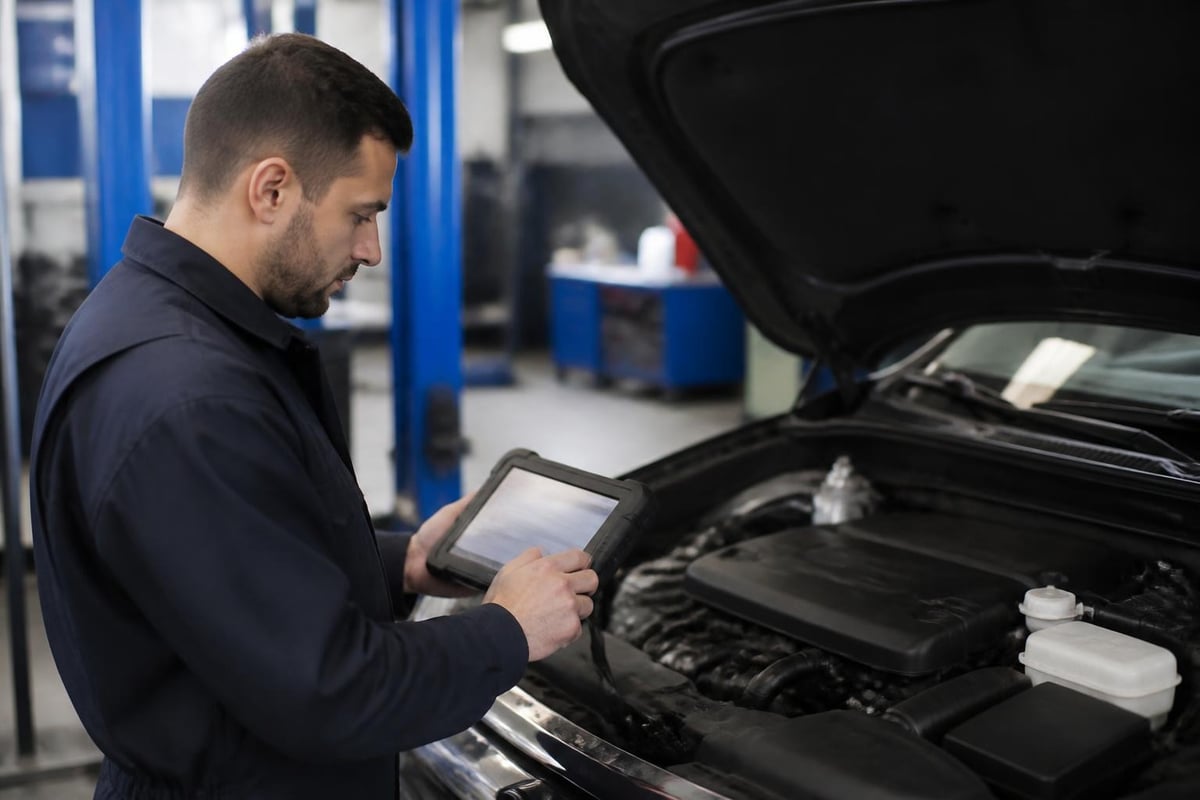
Contemporary European vehicles rely on sophisticated electronic systems that communicate through complex networks. Service maintenance now encompasses digital diagnostics that reveal issues invisible to traditional inspection methods. Fault codes, live data streams, and adaptation values provide technicians with precise information about system performance.
Diagnostic equipment must match vehicle sophistication. Generic code readers prove inadequate for European marques, which utilise proprietary protocols and manufacturer-specific parameters. Professional diagnostic approaches recognise this reality, emphasising the importance of specialised tools and training.
Predictive Maintenance Technologies
The evolution of service maintenance increasingly incorporates predictive analytics. Modern vehicles generate tremendous amounts of operational data, from engine parameters to transmission behaviour. Analysing these patterns enables technicians to identify developing issues before they manifest as failures.
Predictive indicators monitored during service maintenance:
- Engine oil degradation rates
- Component vibration signatures
- Electrical system voltage fluctuations
- Brake pad wear progression
- Transmission shift quality metrics
This data-driven approach transforms service maintenance from calendar-based schedules to condition-based interventions, optimising both timing and cost-effectiveness.
Critical Components Requiring Regular Attention
European vehicles contain several systems that demand particular attention within any service maintenance programme. Understanding these critical areas helps prioritise maintenance activities and allocate resources effectively.
| Component System | Service Interval | Common Issues | Neglect Consequences |
|---|---|---|---|
| Timing components | 60,000-100,000 km | Belt/chain wear | Catastrophic engine damage |
| Turbocharger | Every service | Oil contamination | Complete turbo failure |
| DSG transmission | 40,000-60,000 km | Clutch pack wear | Transmission replacement |
| Suspension bushings | 80,000-120,000 km | Deterioration | Handling degradation |
The VODIS VW, Audi & Skoda Service offering specifically addresses these critical European vehicle systems with factory-trained expertise and manufacturer-approved procedures. Their comprehensive approach ensures every essential component receives appropriate attention during scheduled maintenance visits.
Engine Management Systems
Modern European engines operate under precise parameters controlled by sophisticated electronic management systems. Service maintenance for these powerplants extends beyond oil changes to encompass sensor calibration, fuel system cleaning, and emission control verification. Carbon buildup in direct-injection engines represents a particular challenge, requiring periodic cleaning to maintain performance and efficiency.
Documentation and Record Keeping
Comprehensive service maintenance documentation serves multiple purposes beyond simply tracking completed work. Detailed records establish maintenance history that supports resale value, validates warranty claims, and enables technicians to identify recurring issues or unusual wear patterns.
Essential documentation elements include:
- Date and kilometre reading for each service
- Specific procedures performed
- Parts replaced with manufacturer and part numbers
- Technician observations and recommendations
- Next service due date and predicted kilometre reading
Digital service records provide accessibility and durability superior to traditional paper logbooks. Many European manufacturers now offer electronic service histories accessible through vehicle identification numbers, creating permanent maintenance records that follow vehicles through ownership changes.
The Role of Genuine and Quality Parts
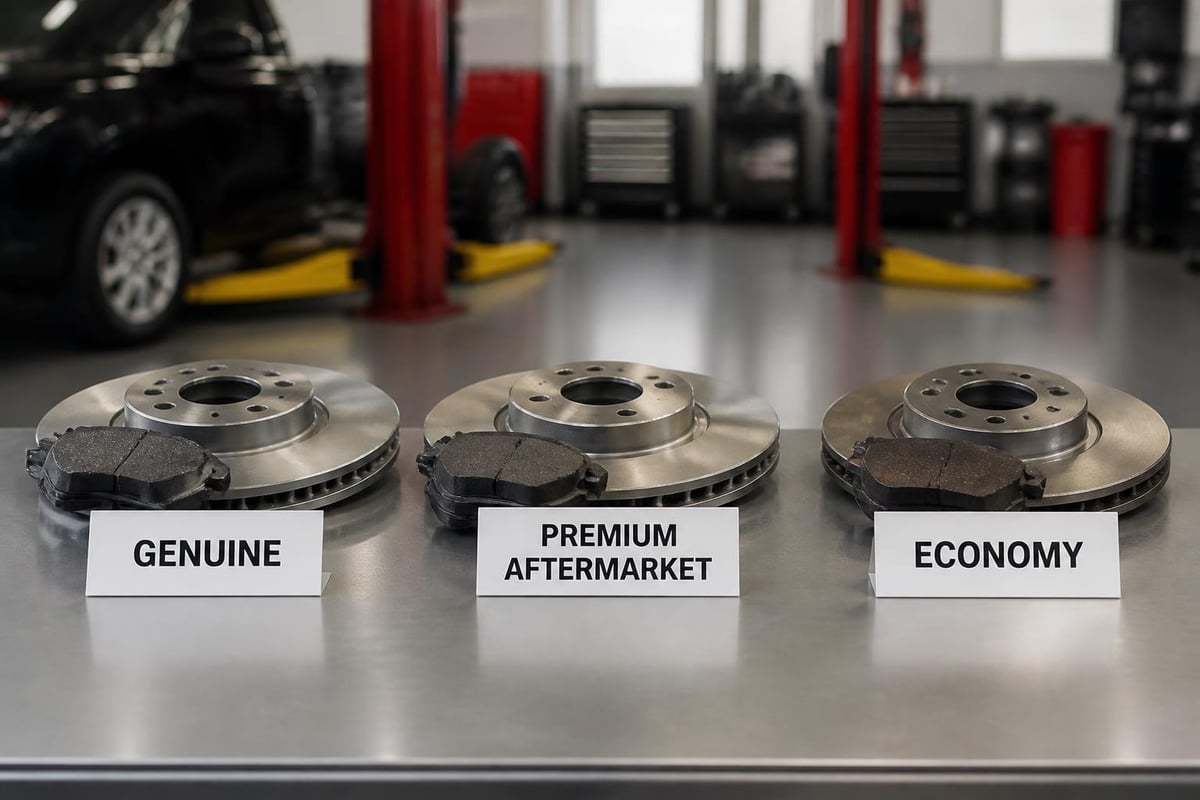
Service maintenance effectiveness depends heavily on component quality. European vehicles require parts manufactured to exacting specifications, whether genuine manufacturer-supplied items or premium aftermarket equivalents meeting original equipment standards. Compromising on part quality undermines the entire maintenance programme, introducing variables that accelerate wear and compromise reliability.
The distinction between economy parts and quality components manifests most clearly in longevity and performance:
- Brake components: Premium pads and discs deliver consistent performance across temperature ranges whilst minimising dust and noise
- Suspension elements: Quality bushings and mounts maintain dimensional stability under load and through temperature cycles
- Filters: High-efficiency filtration protects sensitive components from contaminants that cause premature wear
- Fluids: Specification-compliant lubricants ensure proper protection across operating conditions
Training and Expertise Requirements
Effective service maintenance for European vehicles demands specialised knowledge extending beyond general automotive repair capabilities. Factory training programmes provide technicians with manufacturer-specific procedures, diagnostic strategies, and technical updates essential for proper maintenance execution.
Consider the complexity of servicing a modern European diesel engine with particulate filtration. The procedure requires understanding regeneration cycles, soot loading parameters, sensor calibration, and software adaptation. Generic training proves inadequate for such sophisticated systems. Service process optimisation emphasises this specialisation requirement across technical industries.
Continuous Learning in Evolving Technology
European manufacturers continuously refine vehicle technologies, introducing new systems and updating existing components. Service maintenance technicians must engage in ongoing education to maintain competency. Technical bulletins, software updates, and revised procedures require regular attention to ensure maintenance work reflects current best practices.
Optimising Service Maintenance Intervals
Whilst manufacturer schedules provide baseline guidance, individual driving patterns and conditions may warrant adjusted service maintenance frequencies. Understanding these variables enables customised maintenance programmes that better suit actual vehicle usage.
Factors influencing optimal intervals:
- Predominantly short-trip urban driving versus motorway kilometres
- Dusty or coastal environments affecting filtration requirements
- Towing or performance driving increasing component stress
- Extended periods of vehicle inactivity
- Fuel quality variations
Maintenance scheduling frameworks provide structured approaches to balancing these variables against standard service intervals. The goal remains protecting vehicle investment whilst avoiding unnecessary service frequency.
Quality Assurance in Service Delivery
Service maintenance quality depends on systematic verification processes ensuring completed work meets established standards. Post-service inspection protocols confirm proper installation, correct fluid levels, and appropriate system operation. Test drives validate dynamic performance, whilst diagnostic scans verify electronic systems function within normal parameters.
Quality service maintenance organisations implement multi-point inspection processes that examine vehicle condition beyond immediate service requirements. These comprehensive assessments identify developing issues, enabling proactive intervention before problems escalate. Customers receive detailed reports outlining current vehicle status and recommended future actions.
Customer Communication Standards
Transparent communication forms an integral component of professional service maintenance delivery. Customers deserve clear explanations of required work, accurate cost estimates, and realistic timeframe projections. When unexpected issues arise during service, prompt notification with detailed explanations and options empowers customers to make informed decisions.
Professional service providers maintain customer accessibility throughout the service process. Real-time updates, photographic documentation of identified issues, and direct technician availability create confidence in service quality and business integrity.
Environmental Considerations in Service Maintenance
Modern service maintenance practices incorporate environmental responsibility alongside technical excellence. Proper fluid disposal, parts recycling, and energy-efficient facility operations demonstrate commitment to sustainable business practices. European vehicle owners increasingly value service providers who prioritise environmental stewardship.
Environmentally responsible practices include:
- Waste oil collection and recycling programmes
- Refrigerant recovery and proper handling
- Battery and tyre recycling partnerships
- Energy-efficient equipment and facility lighting
- Digital documentation reducing paper consumption
Warranty Protection Through Proper Maintenance
New European vehicles include comprehensive warranty coverage protecting against manufacturing defects and premature component failures. However, warranty validity depends on adherence to prescribed service maintenance schedules performed by qualified technicians using appropriate parts and procedures.
Maintaining detailed service records becomes essential for warranty claims. Manufacturers require proof that proper maintenance occurred at specified intervals using approved materials. Missing documentation or evidence of neglected service maintenance provides grounds for warranty denial, potentially leaving owners responsible for expensive repairs.
The online booking portal at VODIS streamlines scheduling appointments that maintain warranty compliance whilst ensuring European vehicles receive appropriate care from factory-trained specialists.
Long-Term Value Preservation
Beyond mechanical reliability, consistent service maintenance directly influences resale value. Prospective buyers scrutinise maintenance history when evaluating used European vehicles, recognising that proper care indicates responsible ownership and suggests continued reliability. Comprehensive service records justify premium asking prices and accelerate sales processes.
The investment in regular service maintenance compounds over time, creating vehicles that maintain performance capabilities and aesthetic appeal well beyond typical ownership periods. This long-term value preservation makes disciplined maintenance economically rational even for owners who eventually sell their vehicles.
Service maintenance represents far more than routine tasks performed at specified intervals. It embodies a comprehensive philosophy of proactive care that protects your European vehicle investment whilst ensuring optimal performance and reliability. When you're ready to experience expert service maintenance delivered by factory-trained technicians who understand your Volkswagen, Audi, Mercedes, BMW, or Skoda, VODIS Automobile offers over 20 years of trusted expertise with a 12-month parts and labour warranty on all work.