
Professional service maintenance and repair practices form the cornerstone of vehicle longevity, performance, and safety. For European vehicle owners, understanding the nuances of proper maintenance scheduling, preventive care protocols, and quality repair standards ensures their investment remains protected while delivering optimal performance. This comprehensive guide explores the essential elements of effective service maintenance and repair strategies, from establishing structured schedules to implementing best practices that align with manufacturer specifications and industry standards.
Understanding Service Maintenance and Repair Fundamentals
Service maintenance and repair encompasses a broad spectrum of activities designed to keep vehicles operating at peak efficiency. These activities range from routine preventive tasks to complex diagnostic procedures and corrective repairs.
The distinction between maintenance and repair is crucial for vehicle owners to understand. Maintenance refers to scheduled, proactive interventions that prevent breakdowns and extend component life. Repair addresses specific failures or malfunctions that have already occurred. Both elements work synergistically to ensure vehicle reliability.
European vehicles, particularly Volkswagen, Audi, Mercedes, BMW, and Skoda models, require specialized attention due to their sophisticated engineering and advanced systems. The Bureau of Automotive Repair establishes standards that automotive repair dealers must follow, ensuring work is performed safely and consistently across the industry.
The Three Pillars of Effective Maintenance
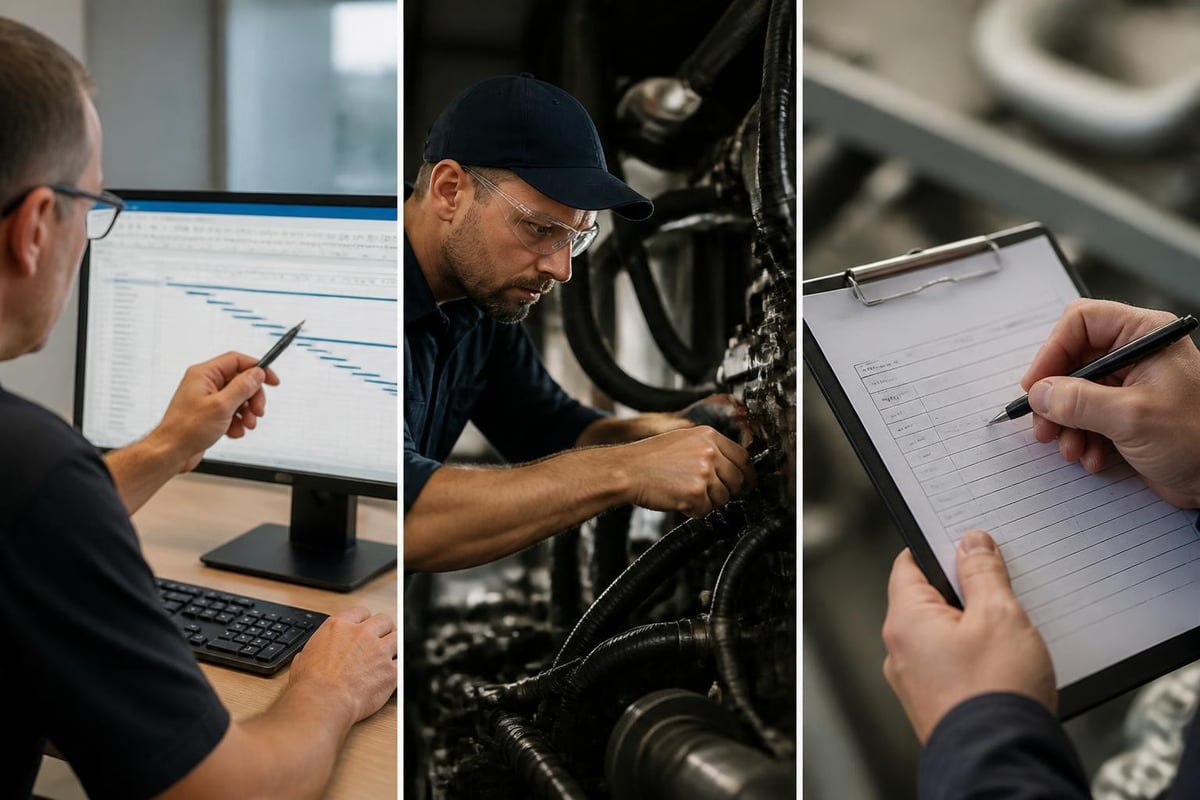
Successful service maintenance and repair programs rest on three fundamental pillars: planning, execution, and documentation. Each pillar contributes equally to the overall effectiveness of your maintenance strategy.
Planning involves identifying critical maintenance intervals based on manufacturer recommendations, vehicle usage patterns, and environmental conditions. This phase requires careful consideration of factors such as driving habits, climate exposure, and performance requirements.
Execution demands skilled technicians, appropriate tools, and genuine or high-quality replacement parts. The technical expertise required for European vehicles exceeds that of many mass-market brands due to proprietary systems and specialized components.
Documentation creates an invaluable historical record that informs future maintenance decisions, supports warranty claims, and enhances resale value. Comprehensive records demonstrate responsible ownership and provide transparency for subsequent owners.
Preventive Maintenance Strategies for European Vehicles
Preventive maintenance represents the most cost-effective approach to service maintenance and repair. By addressing potential issues before they escalate into failures, vehicle owners avoid expensive repairs and unexpected breakdowns.
According to equipment maintenance best practices, implementing regular maintenance schedules and maintaining detailed logs significantly reduces downtime and extends equipment lifespan. These principles apply equally to automotive service.
Essential Preventive Maintenance Components
European vehicles require attention to several key systems and components:
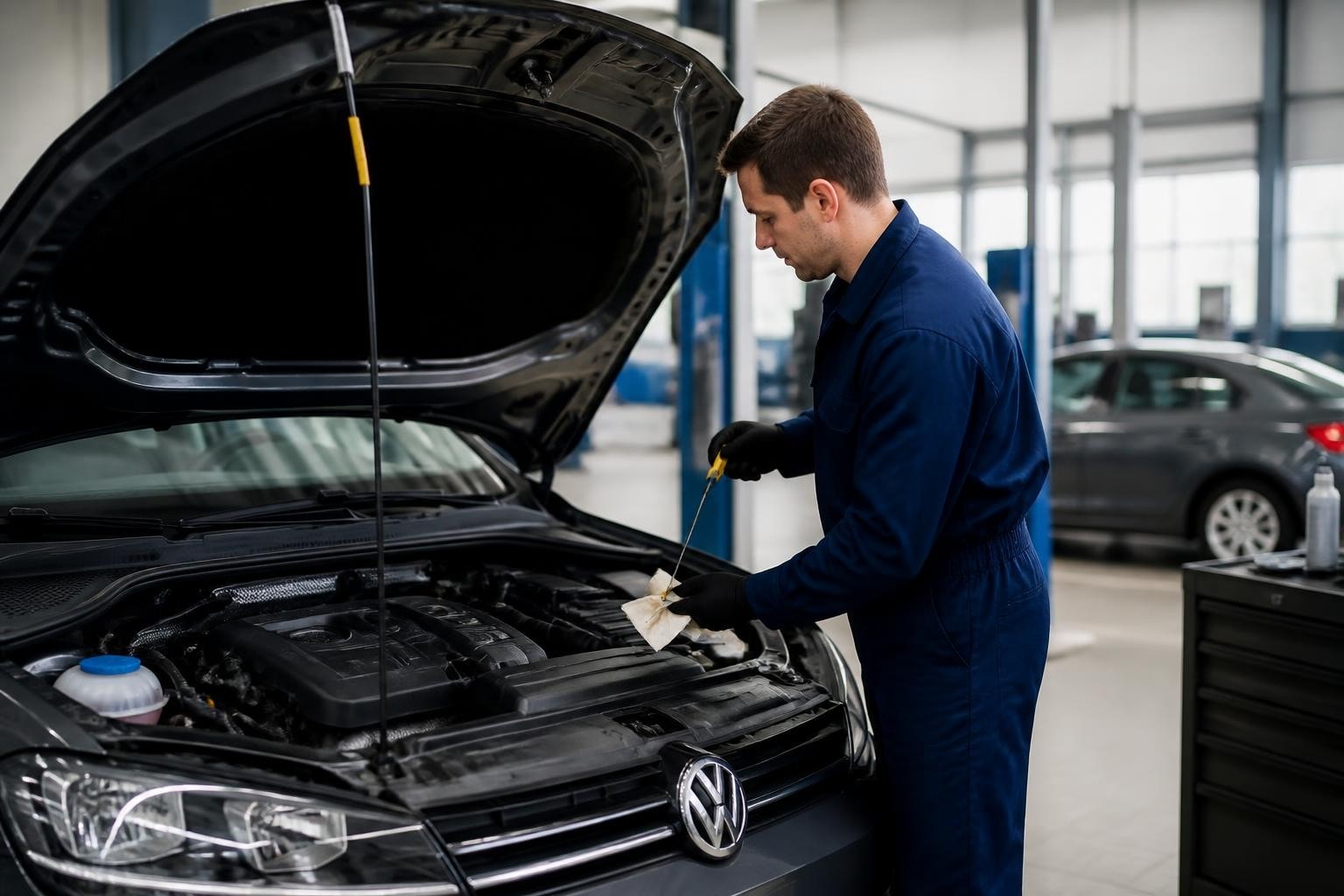
- Engine oil and filter changes at manufacturer-specified intervals
- Transmission fluid service following specific European specifications
- Brake system inspections including pads, rotors, and brake fluid condition
- Cooling system maintenance with proper coolant mixtures for European engines
- Timing belt or chain service based on precise kilometre or age thresholds
- Fuel system cleaning to maintain injection efficiency
- Air filter replacement for optimal engine performance
The Fluke guide to preventive maintenance emphasizes lubricating parts and inspecting electrical systems to optimize asset performance and reduce unexpected failures.
| Maintenance Task | Typical Interval | Critical for Models |
|---|---|---|
| Oil Service | 15,000 km or 12 months | All European vehicles |
| Brake Fluid | 24 months | BMW, Mercedes, Audi |
| Coolant System | 60,000 km or 3 years | VW, Skoda, Audi |
| Timing Belt | 90,000-120,000 km | VW, Audi, Skoda |
| Transmission Service | 60,000 km | Mercedes, BMW |
| Spark Plugs | 60,000-90,000 km | All petrol engines |
Diagnostic Technology and Modern Maintenance
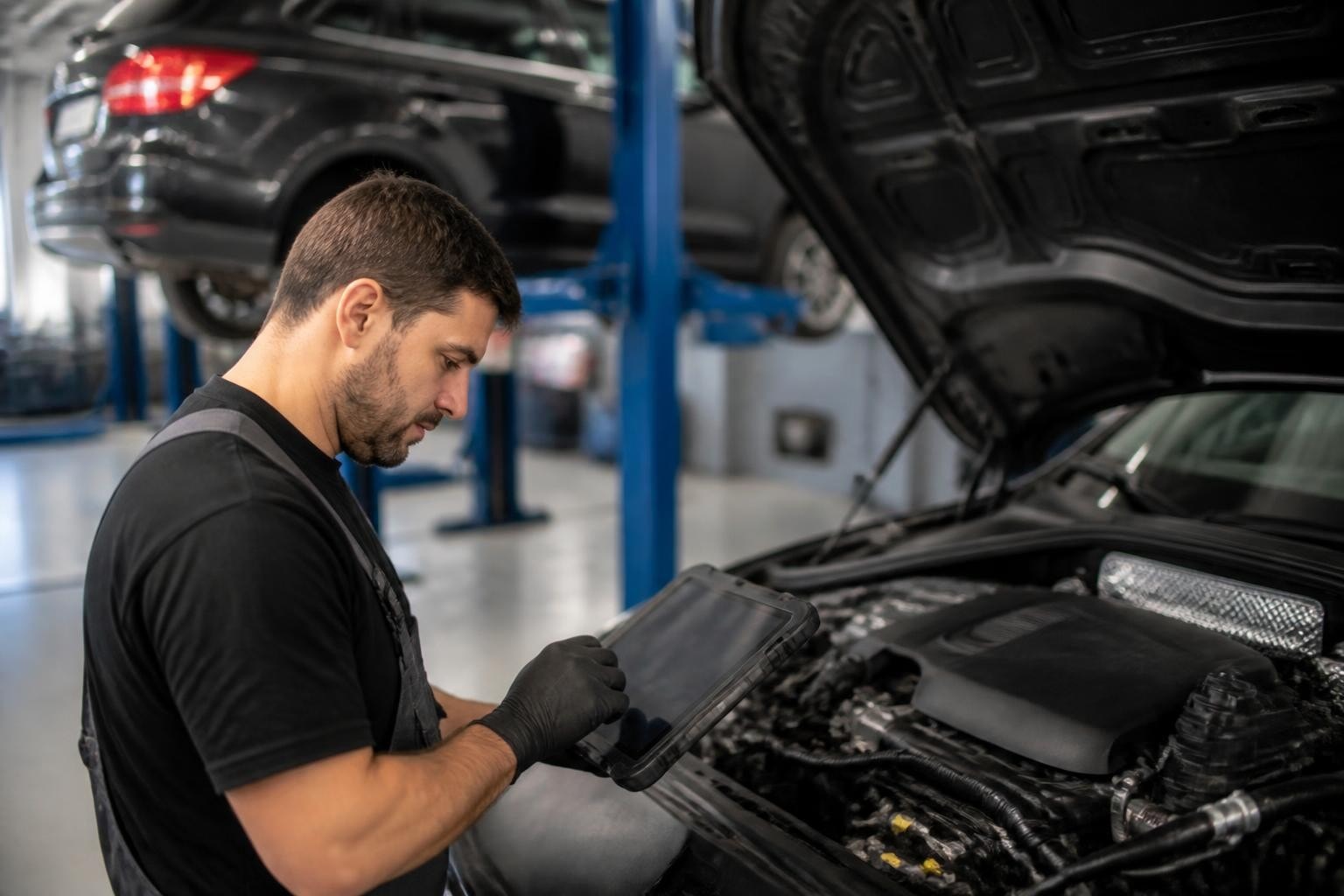
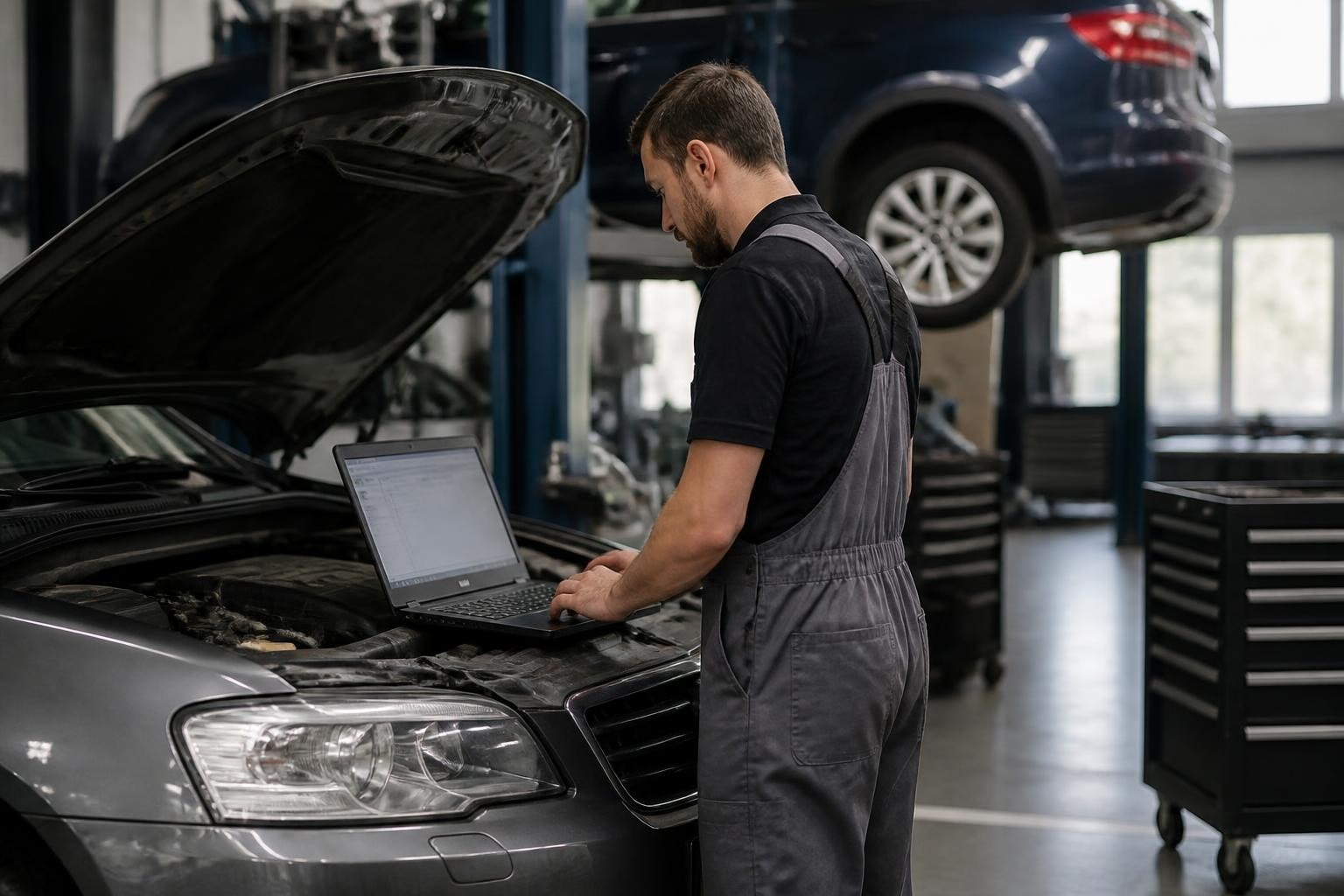
Contemporary European vehicles rely on sophisticated electronic control units and sensor networks that require specialized diagnostic equipment. Service maintenance and repair procedures now incorporate extensive computer diagnostics to identify issues invisible to visual inspection.
Factory-level diagnostic tools access manufacturer-specific fault codes, adaptation values, and system parameters essential for accurate troubleshooting. Generic code readers often miss critical European vehicle data, leading to incomplete diagnoses and ineffective repairs.
Advanced diagnostics enable predictive maintenance by identifying trends in sensor data before component failure occurs. This proactive approach aligns with maintenance management best practices that emphasize planning and scheduling maintenance activities to improve efficiency and reliability.
Quality Standards and Service Excellence
Professional service maintenance and repair adheres to stringent quality standards that protect consumers and ensure consistent results. Understanding these standards helps vehicle owners evaluate service providers effectively.
The quality standards for maintenance and repair service providers offer guidelines to ensure compliance with good practices in maintenance management.
Evaluating Service Provider Credentials
When selecting a service centre for European vehicles, several factors distinguish exceptional providers from adequate ones:
- Factory training and certifications for specific brands and models
- Investment in specialized diagnostic equipment and tools
- Access to genuine parts or approved equivalent components
- Warranty provisions on parts and labour
- Transparent communication about required services and costs
- Customer service standards including courtesy vehicles and convenient scheduling
For Volkswagen, Audi, and Skoda owners on Auckland's North Shore, Vodis VW | Audi | Skoda Service provides expert servicing with factory-trained technicians, genuine or high-quality European parts, and honest advice backed by a 12-month parts and labour warranty on all work.

Parts Quality and Warranty Considerations
Service maintenance and repair outcomes depend heavily on parts quality. European vehicles engineered to precise tolerances require components meeting strict specifications.
Genuine parts offer guaranteed compatibility and performance but typically command premium pricing. OEM-equivalent parts from reputable manufacturers provide comparable quality at reduced cost. Aftermarket parts vary widely in quality and suitability.
| Part Category | Quality Level | Warranty Coverage | Cost Comparison |
|---|---|---|---|
| Genuine OEM | Highest | Full manufacturer warranty | Premium |
| OEM Equivalent | High | Supplier warranty | Moderate |
| Premium Aftermarket | Variable | Limited warranty | Budget-friendly |
| Economy Aftermarket | Lowest | Minimal warranty | Lowest cost |
Quality service providers maintain transparency about parts sourcing and explain the implications of different options. This honesty enables informed decisions balancing budget constraints against long-term reliability requirements.
Maintenance Scheduling and Resource Management
Effective service maintenance and repair requires structured scheduling that balances vehicle needs against operational demands. The maintenance scheduling best practices emphasize prioritizing assets based on criticality and ensuring accurate resource allocation.
Building an Optimal Maintenance Calendar
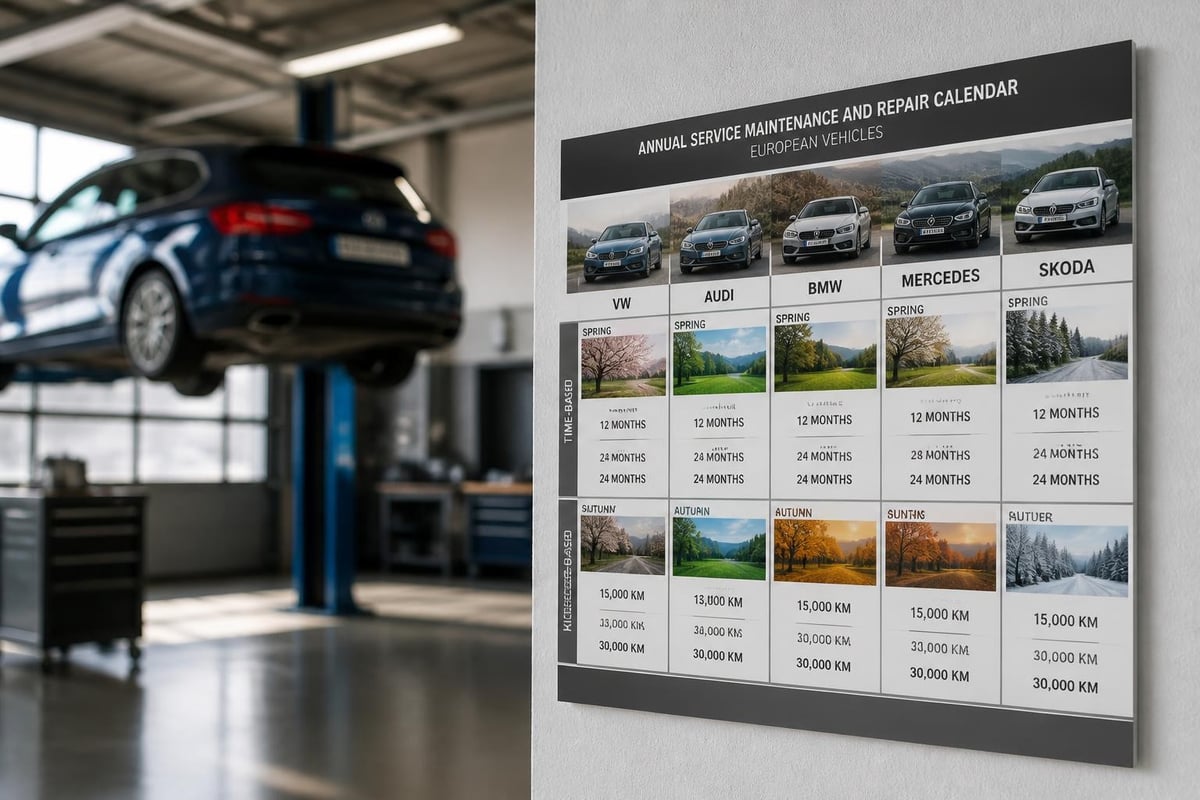
European vehicle maintenance schedules typically follow manufacturer guidelines supplemented by usage-based adjustments. High-performance models or vehicles operating in severe conditions require accelerated service intervals.
Time-based scheduling addresses components degrading regardless of usage, such as brake fluid, coolant, and rubber components. Distance-based scheduling covers wear items like brake pads, tyres, and engine oil.
Creating a comprehensive maintenance calendar involves:
- Recording manufacturer service intervals from the owner's manual
- Adjusting for personal driving conditions and habits
- Setting calendar reminders for time-sensitive services
- Tracking kilometre accumulation for distance-based maintenance
- Planning financially for major services in advance
Seasonal Maintenance Considerations
New Zealand's diverse climate conditions demand seasonal attention to specific vehicle systems. Winter months stress batteries, cooling systems, and wiper components, while summer heat challenges air conditioning and cooling efficiency.
A proactive approach to seasonal service maintenance and repair includes:
- Pre-winter preparations: battery testing, antifreeze concentration checks, wiper blade replacement
- Summer readiness: air conditioning performance verification, cooling system inspection, tyre pressure optimization
- Year-round vigilance: fluid levels, tyre condition, brake performance, lighting systems
Advanced Repair Procedures and Specialist Requirements
Complex service maintenance and repair procedures for European vehicles often exceed the capabilities of general automotive workshops. Understanding when specialist intervention becomes necessary protects vehicle integrity and owner investment.
Specialist Expertise for European Brands
Each European manufacturer employs proprietary technologies requiring brand-specific knowledge:
Volkswagen Group vehicles (VW, Audi, Skoda) share platforms but feature unique tuning, software, and component specifications. BMW incorporates complex electronic architectures and specialized maintenance requirements like brake fluid with specific boiling points. Mercedes-Benz utilizes advanced materials and engineering demanding precise service procedures.
The IBM preventive maintenance checklist guide recommends inventorying assets and reviewing manufacturer recommendations to establish proper procedures, principles that apply directly to European vehicle maintenance.
Common Complex Repair Scenarios
Several repair situations demand specialist attention due to technical complexity or safety implications:
- Electronic system failures requiring manufacturer-specific software and diagnostic protocols
- Transmission repairs involving intricate mechanical assemblies and adaptation procedures
- Engine management issues necessitating detailed understanding of fuel injection timing and emission systems
- Advanced driver assistance system calibration after windscreen replacement or sensor installation
- Hybrid and electric vehicle components requiring high-voltage safety certifications
Documentation and Service History Management
Comprehensive documentation elevates service maintenance and repair from routine tasks to strategic asset management. Detailed records provide multiple benefits throughout vehicle ownership.
Essential Documentation Elements
Complete service records should capture:
- Date and kilometre reading for each service intervention
- Specific tasks performed with part numbers for replacements
- Technician observations about component condition and future needs
- Warranty information for parts and labour
- Cost breakdowns itemizing parts, labour, and additional charges
Digital record-keeping offers advantages over paper documentation, including searchability, backup capabilities, and easy sharing with subsequent service providers or potential buyers.
Leveraging Service History for Value
Well-documented service maintenance and repair history significantly enhances resale value. Prospective buyers gain confidence from evidence of responsible ownership and proper care.
When selling a European vehicle, comprehensive service records demonstrate:
- Adherence to manufacturer maintenance schedules
- Use of quality parts and professional service
- Proactive attention to developing issues
- Careful stewardship throughout ownership
Implementing Maintenance Best Practices
Adopting maintenance best practices such as centralized tracking systems helps maintenance teams move from reactive to proactive control. Vehicle owners benefit from similar organizational approaches.
Creating Your Maintenance Framework
Establishing a personal maintenance framework requires initial investment but delivers long-term dividends:
Asset inventory: Document your vehicle's key components, their specifications, and maintenance requirements. Schedule development: Build a comprehensive calendar integrating time-based and distance-based service needs. Provider selection: Identify qualified service centres specializing in your vehicle brand. Budget allocation: Reserve funds monthly for anticipated maintenance costs.
Technology Tools for Maintenance Tracking
Modern applications simplify service maintenance and repair tracking through automated reminders and digital record storage. Many tools offer:
- Service interval calculators based on manufacturer specifications
- Expense tracking and budgeting features
- Photo storage for visual documentation
- Integration with calendar applications for reminder notifications
- Export capabilities for sharing complete service histories
The ORSYS preventive maintenance practices guide recommends identifying critical equipment and establishing structured maintenance schedules to enhance infrastructure reliability.
Cost Management and Value Optimization
Service maintenance and repair expenses represent significant ownership costs for European vehicles. Strategic approaches to cost management preserve both vehicle condition and financial resources.
Understanding True Cost of Ownership
European vehicle ownership costs extend beyond purchase price to encompass insurance, fuel, depreciation, and maintenance. Realistic budgeting acknowledges these ongoing expenses while avoiding false economies that compromise reliability.
Deferred maintenance rarely saves money. Minor issues neglected often cascade into major failures requiring substantially greater repair investment. Regular service maintenance and repair prevents this expensive progression.
| Maintenance Approach | Initial Cost | Long-term Cost | Reliability | Resale Impact |
|---|---|---|---|---|
| Proactive preventive | Moderate | Lowest | Highest | Strongly positive |
| Reactive as-needed | Low initially | Highest | Poor | Negative |
| Partial compliance | Variable | High | Moderate | Neutral to negative |
Investment vs. Expense Mindset
Reframing service maintenance and repair as investment rather than expense changes decision-making perspectives. Proper maintenance preserves vehicle value, prevents costly failures, and ensures safety and reliability.
Quality service may cost more initially but delivers superior outcomes through correct diagnoses, appropriate parts, and skilled workmanship. The Pacific Northwest National Laboratory maintenance approaches resource discusses reactive, preventive, and predictive maintenance strategies that help organizations optimize operations.
Professional service maintenance and repair practices protect your European vehicle investment while ensuring safety, reliability, and optimal performance throughout ownership. By implementing structured maintenance schedules, partnering with qualified specialists, and maintaining comprehensive service records, you maximize both vehicle longevity and resale value. For expert care of your Volkswagen, Audi, Mercedes, BMW, or Skoda vehicle, VODIS Automobile offers over 20 years of trusted service on Auckland's North Shore, combining factory-trained expertise with genuine commitment to customer satisfaction.