
Selecting the right automobile repair service represents one of the most critical decisions vehicle owners face, particularly as automotive technology continues to evolve at an unprecedented pace. The relationship between driver and service provider extends far beyond simple oil changes, encompassing diagnostics, preventative maintenance, and complex repairs that require specialized knowledge. For European vehicle owners on Auckland's North Shore, understanding what separates exceptional service from mediocre offerings becomes essential to protecting your investment and ensuring long-term reliability.
Understanding Modern Automobile Repair Service Standards
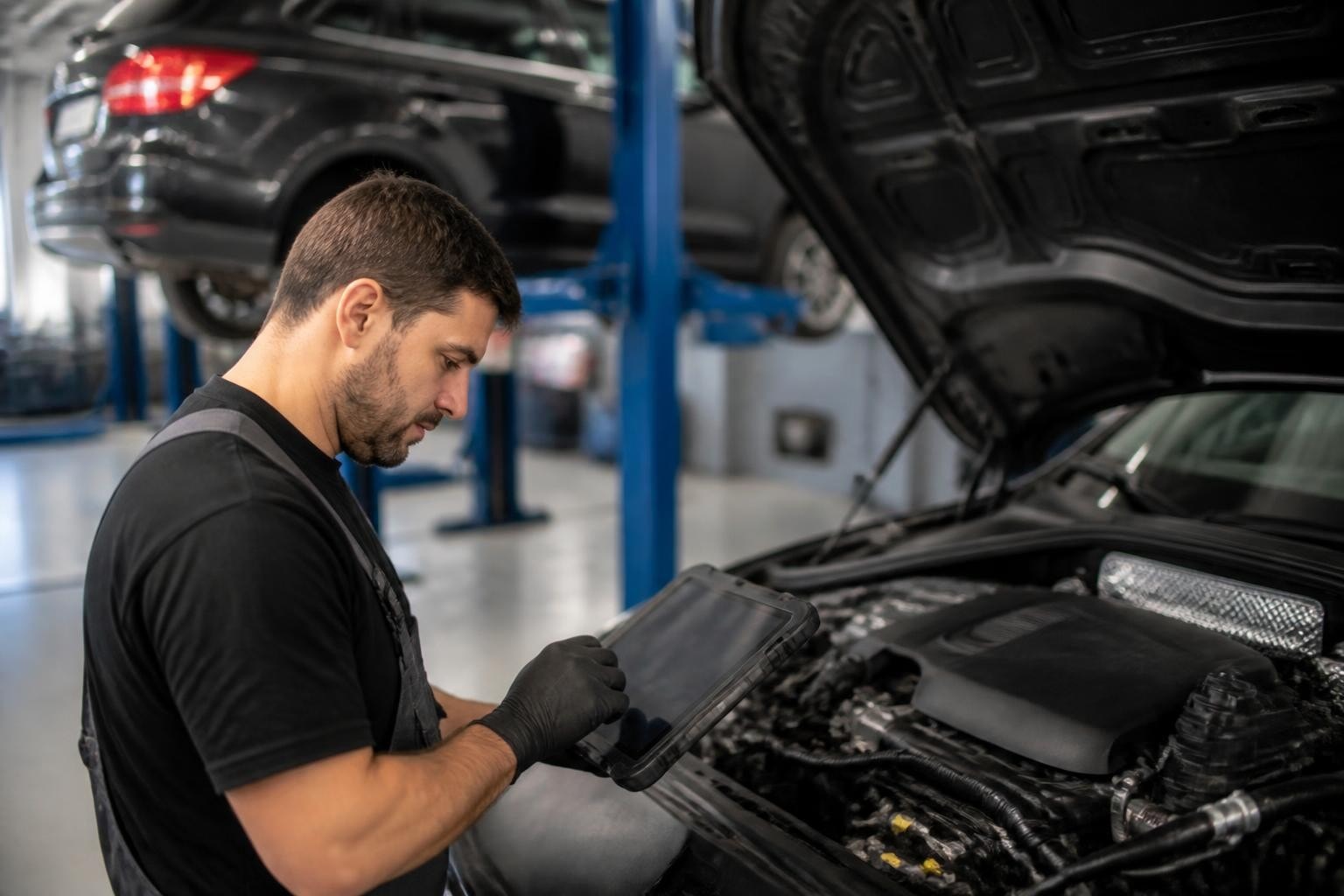
Today's automobile repair service landscape differs dramatically from the industry of even a decade ago. The auto repair industry is changing faster than ever, driven by technological advancements, electric vehicle adoption, and sophisticated onboard computer systems that demand specialized diagnostic equipment.
Professional service centres must invest heavily in ongoing training and equipment upgrades to maintain competence across various vehicle platforms. This investment becomes particularly crucial when servicing European manufacturers like Volkswagen, Audi, Mercedes, BMW, and Skoda, each employing proprietary systems and specifications.
The Technology Factor in Automobile Repair Service
Modern vehicles contain more computing power than the spacecraft that landed on the moon. This technological sophistication means that traditional mechanical skills, while still essential, must be complemented by advanced diagnostic capabilities.
Key technological requirements include:
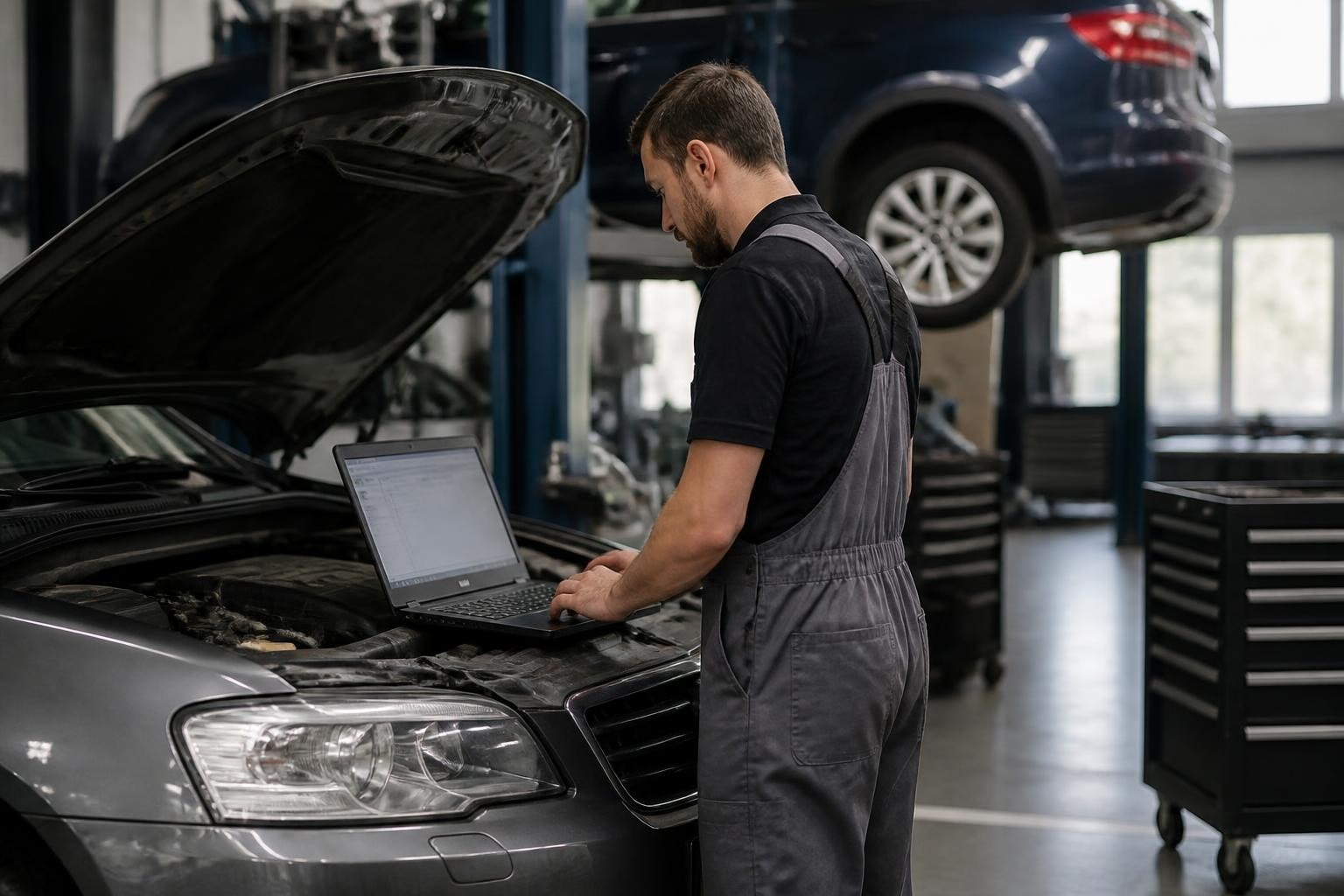
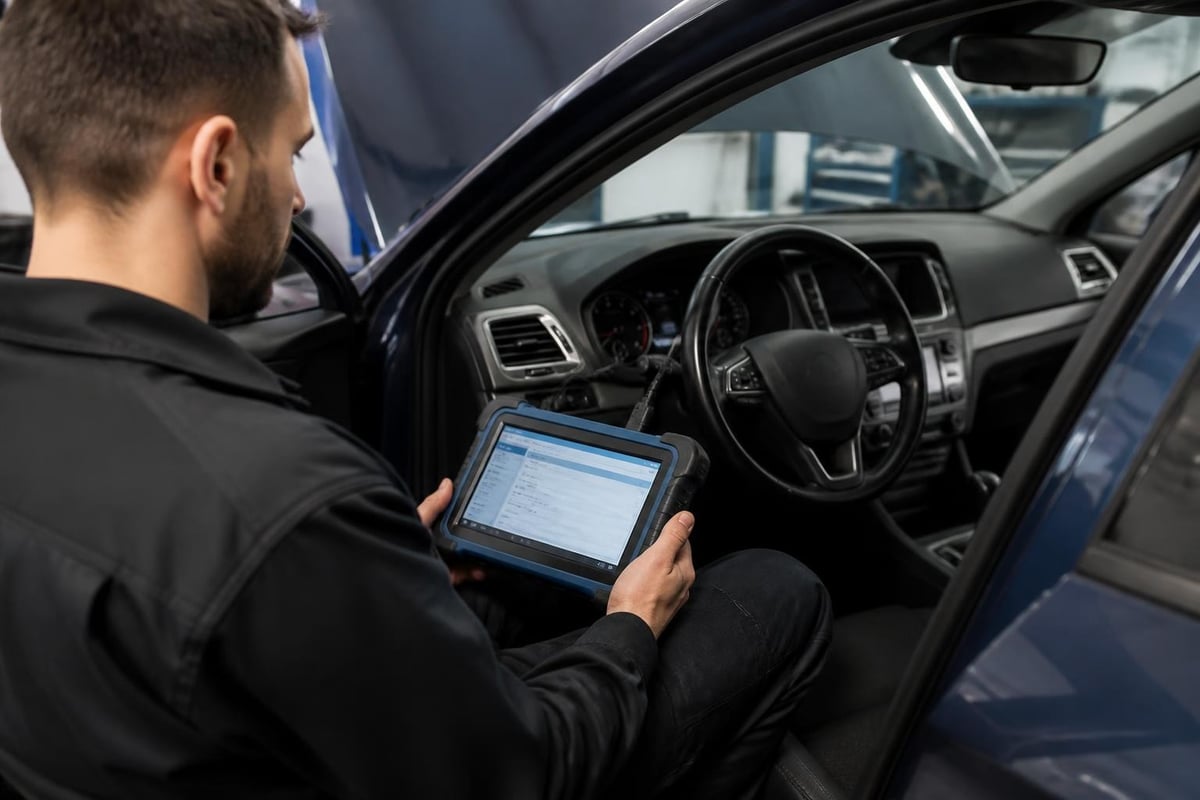
- Factory-level diagnostic scanners compatible with specific manufacturers
- Software access for programming and coding procedures
- Specialized tools for hybrid and electric vehicle systems
- Real-time technical data subscriptions for up-to-date repair procedures
Workshop staff must understand not just how to replace components, but how to interrogate complex systems to identify root causes rather than symptoms. A check engine light might indicate dozens of potential issues, requiring systematic analysis rather than guesswork.
Choosing Quality Over Convenience
The temptation to select an automobile repair service based solely on location or price frequently leads to disappointing outcomes. According to industry statistics, consumers increasingly prioritize quality and expertise over cost alone, recognizing that proper repairs performed correctly the first time ultimately prove more economical than repeated attempts to address the same issue.
European vehicles particularly benefit from specialist attention. These marques incorporate unique engineering approaches, from specific oil specifications to proprietary parts that demand precise fitment and calibration. A generalist workshop may attempt repairs, but without manufacturer-specific training and equipment, the results often fall short of optimal performance.
Specialist Knowledge and Training
Factory-trained technicians bring distinct advantages:
- Understanding of manufacturer-specific engineering philosophies
- Access to technical bulletins addressing known issues
- Familiarity with model-specific quirks and common failure points
- Proper diagnostic procedures that save time and prevent misdiagnosis
- Knowledge of correct repair sequences and torque specifications
Independent specialists who focus exclusively on European brands often provide superior service compared to dealerships, combining manufacturer-level expertise with more personalized attention and competitive pricing structures. These workshops invest in the same diagnostic equipment and training programs but operate with lower overheads, passing savings directly to customers.
The Importance of Genuine and Quality Parts
Parts selection significantly impacts both immediate repair success and long-term vehicle reliability. An automobile repair service committed to quality will clearly communicate parts options, explaining the distinctions between genuine manufacturer components, OEM equivalents, and aftermarket alternatives.
| Part Category | Advantages | Considerations |
|---|---|---|
| Genuine OE | Perfect fit, warranty protection, original specifications | Premium pricing |
| OEM Equivalent | Quality manufacturing, proper specifications, good value | Research required for supplier verification |
| Premium Aftermarket | Sometimes improved over original, competitive pricing | Brand reputation varies significantly |
| Budget Aftermarket | Lower initial cost | Potential fit issues, shorter lifespan |
For critical safety systems including brakes, suspension, and steering components, compromising on parts quality creates unnecessary risks. European vehicles engineered for precise handling characteristics and performance parameters require components manufactured to exacting tolerances.
Preventative Maintenance Versus Reactive Repairs
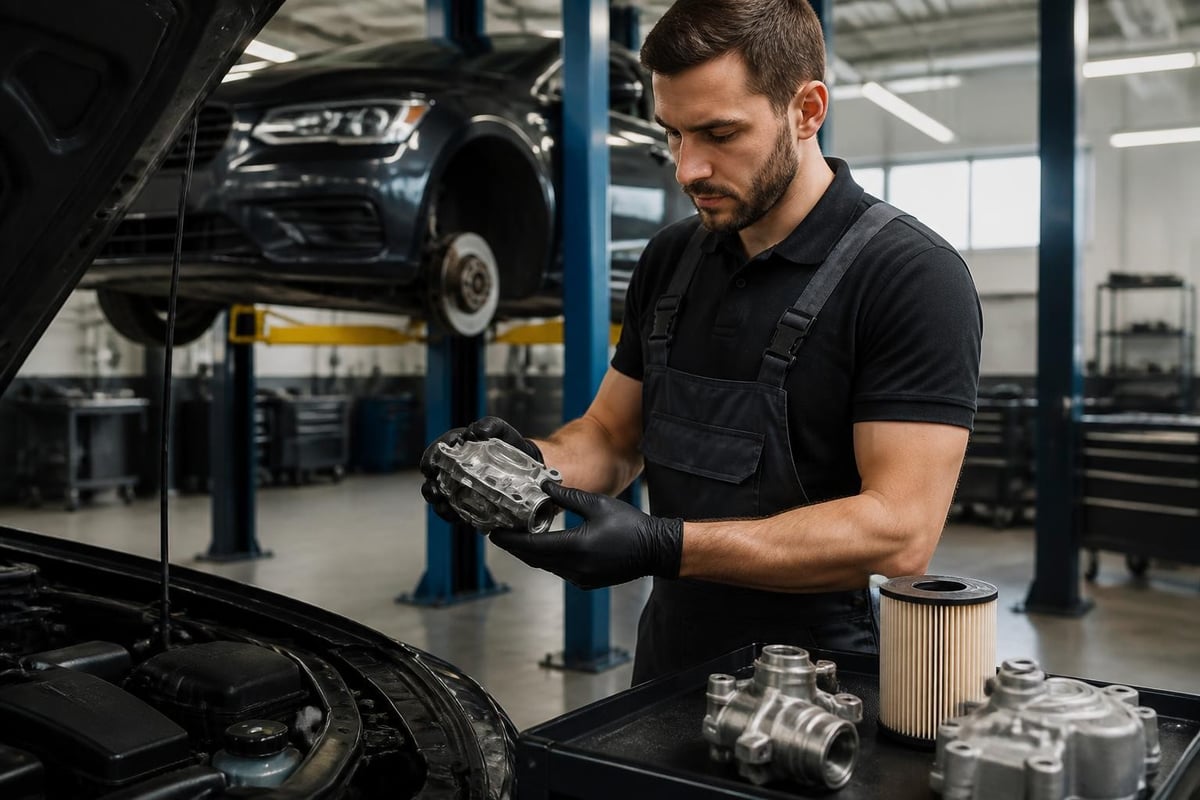
The most cost-effective approach to automobile repair service involves preventing problems before they develop into expensive failures. Industry benchmarks consistently demonstrate that workshops emphasizing preventative maintenance build stronger customer relationships and deliver superior long-term value.
Regular service intervals prescribed by manufacturers exist for sound engineering reasons. These schedules account for wear patterns, fluid degradation, and component lifespan expectations based on extensive testing and real-world data analysis.
Creating a Maintenance Schedule
Essential maintenance components include:
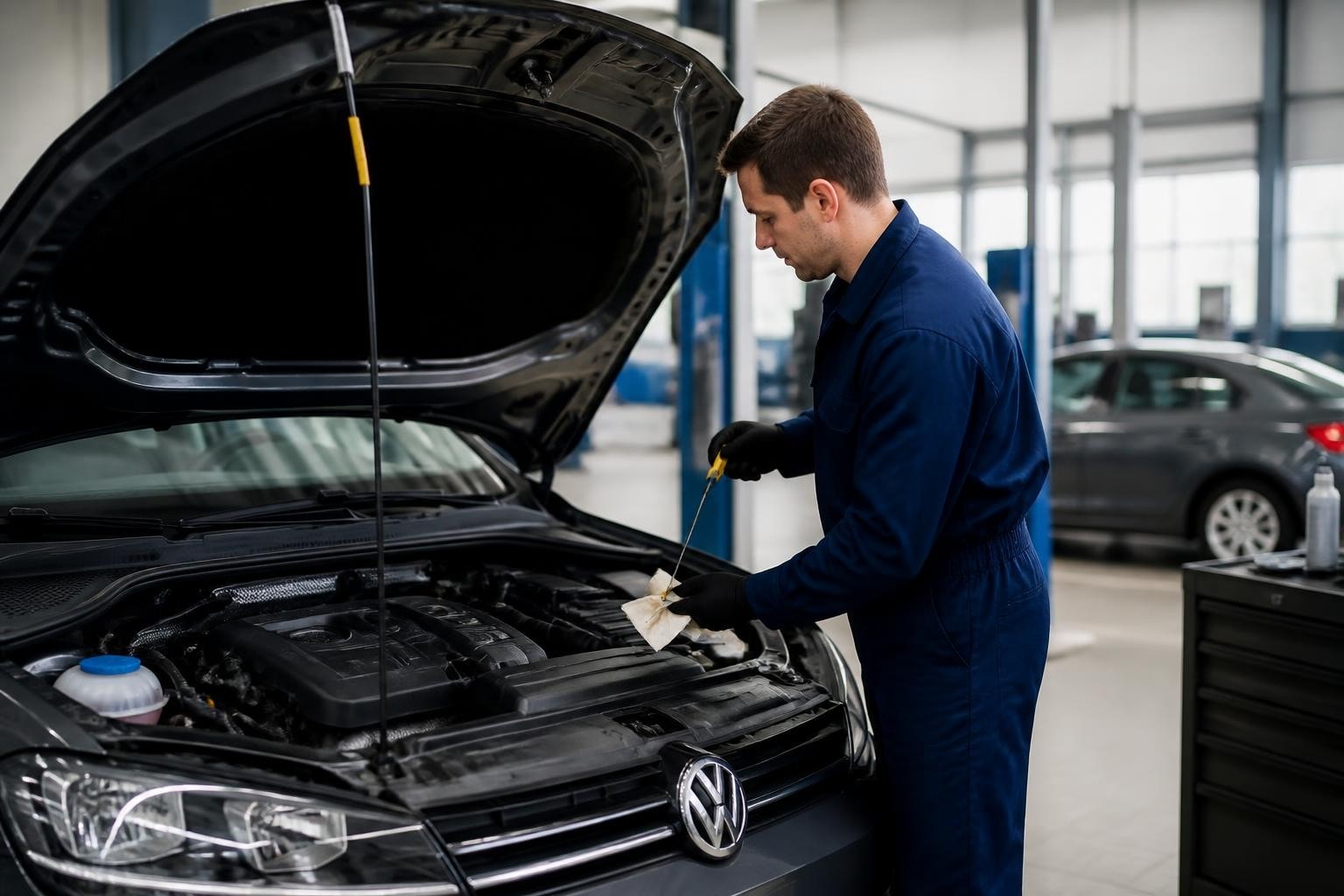
- Engine oil and filter changes at manufacturer-specified intervals
- Transmission fluid service according to factory recommendations
- Brake fluid replacement to maintain hydraulic system integrity
- Coolant system servicing to prevent corrosion and ensure proper temperature regulation
- Timing belt replacement before failure risk escalates
Skipping or delaying these services might seem economical initially, but the consequences often prove catastrophic. A timing belt failure on an interference engine, for example, can destroy valves and pistons, transforming a $800 preventative service into a $8,000 engine rebuild.
When you book your next service with a specialist focused on European vehicles, you gain access to manufacturer-specific maintenance schedules and expertise in the unique requirements of your particular model.
Communication and Customer Service Excellence
Technical competence alone doesn't define exceptional automobile repair service. The ability to communicate clearly about vehicle condition, required repairs, and available options separates truly professional operations from technically proficient but customer-unfriendly alternatives.
Quality service providers take time to explain diagnoses in accessible language, avoiding unnecessary jargon while still conveying essential technical information. They provide written estimates detailing parts and labour, obtain authorization before proceeding with additional work, and keep customers informed about progress and any unexpected developments.
Transparency in Pricing and Process
Customers should expect:
- Detailed written estimates before work commences
- Clear explanations of why specific repairs are recommended
- Options presented when multiple approaches exist
- Updates if additional issues are discovered during repairs
- Final invoices matching approved estimates unless changes were authorized
The relationship between vehicle owner and service provider should be collaborative rather than adversarial. Industry surveys reveal that customer retention correlates strongly with perceived honesty and communication quality, even more than with pricing competitiveness.
Warranty Coverage and Accountability
Reputable automobile repair service providers stand behind their work with comprehensive warranties covering both parts and labour. This commitment demonstrates confidence in workmanship quality and provides customers with legitimate recourse should problems develop.
Standard warranty periods vary, but twelve-month coverage represents industry best practice for most repairs. Some components, particularly electronics, may carry different warranty terms based on manufacturer backing. Professional workshops clearly communicate these terms before repairs commence.
What Warranties Should Cover
| Warranty Type | Typical Coverage | Duration |
|---|---|---|
| Parts | Manufacturing defects, premature failure | 12-24 months or manufacturer terms |
| Labour | Installation errors, incorrect diagnosis | 12 months standard |
| Workmanship | Leaks, loose components, improper assembly | 12 months standard |
Keep all service documentation organized chronologically. This record proves invaluable for warranty claims, establishes maintenance history for resale purposes, and helps identify patterns should recurring issues develop.
The Cost of Cutting Corners
Attempting to economize through DIY repairs or selecting the cheapest service provider frequently backfires, particularly with sophisticated European vehicles. Modern automobiles incorporate systems requiring specific procedures, from bleeding brakes with ABS integration to programming modules after replacement.
Current industry data highlights increasing complexity across all vehicle segments, with European manufacturers particularly aggressive in implementing advanced technologies. These systems demand professional attention and appropriate equipment for proper servicing.
Common False Economies
Postponing recommended services rarely saves money in the long term. Degraded engine oil accelerates wear on expensive components. Worn brake pads damage rotors when ignored. Contaminated coolant corrodes radiators and water pumps from the inside.
Typical cascade failures include:
- Delayed oil changes leading to timing chain stretch and engine damage
- Ignored coolant leaks progressing to cylinder head warping
- Worn suspension bushings causing premature tire wear and alignment problems
- Deferred brake service resulting in caliper seizure and rotor replacement
The initial service might cost several hundred dollars, while the resulting damage from postponement can escalate into thousands. Professional automobile repair service providers recognize these patterns and recommend interventions at optimal timing to prevent expensive failures.
Evaluating Service Centre Credentials
Not all workshops are created equal. Several objective criteria help distinguish exceptional automobile repair service providers from merely adequate alternatives. Look beyond marketing claims to verify actual capabilities and commitment to quality.
Essential credentials to verify:
- Technician certifications and ongoing training participation
- Investment in manufacturer-specific diagnostic equipment
- Years of experience with specific vehicle brands
- Customer review patterns across multiple platforms
- Transparent pricing structures and warranty terms
Longevity in business often indicates competence and reliability. Workshops surviving for decades have demonstrated their ability to adapt to changing technology, maintain customer satisfaction, and deliver consistent quality. New operations may be excellent, but established businesses with strong reputations offer additional confidence.
The Role of Technology in Service Delivery
Modern automobile repair service increasingly incorporates digital conveniences that streamline the customer experience. Online booking systems, digital vehicle inspections, and electronic communication have transformed how workshops interact with clients.
Progressive service centres provide customers with detailed digital inspection reports including photographs and videos of identified issues. This transparency allows vehicle owners to understand recommendations rather than simply accepting them on faith. Visual evidence of worn brake pads or leaking seals proves far more compelling than verbal descriptions alone.
Digital Convenience Features
Contemporary service centres often provide:
- Online appointment scheduling with service history access
- SMS or email updates throughout the repair process
- Digital payment options for contactless transactions
- Electronic service records accessible through customer portals
- Automated service reminders based on mileage and time intervals
These systems benefit both parties. Customers enjoy convenience and transparency while workshops operate more efficiently through reduced phone calls and streamlined administrative processes. When evaluating potential service providers, consider whether their technological integration matches your preferences and expectations.
Building Long-Term Service Relationships
The ideal approach to automobile repair service involves establishing an ongoing relationship with a trusted provider who becomes familiar with your vehicle's history and your preferences as a customer. This continuity delivers multiple advantages over constantly changing workshops.
A service centre that has maintained your vehicle from new or from a specific mileage point can identify developing issues through pattern recognition. They notice when fluid consumption increases slightly or when a component wears faster than expected for the mileage. This familiarity enables proactive recommendations that prevent roadside breakdowns.
Benefits of Service Continuity
Consistent service relationships also facilitate better communication and mutual understanding. Your preferred workshop learns your priorities, whether you emphasize cost minimization, prefer preventative approaches, or require specific scheduling accommodations. This knowledge allows them to tailor recommendations and service delivery to match your needs.
Documentation continuity proves particularly valuable. Comprehensive service records demonstrate proper maintenance for warranty claims, support resale value, and provide diagnostic insights when troubleshooting complex issues. A complete history often reveals patterns invisible when examining isolated symptoms.
Regional Considerations for Auckland North Shore
Geographic convenience matters, but proximity shouldn't override expertise when selecting an automobile repair service. North Shore vehicle owners benefit from several specialist operations offering European vehicle expertise without requiring trips across the harbour bridge.
Local service providers understand regional driving conditions, from coastal salt exposure to specific road conditions that impact vehicle wear patterns. They also provide practical advantages including shorter travel distances for drop-off and collection, and potential access to courtesy vehicles that eliminate transportation inconveniences during service periods.
Local service advantages include:
- Reduced travel time and fuel costs for service appointments
- Familiarity with common regional vehicle issues
- Established relationships with local parts suppliers
- Community reputation that encourages accountability
- Convenience for warranty work and follow-up inspections
Supporting local independent specialists often delivers superior value compared to dealership alternatives while maintaining factory-level expertise and equipment standards.
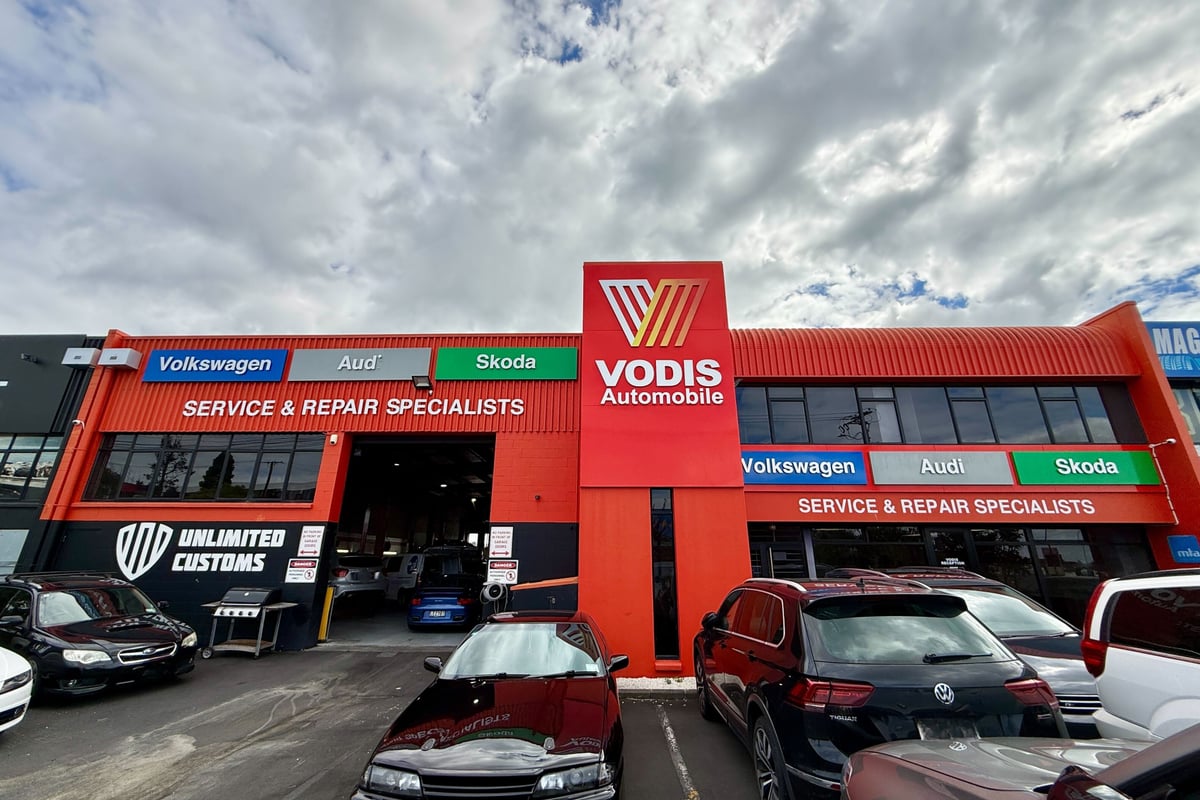
Selecting the right automobile repair service requires evaluating technical competence, communication quality, and commitment to customer satisfaction beyond simple price comparisons. For European vehicle owners seeking specialist care that combines manufacturer-level expertise with personalized attention, VODIS Automobile offers over 20 years of trusted service on Auckland's North Shore, delivering quality maintenance and repairs for Volkswagen, Audi, Mercedes, BMW, and Skoda vehicles through factory-trained technicians and a commitment to excellence that has built an enduring reputation for professionalism and reliability.