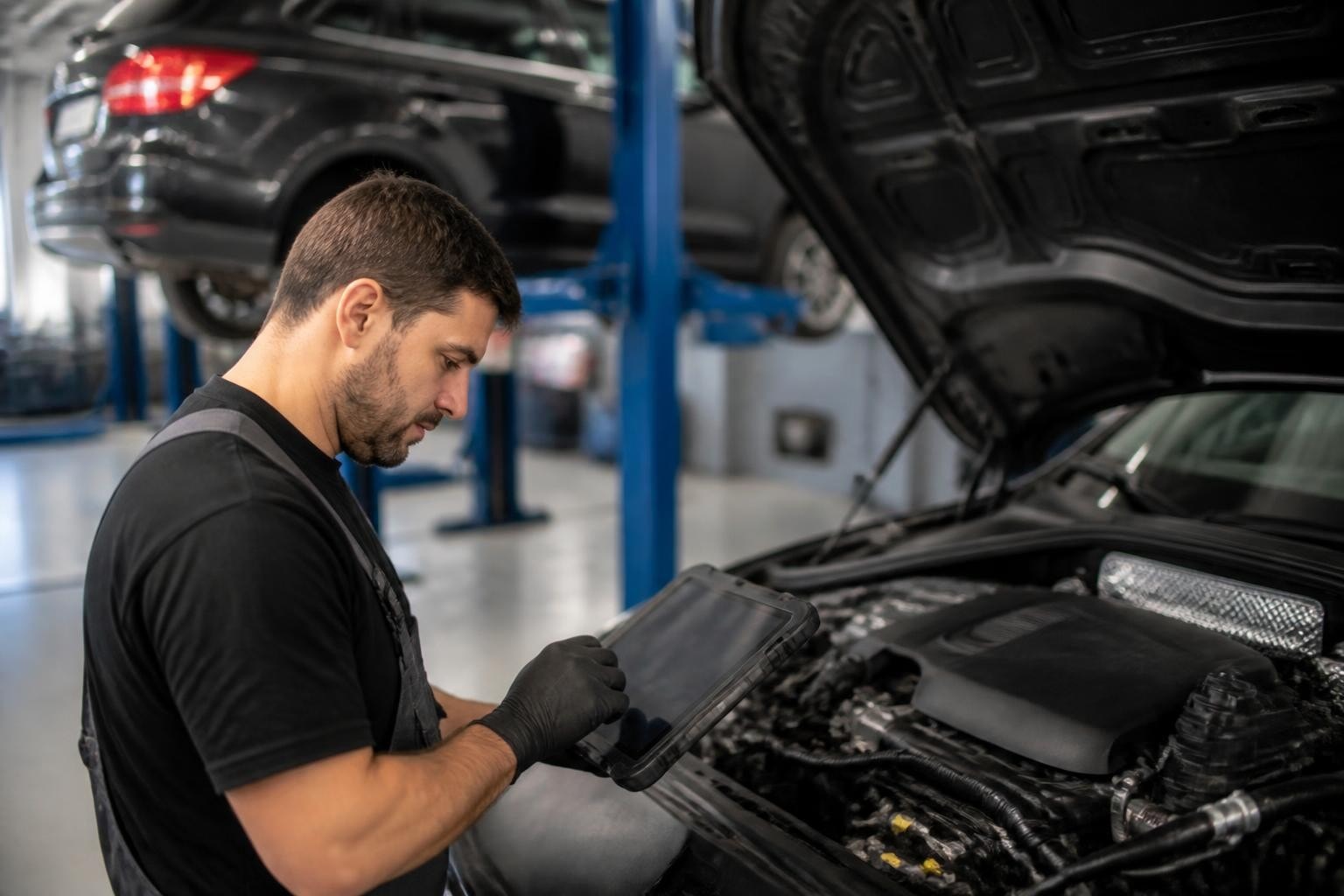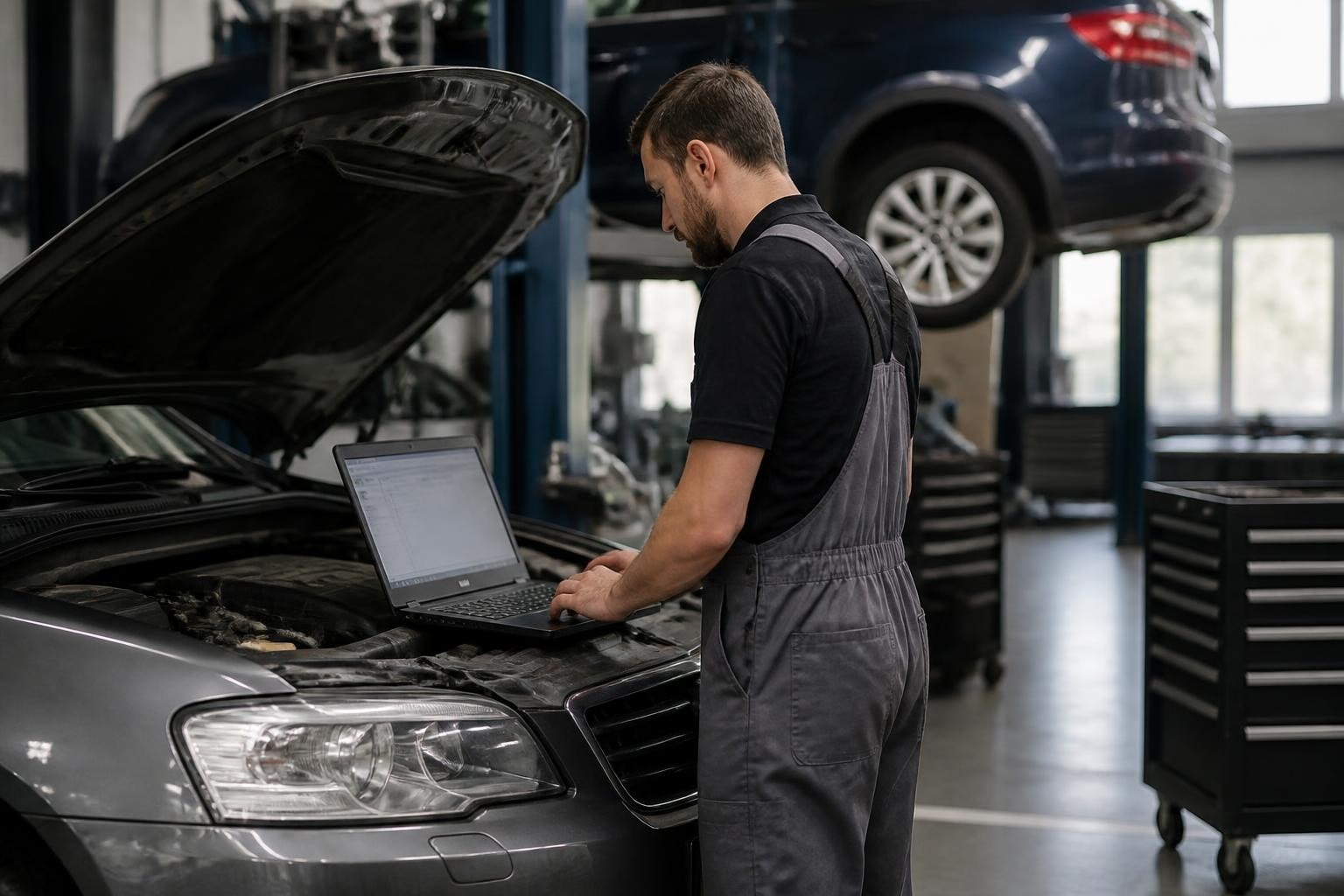

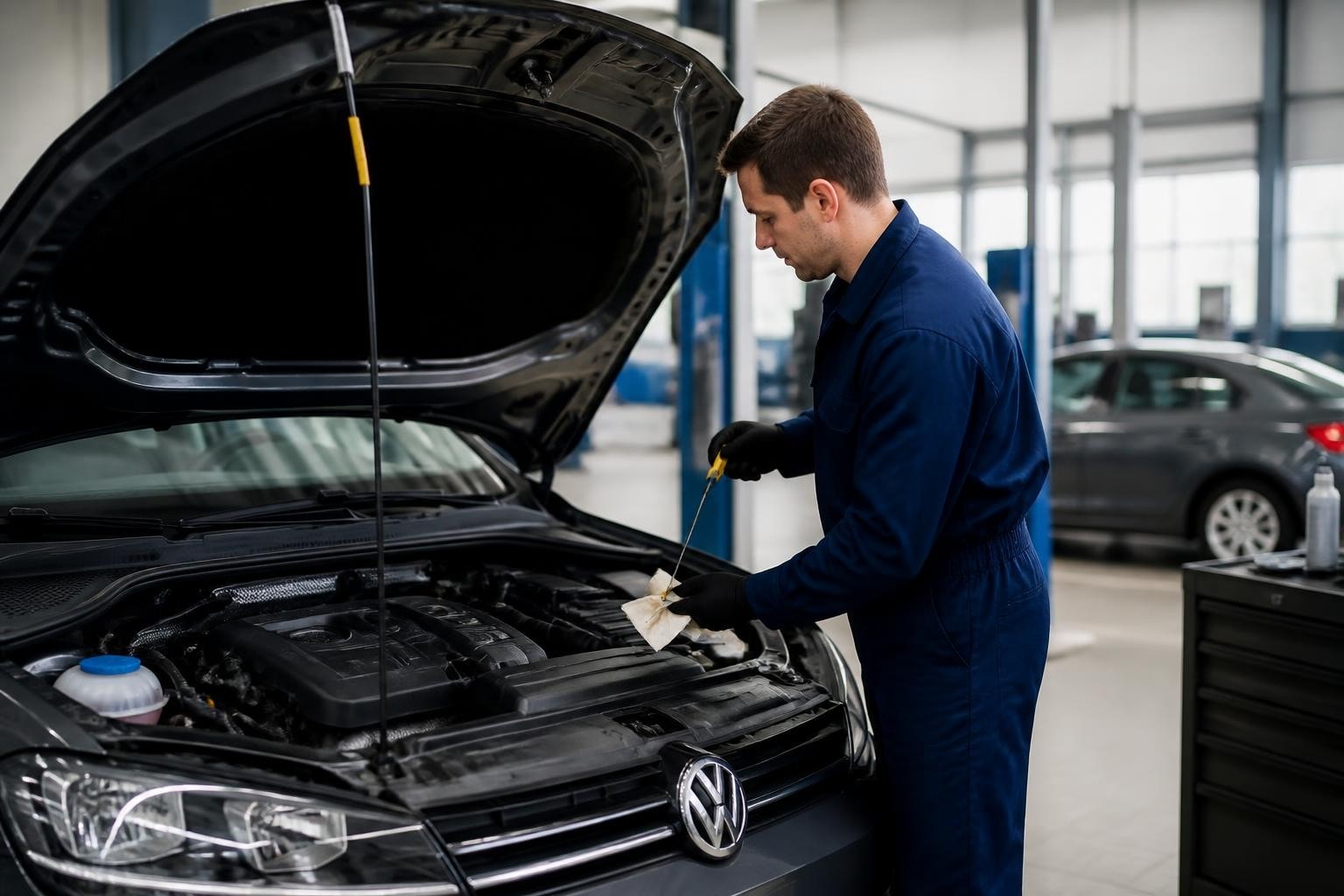
Maintaining your Volkswagen properly is the cornerstone of reliable performance, longevity, and driving satisfaction. Whether you own a Golf, Tiguan, Passat, or any other VW model, understanding the specific maintenance requirements ensures your vehicle delivers the German engineering excellence it was designed for. Regular vw car maintenance not only prevents costly repairs but also preserves your vehicle's value while keeping you and your passengers safe on Auckland's roads. For North Shore residents, having a trusted service partner who understands European vehicles makes all the difference in maintaining your Volkswagen's performance year after year.
Understanding Your VW Service Schedule
Volkswagen engineers design each model with specific maintenance intervals that optimize performance and minimize wear. These schedules typically follow either time-based or distance-based intervals, whichever comes first. Modern VW vehicles feature sophisticated onboard monitoring systems that track service requirements and alert you when maintenance is due.
The official Volkswagen maintenance schedule provides model-specific guidance, but generally, most Volkswagens require servicing every 12 months or 15,000 kilometres. This standard interval covers essential vw car maintenance tasks that keep your vehicle running smoothly.
Minor and Major Service Intervals
VW service schedules alternate between minor and major services to address different maintenance needs efficiently.
Minor Service (Annual or 15,000km) includes:
- Engine oil and filter replacement
- Visual inspection of brake components
- Fluid level checks
- Tyre pressure and condition assessment
- Battery health evaluation
- Windscreen wiper inspection
Major Service (Every 24 months or 30,000km) encompasses:
- All minor service items
- Cabin air filter replacement
- Brake fluid replacement
- Fuel filter inspection or replacement
- Coolant system check
- Transmission fluid assessment
- Comprehensive diagnostic scan
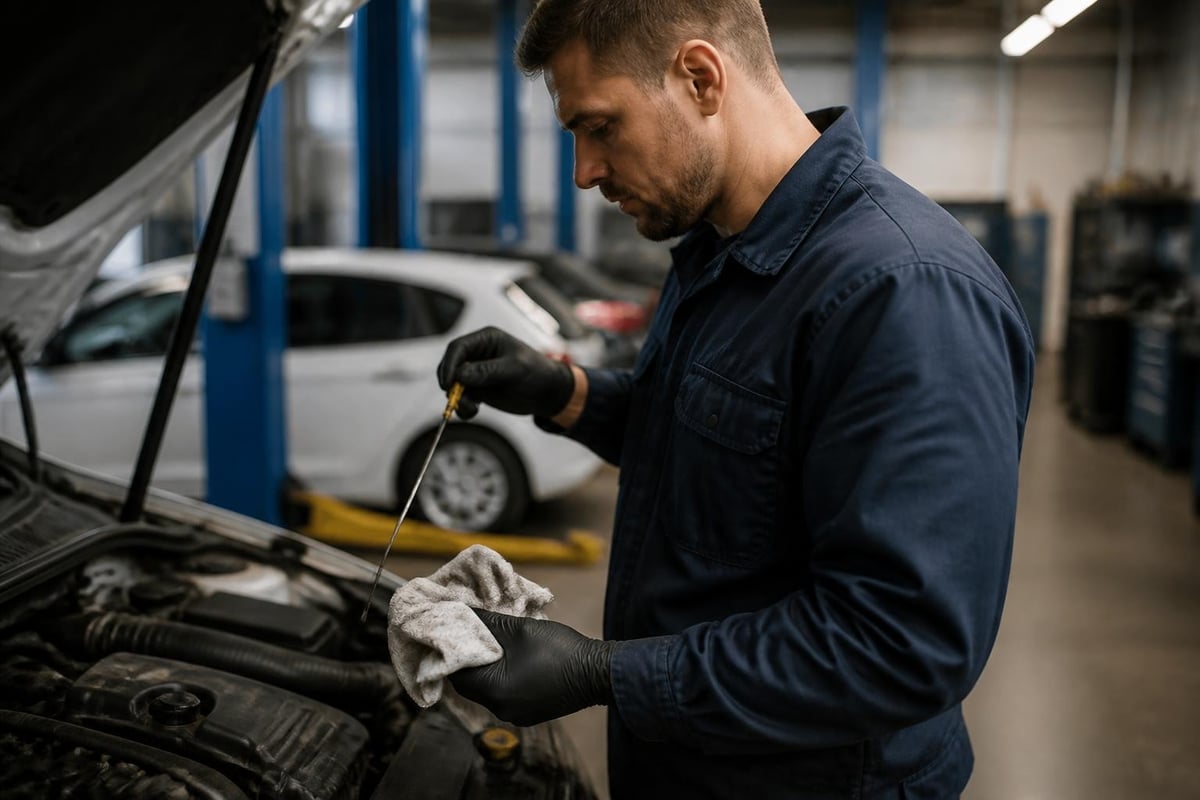
The timing of these services matters significantly. Delaying vw car maintenance can lead to accelerated wear on critical components, potentially voiding warranty coverage and resulting in expensive repairs.
Essential VW Maintenance Components
Engine Oil and Filter Service
Your Volkswagen's engine depends on clean, high-quality oil to lubricate moving parts, reduce friction, and regulate temperature. VW engines are engineered to precise tolerances, making proper oil specification critical.
Modern VW petrol engines typically require fully synthetic oil meeting VW 502 00 or 504 00 specifications. Diesel engines need oil complying with VW 507 00 standards. Using incorrect oil viscosity or specification can compromise engine protection and fuel efficiency.
Oil change intervals vary by model and driving conditions. City driving, frequent short trips, and stop-start traffic constitute severe operating conditions that may necessitate more frequent changes. GarageHub’s comprehensive maintenance guide offers model-specific recommendations for various VW vehicles.
Brake System Maintenance
VW braking systems combine sophisticated technology with robust mechanical components requiring regular attention. Brake pads typically last between 30,000 and 70,000 kilometres depending on driving style and conditions, while rotors may need replacement after two to three pad changes.
| Component | Inspection Interval | Typical Replacement |
|---|---|---|
| Brake Pads | Every service | 40,000-70,000km |
| Brake Rotors | Every service | 80,000-140,000km |
| Brake Fluid | Annual check | Every 2 years |
| Brake Lines | Visual inspection | As needed |
Brake fluid absorbs moisture over time, reducing its boiling point and compromising braking performance. VW recommends replacing brake fluid every two years regardless of mileage, a critical aspect of vw car maintenance often overlooked by owners.
Timing Belt and Chain Considerations
Some VW engines use timing chains requiring minimal maintenance, while others feature timing belts needing replacement at specific intervals. The 2.0 TSI engine, found in many Golf and Tiguan models, uses a timing chain designed to last the engine's lifetime under normal conditions.
However, older VW models with timing belts typically require replacement every 100,000 to 150,000 kilometres. Failing to replace a worn timing belt can result in catastrophic engine damage, making this one of the most critical vw car maintenance tasks.
Seasonal Maintenance for Auckland's Climate
Auckland's temperate maritime climate presents unique challenges for vehicle maintenance. While extreme cold isn't a concern, humidity, coastal salt exposure, and variable rainfall require specific attention.
Preparing for Summer Conditions
Summer in Auckland brings higher temperatures that stress cooling systems and air conditioning components. Volkswagen’s summer preparation guide emphasizes several key checks:
- Coolant concentration and condition testing
- Air conditioning refrigerant levels and performance
- Radiator and condenser cleaning
- Hose and belt inspection for heat-related deterioration
Your VW's cooling system maintains optimal operating temperature, typically around 90°C. Inadequate coolant or a failing thermostat can lead to overheating, particularly during summer traffic jams.
Winter Weather Preparation
While Auckland winters are mild, increased rainfall and moisture create conditions favouring corrosion and electrical issues.
Winter vw car maintenance priorities include:
- Wiper blade replacement for optimal visibility
- Headlight and tail light functionality verification
- Battery load testing (cold, wet weather stresses batteries)
- Tyre tread depth inspection for wet-weather traction
- Door seal and sunroof drain cleaning to prevent water intrusion
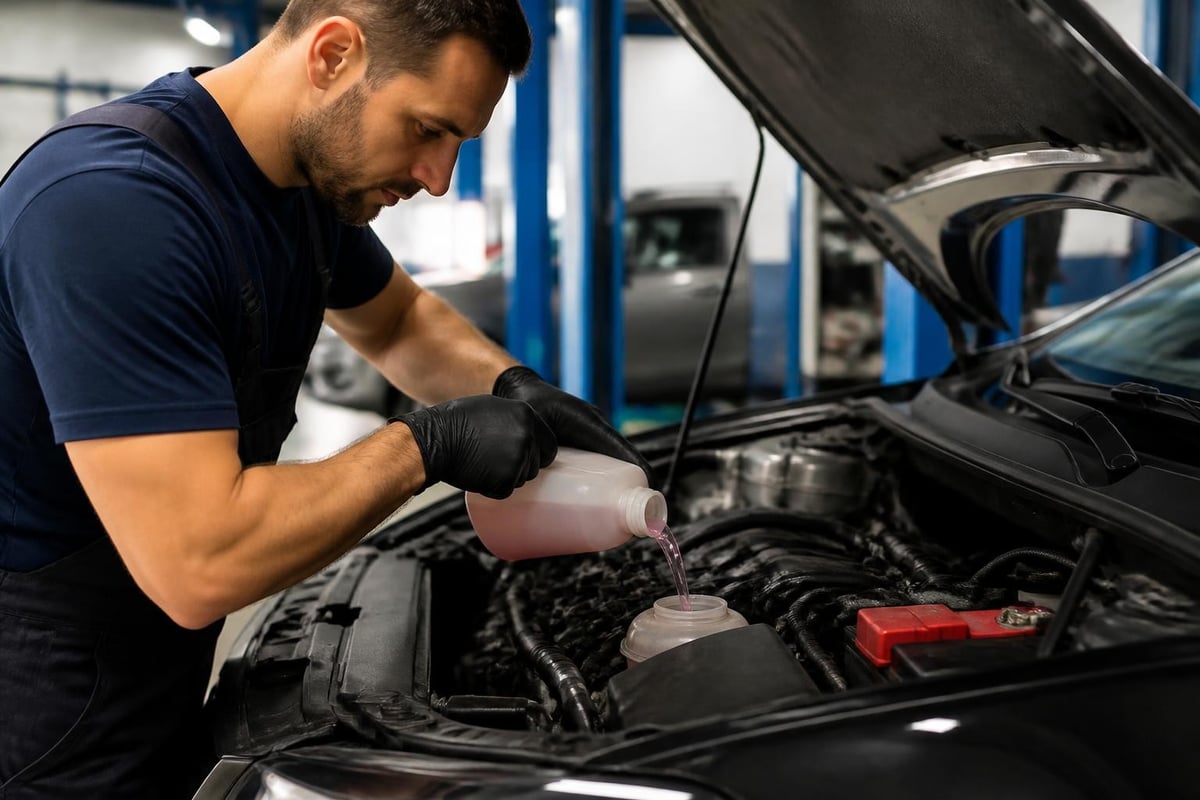
Battery performance decreases in cold, damp conditions. A battery showing marginal voltage during summer may fail completely during winter months, leaving you stranded.
Transmission and Drivetrain Servicing
VW offers several transmission types across their model range, each with specific maintenance requirements. Understanding your transmission type ensures appropriate vw car maintenance.
Manual Transmission Care
Manual gearboxes are generally robust and require minimal maintenance beyond periodic oil changes. VW typically recommends manual transmission oil replacement every 60,000 kilometres, though this varies by model.
DSG (Direct Shift Gearbox) Maintenance
The DSG dual-clutch automatic transmission represents sophisticated German engineering requiring specialized service. DSG transmissions need oil and filter changes every 40,000 kilometres or four years. This service is non-negotiable for maintaining smooth operation and preventing expensive repairs.
DSG clutch packs wear over time, particularly in vehicles subjected to heavy traffic or towing. Warning signs include hesitation during gear changes, shuddering when launching, or dashboard warning lights. Addressing these symptoms promptly prevents complete transmission failure.
All-Wheel Drive Systems
VW 4MOTION all-wheel drive systems feature a Haldex coupling requiring dedicated oil changes every 30,000 kilometres. This critical vw car maintenance task ensures proper torque distribution and prevents costly differential damage.
Advanced Diagnostics and Electronic Systems
Modern Volkswagens feature complex electronic systems managing everything from engine performance to safety features. Proper diagnostics require specialized equipment that communicates with these systems.
VCDS (VAG-COM Diagnostic System) and VW-specific diagnostic tools access fault codes, perform adaptations, and monitor live data streams. Generic OBD-II scanners often miss VW-specific codes and cannot access all control modules.
Common Electronic Issues and Prevention
Electrical system challenges include:
- Sensor failures triggering check engine lights
- Control module software requiring updates
- Wiring harness degradation from heat and vibration
- Window regulator and central locking malfunctions
Regular diagnostic scans during service appointments identify emerging issues before they cause breakdowns. This proactive approach represents smart vw car maintenance, catching problems early when repairs are simpler and less expensive.
Many North Shore VW owners benefit from specialist service centres equipped with factory-level diagnostic equipment. For convenient servicing with expert technicians who understand VW systems intimately, you can book your maintenance appointment with specialists who use genuine diagnostic tools and follow Volkswagen service procedures.
Genuine Parts Versus Aftermarket Components
Choosing between genuine VW parts and aftermarket alternatives significantly impacts maintenance outcomes and long-term reliability. Genuine Volkswagen Service emphasizes the importance of original equipment manufacturer (OEM) components.
Benefits of Genuine VW Parts
Genuine parts offer several advantages justifying their premium over generic alternatives:
- Precise engineering matching original specifications
- Warranty coverage protecting your investment
- Compatibility with electronic systems and calibrations
- Consistent quality control and reliability
- Proper fit reducing installation time and issues
For critical systems like braking, steering, and engine management, genuine parts provide peace of mind. Aftermarket brake pads might save money initially but may wear faster, produce more dust, or offer inferior stopping performance.
When Aftermarket Parts Make Sense
Quality aftermarket components from reputable European manufacturers can offer excellent value for certain applications. Items like wiper blades, filters, and wear components often have premium aftermarket options meeting or exceeding OEM standards.
The key is selecting parts from established manufacturers with proven track records in European vehicle applications. Your service provider's expertise in vw car maintenance helps identify which aftermarket parts deliver value without compromising quality.
Fluid Maintenance Beyond Engine Oil
Coolant System Service
VW coolant (G12 or G13 specification) protects against freezing, prevents corrosion, and maintains proper operating temperature. Coolant degrades over time, losing its protective properties even if levels remain adequate.
Replacement intervals typically fall every 90,000 kilometres or six years. Mixing different coolant types or using incorrect specifications can cause chemical reactions damaging cooling system components.
Power Steering and Brake Fluid
Hydraulic power steering systems require periodic fluid replacement to maintain smooth operation and prevent pump wear. Electronic power steering systems eliminate this maintenance requirement, though they introduce different potential issues.
Brake fluid hygiene directly affects braking performance and component longevity. Moisture contamination lowers the boiling point, potentially causing brake fade during demanding driving or prolonged downhill sections.
| Fluid Type | Replacement Interval | VW Specification |
|---|---|---|
| Engine Oil | 12 months/15,000km | VW 502 00/504 00/507 00 |
| Coolant | 6 years/90,000km | G12/G13 |
| Brake Fluid | 2 years | VW DOT 4 |
| DSG Fluid | 4 years/40,000km | VW G 055 025 A2 |
| Manual Trans | 60,000km | VW G 052 171/G 060 726 |
Tyre Maintenance and Alignment
Proper tyre care extends far beyond checking pressure. Tyres represent your VW's only contact with the road, making their maintenance crucial for safety and performance.
Tyre Pressure Monitoring
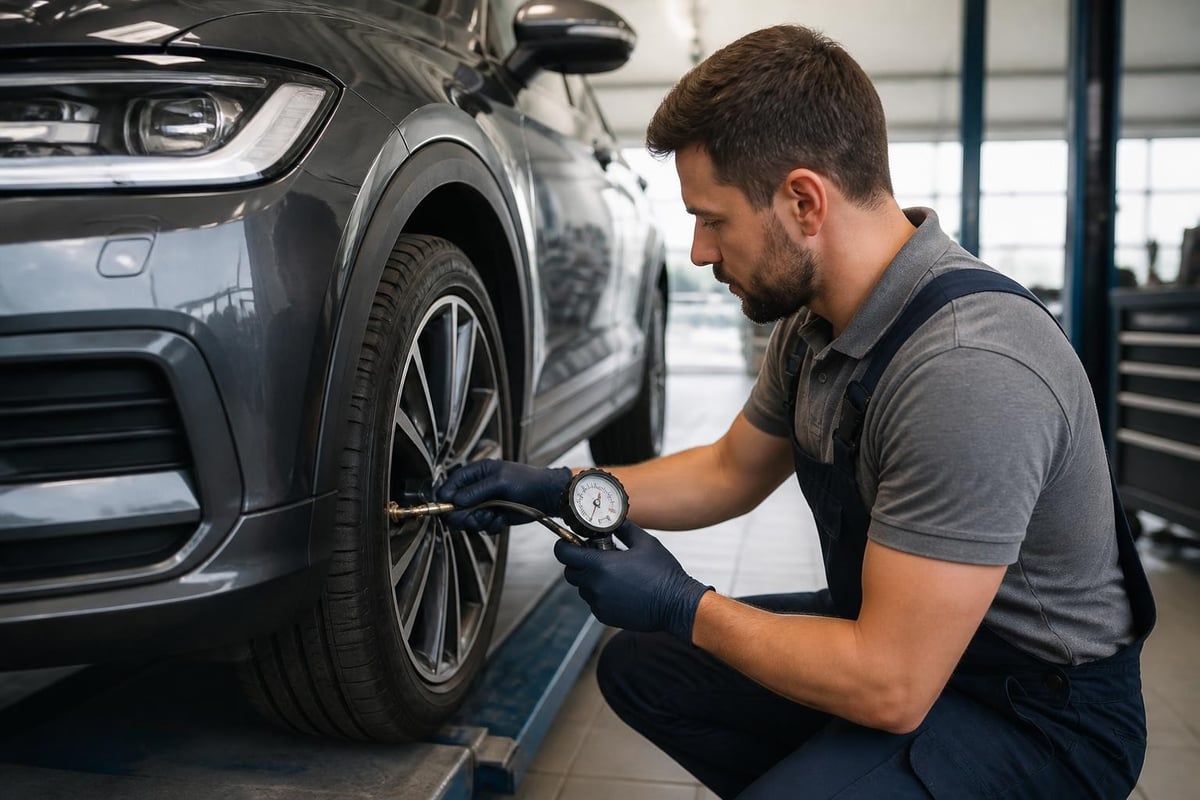
Most VW models since 2015 feature TPMS (Tyre Pressure Monitoring System) alerting you to significant pressure loss. However, TPMS typically only triggers when pressure drops 25% below specification, meaning you could be driving on under-inflated tyres without warning.
Check tyre pressures monthly when tyres are cold. Incorrect pressure affects handling, fuel efficiency, and tyre wear patterns. Essential maintenance tips from Volkswagen specialists stress the importance of proper inflation for vehicle longevity.
Wheel Alignment and Balancing
Wheel alignment affects tyre wear, handling precision, and fuel economy. Auckland's potholed streets and speed bumps can knock alignment out of specification, creating uneven wear patterns.
Signs your VW needs alignment include:
- Vehicle pulling to one side
- Steering wheel off-centre when driving straight
- Uneven or rapid tyre wear
- Steering vibration at highway speeds
Alignment should be checked annually or whenever you notice handling changes. Balancing prevents vibration and ensures even tyre wear, typically performed when fitting new tyres or after hitting significant road hazards.
Warranty Considerations and Service History
Maintaining comprehensive service records protects your VW's resale value and ensures warranty claims succeed if issues arise. New VW vehicles typically include three-year/100,000-kilometre factory warranty coverage, with powertrain components often covered longer.
Warranty coverage requires adhering to manufacturer service schedules and using appropriate parts and fluids. Missing scheduled vw car maintenance or using non-approved oils can void warranty coverage, leaving you financially exposed for expensive repairs.
Documentation Best Practices
Keep detailed records including:
- Service invoices with date and odometer reading
- Parts receipts showing specifications
- Repair orders documenting work performed
- Diagnostic reports and fault codes
- Warranty claim correspondence
Digital service history becomes increasingly important as vehicles age. Many modern service centres maintain electronic records, but keeping personal copies protects against data loss or provider changes.
DIY Maintenance Versus Professional Service
While some vw car maintenance tasks suit DIY enthusiasts, others require specialized tools, training, and diagnostic equipment. Understanding which tasks you can handle versus when to seek professional help optimizes both cost and reliability.
Suitable DIY Tasks
Owner-friendly maintenance includes:
- Windscreen washer fluid topping up
- Wiper blade replacement
- Air filter inspection and replacement
- Tyre pressure checking and adjustment
- Basic interior and exterior cleaning
- Battery terminal cleaning
These tasks require minimal tools and no specialized knowledge, making them perfect for maintaining your VW between professional services.
Professional Service Requirements
Complex systems demand professional expertise:
- Engine oil changes (proper disposal required)
- Brake system service and bleeding
- Suspension component replacement
- Electrical diagnostics and repairs
- Timing belt replacement
- DSG transmission service
Modern VW vehicles feature electronic parking brakes, service reminder resets, and component adaptations requiring diagnostic equipment beyond consumer tools. Professional technicians with VW-specific training ensure these systems receive proper attention.
For comprehensive vw car maintenance delivered by experienced technicians, booking professional service ensures your Volkswagen receives the specialized care it requires.
Long-Term Reliability Through Preventative Care
The difference between a VW that serves you reliably for 200,000 kilometres versus one requiring constant repairs often comes down to preventative vw car maintenance. Addressing small issues before they escalate prevents breakdowns and preserves your investment.
High-Mileage Maintenance Considerations
As Volkswagens accumulate kilometres, certain components require increased attention:
- Engine mounts and bushings deteriorate
- Suspension components develop play
- Cooling system hoses become brittle
- Exhaust systems corrode (particularly in coastal areas)
- Interior trim pieces loosen or crack
Mileage-based service enhancements include:
| Mileage Range | Additional Maintenance Items |
|---|---|
| 60,000-80,000km | Spark plug replacement, cabin filter upgrade |
| 100,000-120,000km | Timing belt (if applicable), water pump, coolant refresh |
| 150,000-180,000km | Suspension bushings, engine mounts, exhaust components |
| 200,000km+ | Comprehensive system evaluation, proactive replacement of age-related wear items |
Regular inspections identify developing issues before component failure occurs. Replacing worn engine mounts before they separate prevents transmission damage. Addressing minor oil leaks before they become major prevents engine damage and environmental contamination.
Proper vw car maintenance ensures your Volkswagen delivers the performance, reliability, and driving enjoyment that defines German engineering. Following manufacturer service schedules, using quality parts, and addressing issues promptly protects your investment while maximizing safety and longevity. For North Shore Auckland residents seeking expert European vehicle care, VODIS Automobile combines over 20 years of specialised VW service experience with factory-trained technicians who understand your vehicle inside and out. Whether you need routine maintenance or complex diagnostics, their commitment to quality workmanship and genuine communication ensures your Volkswagen receives the professional care it deserves.