


European vehicles represent a significant investment, and maintaining them properly requires specialized knowledge and expertise. Understanding automobile service and repair fundamentals helps owners make informed decisions about their vehicle's care, extending its lifespan and protecting its value. Whether you drive a Volkswagen, Audi, Mercedes, BMW, or Skoda, regular maintenance and timely repairs ensure optimal performance, safety, and reliability for years to come.
Understanding Modern Automobile Service Requirements
The complexity of contemporary vehicles has transformed automobile service and repair into a highly specialized field. Modern European cars incorporate sophisticated electronic systems, advanced engine management technologies, and intricate safety features that demand specific diagnostic equipment and technical expertise.
Factory-trained technicians possess the in-depth knowledge required to service these complex systems correctly. They understand manufacturer specifications, recall information, and technical service bulletins that independent mechanics without specialized training might miss. This expertise proves particularly crucial for brands like Volkswagen, Audi, and Mercedes, where proprietary systems require brand-specific diagnostic tools.
Manufacturer-Specific Service Intervals
Different European manufacturers establish unique maintenance schedules based on engineering specifications and real-world testing. These intervals consider factors such as engine design, transmission type, and typical driving conditions.
Volkswagen and Audi vehicles typically require servicing every 12 months or 15,000 kilometers, whichever comes first. Their service schedules distinguish between minor and major services, with alternating requirements for specific components.
BMW models often feature condition-based servicing (CBS), which uses sensors and onboard computers to determine when maintenance is needed based on actual driving conditions rather than fixed intervals.
Mercedes-Benz vehicles utilize a flexible service system called ASSYST PLUS, calculating service requirements based on individual driving patterns, fuel consumption, and operating conditions.
| Manufacturer | Standard Interval | System Type | Key Features |
|---|---|---|---|
| Volkswagen/Audi | 15,000 km / 12 months | Fixed Schedule | Minor/Major alternating services |
| BMW | Variable | Condition-Based (CBS) | Sensor-driven maintenance alerts |
| Mercedes-Benz | Variable | ASSYST PLUS | Algorithm-based service calculation |
| Skoda | 15,000 km / 12 months | Fixed Schedule | Shared VW Group standards |

Critical Components in European Vehicle Maintenance
Proper automobile service and repair focuses on several critical systems that require regular attention. Understanding these components helps vehicle owners recognize warning signs and prevent costly failures.
Engine Oil and Filtration Systems
European engines often require specific oil formulations meeting stringent manufacturer approvals. Using incorrect oil viscosity or specifications can compromise engine protection and void warranties.
- VW/Audi engines typically require oils meeting VW 504.00/507.00 specifications for modern diesel engines or 502.00/505.00 for petrol engines
- BMW vehicles demand oils with Longlife-01, Longlife-04, or Longlife-14 certifications depending on engine type
- Mercedes-Benz specifies MB 229.3, 229.5, or 229.52 approved oils for different model years and engine configurations
Oil change intervals for European vehicles generally extend beyond traditional recommendations, with some manufacturers specifying 20,000-kilometer intervals. However, severe driving conditions such as frequent short trips, towing, or dusty environments may necessitate more frequent changes.
Brake System Maintenance
European vehicles often feature advanced braking systems requiring specialized knowledge for proper servicing. Many models incorporate electronic parking brakes, brake pad wear sensors, and sophisticated anti-lock braking (ABS) and electronic stability control (ESC) systems.
According to comprehensive automotive repair databases, brake system maintenance varies significantly between manufacturers. Mercedes-Benz vehicles may use SBC (Sensotronic Brake Control) or standard hydraulic systems, each requiring different diagnostic approaches and service procedures.
Brake fluid replacement deserves particular attention in European vehicles. Most manufacturers recommend complete fluid changes every two years regardless of mileage, as brake fluid absorbs moisture over time, reducing its boiling point and potentially compromising braking performance.
Diagnostic Technology and Modern Repairs
The evolution of automobile service and repair has been dramatically influenced by electronic diagnostic capabilities. Modern European vehicles contain dozens of electronic control units (ECUs) managing everything from engine performance to climate control systems.
Factory-Level Diagnostic Equipment
Professional service centers utilize manufacturer-specific diagnostic tools that access deeper system levels than generic OBD-II scanners. These specialized systems provide:
- Complete fault code reading across all vehicle modules, not just powertrain components
- Live data streaming showing real-time sensor values and system parameters
- Actuator testing capabilities to verify component operation
- Programming and coding functions for replacing modules or adding features
- Service reset procedures for maintenance indicators and adaptive values
The importance of proper diagnostic equipment cannot be overstated. Research into automotive diagnostic systems demonstrates how accurate fault identification reduces repair time and prevents unnecessary component replacement.

Common Electronic System Repairs
Modern European vehicles present unique electronic challenges that traditional mechanics may struggle to address properly:
Adaptive systems in transmissions, engines, and suspension require proper reset procedures after repairs. Replacing components without performing adaptation can result in poor performance or recurring faults.
Gateway modules control communication between various vehicle networks. Faults in these systems can cause multiple warning lights and seemingly unrelated symptoms requiring systematic diagnosis.
Software updates address manufacturer-identified issues and improve system performance. Authorized service centers access the latest technical bulletins and software releases unavailable to independent shops without manufacturer relationships.
Preventative Maintenance Strategies
Effective automobile service and repair emphasizes prevention over reaction. Establishing a comprehensive maintenance routine prevents expensive failures and maintains vehicle reliability.
Fluid Service Schedule
European vehicles utilize multiple specialized fluids beyond engine oil. Each requires attention at specific intervals:
| Fluid Type | Typical Interval | Purpose | European Vehicle Considerations |
|---|---|---|---|
| Transmission Fluid | 60,000-100,000 km | Lubrication and cooling | Many are "lifetime fill" but benefit from changes |
| Coolant | 4-5 years | Engine temperature regulation | Specific formulations required (G12, G13, etc.) |
| Brake Fluid | 2 years | Hydraulic pressure transmission | DOT 4 or DOT 5.1 typically specified |
| Power Steering Fluid | As needed | Hydraulic steering assistance | Some models use lifetime systems |
| Differential Oil | 60,000 km | Gear lubrication | Quattro/xDrive systems require specific specifications |
Timing Belt and Chain Maintenance
European manufacturers utilize both timing belts and chains depending on engine design. Understanding the difference proves crucial for maintenance planning.
Timing belts require replacement at specified intervals, typically between 90,000 and 150,000 kilometers. Failure to replace them can result in catastrophic engine damage, particularly in interference engines where pistons and valves occupy the same space at different times.
Timing chains generally last longer but aren't truly maintenance-free. Chain tensioners, guides, and the chains themselves can wear, causing rattling noises and potential timing issues. Early Audi and VW TSI engines, for instance, experienced premature chain wear requiring proactive inspection.
When timing belt replacement becomes necessary, professional technicians typically recommend replacing water pumps, tensioners, and idler pulleys simultaneously. As noted in automobile repair shop standards, this comprehensive approach prevents labor duplication and ensures reliability.
Choosing the Right Service Provider
Selecting an appropriate facility for automobile service and repair significantly impacts vehicle longevity and ownership costs. European vehicle owners face several options, each with distinct advantages and limitations.
Independent Specialists Versus Dealer Networks
Dealership service departments offer factory training, genuine parts, and warranty administration. However, they typically charge premium rates and may recommend unnecessary services based on corporate policies rather than vehicle-specific needs.
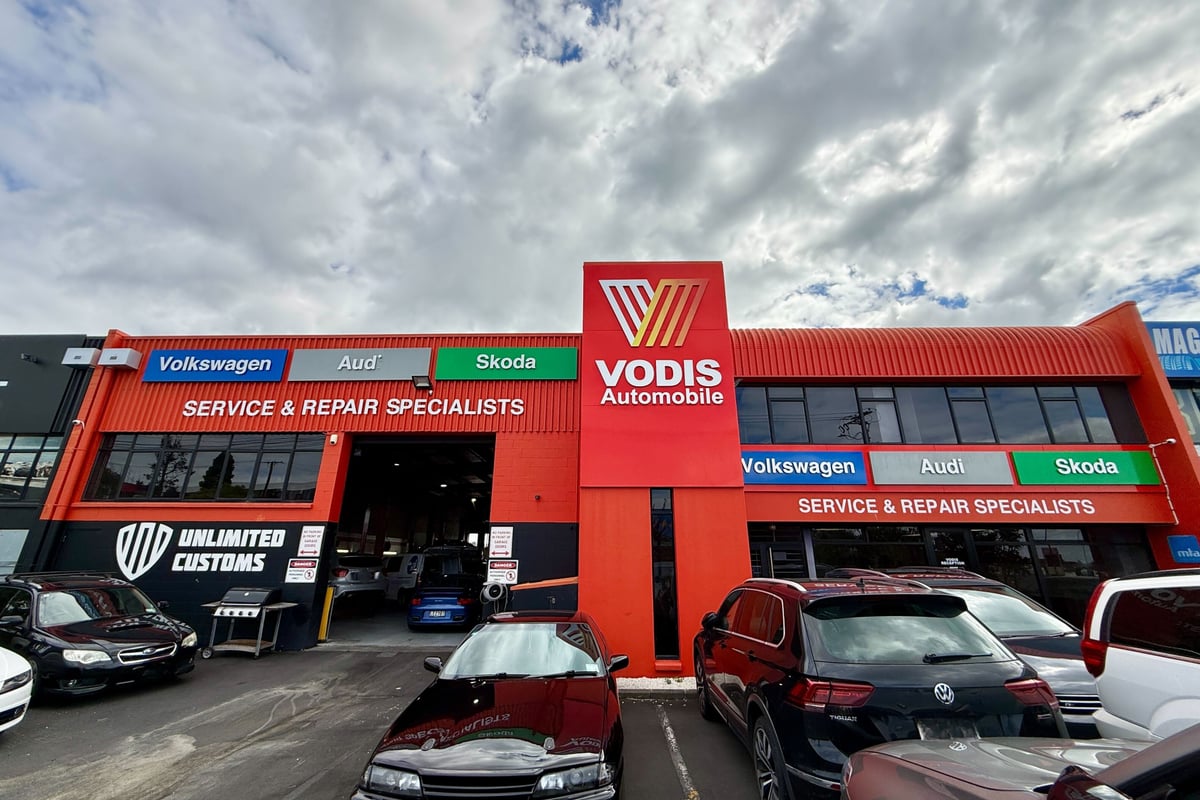
Independent European specialists combine manufacturer expertise with competitive pricing and personalized service. The best independent shops invest in factory-level diagnostic equipment, ongoing technician training, and maintain relationships with quality European parts suppliers. For Auckland's North Shore residents, accessing specialized facilities through convenient online booking systems streamlines the service process while ensuring expert care for European vehicles.
Technician Qualifications and Certifications
Professional technicians should possess recognized qualifications demonstrating their expertise:
- Factory certifications from manufacturers like Volkswagen Academy, BMW Technical Training, or Mercedes-Benz Qualifications
- National trade qualifications such as New Zealand Certificate in Automotive Engineering (Level 3-4)
- Specialized diagnostic training in electronic systems, hybrid/electric vehicles, or advanced driver assistance systems (ADAS)
Experienced technicians stay current with evolving technology through continuous professional development. The complexity of modern systems, as documented in research on automotive OEM information systems, requires ongoing learning to maintain competency.
Parts Quality and Sourcing Considerations
The parts used in automobile service and repair directly affect vehicle performance, safety, and longevity. European vehicle owners should understand the differences between available options.
Genuine OEM Parts
Original Equipment Manufacturer (OEM) parts are produced to exact factory specifications, ensuring perfect fit and compatibility. They typically include warranties and guarantee performance matching original components.
Advantages of OEM parts:
- Guaranteed compatibility with vehicle systems
- Manufacturer warranty coverage
- Consistent quality and specifications
- No risk of coding or programming issues
Premium Aftermarket Alternatives
Quality aftermarket manufacturers produce components meeting or exceeding OEM specifications, often at lower prices. Reputable European parts brands include Bosch, Continental, Sachs, and Bilstein.
Selecting aftermarket parts requires expertise to ensure compatibility and quality. Not all aftermarket components suit European vehicles, particularly for complex electronic systems or precision-engineered mechanical assemblies.
Avoiding Counterfeit and Substandard Parts
The European automotive parts market unfortunately includes counterfeit products that pose safety risks and reliability concerns. Professional service centers maintain relationships with authorized distributors, ensuring parts authenticity and quality.
According to data from vehicle reliability research platforms, using substandard parts significantly increases the likelihood of premature failure and repeat repairs, ultimately costing owners more than quality components.
Advanced Service Procedures
Certain automobile service and repair tasks require specialized knowledge and equipment beyond basic maintenance capabilities.
Diesel Particulate Filter Maintenance
Modern diesel European vehicles incorporate Diesel Particulate Filters (DPF) to reduce emissions. These systems require specific maintenance attention:
Regeneration processes burn accumulated soot, but vehicles used primarily for short trips may not reach the temperatures needed for automatic regeneration. This can lead to DPF blockages requiring forced regeneration or replacement.
DPF fluid (AdBlue) in vehicles with Selective Catalytic Reduction (SCR) systems must be topped up regularly. Running low triggers warnings and eventually prevents engine starting.
Dual-Clutch Transmission Service
Volkswagen's DSG, Audi's S tronic, and similar dual-clutch transmissions require specific service procedures:
- Mechatronic unit adaptation after fluid changes ensures proper clutch engagement
- Clutch wear monitoring through diagnostic systems predicts remaining service life
- Software updates address shift quality and durability improvements
- Fluid quality critically affects operation, requiring VW G 052 182 or equivalent specifications
Electrical System Repairs
Battery management systems in modern European vehicles demand careful attention during service. Simply replacing a battery without proper registration can trigger charging system faults and reduce battery life.
Sophisticated vehicles monitor battery condition, age, and capacity, adjusting charging algorithms accordingly. When installing new batteries, technicians must code the replacement into the vehicle's system, resetting adaptive values for optimal performance.
Warranty and Service History Importance
Maintaining comprehensive automobile service and repair records protects your investment and preserves vehicle value.
Documentation Requirements
Complete service history demonstrates proper maintenance when selling vehicles or making warranty claims. Professional service centers provide detailed documentation including:
- Date, mileage, and services performed
- Parts replaced with part numbers and specifications
- Diagnostic findings and recommendations
- Technician identification and facility details
Warranty Considerations
New European vehicles typically include manufacturer warranties covering defects for three to five years. Extended warranties and certified pre-owned programs require adherence to specified maintenance schedules at authorized facilities.
Understanding warranty terms prevents unintentional coverage voidance. Most manufacturers require proof of maintenance at specified intervals, regardless of which facility performs the work, provided they use appropriate parts and procedures.
Technology Integration in Modern Service
The automobile service and repair industry continues evolving with technological advancement, improving efficiency and accuracy.
Research into automatic diagnostic systems demonstrates how machine learning and artificial intelligence increasingly support technician decision-making. These systems analyze fault patterns, suggest probable causes, and recommend efficient repair procedures.
Connected vehicle technology now allows remote diagnostics, with some manufacturers enabling over-the-air software updates and fault monitoring. This connectivity improves service efficiency by identifying issues before customers notice symptoms.
Predictive maintenance algorithms analyze driving patterns, component wear rates, and environmental factors to forecast service needs. This proactive approach prevents unexpected failures and optimizes maintenance scheduling.
Cost Management and Budgeting
Understanding automobile service and repair costs helps European vehicle owners budget appropriately and avoid financial surprises.
Typical Service Costs
European vehicle maintenance typically costs more than Asian or domestic alternatives due to:
- Higher parts prices reflecting engineering complexity
- Specialized tools and diagnostic equipment requirements
- Extended labor times for thorough procedures
- Technician expertise and training investments
However, proper maintenance actually reduces long-term ownership costs by preventing expensive failures and preserving vehicle value.
Service Plan Options
Some owners benefit from prepaid service plans offered by dealerships or independent specialists. These plans provide:
- Fixed costs for scheduled maintenance over specified periods
- Protection against price increases during the plan term
- Convenience of pre-arranged appointments and services
Evaluating plan value requires calculating typical service costs and comparing against plan pricing, considering your expected annual mileage and service frequency.
Proper automobile service and repair practices ensure European vehicles deliver the performance, reliability, and safety their engineering promises. Selecting qualified technicians, using quality parts, and maintaining regular service schedules protects your investment while preventing costly repairs. For North Shore Auckland residents seeking expert care for their Volkswagen, Audi, Mercedes, BMW, or Skoda vehicles, VODIS Automobile combines over 20 years of specialized experience with factory-trained technicians and comprehensive service capabilities, ensuring your European vehicle receives the professional attention it deserves.