


Finding reliable car repair specialists has become increasingly complex as modern vehicles incorporate advanced electronics, specialized components, and manufacturer-specific technologies. European vehicles, in particular, require technicians who understand the intricate systems unique to brands like Volkswagen, Audi, Mercedes-Benz, BMW, and Skoda. The difference between a general mechanic and a true specialist often determines whether your vehicle receives the precise care it requires or simply adequate maintenance that misses critical issues.
The Evolution of Automotive Specialization
The automotive repair industry has undergone significant transformation over the past two decades. Modern vehicles contain more computing power than spacecraft from previous generations, requiring repair professionals to develop expertise far beyond basic mechanical skills. Car repair specialists now need proficiency in diagnostics software, electronic control units, and complex integrated systems that govern everything from engine performance to safety features.
This evolution has created a clear distinction between different levels of service providers. Traditional workshops may handle routine maintenance adequately, but specialized repairs demand deeper knowledge.
Why European Vehicles Require Specialized Expertise
European manufacturers employ proprietary technologies and engineering approaches that differ substantially from other vehicle types. Consider these key distinctions:
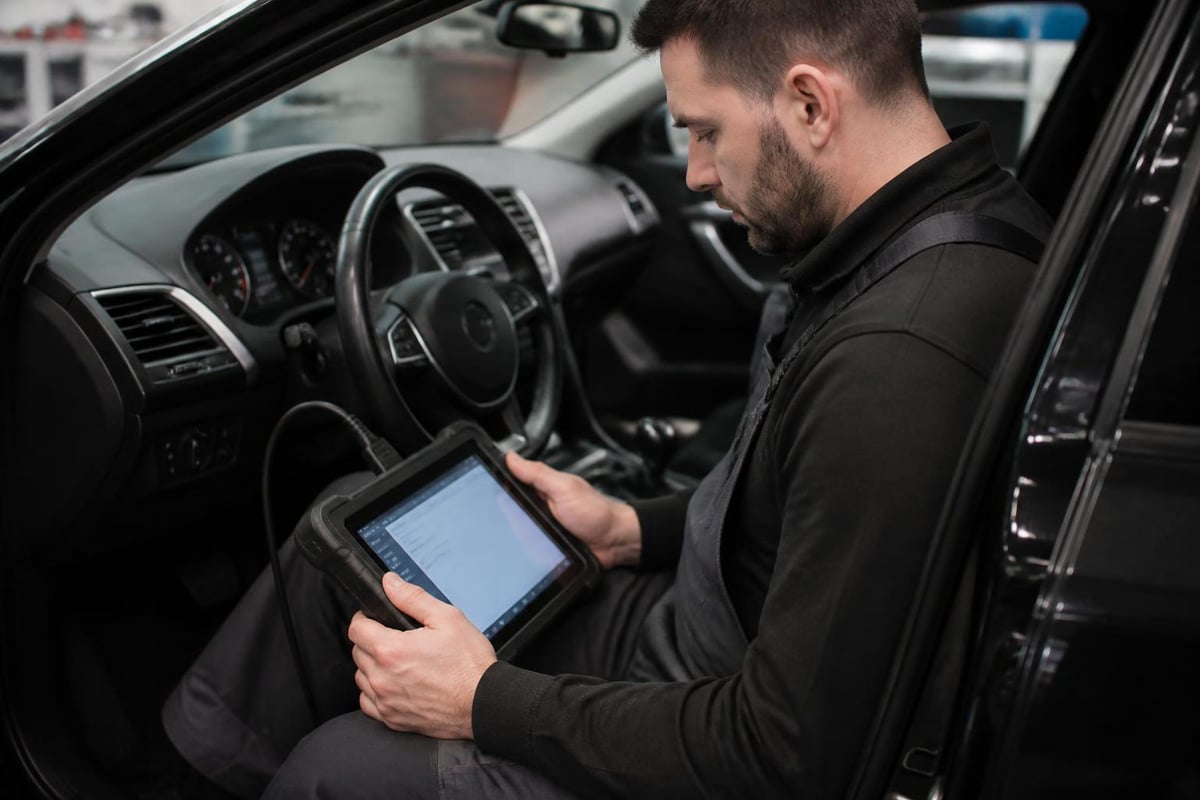
- Diagnostic protocols: VAG group vehicles (Volkswagen, Audi, Skoda) use specific diagnostic software that generic code readers cannot fully access
- Component integration: European cars feature tightly integrated systems where multiple components communicate constantly
- Quality standards: Manufacturers specify precise tolerances, lubricants, and replacement parts that generic alternatives cannot match
- Software requirements: Many repairs require system reprogramming or adaptation procedures unique to each brand
The Motorist Assurance Program emphasizes building trust through specialized knowledge, recognizing that modern vehicle complexity demands focused expertise rather than general mechanical ability.
Credentials That Define True Specialists
Professional certifications separate competent car repair specialists from those merely claiming expertise. Understanding these credentials helps vehicle owners make informed decisions about where to entrust their investments.
Industry-Recognized Qualifications
The automotive repair sector maintains rigorous standards for professional development. The Institute of the Motor Industry provides National Occupational Standards that establish benchmarks for skills and competencies across the industry.
| Certification Type | Focus Area | Relevance to European Vehicles |
|---|---|---|
| Factory Training | Brand-specific systems | Essential for complex diagnostics |
| ASE Certification | General automotive knowledge | Foundation-level competency |
| I-CAR Training | Collision repair standards | Critical for bodywork specialists |
| Manufacturer Technical Courses | Latest model technologies | Required for warranty compliance |
Factory-trained technicians bring substantial advantages to European vehicle servicing. They receive direct instruction from manufacturer engineers, access to proprietary repair procedures, and ongoing updates as new models introduce fresh technologies. This training proves invaluable when addressing issues that generic repair manuals cannot resolve.
The Training Investment Behind Excellence
Becoming proficient as car repair specialists requires significant time and financial investment. Automotive technology programs provide foundational knowledge, but mastery develops through years of hands-on experience combined with continuous education.
Top-tier workshops invest thousands of pounds annually in technician training, ensuring their teams stay current with evolving technologies. This commitment separates exceptional service centres from those relying on outdated knowledge.
Diagnostic Precision in Modern Repair Work
The diagnostic phase determines whether repairs address root causes or merely treat symptoms. Car repair specialists distinguish themselves through methodical diagnostic approaches that generic workshops often skip.
Advanced Diagnostic Equipment
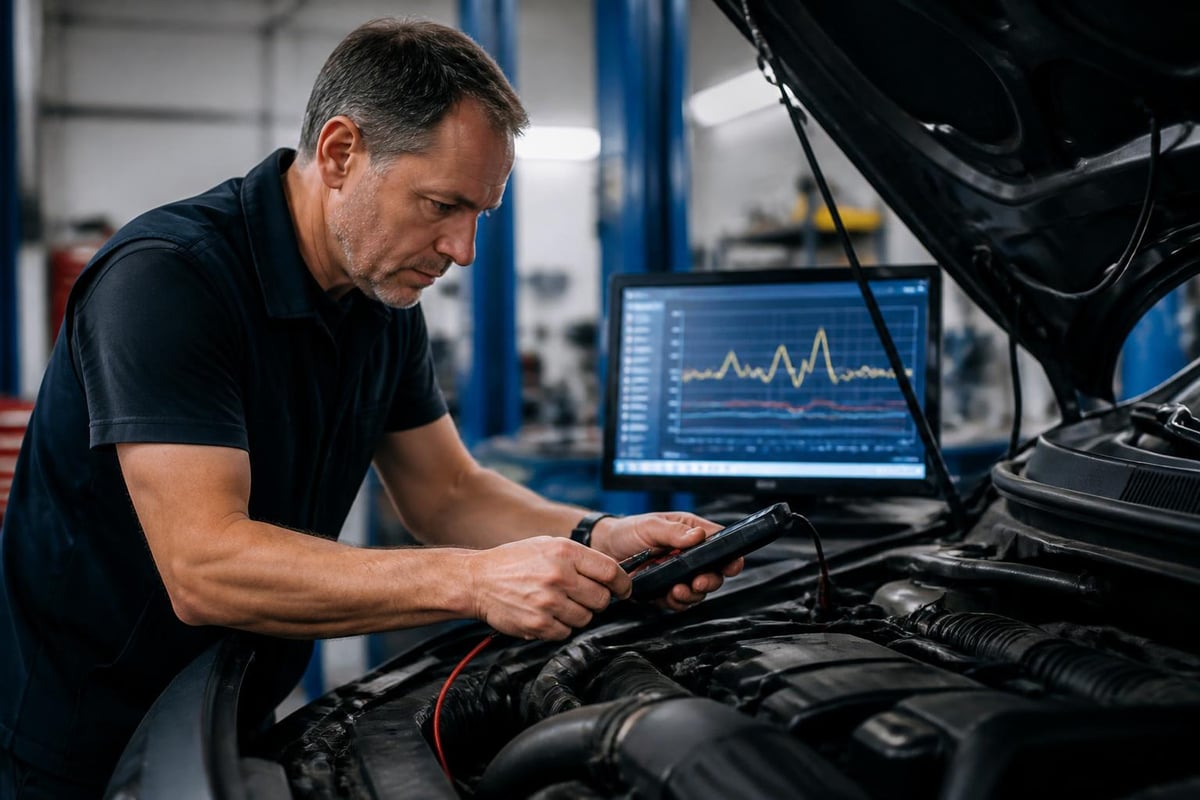
Modern European vehicles require specialized tools that extend far beyond basic code readers:
- Manufacturer-specific diagnostic platforms that access all vehicle control modules
- Oscilloscopes and multimeters for electrical system analysis
- Pressure testing equipment for fuel, cooling, and hydraulic systems
- Component adaptation tools that recalibrate systems after repairs
- Network communication analyzers that identify data bus issues
Research on automated vehicle damage assessment demonstrates how advanced diagnostic technologies continue evolving, with real-time analysis becoming increasingly sophisticated.
The difference between adequate and exceptional diagnostics often emerges in complex electrical faults. A generic scanner might identify a fault code, but specialists understand the system architecture well enough to determine whether the code indicates a failed component or a symptom of another underlying issue.
The Value of Experience-Based Problem Solving
Technical expertise combines with practical experience to solve challenging repair scenarios. Car repair specialists develop pattern recognition through years of working with specific vehicle brands, enabling them to identify problems that might stump less experienced technicians.
This expertise proves particularly valuable when multiple issues interact. A engine performance complaint might stem from fuel system problems, exhaust restrictions, sensor failures, or software calibration issues. Specialists methodically eliminate possibilities rather than replacing components randomly.
Quality Standards and Parts Selection
The components used during repairs significantly impact long-term vehicle reliability and performance. Car repair specialists understand that parts quality varies dramatically across manufacturers and suppliers.
Genuine Versus Aftermarket Components
European vehicle owners face important decisions regarding replacement parts:
- Genuine OEM parts: Manufactured to exact specifications, guaranteed compatibility, premium pricing
- OEM equivalent parts: Produced by original manufacturers without branding, good quality at moderate cost
- Quality aftermarket: Reputable brands meeting or exceeding original specifications
- Budget aftermarket: Lower-cost alternatives with variable quality and longevity
Specialists guide customers through these choices based on vehicle age, usage patterns, and budget considerations. Critical safety components typically warrant genuine parts, while routine maintenance items may accept quality alternatives.
Consumer Reports’ guidance on certified repair shops highlights how reputable workshops maintain transparent parts policies, explaining options rather than making decisions for customers.
| Component Category | Recommendation | Reasoning |
|---|---|---|
| Brake components | Genuine or premium aftermarket | Safety-critical, performance-matched |
| Engine sensors | Genuine OEM | Precise calibration requirements |
| Filters and fluids | Quality aftermarket acceptable | Meet manufacturer specifications |
| Suspension parts | OEM equivalent or premium | Handling and safety considerations |
| Interior trim | Aftermarket acceptable | Non-critical functionality |
For those seeking expert care for their European vehicles, particularly Volkswagen, Audi, and Skoda models, professional servicing combines factory-trained expertise with transparent parts policies and comprehensive warranties.
Communication and Transparency Practices
Technical competence alone doesn't define exceptional car repair specialists. The ability to communicate complex issues clearly and maintain transparency throughout the repair process builds trust and ensures customers make informed decisions.
Effective Customer Communication
Professional workshops establish clear communication protocols:
- Pre-repair inspection reports with photographic documentation
- Detailed estimates breaking down labour and parts costs
- Authorization procedures before performing additional work
- Progress updates for extended repairs
- Post-repair explanations of work performed and recommendations
Transparency regarding pricing eliminates unpleasant surprises at collection time. Reputable specialists provide itemized quotations that customers can verify and compare. New York’s repair quality standards emphasize the importance of clear pricing and quality workmanship, principles that ethical workshops embrace regardless of location.
Documentation and Warranty Provisions
Comprehensive service records benefit both workshops and customers. Detailed documentation establishes service history, supports warranty claims, and provides reference points for future diagnostics.
Quality car repair specialists stand behind their work with meaningful warranties covering both parts and labour. Typical coverage extends 12 months or 20,000 kilometres, demonstrating confidence in repair quality and component selection.
Facility Standards and Equipment Investment
The physical workshop environment reveals much about a specialist's commitment to quality. Modern automotive repair demands substantial infrastructure that general mechanics often lack.
Essential Workshop Infrastructure
Professional facilities require significant capital investment:
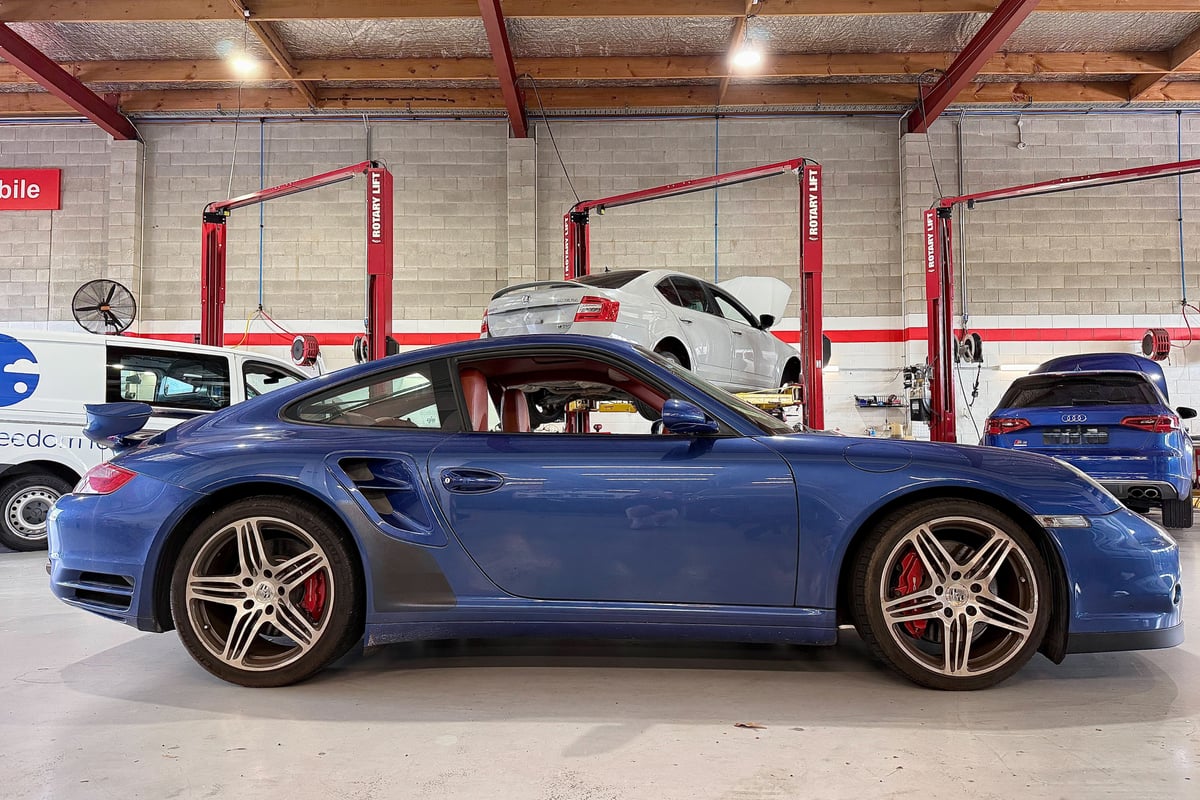
- Manufacturer-approved lifts rated for modern vehicle weights and configurations
- Wheel alignment systems with precise measurement capabilities
- Climate-controlled environments for paint and bodywork
- Parts storage systems maintaining component integrity
- Safety equipment including ventilation, fire suppression, and spill containment
California’s Bureau of Automotive Repair standards outline facility requirements ensuring work is performed safely and consistently, providing useful benchmarks for evaluating any workshop.
The cleanliness and organization of a repair facility often correlates with attention to detail in actual repairs. Specialists maintain organized workspaces because they understand that precision work requires controlled environments free from contamination and confusion.
Choosing the Right Specialist for Your Vehicle
Selecting appropriate car repair specialists involves evaluating multiple factors beyond convenient location or lowest pricing. European vehicle owners should prioritize expertise, equipment, and proven track records over price alone.
Key Evaluation Criteria
When assessing potential service providers, consider these essential elements:
| Criterion | What to Look For | Red Flags |
|---|---|---|
| Specialization | Brand-specific focus, factory training | "We work on everything" claims |
| Equipment | Current diagnostic tools, proper lifts | Outdated or improvised tools |
| Communication | Clear estimates, detailed explanations | Vague responses, pressure tactics |
| Facility | Clean, organized, professional | Cluttered, disorganized spaces |
| Reviews | Consistent positive feedback, detailed testimonials | Generic reviews, complaint patterns |
| Warranty | Comprehensive parts and labour coverage | Limited or no warranty offered |
Building Long-Term Service Relationships
The most valuable aspect of finding quality car repair specialists lies in establishing ongoing relationships. Technicians who regularly service your vehicle develop familiarity with its history, anticipate maintenance needs, and notice subtle changes that might indicate developing issues.
Consistency in service providers enables preventive approaches rather than reactive repairs. Specialists tracking your vehicle's service history can recommend timing belt replacements before failure, identify wear patterns suggesting alignment issues, and schedule maintenance strategically to avoid inconvenient breakdowns.
Automotive service technology programs prepare technicians with comprehensive training, but real expertise develops through years of focused practice on specific vehicle brands.
The Business Case for Specialist Service
European vehicle owners sometimes question whether specialized service justifies premium pricing compared to general repair shops. Understanding the long-term value proposition clarifies this decision.
Total Cost of Ownership Perspective
Initial service costs represent only one component of total ownership expenses. Consider these factors:
- Repair longevity: Quality work using appropriate parts lasts longer, reducing repeat repairs
- Resale value: Comprehensive service records from reputable specialists enhance vehicle value
- Reliability: Proper maintenance reduces unexpected breakdowns and associated costs
- Safety: Critical systems receive appropriate attention, protecting occupants
- Warranty protection: Proper service maintains manufacturer warranty validity
A slightly higher service invoice from qualified car repair specialists often costs less over time than repeated repairs from workshops lacking necessary expertise.
Preventive Maintenance Value
Specialists emphasize preventive strategies that general mechanics frequently overlook. Regular inspections identify emerging issues when repairs remain straightforward and affordable, preventing catastrophic failures requiring extensive reconstruction.
European vehicles particularly benefit from preventive approaches because their integrated systems can cascade failures across multiple components. A neglected cooling system issue might damage the engine, requiring repairs costing thousands rather than hundreds.
Technology Integration in Modern Workshops
Forward-thinking car repair specialists embrace technological advances that improve diagnostic accuracy, repair efficiency, and customer service quality. Digital tools transform how professional workshops operate in 2026.
Digital Service Management
Contemporary workshops implement comprehensive management systems:
- Online booking platforms allowing convenient appointment scheduling
- Digital inspection reports with annotated photographs and videos
- Customer portals providing service history access and maintenance reminders
- SMS and email updates keeping customers informed throughout repairs
- Digital payment systems offering flexible transaction options
These technologies enhance convenience while maintaining the personal service that distinguishes specialists from impersonal chain operations. Customers appreciate transparent communication and easy access to information about their vehicles.
Continuous Learning and Adaptation
The automotive industry evolves rapidly, with manufacturers introducing new technologies annually. I-CAR’s Gold Class program demonstrates how ongoing training ensures repair professionals maintain current knowledge across changing vehicle technologies.
Car repair specialists commit to continuous education, attending manufacturer training courses, industry conferences, and technical seminars that keep their expertise current. This investment differentiates professionals from technicians relying on outdated knowledge.
Selecting appropriate car repair specialists significantly impacts your European vehicle's performance, reliability, and longevity. The combination of manufacturer-specific training, advanced diagnostic equipment, quality parts selection, and transparent communication defines truly professional service. For North Shore Auckland residents seeking expert care for their Volkswagen, Audi, Mercedes-Benz, BMW, or Skoda vehicles, VODIS Automobile delivers the specialized expertise and professional service your investment deserves, backed by over 20 years of trusted experience.