


Volkswagen vehicles have earned a reputation for German engineering excellence, delivering reliability, performance, and innovative technology to New Zealand drivers. However, maintaining these sophisticated machines requires specialized knowledge and expertise. Understanding the fundamentals of volkswagen auto repair helps owners make informed decisions about servicing, recognize potential issues early, and ensure their vehicles perform optimally throughout their lifespan.
Understanding Volkswagen Engineering and Service Requirements
Volkswagen vehicles incorporate advanced engineering systems that distinguish them from mainstream automotive brands. The intricate design of these European vehicles demands specific technical knowledge and diagnostic capabilities that generalist mechanics may not possess.
Complex Electronic Systems
Modern Volkswagens integrate sophisticated electronic control units (ECUs) that manage everything from engine performance to safety systems. These computers constantly monitor hundreds of parameters, adjusting fuel injection, ignition timing, and transmission behaviour in real-time.
Key electronic components requiring specialist attention include:
- Engine management systems with precise fuel delivery algorithms
- Advanced driver assistance systems (ADAS) with calibrated sensors
- Dual-clutch transmission (DSG) control modules
- Electronic stability programmes with integrated brake systems
- Climate control systems with multi-zone temperature regulation
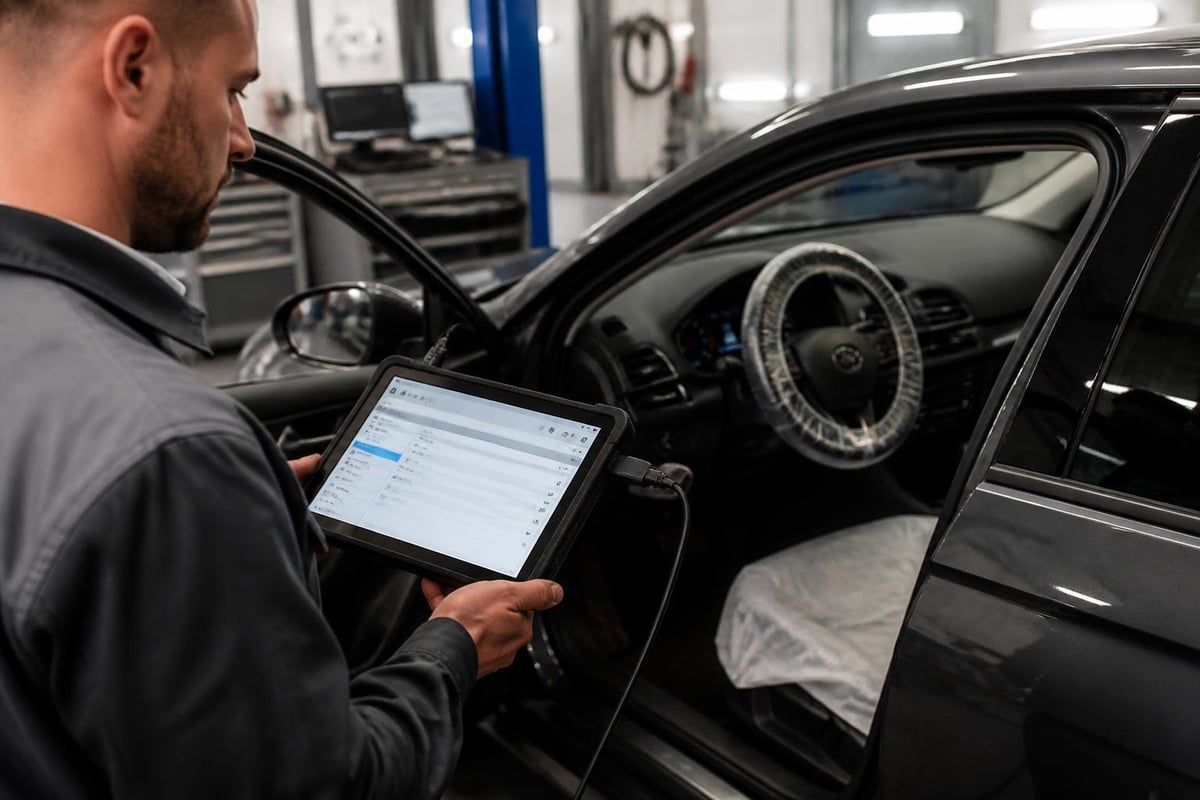
When these systems malfunction, generic diagnostic tools often fail to identify root causes. Volkswagen-specific equipment can access deeper system layers, retrieve manufacturer codes, and perform guided troubleshooting procedures that comprehensive repair databases provide for trained technicians.
Genuine Parts versus Aftermarket Alternatives
The debate between genuine Volkswagen parts and aftermarket alternatives significantly impacts repair quality and vehicle longevity. Genuine components meet precise engineering specifications developed during years of testing and refinement.
| Component Type | Genuine VW Parts | Quality Aftermarket | Budget Aftermarket |
|---|---|---|---|
| Exact Fit | Guaranteed | Usually | Variable |
| Warranty Coverage | Comprehensive | Limited | Minimal |
| Material Quality | OEM Standard | Comparable | Often Inferior |
| Longevity | Maximum | Good | Reduced |
| Cost | Premium | Moderate | Lowest |
Volkswagen's official position statements emphasize that using OEM components maintains vehicle safety and integrity, particularly for critical systems. Whilst quality aftermarket parts can provide acceptable performance in some applications, suspension components, steering systems, and safety-critical items benefit most from genuine replacements.
Common Volkswagen Repair Issues and Solutions
Understanding typical problems that affect Volkswagen models helps owners recognize symptoms early and address issues before they escalate into costly repairs.
DSG Transmission Service and Repairs
The Direct Shift Gearbox (DSG) represents Volkswagen's dual-clutch automatic transmission technology. This sophisticated system delivers rapid gear changes and improved fuel efficiency but requires meticulous maintenance.
DSG transmissions need fluid and filter changes every 60,000 kilometres, contrary to some marketing claims of "lifetime" fluid. Neglecting this service leads to erratic shifting, clutch slippage, and eventual mechatronic unit failure.
Common DSG symptoms include:
- Juddering during low-speed manoeuvres
- Delayed engagement when selecting drive or reverse
- Rough or hesitant gear changes
- Warning lights indicating transmission faults
- Unusual noises during gear selection
Addressing these issues promptly through volkswagen auto repair specialists prevents transmission damage that can cost thousands to rectify. Many DSG problems stem from simple software updates or adaptive learning resets rather than mechanical failure.
Engine Carbon Build-up in TSI and TDI Models
Volkswagen's turbocharged stratified injection (TSI) petrol engines and turbocharged direct injection (TDI) diesel engines share a common vulnerability: carbon accumulation on intake valves. Direct injection systems spray fuel directly into cylinders, bypassing intake valves that previously received cleaning from fuel wash.
Over time, blow-by gases deposit carbon on valve surfaces, reducing airflow and causing rough idling, misfires, and reduced performance. Professional walnut blasting or chemical cleaning restores proper engine function without valve removal.
Electrical Gremlins and Module Failures
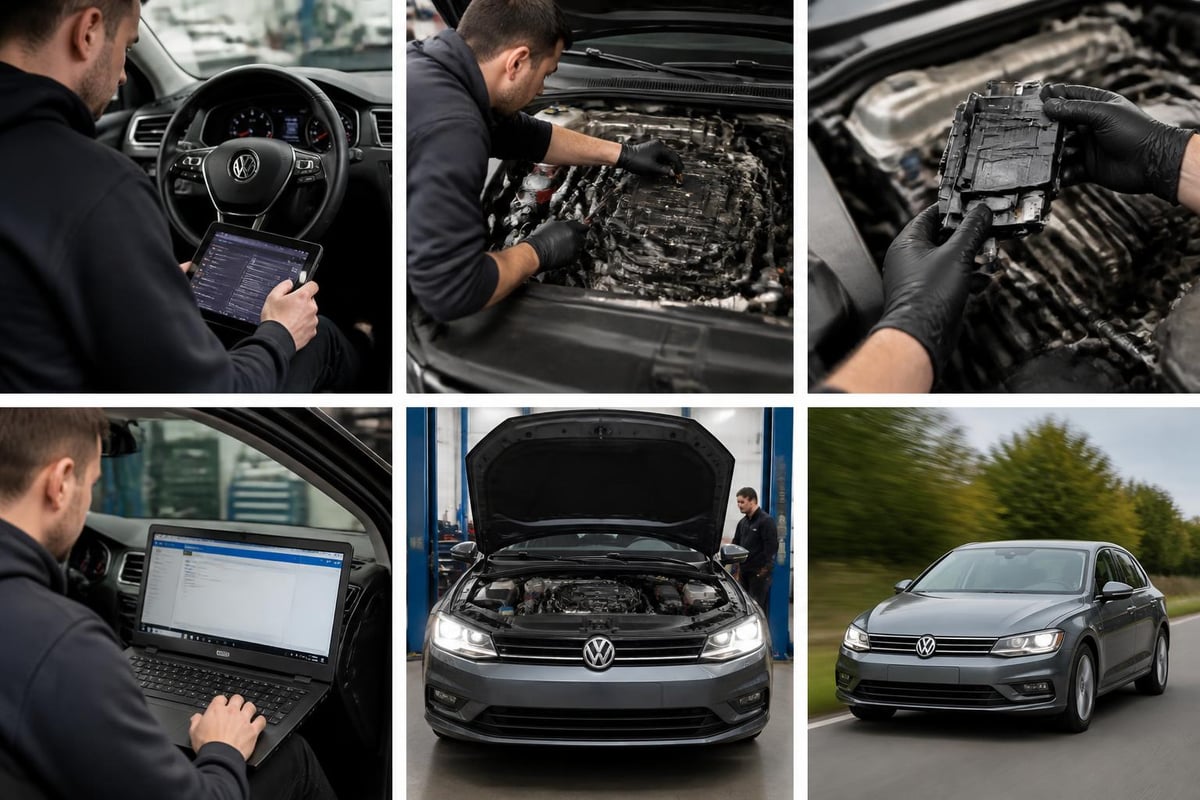
Volkswagen vehicles sometimes experience seemingly random electrical issues that frustrate owners and technicians alike. These problems often trace back to specific modules, wiring harness issues, or software glitches rather than widespread electrical system failure.
The Central Electronics Module (also called Gateway or Body Control Module) orchestrates communication between various systems. When this component develops faults, multiple seemingly unrelated symptoms can appear simultaneously: intermittent warning lights, non-functioning accessories, battery drain, or instrument cluster anomalies.
Scheduled Maintenance and Service Intervals
Adhering to Volkswagen's prescribed maintenance schedule preserves vehicle reliability, maintains warranty coverage, and protects resale value. These intervals reflect engineering requirements specific to how Volkswagen engines and systems function.
Annual Service Requirements
Volkswagen recommends annual servicing or every 15,000 kilometres, whichever occurs first. New Zealand's varied driving conditions often demand attention to the shorter interval, particularly for vehicles used in urban stop-start traffic or harsh environments.
Standard annual service includes:
- Engine oil and filter replacement with VW-approved specifications
- Brake fluid testing for moisture contamination
- Visual inspection of suspension components and CV boots
- Battery health assessment and charging system testing
- Software update verification and installation
- Multi-point safety inspection covering lights, wipers, and tyres
Beyond basic servicing, specific components require replacement at designated intervals. Timing belts (on applicable models) need changing every 90,000 to 120,000 kilometres depending on engine type. Ignition system components, air filters, and cabin filters follow their own schedules detailed in service booklets.
For those seeking reliable maintenance, booking through a specialist online portal streamlines the process and ensures factory-trained technicians handle your vehicle.
Extended Service Items
Longer-interval maintenance addresses components that don't require frequent attention but remain critical to vehicle operation. Coolant systems need complete fluid replacement every four years to prevent corrosion and maintain thermal efficiency. Brake fluid hygroscopic nature means it absorbs moisture over time, reducing boiling point and compromising braking performance.
Volkswagen's detailed service manuals provide comprehensive maintenance schedules, technical specifications, and repair procedures that specialist technicians reference during complex repairs.
Choosing the Right Volkswagen Repair Specialist
Selecting an appropriate service provider significantly impacts repair quality, cost-effectiveness, and long-term vehicle reliability. Not all automotive workshops possess the expertise, equipment, or commitment to excellence that Volkswagen vehicles demand.
Technician Qualifications and Training
Factory-trained technicians undergo extensive education covering Volkswagen-specific systems, repair procedures, and diagnostic protocols. This specialization proves invaluable when addressing complex issues that generic mechanics cannot properly diagnose.
Essential qualifications to verify:
- Completion of Volkswagen technical training programmes
- Access to manufacturer technical bulletins and service information
- Certification in advanced diagnostic procedures
- Ongoing professional development in emerging technologies
- Familiarity with specific model generations and their unique characteristics
Experience matters tremendously in volkswagen auto repair. Technicians who work exclusively on European vehicles develop pattern recognition abilities that accelerate accurate diagnosis. They understand common failure modes, recognize subtle symptoms, and implement proven solutions efficiently.
Diagnostic Equipment and Facilities
Proper Volkswagen servicing requires manufacturer-level diagnostic tools capable of communicating with all vehicle systems. Generic OBD-II scanners retrieve basic powertrain codes but cannot access transmission modules, body control systems, or perform required coding procedures after component replacement.
Professional workshops invest in Volkswagen-compatible diagnostic platforms that provide guided troubleshooting, access to comprehensive repair databases, and the ability to perform system adaptations. These tools cost significantly more than basic equipment but prove essential for accurate, efficient repairs.
Warranty Coverage and Guarantees
Reputable volkswagen auto repair specialists stand behind their work with comprehensive warranties covering both parts and labour. A twelve-month warranty on repairs demonstrates confidence in workmanship and component quality.
| Warranty Aspect | Professional Specialist | General Mechanic |
|---|---|---|
| Parts Coverage | 12+ months | 3-6 months |
| Labour Coverage | 12+ months | 3-6 months |
| Diagnostic Accuracy | Guaranteed | Variable |
| Comeback Rate | Minimal | Higher |
Understanding warranty terms protects owners from unexpected costs if repairs fail prematurely. Quality workshops clarify coverage limitations upfront and honour commitments without hesitation.
Cost Considerations and Value Assessment
Volkswagen ownership costs extend beyond purchase price to include ongoing maintenance and occasional repairs. Understanding these expenses helps owners budget appropriately and recognize genuine value versus false economy.
Comparing Service Provider Pricing
Dealership service departments typically charge premium rates reflecting overhead costs, brand positioning, and comprehensive facilities. Independent specialists often provide identical service quality at reduced prices through lower overheads whilst maintaining technical expertise.
Price comparison factors include:
- Hourly labour rates and how they're calculated
- Parts pricing (genuine versus quality aftermarket)
- Diagnostic fees and whether they're deducted from repair costs
- Additional charges for consumables, disposal, or environmental fees
- Transparency in quoting and approval processes
The lowest quote doesn't always represent the best value. Rushed repairs using inferior components create recurring problems that ultimately cost more than proper initial work. Detailed quotes itemizing parts, labour, and procedures enable informed decision-making.
Long-term Ownership Economics
Preventative maintenance costs significantly less than major repairs resulting from neglect. Regular servicing identifies developing issues when they're inexpensive to address, preventing catastrophic failures that sideline vehicles and empty wallets.
Volkswagen’s certified pre-owned warranty documentation illustrates manufacturer expectations for proper maintenance and the value placed on documented service history. Well-maintained Volkswagens with complete service records command higher resale prices and attract quality buyers.
Specialized Repair Procedures
Certain volkswagen auto repair procedures require specific knowledge, tools, and techniques that distinguish specialist workshops from generalist mechanics.
Software Updates and Module Coding
Modern Volkswagens rely heavily on software controlling various systems. Manufacturers release updates addressing performance issues, improving functionality, or resolving identified problems. Installing these updates requires access to manufacturer servers and understanding of which software versions suit specific vehicle configurations.
After replacing electronic modules, technicians must perform coding procedures that configure new components to communicate with existing systems. This process involves entering vehicle-specific parameters, enabling appropriate features, and verifying proper integration.
Suspension and Steering Geometry
Volkswagen suspension systems use precise geometry settings that affect handling, tyre wear, and stability. Replacement of suspension and steering components must follow manufacturer procedures and utilize appropriate replacement parts to maintain safety margins.
Four-wheel alignment using manufacturer specifications ensures optimal performance. Generic alignment settings don't account for Volkswagen-specific handling characteristics or weight distribution factors.
Fastener Replacement Requirements
Many Volkswagen fasteners use torque-to-yield designs that stretch during installation, ensuring precise clamping force. These components cannot be reused safely. Volkswagen’s position on fasteners emphasizes using new, OEM-specified hardware during repairs to maintain vehicle safety and performance.
Critical applications include cylinder head bolts, connecting rod bolts, and structural chassis fasteners. Reusing torque-to-yield fasteners risks component failure with potentially catastrophic consequences.
Advanced Diagnostic Approaches
Complex problems require systematic diagnostic methodologies that efficiently identify root causes without unnecessary parts replacement.
Network Communication Analysis
Volkswagen vehicles use Controller Area Network (CAN) bus systems enabling modules to share information. Communication errors between modules create diverse symptoms that might seem unrelated. Analyzing network traffic identifies which modules fail to communicate, revealing failing components or wiring issues.
Technicians examine communication patterns, response times, and error rates across the network. This approach pinpoints problems that parts-swapping cannot solve, saving time and preventing misdiagnosis.
Guided Troubleshooting Trees
Professional diagnostic platforms provide decision trees guiding technicians through logical diagnostic sequences. These structured approaches test specific parameters, eliminate possibilities systematically, and lead to accurate conclusions.
Following manufacturer-approved diagnostic procedures ensures nothing gets overlooked whilst preventing wild guessing that wastes time and money. Each test confirms or eliminates potential causes, narrowing possibilities until the actual problem becomes clear.
Environmental and Safety Considerations
Modern volkswagen auto repair practices must address environmental responsibilities and safety requirements protecting technicians, customers, and the broader community.
Proper Disposal of Automotive Fluids
Engine oil, coolant, brake fluid, and other automotive liquids require proper disposal through licensed waste management facilities. Professional workshops maintain collection systems and documentation proving compliance with environmental regulations.
Refrigerant recovery from air conditioning systems prevents atmospheric release of greenhouse gases. Certified technicians use specialized equipment capturing refrigerant for recycling or proper disposal.
Safety System Integrity
Advanced driver assistance systems include automatic emergency braking, lane keeping assistance, and adaptive cruise control. These features rely on precisely calibrated sensors and cameras positioned around the vehicle.
After windscreen replacement, front camera recalibration ensures systems function correctly. Bumper repairs or painting require radar sensor verification. Compromising these systems through improper repair procedures creates significant safety risks.
Future-Proofing Your Volkswagen
As vehicles age, strategic maintenance and timely repairs preserve functionality and extend service life beyond typical expectations.
Preventative Component Replacement
Certain components wear predictably, allowing proactive replacement before failure occurs. Water pumps on timing belt engines receive replacement during belt service, preventing subsequent pump failure that damages new belts. Thermostats, auxiliary drive belts, and coolant hoses follow similar logic.
This approach costs slightly more initially but prevents roadside breakdowns and subsequent damage from failed components. Convenience and reliability often justify the modest additional investment.
Technology Integration and Updates
Volkswagen occasionally offers retrofit programmes enabling older vehicles to receive updated technologies or improved components. Staying informed about these opportunities through specialist workshops ensures your vehicle benefits from manufacturer improvements.
Software updates addressing known issues, revised parts superseding problematic designs, and recall programmes all contribute to maintaining vehicle integrity. Specialist technicians monitoring technical service bulletins alert owners to relevant updates affecting their specific models.
Maintaining your Volkswagen through specialist volkswagen auto repair services protects your investment whilst ensuring reliable, safe operation for years to come. Whether you need routine servicing, diagnostic work, or major repairs, choosing technicians with genuine Volkswagen expertise makes all the difference. VODIS Automobile brings over 20 years of European vehicle specialization to Auckland's North Shore, combining factory-trained expertise with transparent communication and competitive pricing. Trust your Volkswagen to professionals who understand these sophisticated machines inside and out.