
European cars stand at the forefront of performance and innovation. Yet, as 2026 approaches, maintaining them presents new challenges with rapid advances in technology and evolving regulations.
If you own a European vehicle, you know that expert knowledge is essential. The landscape of car repair european is changing, and mistakes can be costly without up-to-date solutions.
This guide empowers you to navigate these changes with confidence. Discover the unique repair challenges, the latest diagnostic tools, essential maintenance steps, trusted strategies, and how to find the right specialist for your needs.
Unlock the secrets to keeping your European car performing at its best in 2026. Let’s get started.
The Unique Landscape of European Car Repair in 2026
European vehicles have always set the standard for driving innovation. In 2026, the landscape of car repair european has shifted dramatically. Owners and technicians alike must navigate a world shaped by new technologies, evolving regulations, and a growing demand for specialized expertise.
Evolving Automotive Technologies and Their Impact
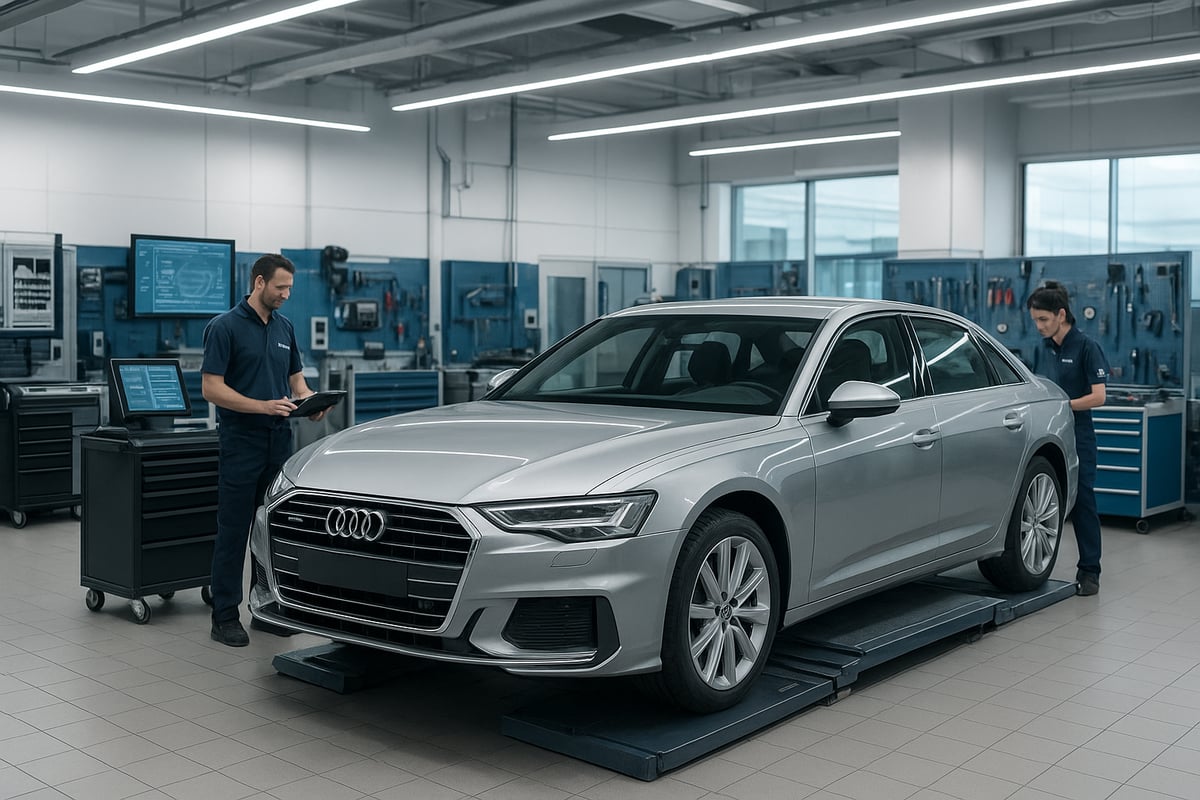
In 2026, European vehicles are leading the charge with hybrid and electric powertrains, advanced driver-assistance systems (ADAS), and extensive in-car connectivity. These advancements have made car repair european more complex than ever before.
Diagnostics now rely heavily on software, with manufacturer-specific platforms like VAG, BMW ISTA+, and Mercedes XENTRY required for accurate troubleshooting. Over-the-air updates, such as VW’s new system, mean repairs often involve both hardware and digital solutions. According to industry insights from Automotive industry trends: Predictions for 2026, 60% of European vehicles will feature advanced telematics by 2026. Staying current with these technologies is no longer optional for effective car repair european.
Regulatory Changes Affecting European Car Owners
New EU emissions and safety regulations are reshaping the car repair european process in 2026. Stricter emissions testing now demands precise calibration, especially for ADAS and emissions systems. Euro 7 compliance checks have become a routine part of many repairs.
Owners must also consider new rules for using aftermarket versus OEM parts. Industry reports reveal a 15% increase in regulatory-related repair costs this year. Understanding these regulations is essential for avoiding compliance issues or costly fines, making it crucial for anyone involved in car repair european to stay informed.
Common Challenges with European Models
Repairing European vehicles in 2026 presents unique challenges. Parts availability often causes delays, and costs remain higher than for non-European brands. Specialized diagnostic tools are required for most repairs, adding to the complexity of car repair european.
Certain models have recurring issues, such as BMW’s timing chain problems, Audi’s oil consumption, and Mercedes-Benz electronic module failures. A 2025 survey found that European car repairs average 25% higher in cost compared to other vehicles. See the table below for a quick comparison:
| Vehicle Type | Average Repair Cost | Common Issues |
|---|---|---|
| European | +25% | Timing chains, electronics |
| Non-European | Baseline | General wear |
Awareness of these car repair european challenges helps owners plan for maintenance and avoid unexpected expenses.
Importance of Specialist Knowledge and Training
Technician expertise is more important than ever in the car repair european field. Manufacturers now require specific certifications, and ongoing education is critical to keep up with evolving systems.
Independent specialists often invest in advanced training and tools that general workshops may lack. For example, repairing an Audi S-Tronic transmission requires brand-specific knowledge and equipment. A recent survey found that 80% of European car owners now prefer specialists for major repairs. Trusting a qualified expert for car repair european minimizes risk and extends vehicle lifespan.
- Manufacturer certifications mandatory
- Regular updates on new systems
- Difference in tooling and diagnostic access
The Rise of Independent European Repair Centres
Independent repair centres have gained significant ground in the car repair european market. More owners are turning to these specialists instead of dealerships, attracted by cost savings and personalized service.
These centres often develop strong reputations and customer loyalty. Testimonials highlight the value of transparent communication and honest advice. By 2025, independent centres handled 40% of all European vehicle repairs in Europe. For many, the expertise and value offered by an independent specialist make them the preferred choice for car repair european needs.
Step-by-Step Guide: Diagnosing and Repairing European Cars in 2026
Modern car repair european procedures require both technical expertise and a methodical approach. The following step-by-step guide outlines essential actions for accurate diagnosis and successful repair of European vehicles in 2026.
Step 1: Initial Assessment and Symptom Gathering
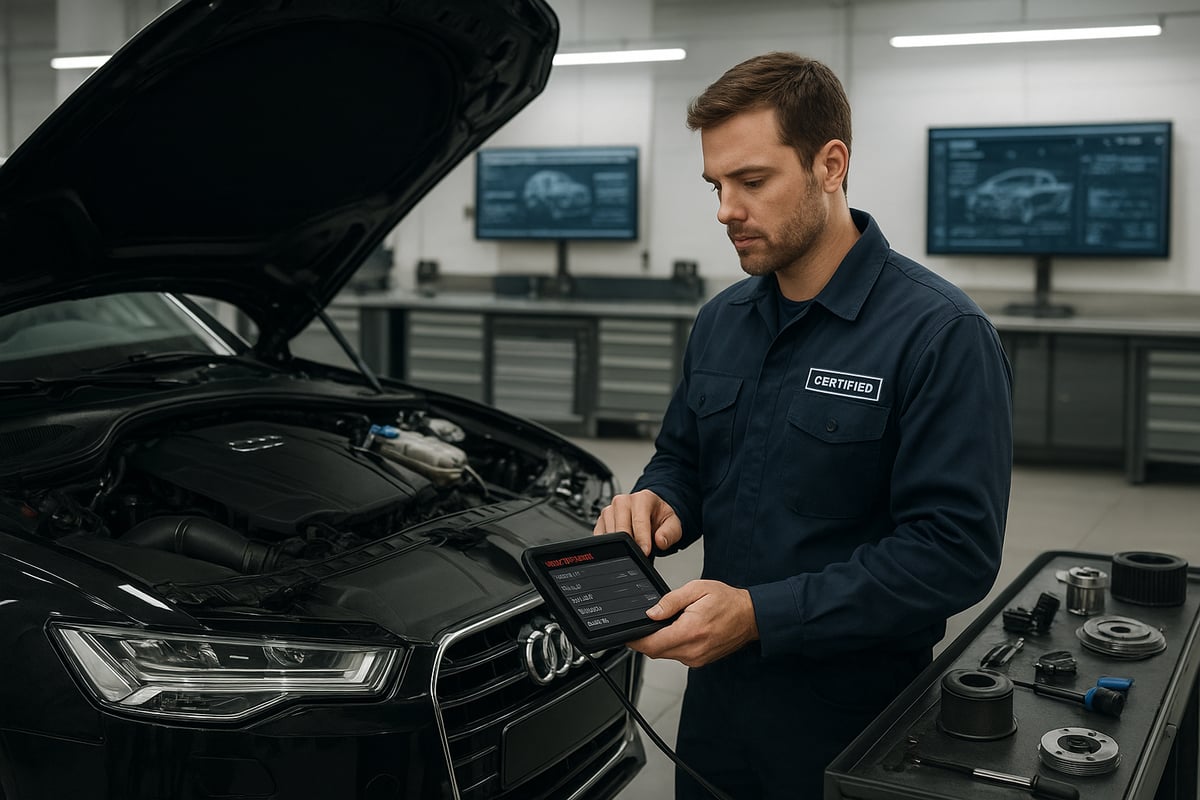
The first step in any car repair european process is collecting detailed information from the vehicle owner. Start by asking about recent warning lights, strange noises, or changes in performance. Encourage owners to provide digital service records and note any dashboard alerts, as these clues are invaluable.
For instance, Audi’s virtual cockpit may display error codes that point directly to electronic faults. By documenting symptoms carefully, technicians can form a clear diagnostic path. This approach reduces unnecessary work and helps isolate issues quickly.
Accurate symptom gathering is foundational to efficient repairs and avoids wasted time.
Step 2: Advanced Computer Diagnostics
Once symptoms are noted, technicians move to advanced computer diagnostics. Modern car repair european tasks rely on OBD-II scanners and manufacturer-specific platforms like BMW ISTA+ or Mercedes XENTRY. These systems read fault codes, check live data, and often require the latest software updates.
Did you know that 90% of faults in 2026 require digital diagnostics? Proper tools and up-to-date software are critical. For owners seeking expert support, European Car Servicing and Repairs offer access to specialist diagnostics and repair options tailored to each brand.
Staying current ensures even complex electronic issues are identified and resolved efficiently.
Step 3: Physical Inspection and Component Testing
Even with digital advances, hands-on inspection remains vital. During car repair european jobs, technicians visually check for leaks, worn hoses, and corrosion. They also test sensors, actuators, and electronic modules that may not trigger fault codes.
Take Volkswagen’s DSG mechatronics unit, for example, which can fail without clear electronic warnings. Combining digital and physical checks prevents misdiagnosis. A thorough inspection helps catch hidden issues before they escalate.
This step bridges the gap between data and real-world vehicle condition.
Step 4: Sourcing Genuine and High-Quality Parts
Selecting the right parts is crucial for any car repair european process. Technicians weigh the pros and cons of OEM versus aftermarket parts, considering reliability and supply chain factors. In 2026, counterfeit components pose a real risk, especially for popular models.
Industry studies reveal that 25% of breakdowns stem from inferior or fake parts. Investing in genuine, high-quality components ensures longevity and safety. Owners should work closely with repair specialists to verify part authenticity.
Quality parts are the foundation of dependable European vehicle performance.
Step 5: Expert Repair and Calibration
Precision is essential during the repair and calibration phase. Car repair european professionals follow manufacturer torque specifications, perform coding, and recalibrate advanced systems like ADAS and emissions controls.
For example, aligning a Mercedes-Benz radar sensor demands exact procedures and specialized equipment. Proper calibration is vital for safety features to function reliably. Skipping this step risks both compliance and driver safety.
Only trained experts can guarantee accurate, safe repairs in today’s complex vehicles.
Step 6: Post-Repair Testing and Quality Assurance
The final step in car repair european workflows is rigorous post-repair testing. Technicians conduct road tests, re-scan for error codes, and confirm system functionality with diagnostic tools. Owner feedback is also gathered to ensure satisfaction.
BMW adaptive cruise control checks are a good example of post-repair verification. Industry data shows that 95% of successful repairs include digital confirmation after service. This thorough quality assurance process helps prevent repeat visits and builds customer trust.
A robust QA step ensures long-term reliability and peace of mind.
Essential Maintenance Tips for European Vehicles
Keeping your European vehicle in prime condition requires a proactive approach. Owners seeking the best car repair european solutions in 2026 must focus on tailored maintenance, regular checks, and adapting to new technologies. Let’s explore the essential steps to preserve performance and avoid costly surprises.
Scheduled Servicing and Preventive Care
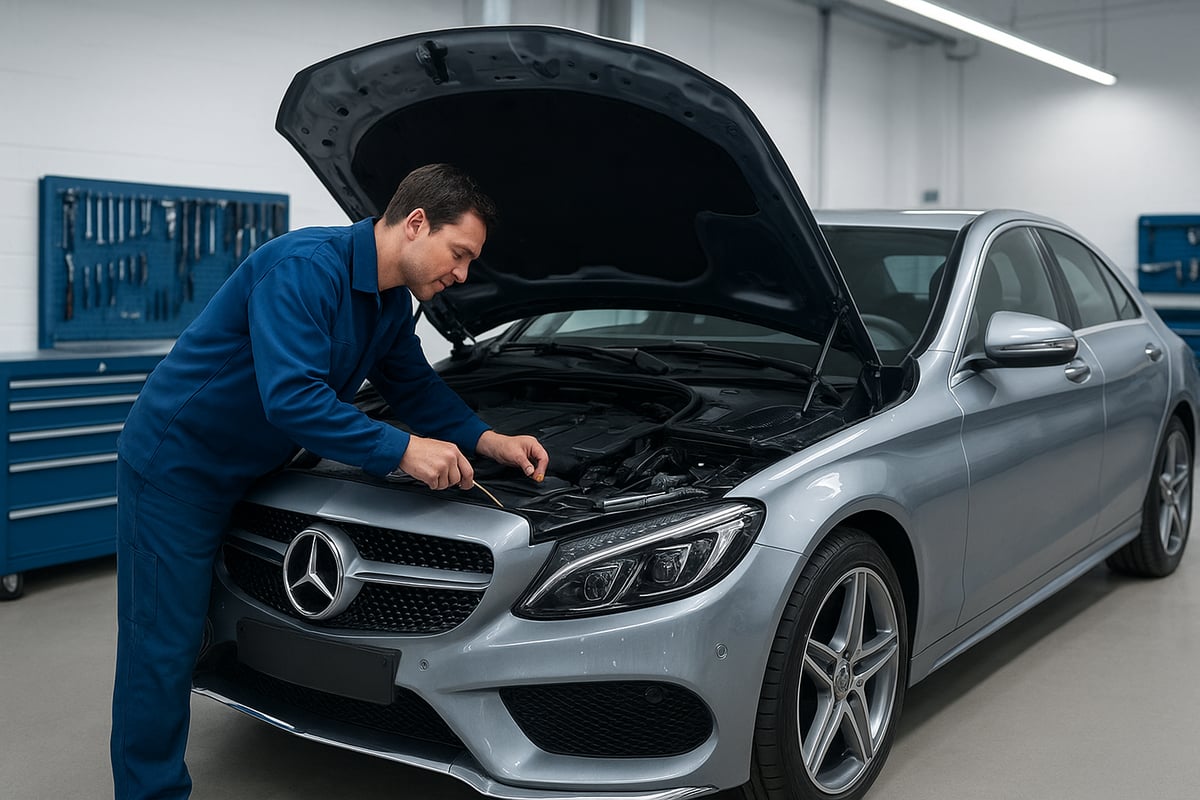
For any car repair european plan, scheduled servicing is the foundation. Always follow your manufacturer’s recommended intervals for oil, filters, fluids, and belts. Sticking to these schedules reduces the risk of major failures and keeps your warranty intact.
Regular check-ups often include:
- Oil and filter changes
- Inspection of belts and hoses
- Fluid top-ups and replacements
Consider how Skoda’s long-life service intervals are engineered for longevity. Data from a 2025 survey shows that routine servicing can halve the likelihood of a major breakdown. Preventive care is not just about ticking boxes, it’s a smart financial decision that underpins reliable car repair european ownership.
Managing Wear-Prone Components
A crucial aspect of car repair european maintenance is addressing known weak points. Components such as timing chains, water pumps, and suspension parts are prone to wear, especially in high-performance models. Early warning signs—unusual noises, minor leaks, or changes in handling—should never be ignored.
Take BMW’s timing chain tensioner as an example. Proactive replacement at the first sign of wear can prevent catastrophic engine damage. Industry data indicates that 30 percent of European engine failures are linked to neglected components. By staying alert to these vulnerabilities, car repair european owners can avoid unexpected repair bills and extend vehicle lifespan.
Battery and Electrical System Maintenance
Modern European cars are packed with advanced electronics, making battery care a core element of car repair european reliability. Batteries now support complex features like Start-Stop systems and digital dashboards, so their health is critical.
Maximize battery lifespan by:
- Ensuring regular charging cycles
- Coding new batteries during replacement
- Monitoring for warning lights or slow engine starts
Audi’s Start-Stop system, for instance, depends on a robust battery and precise coding. Recent studies show European vehicles experience 20 percent more electrical faults than the global average. Prioritizing electrical maintenance is non-negotiable for consistent car repair european performance.
Caring for Hybrid and Electric European Models
Hybrid and electric vehicles introduce new maintenance needs to the car repair european checklist. Battery health checks, software updates, and cooling system care are essential for these advanced models. Charging habits also impact battery longevity, so follow manufacturer guidelines closely.
Mercedes EQC drivers, for example, benefit from regular software update cycles to ensure optimal performance and safety. With 40 percent of new European cars electrified in 2026, specialized expertise is a must for effective car repair european. For comprehensive servicing across brands, Other European Vehicle Servicing provides tailored solutions for evolving technology.
Seasonal and Environmental Considerations
Adapting your car repair european approach to the seasons is vital. Winter demands checks on fluids, tires, and underbody protection, while hot climates require attention to cooling systems and air conditioning. Neglecting these adjustments can result in seasonal breakdowns or reduced efficiency.
Volkswagen’s coolant system maintenance, for instance, is designed to handle both cold and hot environments. By tailoring maintenance to local conditions, owners can prevent avoidable issues and ensure year-round reliability. A season-specific car repair european strategy keeps your vehicle prepared for any challenge.
Choosing the Right European Car Repair Specialist
Selecting the best car repair european specialist in 2026 is more important than ever. Advanced vehicle technology and evolving regulations mean choosing expertise is crucial for safety and value. Let us break down what to look for and how to make the right decision for your European vehicle.
What Sets a Specialist Apart?
A true car repair european specialist is distinguished by manufacturer training, certifications, and investment in brand-specific equipment. These professionals are equipped to handle the complex systems found in brands like Audi, Volkswagen, and Mercedes-Benz.
Specialists stand out in several ways:
- They use diagnostic platforms tailored to each manufacturer, ensuring precise troubleshooting.
- Their technicians undergo continuous training to stay current with the latest technology.
- Genuine parts and up-to-date software are standard.
For example, an Audi Servicing and Diagnostics expert will accurately address model-specific issues, reducing the risk of misdiagnosis or repeat repairs.
Key Questions to Ask Your Repair Centre
Before choosing a car repair european provider, ask targeted questions to gauge their competence and transparency. These inquiries help ensure your vehicle receives the highest standard of care:
- Does your team have experience with my vehicle’s make and model?
- Will you use genuine or high-quality parts?
- What warranty do you offer on repairs and parts?
- How do you communicate about costs and unexpected findings?
A well-prepared checklist can reveal the workshop’s strengths and help you identify red flags before you commit.
The Role of Reviews and Reputation
A car repair european specialist’s reputation is a strong indicator of service quality. Online reviews, customer testimonials, and industry awards provide real-world insight into reliability and professionalism.
Look for consistent positive feedback, especially regarding communication, problem-solving, and long-term customer relationships. According to recent data, 70% of European car owners rely on online reputation when selecting a repairer.
If you notice repeated complaints about transparency or quality, consider it a warning sign to keep searching.
Comparing Dealerships and Independent Centres
When it comes to car repair european services, both dealerships and independent centres have their merits. Dealerships often provide warranty-backed repairs and access to proprietary tools, making them ideal for newer vehicles.
Independent specialists, however, frequently offer:
- Lower costs, often saving customers an average of 20%
- Faster turnaround times
- Personalized service and flexibility
A case study comparison shows that independent centres can deliver dealership-level quality at a better price, especially for vehicles out of warranty.
VODIS Automobile: Auckland’s Trusted European Car Specialists
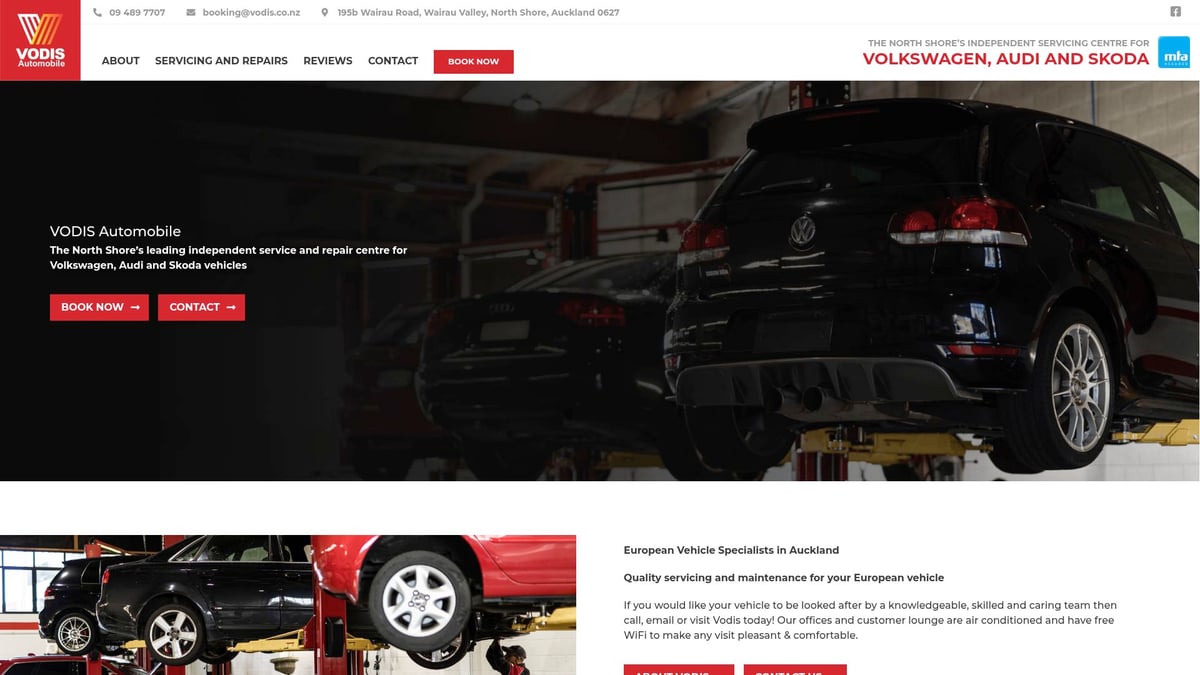
VODIS Automobile exemplifies what you should expect from a premium car repair european specialist. Serving Auckland’s North Shore for over two decades, VODIS is renowned for expertise with Volkswagen, Audi, Mercedes, BMW, and Skoda vehicles.
Their commitment includes:
- Dealership-level servicing with genuine parts
- Transparent, customer-focused communication
- Modern facilities and online booking
- MTA membership for peace of mind
Long-term client testimonials highlight VODIS’s honesty, professionalism, and dedication to building lasting relationships—making them a trusted choice for discerning European car owners.
The Future of European Car Repair: Trends and Innovations for 2026
Staying ahead in car repair european means embracing new technologies and adapting to rapid industry changes. In 2026, owners and repair professionals will encounter a landscape shaped by artificial intelligence, connected vehicles, sustainability, and ongoing skills development. Let us explore the top trends influencing the future of car repair european and how these innovations will define the next generation of service excellence.
Integration of AI and Predictive Maintenance
Artificial intelligence is revolutionizing car repair european by enabling smarter diagnostics and timely interventions. AI-driven platforms now monitor vehicle health in real time, analyzing sensor data to predict potential failures before they occur. For example, BMW’s predictive maintenance alerts notify drivers about upcoming issues, minimizing the risk of breakdowns.
According to Automotive Repair Maintenance Service Market Executive Brief & Strategic Insights [2024–2034], AI integration is expected to reduce unplanned breakdowns by 35 percent in 2026. This shift empowers both car owners and workshops to schedule repairs proactively, reducing costs and maximizing uptime. Embracing AI is essential for anyone serious about car repair european.
Remote Diagnostics and Over-the-Air (OTA) Updates
Remote diagnostics are transforming car repair european by allowing workshops to access vehicle data without physical contact. In 2026, over 50 percent of European vehicles support OTA updates, enabling software patches and even recalls to be managed remotely. Volkswagen’s system, for instance, can update infotainment and safety features directly from the cloud.
This connectivity means fewer trips to the workshop for minor issues, faster resolution of software faults, and enhanced customer convenience. With these advancements, car repair european professionals can offer more flexible and efficient service, keeping vehicles on the road with minimal disruption.
Sustainability and Green Repair Practices
Sustainability is rapidly becoming central to car repair european. Workshops are adopting eco-friendly practices, such as sourcing recycled parts and minimizing emissions from daily operations. Audi repairs, for example, increasingly utilize recycled materials, reducing environmental impact without sacrificing quality.
A recent EU report highlights that 30 percent of repair centers in 2026 have adopted green standards. Owners now expect their car repair european provider to prioritize sustainability, making it a key differentiator in the market. Choosing eco-conscious repair options supports both your vehicle and the planet.
The Role of Connected Car Data in Repairs
Connected car data is unlocking new possibilities in car repair european. Telematics systems collect vital information about driving habits, component wear, and system health. Services like Mercedes me connect grant workshops secure access to this data, streamlining diagnostics and enabling personalized maintenance plans.
However, data privacy remains a concern. Owners should ensure that their car repair european specialist respects their rights and uses data responsibly. The integration of connected data not only speeds up troubleshooting but also enhances the overall repair experience.
Training and Skills Development for Technicians
The future of car repair european relies on highly skilled technicians who can navigate evolving vehicle technologies. Continuous education is vital as manufacturers introduce new systems and certification requirements. In 2026, 75 percent of workshops are increasing their training budgets to keep pace with industry changes.
Volkswagen Group’s updated technician certification programs reflect the need for deep expertise in diagnostics, electronics, and software. Trusting your car repair european to professionals with up-to-date training ensures your vehicle receives the best possible care, today and tomorrow.
After exploring what makes European vehicles so exceptional—and the unique challenges they present as technology and regulations evolve in 2026—it's clear that choosing the right specialist truly matters. At VODIS Automobile, you benefit from a team that combines deep expertise with genuine care, using only quality parts and transparent communication every step of the way. If you want your Volkswagen, Audi, Mercedes, BMW, or Skoda to perform at its best for years to come, now’s the perfect time to take action.
Book in your service
and experience the difference of trusted, expert care.