


Finding reliable car repairs Auckland services for European vehicles requires understanding the unique needs of brands like Volkswagen, Audi, Mercedes, BMW, and Skoda. These sophisticated vehicles demand specialized knowledge, diagnostic equipment, and genuine parts to maintain performance and reliability. Whether you're scheduling routine maintenance or addressing unexpected issues, choosing the right service centre makes all the difference in preserving your vehicle's value and ensuring safety on New Zealand roads.
Understanding European Vehicle Service Requirements
European cars are engineered with precision systems that require specific maintenance protocols. Unlike standard vehicles, these marques incorporate advanced technology, from electronic suspension systems to complex engine management software.
Manufacturer Service Intervals
European manufacturers establish service schedules based on extensive testing and engineering standards. These intervals typically range from 10,000 to 15,000 kilometres for minor services, with major services recommended every 30,000 to 40,000 kilometres. However, Auckland's driving conditions-including stop-start traffic, coastal salt exposure, and variable terrain-may necessitate more frequent attention.
Following these recommended intervals ensures:
- Warranty protection remains valid
- Optimal fuel efficiency and performance
- Early detection of potential issues
- Extended component lifespan
- Maintained resale value
Common Maintenance Tasks
Regular maintenance for European vehicles encompasses several critical areas. Understanding these helps vehicle owners anticipate costs and schedule appointments appropriately when seeking car repairs Auckland services.
| Service Type | Frequency | Typical Components |
|---|---|---|
| Minor Service | 10,000-15,000km | Oil, oil filter, basic inspection |
| Major Service | 30,000-40,000km | All fluids, filters, brake check, comprehensive inspection |
| Brake Service | As needed/annually | Pads, rotors, fluid replacement |
| Timing Belt | 80,000-120,000km | Belt, tensioners, water pump (recommended) |
The Motor Trade Association provides guidance on vehicle maintenance that helps owners understand what each service should include. This transparency proves essential when evaluating service providers and ensuring comprehensive care.
Choosing a Specialist for Car Repairs Auckland
Selecting the appropriate service centre significantly impacts your European vehicle's performance and longevity. Not all mechanics possess the training or equipment necessary for these sophisticated automobiles.
Qualifications and Experience
Factory-trained technicians bring invaluable expertise to European car servicing. These professionals complete manufacturer-specific training programs, staying current with evolving technology and repair procedures. When evaluating car repairs Auckland options, consider:
- Certification levels – Factory training versus general automotive qualifications
- Brand specialization – Depth of experience with your specific marque
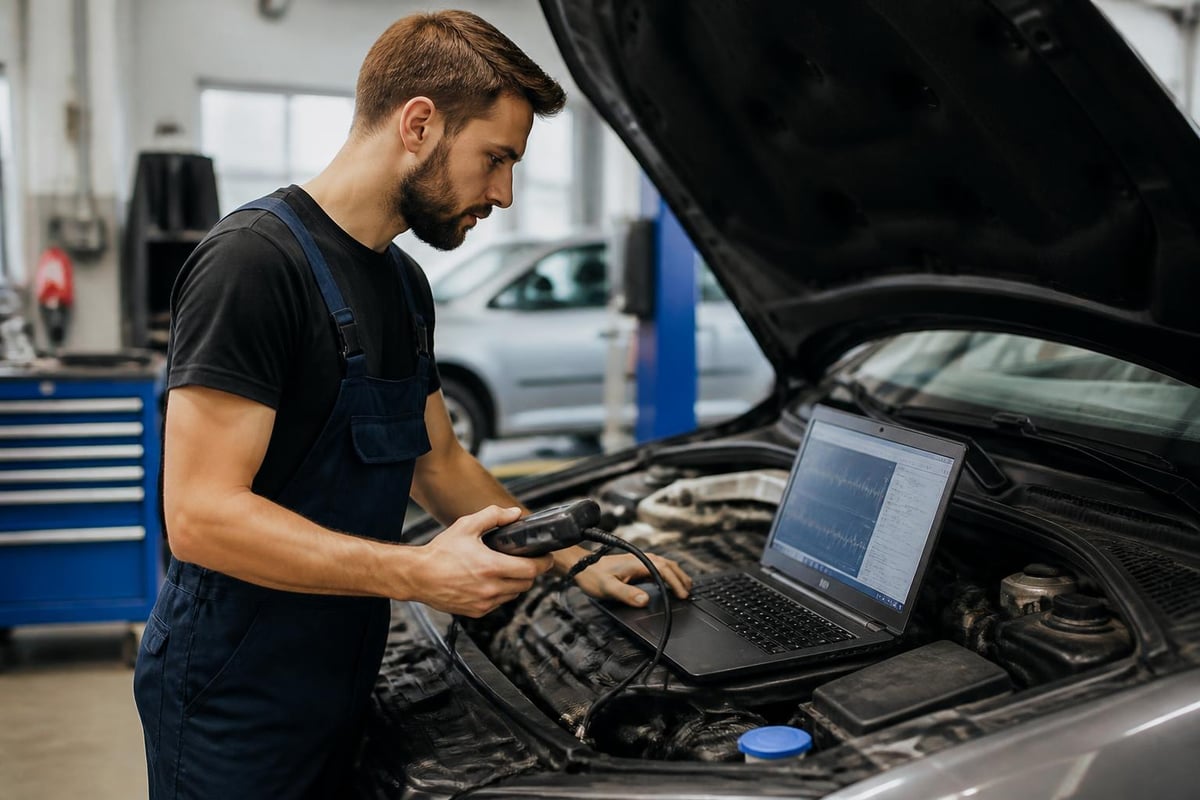
- Diagnostic capabilities – Access to manufacturer-level scanning and coding equipment
- Ongoing education – Commitment to staying updated with new models and systems
Specialist centres often invest tens of thousands of dollars in diagnostic tools that communicate directly with European vehicle control modules. This equipment enables accurate fault identification and proper system recalibration after repairs.
Parts Quality and Availability
European vehicles require components manufactured to exacting specifications. The parts debate typically centres on three categories:
Genuine OEM (Original Equipment Manufacturer)
- Identical to factory-installed parts
- Full warranty coverage
- Guaranteed compatibility
- Premium pricing
OES (Original Equipment Supplier)
- Manufactured by the same suppliers who produce OEM parts
- Excellent quality without the brand premium
- Compatible and reliable
- Cost-effective alternative
Aftermarket
- Variable quality levels
- Significantly lower cost
- May affect warranty claims
- Suitable for older vehicles or specific applications
Reputable service centres discuss parts options transparently, explaining the trade-offs between cost and quality. For critical safety systems or newer vehicles under warranty, genuine or OES parts remain the prudent choice.
Diagnostic Services and Modern Technology
Contemporary European vehicles function as computers on wheels, with dozens of electronic control units managing everything from engine performance to climate control. Effective car repairs Auckland services must navigate this complexity.
Advanced Diagnostic Equipment
Modern diagnostic work extends far beyond reading fault codes. Specialist equipment enables technicians to:
- Access all vehicle control modules simultaneously
- Perform bi-directional testing of components
- Code new parts to vehicle systems
- Update software and firmware
- View live data streams during operation
- Reset service indicators and adaptation values
This technology investment separates specialists from general mechanics. Without proper diagnostic capability, technicians resort to parts replacement guesswork, increasing costs and repair times unnecessarily.
Common European Vehicle Issues
Certain patterns emerge across European marques that Auckland owners should recognize:
- Coil pack failures – Particularly common in Volkswagen and Audi models
- Thermostat housing leaks – Plastic components deteriorate over time
- DSG transmission servicing – Critical for longevity, often overlooked
- Turbocharger wear – Requires quality oil and regular changes
- Suspension component deterioration – New Zealand's road conditions accelerate wear
Early detection through regular servicing prevents minor issues from escalating into major repairs. The NZTA’s Warrant of Fitness requirements mandate basic safety checks, but comprehensive servicing identifies problems before they compromise vehicle safety or reliability.
Brake Systems and Safety Components
European vehicles typically feature sophisticated braking systems, including electronic stability control, ABS, and increasingly, autonomous emergency braking. Maintaining these systems requires specialized knowledge and equipment.
Brake Service Essentials
Brake maintenance encompasses more than replacing pads when they wear thin. Comprehensive brake service includes:
- Pad and rotor measurement and replacement
- Caliper inspection and lubrication
- Brake fluid condition testing and replacement
- Electronic parking brake servicing
- ABS sensor cleaning and testing
- Brake line inspection for corrosion
Brake fluid replacement deserves particular attention. This hygroscopic fluid absorbs moisture over time, reducing boiling point and potentially causing brake fade. European manufacturers typically recommend replacement every two years, regardless of mileage.
When seeking car repairs Auckland services for brake work, ensure the provider can properly service electronic parking brakes, which require specific procedures to retract calipers safely.
Warrant of Fitness Preparation and Compliance
New Zealand's WoF system ensures vehicles meet minimum safety standards. European cars occasionally encounter specific challenges during inspections that preparation can prevent.
Common WoF Failure Points
Understanding typical failure areas helps owners prepare vehicles appropriately:
| Component | Common Issues | Prevention |
|---|---|---|
| Lights | LED/Xenon alignment, error codes | Regular bulb checks, proper lamp coding |
| Tyres | Uneven wear, incorrect specifications | Rotation, alignment checks, correct sizing |
| Suspension | Worn bushings, leaking dampers | Regular inspection, timely replacement |
| Emissions | Engine management faults | Address check engine lights promptly |
The MTA’s WoF checklist provides comprehensive guidance on inspection requirements. However, European vehicles with complex electronic systems may trigger failures that standard vehicles wouldn't encounter.
For example, a faulty ABS sensor creates a dashboard warning that constitutes immediate WoF failure, even if the base braking system functions perfectly. Specialist workshops identify and rectify these issues efficiently, understanding the electronic architecture that causes such failures.
Fuel Efficiency and Environmental Considerations
Proper maintenance directly impacts fuel consumption and emissions. Auckland's traffic patterns and topography can stress European engines, making regular servicing even more critical for efficiency.
Maintenance for Optimal Efficiency
Several service items significantly influence fuel economy:
- Air filter replacement – Restricted airflow forces the engine to work harder
- Fuel injector cleaning – Maintains proper spray patterns and combustion
- Spark plug replacement – Ensures complete combustion
- Tyre pressure – Underinflation increases rolling resistance substantially
- Wheel alignment – Incorrect geometry creates drag and uneven wear
The Energywise vehicle maintenance guidance demonstrates how regular servicing improves fuel efficiency by up to 10%. For European vehicles with turbochargers and direct injection systems, this percentage can prove even more significant when maintenance is neglected.
Emission System Maintenance
Modern European vehicles employ sophisticated emission control systems, including diesel particulate filters (DPF) and catalytic converters. Auckland's urban driving conditions-characterised by short journeys and stop-start traffic-can challenge these systems.
DPF regeneration requires sustained motorway driving periodically. Many Auckland drivers primarily navigate city streets, preventing complete regeneration cycles. This leads to blocked filters and expensive repairs. Regular servicing allows technicians to monitor DPF condition and recommend regeneration drives or forced regeneration procedures before blockage occurs.
Transmission and Driveline Services
European manufacturers employ various transmission technologies, each with specific service requirements. Understanding these needs prevents costly failures.
DSG and Automatic Transmission Care
Dual-clutch transmissions (DSG) represent sophisticated engineering that requires specialized service. Despite some manufacturers claiming "lifetime" fluid, evidence overwhelmingly supports regular changes. Specialist workshops recommend DSG servicing every 60,000 kilometres to prevent clutch pack degradation and valve body issues.
Conventional automatic transmissions similarly benefit from fluid changes. Fresh fluid maintains hydraulic pressure, reduces friction, and removes contamination that accelerates wear.
Manual Transmission and Clutch
Manual gearboxes require less frequent attention but still benefit from periodic fluid changes. Clutch replacement remains a significant service item, with typical lifespan ranging from 80,000 to 150,000 kilometres depending on driving style and conditions.
Auckland's hilly terrain and traffic congestion accelerate clutch wear. Drivers experiencing slip, difficult gear engagement, or unusual pedal feel should seek assessment promptly. Early diagnosis often prevents flywheel damage, substantially reducing repair costs.
Suspension and Steering Systems
European vehicles typically feature sophisticated suspension systems delivering excellent handling and comfort. However, these systems require regular inspection and maintenance.
Component Wear Patterns
New Zealand's varied road surfaces accelerate suspension component wear:
- Control arm bushings deteriorate from constant flexing
- Shock absorbers leak and lose damping capability
- Ball joints develop excessive play
- Anti-roll bar links wear and create knocking sounds
- Wheel bearings develop roughness from road impacts
Regular inspection during servicing identifies worn components before they affect handling or safety. Many European vehicles employ pressed-in ball joints and bushings, requiring specialized tools for replacement that general workshops may not possess.
Electrical System Diagnostics
Modern European vehicles contain intricate electrical systems controlling numerous functions. Battery health, alternator performance, and module communication all require specialized diagnostic approaches.
Battery and Charging System
European vehicles employ battery management systems that monitor charge state and adjust alternator output accordingly. Simply replacing a battery without proper coding can trigger charging faults and shorten battery life.
Quality car repairs Auckland services perform:
- Battery condition testing (not just voltage measurement)
- Alternator output verification across operating conditions
- Parasitic draw testing to identify excessive consumption
- Battery registration/coding to vehicle systems
- Charging system adaptation reset
Module Communication Issues
European vehicles use multiple communication protocols between control modules. Faults in this network create seemingly unrelated symptoms that puzzle inexperienced technicians. Specialists understand these architectures, efficiently identifying communication failures and pinpointing faulty modules.
Cooling System Maintenance
Engine cooling systems in European vehicles employ complex designs with multiple thermostats, electric pumps, and sophisticated temperature management. Neglecting this system leads to expensive consequences.
Critical Service Points
Cooling system maintenance addresses:
- Coolant replacement – Additives deplete, reducing corrosion protection
- Thermostat function – Ensures proper operating temperature
- Water pump condition – Prevents catastrophic overheating
- Hose inspection – Age and heat cause deterioration
- Radiator efficiency – Cleaning removes debris and maintains airflow
Many European engines use aluminum components requiring specific coolant formulations. Using incorrect coolant causes corrosion and deposit formation, potentially destroying engines. Specialists stock appropriate coolants for each marque, ensuring proper protection.
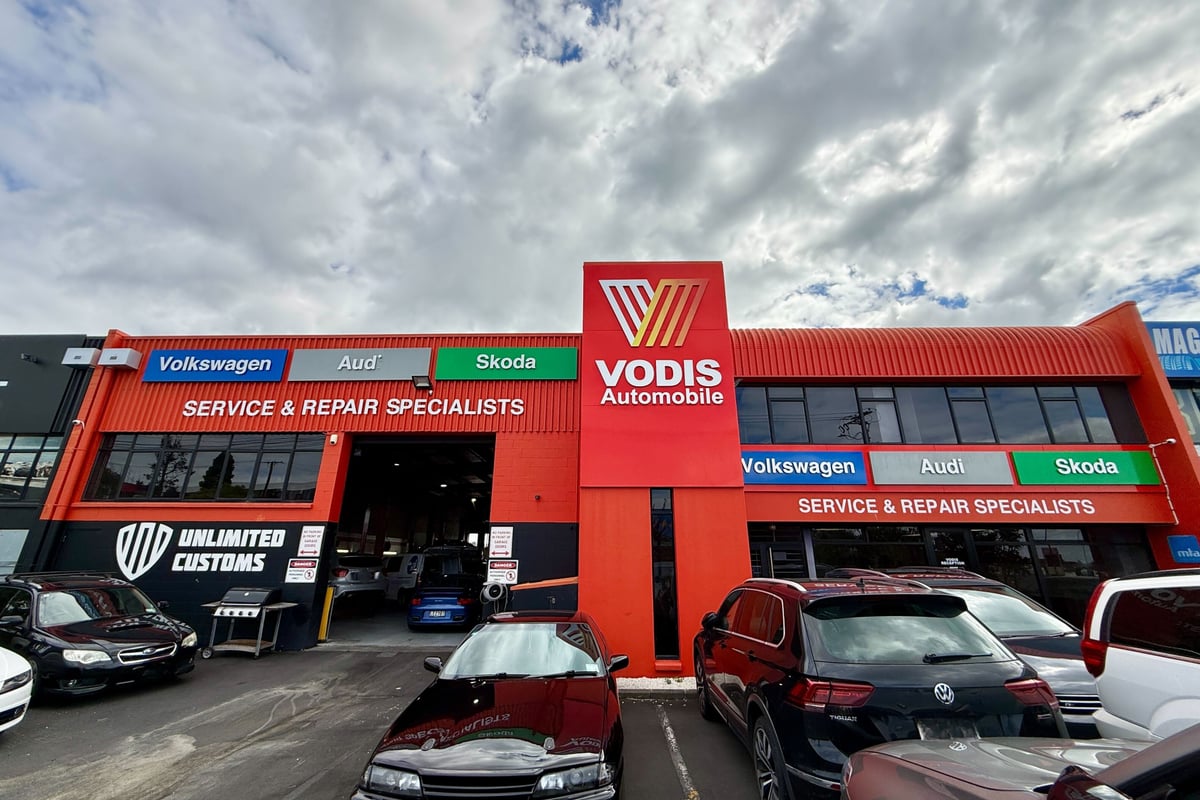
When scheduling services, VODIS Automobile offers convenient online booking at https://booking.vodis.co.nz, making it simple to arrange comprehensive cooling system inspections alongside regular maintenance.
Timing Belt Replacement and Engine Longevity
Timing belt failure ranks among the most catastrophic mechanical failures, often destroying engines completely. European manufacturers specify replacement intervals that must not be exceeded.
Replacement Intervals and Scope
Most European petrol engines require timing belt replacement between 80,000 and 120,000 kilometres. Diesel engines often feature timing chains rather than belts, requiring less frequent attention but not truly maintenance-free.
Comprehensive timing belt service includes:
- Timing belt replacement
- Tensioner and idler pulleys
- Water pump (highly recommended)
- Auxiliary drive belts
- Cam and crank seal replacement
- Coolant replacement
Combining water pump replacement with timing belt service makes economic sense, as labour represents the largest cost component. The pump's location typically requires timing belt removal anyway, making simultaneous replacement logical.
Consequences of Neglect
European engines predominantly feature interference designs, where pistons and valves occupy the same space at different times. Belt failure allows collision, bending valves, damaging pistons, and sometimes cracking cylinder heads. Repair costs often exceed the vehicle's value, making prevention essential.
When evaluating car repairs Auckland providers for timing belt service, verify they understand the specific procedure for your vehicle. Timing mark positions, special tools, and tensioning procedures vary significantly between models. Incorrect installation can cause immediate failure or accelerated wear.
Cost Considerations and Value Proposition
European vehicle ownership involves higher maintenance costs than mainstream brands, but this investment protects substantial initial purchase prices and delivers superior performance.
Understanding Service Costs
Several factors influence European car service pricing:
- Parts quality and sourcing
- Labour rates reflecting specialist training
- Diagnostic equipment investment and software subscriptions
- Facility overheads and tooling requirements
- Warranty provisions on parts and labour
Transparent service centres provide detailed quotes explaining parts choices, labour time, and work scope. This clarity allows informed decisions rather than surprising owners with unexpected costs.
Independent Specialists Versus Dealerships
Independent specialists often deliver exceptional value compared to dealership servicing. Operating costs remain lower, and these businesses frequently employ former dealership technicians who've established independent operations. Quality independent workshops provide:
- Manufacturer-level diagnostic equipment
- Factory-trained technicians
- Genuine or premium OES parts
- Competitive pricing structures
- Personalized customer service
- Flexible appointment scheduling
Dealerships retain advantages for warranty work and access to technical service bulletins, but independent specialists excel for out-of-warranty vehicles and routine maintenance.
Seasonal Maintenance Considerations
Auckland's climate presents unique challenges requiring seasonal attention. While not experiencing extreme weather, the region's coastal environment and temperature variations affect vehicle systems.
Winter Preparation
Though Auckland winters remain mild, several considerations apply:
- Battery testing – Cold reduces capacity, revealing marginal batteries
- Wiper blade condition – Increased rain demands effective clearing
- Tyre tread depth – Wet conditions require adequate tread
- Lighting systems – Shorter days increase usage and reveal failures
- Heating and ventilation – Demisting capability becomes critical
Summer Considerations
Summer heat and UV exposure create different stresses:
- Cooling system efficiency – Critical for preventing overheating
- Air conditioning performance – Refrigerant charge and compressor function
- Rubber component deterioration – Heat accelerates aging
- Battery water levels – Evaporation in non-sealed batteries
- Interior protection – UV damage to plastics and upholstery
The NZTA guidance on vehicle safety features emphasizes maintaining all systems regardless of season, as safety depends on comprehensive vehicle condition.
Building Long-Term Relationships with Service Providers
Establishing ongoing relationships with trusted service providers delivers numerous advantages beyond simple mechanical work.
Benefits of Consistent Service History
Using the same specialist creates continuity benefits:
- Comprehensive vehicle knowledge – Technicians understand your car's history
- Proactive maintenance – Anticipated needs based on previous work
- Trust and communication – Established relationships facilitate honest advice
- Priority scheduling – Loyal customers often receive preferential treatment
- Warranty continuity – Complete records support warranty claims
Detailed service records enhance resale value, demonstrating proper care to potential buyers. European car enthusiasts particularly value documented specialist maintenance history.
Communication and Transparency
Quality service centres prioritize clear communication throughout the repair process:
- Initial assessment – Thorough explanation of issues and recommendations
- Detailed quoting – Itemized pricing with parts and labour breakdown
- Progress updates – Communication if additional work becomes necessary
- Post-service explanation – Discussion of work completed and future considerations
- Warranty clarity – Clear terms for parts and labour guarantees
This transparency builds confidence and ensures alignment between customer expectations and delivered services.
Emergency Repairs and Breakdown Support
Despite preventative maintenance, unexpected failures occasionally occur. Knowing how to handle emergencies and access support proves valuable.
Common Emergency Situations
European vehicle owners may encounter:
- Coolant system failures – Leaks or thermostat faults causing overheating
- Electrical issues – Battery or alternator failures
- Tyre damage – Punctures or sidewall damage
- Brake system warnings – Electronic faults or fluid leaks
- Engine management faults – Sensors or component failures
Many modern European vehicles enter "limp mode" when detecting faults, limiting power and speed to protect components. Understanding this feature prevents panic while highlighting the need for immediate professional assessment.
Professional Towing and Recovery
For serious breakdowns, professional recovery services prevent additional damage. European vehicles often feature specific jacking and towing points that, if ignored, can damage undertray components, exhaust systems, or suspension. Ensure recovery operators understand these requirements.
Quality service centres assist with recovery arrangements and prioritize emergency repairs appropriately, recognizing when customers face genuine urgency versus routine scheduling.
Maintaining European vehicles in Auckland requires specialized knowledge, proper equipment, and genuine commitment to quality workmanship. Regular servicing protects your investment while ensuring safety and reliability. For North Shore residents seeking expert care for Volkswagen, Audi, Mercedes, BMW, or Skoda vehicles, VODIS Automobile delivers factory-trained expertise with over 20 years of trusted service, combining professional diagnostics with transparent communication and competitive pricing.