


European vehicles have earned their reputation for performance, precision engineering, and sophisticated technology. However, these same qualities that make brands like Volkswagen, Audi, Mercedes, BMW, and Skoda so desirable also mean they require specialized knowledge and expertise when it comes to servicing and repairs. Finding a qualified mechanic European cars specialist becomes crucial for maintaining your vehicle's performance, reliability, and longevity. Understanding what sets European automotive servicing apart from general mechanical work helps you make informed decisions about your vehicle's care and ensures you're investing in the right expertise.
Why European Cars Require Specialist Knowledge
European automotive manufacturers design their vehicles with specific engineering philosophies that differ significantly from Asian or American counterparts. These vehicles incorporate advanced technologies, proprietary systems, and precision components that demand specialized training and diagnostic equipment.
The complexity of modern European cars extends beyond their engines. From intricate electrical systems to sophisticated suspension setups, every component works within tightly integrated networks. A mechanic European cars professional understands these interconnected systems and how they communicate with each other through complex computer networks.
Advanced Diagnostic Requirements
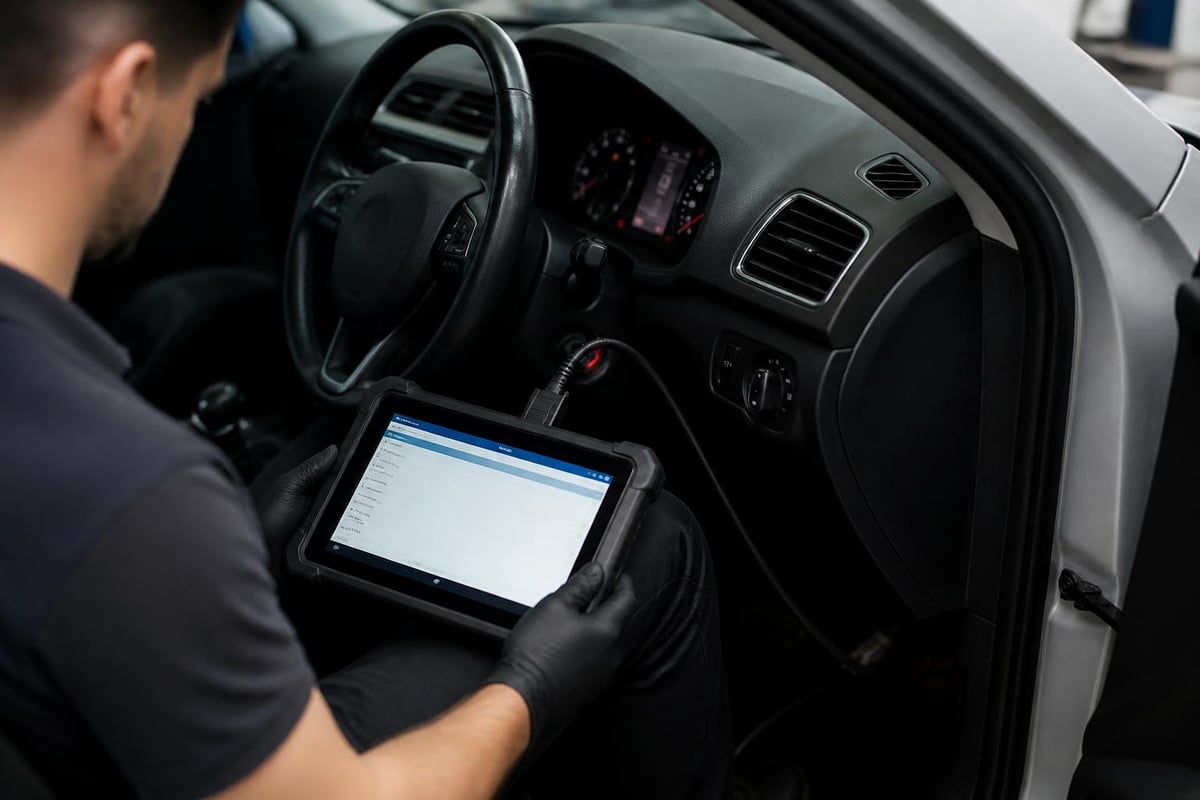
European manufacturers utilize proprietary diagnostic software and protocols that generic scan tools simply cannot access. These systems require:
- Brand-specific diagnostic equipment that communicates with all vehicle modules
- Technical service bulletins and manufacturer updates for known issues
- Wiring diagrams and electrical schematics unique to each model
- Coding and programming capabilities for control modules
- Live data interpretation skills for real-time system analysis
Without proper diagnostic tools, even experienced mechanics may struggle to identify issues accurately. Common electrical problems in European cars often require this specialized equipment to pinpoint the root cause rather than simply addressing symptoms.
Common Issues Requiring a Mechanic European Cars Specialist
Understanding prevalent problems helps you recognize when your vehicle needs professional attention. European cars, while renowned for their engineering excellence, do experience certain issues more frequently than others.
Oil Leaks and Gasket Failures
European engines often use synthetic oils and operate at higher temperatures and pressures than their counterparts. This environment can accelerate seal and gasket degradation, particularly in:
| Component | Common Issues | Typical Mileage |
|---|---|---|
| Valve cover gaskets | Oil seepage, spark plug well leaks | 80,000-120,000 km |
| Oil pan gaskets | Slow leaks, gasket deterioration | 100,000-150,000 km |
| Timing cover seals | Front main seal leaks | 120,000-180,000 km |
| Turbocharger oil lines | Connection point leaks | 100,000-140,000 km |
Preventing oil leaks through regular inspections and proactive gasket replacements can save thousands in engine damage repairs.
Cooling System Complications
European vehicles employ sophisticated cooling systems with plastic components that can become brittle over time. The expansion tanks, radiator end tanks, and various hoses face constant thermal cycling that eventually leads to failure.
A qualified mechanic European cars technician recognizes the warning signs before catastrophic failures occur. Regular coolant system inspections should examine:
- Expansion tank condition and pressure cap function
- Radiator integrity and fin condition
- Thermostat operation and housing condition
- Water pump bearing play and seal condition
- Hose flexibility and connection points
Electrical System Challenges
Modern European cars contain numerous control modules, sensors, and complex wiring harnesses. Electrical system faults can manifest in various ways, from simple warning lights to complete system failures.
The most common electrical issues include:
- Battery drain problems from parasitic draws
- Control module failures requiring programming
- Sensor malfunctions affecting engine performance
- Wiring harness corrosion in connector points
- Ground connection deterioration causing intermittent faults
Selecting the Right Mechanic European Cars Professional
Not all automotive technicians possess equal expertise with European vehicles. The right specialist combines formal training, practical experience, and ongoing education to stay current with evolving technologies.
Essential Qualifications and Experience
When evaluating potential service providers, consider these critical factors:
Factory Training and Certifications
Mechanics who have completed manufacturer-specific training programs understand the nuances of particular brands. This training covers everything from routine maintenance procedures to complex diagnostic protocols.
Diagnostic Equipment Investment
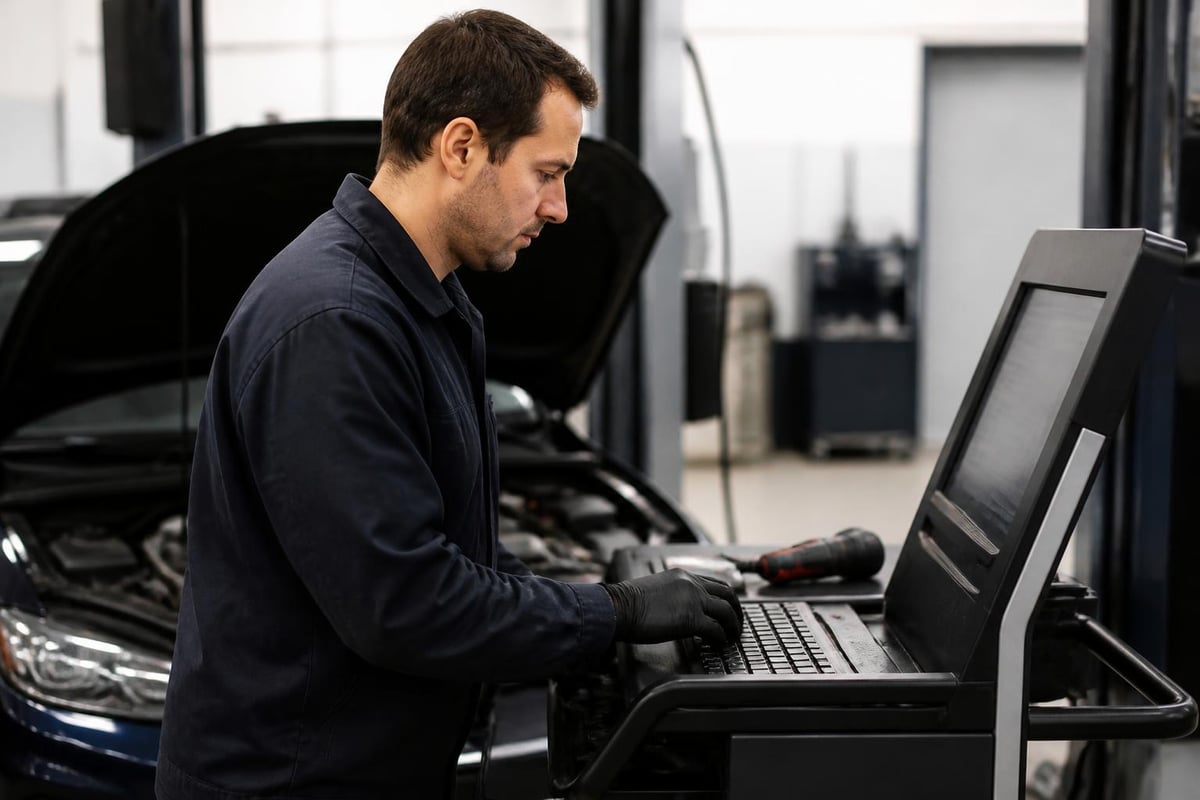
Quality European car servicing requires significant investment in tools and technology. Professional facilities maintain current diagnostic software, special tools for specific procedures, and testing equipment for electrical systems.
Parts Quality Standards
European vehicles perform optimally with genuine or OEM-equivalent parts. The complete guide to European auto repair emphasizes how using inferior components can compromise performance and reliability.
Communication and Transparency
A trustworthy mechanic European cars specialist communicates clearly about:
- Diagnostic findings and their implications
- Repair options with associated costs
- Preventive maintenance recommendations
- Parts sourcing and quality levels
- Warranty coverage on work performed
Transparent communication builds trust and helps you make informed decisions about your vehicle's care. Technicians should explain technical issues in accessible language while providing detailed written estimates before proceeding with work.
Preventive Maintenance for European Vehicles
European manufacturers design their vehicles with specific maintenance schedules that differ from general automotive practices. Following these schedules prevents costly repairs and maintains optimal performance.
Service Interval Considerations
European cars often require:
- Synthetic oil changes at manufacturer-specified intervals
- Brake fluid replacement every two years regardless of mileage
- Coolant system servicing with specific European-formula coolants
- Transmission services using approved fluids and procedures
- Diesel particulate filter maintenance for diesel models
| Service Type | Typical Interval | Critical Notes |
|---|---|---|
| Oil and filter | 15,000 km or 12 months | Must use approved specification |
| Brake fluid | 24 months | Hygroscopic nature requires regular renewal |
| Air filter | 30,000-45,000 km | More frequent in dusty conditions |
| Spark plugs | 60,000-100,000 km | Long-life plugs still require replacement |
| Timing belt | 100,000-150,000 km | Critical – failure causes engine damage |
Addressing Minor Issues Promptly
Small problems in European vehicles can escalate quickly due to their integrated systems. A minor coolant leak might seem insignificant but can lead to overheating and head gasket failure. Similarly, ignoring a warning light could allow a manageable issue to develop into an expensive repair.
Common European car repairs often result from deferred maintenance or ignored early warning signs. Regular inspections by a qualified mechanic European cars technician identify developing issues before they become serious problems.
Understanding European Car Repair Costs
European vehicle servicing costs reflect the specialized knowledge, equipment, and parts required. While some perceive these vehicles as expensive to maintain, understanding the cost structure provides perspective.
Parts Pricing Factors
Genuine European parts typically cost more than aftermarket alternatives due to:
- Precision engineering and quality standards
- Research and development investment
- Lower production volumes for specific components
- Shipping and import considerations
- Intellectual property and design patents
However, genuine parts often last longer and perform better, making them cost-effective over the vehicle's lifetime. Quality independent specialists source OEM-equivalent parts that meet original specifications while offering better value than dealer pricing.
Labor Rate Justification
Specialist mechanics command higher labor rates because they:
- Invest in ongoing training and certification programs
- Maintain expensive diagnostic equipment and special tools
- Access technical information through manufacturer databases
- Diagnose efficiently due to brand-specific expertise
- Perform repairs correctly the first time, avoiding comebacks
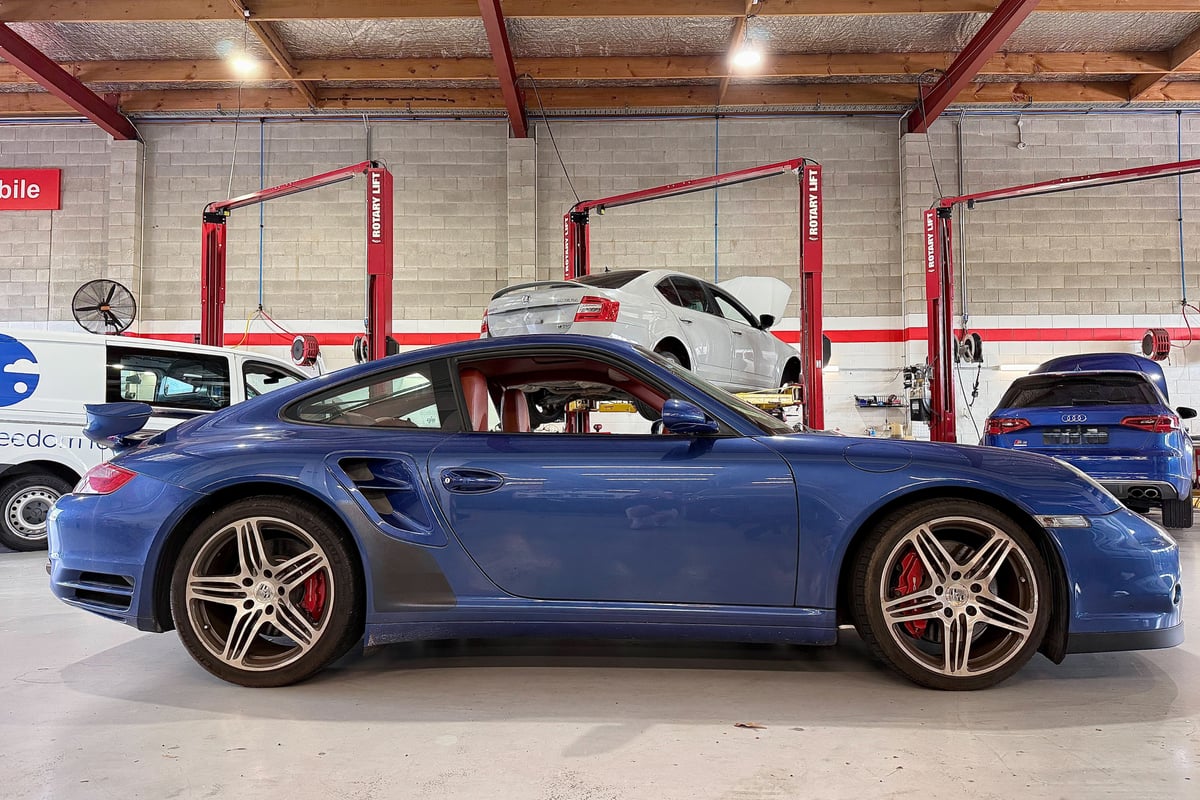
For Auckland's North Shore residents seeking expert care for their European vehicles, facilities like those offering Vodis VW, Audi, and Skoda service combine manufacturer-level expertise with independent workshop value. Factory-trained technicians, genuine parts access, and competitive pricing make specialist independent workshops an attractive alternative to main dealers.
Technology Integration in Modern European Cars
Contemporary European vehicles incorporate increasingly sophisticated technologies that require specialized understanding. From hybrid powertrains to advanced driver assistance systems, these features demand expertise beyond traditional mechanical skills.
Electronic Control Systems
Modern European cars contain dozens of electronic control units managing everything from engine performance to seat adjustments. A qualified mechanic European cars technician must understand:
- CAN bus communication protocols between modules
- Gateway systems that route information
- Adaptation and coding procedures for new components
- Software updates and reflashing requirements
- Security and immobilizer systems integration
Hybrid and Electric Components
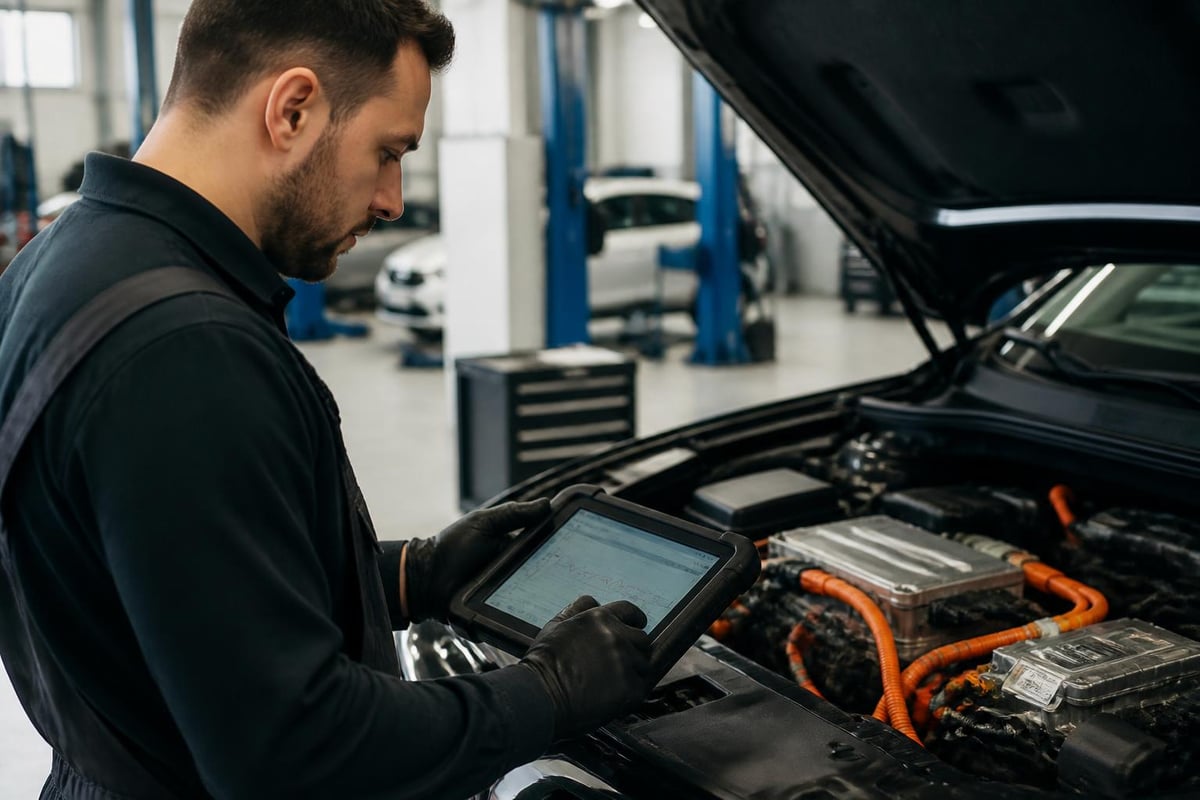
As European manufacturers embrace electrification, mechanics must develop new skill sets for high-voltage systems, battery management, and regenerative braking systems. These technologies require additional safety training and specialized tools.
Pre-Purchase Inspections for European Vehicles
When considering a used European car, a comprehensive pre-purchase inspection by a specialist mechanic European cars professional proves invaluable. European pre-purchase inspections often reveal hidden issues that could cost thousands to repair.
Critical Inspection Areas
A thorough pre-purchase inspection examines:
Engine and Transmission
- Compression testing and leak-down analysis
- Oil condition and consumption history
- Transmission fluid condition and shift quality
- Turbocharger operation and boost pressure
- Engine mount condition and vibration assessment
Chassis and Suspension
- Control arm bushings and ball joint condition
- Shock absorber performance and leak detection
- Wheel bearing play and noise assessment
- Steering rack condition and leak checks
- Brake component wear and caliper operation
Electrical and Computer Systems
- Complete fault code scan across all modules
- Battery health and charging system performance
- Warning light verification and reset history
- Optional equipment functionality testing
- Previous repair and service history review
Seasonal Considerations for European Cars
New Zealand's climate variations, while moderate, still require seasonal attention for European vehicles. Auckland's humidity and coastal environment present particular challenges that affect different vehicle systems.
Winter Preparation
European cars benefit from winter checks including:
- Battery load testing and terminal cleaning
- Coolant concentration and system pressure testing
- Wiper blade replacement and washer system check
- Tire tread depth and pressure verification
- Lighting system inspection and bulb replacement
Summer Readiness
Warm weather servicing focuses on:
- Air conditioning performance and refrigerant levels
- Cooling system capacity and radiator efficiency
- Brake fluid condition affected by heat cycles
- Tire pressure adjustments for temperature changes
- Cabin air filter replacement for optimal ventilation
The Value of Specialist Relationships
Developing an ongoing relationship with a trusted mechanic European cars specialist provides numerous advantages. Continuity of care means your technician understands your vehicle's history, previous repairs, and developing patterns.
Long-Term Benefits
Regular service with the same specialist enables:
- Proactive maintenance planning based on vehicle history
- Cost-effective repair sequencing to minimize labor overlap
- Parts inventory management for common wear items
- Trust-based recommendations without unnecessary upselling
- Priority scheduling during busy periods
Professional mechanics maintain detailed service records, track recurring issues, and anticipate future maintenance needs. This relationship proves particularly valuable for European car maintenance over the vehicle's lifetime.
Building Trust Through Results
Quality European car specialists earn customer loyalty through consistent performance. They stand behind their work with comprehensive warranties, use quality parts, and invest in ongoing training to maintain expertise with evolving technologies.
Regional Considerations for Auckland Owners
Auckland's unique environment creates specific challenges for European vehicles. The coastal climate, urban driving patterns, and local road conditions all influence maintenance requirements.
Environmental Factors
Auckland's humidity and salt air exposure accelerate:
- Brake component corrosion requiring more frequent inspection
- Electrical connector degradation in exposed locations
- Undercarriage rust on older vehicles without proper protection
- Rubber component deterioration from UV exposure
- Paint and trim fade on vehicles without covered parking
Urban Driving Impact
City driving patterns affect European cars differently than highway use:
| Driving Pattern | System Impact | Maintenance Response |
|---|---|---|
| Short trips | Battery undercharging, carbon buildup | More frequent oil changes, battery checks |
| Stop-start traffic | Brake wear, clutch stress | Regular brake inspections, fluid changes |
| Speed bumps | Suspension stress | Shock and bushing inspections |
| Parking sensors use | Electrical system drain | Parasitic draw testing |
| City heat buildup | Cooling system stress | Coolant system maintenance |
Performance Modifications and Specialist Knowledge
Some European car owners pursue performance modifications to enhance their vehicles. However, modifying these sophisticated machines requires expert knowledge to maintain reliability and avoid compromising factory-engineered systems.
A qualified mechanic European cars professional can advise on:
- Compatible performance upgrades that maintain reliability
- Software tuning implications for engine longevity
- Suspension modifications appropriate for New Zealand roads
- Brake upgrades necessary for increased performance
- Warranty implications of various modifications
Quality Assurance and Warranties
Professional European car specialists provide warranties on their work, demonstrating confidence in their expertise and parts quality. Understanding warranty coverage helps you evaluate service providers and protects your investment.
Comprehensive Coverage
Quality workshops typically offer:
- 12-month parts and labor warranties on most repairs
- Longer coverage on major component replacements
- Nationwide warranty recognition through affiliated networks
- Clear warranty terms documented on invoices
- Prompt warranty claim resolution without disputes
Parts Quality Standards
Warranty coverage depends partly on parts quality. Specialists using genuine or OEM-equivalent parts can confidently warranty their work because these components meet original specifications and reliability standards.
Diagnostic Expertise Makes the Difference
Prevalent mechanical issues in European cars often require sophisticated diagnostic approaches. Symptom-based repairs without proper diagnosis waste money and rarely solve the underlying problem.
Systematic Diagnosis Process
Professional European car diagnostics follow structured approaches:
- Customer interview to understand symptoms and history
- Visual inspection of affected systems and related components
- Fault code retrieval from all relevant control modules
- Live data analysis during system operation
- Component testing using appropriate equipment
- Root cause identification before recommending repairs
- Repair verification ensuring complete resolution
This methodical approach distinguishes specialist mechanics from generalists who may replace parts based on educated guesses rather than confirmed diagnoses.
Investment Protection Through Proper Care
European vehicles represent significant financial investments that deserve professional care. Proper maintenance by qualified mechanics preserves resale value, ensures reliability, and provides peace of mind that your vehicle receives appropriate attention.
Regular servicing with specialists who understand your vehicle's specific requirements prevents the expensive repairs that result from neglect or improper care. The modest additional cost of specialist service compared to general mechanics pays dividends through superior workmanship, appropriate parts, and accurate diagnostics.
Maintaining your European vehicle requires expertise, specialized equipment, and genuine commitment to quality workmanship. Whether you drive a Volkswagen, Audi, Mercedes, BMW, or Skoda, partnering with qualified professionals ensures your vehicle receives the care it deserves. For Auckland's North Shore residents seeking trusted European car servicing, VODIS Automobile brings over 20 years of specialist experience, factory-trained technicians, and a reputation built on reliability and customer satisfaction. Book your next service with confidence knowing your European car is in expert hands.