
European vehicles stand out for their dynamic performance and advanced technology, but keeping them at their best requires more than basic care. This euro car care guide brings together proven advice and expert insights, so you can maintain, service, and optimize your car for lasting reliability and value.
Euro cars are celebrated for their driving experience, so why let yours lag behind? Discover the maintenance secrets that top mechanics rely on to keep European vehicles running smoothly. Imagine enjoying fewer breakdowns, lower long-term costs, and a consistently refined ride.
Follow these expert-backed strategies to unlock the full potential of your car. In this comprehensive guide, you will find essential maintenance schedules, advanced diagnostics, practical DIY advice, tips on choosing the right service professionals, and ways to future-proof your Euro vehicle for years to come.
Understanding European Car Engineering & Maintenance Needs
European vehicles stand out for their engineering excellence and unique maintenance demands. To achieve the best results with euro car care, it is essential to understand what sets these cars apart and how to meet their specific needs.
Distinctive Features of European Cars
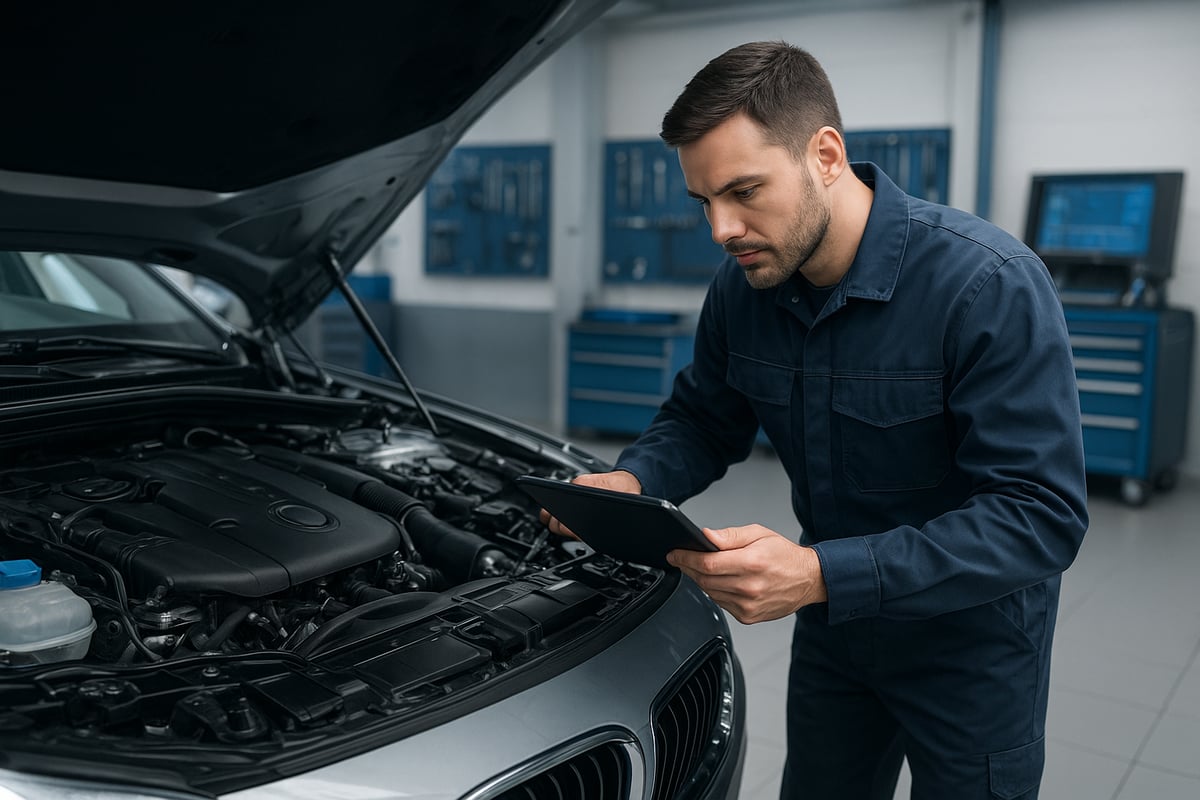
European cars are engineered with advanced technology, precision, and performance in mind. Brands like Volkswagen, Audi, BMW, Mercedes-Benz, and Skoda often use turbocharged engines, proprietary electronics, and sophisticated safety systems.
| Brand | Notable Features | Unique Requirements |
|---|---|---|
| BMW | Turbo engines, run-flat tyres | Special oil, sensors |
| Audi | Quattro AWD, advanced MMI | Oil spec, electronics |
| Mercedes-Benz | Safety tech, adaptive systems | Transmission fluids |
| Skoda | VAG tech, compact efficiency | VAG diagnostics |
| Volkswagen | TSI engines, DSG gearboxes | DSG service, coolant |
Compared to Japanese or American models, euro car care often involves greater attention to high-tech systems. Over 60% of European car owners cite technology as a main purchase factor, highlighting the need for specialized maintenance.
Why Regular Maintenance Is Critical
Routine euro car care is vital for preventing premature wear and avoiding unexpected breakdowns. European cars, with their precision manufacturing, require consistent attention to keep them running smoothly and within warranty terms.
For example, neglecting oil changes in turbocharged engines can lead to dangerous engine sludge and costly repairs. According to AAA, regular servicing can reduce major repair costs by up to 40%. Proper euro car care also ensures fuel efficiency and keeps emissions compliant with European standards.
Common Issues in European Cars
Owners should be aware of frequent issues that can arise with European vehicles. Euro car care means proactively addressing:
- Electrical system faults and sensor failures
- Timing belt or chain replacements at correct intervals
- Cooling system vulnerabilities, such as water pump failures in BMWs
- Transmission servicing, especially for DSG and automatics
- Oil consumption problems in some Audi models
Staying ahead of these issues through attentive euro car care will extend your vehicle’s lifespan and reliability.
Choosing the Right Parts and Fluids
Using the correct parts and fluids is fundamental to effective euro car care. Opt for OEM parts or high-quality equivalents to maintain performance and avoid voiding warranties. Specialized oils, coolants, and fluids are tailored to advanced European engines and emissions systems, such as AdBlue in diesel models.
A case study shows that using non-approved fluids can lead to warranty voidance and expensive repairs. For detailed advice on selecting the right parts and services, refer to European car servicing and repairs, which provides comprehensive guidance tailored to euro car care.
Scheduled vs. Condition-Based Servicing
European manufacturers often recommend set service intervals, such as every 15,000km or annually. However, many recent models feature condition-based service indicators that monitor vehicle health and prompt maintenance as needed.
Choosing proactive euro car care over reactive repairs reduces the risk of critical failures. Data shows that vehicles on condition-based plans experience 25% fewer major breakdowns. Following the correct schedule, whether time-based or condition-based, is crucial for keeping your European car in peak condition.
Step-by-Step Euro Car Maintenance Checklist for 2026
Maintaining your European vehicle requires diligence and a proactive approach. This step-by-step euro car care checklist for 2026 ensures your car performs reliably and efficiently for years to come.
1. Regular Oil and Fluid Checks
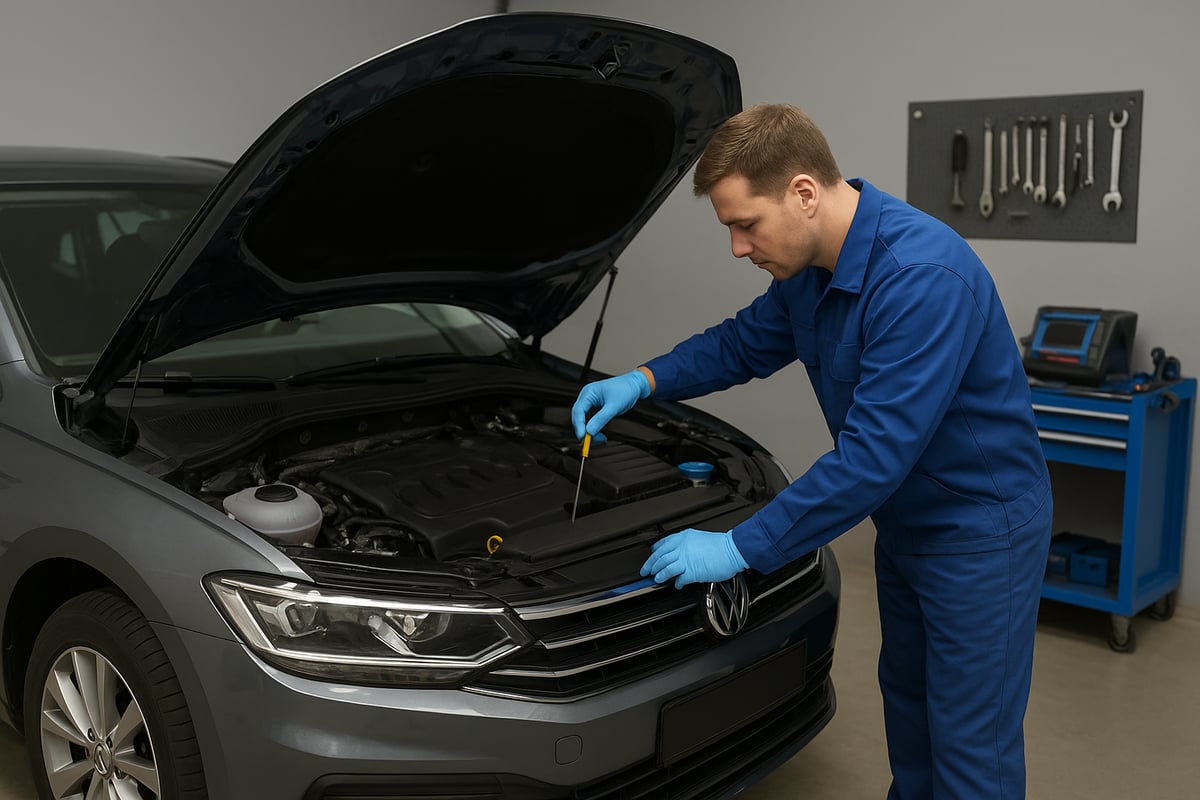
Oil is the lifeblood of your engine, especially in advanced Euro cars. Always use the correct oil grade specified by your manufacturer. Check oil levels monthly, and top up as needed to avoid engine wear. Inspect coolant, brake, and transmission fluids—each plays a crucial role in your euro car care routine.
Look for leaks under the car or discoloration in fluids, as these indicate potential issues. For Volkswagen owners, Volkswagen servicing specialists recommend following digital oil monitoring systems for precise intervals. Typically, fluids should be checked every 5,000 km or as indicated by your car’s onboard system.
- Use manufacturer-approved fluids
- Monitor for warning lights
- Keep a log of fluid changes
2. Brake System Inspection and Care
Brakes are essential for safety and efficient euro car care. Listen for squeaking or grinding sounds, and notice if you experience vibrations or longer stopping distances. These symptoms suggest worn pads or discs.
Always opt for manufacturer-approved brake parts to ensure proper fit and performance. Flush brake fluid every two years, as recommended for BMW and Audi. Remember, worn brakes contribute to a significant percentage of accidents, so timely maintenance is non-negotiable.
- Inspect pads and discs every 10,000 km
- Replace if thickness is below minimum
- Check for uneven wear or leaks
3. Tyre Health and Wheel Alignment
Healthy tyres are vital for safe euro car care. Check tyre pressure monthly, as under- or over-inflation can affect handling and fuel efficiency. The legal tread depth minimum in New Zealand is 1.5mm, but replacing tyres earlier enhances safety.
Wheel alignment and balancing help prevent uneven tyre wear. Many modern BMWs use run-flat tyres, which require specific maintenance procedures. Rotate tyres every 10,000 km and check for punctures or sidewall damage.
- Maintain correct tyre pressure
- Inspect tread for wear and damage
- Schedule regular alignments
4. Battery and Electrical System Care
Modern Euro vehicles depend on complex electrical systems. Testing battery health is a key part of euro car care, as a weak battery can cause starting issues or trigger warning lights. Use diagnostic tools to check voltage and charging system performance.
Common issues include faulty alternators and sensor errors. Electrical faults are the leading cause of breakdowns in late-model European cars. Replace batteries every 3–5 years or as recommended by your manufacturer.
- Test battery during every service
- Inspect terminals for corrosion
- Address electrical warnings promptly
5. Air Conditioning and Cabin Filter Maintenance
An efficient AC system is crucial for comfort and air quality. As part of euro car care, monitor for weak airflow or unpleasant odours, which signal a failing system. Replace cabin or pollen filters annually to maintain fresh air inside the cabin.
Volkswagen’s dual-zone climate controls and similar systems in other brands need regular checks to ensure all zones function correctly. Regularly cleaning vents and inspecting refrigerant levels also helps extend AC life.
- Change cabin filter once a year
- Run AC periodically, even in winter
- Check for unusual noises or smells
6. Monitoring Warning Lights and Diagnostics
Modern dashboards communicate vital information. Understanding symbols for engine, ABS, or tyre pressure is a core part of euro car care. Use OBD-II scanners to detect issues early, but remember, some faults require professional diagnostics.
If you see persistent warning lights, such as Audi’s “Check Engine,” investigate promptly. Ignoring these can lead to more severe and costly problems. Record fault codes and consult your specialist as needed.
- Learn dashboard warning symbols
- Scan for codes during routine checks
- Seek professional help for complex issues
7. Seasonal and Annual Checks
Changing seasons demand extra euro car care steps. Before winter, test coolant strength and consider switching to winter tyres. In summer, check AC performance and battery condition. Annual safety checks should include lights, wipers, and emissions.
Manufacturers like Mercedes-Benz offer service schedules (e.g., Service A and B) tailored to your car’s needs. Following these ensures continued warranty coverage and peak performance.
- Schedule annual comprehensive inspections
- Prepare your car for seasonal changes
- Follow brand-specific service recommendations
Advanced Diagnostics and Technology in Euro Cars
Staying ahead with advanced diagnostics is crucial for effective euro car care. Modern European vehicles are packed with sophisticated electronics and intricate systems that require precise tools and expertise to maintain peak performance. Understanding the latest technology and knowing when to seek professional help can save you time, money, and stress.
Latest Diagnostic Tools and Techniques
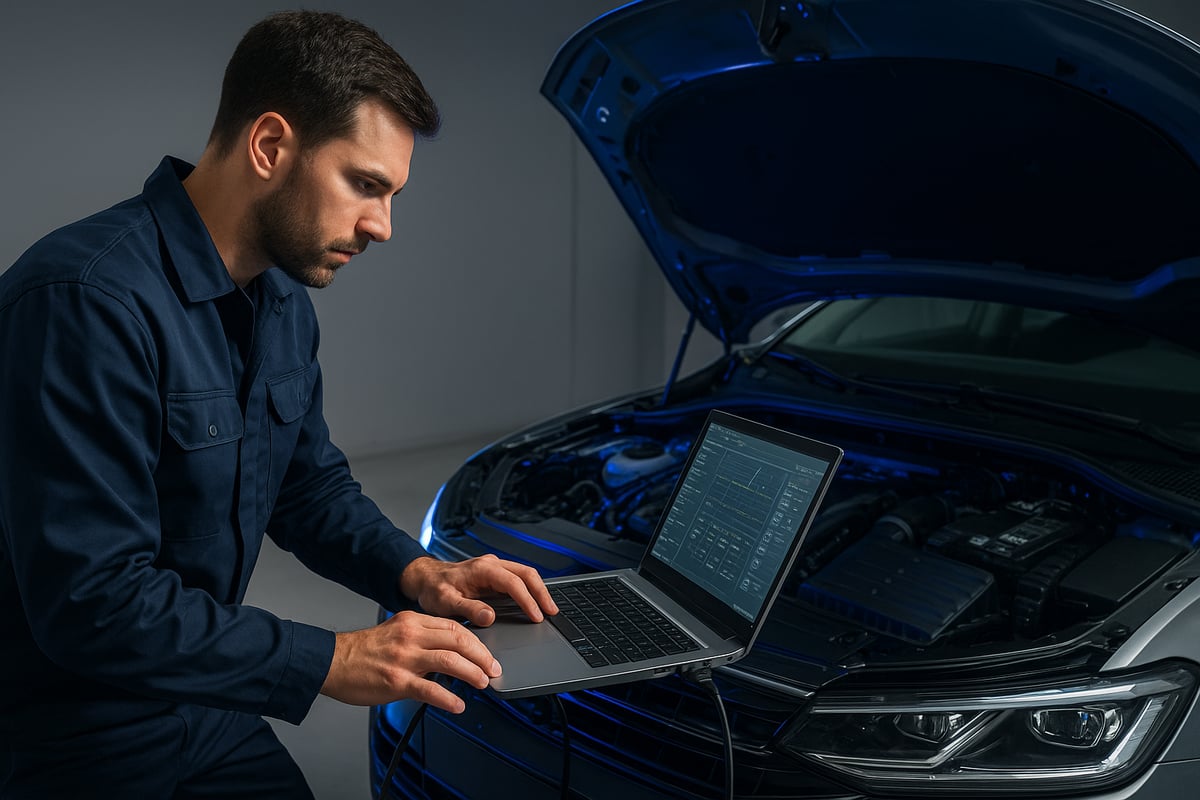
European vehicles in 2026 rely on cutting-edge diagnostic tools tailored to each brand. Manufacturer-specific software, like BMW ISTA and VAG-COM for VW and Audi, allows mechanics to pinpoint issues quickly. Wireless and remote diagnostics are now standard, enabling instant updates and checks from virtually anywhere.
With euro car care, using these tools means faster, more accurate identification of faults. For example, a technician can detect a misfiring cylinder or a malfunctioning sensor before it leads to bigger problems. Investing in the right diagnostic equipment is essential for both professionals and enthusiasts.
- Manufacturer-specific software (e.g., ISTA, VAG-COM)
- Wireless diagnostics for real-time data
- Remote access for updates and troubleshooting
Relying on advanced tools ensures your euro car care routine is future-ready.
The Role of Software Updates
Staying on top of software updates is a key part of comprehensive euro car care. Modern European vehicles depend on regular ECU and firmware upgrades to keep systems running smoothly. Over-the-air updates now cover infotainment, safety features, and essential performance modules.
Failing to update can leave your car vulnerable to glitches, reduced efficiency, or even security risks. Research shows that 70% of new Euro vehicles receive at least one software update annually. By integrating software updates into your euro car care plan, you safeguard your car’s performance and data integrity.
- ECU and module updates
- Over-the-air upgrades for convenience
- Security and performance enhancements
Always check for updates during routine maintenance.
Common Electronic System Faults
Electronics are at the heart of euro car care challenges. Adaptive cruise control, oxygen sensors, and infotainment systems frequently develop faults in European vehicles. Sensor failures can trigger warning lights, reduce efficiency, or disable safety features.
For instance, Mercedes-Benz’s MBUX system may experience navigation glitches that require both hardware checks and software resets. Keeping an eye on these systems is vital for any euro car care regimen.
Common issues to watch for:
- Sensor errors (MAF, oxygen, parking)
- Adaptive cruise control calibration problems
- Infotainment and navigation malfunctions
Addressing small faults early prevents larger, costlier repairs down the line.
When to Seek Professional Diagnostics
While DIY code readers are helpful for basic euro car care, some problems require specialist attention. Complex electrical faults, intermittent issues, or brand-specific systems often need professional-grade equipment and expertise. For example, resolving persistent warning lights in late-model Audis may demand in-depth diagnostics and access to technical bulletins.
Choosing a service center familiar with your vehicle’s unique systems is essential. For Audi owners, consulting Audi maintenance and servicing specialists ensures that even the most intricate electronic issues are addressed correctly.
- Limitations of basic scanners
- Value of up-to-date training and genuine tools
- Importance of specialist knowledge for euro car care
Professional diagnostics keep your vehicle safe and reliable.
Cost and Time Considerations
Understanding the investment in euro car care diagnostics is important. Diagnostic checks typically range from quick 30-minute scans to comprehensive multi-hour assessments. Early intervention with these tools often cuts major repair costs by 30 to 50 percent.
Here’s a quick comparison:
| Diagnostic Type | Typical Cost | Time Required |
|---|---|---|
| Basic Code Scan | $50–$100 | 30–60 min |
| Full System Analysis | $150–$300 | 2–4 hrs |
Factoring in diagnostics as part of your euro car care routine helps prevent expensive breakdowns and keeps your car on the road longer.
DIY Euro Car Care: What You Can Safely Do at Home
Taking charge of euro car care at home can help you extend your vehicle’s life, keep running costs down, and boost your confidence as an owner. With European cars getting older and requiring more ongoing attention, according to the TÜV-Report 2023: Vehicles are getting older, learning essential DIY tasks is more valuable than ever. Let’s explore what you can safely do yourself and when it’s best to call in the experts.
Routine Checks and Simple Maintenance
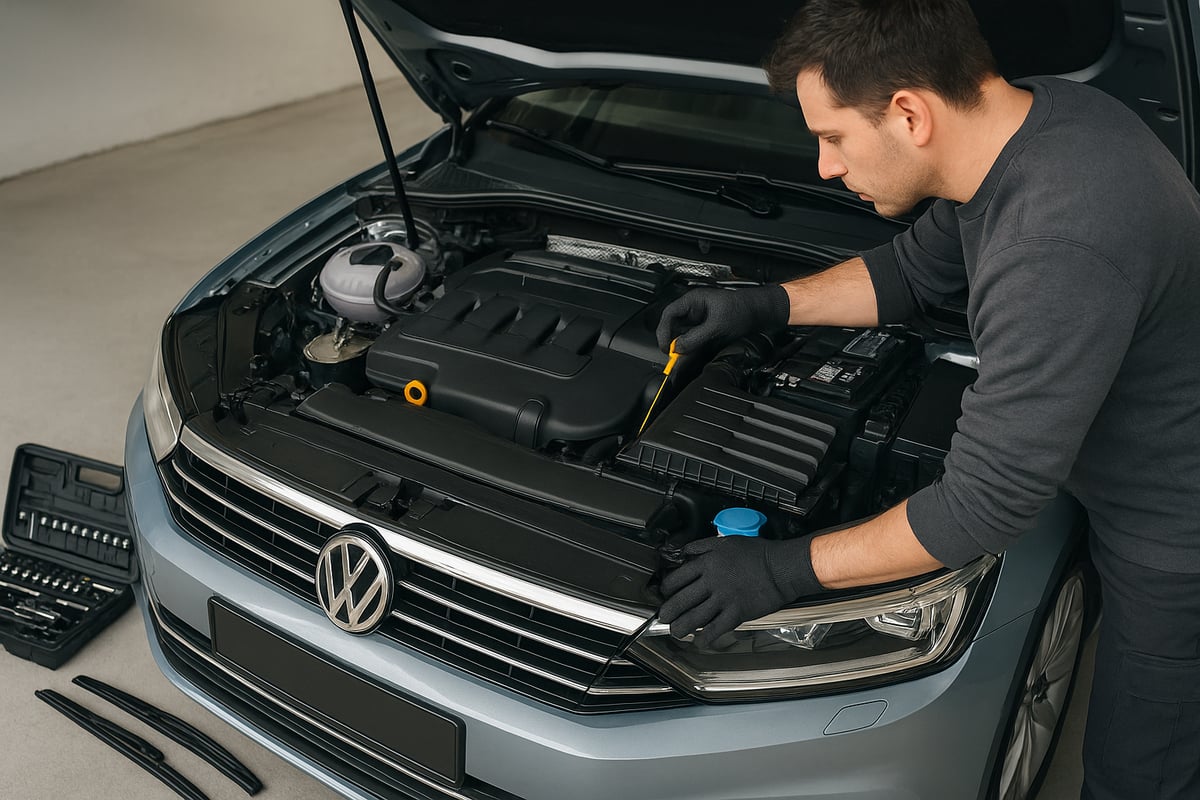
Consistent routine checks are the backbone of effective euro car care. Start by inspecting fluid levels such as engine oil, coolant, and brake fluid every few weeks. Confirm your tyre pressures and tread depth, as proper inflation ensures safety and fuel efficiency.
Other easy tasks include replacing wiper blades when streaking occurs and checking all lights and indicators. Cleaning your vehicle regularly protects the paint and prevents corrosion, especially in areas with harsh weather. A simple toolkit—containing a tyre gauge, socket set, screwdrivers, and gloves—will support your euro car care routine.
Safe DIY Repairs vs. Professional Jobs
Some euro car care tasks are safe for most owners, while others require professional expertise. For example, you can confidently replace air filters, swap out batteries, or install new cabin filters. These jobs are straightforward and low risk.
However, avoid tackling timing belts, advanced electronics, or brake system overhauls at home. Improperly performed repairs can compromise safety and void warranties. Use the table below to help decide:
| DIY Safe Tasks | Professional Only |
|---|---|
| Battery replacement | Timing belt changes |
| Wiper blade swap | DSG/auto transmission |
| Air filter change | Advanced electronics |
| Bulb replacement | Brake overhauls |
Using Quality Parts and Fluids
Choosing the right parts and fluids is critical for euro car care. Always opt for genuine or OEM-standard components, as these are engineered for your vehicle’s precise requirements. High-quality engine oil, coolant, and brake fluid protect modern engines and advanced emissions systems.
Avoid counterfeit or low-grade parts, as they can cause performance issues and even void your manufacturer’s warranty. When sourcing supplies, use reputable suppliers and double-check specifications against your owner’s manual. Investing in quality now prevents costly repairs later.
Online Resources and Communities
The internet has made euro car care knowledge more accessible than ever. Dedicated forums like VWVortex, Bimmerfest, and MBWorld offer troubleshooting tips and step-by-step guides tailored to European models. YouTube channels with certified mechanics provide visual walk-throughs for common tasks.
Official manufacturer guides are also a valuable resource for accurate procedures and specifications. Before starting any DIY job, search for model-specific advice from experienced owners and professionals. Engaging with these communities can help you avoid common mistakes and build confidence.
Knowing Your Limits
Understanding your limits is vital in euro car care. If a dashboard warning light persists despite your efforts, or if a repair feels beyond your skill set, seek professional help. Attempting complex fixes without the right tools or experience can lead to bigger problems.
Keep a detailed log of all DIY maintenance, including dates and parts used. This record not only helps with troubleshooting but also supports your car’s resale value. Remember, professional servicing is sometimes the best investment for your vehicle’s long-term health.
Professional Servicing: Choosing the Right Euro Car Specialist
Finding the right professional for euro car care is essential for protecting your investment and ensuring long-term vehicle health. As modern European vehicles become more advanced, the choice of service centre can significantly impact reliability, performance, and resale value. Today’s market trends highlight a growing demand for specialized expertise, with the Automotive Repair Maintenance Service Market Executive Brief & Strategic Insights [2024–2034] reporting increased consumer expectations for technical skill and transparency.
What to Look for in a Service Centre
When selecting a service provider for euro car care, prioritize centres with formal accreditations such as MTA or direct manufacturer certification. This ensures technicians are trained to handle the latest European models and technologies.
Look for a centre with clear experience servicing your specific make and model. Up-to-date diagnostic equipment is crucial for accurately identifying issues in today’s complex vehicles. Transparent pricing and open communication build trust and help you avoid unexpected costs.
Ask about the shop’s approach to ongoing training and whether they use genuine or approved parts. These factors directly influence the quality and longevity of your euro car care.
Benefits of Specialist vs. Generalist Mechanics
Specialist mechanics offer a deeper understanding of euro car care, with focused knowledge on brands like Volkswagen, Audi, BMW, and Skoda. They have access to technical bulletins, genuine parts, and specialized diagnostic tools unavailable to most generalists.
For example, Skoda service experts can address brand-specific concerns that may be missed by non-specialists. According to industry data, specialist centres deliver 25 percent higher customer satisfaction, reflecting their ability to resolve complex issues efficiently.
With euro car care, choosing a specialist often results in fewer repeat visits, more accurate repairs, and better long-term outcomes for your vehicle.
VODIS Automobile: Auckland’s Trusted European Car Specialist
VODIS Automobile stands out in Auckland’s euro car care landscape with over 20 years of experience servicing Volkswagen, Audi, Mercedes, BMW, and Skoda. Their independent workshop delivers dealership-quality results, combining skilled technicians with modern facilities and genuine parts.
Clients benefit from transparent pricing, clear communication, and the convenience of online booking. VODIS’s reputation is built on a customer-first approach, ensuring every aspect of euro car care is handled with expertise and attention to detail.
Whether you drive a performance sedan or a luxury SUV, VODIS’s tailored solutions keep your European vehicle performing its best.
Maintaining Service Records and Warranties
Comprehensive service records are a cornerstone of effective euro car care. Proper documentation not only preserves your manufacturer warranty but also supports higher resale value.
Your service log should include detailed entries for every maintenance and repair visit, whether recorded digitally or on paper. Missing or incomplete records can lead to denied warranty claims, particularly for major components.
Staying disciplined with your euro car care documentation ensures peace of mind and long-term protection for your investment.
Future-Proofing Your European Car: Trends & Tips for 2026 and Beyond
Staying ahead with euro car care demands awareness of new technologies, sustainability, and evolving service requirements. The automotive landscape is shifting quickly, so proactive owners can protect their investment and enjoy lasting performance.
Adapting to Electrification and Hybrid Technologies
The surge in hybrid and electric vehicles is reshaping euro car care. Owners of models like the Audi e-tron or BMW i3 must focus on battery health, software updates, and specialized charging systems. Regular checks of high-voltage batteries, power electronics, and cooling systems are essential.
Battery system diagnostics should be part of your annual service routine. Pay attention to manufacturer recommendations for charging habits and scheduled inspections. As European EV Sales Soar, Automakers Must Prioritize Service Network Optimization to Protect Margins, reliable service networks are becoming critical for supporting these advanced vehicles.
Preparing for Connected and Autonomous Features
Modern euro car care now includes maintaining advanced driver assistance systems (ADAS) and connectivity features. By 2026, 85 percent of new European vehicles will offer ADAS, making sensor calibration and software updates routine.
Keep your vehicle’s software up to date to benefit from the latest safety improvements and bug fixes. Schedule regular sensor calibrations, especially after windshield replacements or repairs. Protect your car from cyber threats by following manufacturer guidelines for over-the-air updates and securing connected features.
Sustainable Maintenance Practices
Sustainability is quickly becoming central to euro car care. Eco-friendly fluids, biodegradable cleaning products, and responsible recycling of parts all help reduce your environmental footprint.
Choose lubricants and coolants that meet both performance and environmental standards. When detailing, opt for products that are gentle on the environment. Recycle used batteries, oil, and filters at authorized centers. These small steps contribute to a greener automotive future while keeping your vehicle in top shape.
Keeping Up with Evolving Service Requirements
As technology advances, euro car care routines must adapt. Manufacturers regularly update service schedules, so staying informed is vital. Subscribe to official communications or consult reputable specialists to keep up with recommended intervals and new procedures.
Digital service records are increasingly replacing paper logs, making it easier to track maintenance and improve resale value. Proactive care, informed by up-to-date information, ensures your European car remains reliable and valuable in a rapidly changing market.
After exploring the essential steps for keeping your European car in top shape—from understanding advanced engineering to mastering proactive maintenance and diagnostics—you now have the tools to ensure lasting performance. But if you want true peace of mind, nothing matches the expertise of a dedicated specialist. At VODIS Automobile, you can trust that your Volkswagen, Audi, Mercedes, BMW, or Skoda is in the hands of experienced professionals who understand precisely what your vehicle needs. Ready to take the next step toward optimal reliability and value?
Book in your service
and experience the difference expert care makes.