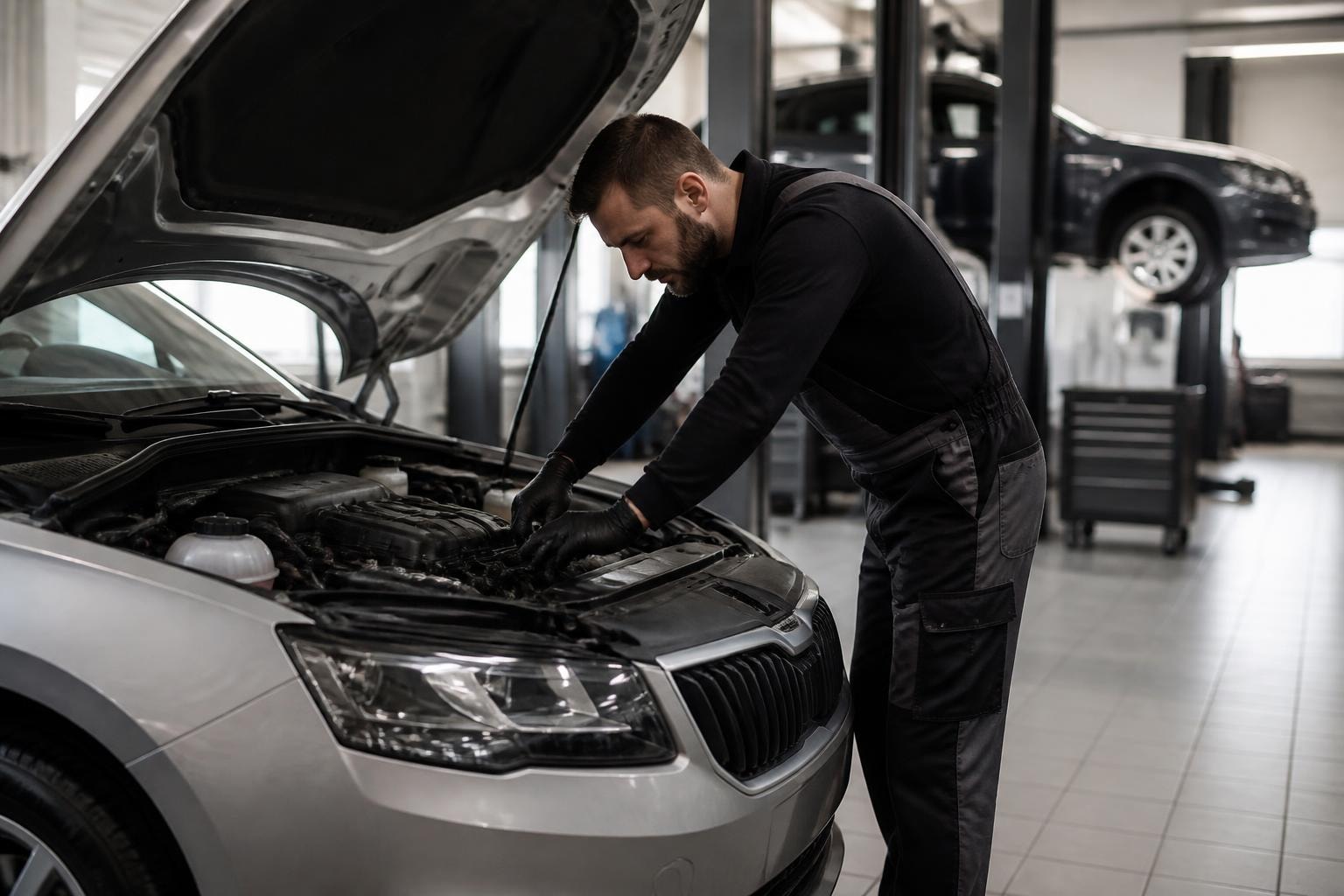

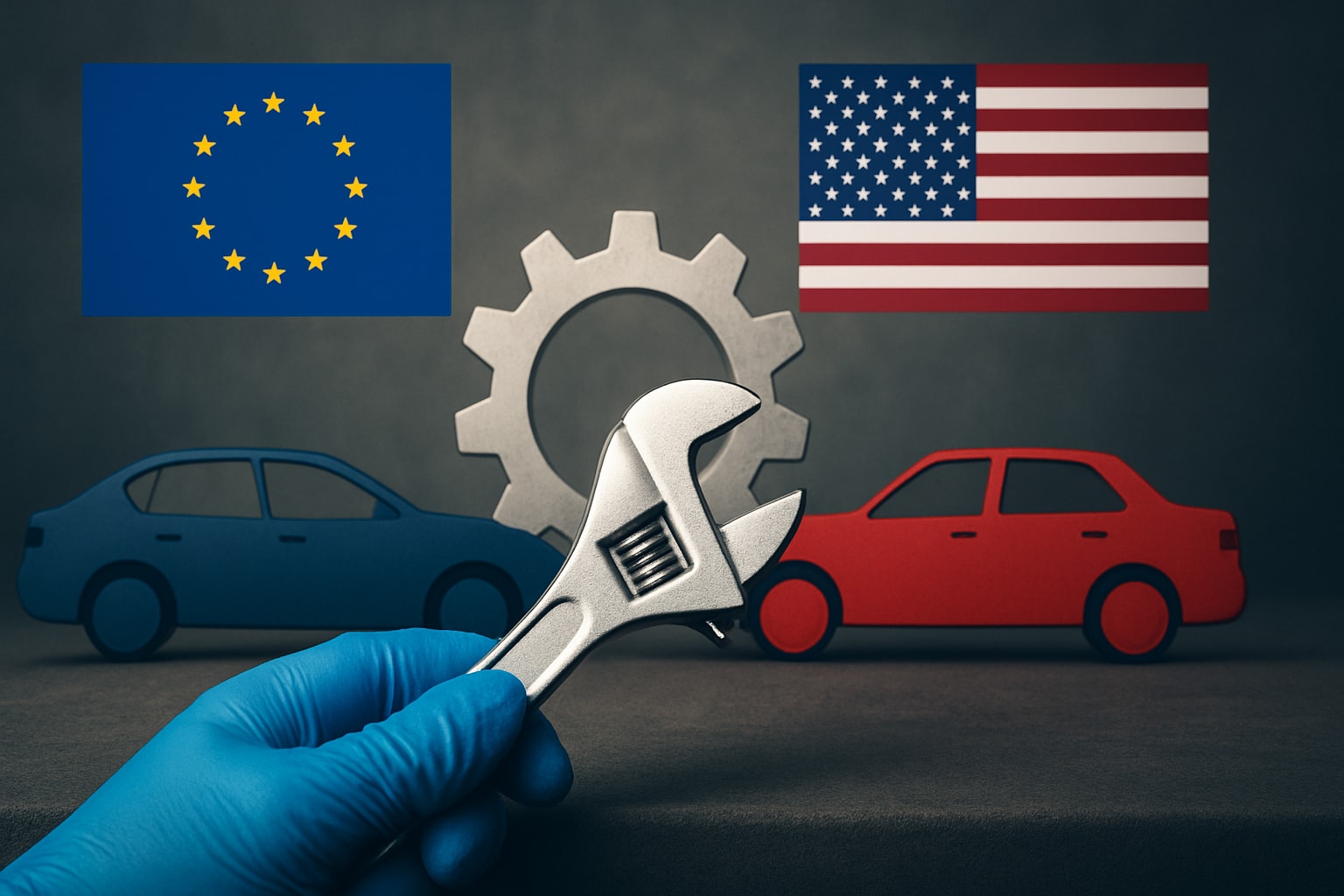
Keeping your car in top shape is more important than ever as we head into 2026. Whether you drive a European or domestic model, proper care ensures your vehicle’s reliability and performance.
This guide explores the essentials of european and domestic auto care. You will discover expert-backed strategies tailored for both vehicle types, helping you understand their unique needs and get the most out of your investment.
Explore new maintenance schedules, emerging technology, trusted service providers, and cost-saving tips. Ready to master auto care? Let’s unlock the secrets to a longer-lasting, smoother-running vehicle.
Understanding the Differences: European vs. Domestic Vehicles
Understanding the core differences between European and domestic vehicles is essential for anyone invested in european and domestic auto care. Each group of vehicles is shaped by unique philosophies and engineering standards. European automakers, such as Audi, BMW, and Volkswagen, focus on precision, advanced technology, and refined driving experiences. Domestic brands like Ford, Chevrolet, and Chrysler prioritize durability, ease of maintenance, and adaptability to local conditions.
European vehicles often emphasize performance and handling, utilizing sophisticated suspension systems and rear or all-wheel drive platforms. In contrast, domestic cars tend to favor straightforward front-wheel drive setups and simpler suspension designs. These choices influence maintenance routines, with european and domestic auto care requiring tailored approaches for each type.
When it comes to parts and fluids, European vehicles typically require brand-specific, high-quality components and specialized fluids. This can make sourcing OEM or compatible aftermarket parts more challenging. Diagnostic systems also differ: European models use proprietary scanners and advanced electronics, while domestic cars often rely on standard OBD-II tools. For a deeper dive, review this Differences in European and Domestic Auto Repair resource for expert analysis.
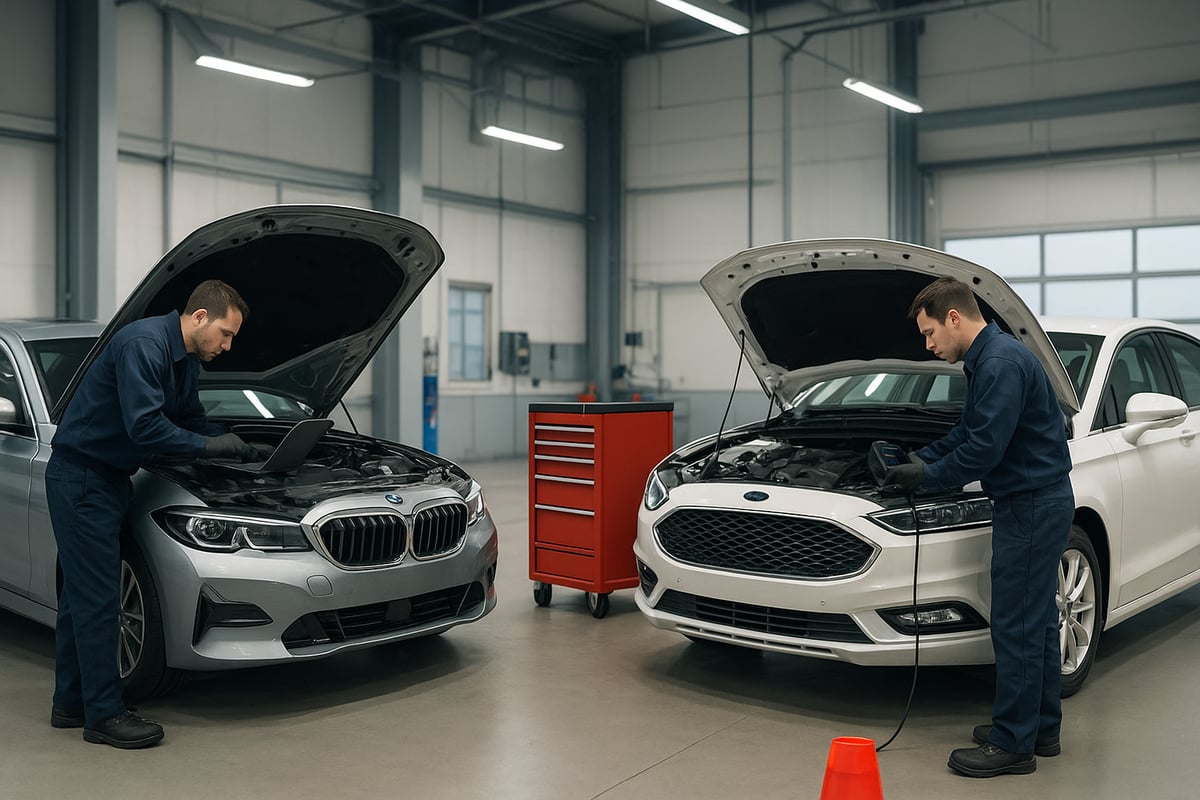
Let’s consider a practical example. Servicing a 2026 BMW involves more digital diagnostics, specialized tools, and strict adherence to service intervals, especially for components like turbochargers or dual-clutch transmissions. In comparison, a 2026 Ford may have broader parts availability, less complex electronics, and more flexible maintenance schedules. These nuances directly impact european and domestic auto care routines.
Ownership trends also highlight why specialized care is crucial. In markets like the US and New Zealand, European car ownership has grown steadily, with brands like Volkswagen and Audi gaining popularity. According to recent data, European models now account for a significant share of new vehicle registrations. This growth underscores the increasing need for informed european and domestic auto care, ensuring every vehicle receives attention suited to its origin and engineering.
Essential Maintenance Routines for 2026 Vehicles
Staying ahead with european and domestic auto care in 2026 means understanding how maintenance routines are evolving. As vehicles become more sophisticated and technology-driven, regular upkeep is more crucial than ever. Owners who follow the latest guidelines will ensure their cars remain reliable, efficient, and safe for years to come.
Scheduled Maintenance: What’s Changed for 2026
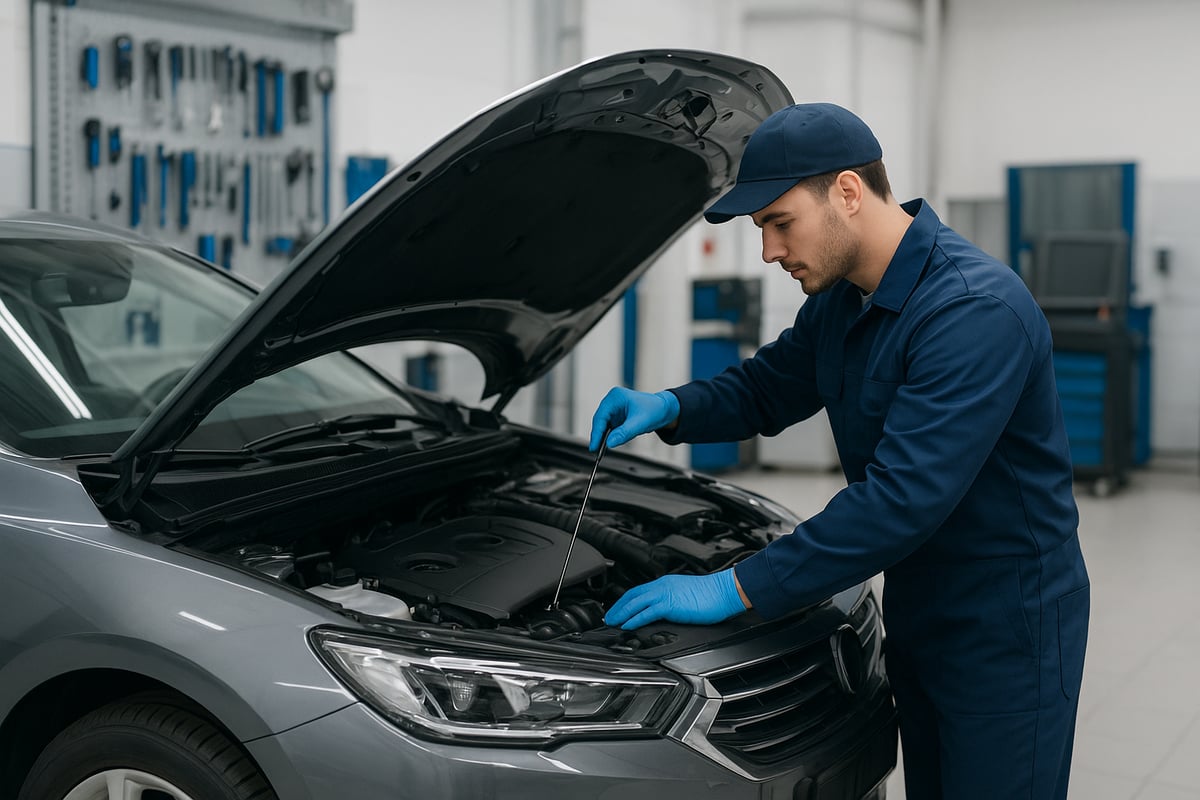
Manufacturers now recommend updated service intervals for oil changes, filters, and fluids, reflecting advances in engine technology and synthetic lubricants. For both european and domestic auto care, digital service records and in-car reminders take the guesswork out of maintenance, helping owners stay on schedule.
Turbocharged engines, common in many 2026 European models, often require shorter oil change intervals and specific high-performance lubricants. Domestic vehicles with naturally aspirated engines may allow for longer gaps but still benefit from regular checks. Using the right fluids is vital, especially for European cars, as incorrect products can harm sensitive systems.
Missing a scheduled DSG transmission service on a Volkswagen can lead to expensive repairs. This highlights the importance of adhering to manufacturer guidelines. For those seeking expert maintenance, European vehicle servicing specialists offer tailored solutions to keep your vehicle performing at its best.
|
Service Item |
European Intervals |
Domestic Intervals |
|---|---|---|
|
Oil Change |
10,000 km |
12,000 km |
|
Transmission Fluid |
40,000 km (DSG) |
60,000 km |
|
Air Filter |
20,000 km |
25,000 km |
Staying informed about changes in european and domestic auto care schedules prevents unnecessary breakdowns and extends vehicle life.
Preventative Care: Extending Vehicle Lifespan
Proactive european and domestic auto care routines help vehicles reach high mileage with fewer issues. Tire rotation and alignment are especially important for vehicles with advanced suspension systems, common in European makes. Regular checks keep handling precise and tire wear even.
Battery health is critical, particularly for start-stop and hybrid systems found in many 2026 models. Scheduled replacement cycles prevent unexpected failures. Brake system inspections reveal differences in wear patterns between European and domestic vehicles, with European cars often using softer, high-performance pads that wear faster.
Cooling system care is another key area. Many European vehicles require specialized coolant blends, while domestic brands may use more widely available types. For example, Audi’s cooling system demands precise attention compared to Ford’s more conventional setup. Following manufacturer recommendations is essential in all european and domestic auto care routines.
Routine preventative care, such as checking belts, hoses, and fluid levels, helps avoid costly repairs and maximizes the lifespan of both European and domestic vehicles.
Seasonal and Climate-Specific Maintenance
Climate plays a significant role in european and domestic auto care. Preparing vehicles for extreme heat or cold ensures reliable operation throughout the year. In hot climates, protecting electronics and sensors from overheating is vital, while in colder regions, battery performance and antifreeze levels need extra attention.
Switching to seasonal tires improves safety and handling, especially for European cars designed to perform optimally with the correct rubber. Replacing wiper blades before winter or rainy seasons helps maintain clear visibility. Both European and domestic vehicles benefit from regular air conditioning servicing to keep cabin comfort high and systems efficient.
Take Atlanta, for example, where humid summers and mild winters demand a balanced approach to maintenance. Addressing local climate challenges ensures your vehicle remains in peak condition. By following these tailored routines, you can optimize european and domestic auto care for any environment.
Diagnostic Technology and Modern Repair Solutions
Staying ahead in european and domestic auto care means embracing the rapid evolution of diagnostic technology. Modern vehicles are more connected and complex than ever, requiring advanced tools and techniques for accurate maintenance and repair.
Advanced Diagnostics: Tools and Techniques for 2026
The world of diagnostics has shifted dramatically for european and domestic auto care. In 2026, OBD-III protocols offer real-time data streams, enabling precise monitoring and faster troubleshooting. Software updates now play a crucial role, as manufacturers release patches to address performance and safety.
Specialized tools are essential. European brands like Volkswagen and Audi often require proprietary scanners such as VCDS, while domestic models may accept generic OBD tools. This distinction impacts how quickly and accurately issues are identified.
Technicians must have specialized training to navigate the electronic complexity of European vehicles. For example, diagnosing a misfire in a 2026 Mercedes involves interpreting encrypted data and advanced sensor feedback, while a 2026 Chevrolet may use a more standardized diagnostic approach.
Emerging trends, including the use of artificial intelligence, are reshaping diagnostics. Insights from the AI-Driven Vehicle Condition Monitoring Study reveal how machine learning can predict issues before they arise, supporting smarter european and domestic auto care.
Choosing the Right Service Provider: Dealerships vs. Independent Shops
Selecting the right service provider is crucial for effective european and domestic auto care. Dealerships offer manufacturer expertise, access to the latest updates, and genuine parts, making them attractive for newer vehicles or those under warranty. However, costs can be higher and appointments less flexible.
Independent specialists often provide more personalized service, with lower labor rates and greater flexibility. Many focus on either European or domestic vehicles, investing in the right tools and training. Certifications like ASE or manufacturer-specific credentials indicate a higher standard of care.
When weighing your options, consider parts sourcing. OEM parts guarantee fit and reliability, while high-quality aftermarket alternatives may offer value without compromising performance. Customer satisfaction data shows that independent shops often score highly for trust and communication, especially for ongoing european and domestic auto care.
A quick comparison:
|
Provider Type |
Pros |
Cons |
|---|---|---|
|
Dealership |
Latest updates, OEM parts, warranty |
Higher cost, less flexibility |
|
Independent Shop |
Personalized service, cost savings |
May lack some proprietary tools |
VODIS Automobile: European Car Service Excellence
For Auckland drivers seeking expert european and domestic auto care, VODIS Automobile stands out as a trusted choice. With over 20 years of experience servicing Volkswagen, Audi, Skoda, and other European brands, their team combines deep technical knowledge with a customer-centric approach.
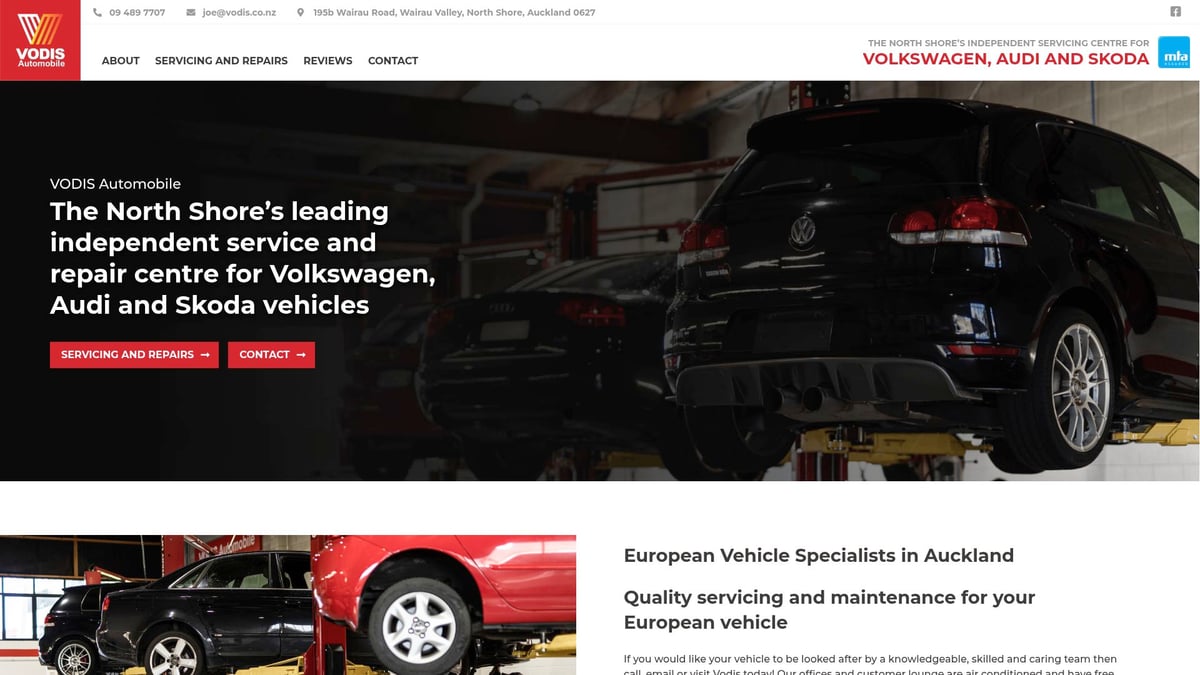
VODIS prioritizes quality and transparency, using only genuine parts and clear communication throughout the service process. As an MTA member, they adhere to strict ethical standards, ensuring every vehicle receives the attention it deserves.
Skilled technicians, modern diagnostic equipment, and a comfortable customer experience make VODIS a leader in european and domestic auto care. Whether you drive a late-model European vehicle or a domestic favorite, their expertise helps keep your car performing at its best.
Cost Considerations and Value Optimization
Understanding the true cost of european and domestic auto care is essential for every vehicle owner. Maintenance expenses can vary significantly based on vehicle origin, brand, and service needs. According to recent Auto Care Industry Growth Projections, the industry is set for growth, reflecting rising complexity and consumer expectations in both European and domestic segments.
|
Vehicle |
5-Year Maintenance Cost (USD) |
Average Annual Repair Cost (USD) |
|---|---|---|
|
BMW 3 Series (2026) |
$7,000 |
$1,200 |
|
Chevrolet Malibu (2026) |
$4,500 |
$750 |
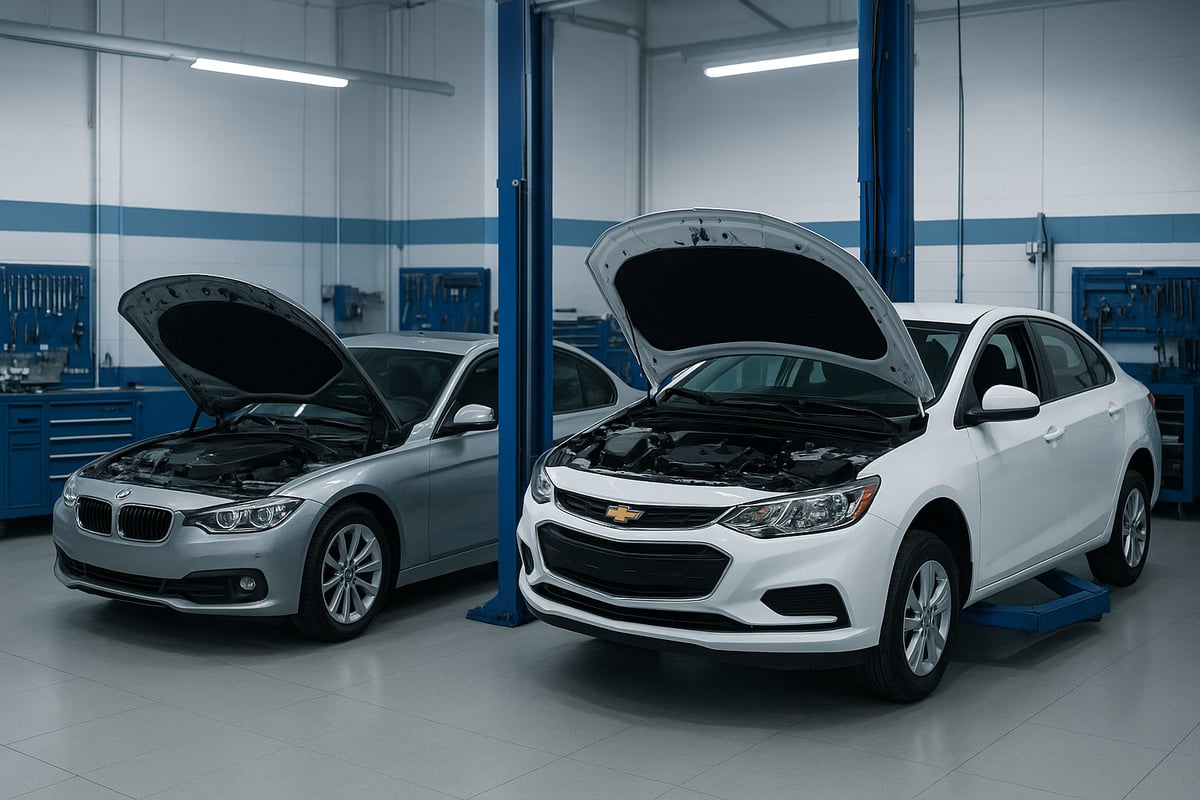
This comparison highlights how european and domestic auto care costs differ, with European models often requiring higher investments due to specialized parts and advanced technology. For owners, it is important to recognize that higher costs do not always mean lower value. European vehicles frequently offer advanced features and performance, which can justify service premiums.
Several factors influence the overall cost of european and domestic auto care. Parts availability is a major consideration, with European brands sometimes needing imported components. Labor rates for European vehicles tend to be higher, as technicians must have specialized knowledge and diagnostic tools. Diagnostic complexity also adds to service bills, especially for models with proprietary systems or advanced electronics.
To optimize value, car owners should adopt a proactive approach to european and domestic auto care. Here are key strategies:
-
Schedule preventative maintenance and stick to manufacturer recommendations.
-
Choose reputable independent specialists who understand your vehicle type.
-
Compare OEM and high quality aftermarket parts for savings.
-
Take advantage of bundled service packages and extended warranties when available.
Investing in premium service can pay off in the long run. For example, using genuine parts and certified technicians helps maintain warranty coverage and resale value. Over time, this approach can reduce unexpected repairs and protect your vehicle’s performance. The right balance between cost, quality, and expertise ensures that your european and domestic auto care delivers lasting value and peace of mind.
Emerging Trends in Auto Care for 2026
Staying ahead of the curve in european and domestic auto care means understanding the technological and environmental shifts shaping vehicle maintenance. As 2026 approaches, car owners and technicians must adapt to electrification, digital connectivity, and sustainability demands. These trends are redefining both routine services and specialized repairs for all vehicle types.
Electrification and Hybrid Maintenance
The rise of electric and hybrid vehicles is transforming european and domestic auto care. By 2026, both European brands and domestic manufacturers are expanding their EV and hybrid lineups, demanding new expertise from service centers. Battery health, thermal management, and regenerative braking systems are now core components of regular maintenance.
Technicians require specialized tools and training to safely service high-voltage systems. For example, servicing a 2026 Audi e-tron involves battery diagnostics and software updates, while a Ford Mustang Mach-E may need unique inverter checks. The following table highlights key differences in EV maintenance:
|
Task |
European EV (Audi e-tron) |
Domestic EV (Mustang Mach-E) |
|---|---|---|
|
Battery Diagnostics |
Proprietary software |
OBD-III compatible |
|
Regenerative Braking |
Advanced system tuning |
Standard checks |
|
Software Updates |
Over-the-air (OTA) |
OTA and dealership |
Staying informed on these changes is crucial, and industry reports like the 2026 Automotive Trends Report offer valuable insights into how electrification shapes maintenance standards across all brands. As EVs become mainstream, integrating these practices into european and domestic auto care routines ensures reliability and safety.
Connected Cars and Remote Service
Connected vehicles are revolutionizing european and domestic auto care with real-time data sharing and predictive diagnostics. Telematics systems enable remote monitoring, allowing service providers to detect issues before they cause breakdowns. Over-the-air updates deliver new features and fixes without shop visits, streamlining maintenance for both European and domestic vehicles.
Car owners benefit from automated service reminders and digital records directly accessible through their vehicles. However, data privacy and cybersecurity are growing concerns. It is essential to choose service centers that prioritize secure handling of personal vehicle data.
Workshops equipped for connected cars, such as those detailed in our auto care services overview, can provide advanced diagnostics and support for the latest vehicle technologies. These advancements make european and domestic auto care more efficient and transparent.
Sustainability and Eco-Friendly Practices
Sustainability is now a central focus in european and domestic auto care. Workshops are adopting eco-friendly fluids, recycling used parts, and investing in energy-efficient equipment. Regulatory changes, including stricter emissions and recycling mandates, are pushing service providers to reduce their environmental impact.
Some workshops now offer carbon-neutral servicing, using renewable energy and offsetting emissions. For example, green-certified service centers may recycle coolant and brake fluids, minimizing waste. Choosing eco-conscious providers not only benefits the environment but can also enhance vehicle longevity.
As sustainability practices become industry standards, integrating them into european and domestic auto care routines positions car owners for future regulatory compliance and responsible ownership.
Finding and Working with Trusted Local Auto Care Professionals
Selecting the right professionals for european and domestic auto care is essential to protect your investment and ensure your vehicle’s reliability. The right service center can make routine maintenance straightforward and repairs stress-free, regardless of whether you drive a European or domestic model.
Researching Reputable Auto Care Professionals
Begin your search for trusted european and domestic auto care by checking online reviews, local business ratings, and industry certifications. Look for facilities that display credentials such as ASE or manufacturer-specific certifications, as these indicate advanced expertise.
When servicing European vehicles, seek out specialists with brand-specific training. For example, a provider experienced in Volkswagen servicing and maintenance will understand unique requirements and use the correct diagnostic tools. Always verify a shop’s experience with your specific make and model, as this can prevent costly errors and ensure proper care.
Communication and Transparency in Service
Effective communication forms the foundation of reliable european and domestic auto care. Choose a service center that explains findings in clear, understandable language and provides written estimates before starting any work.
Transparency includes sharing service records, discussing options, and being upfront about costs. A reputable shop will answer your questions patiently, ensuring you feel confident about recommended repairs and scheduled maintenance. This clarity helps you make informed decisions and builds trust over time.
Building Long-Term Relationships with Your Mechanic
Forming a long-term relationship with your mechanic is a smart strategy for consistent european and domestic auto care. Regular visits allow technicians to become familiar with your vehicle’s history and unique needs, leading to more accurate diagnostics and personalized service.
Long-standing relationships often result in priority scheduling, honest advice, and even cost savings through preventative maintenance. Mechanics invested in your satisfaction are more likely to go the extra mile, ensuring your car performs at its best year after year.
Community Insights and Effective Communication Tips
Leverage local networks and community recommendations when searching for european and domestic auto care. Platforms like Nextdoor or word-of-mouth referrals can reveal trusted neighborhood favorites.
To get the most from each visit, prepare a brief summary of your vehicle’s symptoms, ask for a clear explanation of estimates, and request copies of service records. According to recent data, customers who communicate openly with their mechanics report higher satisfaction and loyalty, which leads to better long-term outcomes for their vehicles.
After exploring the unique needs of both European and domestic vehicles, as well as the latest advancements and best practices for 2026, it’s clear that expert care makes all the difference in keeping your car running at its best. If you want the peace of mind that comes from skilled technicians, transparent service, and genuine parts, now is the perfect time to take action. Whether you drive a Volkswagen, Audi, Mercedes, BMW, or Skoda, you deserve dedicated attention and proven expertise.
Book in your service
and give your vehicle the care it deserves for years to come.
Article written using RankPill.