
Automotive technology is evolving faster than ever, and staying ahead is crucial for every vehicle owner. The way cars are built and serviced in 2026 has changed, making expert mechanic servicing more important for safety, reliability, and performance.
This guide delivers the latest insights to help both vehicle owners and professional mechanics navigate these changes with confidence. You will find up-to-date trends, step-by-step maintenance advice, and practical tips for both European and mainstream vehicles.
Discover how new technologies, regulations, and servicing methods can keep your car running at its best. Follow this guide to make smarter, safer choices for your vehicle’s maintenance and longevity.
The Evolution of Mechanic Servicing: Trends and Technologies for 2026
Mechanic servicing has entered a new era in 2026, driven by rapid technological advancements and evolving customer expectations. Workshops are transforming their operations to meet the demands of smarter vehicles, stricter regulations, and a sustainability-focused market.
Digital Diagnostics and AI Integration
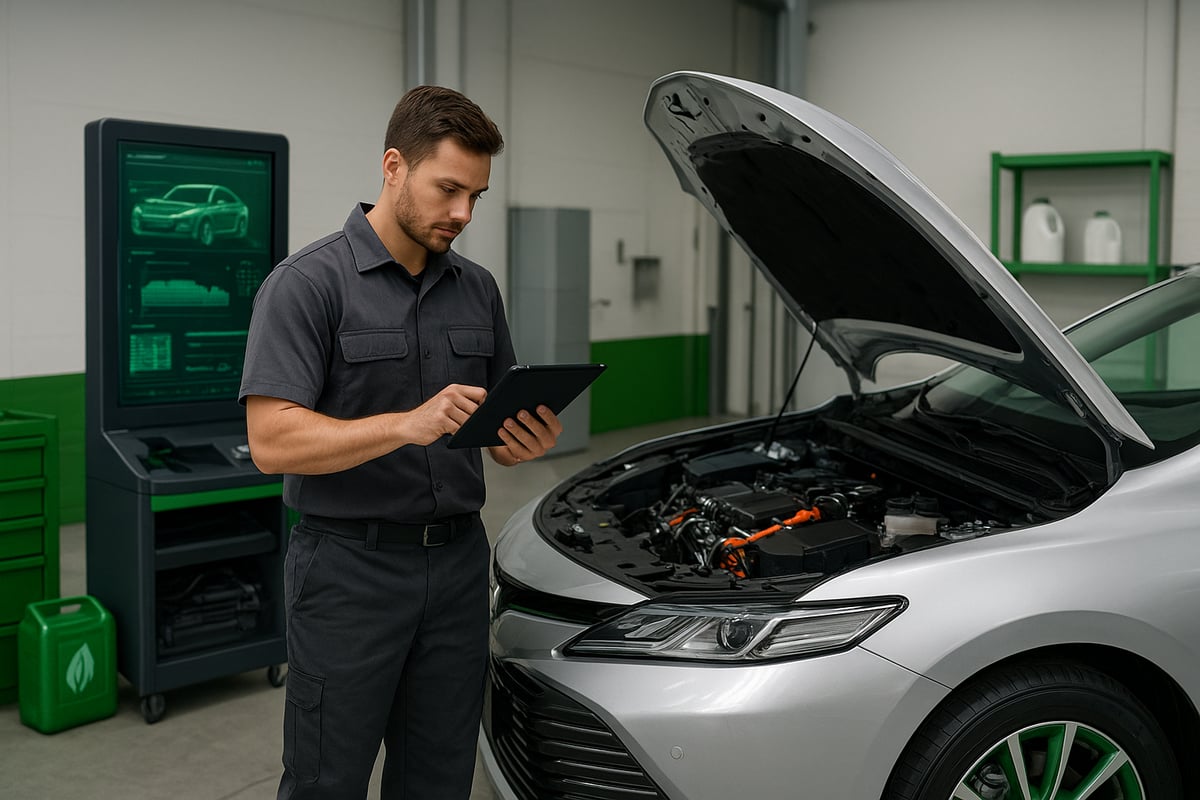
AI-powered diagnostic tools now lead the way in mechanic servicing, delivering unprecedented accuracy and efficiency. Workshops leverage predictive maintenance systems that use telematics to anticipate faults before they occur, minimizing downtime and costly repairs.
According to recent AI-powered diagnostic tools in automotive industry statistics, around 70% of workshops have adopted AI diagnostics, resulting in faster and more reliable fault detection. These advanced systems analyze vast data streams from connected vehicles, allowing mechanics to address issues proactively.
Sustainability and Eco-Friendly Servicing
Sustainability has become a central pillar of mechanic servicing in 2026. The industry has seen a surge in demand for green fluids, recyclable parts, and responsible waste management.
Major service centers now use biodegradable lubricants and promote recycling practices. This shift not only reduces environmental impact but also appeals to eco-conscious customers looking for greener options in vehicle care.
Advanced Training for Modern Mechanics
Mechanics today face rapidly changing vehicle technologies, especially with the rise of hybrid and electric vehicles. Ongoing education and certification are now essential in mechanic servicing.
Workshops invest in continuous training to ensure staff are skilled in handling high-voltage systems and complex software updates. This approach maintains safety standards and keeps pace with technological change.
Customer Experience and Transparency
The customer experience has evolved, with transparency at its core. Digital service records and real-time status updates are standard features in mechanic servicing.
Clients receive instant notifications about their vehicle’s progress, building trust and increasing retention. Workshops that prioritize communication are seeing stronger client relationships and higher satisfaction rates.
Regulatory Changes Impacting Service Protocols
Regulatory updates have reshaped mechanic servicing protocols. Stricter emissions standards, enhanced safety checks, and compliance requirements are now routine.
For example, the NZTA’s 2025 inspection updates have altered workshop routines, requiring more comprehensive documentation and frequent compliance checks. These changes ensure vehicles remain safe and environmentally compliant.
Data-Driven Maintenance Schedules
Data-driven maintenance is redefining mechanic servicing. Connected car apps track real-world driving patterns, allowing workshops to customize service intervals.
Instead of relying on fixed schedules, mechanics use vehicle data to optimize reminders and interventions. This approach maximizes performance and reduces unnecessary servicing costs for owners.
Rise of Independent Specialist Workshops
Independent specialist workshops are on the rise, particularly for European and luxury vehicles. These niche providers offer tailored mechanic servicing, combining technical expertise with personalized care.
| Comparison | Dealership Workshops | Independent Specialists |
|---|---|---|
| Expertise | Brand-specific, high volume | Niche, deep knowledge |
| Cost | Usually higher | Often more competitive |
| Flexibility | Standardized procedures | Personalized service |
Choosing the right workshop can deliver significant benefits in expertise, price, and customer experience for discerning vehicle owners.
Step-by-Step Guide to Modern Vehicle Servicing in 2026
Modern mechanic servicing in 2026 follows a streamlined, tech-driven process designed to maximize accuracy, transparency, and safety. Each step leverages digital tools and expert protocols for both European and mainstream vehicles. Here is a detailed walkthrough of the seven essential steps.
Step 1: Pre-Service Digital Assessment
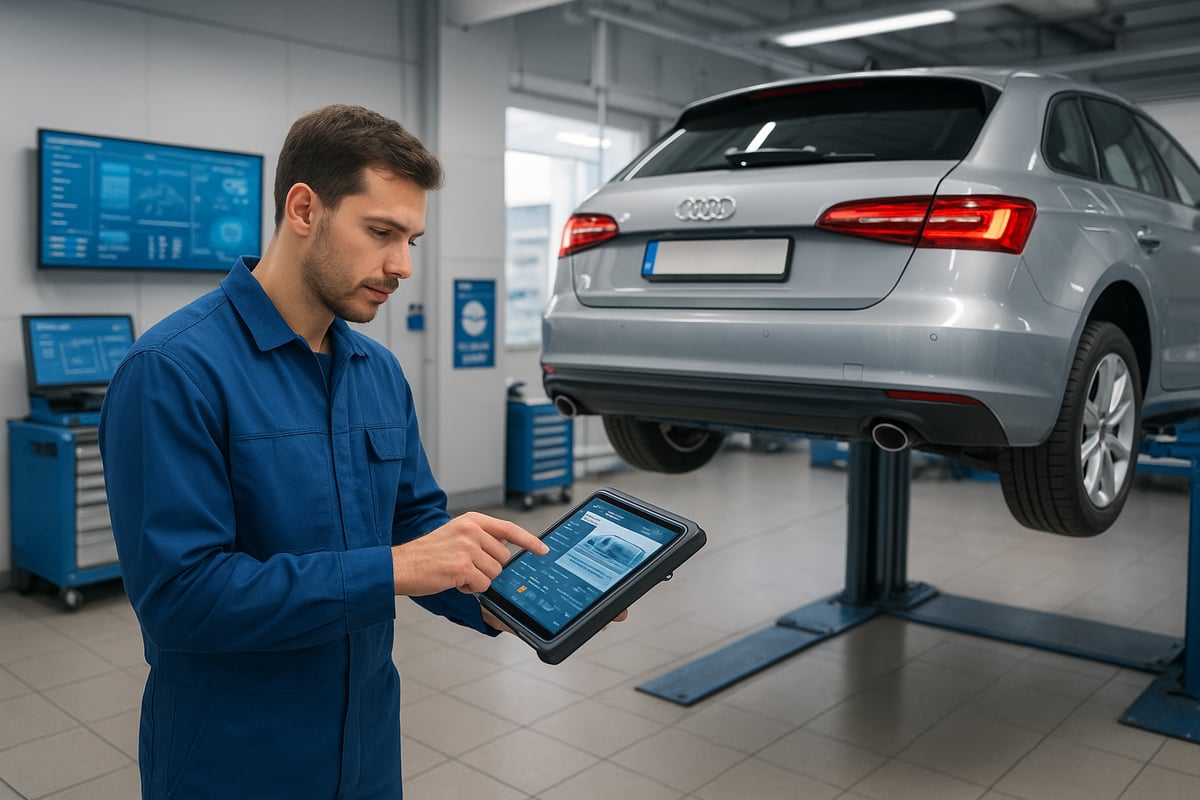
The first stage of mechanic servicing now starts long before the car enters the workshop. Digital intake forms collect vehicle history, driver concerns, and service requests online. Remote diagnostics run preliminary scans, allowing mechanics to review error codes and system data in advance.
Online booking systems request key vehicle data, streamlining appointment scheduling and resource allocation. This digital-first approach reduces delays and ensures technicians are prepared with the right tools and information.
Step 2: Inspection and Fault Detection
Once the vehicle arrives, a comprehensive inspection uses advanced OBD-II scanners and thermal imaging cameras. These digital tools quickly identify faults in electronics, powertrains, and safety systems.
Notably, 90% of issues are now detected through digital means before manual checks begin. This high accuracy sets a new benchmark in mechanic servicing, especially for complex European models. For those seeking full-scope solutions, European vehicle servicing and repairs detail the processes and technologies used to support both routine and specialist inspections.
| Inspection Method | Fault Detection Rate |
|---|---|
| Digital Diagnostics | 90% |
| Manual Inspection | 10% |
Step 3: Service Planning and Customer Communication
After faults are identified, mechanics use digital platforms to generate transparent quotes. Customers receive real-time updates via SMS or email, including repair timelines and any changes to costs.
This step in mechanic servicing emphasizes clear communication and builds trust. Clients can approve work remotely, reducing wait times and misunderstandings. Digital records ensure nothing falls through the cracks.
Step 4: Performing the Service
During the core mechanic servicing phase, technicians follow strict protocols, especially for hybrid and electric vehicles. Safety is paramount, so insulated tools and digital torque wrenches are standard. For electric vehicles, battery health checks and high-voltage system inspections are routine.
A typical workflow might include:
- Disconnecting high-voltage lines
- Using diagnostic software for system resets
- Testing battery modules for degradation
These advanced procedures ensure compliance and extend vehicle life.
Step 5: Quality Control and Compliance Checks
Before returning the vehicle, workshops complete automated checklists covering emissions, safety systems, and regulatory compliance. Documentation is generated digitally, meeting all 2026 legal standards for mechanic servicing.
This process minimizes human error and provides proof of compliance for audits or insurance. Any detected issues are addressed before final approval.
Step 6: Post-Service Digital Reporting
After servicing, customers receive a detailed digital report. This includes a summary of completed work, diagnostic data, and future maintenance recommendations. Reports are integrated with vehicle owner apps, giving clients 24/7 access to their mechanic servicing history.
These records not only improve transparency but also help owners plan for future needs, supporting better vehicle care.
Step 7: Customer Follow-Up and Feedback Collection
The final step in mechanic servicing is gathering customer feedback. Automated satisfaction surveys are sent via email or app notifications. Workshops use this input to refine processes and address any concerns promptly.
Continuous improvement is central to modern servicing, ensuring high standards and repeat business.
Essential Tools and Technologies Every Mechanic Needs in 2026
Staying ahead in mechanic servicing requires more than expertise, it demands the right tools and technologies. In 2026, the landscape is driven by innovation, safety, and efficiency. Whether you run a large workshop or specialize in European vehicles, understanding which equipment is essential makes all the difference.
AI-Powered Diagnostic Scanners
Mechanic servicing in 2026 relies heavily on AI-powered diagnostic scanners. These tools analyze real-time vehicle data and connect to cloud-based platforms for instant troubleshooting.
- Bosch KTS series with AI enhancements leads the market.
- Scanners predict component failures before they happen.
- Integration with telematics offers predictive maintenance.
Workshops now diagnose issues faster and more accurately, reducing guesswork and costly errors. Incorporating these scanners ensures mechanic servicing keeps pace with vehicle complexity.
Advanced Lifting and Safety Equipment
Safety is paramount in mechanic servicing, especially with modern vehicles. Advanced hydraulic lifts now feature integrated safety sensors that monitor load and alignment.
- Automated lockouts prevent accidental drops.
- Ergonomic designs reduce strain for technicians.
- Industry reports show a 30% reduction in workplace injuries.
These innovations not only protect staff but also improve workflow, making servicing smoother and more reliable for every mechanic servicing scenario.
Specialized Tools for Hybrid and Electric Vehicles
The shift to electric and hybrid models demands specialized equipment. Mechanic servicing for these vehicles requires insulated tools, advanced battery management systems, and strict high-voltage protocols.
- Insulated gloves and hand tools prevent electric shock.
- Battery analyzers check health and performance.
- Safety barriers and signage mark high-voltage zones.
Proper training and equipment are essential to handle modern drivetrains, ensuring mechanic servicing meets both regulatory and safety standards.
Digital Service Management Platforms
Digital platforms have transformed mechanic servicing management. These systems automate workflows, track inventory, and schedule maintenance tasks efficiently.
- AutoFluent and Workshop Software are popular choices.
- Real-time dashboards monitor job progress.
- Inventory tracking reduces delays and stockouts.
By adopting digital service platforms, workshops streamline operations and enhance customer satisfaction. For a detailed look at technology and compliance in modern shops, see Our workshop technology and standards.
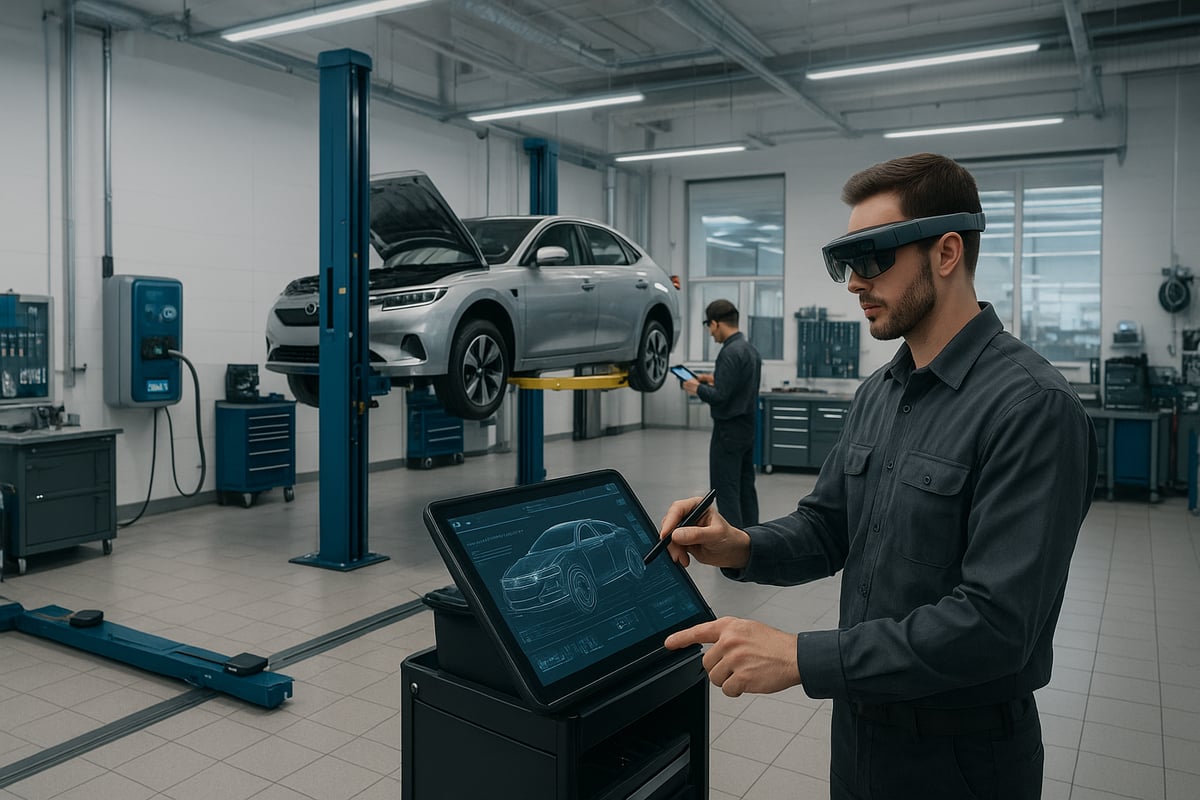
Remote Assistance and AR Tools
Augmented reality and remote support are revolutionizing mechanic servicing. AR headsets allow technicians to overlay schematics directly onto a vehicle, while remote experts can provide live guidance.
- AR boosts accuracy for complex repairs.
- Technicians learn new skills in real time.
- Reduces need for travel or senior staff on-site.
These tools foster collaboration and continuous learning, making mechanic servicing more adaptable to changing vehicle technologies.
Sustainable Workshop Equipment
Sustainability is now integral to mechanic servicing. Workshops are investing in energy-efficient compressors, LED lighting, and eco-friendly fluids.
- Lower electricity usage cuts operational costs.
- LED lights improve visibility and reduce heat.
- Green products help meet environmental regulations.
Sustainable practices not only benefit the planet but also enhance a workshop’s reputation with environmentally conscious customers seeking responsible mechanic servicing.
Genuine vs. Aftermarket Parts: Sourcing in 2026
Choosing the right parts is crucial for reliable mechanic servicing. Trends show a shift toward OEM-certified aftermarket parts, balancing quality and cost.
| Parts Type | Quality | Warranty | Cost |
|---|---|---|---|
| Genuine OEM | Highest | Full | Higher |
| OEM-Certified Aftermarket | High | Usually | Moderate |
| Generic Aftermarket | Variable | Limited | Lower |
Data indicates that using OEM or certified parts extends vehicle life and reduces failure rates. Sourcing quality components is a cornerstone of professional mechanic servicing.
Expert Insights: Common Servicing Mistakes and How to Avoid Them
Staying current in mechanic servicing is essential for both safety and performance. Even experienced professionals can fall into common traps that compromise vehicle reliability, compliance, or customer trust. Here, we break down frequent mistakes and offer targeted advice to ensure every aspect of mechanic servicing in 2026 meets the highest standards.
Overlooking Software Updates and Digital Resets
Ignoring software updates during mechanic servicing can trigger a cascade of technical issues. Modern vehicles rely on complex ECUs, and skipping updates or failing to reset service indicators may cause warning lights, incorrect system behavior, or even drivability problems.
- Always check for manufacturer-issued updates.
- Use approved diagnostic tools to perform resets.
- Document completed updates in the digital service record.
Making this routine part of mechanic servicing helps prevent avoidable faults and maintains optimal performance.
Neglecting Hybrid/Electric-Specific Maintenance
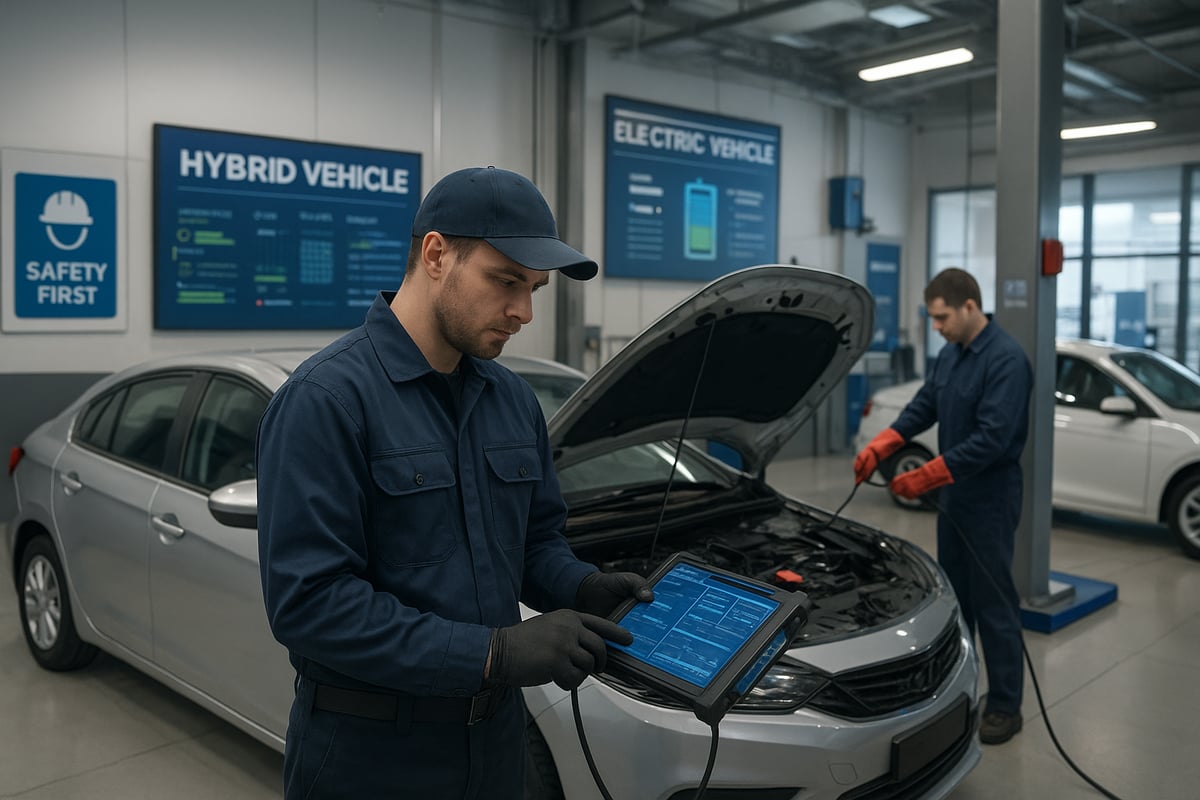
Hybrid and electric vehicles have unique needs that traditional mechanic servicing processes may overlook. Battery cooling systems, high-voltage cables, and specialized filters require regular inspection.
- Schedule battery health checks.
- Inspect cooling and charging systems.
- Use insulated tools for safety.
Neglecting these tasks during mechanic servicing can accelerate battery degradation, reduce efficiency, and pose safety risks.
Misdiagnosis Due to Outdated Tools
Using legacy diagnostic equipment is a frequent pitfall in mechanic servicing. Outdated tools may miss software-based faults or misinterpret system data, leading to unnecessary repairs or unresolved issues.
- Invest in AI-powered diagnostic scanners.
- Regularly update tool software.
- Cross-check findings with vehicle telematics.
Studies show that 25 percent of misdiagnoses in mechanic servicing are directly linked to obsolete equipment.
Poor Communication with Vehicle Owners
Clear communication is the backbone of effective mechanic servicing. Failing to explain service procedures, findings, or costs can erode trust and lead to misunderstandings.
- Provide digital reports with visual aids.
- Offer real-time service updates.
- Use plain language for technical explanations.
Consistent communication increases customer satisfaction and loyalty in mechanic servicing environments.
Skipping Compliance and Safety Checks
Omitting regulatory or safety checks during mechanic servicing can have legal and financial consequences. Missed emissions tests or safety inspections may result in fines or put vehicle occupants at risk.
- Stay current with local regulations.
- Use automated compliance checklists.
- Review right to repair legislation in automotive industry for updates affecting service protocols.
Meeting compliance standards is a non-negotiable aspect of responsible mechanic servicing.
Using Non-Compliant or Low-Quality Parts
Choosing inferior or uncertified parts during mechanic servicing undermines vehicle reliability and may void warranties. Data shows that 40 percent of premature part failures are due to substandard components.
- Source OEM or certified aftermarket parts.
- Verify supplier credentials.
- Keep detailed part installation records.
Prioritizing quality parts protects both the vehicle and the customer’s investment in mechanic servicing.
Inadequate Documentation and Record-Keeping
Failing to maintain detailed service records during mechanic servicing can reduce a vehicle’s resale value and create legal vulnerabilities. Accurate documentation supports warranty claims and ensures transparency.
- Use digital platforms for service logs.
- Attach diagnostic reports and photos.
- Track all maintenance actions chronologically.
Comprehensive records are a hallmark of professional mechanic servicing.
Cost-Saving Tips and Value-Driven Maintenance Strategies
Keeping your vehicle in peak condition does not have to break the bank. Modern mechanic servicing combines smart technology, preventive care, and strategic choices to help you save money while ensuring safety and reliability. By following value-driven maintenance strategies, you can extend your car’s lifespan and avoid costly surprises.
Maximizing Service Intervals Without Compromising Safety
Personalized maintenance is one of the most effective ways to save on mechanic servicing. Today’s connected vehicles track driving habits and usage patterns, allowing workshops to recommend optimal service intervals.
For example, if you mostly drive short distances at low speeds, you may be able to extend oil change intervals without risk. However, always consult your service provider before making changes. This approach ensures you only pay for what your vehicle truly needs.
- Review your car’s telematics data regularly
- Ask your workshop about custom maintenance schedules
- Never skip critical safety checks
By aligning mechanic servicing with actual vehicle use, you reduce unnecessary visits and lower long-term costs.
Investing in Preventive Maintenance
Preventive care is the cornerstone of value-driven mechanic servicing. Addressing small issues early prevents them from becoming major, expensive repairs.
Routine inspections, timely fluid changes, and prompt tire rotations all contribute to longevity. Industry data shows that preventive maintenance can reduce repair costs by up to 40 percent over a vehicle’s lifespan.
- Schedule regular check-ups even if your car seems fine
- Replace worn parts before failure
- Use digital reminders to stay on track
Prioritizing preventive mechanic servicing keeps your car running smoothly and your budget in check.
Choosing the Right Workshop: Dealership vs. Independent
Selecting the right provider for mechanic servicing can make a significant financial difference. Dealerships offer brand-specific expertise and may honor warranties, but often come at a premium. Independent workshops, especially specialists, provide personalized service and competitive rates.
| Factor | Dealership | Independent Workshop |
|---|---|---|
| Cost | Higher | Lower to moderate |
| Expertise | Brand-specific | Varied, can be specialized |
| Convenience | Limited locations | More options |
| Warranty | Usually included | May honor OEM parts |
For Volkswagen owners, choosing a Volkswagen servicing expertise provider ensures advanced diagnostics and tailored care without dealership pricing. Evaluate your priorities to find the best fit for your vehicle and budget.
Leveraging Digital Service Packages and Subscriptions
Digital service packages have transformed mechanic servicing by bundling routine maintenance into predictable, manageable payments. Subscription models cover regular checks, oil changes, and even parts replacements under one plan.
- Predictable monthly or annual fees
- Discounts for bundled services
- No surprise repair bills
Ask your mechanic servicing provider about available digital packages. These plans can offer peace of mind and significant savings over time.
DIY vs. Professional Servicing: When to Save and When to Invest
Some mechanic servicing tasks, such as replacing air filters or checking fluid levels, are safe for DIY. However, complex systems—especially in hybrid or electric vehicles—should be left to professionals.
Risks of improper DIY work include safety hazards, invalidated warranties, and higher costs from mistakes. When in doubt, consult a certified technician.
- Safe to DIY: wiper blades, bulbs, basic fluids
- Leave to professionals: brake systems, battery service, diagnostics
Balance cost savings with safety by knowing your limits in mechanic servicing.
Utilizing Genuine and High-Quality Aftermarket Parts
Choosing the right parts is essential for effective mechanic servicing. Genuine OEM parts guarantee quality and compatibility, though they may be more expensive. High-quality aftermarket parts can provide excellent value if certified.
Industry studies reveal that OEM parts can extend vehicle life by up to 15 percent. Always verify the source and warranty for any part you select.
- Use OEM parts for critical systems
- Consider certified aftermarket options for savings
- Avoid low-quality, non-compliant components
Smart part selection is a key aspect of value-driven mechanic servicing.
Monitoring and Managing Maintenance Costs
Staying organized is vital for keeping mechanic servicing expenses under control. Use digital tools or mobile apps to track service history, set reminders, and budget for upcoming work.
- Record every service and repair
- Schedule reminders for future maintenance
- Review spending patterns to identify savings
By monitoring your mechanic servicing costs, you make informed decisions and avoid unexpected financial strain.
The Future of Mechanic Servicing: Predictions and Expert Recommendations for 2026 and Beyond
The landscape of mechanic servicing is on the brink of transformative change in 2026. As technology, sustainability, and customer expectations evolve, workshops and vehicle owners alike must adapt to stay ahead. Let us explore what the future holds, with actionable insights for achieving excellence in mechanic servicing over the coming years.
Integration of Connected Car Ecosystems
Connected car ecosystems are set to revolutionize mechanic servicing. Vehicles now communicate directly with workshops, sharing real-time diagnostic data and service needs. This integration allows mechanics to anticipate issues before failure occurs, increasing efficiency and reducing downtime.
Predictive alerts, sent through secure networks, notify both owners and service providers when attention is needed. This proactive approach streamlines mechanic servicing and helps prevent costly repairs. As vehicle data becomes more accessible, workshops must invest in secure, cloud-based platforms to manage sensitive information responsibly.
Rise of Remote and Mobile Servicing
The demand for remote and mobile mechanic servicing is rapidly growing. In 2026, more workshops offer at-home maintenance and minor repairs, providing greater flexibility for busy customers. Mobile service vans, equipped with advanced diagnostic tools, can resolve common issues without the need for a workshop visit.
Industry data shows a 20 percent increase in mobile mechanic businesses, reflecting changing consumer preferences. This trend enhances convenience and makes mechanic servicing more accessible for all vehicle owners. Workshops that embrace this model will gain a competitive edge in a dynamic market.
Enhanced Training and Certification Standards
As vehicles become more complex, mechanic servicing requires deeper expertise and continuous learning. Advanced driver assistance systems, electrification, and software integration demand that technicians maintain up-to-date certifications and specialized skills.
New standards are emerging, including mandatory training for high-voltage systems and autonomous technologies. Workshops are investing in virtual and augmented reality tools for hands-on training. This focus on education ensures mechanic servicing teams can confidently handle the vehicles of tomorrow.
Sustainability as a Core Service Offering
Sustainability is now central to mechanic servicing. Workshops are adopting eco-friendly practices, such as using biodegradable fluids, recycling materials, and reducing energy consumption. These initiatives not only lower environmental impact but also appeal to eco-conscious customers.
The move toward carbon-neutral operations is accelerating. For an in-depth look at how sustainability is reshaping the industry, explore Sustainability practices in automotive servicing. Mechanic servicing providers who embrace green solutions will lead the way in responsible vehicle care.
Customer-Centric Innovations
Customer experience is a top priority for modern mechanic servicing. Digital platforms now offer transparent pricing, real-time updates, and personalized service reminders. Loyalty programs and tailored maintenance plans foster long-term relationships with clients.
Workshops are leveraging AI to analyze service history and provide recommendations. These innovations boost customer satisfaction, increase retention, and set new standards for mechanic servicing. The future is focused on building trust and delivering value at every touchpoint.
Regulatory and Insurance Implications
Stringent regulations are shaping mechanic servicing protocols. New emissions standards, safety checks, and data privacy laws require workshops to stay informed and compliant. Insurance requirements are also evolving, with greater emphasis on digital documentation and liability coverage.
Preparing for these changes is essential to avoid penalties and maintain customer trust. Mechanic servicing providers must regularly update processes, train staff, and invest in compliance technology. Staying proactive ensures long-term success in a highly regulated environment.
Adapting to Autonomous and Semi-Autonomous Vehicle Servicing
The rise of autonomous and semi-autonomous vehicles presents unique challenges for mechanic servicing. These vehicles rely on complex software and sensor systems, requiring specialized diagnostic and repair procedures.
Technicians must develop new protocols for safely working on self-driving systems. Research into AI-driven test case generation in automotive software highlights the importance of advanced testing and validation for these vehicles. Mechanic servicing will become increasingly interdisciplinary, blending traditional skills with cutting-edge technology.
As we’ve explored, staying ahead in mechanic servicing means embracing the latest diagnostics, following smart maintenance strategies, and trusting experts who truly understand your vehicle’s needs. If you want your Volkswagen, Audi, Mercedes, BMW, or Skoda to benefit from the most up-to-date care, it’s important to choose a team that’s committed to excellence and transparency. At VODIS Automobile, we combine over 20 years of expertise with cutting edge technology and a customer focused approach, so you can drive with complete peace of mind. Ready to give your car the attention it deserves?
Book in your service