

Imagine your Audi gliding through the years, free from unexpected breakdowns and always performing at its best. What is the real secret to achieving this level of reliability? The answer lies in knowing exactly how to repair audi vehicles based on the latest technology and expert advice.
This guide is designed to give Audi owners confidence with practical steps, updated knowledge, and professional insights for the 2026 models and beyond. You will learn how to spot common issues early, maintain your Audi for longevity, and save money on repairs.
Discover proven strategies, cost-saving tips, and when to seek expert help. Start your journey to hassle-free Audi ownership and keep your car at peak condition for years to come.
Understanding Common Audi Issues in 2026
Audi vehicles have a reputation for innovation, yet even the latest models from 2022 to 2026 present specific challenges for owners. Staying informed about the most common problems is the first step to effective repair audi strategies and ensuring your car’s longevity.

Common Mechanical and Electronic Problems
Recent Audi models frequently experience a mix of mechanical and electronic issues. Engine oil leaks, turbocharger failures, and suspension wear are still prevalent. Meanwhile, electrical glitches affecting infotainment, advanced driver-assistance systems (ADAS), and digital dashboards are becoming more widespread. These trends highlight the evolving nature of repair audi needs as vehicles become more sophisticated.
Technology’s Impact on Repair Audi Challenges
With each new generation, Audi’s integration of advanced technology such as the MMI infotainment system and ADAS introduces fresh repair audi complexities. Owners and technicians now face intricate software faults, sensor malfunctions, and compatibility issues after updates. Diagnosing these problems often requires specialized equipment and up-to-date technical knowledge.
Recognizing Warning Signs Early
Early detection is crucial for effective repair audi outcomes. Watch for dashboard alert icons, persistent warning messages, unusual engine noises, decreased fuel efficiency, or sudden drops in performance. Addressing these symptoms promptly can prevent minor issues from escalating into major repairs.
Top 5 Reported Audi Issues (2022–2026)
| Issue | Frequency (%) | Typical Repair Audi Cost (NZD) |
|---|---|---|
| Engine oil leaks | 18 | $650–$1,200 |
| Electrical system faults | 15 | $300–$950 |
| Turbocharger failures | 12 | $1,500–$3,000 |
| Suspension component wear | 10 | $900–$1,800 |
| Infotainment system glitches | 8 | $400–$1,100 |
For a deeper dive into reliability data and average costs, see Audi repair costs and reliability.
Gasoline vs Hybrid vs Electric: Repair Audi Differences
Repair audi requirements vary by powertrain. Gasoline models often need traditional engine and exhaust repairs. Hybrids add complexity with high-voltage battery and inverter maintenance. Fully electric Audis like the e-tron require expertise in battery management, cooling systems, and electric drive components. Each type demands a tailored approach to diagnostics and repairs.
Real-World Examples of Recurring Faults
Consider an Audi A4 owner who noticed intermittent dashboard flickering and sluggish acceleration. Diagnosis revealed a faulty ground connection in the electrical system, a common repair audi issue in recent models. Another case involved an e-tron’s battery heating system malfunctioning, leading to reduced range and charging difficulties. These examples underscore the importance of professional assessment.
Climate, Driving Habits, and Reliability
New Zealand’s variable climate and diverse driving conditions can influence repair audi frequency. Humid environments may accelerate corrosion on electrical connectors, while frequent stop-start driving in urban areas increases brake and transmission wear. Proactive maintenance is key to counteracting these external factors.
The Value of Timely Diagnosis
Prompt identification of problems is vital to minimize repair audi expenses. Ignoring warning signs or delaying service can turn a minor electrical glitch into a major system failure, increasing both downtime and costs. A thorough, timely diagnosis not only preserves your Audi’s performance but also extends its service life.
Essential Maintenance for Longevity
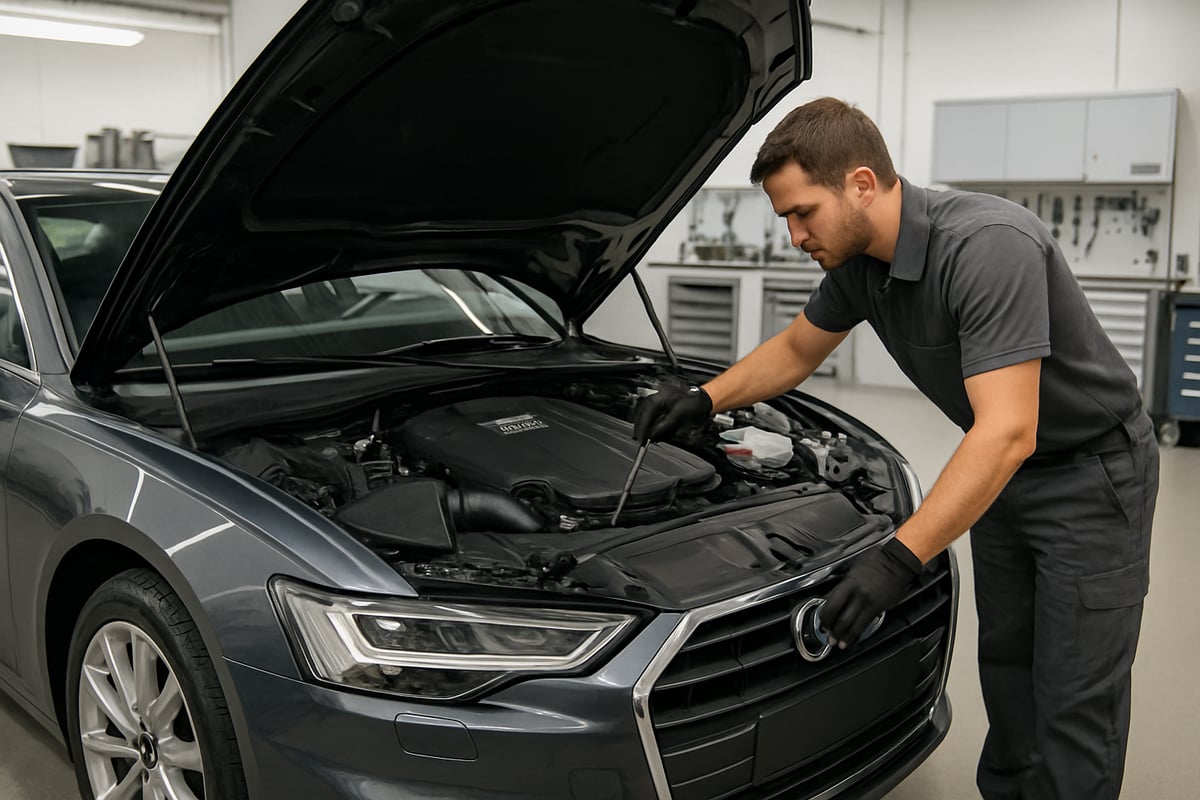
Keeping your Audi in peak condition requires a proactive approach to maintenance. Regular care not only reduces the likelihood of major issues but also preserves your vehicle's value and driving experience. With the right repair audi strategies, you can avoid unexpected breakdowns and enjoy smooth performance year after year.
Following Manufacturer-Recommended Schedules
Adhering to the official maintenance schedule is crucial for every Audi owner, especially with the 2026 models. Routine services like oil changes, brake inspections, and fluid replacements should be performed at the intervals listed in your owner's manual. Sticking to these guidelines helps you address minor issues before they escalate into costly repair audi problems.
Modern Audis often feature digital service reminders, making it easier to track upcoming maintenance. Neglecting these alerts can lead to premature wear, reduced fuel efficiency, or even voided warranties. By following the recommended schedule, you ensure all vital systems remain in optimal condition.
Key Component Checks and Replacements
Essential maintenance tasks go beyond simple oil changes. It is important to inspect and replace air filters, spark plugs, and timing belts as directed by Audi. Clean air filters help the engine breathe properly, while new spark plugs maintain smooth ignition and performance.
Tire care is equally important. Regular rotation, alignment checks, and maintaining the correct tire pressure enhance safety and extend tire life. Battery health should not be overlooked, whether you drive a traditional engine or an electric Audi. Watch for warning signs like slow starts or dashboard alerts, and replace batteries at the recommended intervals to prevent unexpected repair audi expenses.
OEM vs. Aftermarket Parts and Maintenance Costs
Deciding between Original Equipment Manufacturer (OEM) and aftermarket parts can affect both cost and reliability. OEM parts guarantee compatibility and quality, though they can be more expensive. High-quality aftermarket parts may offer savings, but always ensure they meet Audi's specifications to avoid future repair audi complications.
Below is a summary of average annual maintenance costs for popular Audi models (2023–2025):
| Model | Average Annual Maintenance Cost (NZD) |
|---|---|
| Audi A4 | $700 |
| Audi Q5 | $850 |
| Audi e-tron | $1,000 |
Choosing the right parts and service provider can make a significant difference in long-term expenses.
DIY Maintenance vs. Professional Servicing
Many Audi owners handle simple tasks like topping up fluids or replacing wiper blades. However, advanced systems in 2026 models require specialized knowledge and diagnostic tools. Attempting complex repairs without proper training may lead to costly mistakes.
For comprehensive and reliable care, consider scheduling services with a trusted provider. For more details on Audi-specific maintenance and repair options, visit Audi servicing and repairs. Leveraging professional expertise ensures that your repair audi needs are met with precision, keeping your vehicle running at its best.
Step-by-Step Audi Repair Process: DIY and Professional Solutions
Maintaining your Audi's performance in 2026 requires a thoughtful approach to both DIY and professional solutions. This step-by-step guide demystifies the repair audi process, equipping you with the knowledge to tackle issues confidently or know when to call in the experts.

Diagnosing the Problem
Effective repair audi work always begins with an accurate diagnosis. Modern Audis from 2022–2026 rely on advanced OBD-II systems that provide real-time fault codes.
To start, connect an OBD-II scanner to your Audi’s port, typically located beneath the dashboard. Turn the ignition on, then use the scanner to read any diagnostic trouble codes (DTCs). Codes like P0300 (random misfire) or P0171 (system too lean) help pinpoint issues quickly.
Interpreting these codes is crucial. For example, a misfiring engine may display P0301, indicating a cylinder 1 misfire. This could be due to a faulty spark plug, coil, or injector. Use a multimeter and basic hand tools to check these components.
Mechanical issues, such as unusual noises or vibrations, might require a physical inspection. For electronic problems, focus on wiring, connectors, and modules.
Essential diagnostic tools:
- OBD-II scanner
- Multimeter
- Basic socket set
- Service manual
By mastering diagnosis, you make repair audi tasks more efficient and avoid unnecessary parts replacement.
Performing Basic Repairs at Home
Many repair audi tasks can be handled confidently at home with the right tools and preparation.
Oil and Filter Change Steps:
- Warm up the engine slightly.
- Safely lift and secure the vehicle.
- Drain old oil and replace the filter.
- Refill with manufacturer-specified oil.
Brake Pad and Rotor Replacement:
- Loosen wheel nuts, raise the vehicle, and remove the wheels.
- Unbolt the caliper, slide out old pads, and replace with new ones.
- Inspect rotors for wear, replace if needed.
- Reassemble and torque bolts to specification.
Minor Electrical Repairs:
- Replace blown fuses using the diagram in your owner's manual.
- Swap out bulbs by accessing lamp housings.
- Reset service indicators using the infotainment system or steering wheel controls.
DIY Safety Precautions:
- Always use jack stands and proper safety gear.
- Disconnect the battery before electrical work.
- Double-check all fasteners and fluid levels after repairs.
Taking on small repair audi projects not only saves money but also builds your confidence as an owner.
When to Seek Professional Help
Some repair audi tasks are best left to certified professionals, especially when dealing with complex systems or high-voltage components in hybrids and EVs.
Signs you need expert assistance include transmission issues, advanced electronics malfunctions, or persistent warning lights after basic troubleshooting. Attempting such repairs without specialized equipment can risk further damage and may void your warranty.
Certified Audi technicians have access to factory diagnostics, technical bulletins, and genuine parts. According to industry data, satisfaction rates for professional repairs remain above 90 percent, thanks to precise problem-solving and lasting results.
For peace of mind, consider our team of Audi specialists when you encounter complex repair audi challenges. Their expertise ensures your vehicle gets the care it deserves.
Choosing the Right Repair Shop
Selecting the right shop for repair audi work can make a significant difference in quality and cost.
What to look for:
- Factory-trained technicians
- Up-to-date diagnostic tools
- Transparent pricing and estimates
- Genuine or high-quality aftermarket parts
Questions to ask:
- Do you provide a warranty on labor and parts?
- Are your technicians Audi-certified?
- What diagnostic process do you follow?
Dealership vs. Independent Specialist:
| Criteria | Dealership | Independent Specialist |
|---|---|---|
| Expertise | Brand-specific | Often brand-focused |
| Cost | Generally higher | Usually more affordable |
| Parts | OEM guaranteed | OEM or aftermarket |
| Warranty | Strong coverage | Varies by shop |
Customer experiences consistently highlight the benefits of choosing a reputable repair audi provider. Many owners report better value and personalized service from independent specialists, while dealerships offer peace of mind with official support.
Ultimately, prioritize shops with a proven track record, transparent communication, and a commitment to quality.
The Impact of Advanced Audi Technology on Repairs
Modern Audi vehicles in 2026 are more than just machines—they are advanced, networked computers on wheels. This evolution affects every aspect of how owners and technicians repair Audi models, from diagnostics to the types of expertise required. Understanding these changes is essential to keep your Audi running at peak performance.

Audi’s 2026 Technology Landscape
The latest Audi models integrate cutting-edge systems such as the Digital Cockpit, advanced driver-assistance systems (ADAS), and state-of-the-art electric drivetrains. These features transform the way you repair Audi vehicles, making traditional mechanical fixes only a part of the process.
Key 2026 Audi tech features:
- Digital Cockpit with real-time data and customizable interfaces
- ADAS for lane keeping, adaptive cruise, and collision avoidance
- High-capacity electric batteries and motors
Each innovation introduces new diagnostics and maintenance needs. Owners must now consider software compatibility and system updates as part of every repair Audi process.
The Shift to Software-Based Repairs
With over-the-air updates and cloud-based diagnostics, Audi has made it possible to remotely monitor and update vehicle systems. This shift means that many repair Audi tasks now start with a laptop or tablet rather than a wrench.
For example, technicians can identify issues with infotainment, navigation, or safety features before they impact your driving experience. However, software errors or failed updates can immobilize vehicles, so timely firmware management is crucial.
A rise in electronic-related repairs is clear in recent data:
| Year | % of Electronic Repairs |
|---|---|
| 2022 | 38% |
| 2023 | 44% |
| 2024 | 51% |
| 2025 | 57% |
This trend highlights the growing importance of digital skills when you repair Audi vehicles.
Specialized Skills and Cybersecurity Challenges
Repairing modern Audis now requires specialized diagnostic equipment, training, and a deep understanding of both hardware and software. Certified technicians must stay current with Audi’s evolving technology to deliver reliable service.
Cybersecurity is also a critical consideration. Unauthorized access or poor update management can compromise vehicle safety. That’s why choosing a facility equipped for these challenges is essential. For example, Our European vehicle workshop features the tools and expertise necessary to safely repair Audi vehicles with the latest tech.
Electronic Repairs: The e-tron Battery Example
Take the Audi e-tron as a case study. Battery management system (BMS) faults can trigger warning lights, limit range, or even prevent the car from starting. Diagnosing and fixing these problems requires advanced diagnostic software, electrical safety protocols, and access to genuine Audi parts.
Repair Audi steps for e-tron BMS issues include:
- Reading fault codes and voltage logs
- Inspecting connectors and battery modules
- Updating BMS firmware
Without the right skills and equipment, these repairs can become costly or even unsafe.
Keeping Up with Updates and Aftermarket Tech
Regular firmware and software updates are vital for maintaining safety features, efficiency, and connectivity. Skipping updates can lead to compatibility issues or system malfunctions, impacting your ability to repair Audi issues effectively.
Owners interested in aftermarket upgrades must ensure new tech integrates smoothly with factory systems. Working with professionals who understand both original and aftermarket solutions reduces the risk of software conflicts or voided warranties.
Staying informed and proactive with technology updates is the key to a smooth, reliable repair Audi experience in 2026.
Cost-Saving Tips and Warranty Insights
Owning an Audi in 2026 means combining luxury with smart financial decisions. Understanding your warranty, choosing the right parts, and practicing proactive care are essential to minimize the lifetime cost to repair audi models. With the right knowledge and resources, you can keep your vehicle performing at its best without unexpected expenses.
Warranty Coverage and What’s Included
Audi’s 2026 warranty offers comprehensive coverage, but knowing its boundaries is crucial. Standard warranties typically protect against defects in materials or workmanship for a set mileage or number of years. However, items like wear-and-tear components, tires, and certain electronics often fall outside this protection.
To extend peace of mind, many owners opt for Audi’s service packages. Programs such as Audi Signature Care details outline what’s included in these bundles, covering scheduled maintenance and select repairs over a longer period. Always review what is covered and clarify any exclusions with your dealer. This ensures you are not caught off guard if a repair audi situation arises unexpectedly.
Maximizing Savings on Parts and Services
One of the best ways to save on repair audi costs is by understanding the difference between OEM and high-quality aftermarket parts. OEM parts are made to Audi’s exact specifications, ensuring compatibility and reliability, but they can come at a premium. Quality aftermarket parts may offer significant savings, though it is essential to verify their certification and warranty.
When booking service, compare rates between dealerships and reputable independent Audi specialists. Ask about labor charges, parts warranties, and service guarantees before committing. Leveraging extended service packages or prepaid maintenance can also smooth out costs over time, reducing the financial impact of major repairs.
Preventive Maintenance and Avoiding Extra Costs
Staying ahead of issues is the most effective way to control repair audi expenses. By following the 2026 Audi maintenance schedule, you can address routine needs like oil changes, brake inspections, and battery checks before they escalate into costly problems.
Regularly inspecting your vehicle’s systems, monitoring dashboard alerts, and scheduling timely software updates all help to prevent unexpected breakdowns. Building a strong maintenance record not only preserves your Audi’s performance but can also boost its resale value.
Industry reports show that owners who prioritize preventive care save up to 30% on repair audi costs over five years. Simple habits, such as sourcing genuine parts from trusted suppliers and saying no to unnecessary upselling, add up to significant long-term savings.
Preventing Future Problems: Proactive Audi Care
Taking a proactive approach is the best way to ensure your Audi stays reliable and valuable for years to come. By staying ahead of potential issues and adapting your routine to local conditions, you can minimize the need to repair audi components unexpectedly.
Seasonal & Preventive Maintenance
New Zealand’s climate can be tough on vehicles. To avoid surprise visits to repair audi parts, follow a seasonal checklist:
- Inspect and top up all fluids before winter and summer.
- Check and rotate tires every 10,000 km, especially after harsh weather.
- Clean undercarriage to prevent salt or mud buildup.
- Replace wiper blades and check washer fluid ahead of rainy months.
Sticking to these routines helps prevent small issues from becoming major repairs. Given recent findings in Audi’s 2025 initial quality ranking, addressing minor faults early is key to long-term reliability.
Embracing Technology for Longevity
Modern Audis rely on advanced software for everything from safety to entertainment. To avoid costly visits to repair audi electronics, schedule regular software and firmware updates at your dealership or using official Audi tools.
Always monitor dashboard alerts and schedule diagnostics if you notice any irregularities. Keeping your vehicle’s systems current not only boosts performance but also protects against cybersecurity threats. Make it a habit to update maps and navigation to ensure all ADAS features work correctly.
Protecting Your Investment
Preserving your Audi’s appearance and interior can prevent depreciation and reduce the need to repair audi surfaces or upholstery.
- Wash and wax the exterior at least monthly.
- Treat leather and clean upholstery regularly.
- Park in shaded or covered areas to protect from UV and weather.
- Use quality floor mats and seat covers to minimize wear.
Maintaining advanced safety systems is equally important. Test sensors and cameras during regular checks, and clean them gently to ensure optimal function.
Smart Habits for Audi Longevity
How you drive has a direct impact on how often you will need to repair audi systems. Smooth acceleration, gentle braking, and adhering to speed limits all contribute to a longer vehicle lifespan.
According to owner surveys, Audis with regular maintenance and careful driving habits often exceed 250,000 km with fewer major repairs. Keeping a detailed maintenance record not only helps you track service but also enhances resale value. Explore Audi owner forums and official resources for ongoing tips and support.
Now that you understand what it takes to keep your Audi running at its best—from spotting early warning signs to choosing between DIY maintenance and expert care—it’s clear that regular, professional servicing makes all the difference for long term reliability. At VODIS Automobile, you’ll find a dedicated team with over two decades of experience and a passion for European vehicles, ready to help you get the most from your Audi. If you’re looking for trusted, specialist support tailored to your model’s latest technology, you can Book in your service today and drive with confidence into 2026 and beyond.