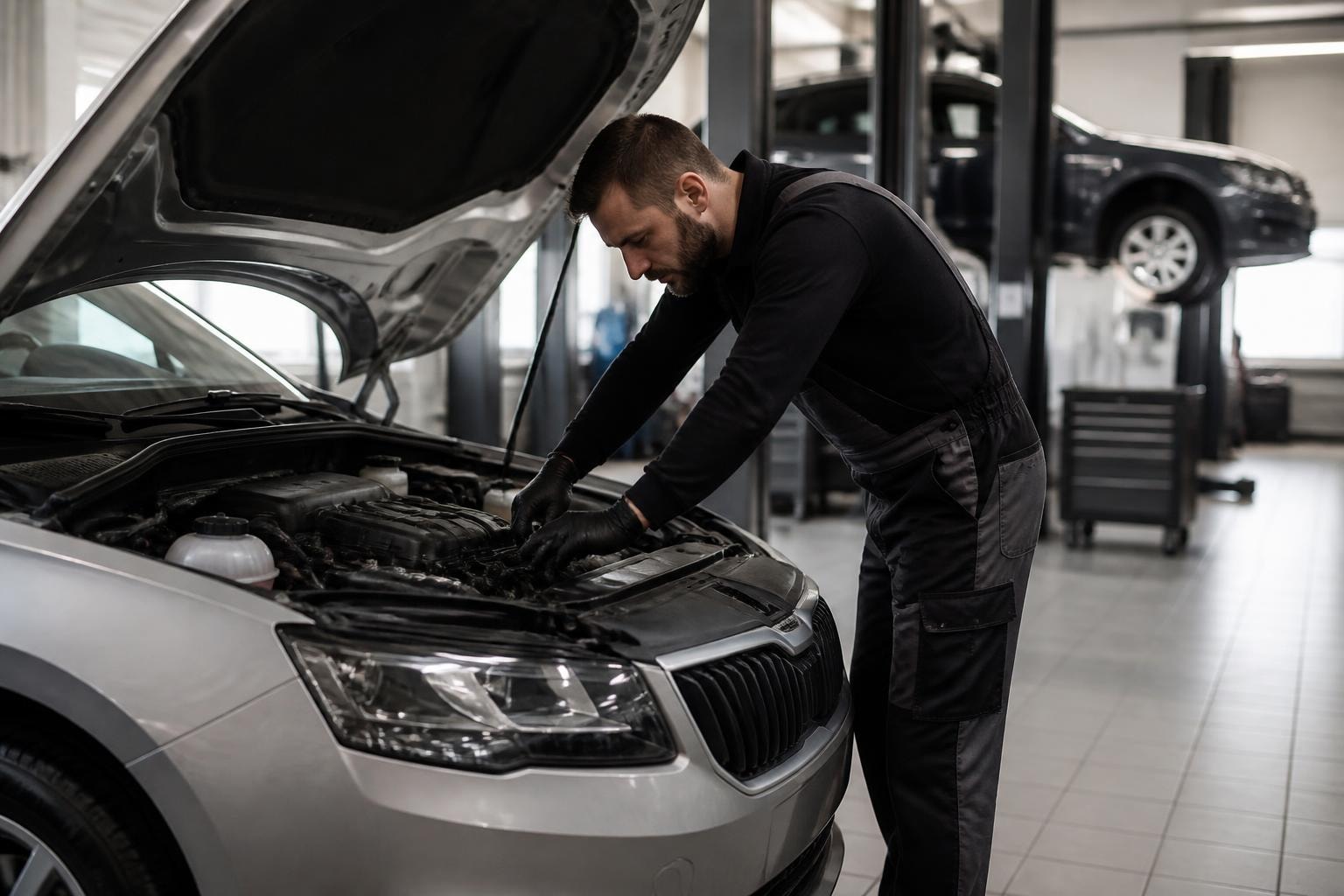

Unlock the secrets to keeping your Skoda performing at its best in 2026 with the right knowledge and expert support. Proper care and timely intervention are crucial for ensuring your vehicle stays reliable and efficient.
This Skoda car repair guide delivers the latest insights and practical steps for diagnosing, maintaining, and repairing your Skoda, no matter your experience level. You will discover how to handle essential maintenance, tackle common issues, and use advanced diagnostic tools for optimal performance.
Whether you want to save money, prevent unexpected breakdowns, or simply enjoy peace of mind, let this guide empower you to take control of your Skoda’s health—starting today.
Understanding Skoda Maintenance Requirements for 2026
Keeping up with scheduled maintenance is critical for every Skoda owner who wants long-term reliability, warranty protection, and peace of mind. In 2026, Skoda models come with updated service schedules and new technical requirements, making it more important than ever to stay informed. Whether you handle basic tasks yourself or rely on professionals, understanding the latest skoda car repair standards will help you avoid costly issues and maximize your vehicle’s lifespan.
Scheduled Maintenance Intervals and Service Checklist
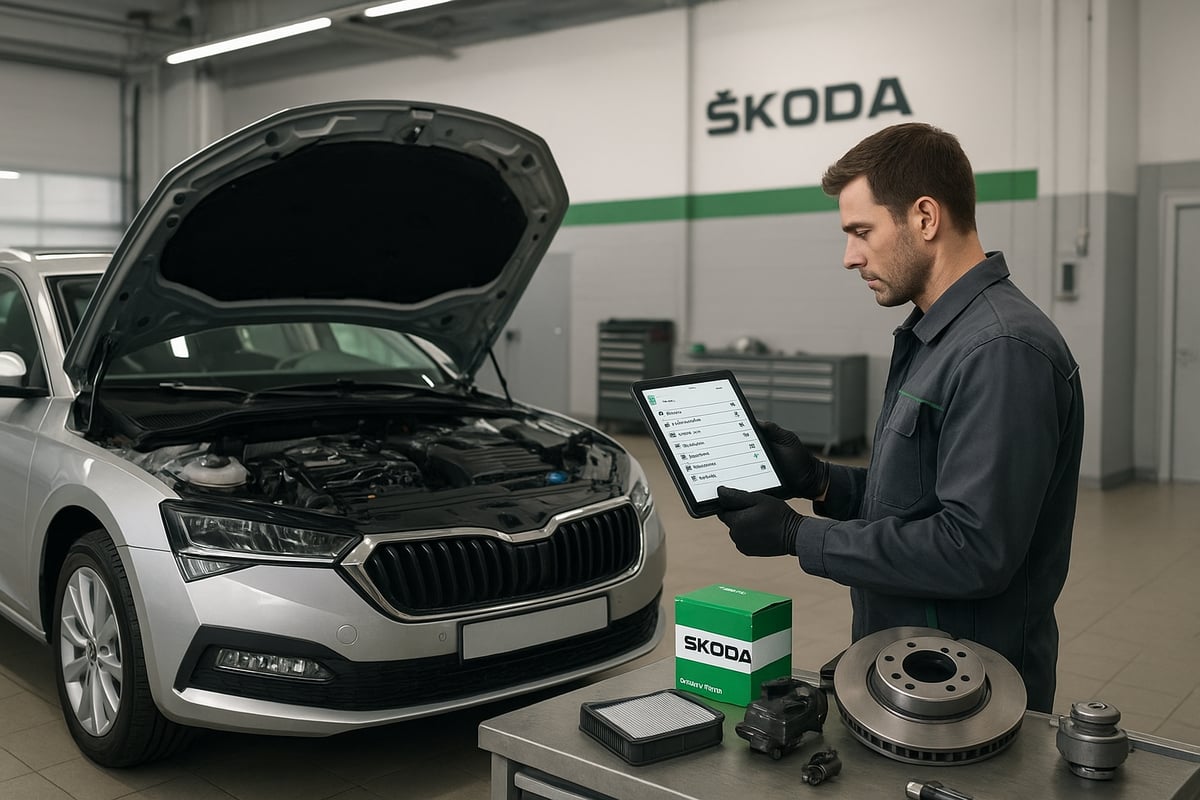
For 2026, Skoda has refined its scheduled maintenance intervals to ensure optimal performance and longevity. Key milestones include oil changes every 15,000km, brake inspections at 30,000km, and timing belt checks at 90,000km. Adhering to the manufacturer’s recommendations is essential for safeguarding your warranty and preventing unexpected breakdowns.
Below is a summary of typical 2026 Skoda service requirements:
| Service Item | Interval (km) | 2026 Update |
|---|---|---|
| Engine Oil/Filter | 15,000 | New low-ash specification |
| Brake System Check | 30,000 | Digital wear sensors |
| Timing Belt | 90,000 | Enhanced durability |
Regular servicing not only improves reliability but also reduces major skoda car repair expenses in the long run. According to Škoda’s 2026 Maintenance Recommendations, following the prescribed schedule helps maintain resale value and ensures compliance with the latest technical standards. Preventative care truly pays off for every Skoda owner.
Essential Fluids and Parts: What’s New for 2026 Models
The 2026 Skoda lineup introduces updated engine oils, coolants, and transmission fluids with advanced formulations. Using fluids that meet Skoda’s exact specifications is crucial, as non-approved alternatives can void your warranty and cause premature wear.
OEM parts remain the gold standard for skoda car repair, especially with new compatibility requirements. For example, the latest Skoda engines demand low-ash synthetic oils and specific coolant blends, as detailed in recent technical bulletins. Choosing genuine components ensures proper fit and function, keeping your vehicle running smoothly.
Common Maintenance Mistakes and How to Avoid Them
DIY skoda car repair offers savings, but common mistakes can lead to serious problems. Frequent errors include:
- Installing the wrong oil filter, resulting in leaks
- Skipping essential software updates
- Failing to update digital service records
Neglecting digital logs is especially risky in 2026 Skoda models, where service history is tracked electronically. An incomplete record can affect warranty claims and resale value. When in doubt, consulting a professional helps you avoid these pitfalls and maintain your Skoda’s integrity.
The Role of Professional Servicing in Modern Skoda Care
Modern Skoda vehicles are equipped with sophisticated systems that require specialized expertise. Professional technicians use advanced diagnostic tools to calibrate features like adaptive cruise control after repairs, ensuring your car’s safety systems work correctly.
Surveys show that Skoda owners who choose professional skoda car repair report higher reliability and fewer repeat issues. While dealer service centers offer factory-level support, independent specialists can provide personalized care at competitive rates. Investing in expert maintenance delivers long-term value and peace of mind.
Diagnosing and Troubleshooting Common Skoda Problems
Diagnosing issues early is crucial for effective skoda car repair. Understanding symptoms, using the right tools, and knowing when to seek help can prevent small faults from becoming major headaches. This section guides you through the most common problems, diagnostic steps, advanced technologies, and preventive measures for 2026 Skoda vehicles.
Top Reported Issues in Recent Skoda Models
Recent 2025–2026 Skoda vehicles most frequently present problems with DSG transmissions, infotainment system glitches, and sporadic sensor failures. Owners often report delayed gear changes, screen freezes, or unexpected warning lights. According to owner forums and reliability surveys, these issues, if left unchecked, can escalate into more severe repairs.
For an in-depth overview, Common Škoda Problems and Solutions details these challenges and offers additional troubleshooting tips. Early detection is essential in skoda car repair, as prompt attention helps avoid costly component replacements and ensures system reliability.
Step-by-Step Diagnostic Process for Skoda Owners
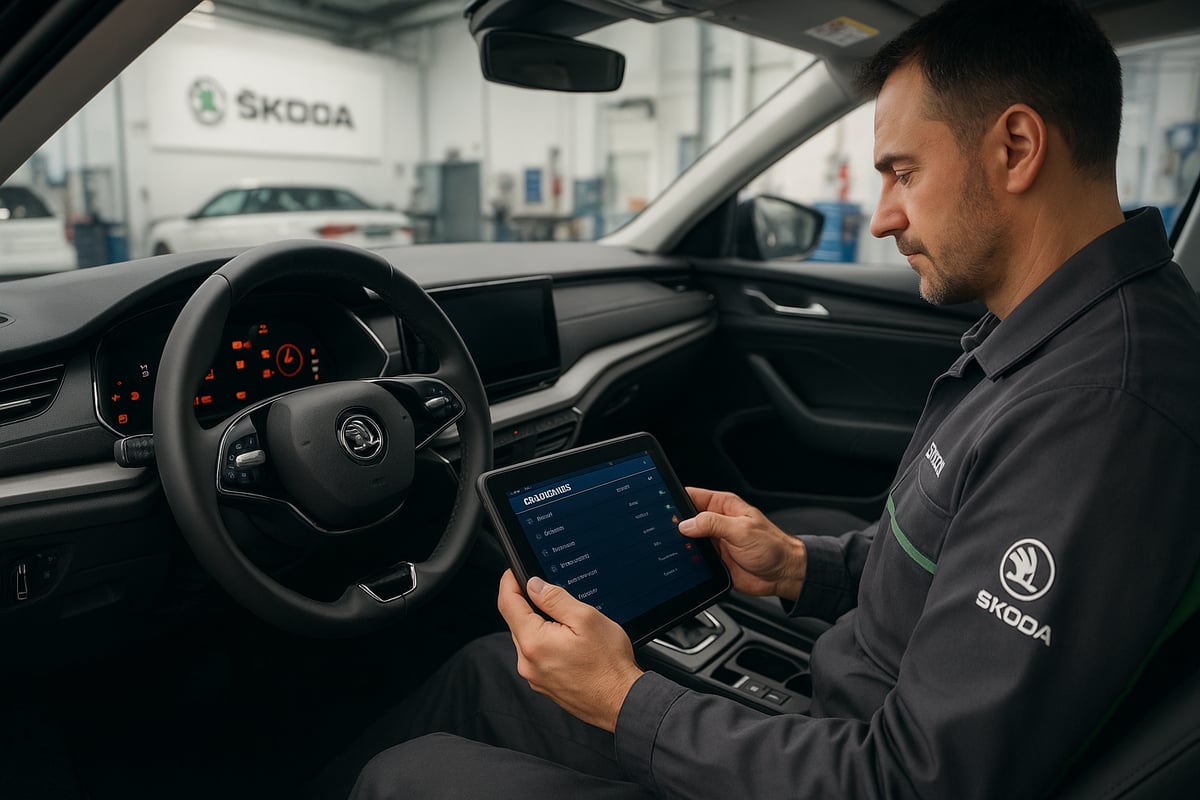
Effective skoda car repair begins with a structured diagnostic approach. Start with a visual inspection—check for loose wires, fluid leaks, or blown fuses. Next, use the onboard diagnostics system. Most 2026 Skoda models display error codes through OBD-II scanners, which reveal detailed fault information.
For example, if your check engine light appears in a Skoda Octavia, connect a scan tool and interpret the code using the vehicle manual. If the issue persists or the code is unclear, escalate to a professional. Recognizing your limits within the diagnostic process is vital for safe and accurate skoda car repair.
Advanced Diagnostic Tools for 2026 Skoda Models
The 2026 Skoda lineup introduces advanced diagnostic tools that streamline the skoda car repair process. Skoda Connect enables remote access to vehicle data, while wireless diagnostic apps integrate seamlessly with onboard systems. Manufacturer-approved scan tools offer higher accuracy than generic devices.
For instance, a wireless app can quickly identify infotainment issues or sensor errors, helping owners and technicians resolve problems efficiently. Data shows that repairs using advanced tools have a significantly higher success rate, reducing repeat visits and improving customer satisfaction with skoda car repair.
Preventing Recurring Issues: Proactive Solutions
Preventing recurring faults is key to minimizing skoda car repair costs. Regular software updates and attention to manufacturer recalls address many common electronic and battery-related issues. For example, installing a firmware patch can prevent battery drain in hybrid models.
Studies show that after software updates, the recurrence rate of frequent Skoda faults drops significantly. Maintaining good owner habits—such as timely updates and attentive driving—ensures problems do not reappear. Consistent monitoring and proactive care support long-term reliability for every skoda car repair.
Step-by-Step Guide: Essential Skoda Repairs for 2026
Keeping your Skoda in top condition requires more than routine checkups. This section breaks down the most important skoda car repair procedures for 2026 models. Each repair guide is tailored to modern Skoda systems, helping you address issues efficiently and safely while preserving your vehicle’s performance.
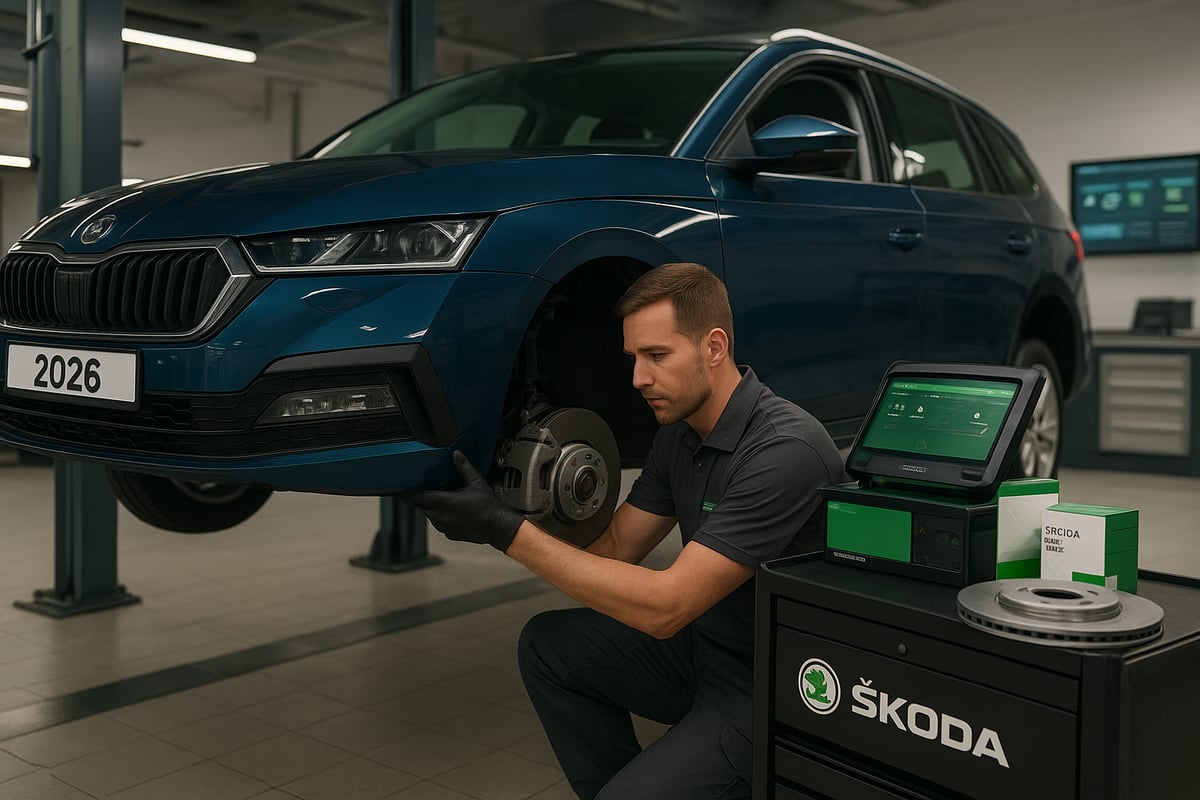
Brake System Inspection and Replacement
Brakes are critical to your safety, so regular inspection is a must for any skoda car repair routine. Watch for warning signs like squealing noises, vibrations during braking, or dashboard alerts.
Step-by-step brake inspection:
- Loosen wheel bolts and safely lift the car.
- Remove wheels to access brake calipers and pads.
- Inspect brake pads for thickness and even wear.
- Check brake discs for grooves or warping.
- Examine brake fluid level and quality.
- Replace worn pads or discs as needed.
- Bleed the brake system to remove air.
For example, on a 2026 Skoda Superb, rear brake pad replacement typically takes under an hour with the right tools. Average Skoda brake pads last around 40,000 km, but driving style matters. Timely skoda car repair here prevents costly rotor damage and maintains optimal stopping power. Prioritize safety by following the manufacturer’s recommendations and using genuine parts.
Engine Oil and Filter Change Procedure
Regular oil changes are key to engine longevity. For skoda car repair, always consult your owner’s manual for the correct oil grade and filter type.
Oil change steps:
- Warm up the engine briefly, then turn off.
- Raise the vehicle and secure it on stands.
- Remove the oil drain plug and allow oil to drain completely.
- Replace the oil filter with a genuine or high-quality alternative.
- Reinstall the drain plug and tighten to spec.
- Fill with the recommended oil, checking the level.
- Start the engine and check for leaks.
A 2026 Skoda Kodiaq 2.0 TSI, for instance, requires oil changes every 15,000 km. High-quality oil protects turbochargers and internal components, reducing wear. Skipping oil changes is a leading cause of premature engine failure, so make this skoda car repair a regular practice.
Timing Belt and Water Pump Replacement
Timing belts are vital for synchronizing engine operation. Failure to replace them as scheduled can cause catastrophic damage. Skoda recommends timing belt replacement between 90,000 and 120,000 km for most 2026 models.
Replacement process:
- Disconnect the battery and remove necessary engine covers.
- Align timing marks on the crankshaft and camshaft.
- Remove the old belt and inspect tensioners and pulleys.
- Replace the water pump if required, since it’s often driven by the belt.
- Install the new timing belt, ensuring correct tension.
- Rotate the engine by hand to confirm alignment.
- Reassemble and test run.
For a 2026 Skoda Fabia, this skoda car repair is best handled with precision tools. Skipping this maintenance risks bent valves and engine overhaul costs. Always document the service for warranty compliance.
Electrical and Infotainment System Repairs
Modern Skodas feature advanced electronics that can develop issues like battery faults, infotainment freezes, or sensor errors. Accurate skoda car repair here often requires diagnostics.
Common electrical fixes:
- Check battery voltage and connections.
- Test alternator output.
- Inspect fuses and relays for continuity.
- Reset the infotainment system using the vehicle menu.
- Update software to resolve glitches.
For example, if your 2026 Skoda Enyaq’s touchscreen is unresponsive, try a soft reset or check for firmware updates. Electrical problems are among the top reasons owners seek professional Skoda servicing and repairs, as specialized tools and expertise are often needed. If DIY fixes fail, consult a certified technician to avoid further complications.
Suspension and Steering System Repair
A comfortable ride and precise steering depend on a healthy suspension. Common skoda car repair signs include clunks, uneven tire wear, or steering play.
Suspension check steps:
- Lift the vehicle and inspect shocks for leaks.
- Examine bushings, tie rods, and ball joints for wear.
- Check wheel alignment visually.
- Replace any worn components with genuine or high-quality parts.
- Test drive to confirm repairs.
Front strut replacement on a 2026 Skoda Scala, for example, can significantly improve handling and safety. Suspension repairs typically cost between $500 and $1,000, depending on parts and labor. Timely skoda car repair here enhances both comfort and vehicle control.
Air Conditioning and Climate Control Fixes
A fully functioning AC system ensures comfort year-round. Common issues in 2026 Skoda models include weak airflow, lack of cooling, or musty odors.
AC troubleshooting steps:
- Check refrigerant levels and top up if low.
- Inspect the compressor and condenser for visible damage.
- Replace the cabin air filter.
- Clean vents to prevent mold buildup.
- Test system operation and scan for error codes.
For a 2026 Skoda Kamiq, an AC recharge can restore cooling performance. Regular maintenance prevents mold and keeps air quality high. Skoda car repair in this area is crucial for driver comfort and health, especially in humid climates.
Skoda-Specific Technology: Adapting to 2026 Innovations
Understanding how Skoda's 2026 innovations affect repair and maintenance is key for every owner. From advanced powertrains to smart driver assistance and digital record-keeping, today's Skoda car repair landscape is more sophisticated than ever. Staying current ensures your vehicle remains efficient, safe, and reliable.

New Engine and Hybrid System Features
The 2026 Skoda lineup introduces cutting-edge hybrid and turbocharged powertrains. These systems offer better fuel efficiency, lower emissions, and improved performance for Skoda car repair professionals and owners alike. Maintaining these engines requires in-depth knowledge of new components like electric motors, advanced batteries, and turbo systems.
For example, mild hybrid Skodas need both traditional engine checks and monitoring of the hybrid system. Skoda's technical updates show efficiency gains of up to 10% in the latest models. To keep up, technicians and DIY enthusiasts must learn new service procedures. Staying informed is crucial, as the right expertise can prevent costly mistakes during Skoda car repair.
Advanced Driver Assistance Systems (ADAS) Calibration
Skoda's 2026 models feature the latest ADAS, including lane assist, adaptive cruise, and emergency braking. These technologies depend on precisely calibrated sensors and cameras. After a windshield or bumper replacement, calibration is essential for safety and accuracy in Skoda car repair.
The calibration process involves specialized tools to align sensors correctly. For instance, recalibrating lane assist in a 2026 Skoda Octavia ensures the vehicle maintains its lane without error. Recent data shows that ADAS-related repairs are rising, making calibration a key skill. Owners should always verify that ADAS systems are recalibrated after relevant repairs to maintain optimal function.
Infotainment and Connectivity Upgrades
The infotainment systems in 2026 Skodas now support wireless CarPlay, over-the-air updates, and improved connectivity. These features enhance user experience but also introduce new software challenges for Skoda car repair specialists.
Common issues include navigation errors or system freezes. Troubleshooting often starts with a system reset or checking for software updates. A satisfied user might report a seamless fix after a quick firmware update, reflecting high user satisfaction rates. Staying updated with the latest infotainment fixes is essential for both owners and repair professionals to ensure uninterrupted connectivity.
Battery and Charging System Care for Electric Skoda Models
Electric Skoda vehicles in 2026 come with advanced high-voltage batteries that demand specialized care. Regularly checking battery health and managing charging cycles are vital tasks in Skoda car repair routines for EVs.
For example, running diagnostics on a 2026 Skoda Enyaq iV helps identify potential issues early. According to recent statistics, proper battery care can extend lifespan by several years. Owners and technicians should consult Škoda’s EV Maintenance Guidelines to ensure all procedures align with manufacturer recommendations. Certified professionals are best equipped to handle complex repairs, safeguarding both performance and warranty.
Software Updates and Digital Service Records
Modern Skoda car repair increasingly depends on software updates and accurate digital service records. Owners can often perform updates themselves, fixing connectivity bugs or improving system reliability.
Maintaining a complete digital service log is crucial for warranty and resale value. For example, updating firmware in a 2026 Skoda might resolve persistent Bluetooth issues. Data shows that vehicles with up-to-date software experience fewer reliability problems. Detailed digital records not only support vehicle longevity but also make your Skoda more attractive to future buyers.
Choosing the Right Parts, Tools, and Repair Resources
Choosing the right parts, tools, and repair information is fundamental to achieving reliable skoda car repair results. By understanding the differences between parts, investing in proper tools, and using trustworthy resources, you can ensure your Skoda remains in optimal condition.
OEM vs. Aftermarket Parts: Pros and Cons
Selecting the right parts is a core aspect of any skoda car repair. OEM (Original Equipment Manufacturer) parts are designed specifically for your Skoda, while aftermarket parts are produced by third-party manufacturers.
| Feature | OEM Parts | Aftermarket Parts |
|---|---|---|
| Fit and Quality | Guaranteed precise fit | May vary in compatibility |
| Warranty | Preserves vehicle warranty | Can void manufacturer cover |
| Cost | Typically more expensive | Often cheaper |
| Reliability | Lower failure rates | Higher risk of defects |
Using OEM parts is recommended for most skoda car repair jobs, as they ensure long-term value and protect your warranty. Aftermarket options can be tempting due to price, but their performance and reliability may not match genuine components.
Essential Tools for DIY Skoda Repairs
Equipping yourself with the right tools is vital for effective skoda car repair at home. A basic toolkit should include:
- OBD-II scanner for diagnostics
- Torque wrench for precise tightening
- Specialty sockets for Skoda-specific fasteners
- Jack stands and wheel chocks for safety
- VCDS or manufacturer-approved diagnostic tool
For advanced tasks, specialized tools may be necessary. Investing in quality tools can reduce the need for frequent visits to the repair shop and empower you to handle routine maintenance confidently. Proper tools also help prevent accidental damage during skoda car repair.
Finding Reliable Repair Information and Resources
Accessing accurate information is essential for successful skoda car repair. Trusted sources include official Skoda repair manuals, technical service bulletins, and reputable online forums. Video tutorials created by certified mechanics can also be invaluable for visual learners.
Always verify the credibility of any guide before following instructions. Relying on unverified resources can lead to costly mistakes or even further damage to your vehicle. Many owners find that referencing technical bulletins for 2026 models ensures compatibility and up-to-date procedures.
When to Seek Professional Help: Recognizing Your Limits
Even with the best tools and resources, some skoda car repair jobs are too complex or risky for DIY efforts. Tasks involving airbag systems, high-voltage batteries, or advanced electronics should be left to professionals. Attempting these repairs without proper expertise can have legal and safety implications.
If you encounter an issue beyond your skill set, consider consulting our expert Skoda technicians for reliable diagnosis and repair. Statistics show that a significant percentage of DIY repairs ultimately require professional intervention, highlighting the value of specialized training and experience.
Preventative Care and Longevity Tips for Your Skoda
Proactive maintenance is the cornerstone of extending your Skoda’s lifespan and ensuring reliable performance. By following a targeted approach to skoda car repair, you can minimize costly breakdowns, retain value, and enjoy peace of mind throughout your ownership journey.
Seasonal Maintenance Checklist
Adapting your maintenance routine to the changing seasons is essential for optimal skoda car repair results. In winter, inspect battery health, switch to winter tires, and check coolant levels to prevent freezing. For summer, ensure the air conditioning functions properly and monitor tire pressure, as heat can accelerate wear.
During rainy seasons, replace wipers and verify that all lights are operational. Regularly cleaning undercarriage and wheel wells helps protect against corrosion from road salt or moisture. A seasonal maintenance checklist ensures you address climate-specific challenges before they escalate into major skoda car repair needs.
Driving Habits That Extend Skoda Lifespan
Your daily driving habits significantly influence the long-term health of your vehicle. Gradual acceleration, gentle braking, and consistent warm-ups reduce mechanical strain and improve fuel efficiency. Integrating eco-friendly driving techniques not only lowers emissions but also minimizes the frequency of skoda car repair interventions.
Many Skoda owners report increased lifespan and fewer repairs when adopting mindful driving. Testimonials highlight smoother rides and sustained performance, reinforcing how small adjustments can deliver substantial benefits.
Storage and Cleaning Best Practices
Proper storage and cleaning routines are often overlooked yet vital in skoda car repair and preservation. Before long-term storage, thoroughly wash and wax your Skoda to protect the paint from dust and contaminants. Use a breathable car cover and disconnect the battery or use a maintainer to prevent drainage.
Interior care is equally important. Regular vacuuming, upholstery cleaning, and using sunshades protect against fading and cracking. These simple practices reduce corrosion rates and safeguard both mechanical and aesthetic aspects, ultimately supporting skoda car repair longevity.
Monitoring Warning Lights and Dashboard Alerts
Modern Skoda vehicles are equipped with advanced dashboard alerts that provide early warnings of potential problems. Understanding and responding promptly to these signals is a critical aspect of effective skoda car repair. For instance, a check engine or brake warning should never be ignored, as delays can lead to severe damage or safety risks.
Consult the owner’s manual for symbol meanings, and use an OBD-II scanner to diagnose issues if possible. Early intervention, as shown in recent case studies, greatly reduces the likelihood of major failures and costly repairs.
Maximizing Resale Value with Service History
A complete and accurate service history is a major asset when reselling your Skoda. Prospective buyers place a premium on vehicles with documented maintenance, often resulting in higher offers compared to neglected counterparts. Maintaining digital records, such as those provided by Škoda’s Digital Service Schedule, simplifies tracking and proves your commitment to proper skoda car repair.
Data consistently show that Skodas with full-service histories command higher resale values. Keeping detailed logs not only supports warranty claims but also builds buyer confidence, making your vehicle stand out in the market.
After exploring the essential steps to keep your Skoda running smoothly in 2026—from scheduled maintenance and diagnostic tips to advanced repair techniques—you now have the knowledge to make informed decisions about your vehicle’s care. But nothing beats the confidence of having your Skoda serviced by dedicated professionals who truly understand European vehicles. If you want the peace of mind that comes with expert attention, genuine parts, and clear communication, you don’t have to look far. We invite you to Book in your service with VODIS Automobile and experience the difference our expertise makes for your Skoda.