


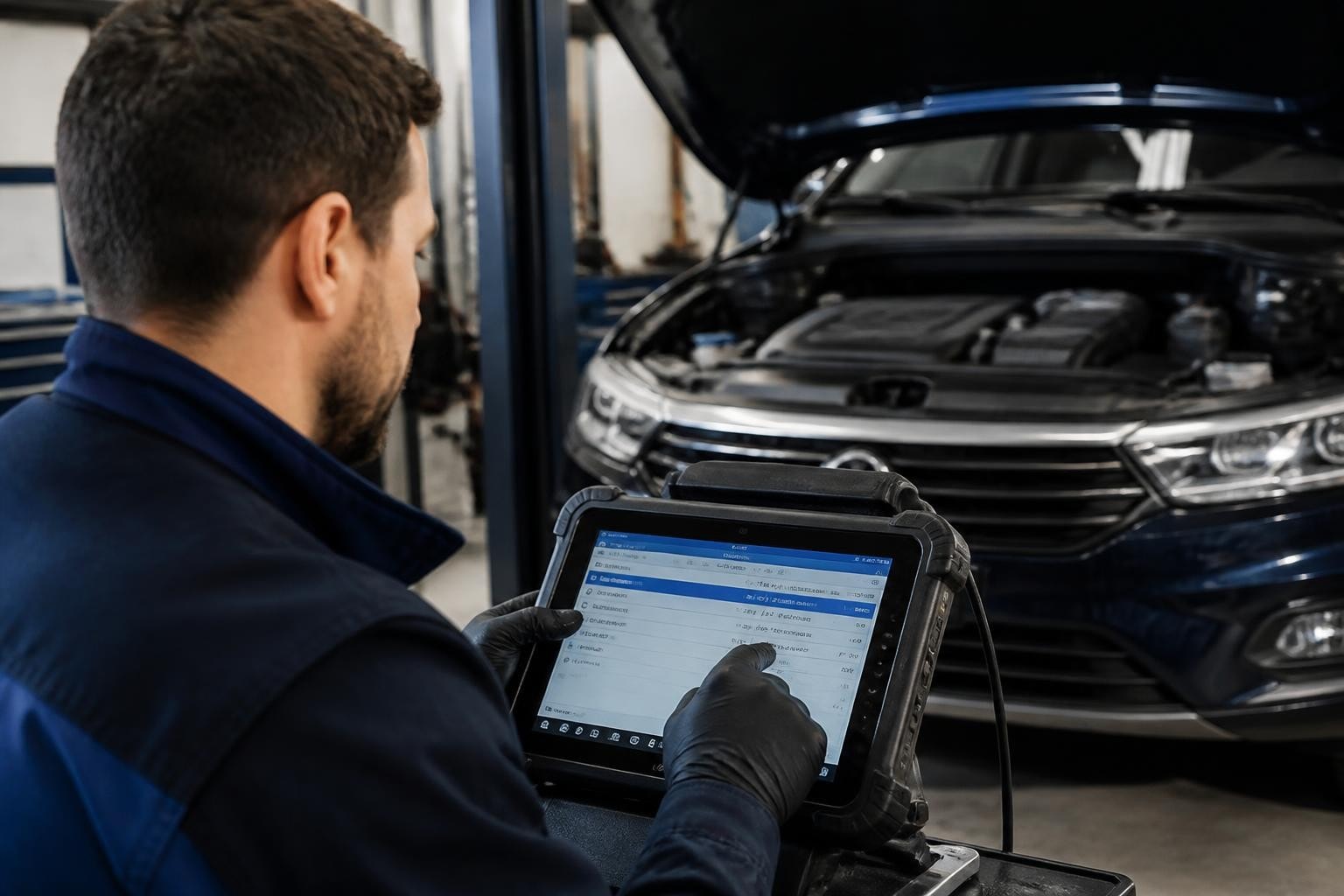
Finding a skilled Volkswagen car mechanic is essential for maintaining your vehicle's performance, reliability, and long-term value. Volkswagen vehicles are engineered with precision and require specialized knowledge that goes beyond general automotive repair. Whether you own a Golf, Tiguan, Passat, or any other VW model, understanding what makes a qualified mechanic stand out can save you time, money, and potential headaches down the road. This guide explores the critical aspects of choosing the right professional for your Volkswagen service needs.
Why Volkswagen Vehicles Need Specialist Attention
Volkswagen has built a reputation for engineering excellence, but this sophistication comes with specific service requirements. The German manufacturer integrates advanced electronics, proprietary software systems, and precision-engineered components that demand specialized diagnostic equipment and training.
Unlike conventional vehicles, Volkswagen models often feature complex systems such as DSG transmissions, turbocharged engines, and integrated electronic control modules. A qualified volkswagen car mechanic understands these intricate systems and how they interact with each other.
Advanced Diagnostic Technology
Modern Volkswagen vehicles rely heavily on onboard computers and sensors to monitor performance. According to Volkswagen’s genuine service guidelines, proper diagnostics require manufacturer-specific scan tools that can communicate with all vehicle systems.
Generic OBD-II scanners often miss VW-specific fault codes and system parameters. Professional mechanics invest in diagnostic equipment such as:
- VCDS (VAG-COM Diagnostic System) for comprehensive system scanning
- ODIS (Offboard Diagnostic Information System) used by Volkswagen dealers
- Specialized software for coding and programming modules
- Adaptation tools for component replacement and calibration
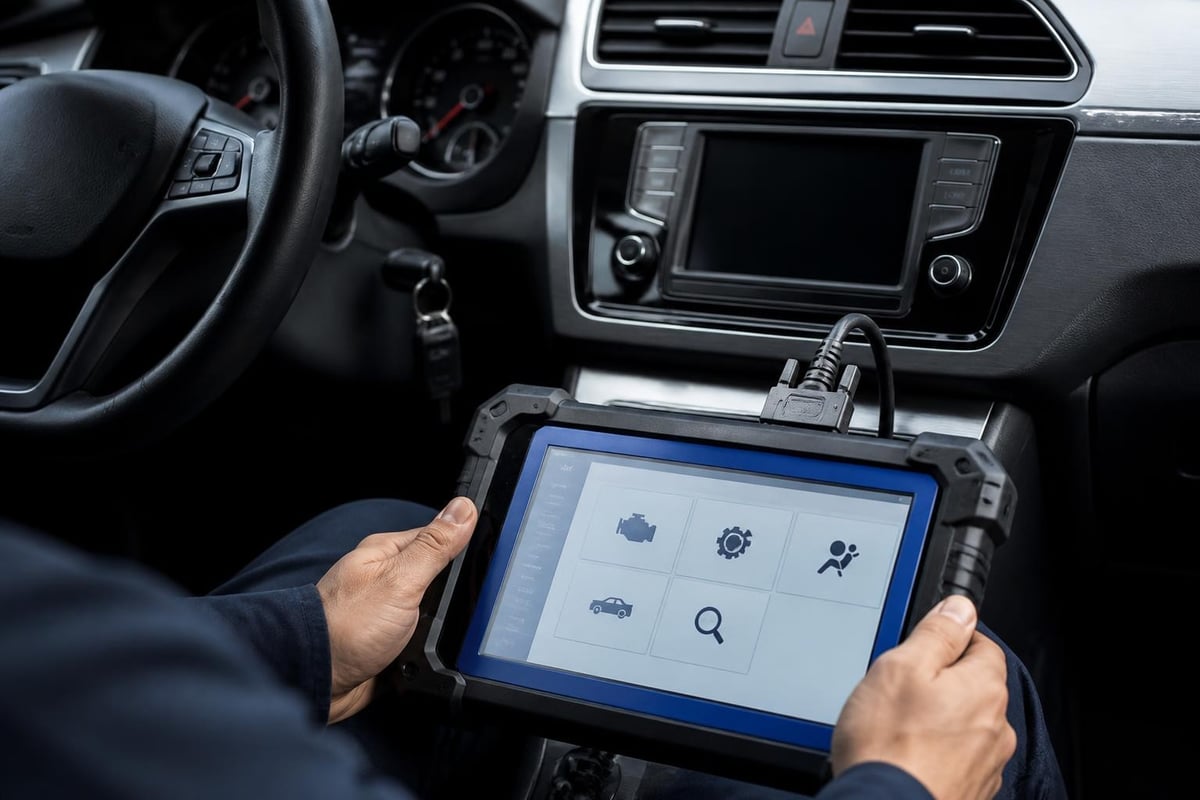
The difference between a general mechanic and a volkswagen car mechanic becomes evident when addressing complex issues like transmission adaptations, throttle body coding, or electronic parking brake calibration. These procedures require both the right tools and the knowledge to interpret results accurately.
Essential Qualifications and Training
The pathway to becoming a proficient Volkswagen car mechanic involves specific training and ongoing education. Technical competency separates exceptional service from merely adequate repairs.
Factory Training Programs
Volkswagen offers comprehensive training programs for technicians working on their vehicles. These certifications cover:
- Basic Volkswagen Technology covering brand-specific systems and architecture
- Advanced Diagnostics including electrical systems and network communications
- Powertrain Specialization focusing on engines, transmissions, and drivetrain
- Safety Systems covering airbags, driver assistance, and collision avoidance
Mechanics who complete these programs gain deep insights into VW engineering philosophy and repair methodologies. They learn to think like Volkswagen engineers, understanding not just how to fix problems but why they occur.
Continuous Learning Requirements
Volkswagen updates its vehicle technology annually, introducing new features and systems. A dedicated volkswagen car mechanic commits to ongoing professional development through:
- Technical service bulletins (TSBs) review and implementation
- Software update training for evolving electronic systems
- New model familiarization courses
- Specialized certification for hybrid and electric vehicles
This commitment ensures mechanics remain current with the latest repair procedures and diagnostic techniques. The official Volkswagen maintenance schedule is regularly updated, and qualified mechanics adapt their service protocols accordingly.
Common Volkswagen Service Requirements
Understanding typical service needs helps vehicle owners appreciate the value a specialist brings. Volkswagen models have specific maintenance patterns that differ from other manufacturers.
Regular Maintenance Intervals
| Service Type | Typical Interval | Key Components |
|---|---|---|
| Oil Change | 15,000 km or 12 months | Synthetic oil, OEM filter |
| Brake Service | Every 30,000 km | Pads, rotors, fluid flush |
| DSG Service | Every 60,000 km | Transmission fluid, filter |
| Timing Belt | Every 150,000 km | Belt, tensioners, water pump |
| Spark Plugs | Every 60,000 km | OEM or equivalent plugs |
These intervals vary based on driving conditions and vehicle age. Consulting the Volkswagen warranty and maintenance guidelines provides model-specific recommendations.
DSG Transmission Expertise
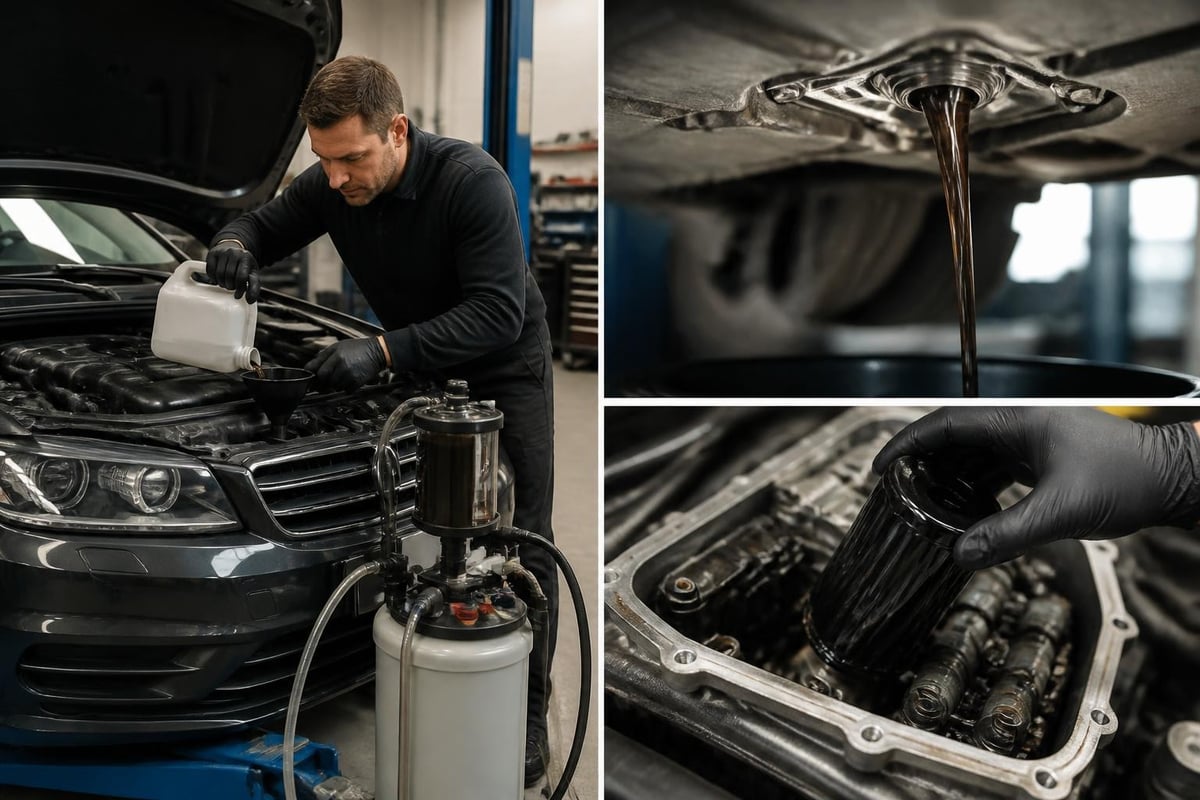
The Direct Shift Gearbox represents one of Volkswagen's signature technologies. This dual-clutch automated manual transmission requires specialized service that many general mechanics lack experience with.
A knowledgeable volkswagen car mechanic understands DSG fluid degradation patterns, clutch wear indicators, and adaptation procedures. Regular DSG servicing prevents expensive repairs and maintains the smooth, responsive shifting VW owners expect.
Common Repair Scenarios
Volkswagen vehicles share certain repair patterns across models. Experienced mechanics recognize these tendencies and diagnose issues efficiently:
- Water pump failures in TSI engines, often requiring preventive replacement
- Carbon buildup in direct-injection engines affecting performance
- Window regulator replacements in various models
- Coil pack issues causing misfires in four-cylinder engines
- Electronic parking brake malfunctions requiring calibration
Familiarity with these common issues allows a volkswagen car mechanic to quickly identify root causes rather than replacing parts through trial and error.
The Importance of Genuine and OE-Specification Parts
Parts selection significantly impacts repair quality and vehicle longevity. While aftermarket options exist for virtually every component, understanding quality differences matters.
OEM vs. Aftermarket Components
| Aspect | Genuine VW Parts | Quality Aftermarket | Budget Aftermarket |
|---|---|---|---|
| Fit Precision | Exact match | Very close | Variable |
| Warranty Coverage | 2 years typical | 1-2 years | Limited or none |
| Performance | Factory spec | Meets or exceeds | May compromise |
| Long-term Value | Highest | Good | Lower |
Professional mechanics recognize when aftermarket alternatives provide equivalent quality at better value and when genuine parts are essential. Critical systems like brakes, suspension, and engine management typically warrant OEM or premium aftermarket components.
Parts Sourcing Knowledge
A skilled volkswagen car mechanic maintains relationships with reliable parts suppliers, ensuring quick access to quality components. This network reduces vehicle downtime and prevents delays from incorrect parts orders.
They also understand VW part numbering systems, supersession patterns, and cross-references. This knowledge proves invaluable when sourcing components for older models or addressing supply chain challenges.
Diagnostic Methodology and Problem-Solving
Effective diagnostics separate exceptional mechanics from average technicians. The systematic approach to troubleshooting reflects training, experience, and analytical thinking.
Comprehensive Assessment Process
Rather than immediately replacing suspected components, experienced mechanics follow structured diagnostic procedures:
- Customer interview to understand symptoms, history, and driving patterns
- Visual inspection checking for obvious issues or previous repairs
- Electronic scanning across all vehicle systems
- Test drives to replicate conditions and observe behavior
- Technical documentation review including service bulletins and repair procedures
This methodical approach identifies root causes rather than treating symptoms. For instance, an engine misfire might stem from spark plugs, coil packs, fuel injectors, or compression issues. A qualified volkswagen car mechanic tests systematically to pinpoint the actual problem.
Access to Technical Resources
Professional mechanics utilize manufacturer resources that DIY enthusiasts and general shops cannot access. These include:
- Volkswagen ElsaWin technical documentation system
- Factory wiring diagrams for electrical troubleshooting
- Repair time standards ensuring fair pricing
- Technical hotlines for complex diagnostic support
Resources like comprehensive Volkswagen owner’s manuals provide baseline information, but professional systems offer far deeper technical detail.
Cost Considerations and Value Proposition
Service costs represent a significant consideration for Volkswagen owners. Understanding pricing structures helps evaluate whether you're receiving fair value.
Factors Affecting Service Costs
Several elements influence what you pay for Volkswagen maintenance and repairs:
- Labour rates varying by region and shop overhead
- Parts quality with genuine components costing more than aftermarket
- Diagnostic time for complex electrical or intermittent issues
- Specialized equipment amortized across service pricing
- Warranty coverage potentially reducing customer costs
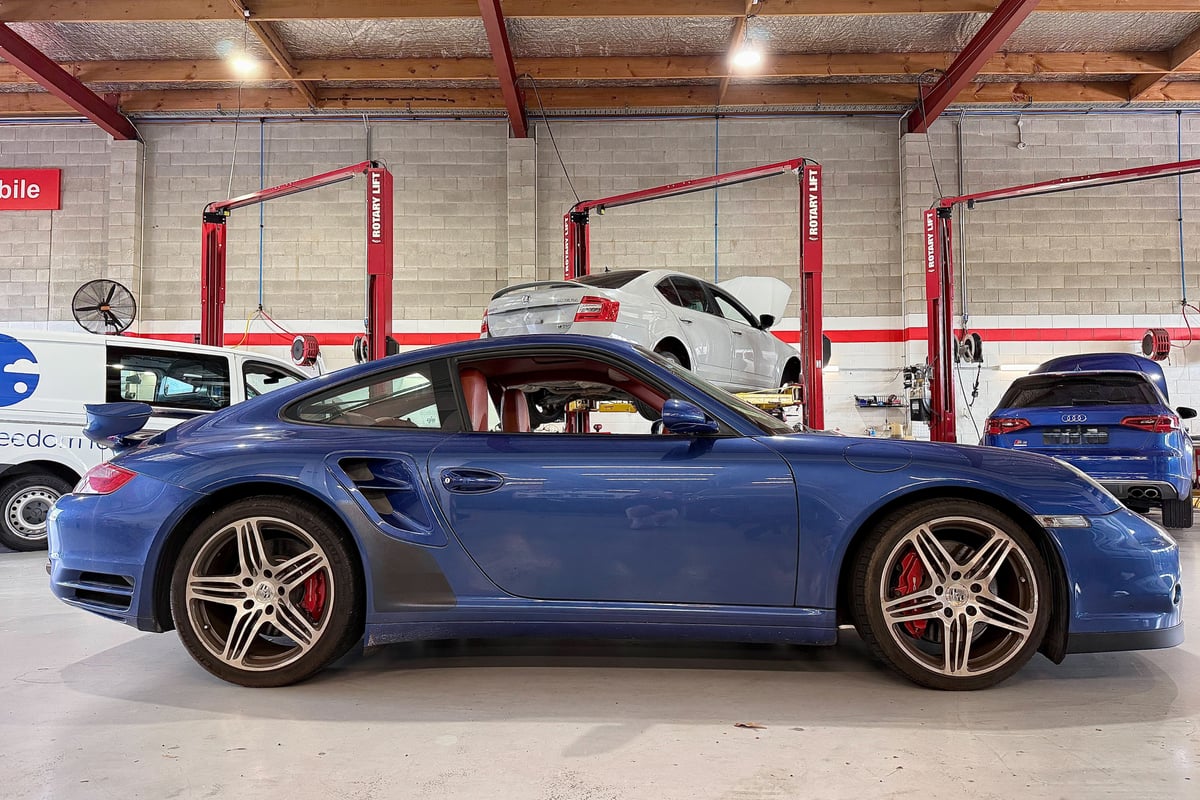
While dealership service traditionally commands premium pricing, independent specialists like those offering expert VW servicing on Auckland’s North Shore often provide comparable quality at more competitive rates.
Long-term Cost Benefits
Choosing a qualified volkswagen car mechanic delivers financial advantages over time:
- Accurate diagnosis prevents unnecessary parts replacement
- Quality repairs reduce comeback issues and repeat failures
- Preventive maintenance catches small problems before major failures
- Resale value protection through documented professional service history
Cutting corners with inexperienced technicians or inferior parts typically costs more in the long run through repeated repairs and accelerated wear.
Finding the Right Volkswagen Car Mechanic
Selecting the ideal service provider requires research and evaluation. Several criteria help identify qualified professionals in your area.
Key Selection Criteria
When evaluating potential mechanics, consider these factors:
Experience and Specialization
- Years working specifically on Volkswagen vehicles
- Training certifications and ongoing education
- Familiarity with your particular model and year
Equipment and Facilities
- VW-specific diagnostic tools and software
- Clean, organized workspace
- Modern lifts and testing equipment
Communication and Transparency
- Clear explanations of needed repairs
- Detailed written estimates before work begins
- Progress updates during service
Reputation and Reviews
- Online feedback from VW owners
- Referrals from other enthusiasts
- Professional affiliations and certifications
Questions to Ask Prospective Mechanics
Before committing to a service relationship, gather information through specific questions:
- What percentage of your work involves Volkswagen vehicles?
- Which diagnostic systems do you use for VW repairs?
- Do you provide written estimates and warranty your work?
- Can you show examples of similar repairs you've completed?
- What parts brands do you stock or recommend?
The answers reveal professionalism, expertise, and whether the shop aligns with your service expectations.
DIY Maintenance vs. Professional Service
Volkswagen owners often wonder which tasks they can handle themselves and which require professional attention. Understanding this balance optimizes costs while maintaining vehicle health.
Owner-Manageable Tasks
Certain maintenance items suit DIY completion with basic tools and mechanical aptitude:
- Oil and filter changes (following correct specifications)
- Air filter replacement
- Cabin filter installation
- Wiper blade changes
- Fluid level monitoring
Resources like Haynes Volkswagen repair manuals provide step-by-step guidance for these procedures. However, even simple tasks require following VW-specific procedures and using correct materials.
When Professional Help Is Essential
Complex procedures demand the expertise and equipment of a qualified volkswagen car mechanic:
- Timing belt replacement requiring precise alignment and tensioning
- Electronic system diagnostics needing manufacturer software
- DSG transmission service with specific fluid and adaptation requirements
- Brake system work involving electronic parking brake integration
- Engine management repairs affecting emissions and driveability
Attempting these repairs without proper knowledge and tools risks expensive damage. The various Volkswagen repair manuals available help enthusiasts understand procedures, but professional execution ensures correct completion.
The Role of Regular Servicing in Vehicle Longevity
Consistent maintenance schedules dramatically impact how long Volkswagen vehicles remain reliable and enjoyable to drive. Prevention costs substantially less than repair.
Service History Documentation
Maintaining comprehensive service records provides multiple benefits:
- Warranty protection through documented maintenance compliance
- Resale value enhancement with proof of professional care
- Diagnostic efficiency helping mechanics understand vehicle history
- Pattern recognition identifying recurring issues early
A dedicated volkswagen car mechanic maintains detailed service files, creating a complete vehicle biography that aids future diagnostics and repairs.
Preventive Maintenance Philosophy
The most cost-effective approach to Volkswagen ownership involves addressing issues before they escalate:
Early Warning Signs
- Unusual noises during operation
- Dashboard warning lights or messages
- Changes in handling or braking feel
- Fluid leaks or consumption
- Performance degradation
Addressing these indicators promptly prevents minor issues from becoming major failures. For example, replacing worn brake pads costs far less than replacing warped rotors and damaged calipers.
Technology Integration in Modern VW Service
Contemporary Volkswagen vehicles incorporate technology that reshapes how mechanics approach service and repair. Understanding these systems distinguishes qualified professionals.
Connected Vehicle Diagnostics
Many newer Volkswagen models feature telematics systems that monitor vehicle health and transmit data. Mechanics can access this information to:
- Review driving patterns affecting wear
- Identify intermittent faults stored in memory
- Schedule predictive maintenance based on actual use
- Update software remotely in some cases
This connectivity enables proactive service recommendations rather than reactive repairs.
Software Updates and Recalls
Volkswagen periodically releases software updates addressing performance, emissions, or safety concerns. A competent volkswagen car mechanic stays informed about these updates and implements them during regular service visits.
Detailed repair resources help mechanics understand technical service bulletins and update procedures, ensuring vehicles run optimally with the latest software revisions.
Hybrid and Electric Vehicle Expertise
As Volkswagen expands its electrified lineup, mechanics require additional high-voltage training and safety certifications. Working on battery systems, electric motors, and charging infrastructure demands specialized knowledge beyond traditional combustion engines.
Forward-thinking service centres invest in this training, preparing for the industry's electric future while maintaining expertise in conventional powertrains.
Building a Long-Term Service Relationship
The most successful Volkswagen ownership experiences involve partnering with a trusted mechanic over years or decades. This relationship delivers mutual benefits.
Advantages of Consistency
Returning to the same qualified volkswagen car mechanic creates value through:
- Familiarity with your specific vehicle and its history
- Trust built through consistent quality and honest communication
- Efficiency from understanding your preferences and priorities
- Loyalty benefits including courtesy services and flexible scheduling
This relationship transforms car service from a transactional inconvenience into a partnership supporting reliable transportation.
Communication and Expectations
Successful service relationships thrive on clear communication:
From Owners:
- Accurate symptom descriptions
- Honest driving habit disclosure
- Budget transparency
- Timely responses to service recommendations
From Mechanics:
- Plain-language explanations without condescension
- Realistic timelines and cost estimates
- Proactive maintenance suggestions
- Follow-up to ensure satisfaction
When both parties communicate effectively, service becomes collaborative rather than adversarial.
Choosing the right volkswagen car mechanic represents one of the most important decisions for any VW owner, directly affecting your vehicle's performance, reliability, and ownership costs. The combination of specialized training, proper diagnostic equipment, and genuine commitment to quality separates exceptional service from merely adequate repairs. For Auckland's North Shore residents, VODIS Automobile brings over 20 years of European vehicle expertise, factory-trained technicians, and comprehensive service capabilities to keep your Volkswagen performing at its best.