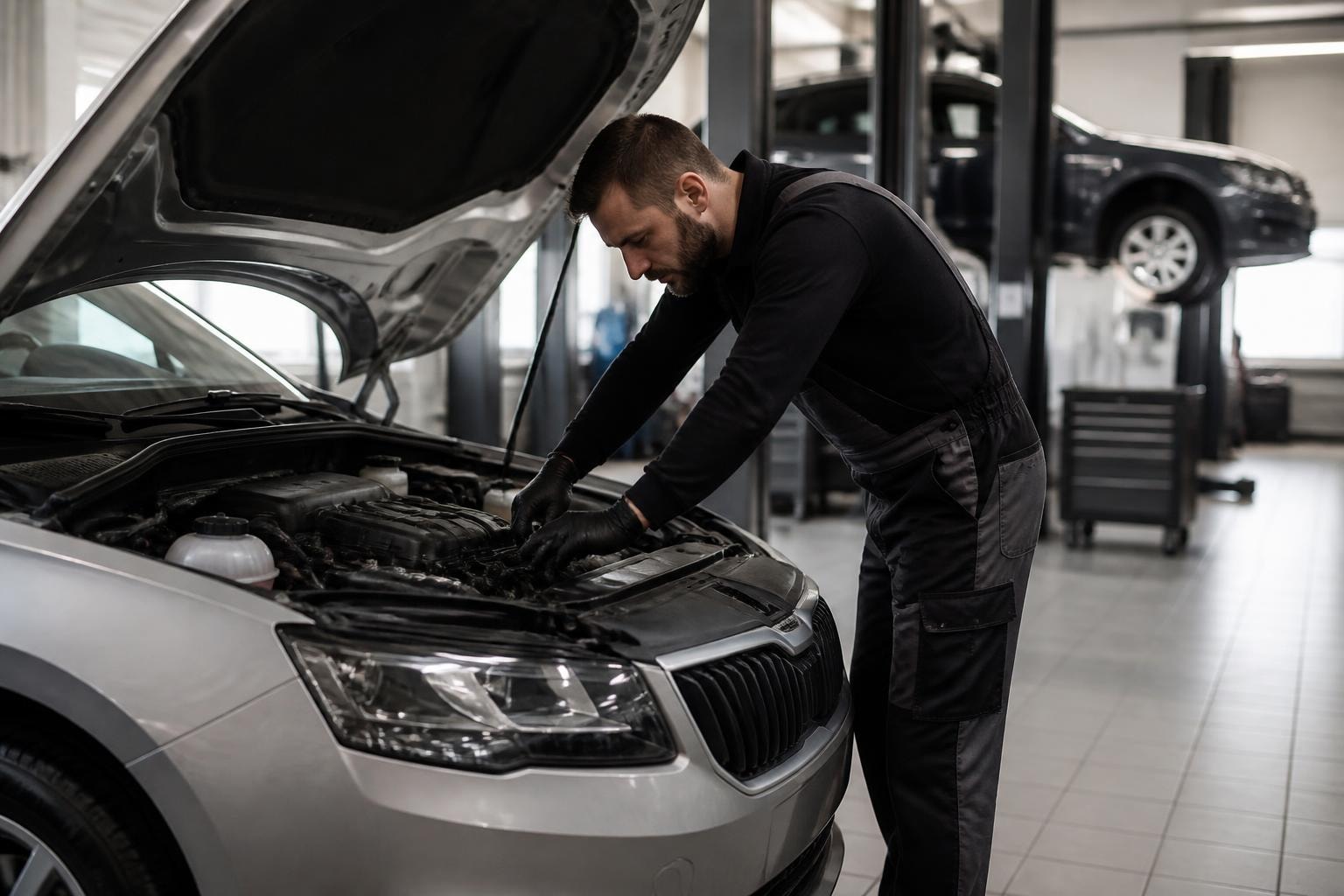

Staying ahead with vw maintenance in 2026 is crucial if you want your Volkswagen to remain reliable, safe, and valuable for years to come. Many owners feel overwhelmed by rising repair costs, new vehicle technologies, and uncertainty about what care their car actually needs.
This guide is designed to give you clear, expert-backed strategies to simplify vw maintenance, protect your investment, and keep your VW running smoothly. We will walk you through understanding the latest VW maintenance schedules, must-do care tips, new technology updates, cost-saving tactics, and how to choose trusted service providers.
Ready to take control and ensure a trouble-free VW experience? Let’s dive into the essentials every owner should know.
Understanding the 2026 VW Maintenance Schedule
Staying ahead with your vw maintenance in 2026 is the smartest way to protect your vehicle’s reliability and value. Every Volkswagen comes with a carefully engineered schedule that outlines exactly what is needed and when. This schedule is designed to match the latest engine designs, advanced safety features, and evolving technology found in 2026 VW models.
Regular vw maintenance is not just about oil changes. It is a comprehensive approach to caring for your vehicle at key mileage milestones. For most 2026 Volkswagens, recommended intervals are set at 10,000, 20,000, 30,000, and 40,000 miles, then continue at similar increments. These intervals ensure that both routine and more complex systems are checked and serviced before issues develop.
VW Maintenance Intervals and Service Types
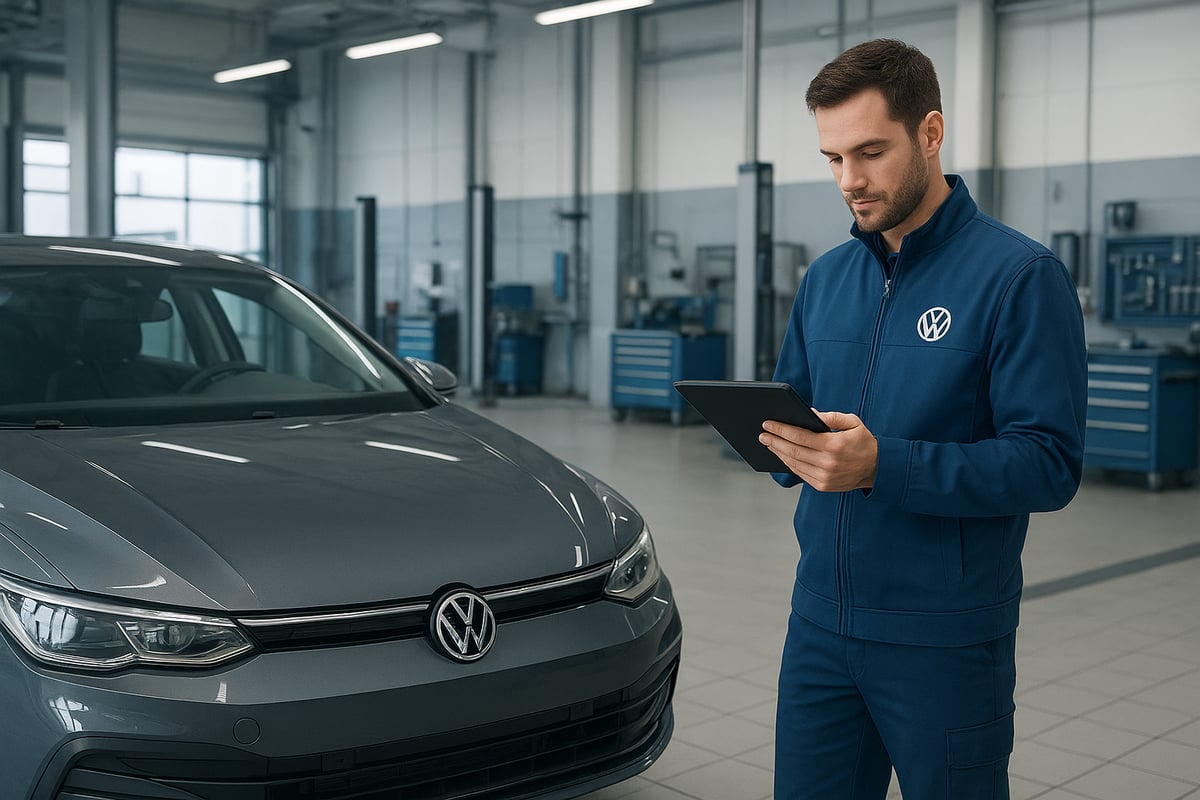
Every vw maintenance schedule is divided into three main service levels: routine, intermediate, and major. Routine services, performed every 10,000 miles, include oil and filter changes, tire rotation, and safety inspections. Intermediate services, such as brake fluid replacement and air filter changes, typically occur every 20,000 or 40,000 miles. Major maintenance, which might involve spark plug replacement or transmission fluid checks, is scheduled less frequently but is crucial for long-term performance.
Here’s a simplified table summarizing common intervals and tasks:
| Mileage (Miles) | Service Level | Key Tasks Included |
|---|---|---|
| 10,000 | Routine | Oil/filter change, tire rotation, fluid checks |
| 20,000 | Intermediate | Brake inspection, cabin/air filter, AdBlue check |
| 30,000 | Routine | Oil/filter change, safety and system inspections |
| 40,000 | Major | Transmission fluid, spark plugs, coolant check |
By following the vw maintenance schedule, you ensure each system is checked at the optimal time, preventing small issues from turning into costly repairs.
Model-Specific Maintenance Considerations
Not every VW model follows exactly the same schedule. For instance, the Jetta, Tiguan, Atlas, and ID.4 each have unique requirements based on their engine types and technology. Electric models like the ID.4 focus more on software updates, battery health, and cooling system checks. Diesel models may require additional AdBlue monitoring at each interval. Always refer to your model’s vw maintenance plan to stay on track.
For example, the 10,000-mile service for a 2026 Tiguan includes an oil and filter change, tire rotation, airbag system check, and AdBlue level inspection for diesel variants. These tasks are designed to keep your VW running smoothly, regardless of model.
Why the Schedule Matters
Adhering to the vw maintenance schedule is vital for warranty protection and vehicle longevity. Skipping recommended services can void your warranty and reduce your car’s resale value. Manufacturer data shows that vehicles serviced according to schedule are less likely to experience major breakdowns and retain higher market value over time. Consistent maintenance also ensures your VW meets safety standards and emission regulations.
How to Find Your Maintenance Schedule
Locating your specific vw maintenance schedule is straightforward. Start with the owner’s manual and the VW Care booklet included with your car. Many owners also use official online service portals for easy access to personalized schedules. For the most accurate and up-to-date information, visit the Volkswagen Maintenance Schedule page. This resource allows you to enter your model and year, ensuring you never miss a critical service.
By following the right vw maintenance intervals, you invest in your Volkswagen’s performance, safety, and long-term value.
Essential Maintenance Tasks for Every VW Owner
Keeping your VW in top condition requires more than just occasional checkups. A proactive vw maintenance routine is essential for performance, reliability, and long-term value. By understanding and following these key maintenance tasks, every VW owner can drive with confidence and peace of mind.
Oil and Filter Changes
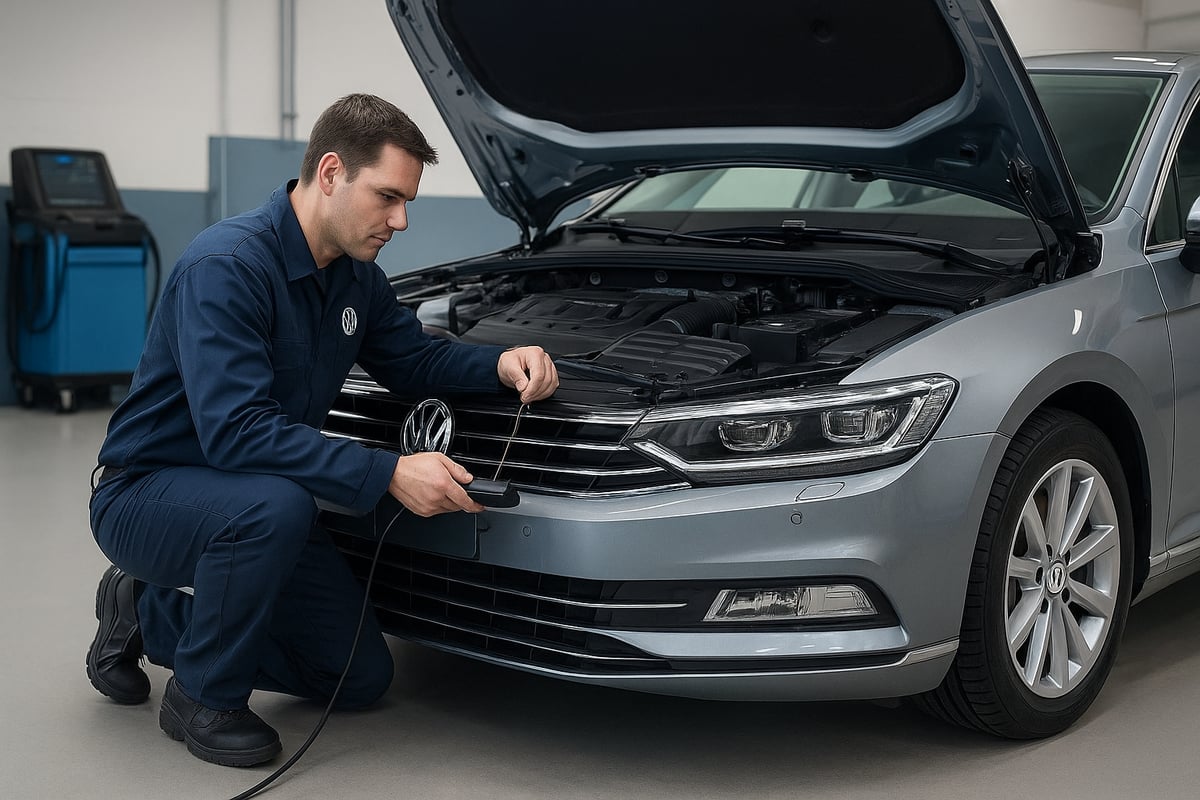
Modern Volkswagen engines rely on high-performance synthetic oil to protect engine components and optimize fuel efficiency. Regular oil and oil filter changes are the foundation of vw maintenance. For most 2026 VW models, oil and filter changes are required every 10,000 miles or once a year, whichever comes first.
Neglecting timely oil changes can result in sludge buildup, reduced engine life, and higher repair costs. Always use VW-approved synthetic oil to maintain warranty coverage and peak engine performance.
Tire Care and Safety
Tire maintenance is a vital part of vw maintenance. Properly rotated, balanced, and aligned tires ensure even tread wear and maximize safety on the road. VW recommends tire rotation at each service interval, usually every 10,000 miles.
Check tire pressure monthly and before long trips. Underinflated or unbalanced tires can decrease fuel economy and increase the risk of blowouts. Regular inspections also help spot irregular wear patterns that may indicate alignment issues.
Brake System Inspections
Brakes are critical for safety, making regular inspections a non-negotiable aspect of vw maintenance. At each major service milestone (20K, 60K, 100K miles), technicians inspect brake pads, rotors, and fluid levels.
Listen for squeaks or grinding sounds, and pay attention to any change in braking feel. Worn brake pads or low brake fluid can compromise stopping distance and increase accident risk. Replacing brake components with genuine VW parts ensures optimal performance.
Battery and Electrical Health
Battery checks are often overlooked in vw maintenance, yet modern VWs rely on advanced electronics. Test your battery at least once a year, especially before winter. Warning signs include slow engine cranking, flickering lights, or dashboard alerts.
Most VW batteries last three to five years, but frequent short trips can shorten lifespan. If your vehicle shows electrical issues or is slow to start, schedule a professional battery test and consider replacement as needed.
Essential Fluid Checks
Fluids are the lifeblood of your vehicle. Comprehensive vw maintenance includes checking and topping up coolant, transmission fluid, brake fluid, AdBlue (for diesel models), and windshield washer fluid.
Low or contaminated fluids can cause overheating, poor shifting, or system failures. Always use fluids that meet VW specifications to protect sensitive components and maintain warranty compliance.
Air, Cabin Filters, and Visibility
Clean air and cabin filters are important for both performance and comfort. VW recommends replacing these filters every 20,000 miles or sooner in dusty environments. Clogged filters reduce engine efficiency and impact interior air quality.
Wiper blades and lighting systems are also key to safe driving. Inspect blades for wear and replace them at least once a year. Check all exterior lights regularly to ensure maximum visibility in all conditions.
Maintenance Milestones and Real-World Examples
Typical service intervals for 2026 VWs include checks at 10K, 20K, 60K, and 100K miles. For example, the 20,000-mile service covers battery inspection, brake check, and tire rotation. Following the recommended schedule helps prevent issues and keeps your VW running smoothly.
If you want a detailed breakdown of service tasks by model and interval, visit Volkswagen servicing and repairs for comprehensive information.
The Big Picture: Why Routine Care Matters
Consistent vw maintenance is proven to lower the risk of unexpected breakdowns and extend the life of your vehicle. Studies show that vehicles with regular servicing experience fewer mechanical failures and retain higher resale value over time.
By staying on top of these essential tasks, you protect your investment and enjoy worry-free motoring. Make maintenance a habit, not an afterthought, and your VW will reward you with years of reliable service.
Cost-Saving Strategies for VW Maintenance
Keeping your VW running smoothly does not have to be a financial burden. With the right strategies, VW maintenance can become more affordable while still protecting your vehicle’s reliability and value. Many owners worry about rising repair costs and want to avoid unpleasant surprises. By planning ahead and making smart choices, you can keep your VW in peak condition without overspending.
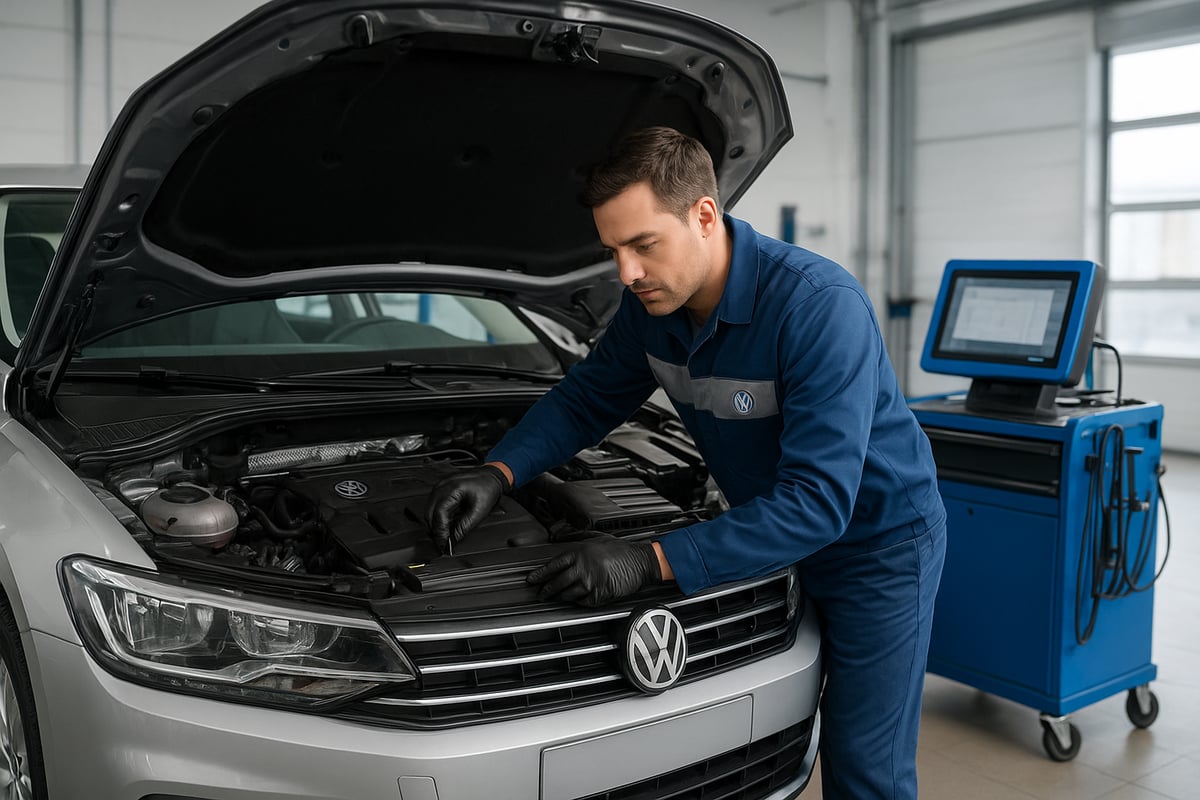
Leverage Service Specials, Coupons, and Loyalty Programs
Start by checking for service specials, seasonal coupons, and loyalty rewards at your local VW dealer or trusted independent shop. These offers can include discounted oil changes, complimentary inspections, or bundled service packages. Signing up for a loyalty program may also bring long-term savings on VW maintenance, as repeat customers are often rewarded with exclusive deals.
Preventive Maintenance: The Smart Investment
Choosing preventive care over reactive repairs is one of the most effective cost-saving moves. Regular oil changes, tire rotations, and fluid checks help catch small issues before they escalate into major repairs. For example, keeping up with scheduled VW maintenance can prevent engine damage, extend brake life, and avoid expensive breakdowns. Consistent care also supports higher resale value when it is time to upgrade.
Genuine vs. Aftermarket Parts: Weighing the Cost and Quality
When it comes to replacement parts, owners often weigh genuine VW components against aftermarket alternatives. Here is a comparison:
| Feature | Genuine VW Parts | Aftermarket Parts |
|---|---|---|
| Quality | OEM standard, certified | Varies by manufacturer |
| Warranty | Backed by VW, protects car | May not cover VW warranty |
| Cost | Higher initial price | Often more affordable |
| Longevity | Designed for your model | Can be less reliable |
Using genuine parts during VW maintenance ensures compatibility and can protect your warranty, but select aftermarket options might suit simple repairs for older vehicles.
DIY vs. Professional Service: Know Your Limits
Some VW maintenance tasks are safe for owners to handle at home, such as replacing wiper blades, bulbs, or air filters. These simple jobs can save on labor costs. However, complex repairs involving the engine, brakes, or advanced electronics should always be left to certified technicians. Attempting these without proper tools or training can lead to mistakes, higher costs, or voided warranties.
Track Your Service History for Value and Peace of Mind
Maintaining organized records of all VW maintenance boosts your car’s resale value and simplifies warranty claims. Keep digital or paper receipts, and use VW’s mobile apps or digital service records to set reminders for upcoming intervals. This proactive approach ensures nothing is missed and demonstrates diligent care to future buyers.
Prepaid Maintenance Plans: Locking in Savings
Consider investing in a prepaid maintenance plan to guard against future price increases. Programs like VW Care Prepaid Maintenance Plans offer fixed rates on scheduled services, certified technician expertise, and genuine parts. These plans remove the guesswork from budgeting and can be especially helpful as labor and parts costs rise.
Use Online Schedulers for Convenience and Discounts
Many service centers now offer online booking tools that streamline appointment scheduling and sometimes include exclusive discounts. Booking your VW maintenance online can help you compare prices, select the best time, and even access special offers not available in person. This saves both time and money over the long run.
By following these cost-saving strategies, you can keep VW maintenance expenses under control while safeguarding your car’s performance and longevity. Smart planning, preventive care, and the right service choices will help you enjoy your VW for years to come.
Adapting Your Maintenance Plan for New Zealand Conditions
Owning a Volkswagen in New Zealand brings unique challenges for vw maintenance. The country’s diverse climate, varied road surfaces, and coastal exposure mean that a standard maintenance plan often needs thoughtful adjustment. By adapting your routine, you can protect your VW’s reliability and value in any region.
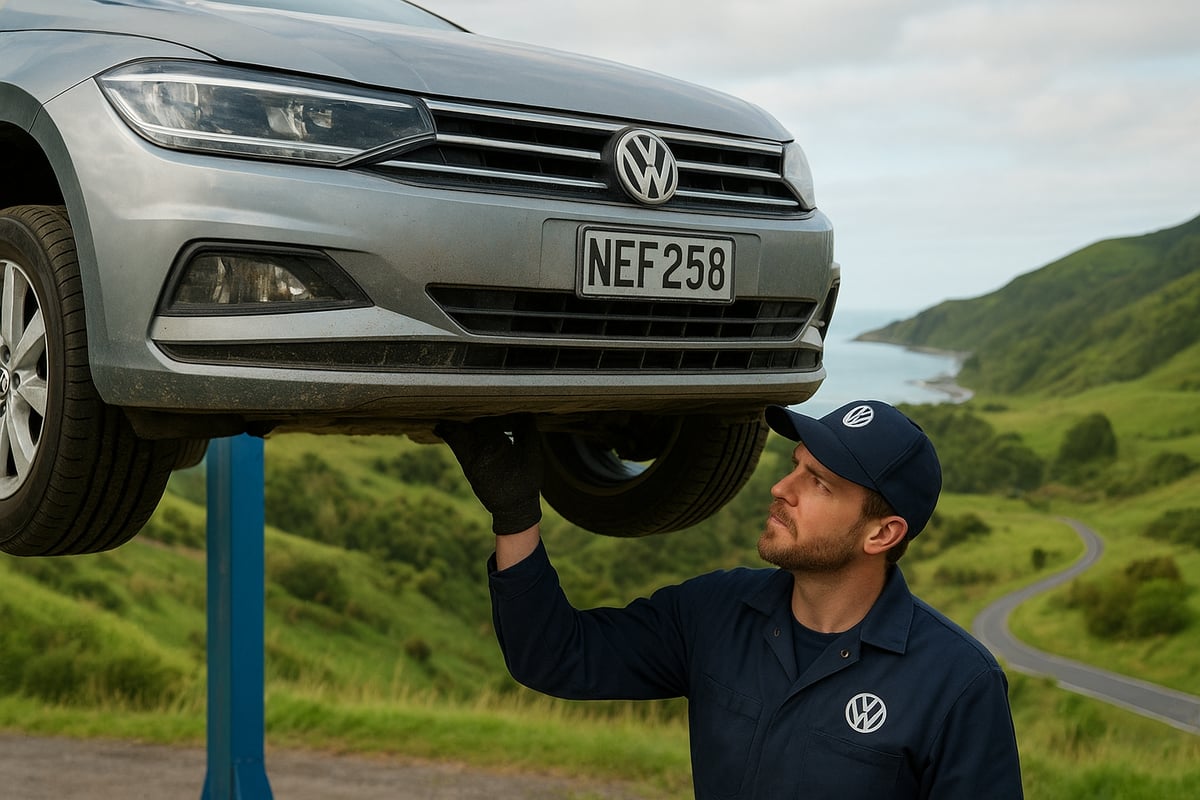
Understanding the Impact of NZ Environment
New Zealand’s climate ranges from humid coasts to frosty inland regions, each affecting vw maintenance in different ways. Coastal areas expose vehicles to salt-laden air, increasing the risk of corrosion, especially on the underbody and brake components.
Gravel roads and rural tracks can lead to more frequent wear on suspension and filtering systems. Urban driving, with stop-and-go traffic, places extra strain on brakes and engine components. Recognizing these factors is vital for tailoring your vw maintenance to local conditions.
Adjusting Service Intervals for Local Conditions
Your vw maintenance schedule should reflect where and how you drive. For example, if you live in a coastal or dusty area, it is wise to replace air and cabin filters more often than the standard interval. Rural drivers may need to check suspension and steering components at every service due to rougher terrain.
VW recommends following the owner’s manual, but local conditions justify shorter intervals for certain checks. Digital tools, such as Volkswagen Vehicle Insights, can help monitor real-time vehicle health and prompt timely attention based on your environment.
Seasonal Maintenance Tips for NZ Drivers
New Zealand’s changing seasons require specific approaches to vw maintenance. In winter, ensure your battery, wipers, and lighting systems are in top condition for shorter days and colder starts. Summer and wet months call for regular checks on coolant, tire tread, and brakes to handle heat and rain-soaked roads.
If you drive in areas prone to mud or sand, clean the undercarriage regularly to prevent buildup and corrosion. Consider a professional underbody inspection every year, especially after the wet season, to catch early signs of rust.
Staying Compliant with NZ Regulations
Regular Warrant of Fitness (WoF) inspections are a legal requirement in New Zealand. These checks align closely with core vw maintenance tasks, such as brake system health, tire condition, and lighting functionality. Keeping thorough records of your maintenance not only ensures compliance but also helps maintain your vehicle’s resale value.
Adapting your vw maintenance plan to New Zealand’s unique conditions is essential for long-term reliability and safety. By staying proactive, you protect your investment and enjoy peace of mind on every journey.
Now that you know what it takes to keep your VW running smoothly in 2026—whether it's understanding your maintenance schedule, embracing new technology, or choosing the right service provider—it's time to put that knowledge into action. With a trusted team like VODIS Automobile on your side, you can feel confident your Volkswagen will get the expert care it deserves for New Zealand roads and conditions. If you're ready for stress-free, professional maintenance tailored to your vehicle, why not take the next step and Book in your service?