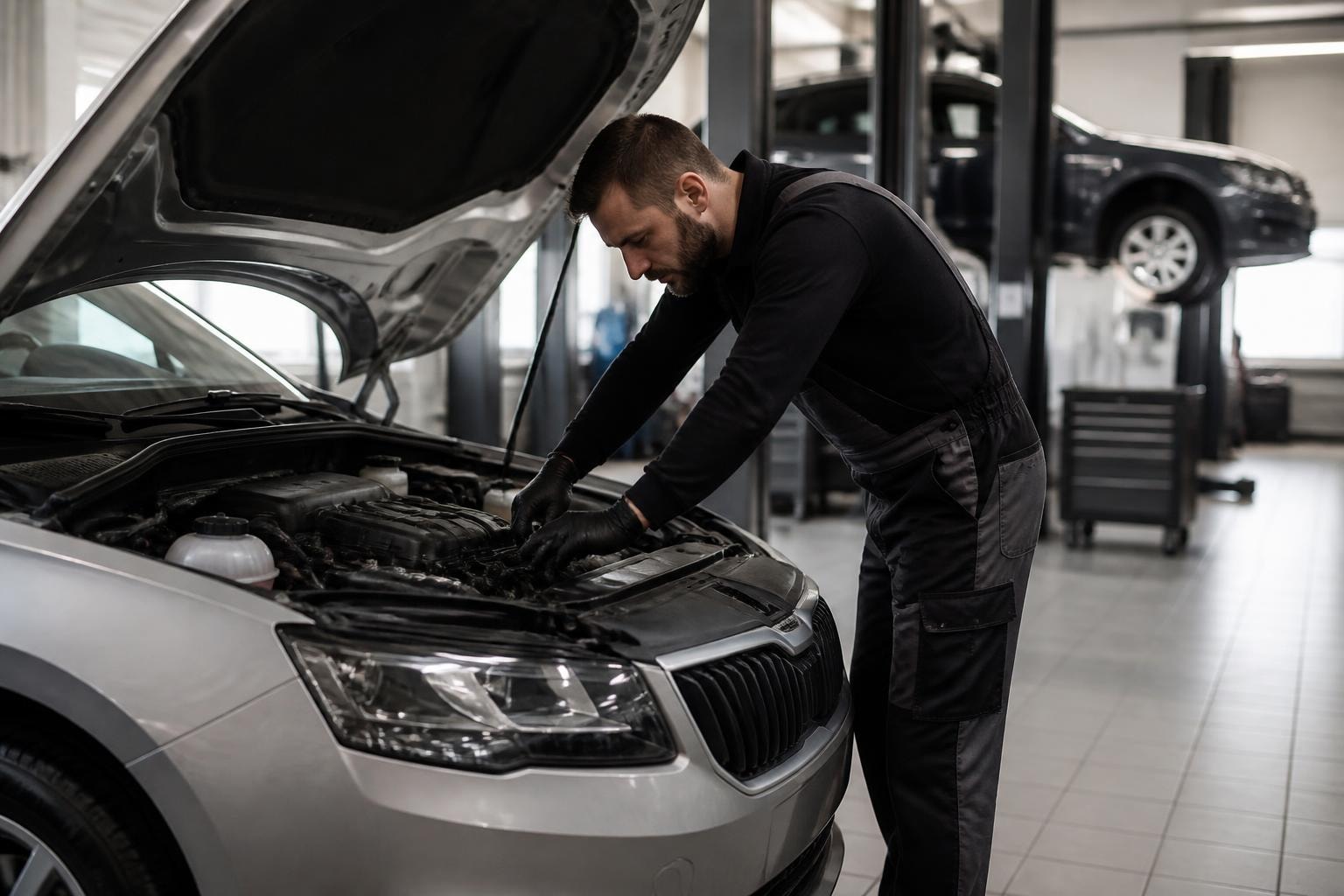

European cars are renowned for their engineering precision, but as we approach 2026, maintaining them demands specialized expertise. Owners face unique challenges and rewards, from advanced technology to intricate systems that set these vehicles apart. Understanding the essentials of auto repair european cars unlocks benefits like cost savings, longer vehicle life, and peak performance. Ready to elevate your ownership experience? This guide delivers comprehensive, expert-backed advice for maintaining and repairing European vehicles in 2026. Explore common issues, essential maintenance, the latest technologies, how to choose a trusted repair shop, and proven, cost-effective strategies for every owner.
Understanding the Unique Challenges of European Car Repair
European vehicles are celebrated for their refined engineering and innovative technology. However, these same qualities make auto repair european cars a specialized field. Each brand introduces proprietary systems that require a deep understanding, precise tools, and genuine parts to maintain peak performance. Let us explore the unique challenges that set European car repair apart.
Complex Engineering and Technology
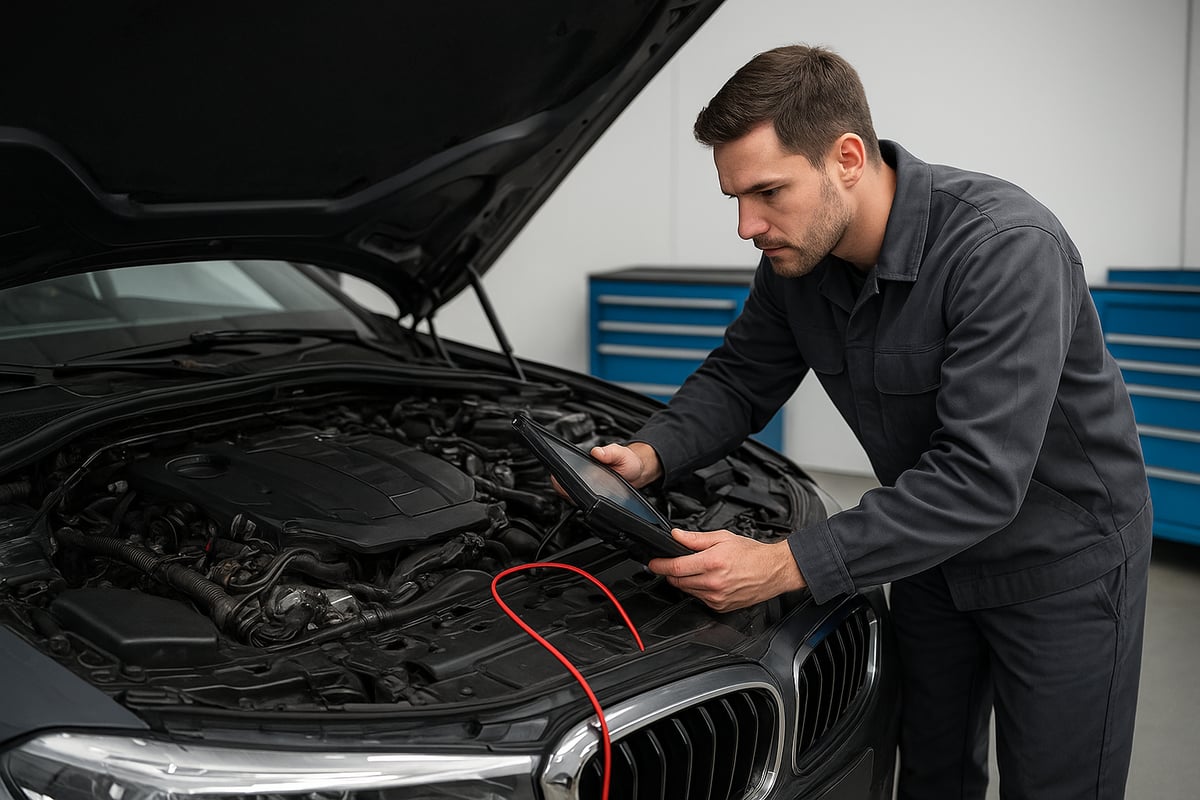
Brands like BMW, Mercedes-Benz, Audi, Volkswagen, and Skoda are known for their advanced engineering. Auto repair european cars involves working with turbocharged engines, direct fuel injection, and sophisticated electronics not found in many domestic vehicles. These systems are tightly integrated, meaning a small fault in one area can impact several others. Proprietary software, adaptive suspensions, and advanced driver assistance features demand expert handling for any maintenance or repair task.
Technicians must keep up with continuous innovations. For example, BMW’s variable valve timing or Audi’s Quattro all-wheel-drive systems require specialized knowledge and experience. Attempting repairs without this expertise can lead to incomplete fixes or further complications.
Common Issues in European Cars
Despite their reputation, European vehicles are not immune to problems. Frequent issues include electrical faults, transmission failures, and coolant leaks. According to AAA, maintenance costs for these cars can be 15 percent higher than for domestic models.
Specific examples highlight the challenges of auto repair european cars: BMW is known for timing chain failures, while Audi models often experience excessive oil consumption. Volkswagen owners may face DSG transmission concerns, and Mercedes-Benz vehicles can develop air suspension leaks. These problems often require prompt, specialized attention to prevent more severe damage.
Importance of Specialized Diagnostics
Diagnosing problems in European vehicles calls for brand-specific diagnostic tools. Generic scanners may miss crucial trouble codes or misinterpret sensor data, leading to misdiagnosis. For accurate auto repair european cars, professionals use dealer-level software capable of reading proprietary systems, such as VCDS for Volkswagen or ISTA for BMW.
This specialized approach ensures technicians can identify root causes quickly and avoid unnecessary repairs. For a deeper look into the tools and expertise required, see European car servicing and repairs.
Parts Availability and Sourcing
Sourcing genuine or OEM parts for European vehicles can be a challenge. Many components are brand-specific and not readily available at general automotive stores. This can impact both repair times and costs, as waiting for parts from overseas suppliers is common.
Auto repair european cars often requires an established supply chain for authentic parts. Using counterfeit or non-approved components risks reliability and can lead to further issues. It is essential to verify the authenticity of each part before installation.
Service Intervals and Maintenance Schedules
European manufacturers typically set longer, but more precise, service intervals. For instance, oil changes may be recommended every 15,000 kilometers, but only with approved synthetic oils. Skipping or delaying scheduled maintenance can cause accelerated wear and costly breakdowns.
Following the manufacturer’s maintenance schedule is crucial for auto repair european cars. Adhering to these intervals ensures optimal performance, preserves warranty coverage, and extends vehicle lifespan.
Warranty Considerations
Warranty protection is a key concern for European car owners. Repairs and maintenance performed outside authorized networks or without proper documentation can void warranties. Maintaining detailed service records is essential.
Authorized service centers for auto repair european cars keep up-to-date logs and use approved parts, which protects your investment. Always review your warranty terms before scheduling service, and ask if your chosen repair shop meets manufacturer standards.
Essential Maintenance Practices for Longevity
Proper maintenance is essential for anyone who wants to get the most out of their European vehicle. With advanced engineering and technology, the right approach to auto repair european cars can mean the difference between years of reliable service and costly breakdowns. Understanding key maintenance practices helps owners protect their investment and enjoy a smoother driving experience.
Scheduled Maintenance: What to Prioritize
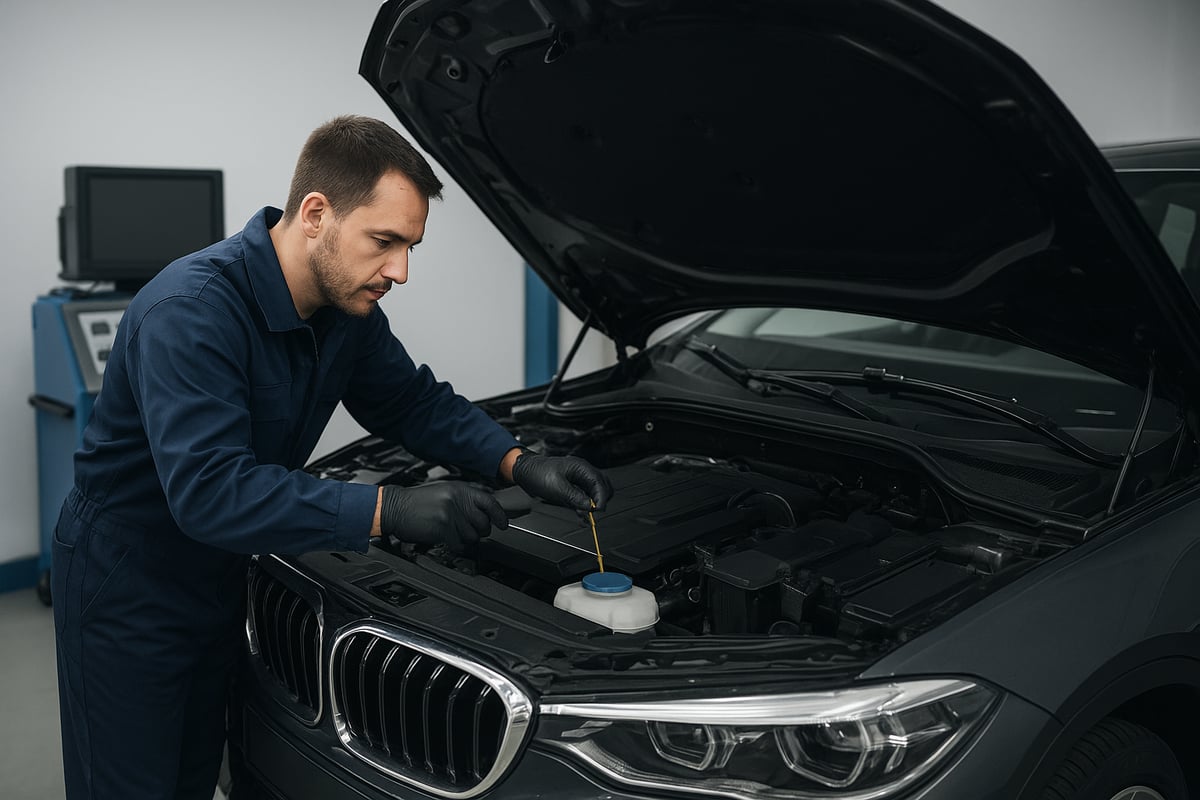
European vehicles require careful attention to scheduled maintenance. Following the manufacturer's recommended intervals is crucial for longevity and performance. Key services to prioritize include oil changes, brake fluid replacement, timing belt or chain inspections, and regular transmission servicing.
Neglecting these can lead to expensive repairs and decreased reliability. For example, missing a timing belt replacement can result in severe engine damage. According to the TÜV-Report 2023: Vehicles are getting older, the average age of European cars is rising, making maintenance even more critical. These steps form the foundation of effective auto repair european cars.
Fluid Types and Quality Requirements
Using the correct fluids is vital for European vehicles. Manufacturers specify particular oil grades, coolants, and brake fluids designed for their engines and systems. Substituting with non-approved fluids can result in engine damage or voided warranties.
Always check the owner's manual before topping up or changing fluids. For example, BMWs often require synthetic oils with specific viscosity, while Mercedes may use unique coolant blends. Sticking to these guidelines ensures the best results from auto repair european cars and preserves the car’s performance.
Tire and Suspension Care
Tires and suspension systems are integral to the handling and comfort European cars are known for. Proper tire selection, regular rotations, and precise wheel alignments are necessary for safety and road feel.
European suspensions are often more complex, with sensitive components that wear over time. Watch for signs of uneven tire wear or noises from the suspension. Preventive care in this area is a smart strategy for anyone focused on auto repair european cars and avoiding premature part failures.
Battery and Electrical System Maintenance
Modern European vehicles rely heavily on advanced electronics. Batteries must be checked regularly and replaced as needed. Some brands, such as Mercedes-Benz, require battery registration to ensure systems communicate correctly.
Electrical faults can arise from weak batteries or corroded terminals. Testing the charging system and inspecting wiring can prevent unexpected issues. Staying proactive with these checks is a vital part of auto repair european cars, especially as vehicles become more technologically advanced.
Seasonal Care: Adapting to Climate
Seasonal changes present unique challenges for European vehicles. In colder months, ensure the coolant is rated for low temperatures and the battery is in good condition. Switching to winter tires can improve safety and performance.
During summer, monitor coolant levels and inspect air conditioning systems. Failure to adapt maintenance routines can lead to breakdowns or increased wear. Owners who tailor their auto repair european cars approach to the climate often enjoy fewer unexpected problems.
DIY vs. Professional Maintenance
Some maintenance tasks can be performed by skilled owners, such as checking fluid levels or replacing air filters. However, many European systems are complex, and attempting repairs without the right tools or knowledge can cause more harm than good.
Professional service centers have the expertise and equipment needed for diagnostics and repairs. Knowing when to handle a task yourself and when to seek expert help is essential for effective auto repair european cars.
VODIS Automobile: Auckland’s European Car Specialists
Choosing a specialist can make a significant difference. VODIS Automobile in Auckland offers expert servicing for Volkswagen, Audi, Mercedes, BMW, and Skoda. Their technicians have brand-specific training and access to genuine parts, ensuring every vehicle receives tailored care.
With over 20 years of experience, VODIS is trusted throughout the North Shore for their reliability and customer satisfaction. Opting for a dedicated service center like VODIS helps guarantee the highest standards in auto repair european cars and preserves long-term value.
Step-by-Step Guide: Diagnosing and Repairing Common Issues
Maintaining and repairing European vehicles can seem daunting, but a systematic approach simplifies the process. The following step-by-step guide is tailored for owners and technicians involved in auto repair european cars, ensuring accurate diagnosis and effective solutions.
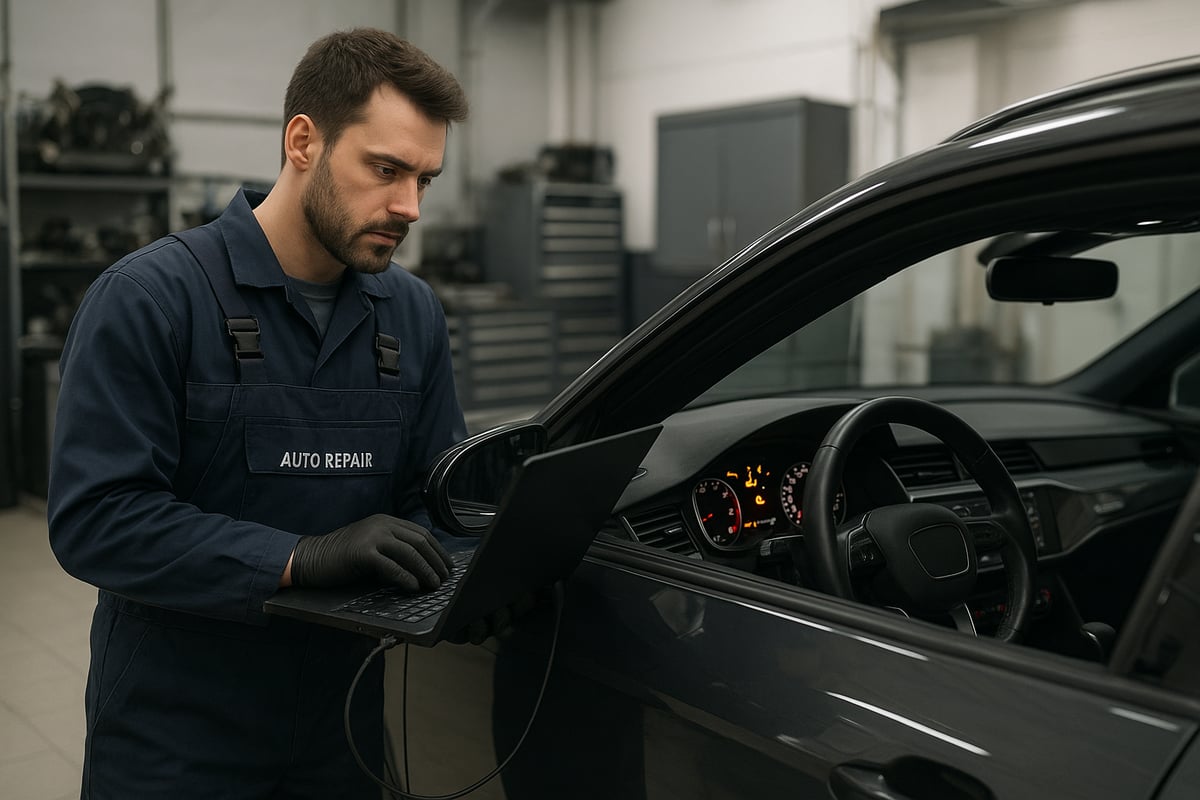
Step 1: Initial Inspection and Symptom Identification
The first step in auto repair european cars is a thorough initial inspection. Start by noting any dashboard warning lights, listening for unusual sounds, and observing changes in performance, such as hesitation or rough idling.
Common warning signs include:
- Illuminated check engine light or other alerts
- Unusual noises like knocking or whining
- Leaks under the vehicle
Use an OBD-II scanner to retrieve preliminary fault codes. Combine these readings with a visual inspection of hoses, belts, and fluid levels. Early detection helps prevent minor issues from escalating in auto repair european cars.
Step 2: Accessing Manufacturer-Specific Diagnostic Tools
European vehicles are equipped with brand-specific electronics and modules. For effective auto repair european cars, access to manufacturer diagnostic tools is essential.
Popular tools include:
- VCDS for Volkswagen and Audi
- ISTA for BMW
- STAR Diagnosis for Mercedes-Benz
Generic scanners may miss proprietary codes or advanced features. Always use the correct software to ensure accurate diagnostics. This approach minimizes the risk of overlooking critical issues, a common pitfall in auto repair european cars.
Step 3: Interpreting Fault Codes and Data
Once you have the fault codes, interpretation is critical for successful auto repair european cars. Codes like P0171 (system too lean) in BMWs or P0300 (random misfire) in Audis require specialized knowledge.
For example, a P0171 code might indicate a vacuum leak, faulty mass airflow sensor, or fuel delivery issue. Consult manufacturer manuals or databases for code definitions. For reliability insights on European models and their common fault codes, the ADAC and TÜV Reliability index provides valuable data.
Always cross-reference live data and freeze frame information to confirm the root cause before moving forward in auto repair european cars.
Step 4: Targeted Component Testing
With the suspected area identified, targeted testing is the next step in auto repair european cars. Use a multimeter to check electrical circuits, a fuel pressure tester for supply issues, and an oscilloscope for sensor waveforms.
Sample tests include:
- Checking battery voltage and alternator output
- Testing ignition coils and spark plugs
- Verifying fuel injector operation
Accurate component testing reduces guesswork and ensures only faulty parts are addressed in auto repair european cars.
Step 5: Sourcing Quality Parts
Selecting the right parts is vital for reliability in auto repair european cars. Choices include OEM, aftermarket, or used components. Consider the following table:
| Part Type | Pros | Cons |
|---|---|---|
| OEM | Guaranteed fit, warranty | Higher cost |
| Aftermarket | Lower price, variety | Variable quality |
| Used | Cost-effective | Unknown history, limited life |
Verify authenticity and compatibility before purchase. Using non-genuine parts can compromise safety and performance in auto repair european cars.
Step 6: Performing Repairs or Replacements
Now, proceed with repairs or replacements using correct procedures for auto repair european cars. Refer to service manuals for torque specs and sequences.
Common repairs include:
- Replacing timing belts or chains
- Fixing oil leaks with new gaskets
- Addressing electrical faults, such as corroded connectors
Use proper safety equipment and double-check your work. Rushing repairs can lead to further issues in auto repair european cars, so patience and precision matter.
Step 7: Post-Repair Testing and Verification
After completing the repair, post-repair testing is crucial in auto repair european cars. Reset fault codes using the diagnostic tool, then conduct a road test to ensure the issue is resolved.
Checklist for verification:
- Monitor live data for anomalies
- Confirm no warning lights remain
- Review service records for completeness
Documenting repairs maintains vehicle value and supports warranty claims. This final step upholds the integrity and reliability expected in auto repair european cars.
Navigating Technological Advances in European Cars (2026 Update)
The world of auto repair european cars is changing at a rapid pace as we enter 2026. Innovations in vehicle technology are transforming how owners and technicians approach maintenance and repairs. Staying informed about these changes is crucial for anyone who wants to keep their European vehicle running smoothly and efficiently.

Integration of Advanced Driver Assistance Systems (ADAS)
Advanced Driver Assistance Systems have become standard in most European vehicles. Features like adaptive cruise control, lane keeping assist, and automated parking require specialized calibration during repairs. Even minor collisions can disrupt sensors and cameras, making precise realignment essential. For auto repair european cars, shops must invest in brand-specific tools and training to properly service these systems. Failure to recalibrate ADAS components can compromise safety and lead to system malfunctions. As these features become more integrated, the complexity of diagnostics and repairs increases.
Electrification and Hybrid Systems
European automakers are leading the charge in electrification, with new hybrid and full electric models entering the market each year. Maintaining and repairing auto repair european cars with high voltage systems requires advanced knowledge and strict safety protocols. Battery management, regenerative braking, and electric drivetrain components introduce unique challenges. Technicians must be certified to work with high voltage systems, and owners should follow manufacturer-specific maintenance schedules to prevent costly issues. The shift to electrification means that traditional repair techniques are evolving quickly.
Connectivity and Infotainment Upgrades
Digital dashboards, cloud-based navigation, and integrated telematics are now central to the European driving experience. These connected features bring convenience but also new repair challenges. Software glitches, firmware compatibility, and intermittent connectivity issues are common in auto repair european cars. Technicians need access to up-to-date software tools and must often coordinate with manufacturers for updates. As infotainment systems grow more complex, troubleshooting requires both IT skills and automotive expertise.
Over-the-Air (OTA) Updates and Remote Diagnostics
Over-the-Air updates allow manufacturers to deliver software fixes and feature enhancements directly to vehicles. This technology streamlines some aspects of auto repair european cars, reducing the need for frequent shop visits. However, OTA updates also introduce new challenges, such as ensuring compatibility with aftermarket parts and safeguarding vehicle data. Remote diagnostics enable technicians to assess issues from afar, but not all problems can be resolved remotely. Owners should stay informed about update schedules and potential impacts on their car’s performance.
Data Privacy and Cybersecurity Concerns
As European vehicles become more connected, data privacy and cybersecurity have become top priorities. Unauthorized access or data breaches can compromise both personal and vehicle information. New EU regulations are being discussed to ensure fair access to vehicle data for repair shops and service providers. For more information on upcoming legislation and its impact on repairs, see the EU plans law to give car services groups access to vehicle data. Following best practices for data management and choosing reputable service centers helps protect both your vehicle and your privacy.
Training and Certification for Technicians
Rapid advances in vehicle technology demand continuous education for technicians. Leading European brands offer specialized certification programs to keep repair professionals up to date. Investing in ongoing training ensures that technicians can safely and effectively service the latest systems found in auto repair european cars. For owners, selecting a repair shop with certified staff is critical to maintaining both safety and value.
Choosing the Right European Auto Repair Shop
Selecting a trustworthy shop for auto repair european cars is essential for protecting your investment and ensuring optimal performance. Not all repair centers are equipped to handle the complexities of European vehicles, so making an informed choice can make a significant difference in repair quality, warranty protection, and long-term costs.
What to Look for in a Specialist Shop
When choosing a shop for auto repair european cars, prioritize those with brand-specific qualifications and certifications. Look for:
- Technicians trained in European vehicle systems
- Up-to-date diagnostic equipment for brands like BMW, Mercedes, Audi, and Volkswagen
- Access to genuine or OEM parts
A reputable center, such as those specializing in other European vehicle servicing, will demonstrate a clear commitment to ongoing training and investment in the right tools. This ensures your car receives the expert attention it requires.
Reputation and Customer Reviews
Reputation is a critical factor in selecting a shop for auto repair european cars. Examine online ratings, testimonials, and word-of-mouth recommendations. Positive reviews often mention clear communication, timely repairs, and professionalism.
Be cautious of red flags such as vague estimates, recurring unresolved issues, or lack of transparency. Consistent negative feedback is a sign to consider other options.
Warranty and Service Guarantees
Understanding warranties is crucial for auto repair european cars. A specialist shop should offer warranties on both parts and labor, giving you peace of mind for every repair.
Ask how shop warranties interact with your manufacturer warranty. Authorized service records are often required to keep your new car warranty intact, so confirm the shop’s documentation practices.
Cost Transparency and Estimates
Transparent pricing is a hallmark of reputable auto repair european cars specialists. Expect a clear, itemized estimate before work begins, including labor and parts costs.
Shops should provide examples of typical repair costs for services like brake replacements or timing chain repairs. Reviewing industry reports, such as the Automotive Repair Maintenance Service Market Executive Brief & Strategic Insights [2024–2034], can also offer valuable context on pricing trends.
Convenience and Customer Service
Convenience and attentive service set top shops apart in the auto repair european cars market. Look for features such as:
- Courtesy vehicles or shuttle service
- Flexible scheduling and prompt communication
- Digital updates on repair status
Leading shops streamline the repair process, allowing you to maintain your vehicle with minimal disruption to your routine. Excellent customer service fosters trust and long-term relationships.
Cost-Saving Strategies for European Car Owners
Owning a European vehicle offers a rewarding driving experience, but managing costs is essential for long-term enjoyment. Smart owners of these cars use strategic approaches to keep expenses manageable without sacrificing quality. Below, discover effective ways to save on auto repair european cars, from preventive care to part sourcing and beyond.
Preventive Maintenance for Long-Term Savings
Consistent preventive maintenance remains the most reliable strategy to avoid costly breakdowns with auto repair european cars. Addressing routine needs, like timely oil changes and fluid replacements, can prevent major engine or transmission failures. For example, replacing a timing belt at the manufacturer’s recommended interval can spare you from the expense of a full engine rebuild.
Other key maintenance actions include:
- Regular brake inspections
- Tire rotations and alignment checks
- Battery and electrical system evaluations
By following the service schedule prescribed for your specific make—whether BMW, Audi, or Volkswagen—you extend the life of your vehicle and reduce the likelihood of pricey emergency repairs.
Comparing Independent vs. Dealership Service Centers
Choosing between independent shops and dealership service centers directly impacts your auto repair european cars budget. Independent specialists often provide comparable expertise and can save you 20 to 30 percent on labor, according to Consumer Reports. Dealerships, on the other hand, may offer the latest manufacturer updates and warranty support.
| Service Center Type | Average Labor Cost | Pros | Cons |
|---|---|---|---|
| Dealership | Highest | OEM parts, warranty | Expensive, less flexible |
| Independent | Lower | Cost savings, personalized | May lack some dealer tools |
Always check if the shop’s technicians are trained for your car’s brand and whether they use approved diagnostic tools.
Sourcing Quality Parts at Better Prices
Securing genuine or OEM parts is essential for reliable auto repair european cars. Sourcing parts from reputable suppliers or specialist service centers ensures compatibility and preserves performance. For Volkswagen owners, working with Volkswagen servicing specialists can help you access authentic parts and expert support at competitive rates.
Tips for sourcing quality parts:
- Request OEM or approved alternatives
- Avoid counterfeit or no-name parts
- Compare prices across authorized suppliers
Prioritizing part quality helps avoid repeat repairs and protects your investment.
Bundling Services and Seasonal Promotions
Bundling multiple maintenance tasks—such as combining an oil change with a brake inspection—can lead to significant discounts. Many service centers offer seasonal promotions or loyalty programs tailored to auto repair european cars, providing further savings for proactive owners.
Look for:
- Multi-service packages
- Seasonal checkup deals
- Loyalty rewards or referral bonuses
Planning ahead to coincide with these offers can make a noticeable difference in annual maintenance costs.
DIY Repairs: When It Makes Sense
Some simple maintenance tasks for auto repair european cars can be performed safely at home, such as replacing air filters or wiper blades. However, due to the complexity of modern European systems, it is crucial to recognize your limits.
Recommended DIY tasks:
- Checking tire pressure
- Replacing cabin air filters
- Changing light bulbs
For anything involving advanced electronics or engine components, consult a professional to avoid accidental damage or voiding your warranty.
Insurance and Extended Warranty Options
Reviewing your insurance and extended warranty options is another smart move for controlling auto repair european cars expenses. Extended warranties can cover major components after the original warranty expires, while comprehensive insurance may include roadside assistance or repair coverage.
Key considerations:
- Policy exclusions and deductibles
- Coverage for electronics and high-value parts
- Transferability for resale value
Selecting the right coverage provides peace of mind and helps manage unexpected repair costs effectively.
As we’ve explored, maintaining a European car in 2026 means understanding its unique engineering, staying ahead of technological advances, and choosing a repair partner who truly knows these vehicles inside and out. If you want the peace of mind that comes from professional expertise, genuine parts, and a team that values clear communication, you’re in the right place. Your vehicle deserves the specialist care that helps it perform at its best for years to come. When you’re ready to give your car the attention it needs, Book in your service and experience the VODIS difference.