
Are you ready to keep your Volkswagen performing at its best in 2026? With the right volkswagen car service strategy, you can ensure your vehicle remains reliable, efficient, and valuable for years to come.
This expert guide is designed to empower you with practical maintenance tips, troubleshooting steps, and professional service insights tailored specifically for Volkswagen owners.
Inside, you'll discover the essentials of scheduled maintenance, the latest diagnostic tools, effective DIY care, guidance on choosing trusted service centers, and a look at future trends shaping volkswagen car service. Take charge of your vehicle's health and enjoy peace of mind on every journey.
Understanding Volkswagen’s 2026 Maintenance Schedule
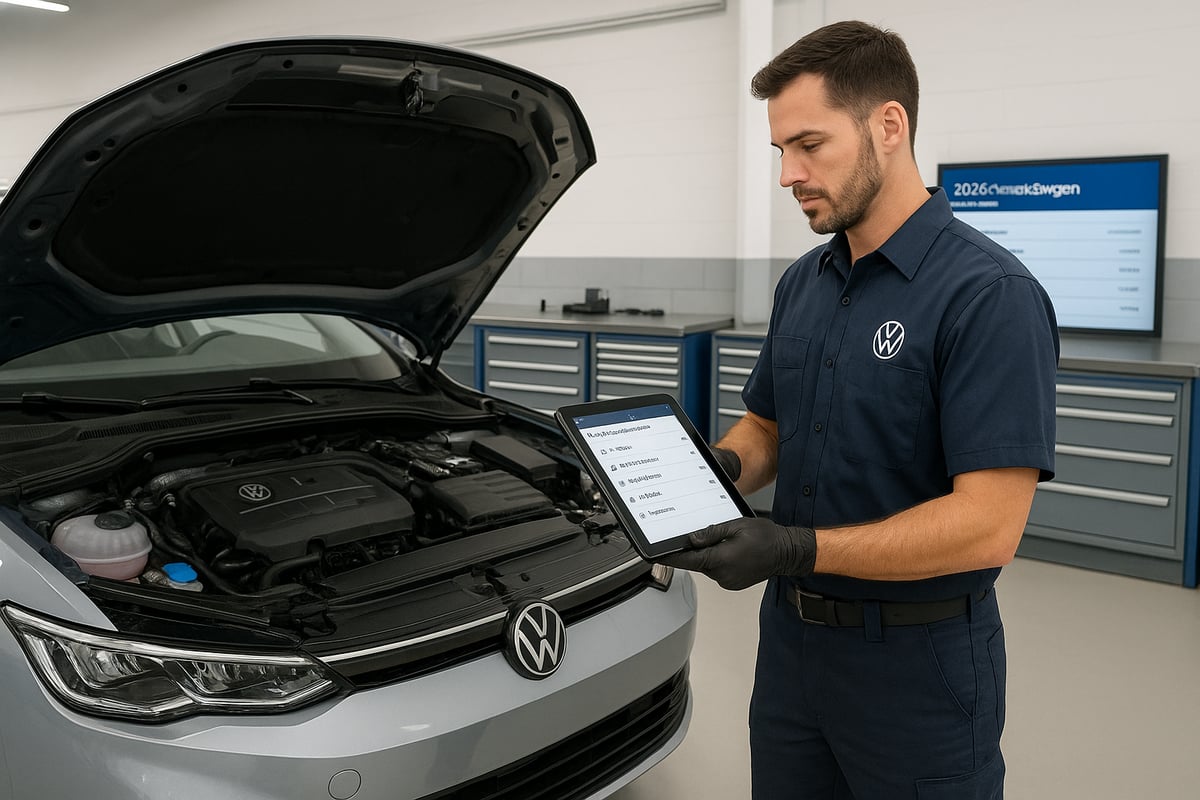
Keeping your Volkswagen in top condition starts with following the right maintenance plan. The 2026 schedule is designed to maximize your car’s performance and reliability, while also protecting your investment. This section explains why scheduled maintenance is essential, outlines key service milestones, explores digital service tools, highlights risks of skipping service, and offers advice on tailoring your care plan to your driving needs.
Importance of Scheduled Maintenance
Volkswagen car service is crucial for keeping your 2026 model running efficiently and safely. Volkswagen recommends specific maintenance intervals, such as oil changes, filter replacements, and inspections at set kilometer marks. Following these intervals is not just about ticking boxes; it directly impacts your vehicle’s longevity and overall performance.
Regular service ensures all systems are inspected, lubricated, and functioning as intended. Missing even a single oil change can lead to engine issues, reduced fuel efficiency, or unexpected breakdowns. In fact, studies show regular servicing can extend engine life by up to 30 percent. Sticking to the official schedule is also necessary to keep your manufacturer warranty valid. For more details on the latest recommendations, consult Volkswagen’s 2026 Maintenance Resources.
Key Service Milestones (10k, 20k, 40k, 60k km, etc.)
Understanding the key milestones in your volkswagen car service plan helps you anticipate upcoming needs. Major service intervals typically occur at 10,000, 20,000, 40,000, and 60,000 kilometers. At each milestone, specific checks and replacements are performed to maintain optimal safety and performance.
Common tasks include:
- Oil and filter changes
- Brake inspections and replacements
- Fluid top-ups (coolant, brake, transmission)
- Belt and spark plug checks
- Air and cabin filter replacement
For example, at 40,000 kilometers, your volkswagen car service will often include a brake fluid change and new cabin filters. Skipping these scheduled services can lead to problems, with statistics showing that 80 percent of breakdowns are linked to missed maintenance.
Digital Service Records and Service Reminders
Modern Volkswagen models, including those from 2026, leverage digital tools to make maintenance easier. Volkswagen car service history is now stored electronically, providing transparency and convenience for both owners and service providers. These digital records help you track all completed work and receive timely reminders for upcoming appointments.
Using the MyVolkswagen app, you can view your car’s full maintenance log, set reminders, and even schedule service visits. This digital approach enhances warranty claims and boosts resale value, as vehicles with a complete digital history can sell for up to 10 percent more. Digital records ensure that nothing is overlooked in your volkswagen car service routine.
Common Issues from Skipping Scheduled Service
Neglecting scheduled volkswagen car service can have serious consequences. The most immediate risks include unexpected breakdowns and costly repairs that could have been avoided with routine checks. Skipping services like oil changes or timing belt replacements can lead to severe engine damage, or even total engine failure.
Other issues include reduced fuel economy and higher emissions, affecting both your wallet and the environment. If a timing belt is ignored, it may snap and cause catastrophic engine failure. Additionally, not following the maintenance plan can void your manufacturer warranty, leaving you responsible for all repair costs related to missed service.
Customizing Maintenance for Driving Conditions
No two drivers have the same routine, so your volkswagen car service schedule may need adjustments based on your environment. City drivers who make frequent short trips should consider more frequent oil changes, as this type of driving puts extra strain on the engine. Those who drive long distances on highways may extend intervals between certain services.
Extreme weather, such as hot summers or cold winters, also impacts maintenance needs. Always consult your 2026 owner’s manual for guidance on adapting intervals to your local climate and driving habits. Customizing your volkswagen car service plan ensures your vehicle remains reliable no matter where or how you drive.
Essential DIY Volkswagen Maintenance Tips
Keeping your Volkswagen performing at its best begins with regular care at home. By mastering a few essential DIY tasks, you can extend your car’s life, ensure safety, and even reduce your overall volkswagen car service costs. These practical steps empower every owner, regardless of mechanical experience.
Routine Checks Every Owner Should Know
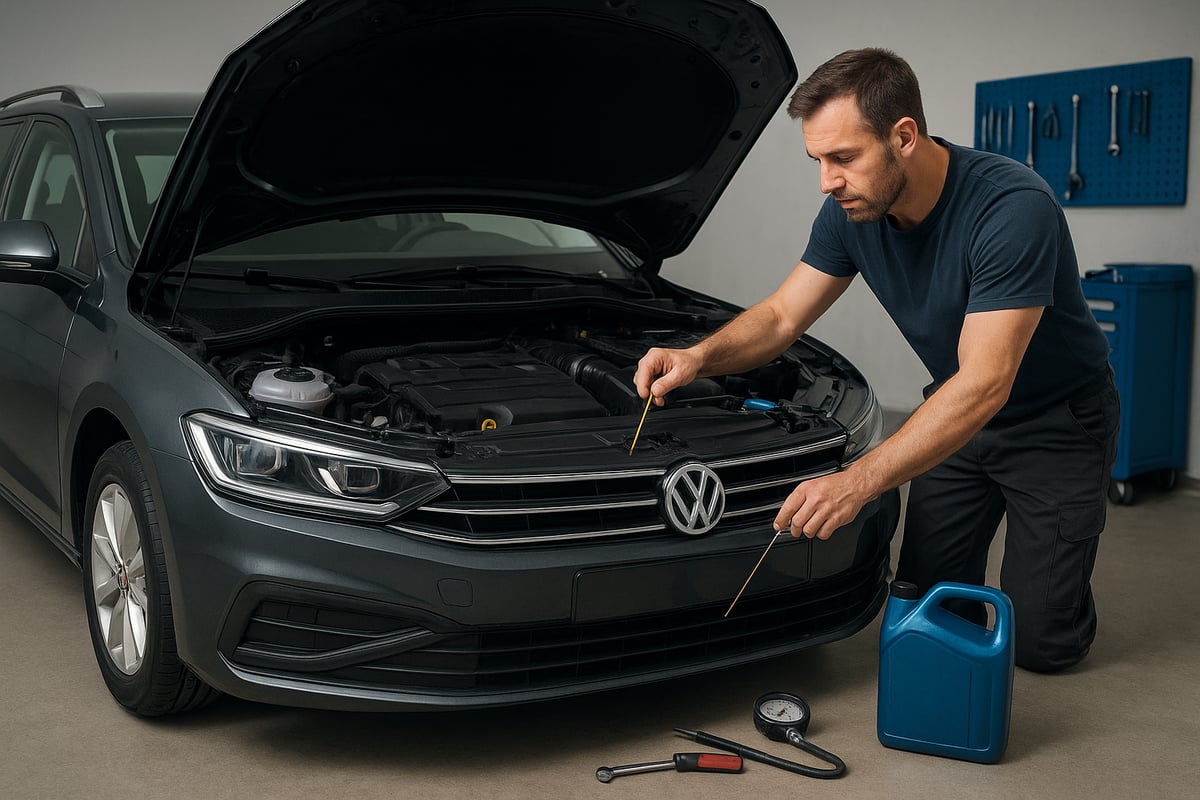
Every Volkswagen owner should develop a habit of monthly and pre-trip inspections. Start by checking oil levels, coolant, and brake fluid. Low levels can signal leaks or excessive consumption, affecting volkswagen car service needs. Inspect tire pressure using a reliable gauge, as underinflated tires decrease fuel efficiency and increase wear.
- Examine all exterior and interior lights for correct operation
- Test windshield wipers for streaking or skipping
- Check the battery for corrosion and secure terminals
Routine checks help you catch small issues before they become expensive repairs. For example, maintaining proper tire pressure can improve your fuel economy by up to 3 percent, directly impacting your volkswagen car service intervals.
Step-by-Step: Changing Oil and Filters
Changing your Volkswagen’s oil and filter is a foundational DIY skill. Before you begin, gather the correct oil, a compatible filter, a socket set, a drain pan, gloves, and safety glasses. Always refer to your owner’s manual for recommended oil type and viscosity for your 2026 model.
- Warm up the engine slightly, then turn it off.
- Remove the oil drain plug and allow old oil to flow into the pan.
- Replace the drain plug and remove the old filter.
- Lubricate the new filter’s gasket and install it.
- Add new oil, then check the level after running the engine briefly.
Completing this volkswagen car service task on schedule keeps your engine clean and running smoothly.
Maintaining Brakes and Tires
Regular brake and tire inspections are crucial for safety and performance. Check brake pads for thickness and listen for squealing sounds. Inspect rotors for grooves or scoring. For tires, measure tread depth and look for uneven wear patterns.
- Rotate tires every 10,000 km to ensure even wear
- Monitor tire pressure monthly
- Replace tires with worn or damaged sidewalls
Delayed attention to these areas increases volkswagen car service costs and can lengthen stopping distances by up to 25 percent. If you notice vibration, pulling, or persistent squealing, schedule a professional inspection.
Cleaning and Protecting Exterior/Interior
A clean Volkswagen not only looks better but also resists long-term damage. Wash the exterior weekly using a pH-neutral shampoo to remove dirt and road contaminants. Apply a quality wax every few months for paint protection, especially important in New Zealand’s harsh UV conditions.
Inside, vacuum carpets and seats regularly. Use UV-protective sprays on dashboards and trim to prevent fading and cracking. For upholstery, spot-clean stains promptly. Investing time in this kind of volkswagen car service preserves both appearance and value.
When to DIY vs. Seek Professional Help
Not every volkswagen car service task is suitable for DIY. Stick to basics such as fluid checks, oil changes, and simple filter replacements. Leave complex jobs—like timing belt changes, advanced diagnostics, or suspension work—to certified technicians.
Attempting repairs without the right tools or knowledge can cause costly mistakes, such as incorrect bolt torque or missed system resets. According to recent surveys, 60 percent of owners prefer professional service for more advanced jobs. For tasks beyond your expertise, consider exploring Volkswagen servicing and repairs to ensure your vehicle receives specialized attention and genuine parts.
Making the right choice between DIY and professional volkswagen car service ensures safety, reliability, and long-term satisfaction.
Advanced Diagnostics and Technology in Volkswagen Cars
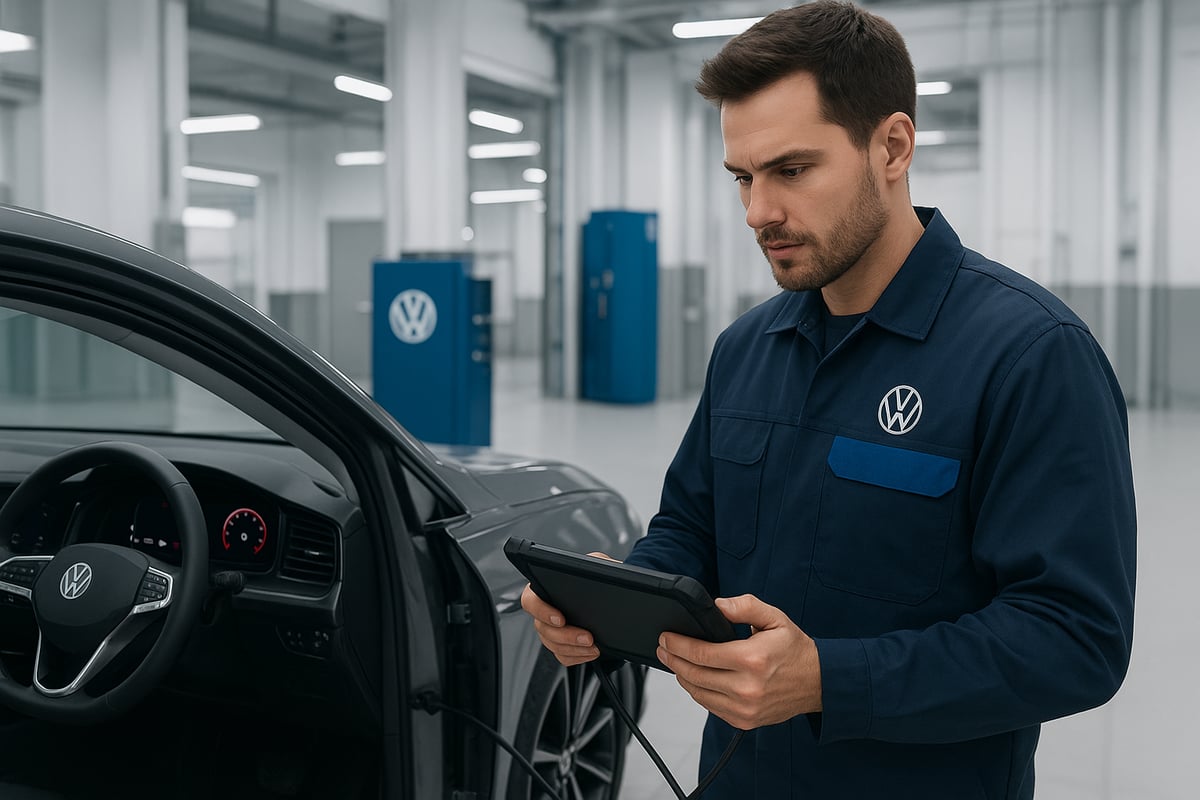
Staying ahead of the curve with advanced diagnostics is essential for effective volkswagen car service in 2026. Modern Volkswagen vehicles are equipped with cutting-edge technology that not only identifies issues early but also enhances overall reliability and driving comfort. Understanding these systems empowers owners to make informed decisions about maintenance and repair, ensuring their vehicles remain in top condition.
Overview of Volkswagen’s 2026 Diagnostic Systems
Volkswagen’s 2026 models feature advanced onboard diagnostics (OBD) combined with proprietary systems designed for precision. These platforms monitor hundreds of components in real time, providing instant feedback on performance, emissions, and safety.
The integration of cloud connectivity allows technicians to access vehicle data remotely, streamlining the volkswagen car service process. Owners benefit from quicker diagnoses and more accurate repairs, thanks to these innovations. Staying updated with these technologies is crucial for maintaining performance and warranty coverage.
Using OBD-II and Volkswagen-Specific Scanners
To get the most from your volkswagen car service, familiarize yourself with OBD-II and Volkswagen-specific scanners. These devices plug into the vehicle’s diagnostic port, allowing you or a technician to read error codes and assess system health.
Step-by-step:
- Locate the OBD-II port, usually under the dashboard.
- Plug in your scanner and turn on the ignition.
- Follow prompts to read codes and interpret results.
Common codes may indicate items such as oxygen sensor faults or misfires. For a comprehensive view of your specific model’s diagnostic needs, use the Volkswagen Maintenance Schedule Tool to cross-reference service intervals and code meanings. This approach streamlines troubleshooting and keeps your maintenance on track.
Understanding Warning Lights and Alerts
Dashboard warning lights are your Volkswagen’s way of communicating maintenance needs. Each symbol represents a specific system, from engine management to tire pressure.
Prioritize urgent alerts, such as oil pressure or coolant temperature, to prevent severe damage and maintain volkswagen car service standards. Routine alerts, like service reminders, help you schedule timely checkups.
Here’s a quick comparison:
| Warning Light | Action Needed |
|---|---|
| Oil Pressure | Stop and check oil |
| Tire Pressure | Inspect and inflate |
| Engine Management | Schedule diagnostics |
Understanding these signals ensures prompt attention and vehicle longevity.
Software Updates and Connectivity Features
Keeping your Volkswagen’s software current is a vital part of volkswagen car service. The 2026 models support over-the-air (OTA) updates, allowing new features and security patches to be installed remotely.
Regular software updates can enhance fuel efficiency, improve infotainment performance, and address potential bugs. Owners should check for update notifications through their vehicle’s infotainment system or the official Volkswagen app.
Embracing these digital advancements ensures your vehicle remains safe, efficient, and up to date with the latest factory improvements.
Troubleshooting Common Electronic Issues
Modern Volkswagens may experience electronic glitches, such as battery drain, sensor errors, or infotainment malfunctions. When facing these issues, start with a simple system reset via the infotainment menu or by disconnecting the battery for a few minutes.
If problems persist, professional volkswagen car service is recommended, especially for complex faults like advanced sensor malfunctions. Technicians use specialized diagnostic tools to pinpoint the root cause and provide lasting solutions. Addressing electronic issues promptly keeps your Volkswagen running smoothly and minimizes downtime.
Choosing the Right Volkswagen Service Centre
Selecting the right volkswagen car service provider is crucial for your vehicle’s long-term health and performance. With many options available, understanding the differences and knowing what to look for can make a significant difference.
Dealership vs. Independent Specialist: Pros and Cons
When considering volkswagen car service, you’ll often choose between a dealership and an independent specialist. Dealerships offer factory-trained staff, access to the latest diagnostic equipment, and seamless warranty handling. They use genuine parts and follow strict service protocols.
On the other hand, independent specialists may provide more personalized attention and flexible scheduling. They can offer competitive pricing, sometimes saving up to 20 percent on labor costs. However, it’s essential to confirm they use genuine parts and have experience with your vehicle’s model year.
Compare your options with this simple table:
| Feature | Dealership | Independent Specialist |
|---|---|---|
| Warranty Handling | Direct | May require documentation |
| Cost | Higher | Often lower |
| Parts Availability | Always genuine | Must verify |
| Expertise | Factory-trained | Varies by provider |
Choosing the best volkswagen car service depends on your priorities for warranty, cost, and expertise.
What to Look for in a Volkswagen Service Provider
Selecting a qualified volkswagen car service center requires research. Look for certifications such as MTA affiliation, evidence of ongoing technician training, and a track record with European vehicles. Genuine parts and advanced diagnostic tools are critical for maintaining modern Volkswagens.
Reading customer reviews and requesting referrals can help gauge reliability and service quality. For added confidence, meet the technicians or review their backgrounds. You can learn more about technician expertise and credentials by visiting the Meet our Volkswagen service team page.
A reputable volkswagen car service provider should prioritize transparent communication, clear documentation, and a customer-focused approach.
VODIS Automobile: Auckland’s Volkswagen Service Experts
VODIS Automobile stands out as a premier volkswagen car service center in Auckland. With over 20 years of experience in European vehicle servicing, VODIS employs skilled technicians who specialize in Volkswagen models. Their modern facilities feature advanced diagnostics, ensuring every issue is identified and resolved accurately.
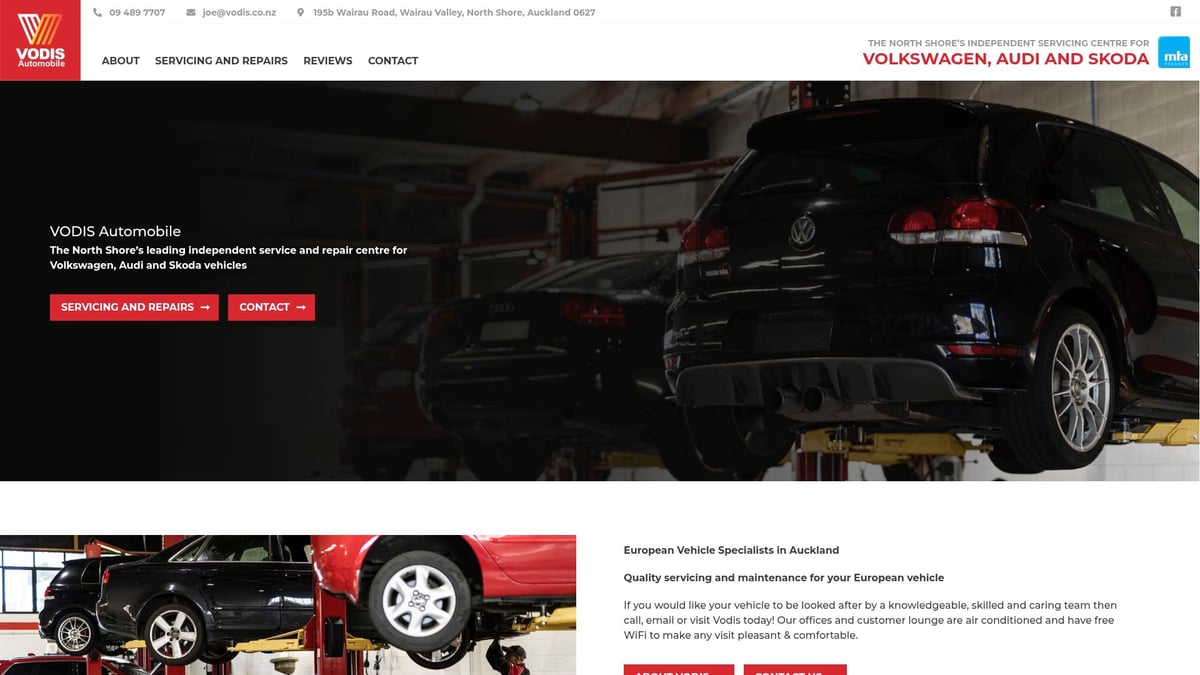
At VODIS, transparency is key. Customers receive detailed explanations for recommended repairs, and only genuine Volkswagen parts are used. The North Shore location offers convenience for Auckland residents, while the strong local reputation is built on honest service and customer satisfaction.
Choosing VODIS for your volkswagen car service means peace of mind and lasting vehicle performance.
Questions to Ask Before Booking a Service
Before booking your volkswagen car service, prepare a list of essential questions. Ask about the types of parts used, labor warranties, and whether digital service records will be updated. Clarify what’s included in a “major” versus “minor” service to avoid surprises.
Consider these key questions:
- Are all technicians certified for Volkswagen models?
- Will genuine parts be used for my service?
- How are service costs structured and quoted?
- Are digital records automatically updated for warranty purposes?
A quality volkswagen car service provider will welcome these questions and provide clear, detailed answers.
Understanding Service Costs and Transparency
Understanding how volkswagen car service costs are structured protects you from unexpected charges. Reputable centers offer itemized quotes, detailing labor, parts, and any additional fees. Transparent pricing builds trust and increases customer satisfaction by 35 percent, according to recent data.
Be wary of bundled pricing without breakdowns, as hidden fees can accumulate. Always request an upfront quote and ask for explanations if any charges seem unclear.
By prioritizing transparency, you ensure your volkswagen car service is both fair and reliable, supporting your vehicle’s performance and your peace of mind.
Preventative Care and Long-Term Volkswagen Reliability
Keeping your Volkswagen in top shape requires more than just reactive repairs. Focusing on preventative care can make a significant difference in the long-term reliability and value of your vehicle. Let’s explore proven strategies every owner should follow.
Top Preventative Maintenance Practices
Consistent preventative maintenance is the backbone of any effective volkswagen car service plan. This includes regular checks and timely replacement of fluids and filters, as well as tire rotations and annual inspections for critical components.
Key preventative steps include:
- Checking engine oil, coolant, and brake fluid levels monthly
- Replacing air and cabin filters as recommended
- Rotating tires every 10,000 km
- Scheduling an annual coolant flush
For a detailed breakdown of specific service intervals and tasks, refer to this Volkswagen Maintenance Schedule Guide. Following these routines helps prevent overheating, maintains safety, and keeps your volkswagen car service history robust.
Protecting Your Volkswagen’s Resale Value
A comprehensive volkswagen car service record is essential for preserving your vehicle’s resale value. Buyers and dealerships alike value a documented history of maintenance, especially when genuine parts are used.
To maximize resale value:
- Keep all service receipts and digital records organized
- Use only Volkswagen-approved parts and fluids
- Maintain the vehicle’s appearance with regular washing and interior detailing
- Address minor paint chips and upholstery wear promptly
Well-maintained Volkswagens can retain up to 15 percent more value at resale. Regular volkswagen car service not only keeps your car running smoothly but also protects your investment for the future.
Addressing Recalls and Service Campaigns
Responding promptly to recalls is a critical part of responsible volkswagen car service. Volkswagen NZ regularly issues recall notices for issues ranging from airbag systems to software updates.
Steps to stay informed:
- Check your vehicle’s VIN on the official Volkswagen NZ website
- Register for recall alerts through your MyVolkswagen app
- Schedule recall repairs as soon as notices are received
Timely action ensures your Volkswagen remains safe and compliant with warranty requirements. Neglecting recall repairs can impact both safety and long-term reliability, making them a vital element of volkswagen car service.
Seasonal and Environmental Considerations
Adapting your volkswagen car service routine to New Zealand’s varied climate is key to longevity. Seasonal maintenance prepares your vehicle for shifting temperatures and environmental challenges.
Consider the following:
- Clean the underbody regularly to prevent salt corrosion in coastal areas
- Install all-weather floor mats and check seals before winter
- Replace wiper blades and check air filters during pollen-heavy seasons
- Store your Volkswagen in a shaded area or use sunshades to protect interiors from UV damage
Tailoring your volkswagen car service to match environmental conditions reduces wear, helps avoid costly repairs, and ensures reliable performance year-round.
Future Trends: Volkswagen Maintenance in the Next Decade
As automotive technology advances, the future of volkswagen car service is evolving rapidly. Owners must adapt to new maintenance routines, emerging technologies, and eco-friendly practices to keep their vehicles in optimal condition. Understanding these trends ensures your Volkswagen remains reliable and valuable in the years ahead.
Electrification and Hybrid Maintenance Essentials
The rise of electric and hybrid Volkswagens is transforming traditional service routines. Unlike petrol engines, electric vehicles (EVs) require fewer fluid changes, no exhaust maintenance, and less frequent brake servicing due to regenerative braking systems. However, battery health checks and software updates become essential aspects of volkswagen car service for these models.
Routine inspections focus on high-voltage components, cooling systems, and battery management. Technicians use specialized tools to ensure safety and longevity. According to industry data, EVs need 30% less routine maintenance on average, making ownership more convenient and cost-effective.
To explore detailed maintenance intervals for all Volkswagen models, including electrified options, consult the Volkswagen Maintenance Schedules resource.
Predictive Maintenance and AI Diagnostics
Volkswagen car service in 2026 leverages artificial intelligence and predictive analytics to anticipate component wear and potential failures. This technology uses real-time data from sensors and historical trends to alert owners about upcoming service needs before issues arise.
For example, predictive maintenance systems can monitor brake pad thickness, battery performance, and tire condition. When thresholds are reached, the vehicle notifies the owner through the dashboard or mobile app. This proactive approach reduces unexpected breakdowns and improves long-term reliability.
By integrating AI diagnostics into regular volkswagen car service, owners benefit from more accurate scheduling and reduced repair costs, keeping their vehicles on the road longer.
Sustainable Service Practices and Eco-Friendly Products
Environmental responsibility is now a core part of volkswagen car service. Leading workshops are adopting sustainable practices such as using biodegradable fluids, energy-efficient lighting, and comprehensive recycling programs. These efforts minimize the ecological impact of vehicle maintenance.
Eco-friendly cleaning products, water-saving wash systems, and proper disposal of batteries and electronics are becoming standard. Many service centers also offer carbon-neutral options and participate in community recycling initiatives.
Choosing a provider committed to sustainable volkswagen car service supports global efforts to reduce automotive waste and ensures your vehicle is maintained with the environment in mind.
Adapting to Evolving Volkswagen Technology
As Volkswagen integrates autonomous driving features and advanced connectivity into new models, service requirements continue to evolve. Technicians must stay up-to-date with the latest training to handle software updates, sensor calibrations, and diagnostics for complex electronic systems.
Workshops now invest in ongoing education and the latest diagnostic tools to meet these challenges. Data shows that 70% of service centers are expanding technician training to accommodate the rapid pace of innovation.
Staying informed about new volkswagen car service technologies ensures your vehicle receives expert care, maintains safety, and delivers peak performance as automotive trends progress.
As you’ve seen throughout this guide, staying proactive with your Volkswagen’s maintenance is the key to enjoying reliable performance, optimal efficiency, and peace of mind well into 2026 and beyond. When you’re ready to put these expert tips into action, it makes sense to trust a service centre that combines decades of experience with a genuine passion for European vehicles. At VODIS, you’ll find skilled technicians, transparent communication, and a commitment to your satisfaction every step of the way. If you want your Volkswagen to run at its best, it’s time to Book in your service.