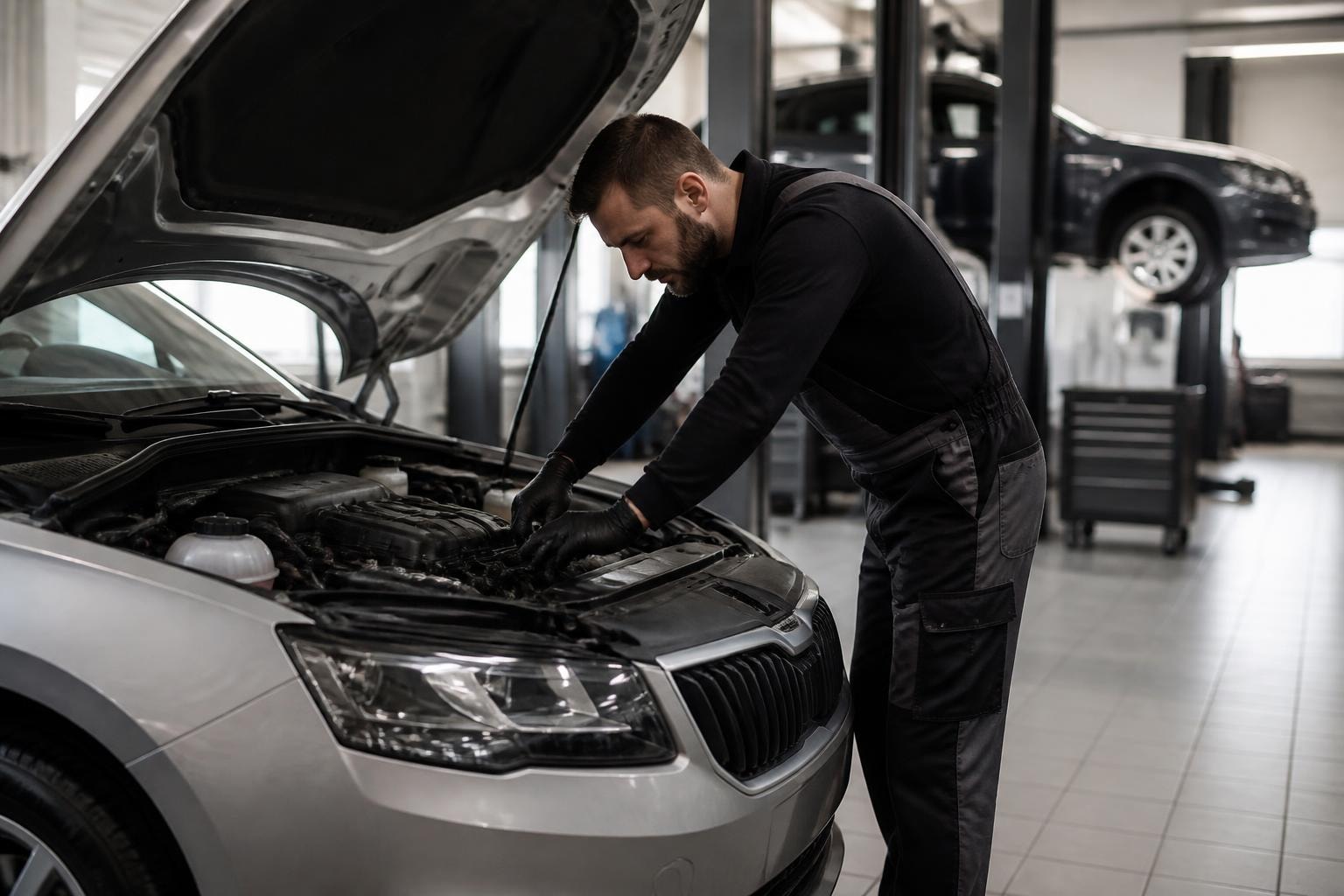


Imagine tackling car care with the confidence and precision of auto specialists. In a rapidly evolving automotive world, being proactive about vehicle maintenance is more important than ever. This guide is designed to empower you with expert-level strategies so you can address modern car care, maintenance, and troubleshooting like a pro in 2026.
You will discover proven techniques, step-by-step advice, and insider tips that help you save money and extend your car’s lifespan. From essential maintenance tasks to the latest diagnostic tools, you will learn how auto specialists approach every challenge. Get ready to keep your vehicle running smoothly and efficiently.
Mastering Preventive Maintenance: The Foundation of Pro-Level Car Care
Preventive maintenance is the secret weapon of auto specialists, forming the backbone of reliable and long-lasting vehicles. By anticipating wear and addressing small problems before they escalate, you ensure your car’s peak performance and avoid unexpected breakdowns. Every vehicle owner can benefit from adopting the mindset and habits of auto specialists to keep their vehicle running at its best for years to come.
The Value of Preventive Maintenance
Auto specialists know that regular, scheduled care dramatically extends your vehicle’s lifespan. Preventive maintenance includes systematic tasks that keep every system in top shape, directly impacting safety, reliability, and cost of ownership. According to AAA, vehicles receiving routine maintenance experience 40% fewer major repairs than those that do not.
Essential Maintenance Tasks
To match the standards of auto specialists, focus on these core preventive tasks:
- Oil changes and filter replacements
- Checking and topping up fluids (coolant, brake, transmission, power steering)
- Tire rotations and pressure checks
- Brake system inspections and pad replacements
Each of these steps is critical. Missing even one can compromise performance or safety. Auto specialists recommend using only high-quality fluids and parts to maximize results.
Interpreting Service Intervals and Manuals
Your owner’s manual is a roadmap designed by auto specialists for your specific vehicle. It outlines manufacturer-recommended service intervals for every maintenance task. Learning to interpret this manual empowers you to schedule service proactively instead of reactively. Many modern vehicles also include digital reminders, but double-checking with your manual ensures nothing gets overlooked.
The Impact on Value and Safety
Consistent preventive maintenance, as practiced by auto specialists, not only protects your investment but also boosts resale value. Well-maintained cars command higher prices in the used market because buyers trust the history. More importantly, regular care directly enhances safety by ensuring brakes, tires, and critical systems perform as designed.
Common Mistakes to Avoid
Even diligent car owners can fall into these traps:
- Ignoring dashboard warning lights
- Skipping scheduled services
- Using low-quality fluids or parts
- Overlooking tire maintenance
Auto specialists emphasize that neglecting even minor tasks can lead to expensive repairs later.
Cost Savings: A Real-World Example
Consider two similar vehicles over five years—one maintained by auto specialists, the other with neglected service. The results are striking.
| Maintenance Approach | Average Annual Cost | Major Repairs in 5 Years | Resale Value (Year 5) |
|---|---|---|---|
| Regular (Specialist) | $500 | 1 | $15,000 |
| Neglected | $1,200 | 4 | $10,000 |
Routine care, as recommended by Preventive maintenance reduces operational costs, can lower operational expenses by 12-15% and reduce long-term repair bills substantially.
DIY Maintenance: Tools and Products
Auto specialists rely on the right tools for every job. For at-home preventive care, consider investing in:
- Torque wrench (for precise tightening)
- OBD-II scanner (for diagnostics)
- High-quality fluids and filters
- Tire pressure gauge
- Basic socket and wrench set
Having these essentials on hand means you can handle many tasks yourself, saving time and money while following the example set by auto specialists.
Preventive maintenance is not just a routine—it is a philosophy that auto specialists live by. By adopting their approach, you ensure your vehicle remains reliable, valuable, and safe for every journey.
Diagnosing Issues Like a Specialist: Tools and Techniques for 2026
Becoming adept at diagnosing car issues is a hallmark of auto specialists. With technology advancing rapidly, understanding and using modern diagnostic tools is vital for every car owner. The right approach can save you time, money, and prevent minor problems from escalating.

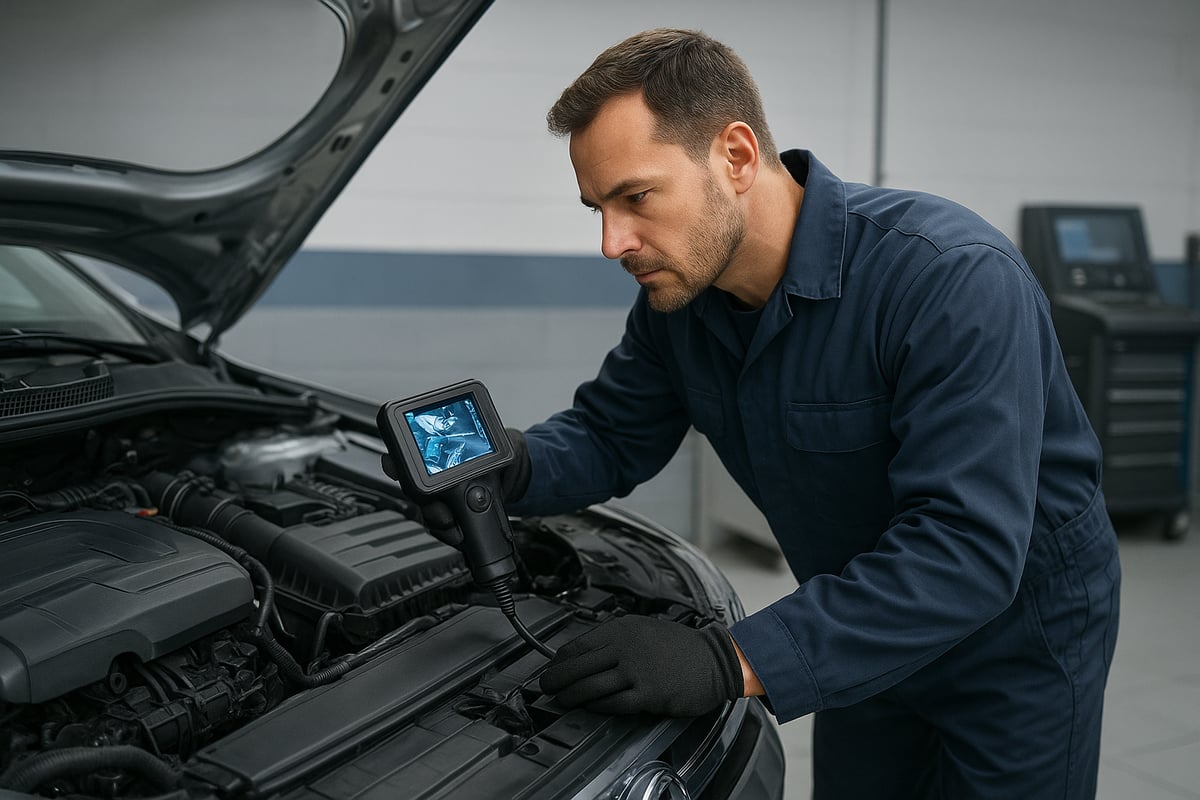
Modern diagnostic tools have transformed how auto specialists identify problems. Today’s essentials include OBD-II scanners, Bluetooth diagnostic adapters, mobile apps, and wireless sensors. These devices allow quick access to vehicle data, making it easier to pinpoint issues before they become costly repairs.
A comparison table of essential diagnostic tools:
| Tool Type | Purpose | User Level |
|---|---|---|
| OBD-II Scanner | Reads engine and system codes | Beginner/Pro |
| Bluetooth Adapter | Wireless diagnostics via smartphone | Beginner/Pro |
| Mobile App | Interprets codes, tracks history | Beginner |
| Wireless Sensors | Monitor battery, tire, and fluids | Beginner/Pro |
Recognizing dashboard warning lights is an essential skill for auto specialists and car owners alike. When a warning light illuminates, it signals that your vehicle’s computer has detected something unusual. Common lights include the check engine, ABS, airbag, and battery indicators.
To interpret these lights:
- Check your owner’s manual for symbol meanings.
- Note if the light is flashing (urgent) or solid (less urgent).
- Don’t ignore persistent warnings, as they can signal underlying issues.
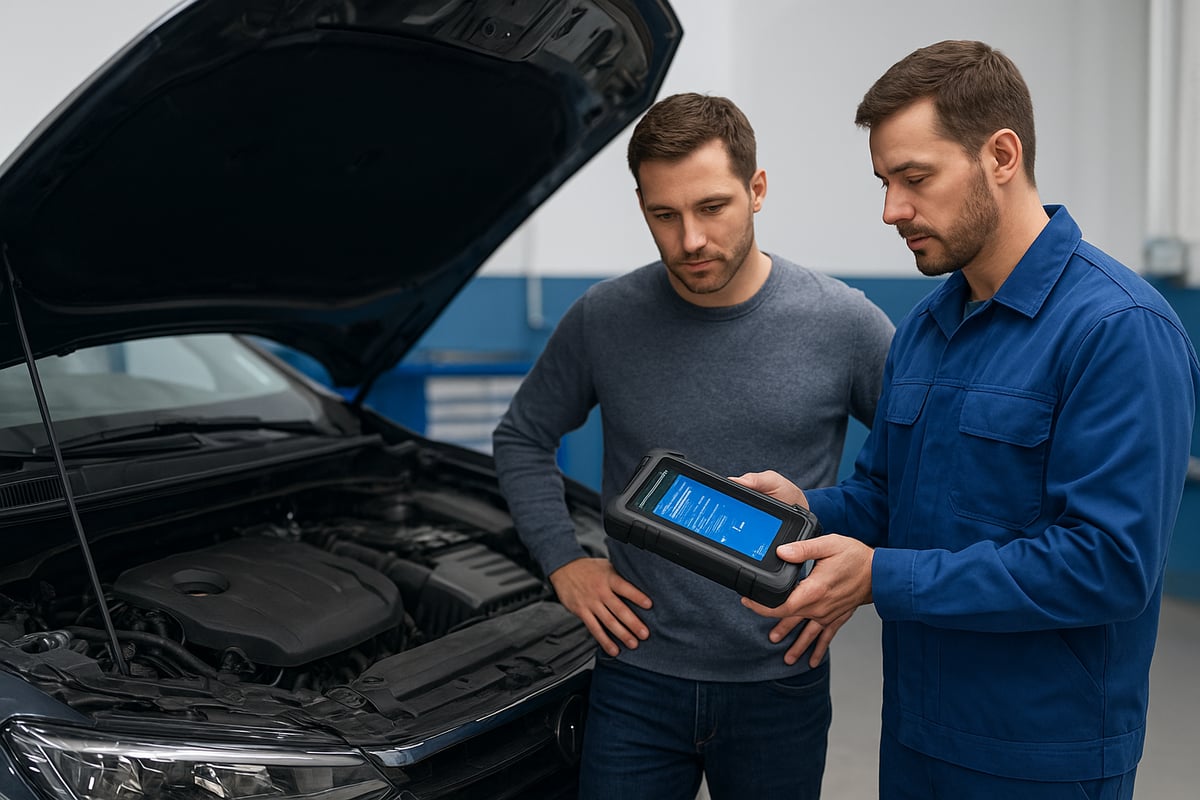
Using a diagnostic scanner is a straightforward process that brings you closer to the expertise of auto specialists. Here is a step-by-step guide:
- Locate your car’s OBD-II port (usually under the dashboard).
- Plug in the scanner or Bluetooth adapter.
- Turn on the ignition, then launch your diagnostic app or power up the scanner.
- Read the codes displayed, noting any stored or pending issues.
- Reference the code descriptions in your app or manual to understand the problem.
- Clear codes if appropriate, and retest after repairs.
AI-powered diagnostic platforms are changing the game for auto specialists. These advanced systems offer real-time analysis, predictive maintenance, and even suggest repairs based on big data. Their reliability is increasing each year, reducing guesswork and improving accuracy. For example, using a Bluetooth OBD-II device, you can connect to your smartphone, receive instant diagnostic reports, and track ongoing issues. Learn more about cutting-edge AI-powered car diagnostic tools that bring professional-level insights to your garage.
Keeping detailed documentation is a habit shared by leading auto specialists. Maintain a log of all maintenance, repairs, and diagnostic codes. This record helps you spot patterns, supports warranty claims, and boosts resale value. According to Consumer Reports, 65% of car owners who use diagnostic tools catch problems earlier, leading to safer and more reliable vehicles.
Embracing these tools and techniques will elevate your approach to car care. By thinking like auto specialists, you can spot issues sooner, make informed decisions, and ensure your vehicle remains in top condition for years to come.
Step-by-Step Guide: Navigating Common Car Care Scenarios
Every car owner faces unexpected situations, but with the right approach, you can handle them like auto specialists. This practical guide walks you through six common scenarios, providing actionable steps to keep your vehicle safe and reliable.
Step 1: Responding to Warning Lights
When a dashboard warning light appears, auto specialists recommend staying calm and acting promptly. First, identify the light: is it the check engine, oil, brake, or tire pressure indicator?
If the check engine light is flashing, pull over safely and turn off the engine. A solid light means you can drive short distances but schedule a diagnostic soon. For oil or brake lights, stop and inspect levels, as driving further may cause damage.
Auto specialists always record the event and consult the owner's manual or an OBD-II scanner for details. This simple process helps prevent costly repairs and ensures your safety.
Step 2: Handling Unusual Noises and Vibrations
Unusual sounds can signal hidden issues. Auto specialists advise listening closely: are you hearing squealing brakes, clunking suspension, or grinding from the drivetrain?
Use this quick reference table to help identify the source:
| Noise Type | Likely Cause | Action Needed |
|---|---|---|
| Squealing | Worn brake pads | Inspect or replace pads |
| Clunking | Suspension components | Check for loose parts |
| Grinding | Transmission/drivetrain | Seek immediate help |
If noises persist, contact Comprehensive servicing and repairs for a professional assessment. Auto specialists stress that ignoring these signs can lead to major failures.
Step 3: Managing Fluid Leaks
Fluid leaks should never be ignored. Auto specialists recommend checking under your car for puddles or stains. Identify leaks by color and smell:
- Green or orange (sweet smell): Coolant
- Red or brown (oily): Transmission or engine oil
- Clear or light brown: Brake fluid
Promptly clean up spills and use absorbent materials. For coolant leaks, avoid driving until the system is checked. Auto specialists suggest keeping a maintenance log and noting any recurring issues for your next service visit.
Step 4: Addressing Battery and Electrical Issues
Battery or electrical failures are common, especially in extreme weather. Auto specialists advise checking for symptoms like dim lights, slow starts, or warning icons.
To jump-start safely, connect cables in this order: positive to positive, negative to ground. Use a multimeter to test battery voltage (12.6V is healthy). If the issue returns, inspect the alternator, as failing units often mimic battery problems.
Auto specialists also recommend regular battery checks during seasonal maintenance to prevent roadside emergencies.
Step 5: Dealing with Flat Tires and Tire-Related Problems
A flat tire can disrupt any journey. Auto specialists recommend pulling over to a safe spot and turning on hazard lights. Use a jack and wrench to remove the wheel, then install the spare or use a tire repair kit.
Always check tire pressure and tread depth before driving away. Tighten wheel nuts with a torque wrench to the manufacturer's specs. Auto specialists know that proper tire care enhances safety and fuel efficiency, reducing the risk of blowouts.
Step 6: Preparing for Road Trips and Long Drives
Before any long drive, auto specialists run through a pre-trip checklist:
- Inspect fluid levels (oil, coolant, brake, washer)
- Examine belts, hoses, wipers, and lights
- Check tire pressure and tread
- Pack an emergency kit (jumper cables, flashlight, first aid)
A quick safety check prevents unexpected breakdowns and keeps you confident on the road. Auto specialists emphasize that preparation is the key to a smooth, stress-free journey.
Maximizing Cost Savings: Pro Strategies for Affordable Car Care
Achieving affordable car care is a goal every vehicle owner shares. Smart strategies, guided by the experience of auto specialists, can deliver significant savings without compromising reliability or safety.

The first step in maximizing savings is prioritizing repairs and maintenance tasks. Auto specialists recommend addressing critical safety items, such as brakes and tires, before cosmetic or optional upgrades. This approach ensures your investment goes toward extending your vehicle’s lifespan and reducing the risk of costly breakdowns. A well-planned maintenance schedule also helps you avoid the expensive consequences of deferred care. In fact, recent statistics reveal that 41% of vehicles nationwide are overdue for essential maintenance, highlighting the value of staying proactive.
Preventative care is the foundation of long-term cost reduction. By following manufacturer guidelines and scheduling regular inspections, you can catch minor issues before they escalate. Auto specialists emphasize that preventative maintenance can lower your total ownership costs by up to 25%, according to Edmunds. Routine oil changes, fluid checks, and timely filter replacements keep your engine running efficiently, improve fuel economy, and enhance resale value.
Sourcing quality parts is another area where your choices impact your wallet. Consider the comparison below:
| Factor | OEM Parts | Aftermarket Parts |
|---|---|---|
| Quality Assurance | High, meets manufacturer’s standards | Varies, research required |
| Warranty Impact | Maintains vehicle warranty | May void warranty if subpar |
| Cost | Higher upfront cost | Lower upfront cost |
| Availability | Dealer-specific | Widely available |
Auto specialists suggest balancing cost with quality. While aftermarket parts can offer savings, always verify compatibility and reputation. For complex systems, investing in OEM parts often pays off in reliability.
To further control expenses, take advantage of service bundles and loyalty programs offered by reputable workshops. Bundled services, such as combined oil changes and brake inspections, often come at a discounted rate compared to individual pricing. Over a year, these packages can add up to hundreds of dollars in savings.
Consider these cost-saving strategies recommended by auto specialists:
- Stick to a maintenance schedule tailored to your vehicle’s needs.
- Compare quotes from multiple providers before authorizing work.
- Bundle services where possible.
- Join loyalty or rewards programs for repeat discounts.
- Learn simple DIY tasks, like replacing wiper blades or cabin filters.
Weighing DIY versus professional servicing is essential for your budget and safety. While some tasks, such as changing air filters or installing new bulbs, are suitable for most owners, complex repairs like transmission work are best left to certified auto specialists. Factor in the cost of tools, your skill level, and potential warranty implications before deciding. Sometimes, professional service is the most economical choice in the long run.
In summary, affordable car care is within reach when you approach maintenance with the mindset of auto specialists. By prioritizing essential repairs, investing in preventative care, sourcing the right parts, and leveraging service bundles, you protect both your vehicle and your finances.
The Future of Car Care: Trends and Innovations for 2026
The automotive world is on the brink of a technological revolution. As vehicles become more connected and intelligent, auto specialists are adapting to new challenges and opportunities. In 2026, car care is not just about routine maintenance, but also about harnessing the power of data and automation.
Connected cars are now equipped with sensors and onboard computers that communicate in real time. This allows auto specialists to access remote diagnostics, monitor vehicle health, and even update software without a physical visit. Predictive maintenance is transforming the industry, using AI and big data to anticipate problems before they occur. Platforms like AI-driven vehicle condition monitoring are leading the way, enabling early detection of issues and reducing unexpected breakdowns.
Electric vehicles have introduced new maintenance routines. Unlike traditional cars, EVs require less frequent servicing for items like oil changes but demand specialized care for batteries and power electronics. Auto specialists must now master both conventional and EV systems, as the lines between mechanical and digital expertise continue to blur. Over-the-air updates are also reducing the need for dealership visits, allowing technicians to perform fixes and enhancements remotely.
Mobile servicing and on-demand repair apps are reshaping convenience. Drivers can schedule maintenance or diagnostics from their smartphones, and auto specialists can arrive equipped with digital tools for quick resolutions. Remote diagnostics are expected to be present in 30 percent of vehicles by 2026, according to Statista. This shift empowers both car owners and professionals, letting issues be addressed quickly and efficiently.
Sustainability is also at the core of future car care. Eco-friendly fluids, recycling programs, and green-certified workshops are becoming standard. Auto specialists are adopting practices that reduce environmental impact, from using biodegradable cleaners to promoting responsible disposal of batteries and parts. For those seeking expertise in maintaining advanced European vehicles, European vehicle servicing experts are staying ahead of these trends, offering tailored solutions for the latest models. As technology and sustainability go hand in hand, the future of car care is bright for both specialists and drivers.
Building Your Pro-Level Car Care Toolkit
Every vehicle owner can benefit from assembling a toolkit that rivals the preparation of auto specialists. Whether you handle basic maintenance or take on advanced repairs, the right equipment and resources transform car care from guesswork into a streamlined, expert process.
Must-Have Tools for Every Owner
Auto specialists always recommend starting with the essentials. Your foundation should include a hydraulic jack, sturdy jack stands, jumper cables, a portable tire inflator, and a reliable multimeter.
Add an OBD-II scanner to read diagnostic codes, and a torque wrench for precise fastener tightening. These tools empower you to address common issues quickly and safely, mirroring the efficiency of auto specialists.
- Hydraulic jack and jack stands
- Jumper cables
- Portable tire inflator
- OBD-II scanner
- Torque wrench
- Multimeter
By keeping these basics on hand, you reduce the risk of unexpected breakdowns and improve your readiness for roadside emergencies.
Advanced Gear for Enthusiasts
If you are keen to expand your skills, consider adding advanced tools used by auto specialists. Specialty socket sets, brake bleeder kits, and wireless diagnostic sensors enhance your ability to tackle complex repairs.
A digital inspection camera helps you see into tight spaces, while a battery tester offers quick assessments of your vehicle’s electrical health. For those inspired by the expertise of professionals, learning from resources like Meet our certified technicians can inform your toolkit choices and maintenance approach.
| Tool | Use Case | Pro Tip |
|---|---|---|
| Digital Inspection Camera | Visual checks in tight spaces | Use for leak detection |
| Wireless OBD-II Scanner | Real-time diagnostics | Connect via smartphone |
| Brake Bleeder Kit | Fluid replacement | Essential for safety |
Digital Resources and Tracking
Auto specialists increasingly rely on digital resources. Download reputable car care apps for step-by-step guides, service reminders, and troubleshooting support. Join online forums to exchange advice and solutions with fellow enthusiasts.
Maintain a digital logbook or use spreadsheet templates to track repairs, part replacements, and scheduled maintenance. This documentation not only keeps you organized but also boosts your vehicle’s resale value by showing a history of attentive care.
Organizing Your Toolkit
A well-organized toolkit is crucial for efficiency and safety, a principle valued by auto specialists. Use labeled storage bins, magnetic trays, and foam inserts to keep tools accessible and prevent loss.
Always include safety gear: heavy-duty gloves, protective goggles, and a fire extinguisher. Store your maintenance logbook in a waterproof folder. Set a routine to clean and inspect your toolkit, ensuring every item is ready when needed.
With the right preparation, you can approach car care challenges with the assurance and capability of auto specialists.
Now that you’ve learned how to approach car care with specialist-level confidence—from mastering preventive maintenance to knowing when to call in the pros—why not put your new knowledge into practice with a team you can trust? If you drive a Volkswagen, Audi, Mercedes, BMW, or Skoda in Auckland’s North Shore, VODIS Automobile’s expert technicians are ready to help you maximize your car’s performance and longevity. Feel free to take the next step and Book in your service—it’s a smart move for your peace of mind and your vehicle’s future.