
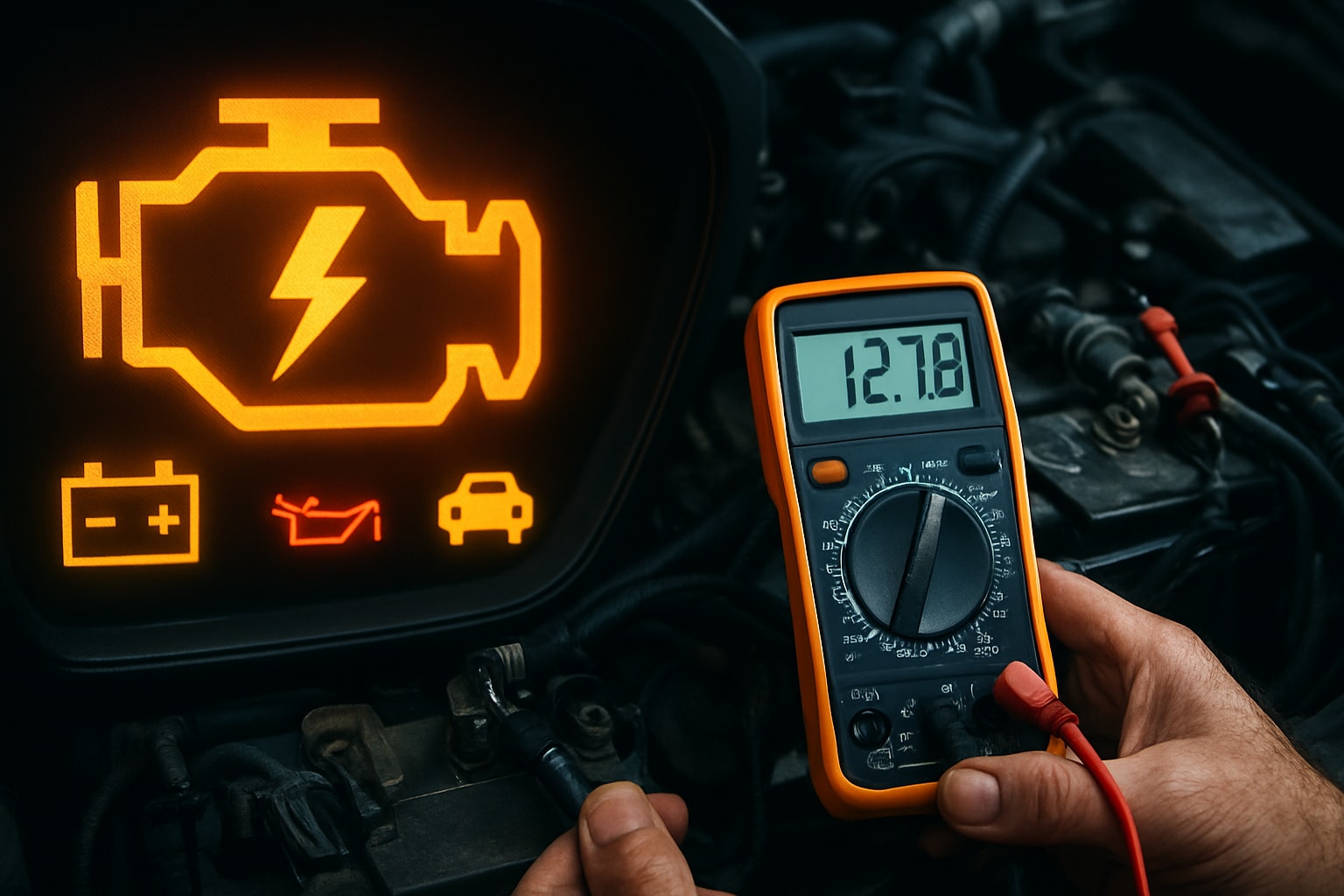
Facing mysterious dashboard lights or malfunctioning electronics in your car? You are not alone. Modern vehicles depend more than ever on complex electrical systems, making issues both common and confusing. This expert guide is designed to demystify automobile electrical repair for 2026, giving you the knowledge needed to identify, diagnose, and resolve common electrical challenges. We will explore core system fundamentals, troubleshooting steps, essential tools, and future trends. Ready to master your vehicle’s electrical health? Let us begin your journey to confident repairs and reliable performance.
Understanding Modern Automobile Electrical Systems
Modern vehicles are technological marvels, with intricate electrical networks powering everything from ignition to advanced safety features. To succeed in automobile electrical repair, it is essential to grasp how these systems interact and what makes them unique in 2026.
Key Components and Their Functions
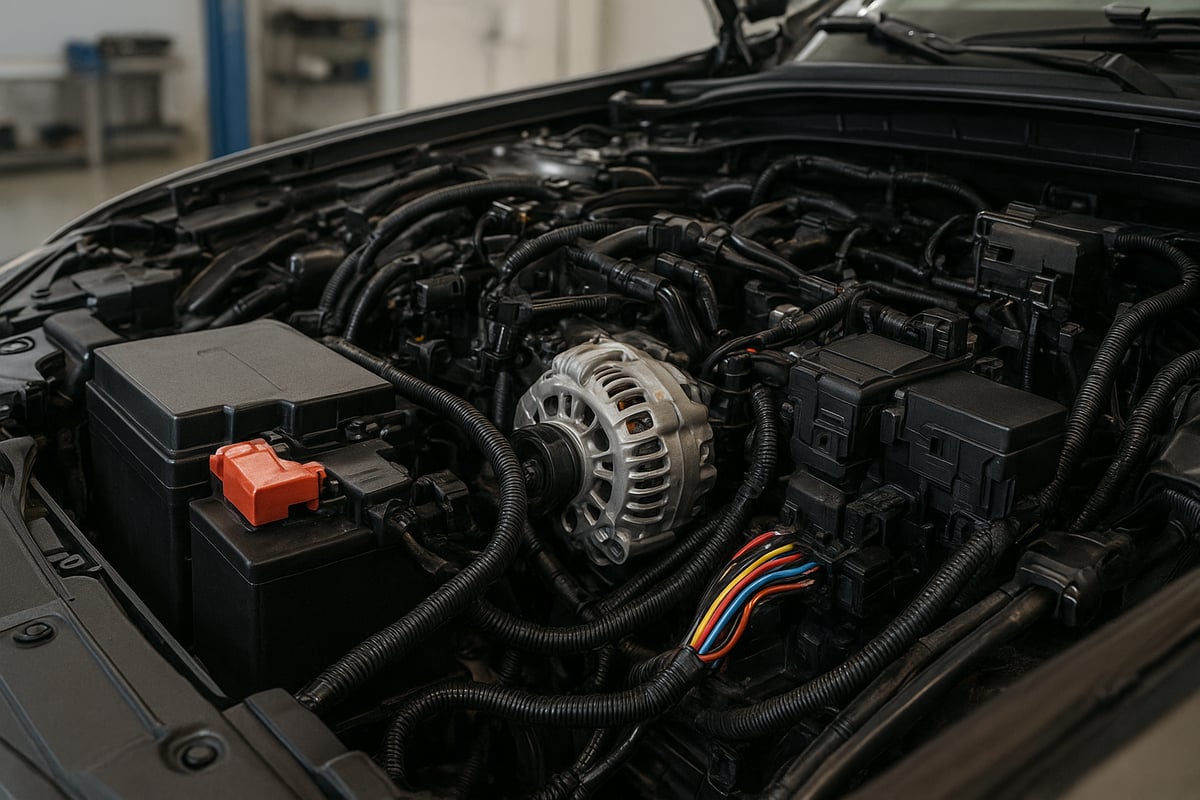
At the heart of every automobile electrical repair are the key components that keep your car running smoothly. The battery stores energy, supplying power to start the engine and run electronics when the vehicle is off. The alternator generates electricity while the engine runs, recharging the battery and supporting electrical loads. The starter motor initiates engine operation, drawing significant current from the battery.
Wiring connects all electrical devices, enabling communication and power distribution. Fuses and relays protect circuits from overloads and control high-current devices safely. In 2026 vehicles, the Engine Control Unit (ECU) acts as the system's brain, processing sensor data to optimize performance, emissions, and safety.
Advanced driver-assistance systems (ADAS) and infotainment units now integrate seamlessly with core electronics. These features rely on a network called the CAN bus, which allows multiple control modules to communicate efficiently over shared wiring. Multiplex wiring reduces complexity but increases the need for specialized knowledge during automobile electrical repair.
A real-world example illustrates this complexity: a failing alternator can mimic battery failure, leading to misdiagnosis if the system is not fully understood. Data shows that over 80% of new cars in 2026 feature at least 40 onboard computers, highlighting the rapid growth in system sophistication. As the Automotive electrical distribution system market insights show, the expansion of these networks demands up-to-date expertise for accurate repairs.
Understanding each component's function is critical. Accurate automobile electrical repair relies on identifying how modules interact, which sensors feed data to which systems, and how communication errors can trigger warning lights or performance issues.
Common Electrical Issues in 2026 Vehicles
With increased complexity comes a new set of challenges for those tackling automobile electrical repair. Dashboard warning lights are the most visible sign of trouble, often triggered by issues ranging from simple blown fuses to malfunctioning sensors.
Battery drain and charging problems are common, especially in vehicles loaded with advanced technology that draws power even when parked. Malfunctioning sensors, such as oxygen or mass airflow sensors, can disrupt engine performance and fuel efficiency.
Short circuits and blown fuses are more likely in high-tech vehicles due to the sheer number of electronic devices and connections. For instance, a recurring check engine light might be caused by a faulty oxygen sensor that sends incorrect data to the ECU, leading to unnecessary repairs if not properly diagnosed.
These issues highlight the importance of regular inspections and a systematic approach to automobile electrical repair. Understanding the root cause of electrical problems saves time, money, and prevents further complications.
Step-by-Step Troubleshooting: Diagnosing Electrical Problems
Diagnosing electrical issues in modern vehicles requires a methodical approach. With automobile electrical repair, accuracy and safety are essential at every step. Understanding the right troubleshooting process can save time and prevent further damage.
Preliminary Checks and Safety Precautions
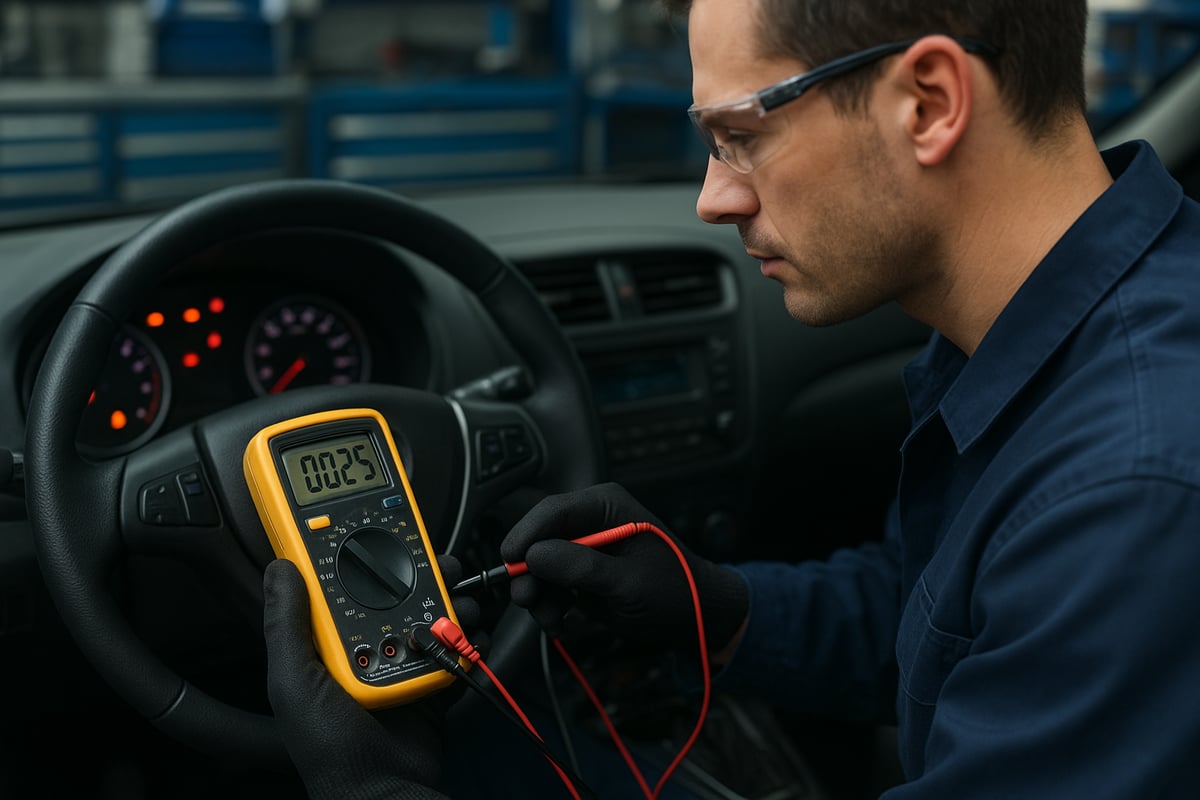
Before starting any automobile electrical repair, always prioritize safety. Disconnect the negative terminal of the battery to prevent accidental short circuits or electric shocks. For hybrid or electric vehicles, refer to the manufacturer’s guidelines, as high-voltage systems require extra caution. Always wear insulated gloves and eye protection when working with live circuits.
Inspect the work area for flammable materials. Ensure you have a fire extinguisher rated for electrical fires nearby. Use insulated tools to minimize risk. Never attempt repairs in wet or damp conditions, as moisture increases the risk of electric shock.
For modern vehicles, recognize that some systems remain energized even when the ignition is off. Hybrid and EVs often store energy in capacitors, so wait the recommended time after disconnecting the battery before handling any high-voltage components. Following these safety protocols is a foundational step for successful automobile electrical repair.
Systematic Diagnosis Process
A structured approach is vital for effective automobile electrical repair. Begin with a thorough visual inspection. Look for loose, corroded, or damaged wires and connectors. Check for signs of overheating or melting on fuse boxes and relays. A digital multimeter is essential for testing voltage and continuity in suspect circuits.
Next, test all relevant fuses and relays. Remove each fuse and inspect for breaks. Use the multimeter to confirm continuity. For relays, check for proper switching operation. If a circuit repeatedly blows fuses, this may indicate a short circuit or an overloaded accessory.
Use an OBD-II scanner to read diagnostic trouble codes from the vehicle’s ECU. These codes help pinpoint faulty sensors or modules. Combine code readings with symptom analysis to narrow down the root cause. For example, a no-start issue could be traced to a dead battery, faulty starter, or ignition switch. Following a logical diagnostic flowchart ensures each step in the automobile electrical repair process is accurate and thorough.
Advanced Troubleshooting Techniques
When basic checks do not reveal the problem, more advanced methods are required for automobile electrical repair. Voltage drop testing can identify resistance in wires or connectors that cause intermittent faults. Connect the multimeter across suspected points and compare readings to specifications.
Data loggers help trace faults that occur sporadically. By recording voltage and current over time, these tools reveal patterns that standard tests may miss. Diagnosing CAN bus communication errors is increasingly important in 2026 vehicles. Use a CAN bus analyzer to check for missing messages or signal interference.
According to industry reports, 65% of electrical faults in modern vehicles are linked to wiring or connectivity issues. This highlights the importance of systematic and advanced testing methods in automobile electrical repair, especially as vehicle systems grow more complex.
When to Seek Professional Help
While many automobile electrical repair tasks can be done at home, some problems require professional expertise. Complex issues involving airbag systems, advanced driver-assistance modules, or high-voltage battery packs should only be handled by certified technicians. Attempting these repairs without the right tools or training risks further damage or voiding warranties.
If the root cause remains unclear after following standard troubleshooting steps, it is wise to consult a specialist. Professional workshops use advanced diagnostic equipment and have access to manufacturer-specific repair data. For a comprehensive overview of available electrical repair services, visit the full list of repair services to find solutions tailored to your vehicle’s needs.
Prioritizing safety and knowing when to seek help ensures your vehicle’s electrical health is maintained correctly.
Essential Tools and Equipment for Electrical Repairs
Equipping yourself with the right tools is the first step toward mastering automobile electrical repair. Modern vehicles demand more than a basic toolkit, especially as technology advances and electrical systems grow increasingly complex. Whether you are a seasoned technician or a passionate DIYer, understanding which instruments are essential—and why—will set the foundation for safe, effective repairs.
Must-Have Diagnostic Tools
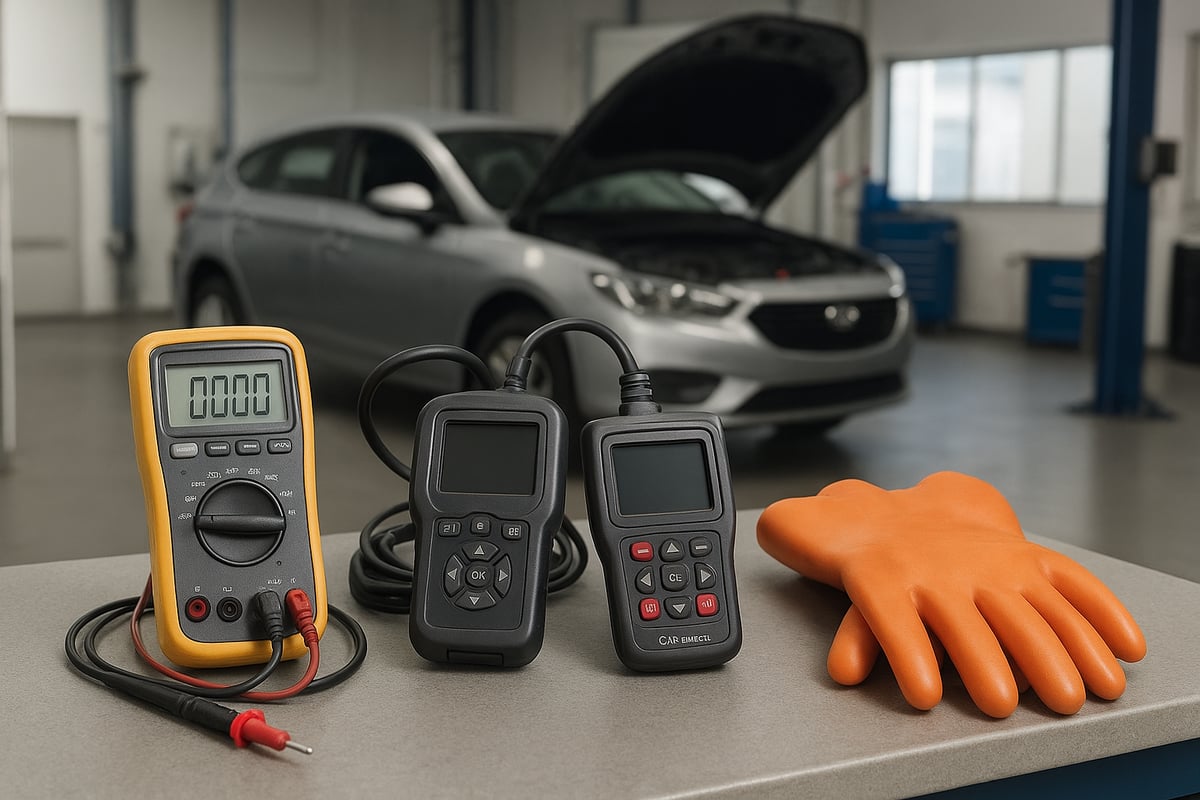
No automobile electrical repair can begin without a core set of diagnostic instruments. A digital multimeter is indispensable for measuring voltage, current, and resistance in circuits. This tool helps you quickly pinpoint issues such as battery drain or faulty connections.
An OBD-II scanner is equally essential. It accesses your car’s onboard diagnostics, allowing you to retrieve fault codes and live data from various control modules. With modern vehicles featuring dozens of interconnected systems, this device is crucial for quick assessments.
Add a power probe to your toolkit for efficient circuit testing. It can supply voltage or ground to components, making it easier to test switches, relays, and wiring integrity. Basic hand tools like wire strippers, crimpers, and a soldering kit are also vital for reliable repairs and connections.
- Digital multimeter
- OBD-II scanner
- Power probe
- Wire strippers and crimpers
- Soldering kit
With these tools, you can approach most basic automobile electrical repair tasks with confidence.
Specialized Tools for 2026 Vehicles
As vehicle technology evolves, so too must your toolkit. For 2026 models, specialized equipment is often required for comprehensive automobile electrical repair. CAN bus analyzers are now standard for diagnosing communication errors on multiplexed networks, which are the backbone of modern car electronics.
Battery testers designed for AGM and lithium-ion batteries are necessary to accurately assess the health of advanced energy storage systems, especially in hybrids and electric vehicles. Insulation testers help you safely check high-voltage circuits, which are increasingly common in newer models.
Leading brands, like Volkswagen, often integrate advanced electrical architectures that demand expert-level tools and knowledge. For those servicing such vehicles, resources like the Volkswagen electrical servicing guide provide valuable insight into brand-specific requirements and best practices.
- CAN bus analyzer
- AGM/lithium battery tester
- High-voltage insulation tester
Investing in these specialized tools ensures you stay ahead in automobile electrical repair for next-generation vehicles.
Tool Maintenance and Calibration
Owning advanced tools is not enough; their accuracy and reliability are crucial for effective automobile electrical repair. Regular calibration of digital multimeters, battery testers, and analyzers is essential to avoid misdiagnosis. Even a slight deviation in readings can lead to unnecessary part replacements or overlooked faults.
Proper storage of tools protects them from moisture, dust, and accidental damage. Use dedicated cases and keep sensitive instruments away from magnets or extreme temperatures. Clean contacts and probes after each use to maintain measurement integrity.
Consider this: a miscalibrated multimeter could mislead you during a crucial diagnostic step, causing delays or errors. Establish a routine for tool inspection and calibration, and always reference manufacturer guidelines for maintenance intervals.
By prioritizing tool care, you ensure every automobile electrical repair is performed with precision and confidence.
Expert Repair Solutions for Common Electrical Problems
Modern vehicles present unique challenges for anyone tackling automobile electrical repair. From advanced battery technologies to intricate sensor networks, effective solutions require both technical knowledge and precision. In this section, we break down the most common electrical problems and provide expert strategies to resolve them.
Battery and Charging System Repairs
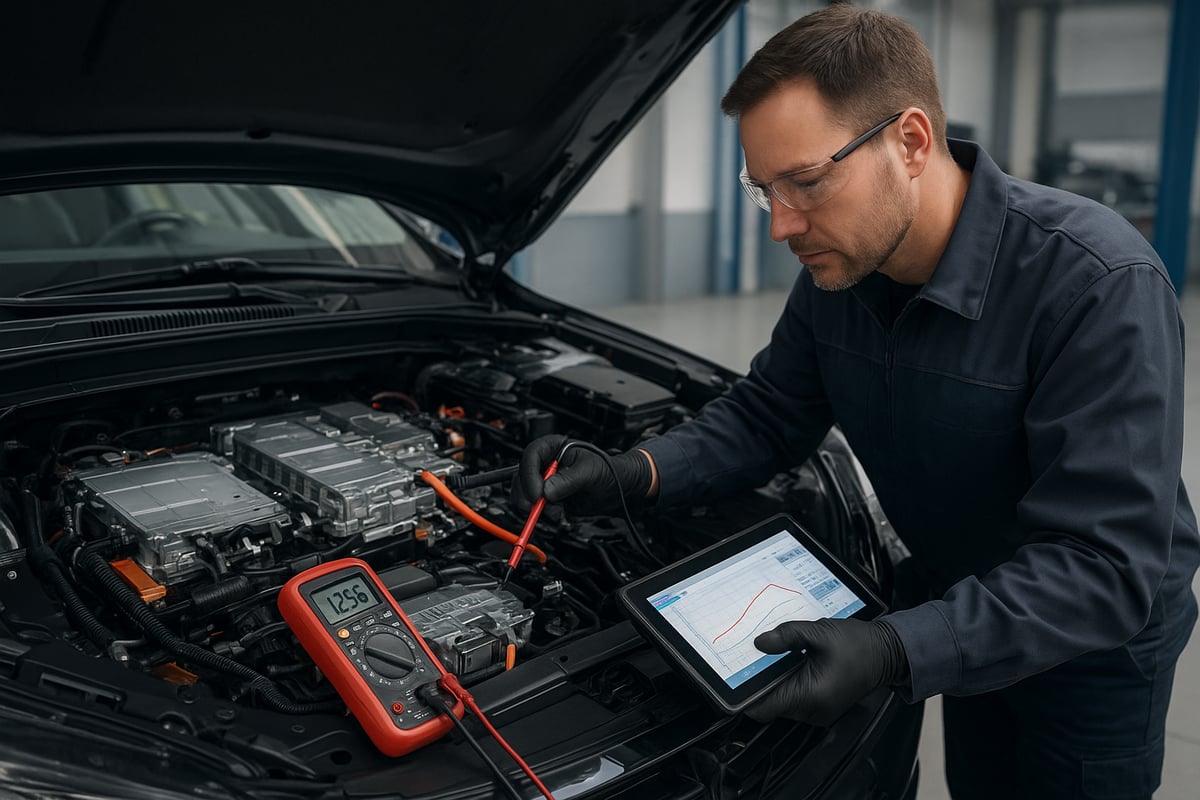
Battery and charging system issues are a frequent cause of automobile electrical repair needs. In 2026, vehicles use advanced batteries such as AGM and lithium-ion, each requiring specific handling. Always begin by disconnecting the negative terminal before any service. Use a battery tester to assess the state of charge and health. If the battery fails to hold a charge, inspect for parasitic drains by measuring current draw while the vehicle is off.
Diagnosing alternator or voltage regulator failures involves checking output voltage with a multimeter. If the charging system underperforms, inspect the serpentine belt and alternator connections. Parasitic loads, such as modules that do not enter sleep mode, can drain batteries overnight. Identifying these requires patience and systematic testing.
With electric vehicles rapidly becoming mainstream, the complexity of automobile electrical repair in this area is growing. According to Gartner forecasts 116 million EVs by 2026, EV adoption is accelerating, making expertise in high-voltage battery systems essential. Always follow manufacturer protocols for safe handling and disposal of batteries.
Wiring and Connector Repairs
Wiring problems are a leading source of automobile electrical repair. Begin with a visual inspection for corrosion, frayed insulation, or broken wires. Use a multimeter to check continuity and locate open circuits. Corroded connectors often cause intermittent faults. Clean terminals with contact cleaner and apply dielectric grease to prevent future issues.
When repairing wires, use proper splicing techniques. Soldered joints provide the most reliable connection, but high-quality crimp connectors are also acceptable. Insulate all repairs with heat-shrink tubing to avoid moisture ingress. For critical circuits, always use OEM connectors, as aftermarket alternatives may not meet the same standards for fit and conductivity.
Below is a quick comparison of connector types:
| Connector Type | Pros | Cons |
|---|---|---|
| OEM | Reliable, precise fit | Higher cost |
| Aftermarket | Readily available, affordable | May not fit perfectly |
Meticulous attention to wiring and connectors ensures the longevity of any automobile electrical repair.
Sensor and Module Replacements
Faulty sensors account for nearly 30% of all electrical issues in 2026 vehicles, making sensor replacement a critical aspect of automobile electrical repair. Begin with a diagnostic scan to pinpoint malfunctioning sensors, such as oxygen (O2), mass airflow (MAF), or wheel speed sensors. Always disconnect the battery and follow static discharge precautions before removing sensitive electronics.
When replacing a sensor, match the part number exactly and avoid touching sensor elements with bare hands. After installation, some modules require programming or reinitialization with a scan tool. This is especially true for control modules that manage engine, transmission, or safety systems.
If a sensor-related fault persists after replacement, check for wiring or connector issues before concluding a module is defective. Document error codes and corrective actions to establish a clear repair record, which is vital for warranty claims and ongoing vehicle history.
Addressing Lighting and Accessory Failures
Lighting and accessory malfunctions are increasingly complex in modern automobile electrical repair. LED and adaptive lighting systems require specialized diagnostics. If a headlight fails intermittently, start by checking ground connections and wiring harnesses for corrosion or loose contacts.
For power windows, locks, or infotainment issues, use a wiring diagram to trace circuits. Test switches and motors with a power probe or multimeter. Often, a blown fuse or faulty relay is the culprit, but damaged wiring within door harnesses is also common.
When replacing bulbs or modules in lighting systems, ensure compatibility with the vehicle's electronic control units to prevent warning lights or flickering. Secure all connectors and protect exposed wiring with loom or tape to guard against vibration and moisture.
Addressing these failures with a systematic approach ensures safe and reliable operation, reinforcing the importance of expert automobile electrical repair.
Preventative Maintenance and Best Practices for Electrical Systems
Routine preventative maintenance is essential for the longevity and reliability of every modern vehicle. As technology advances, a proactive approach to automobile electrical repair keeps costly breakdowns and unexpected issues at bay. Adopting best practices will help you avoid common pitfalls and ensure your car’s electronics stay in top condition.
Scheduled Inspections and Testing
Regular inspections form the foundation of effective automobile electrical repair. Start with battery checks, looking for corrosion, swelling, or loose terminals. Fuses and wiring should be visually examined for signs of wear or damage.
Diagnostic scans during routine servicing can reveal hidden electrical faults before they escalate. Many service centers now offer comprehensive scans as part of scheduled maintenance, helping you catch issues early. This approach not only preserves system integrity but also supports warranty compliance.
- Check battery voltage and charging status every service interval.
- Inspect all fuses and relays for continuity.
- Use an OBD-II scanner for periodic error code checks.
Staying consistent with these checks is vital for preventing unexpected electrical failures.
Protecting Against Environmental Damage
Environmental factors pose significant risks to automotive electrical systems. Moisture, road salt, and temperature fluctuations can all lead to corrosion and short circuits. Protecting your vehicle from these elements is a key aspect of automobile electrical repair.
Apply dielectric grease to connectors to block moisture and prevent oxidation. Use protective wraps on exposed wiring, especially in areas prone to water ingress. Parking in covered areas and regularly cleaning undercarriages also minimizes corrosion risk.
- Apply dielectric grease to plug connections.
- Use waterproof wraps for vulnerable wires.
- Clean battery terminals and underbody contacts regularly.
By taking simple preventative measures, you can extend the life of your car’s electrical components.
Upgrading and Future-Proofing Electrical Systems
Upgrading your vehicle’s electronics is increasingly common as drivers seek to keep up with new technologies. When considering aftermarket installations, prioritize compatibility and avoid overloading circuits. Firmware and software updates should be performed as recommended by your manufacturer, as these can enhance functionality and security.
With the rising demand for electric vehicle maintenance, being proactive about software patches and module updates is crucial. According to Electric passenger car MRO demand in USA, the need for skilled automobile electrical repair is growing rapidly as EVs become mainstream.
- Schedule software and firmware updates with your dealer.
- Use OEM-approved accessories for upgrades.
- Avoid daisy-chaining multiple aftermarket devices.
Future-proofing ensures your vehicle remains safe and compatible with evolving automotive standards.
Real-World Maintenance Schedules
Manufacturers provide detailed maintenance schedules for electrical systems, tailored to your model and region. European vehicles, for example, often recommend comprehensive electrical inspections every 20,000 kilometers or annually, whichever comes first.
A typical maintenance table might look like this:
| Task | Interval |
|---|---|
| Battery Inspection | Every 6 months |
| Fuse/Relay Check | Every 12 months |
| Diagnostic Scan | Every service visit |
| Wiring Inspection | Annually |
Following these intervals is vital for effective automobile electrical repair. Adhering to recommended schedules reduces the risk of system failures and helps maximize vehicle reliability.
The Future of Automobile Electrical Repair: Trends and Innovations
The landscape of automobile electrical repair is rapidly evolving. As vehicles become more sophisticated, so do the challenges and opportunities for technicians and car owners alike. Staying ahead of these trends is essential for anyone invested in maintaining peak vehicle performance.
Rise of Electric and Hybrid Vehicles
Electric and hybrid cars are reshaping automobile electrical repair. These vehicles rely on high-voltage battery packs, complex battery management systems, and advanced power electronics. Mastery of safe handling procedures and specialized diagnostic techniques is now crucial.
Technicians must understand not only traditional wiring but also the intricacies of inverters and regenerative braking systems. As more manufacturers roll out electric models, the demand for skilled professionals in automobile electrical repair is expected to surge.
AI and Remote Diagnostics
Artificial intelligence is revolutionizing diagnostics in automobile electrical repair. AI-driven software can analyze sensor data, predict component failures, and even recommend preventive maintenance. Remote diagnostics allow technicians to access vehicle data and perform updates without being on-site.
Many brands now use over-the-air updates to fix bugs or enhance features, reducing the need for frequent shop visits. For instance, platforms like Audi advanced diagnostics and repairs illustrate how manufacturers leverage technology for more accurate repairs and streamlined service.
Training and Certification for Technicians
With technology advancing quickly, ongoing education is vital in automobile electrical repair. Today’s technicians must train regularly to keep up with new vehicle software, diagnostic tools, and safety protocols. According to an automotive repair and service market forecast, the global demand for skilled electrical repair professionals is only expected to grow.
Shops increasingly require advanced certification to ensure repairs meet manufacturer standards. This trend highlights the importance of investing in professional development and staying current with evolving automotive technologies.
Consumer Resources and DIY Support
Car owners now have better access to automobile electrical repair resources than ever before. Online manuals, video tutorials, and brand-specific forums empower DIYers to troubleshoot and resolve common electrical issues. Communities dedicated to 2026 vehicles share tips, step-by-step guides, and support for both simple and complex repairs.
As these resources grow, even casual enthusiasts can confidently address minor electrical faults, contributing to a culture of knowledge sharing and continuous learning.
As you’ve seen throughout this guide, today’s European vehicles—from Volkswagen and Audi to Mercedes, BMW, and Skoda—are more advanced than ever, making electrical repairs both crucial and complex. While understanding these systems and tackling some troubleshooting on your own is empowering, there’s real value in having a team of trusted professionals by your side. At VODIS Automobile, our experienced technicians use the latest diagnostic tools and techniques to keep your car’s electrical systems running smoothly—so you can drive with confidence. If you’re ready to give your vehicle the expert care it deserves, Book in your service.