
The year 2026 marks a turning point for car owners and service professionals across Europe and North America. Rapid shifts in technology, stricter regulations, and evolving customer expectations are transforming the european and domestic auto service industry.
Whether you drive a precision-engineered European car or a reliable domestic model, staying informed is essential. This guide delivers up-to-date insights on standards, repair practices, and tools you need to optimize your vehicle’s performance and longevity.
Discover how to adapt, excel, and make the most of every maintenance or repair decision in this new era of automotive care.
Understanding the Differences: European vs. Domestic Vehicles
Understanding the distinctions between European and domestic vehicles is essential for anyone seeking optimal european and domestic auto service. Each segment brings unique engineering, maintenance needs, and service expectations, all of which shape how vehicles are cared for in 2026.
Engineering and Design Distinctions
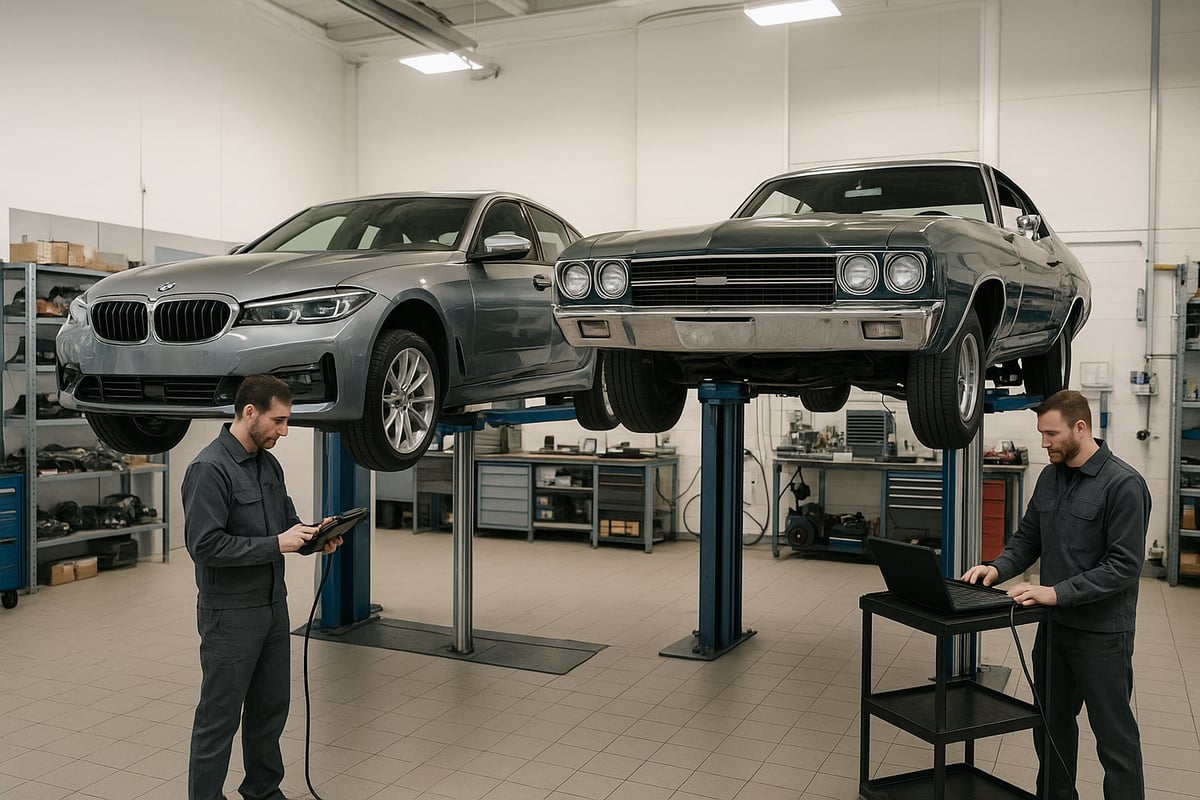
European vehicles are renowned for their precision engineering, performance focus, and advanced features. Brands like BMW often utilize sophisticated suspension systems that enhance handling and ride quality. In contrast, domestic vehicles such as Ford or Chevrolet prioritize durability, ease of maintenance, and broad compatibility. For example, Ford’s robust drivetrain is engineered for longevity and straightforward repairs.
These core differences directly influence european and domestic auto service needs. European vehicles may require more frequent, specialized maintenance, while domestic models often have longer service intervals and simpler upkeep routines.
Parts, Availability, and Costs
Sourcing parts is a fundamental challenge in european and domestic auto service. Genuine parts for European brands can be harder to find, sometimes requiring international shipping or specialized suppliers. Aftermarket options may be limited or less reliable for certain European models, while domestic vehicles benefit from widespread availability of both genuine and aftermarket components.
The cost gap is significant, as shown below:
| Brand | Avg. Annual Maintenance Cost (2025) | Parts Availability |
|---|---|---|
| Audi | $1,200 | Limited, costly |
| Chevrolet | $850 | Readily available |
A 2025 survey found European model parts cost 30% more on average. For more details on comprehensive service options, see European car servicing and repairs. These trends are expected to continue impacting both European and domestic auto service in 2026.
Diagnostic and Repair Complexity
The complexity of diagnostics is another major difference in european and domestic auto service. European vehicles often require specialized diagnostic equipment, like VAG-COM for Volkswagen and Audi brands. Systems such as Mercedes-Benz electrical diagnostics demand advanced technical knowledge.
Domestic brands typically use standardized OBD-II tools, making diagnostics more accessible. However, as technology advances, domestic vehicles are adopting similar complexities, raising technician training requirements industry-wide in european and domestic auto service.
Warranty and Service Intervals
Warranty coverage and service intervals greatly affect european and domestic auto service planning. European manufacturers like Mercedes recommend shorter service intervals and have strict maintenance schedules to maintain warranty validity. Domestic brands, such as Ford, often offer longer intervals and more flexible coverage.
Recent 2026 warranty data shows that adhering to manufacturer schedules can significantly improve long-term reliability for both vehicle types. Proper service scheduling ensures maximum coverage and minimizes out-of-pocket repairs in european and domestic auto service.
Owner Expectations and Experience
There are clear differences in owner expectations within european and domestic auto service. European car owners tend to seek out specialist shops with brand expertise, prioritizing detailed, high-quality service. In 2025, 78% of European car owners chose specialist centers for their vehicles.
Domestic owners, on the other hand, value convenience and cost-effectiveness, frequently selecting local or multi-brand service shops. These preferences directly influence service center choice, satisfaction, and ultimately, the overall european and domestic auto service experience.
2026 Auto Service Trends and Innovations
The landscape of european and domestic auto service is evolving rapidly in 2026. Major shifts in technology, sustainability, digitalization, technician training, and regulations are reshaping how vehicles are maintained and repaired. Staying ahead of these trends is essential for car owners and service professionals who want to maximize efficiency, reliability, and value.
Emerging Technologies in Auto Service
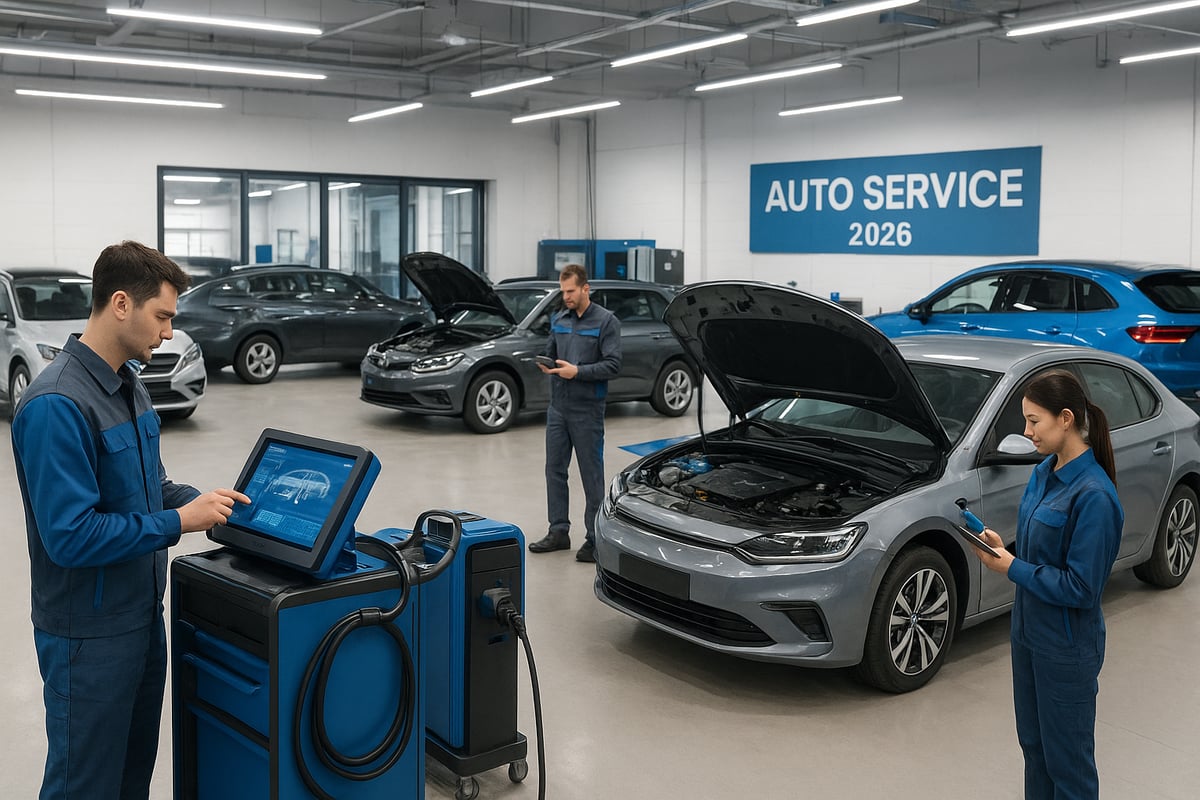
In 2026, european and domestic auto service is driven by cutting-edge technologies. AI-powered diagnostics now pinpoint issues with unprecedented accuracy, reducing guesswork and streamlining repairs. Predictive maintenance systems use real-time data from sensors to forecast component wear, helping owners avoid unexpected breakdowns.
Telematics integration allows remote monitoring of vehicle health. For example, Tesla’s over-the-air updates and Audi’s predictive service alerts enable proactive care without a visit to the shop. These advancements enhance both the speed and quality of service for all vehicle types.
Sustainability and Eco-Friendly Practices
Sustainability is a core focus for european and domestic auto service in 2026. The rise of electric and hybrid vehicles has led to eco-friendly maintenance protocols. Service centers increasingly use recycled parts and biodegradable fluids to minimize environmental impact.
Industry data shows that 40 percent of new European vehicles sold in 2025 were electrified, reflecting a significant shift toward greener transportation. Both European and domestic brands are embracing sustainable practices, from battery recycling to energy-efficient workshops.
Digitalization and Customer Experience
Digital transformation is revolutionizing customer experience in european and domestic auto service. Online booking platforms, digital service records, and real-time updates provide transparency and convenience. Customers can track the progress of their vehicles through portals or mobile apps.
BMW ConnectedDrive, for example, integrates service scheduling and notifications directly into the driver’s dashboard. These enhancements not only save time but also build trust, making it easier for owners to stay on top of maintenance and repairs.
Technician Training and Certification
The complexity of european and domestic auto service requires ongoing technician training. New certifications focus on electric vehicles (EVs) and advanced driver assistance systems (ADAS). As hybrid and electric models become more common, mandatory upskilling ensures technicians can handle high-voltage systems and intricate software.
This investment in education impacts both labor costs and service quality. Well-trained professionals are crucial for safe, efficient repairs, especially as vehicle technology continues to advance.
Regulatory Changes Affecting Service
Regulatory shifts are shaping the future of european and domestic auto service. In 2026, emissions standards in Europe and North America are stricter, compelling service centers to adopt cleaner practices. Right to repair legislation is gaining traction, ensuring independent shops have access to essential tools and data.
A key development is the EU Data Act, which mandates transparent vehicle data access for independents. This regulation empowers more providers to service modern vehicles, supporting consumer choice and competition. For a detailed overview, see the EU Data Act and vehicle data access.
Essential Maintenance Steps for European and Domestic Vehicles
Regular maintenance is the cornerstone of vehicle longevity, regardless of whether you own a European or domestic model. As we move into 2026, both technology and customer expectations are shaping the standards for european and domestic auto service. Understanding the essential steps for proactive care can help you prevent costly repairs, ensure safety, and maximize your vehicle’s value.
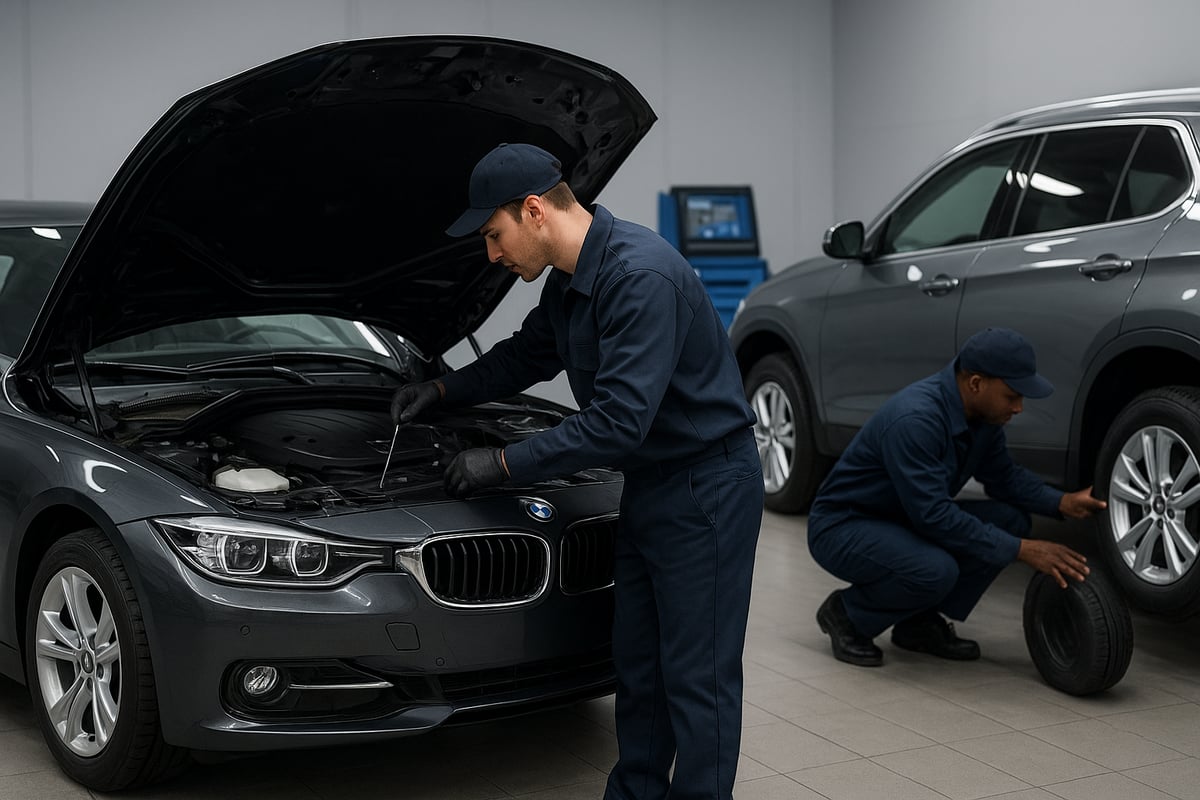
Step 1: Routine Inspections and Fluid Checks
Routine inspections are the foundation of effective european and domestic auto service. Both vehicle types require regular checks of oil, coolant, brake fluid, and windshield washer fluid. However, European brands like Volkswagen often specify longer oil change intervals, while domestic brands such as Chevrolet may recommend more frequent service.
Sample Maintenance Checklist:
- Check engine oil level and quality
- Inspect coolant and radiator hoses
- Examine brake and power steering fluids
- Top up windshield washer fluid
- Visual inspection for leaks and wear
Adhering to the manufacturer’s recommended schedule ensures optimal performance and helps catch issues early. By prioritizing these checks, you support vehicle reliability and safety.
Step 2: Brakes, Tires, and Suspension
Brakes, tires, and suspension systems are critical for safety and driving comfort. European vehicles typically feature high-performance brake systems that demand specialized pads and rotors, which are often more expensive and sensitive to wear. Domestic vehicles, on the other hand, focus on durability and ease of replacement.
Signs that service is needed include squealing brakes, uneven tire wear, or a rough ride. For both categories, regular tire rotations and alignment checks are essential parts of european and domestic auto service.
Key Points to Monitor:
- Brake pad thickness and rotor condition
- Tire tread depth and air pressure
- Suspension bushings and shock absorbers
Prompt attention to these components can prevent more serious mechanical issues and maintain optimal handling.
Step 3: Engine and Transmission Service
Engine and transmission care is a central pillar of european and domestic auto service. European models like Audi frequently require attention to timing belts, which can fail and cause severe engine damage if ignored. Domestic brands such as Ford may experience transmission wear, but often have longer intervals and lower costs for repairs.
According to a 2025 industry study, timely transmission servicing extends lifespan by up to 30 percent across all brands. For detailed brand-specific protocols, refer to resources like Audi maintenance and repairs.
Following the correct intervals for oil changes, timing belt replacements, and fluid flushes significantly reduces the risk of breakdowns.
Step 4: Electrical and Computerized Systems
Modern vehicles are equipped with increasingly complex electrical and computerized systems. European models often include multiplexed wiring, advanced sensors, and CAN bus networks, making diagnostics more involved. Domestic vehicles are rapidly adopting similar technologies, narrowing the gap in service complexity.
Technicians use specialized diagnostic tools for European cars, while OBD-II scanners suffice for many domestic models. Effective european and domestic auto service requires up-to-date tools and training to address issues like faulty sensors or electronic control module errors.
Common repair scenarios include resolving warning lights, fixing window regulators, and updating software for infotainment systems.
Step 5: HVAC and Comfort Features
Climate control and comfort features have become advanced in both European and domestic vehicles. European brands typically provide multi-zone climate systems, heated and ventilated seats, and sophisticated infotainment, which can lead to higher repair complexity and costs. Domestic brands focus on reliability and ease of repair, with straightforward HVAC layouts.
Maintenance involves checking refrigerant levels, cabin air filters, and ensuring all controls function properly. As part of comprehensive european and domestic auto service, addressing comfort features promptly preserves driving enjoyment and prevents minor issues from escalating.
Step 6: Hybrid and Electric Vehicle Care
Hybrid and electric vehicles are reshaping the landscape of european and domestic auto service. Key tasks include battery health checks, inverter inspections, and software updates. European models like the Volkswagen ID.4 and domestic entries such as the Ford Mustang Mach-E each have unique service protocols and safety requirements.
Technicians must follow strict guidelines for high-voltage systems. Regular diagnostics can identify battery degradation early, ensuring optimal range and performance. Safety is paramount, so only certified professionals should perform these services.
Keeping up with recommended maintenance helps owners avoid costly repairs and supports the transition to cleaner mobility.
Step 7: Seasonal and Preventive Maintenance
Seasonal and preventive maintenance is vital for both European and domestic vehicles. Preparing for winter involves checking antifreeze, battery health, and installing appropriate tires. Summer readiness focuses on air conditioning performance and coolant effectiveness.
Regional climate differences can affect service needs. For example, European winters may require different tire compounds than North American regions. According to 2025 data, seasonal service requests spike by 25 percent before major weather changes.
Integrating seasonal checks into your european and domestic auto service routine ensures your vehicle remains dependable year-round.
Choosing the Right Service Center in 2026
Selecting the ideal service center for your vehicle is more important than ever. The landscape for european and domestic auto service is evolving quickly, demanding higher standards, new tools, and specialized expertise. Making the right choice ensures your car receives the care it deserves, no matter the brand.
Factors to Consider: Expertise, Tools, and Reputation
When choosing a provider for european and domestic auto service, prioritize certified technicians with proven expertise. Advanced diagnostic equipment is essential, especially for European brands that require specialized tools. A reputable service center will display certifications, industry awards, and positive customer feedback.
Look for centers that consistently deliver high-quality results across both vehicle segments. According to the European car servicing satisfaction survey, customer satisfaction hinges on technical skill, transparency, and facility standards. Review ratings and testimonials to gauge service excellence.
Independent vs. Dealership Service
Comparing independent shops and dealership centers is crucial for european and domestic auto service decisions. Dealerships often have direct access to manufacturer resources, genuine parts, and the latest service protocols. This can be especially valuable for newer or high-tech European vehicles.
Independent shops, on the other hand, may offer lower labor rates and a more personalized approach. Many now invest in advanced training and tools to match dealership capabilities. Review cost comparisons, warranty implications, and service quality to make an informed choice.
VODIS Automobile: Independent European Vehicle Specialist
VODIS Automobile stands out as Auckland’s trusted partner for european and domestic auto service, with a distinct focus on European vehicles. The team specializes in Volkswagen, Audi, Skoda, Mercedes, and BMW, ensuring deep brand knowledge.
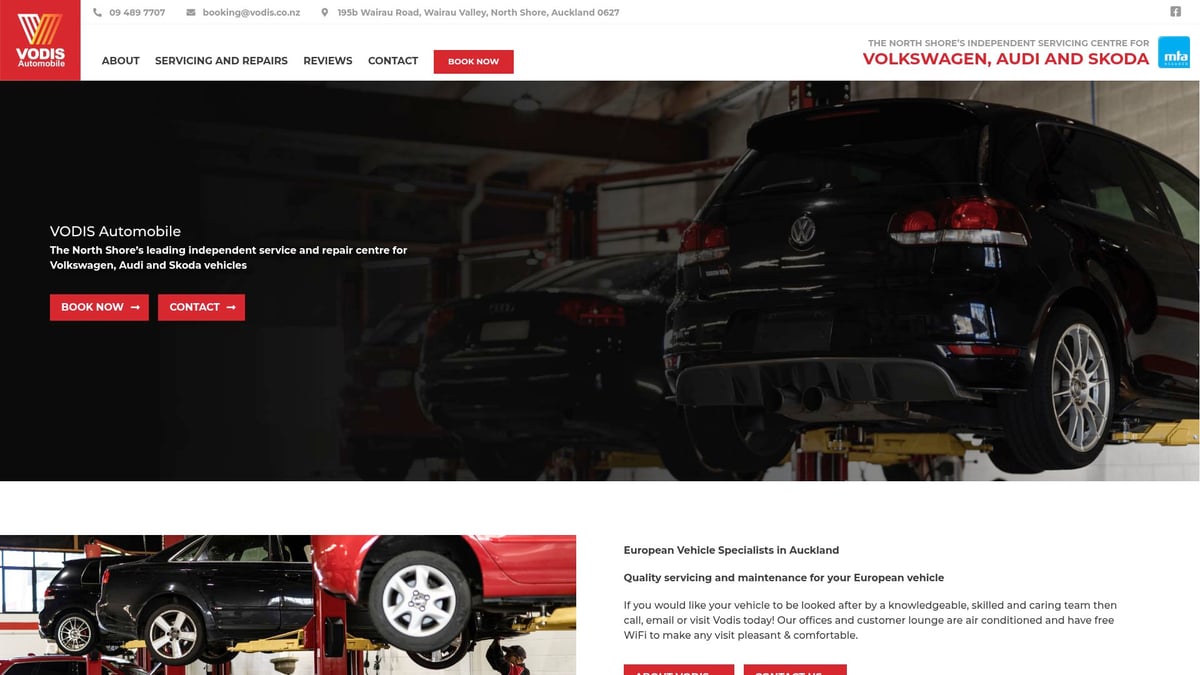
Clients benefit from transparent communication, genuine parts, and a skilled staff with over 20 years of experience. VODIS’s commitment to excellence and customer satisfaction has earned them outstanding testimonials from car owners seeking expert care for both European and domestic models.
Questions to Ask Before Booking
Before scheduling european and domestic auto service, prepare a checklist to evaluate potential providers. Key questions include:
- What certifications do your technicians hold?
- Are genuine or high-quality aftermarket parts used?
- What warranty do you offer on repairs?
- Do you provide detailed service records?
- How do you handle advanced diagnostic needs?
These questions help ensure your vehicle receives professional, transparent, and reliable care, regardless of make or model.
Service Center Red Flags and How to Avoid Them
Watch for warning signs when selecting a european and domestic auto service provider. Common red flags include:
- Unclear or fluctuating pricing
- Lack of certifications or training
- Poor communication or incomplete estimates
- Negative online reviews or unresolved complaints
Avoid shops that cannot demonstrate expertise with your vehicle type. Data from 2025 shows customer complaints spike with non-specialist shops, emphasizing the value of choosing the right center.
Maximizing Value: Service Packages and Loyalty Programs
Bundled service packages and loyalty programs offer significant savings for european and domestic auto service customers. These plans may include scheduled maintenance, extended warranties, and exclusive discounts.
For example, BMW Service Inclusive and Ford Protect provide predictable costs and added peace of mind. Preventive maintenance, when combined with loyalty benefits, helps drivers avoid unexpected expenses while maintaining top vehicle performance and reliability.
Cost of Ownership: Budgeting for Maintenance and Repairs
Understanding the cost of european and domestic auto service is crucial for every vehicle owner in 2026. Maintenance and repairs can vary widely depending on your vehicle’s origin, use, and service choices. By planning ahead, you can keep your car reliable and your expenses under control.
Annual Maintenance Costs: European vs. Domestic
Annual maintenance costs are a primary consideration for anyone evaluating european and domestic auto service. European vehicles, such as BMW and Audi, typically require more specialized parts and labor, leading to higher average costs. Domestic vehicles, including brands like Ford and Chevrolet, are often less expensive to maintain due to greater parts availability and simpler engineering.
Here’s a cost comparison based on 2025 data:
| Vehicle Model | Avg. Annual Maintenance Cost (USD) |
|---|---|
| BMW 3 Series | $1,100 |
| Audi A4 | $1,000 |
| Ford Fusion | $650 |
| Chevrolet Malibu | $600 |
| Toyota Camry | $550 |
Factors influencing cost include parts pricing, labor rates, and service frequency. European models often require more frequent specialized services, while domestic vehicles tend to have longer service intervals and lower parts costs.
Predicting and Managing Unexpected Repairs
Unexpected repairs can disrupt any budget, making it vital to anticipate these costs within your european and domestic auto service plan. Common high-cost repairs for European vehicles include electronic system failures and timing chain issues. Domestic vehicles often face transmission or coolant system repairs as they age.
To reduce surprises, set aside a maintenance budget equal to 10–15% of your annual maintenance estimate. Staying proactive with scheduled inspections helps minimize risk. Independent repair shops are also facing increasing cost pressures and technology challenges, especially with advanced driver assistance systems. For more on these industry shifts, see independent repair shops facing cost pressures.
Extended Warranties and Service Contracts
Many owners consider extended warranties as part of their european and domestic auto service strategy. These plans can shield against major repair bills but come with exclusions, deductibles, and transferability rules. For instance, a Mercedes-Benz Extended Limited Warranty covers powertrain and major systems but may exclude wear items like brakes or wiper blades.
Before purchasing, review the coverage details closely. Compare what is included, the length of coverage, and the claims process. Extended contracts can provide peace of mind, especially for those planning to keep their vehicles beyond the standard warranty period.
DIY vs. Professional Service: Cost-Benefit Analysis
With rising costs, many drivers explore do-it-yourself options for european and domestic auto service. DIY tasks such as changing filters, bulbs, or fluids can save money. However, complex repairs—especially on European models with intricate electronics—are best left to professionals.
Risks of improper DIY work include voided warranties and potential safety hazards. Always weigh the savings against the complexity of the task. For critical systems, professional expertise ensures both reliability and compliance with manufacturer standards.
Insurance and Maintenance: What’s Covered?
Insurance policies vary widely in how they address maintenance and repair within european and domestic auto service. Most standard car insurance does not cover routine maintenance or wear-and-tear repairs. However, some policies offer add-ons for mechanical breakdowns, which can help offset unexpected costs.
European vehicles may be eligible for specialized insurance products that account for higher parts and labor costs. Domestic vehicle owners often find broader coverage options at lower premiums. Reviewing your policy each year ensures that your coverage matches your vehicle’s needs and your budget.
Saving Money Without Sacrificing Quality
Smart owners look for ways to reduce european and domestic auto service expenses without compromising quality. Consider using reputable independent specialists, sourcing high-quality aftermarket parts, and following a strict preventive maintenance schedule.
Preventive care helps you avoid costly breakdowns and extends vehicle life. According to 2025 survey data, owners who prioritize regular maintenance at trusted service centers report higher satisfaction and lower long-term costs. Investing in routine care is the most effective way to protect both your car and your wallet.
The Future of Auto Service: What to Expect Beyond 2026
The future of european and domestic auto service is rapidly evolving. Innovations in vehicle technology, changing consumer behaviors, and a strong push toward sustainability are set to redefine how service centers operate. Let us explore what lies ahead for owners, technicians, and the entire industry.
Advancements in Vehicle Technology
By 2026 and beyond, advancements in autonomous driving systems and the integration of artificial intelligence will become standard in the european and domestic auto service landscape. Vehicles will rely on complex networks of sensors, cameras, and onboard computers to deliver semi-autonomous or fully autonomous driving experiences.
Manufacturers like Audi are already piloting Level 4 autonomy, where vehicles can operate independently under specific conditions. The rise of the Internet of Things will allow for real-time vehicle monitoring, predictive maintenance, and remote diagnostics, transforming how technicians approach repairs. Service centers must invest in new training and equipment to keep pace with these technological shifts.
Changing Consumer Expectations and Behaviors
Consumer behaviors are shifting toward digital-first experiences, and this trend will only accelerate in european and domestic auto service. By 2026, it is predicted that 60 percent of bookings will be made online, with customers expecting seamless digital interfaces for scheduling, tracking, and communication.
The demand for transparency is also growing. According to a recent survey, European consumers want better access to car history and service records. This expectation is influencing both European and domestic service providers to adopt more open, customer-centric platforms. Mobile and on-site repairs will further enhance convenience for busy drivers.
The Role of Sustainability in Auto Service
Sustainability will be a cornerstone of european and domestic auto service in the coming years. The circular economy model, which emphasizes remanufactured parts and closed-loop recycling, will become the norm in many service centers. Regulatory bodies are increasing pressure on workshops to reduce their environmental impact through greener practices and materials.
For example, the EU Green Garage Certification will set new standards for eco-friendly operations. Service providers must adapt by using biodegradable fluids, recycling more components, and integrating energy-efficient technologies into their daily routines. These changes will benefit both the environment and long-term business resilience.
Preparing for the Next Decade
Looking ahead, technicians in european and domestic auto service will need to acquire new skills and certifications to manage advanced vehicle systems. Service centers are already upgrading their facilities, investing in specialized tools, and offering ongoing staff training to meet the demands of electric, hybrid, and autonomous vehicles.
The industry is expected to see a shift toward more collaborative, tech-driven workplaces by 2030. As the pace of innovation continues, those who embrace lifelong learning and adaptability will lead the way. The future promises a dynamic, customer-focused, and sustainable approach to auto service for all vehicle owners.
After exploring the latest trends in auto service and understanding what sets European and domestic vehicles apart, you know how important it is to trust your car with skilled professionals who truly understand your vehicle’s needs. Whether you drive a BMW, Audi, Mercedes, or Skoda, staying ahead of maintenance and embracing new technologies can make all the difference in reliability and performance. If you’re ready to experience expert care and clear communication from a team with over 20 years of proven service, let’s take the next step together—Book in your service and keep your car running at its best.