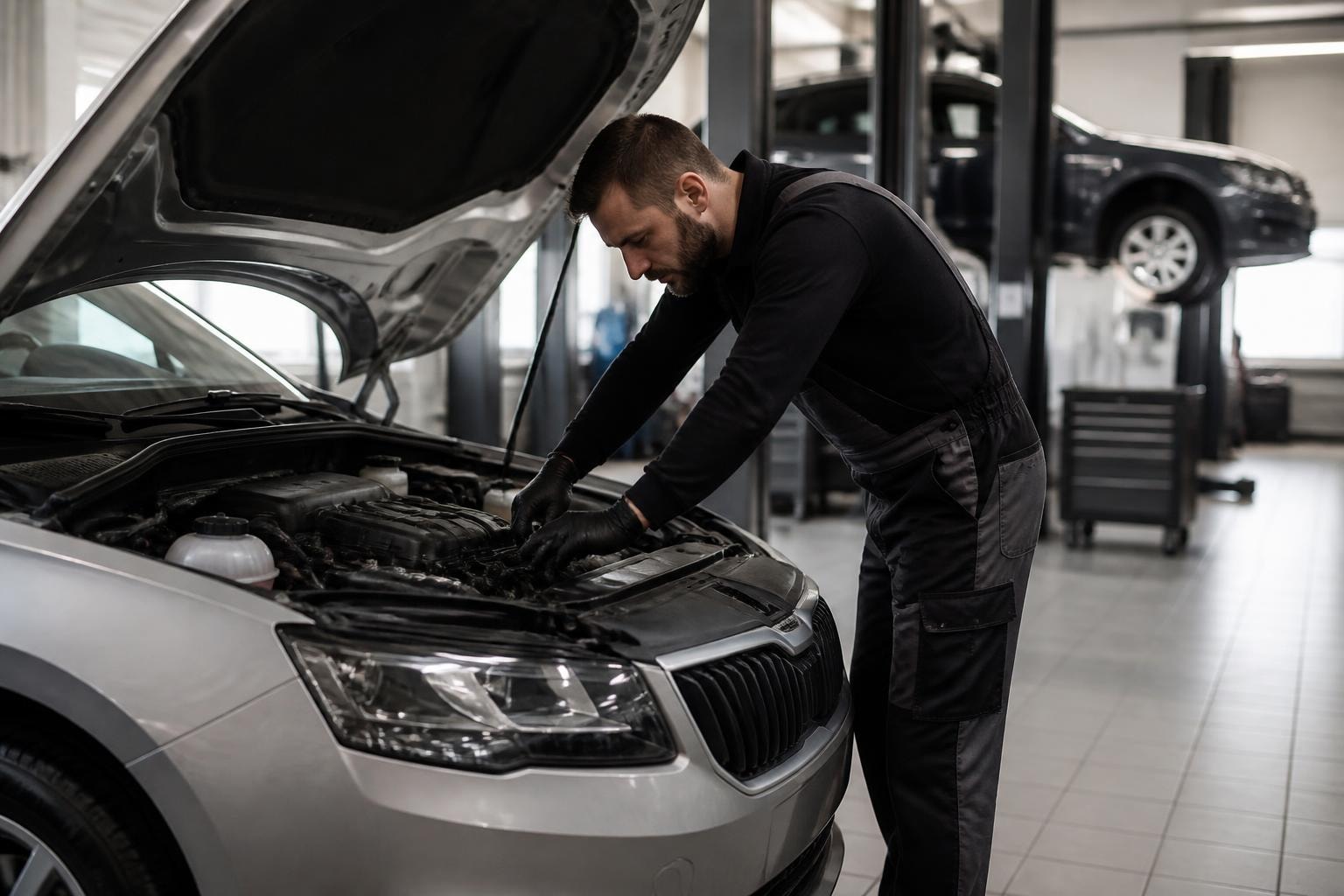

Is your European vehicle ready for the future? The world of euro auto repair is rapidly evolving, and staying ahead is more important than ever. Advanced technology, stricter regulations, and new service standards mean owners must adapt quickly.
This comprehensive guide arms you with expert insights to keep your prized car performing at its best in 2026 and beyond. Learn how to navigate the latest Euro car technologies, tackle common repair challenges, and apply maintenance best practices.
Discover practical cost-saving tips and find out how to choose the right service provider for your needs. Prepare to future-proof your investment and drive with confidence.
Understanding the 2026 Euro Auto Landscape
The 2026 euro auto repair landscape is evolving rapidly, shaped by new technologies and shifting consumer expectations. Owners and enthusiasts must stay informed to keep pace with the latest advancements. As European vehicles become more sophisticated, effective euro auto repair strategies are essential for ensuring long-term value and performance. For a comprehensive look at current repair options and services, explore European car servicing and repairs.
Key Trends in European Car Design and Technology
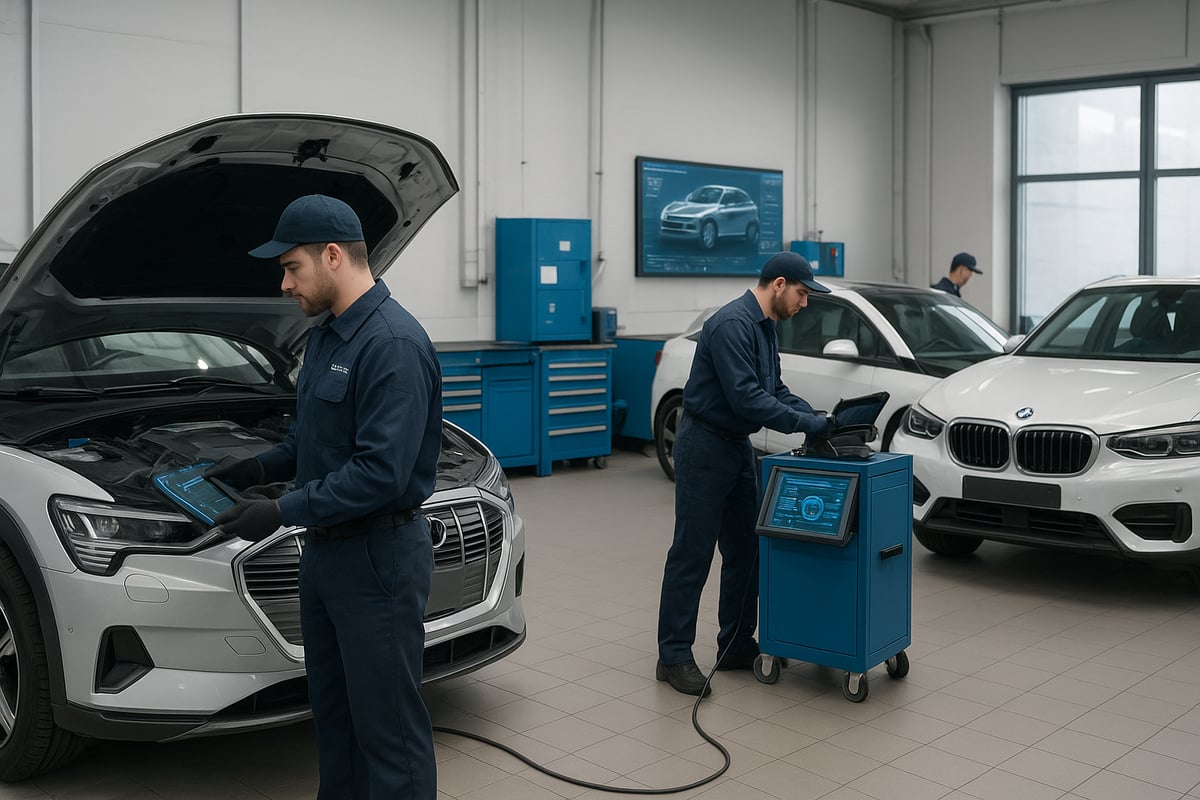
European vehicles in 2026 are defined by rapid electrification and the integration of hybrid systems. Brands like Audi and Mercedes-Benz lead with standard over-the-air updates, keeping cars current without dealer visits. Advanced driver-assistance systems (ADAS) are now standard, enhancing safety and convenience.
Lightweight materials, including aluminum and composites, have become the norm, improving both efficiency and performance. Digital services and software upgrades are central to the euro auto repair process, with owners relying on mobile apps and cloud platforms for seamless maintenance tracking.
Regulatory Changes Impacting Repairs
Stricter emissions standards have been enacted across the EU and beyond, making compliance a top priority for euro auto repair providers. New rules require mandatory diagnostics for both safety and emissions, ensuring that vehicles meet evolving benchmarks.
Additionally, regulations now mandate secure access to vehicle telematics, protecting owner data and privacy. For example, a recent EU regulation requires all service centers to follow rigorous protocols when handling connected vehicle systems. These changes demand that repair shops invest in updated tools and training.
Common Euro Auto Repair Challenges in 2026
With the growing complexity of vehicle electronics, diagnostics have become more challenging for euro auto repair specialists. Technicians must navigate intricate wiring, multiple control modules, and sophisticated sensors.
Parts availability is another issue, especially for hybrid and electric models. Sourcing components for next-generation batteries and motors can delay repairs. Furthermore, specialized tools and ongoing training are necessary for technicians to service advanced systems. For instance, BMW’s latest hybrids require certified experts for safe battery replacement and calibration.
Future-Proofing Your European Car
To stay ahead, owners must prioritize regular software updates, which are now as important as mechanical maintenance. Upgrading components, such as sensors or battery modules, helps vehicles comply with new regulations and standards.
Monitoring recalls and manufacturer advisories is key to avoiding unexpected issues. Volkswagen’s 2026 recall program for early EV battery units is a prime example of proactive future-proofing. By keeping up with these developments, euro auto repair becomes a strategic investment in your vehicle’s longevity.
Market Data and Ownership Trends
Recent data highlights that 54 percent of new cars sold in Europe in 2025 were electrified, underscoring the shift toward sustainable mobility. The average euro car ownership period has risen to 8.2 years, reflecting greater confidence in vehicle durability and repairability.
Demand for independent service centers is surging, with a 35 percent increase in euro auto repair shops specializing in electric vehicles. This trend is driven by owners seeking expert care outside the dealership network, ensuring both quality and value for their investment.
Essential Maintenance for European Vehicles
Owning a European car in 2026 means staying proactive with care and maintenance. As euro auto repair becomes increasingly technical, following best practices ensures your vehicle remains reliable, efficient, and ready for any road ahead.
Scheduled Maintenance Requirements
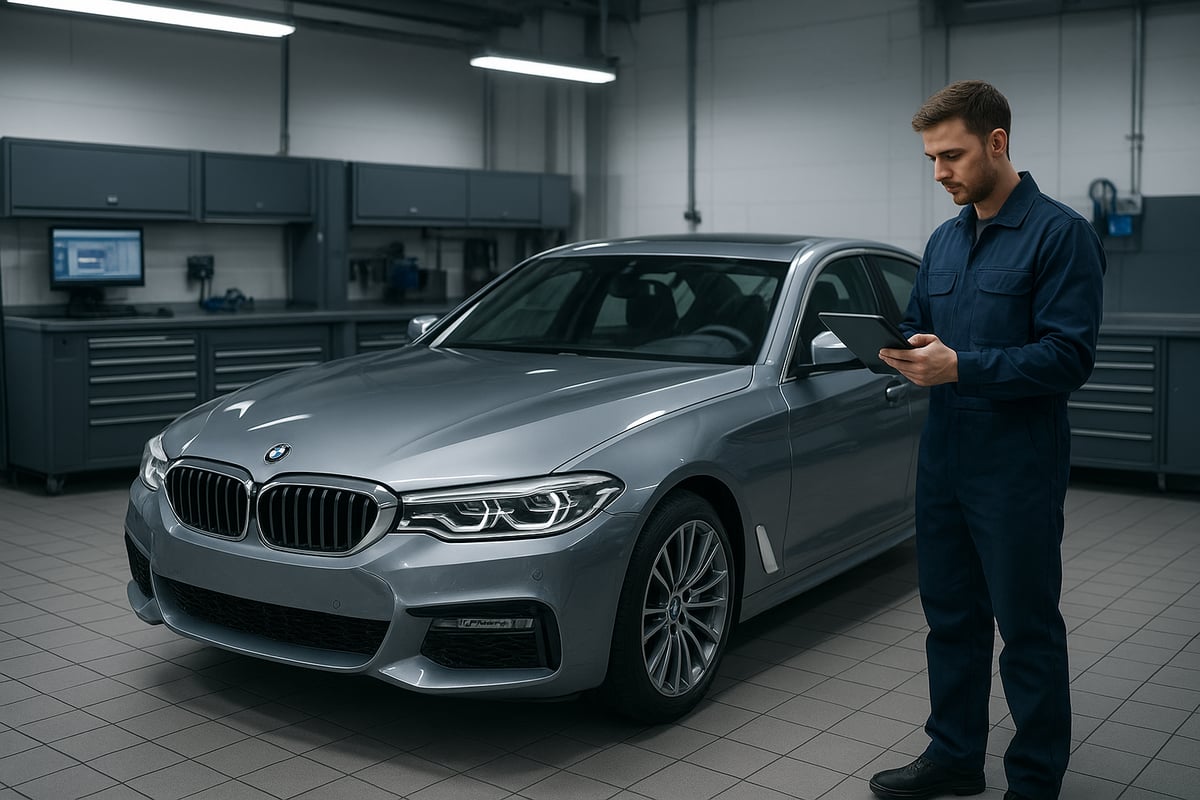
European vehicles rely on strict service intervals to maintain peak performance. Manufacturers like Mercedes-Benz now integrate flexible service systems, tracking mileage, driving habits, and time since the last appointment. This digital approach ensures every euro auto repair aligns with precise factory recommendations.
Following these digital records is essential. Missed services can affect warranty coverage and long-term reliability. For example, the Mercedes-Benz flexible service system (FSS) in 2026 models notifies owners when a specific task, such as oil change or filter replacement, is due. This proactive scheduling helps prevent costly breakdowns and supports a full service history, which can boost resale value.
Preventative Care for Longevity
Preventative care is the cornerstone of euro auto repair. Routine fluid checks, including engine oil, coolant, and brake fluid, are critical for European engines, which often operate under higher performance demands.
Tire rotation and alignment are also vital, as uneven wear can impact handling and safety. BMW’s condition-based service alerts notify owners about oil and brake pad status, optimizing maintenance timing. By addressing these needs early, you reduce the risk of unexpected repairs and extend the lifespan of your vehicle, keeping it running smoothly for years.
Addressing Common Wear and Tear Issues
European cars are known for precise engineering, but certain components require extra attention. Suspension and steering parts experience significant wear, especially on models tuned for performance. Regular inspection of bushings, control arms, and tie rods is a key part of euro auto repair.
Brake systems in performance vehicles, such as Audi’s ceramic brakes, demand scheduled maintenance. Following the manufacturer’s recommended intervals for pad and rotor replacement helps preserve stopping power and safety. Staying ahead of wear and tear issues means you can enjoy spirited driving without compromise.
Electrical System Care and Battery Maintenance
Modern European vehicles feature complex electrical systems, especially hybrids and EVs. High-voltage battery diagnostics are now routine during euro auto repair appointments. Technicians check state of charge, cell balance, and charging system health.
The 12V electrical system, often overlooked, still powers essential functions. Common failure points include battery terminals and fuses. Skoda’s battery health monitoring app allows drivers to track battery status in real time and schedule service as needed. For those seeking in-depth support, Skoda maintenance and servicing offers specialized expertise for battery care and repairs.
Software Updates and Digital Services
Keeping your car’s software current is as crucial as mechanical upkeep. Infotainment, navigation, and ADAS systems all depend on regular updates for security and performance. Neglect can lead to glitches or vulnerabilities, making software maintenance an integral part of euro auto repair.
Volkswagen’s ID. series, for instance, receives over-the-air updates that enhance features and address bugs. Owners should schedule updates as soon as notifications arrive, ensuring all digital systems operate at their best. This approach keeps your vehicle compatible with the latest technologies and regulatory requirements.
Seasonal and Climate-Specific Maintenance
Different climates require tailored care for European vehicles. Preparing for winter means checking coolant strength, battery condition, and switching to appropriate tires. In New Zealand’s varied climate, euro auto repair shops recommend all-weather service packages, such as Mercedes’ 2026 offering, to safeguard against temperature fluctuations.
Regular inspection of wiper blades, air conditioning systems, and seals helps prevent moisture and corrosion. By adapting your maintenance routine to the seasons, you protect your investment and ensure safe, dependable driving year-round.
Diagnosing and Troubleshooting Euro Auto Problems
Maintaining top performance for your European vehicle in 2026 requires a precise approach to diagnostics and troubleshooting. As euro auto repair evolves, understanding the tools, techniques, and challenges unique to these advanced cars is more important than ever. Let’s explore the step-by-step process for accurate problem-solving and effective solutions.
Using Advanced Diagnostic Tools
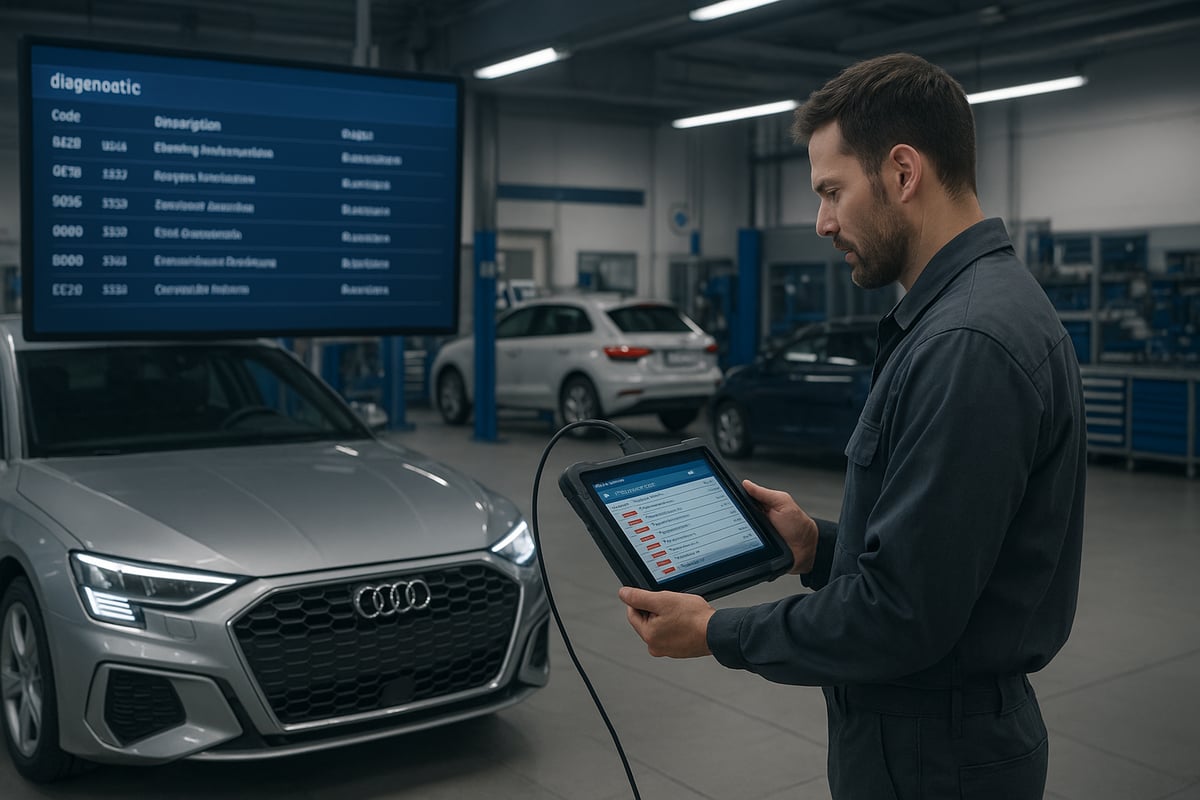
Modern euro auto repair depends heavily on sophisticated diagnostic tools. Technicians use OBD-II scanners and brand-specific systems to quickly pinpoint issues. For example, Audi’s VCDS system offers deep access to model-specific modules, allowing for accurate troubleshooting.
Digital diagnostics not only speed up repairs but also minimize guesswork. These tools can read live data, track intermittent faults, and even initiate component tests. As vehicles become more connected, expect remote diagnostics and cloud-based updates to become common in euro auto repair.
Investing in the right equipment is crucial for both professionals and enthusiasts. Without proper tools, even simple issues can remain undetected, leading to bigger problems down the line.
Identifying Common Fault Codes
Fault codes are the starting point for most euro auto repair diagnostics. In 2026, the most frequent codes relate to emissions, sensors, and electronic modules. For instance, BMW’s P0171 indicates a lean condition, often caused by intake leaks or faulty sensors.
Here’s a quick reference table for top error codes:
| Code | Brand Example | Meaning |
|---|---|---|
| P0171 | BMW | System Too Lean (Bank 1) |
| P0420 | Audi | Catalyst System Efficiency Below |
| U0100 | Mercedes | Lost Communication with ECM/PCM |
| C1234 | Volkswagen | ABS/ESP Sensor Fault |
Careful interpretation is vital. Some codes can point to multiple possible causes. To learn more about specialized diagnostics for specific brands, visit Audi servicing and repair solutions.
Step-by-Step Troubleshooting Process
Effective euro auto repair starts with a systematic troubleshooting process. Begin by identifying symptoms—unusual noises, warning lights, or performance drops. Next, use a diagnostic tool to retrieve error codes.
Follow these steps:
- Read codes and note freeze-frame data.
- Perform a visual inspection for obvious issues.
- Test suspected components (sensors, wiring, fuses).
- Implement targeted repairs.
- Clear codes and verify the fix with a road test.
For example, diagnosing intermittent electrical faults in Mercedes models often involves checking harness connections and module grounds, as these are common failure points.
When to DIY vs. Call a Professional
Euro auto repair can be rewarding for skilled DIYers, but the complexity of modern vehicles demands caution. Simple tasks like brake pad replacement or fluid checks are manageable with basic tools and manufacturer guides.
However, advanced repairs—especially those involving ADAS calibration or high-voltage systems—should be left to certified professionals. Attempting these repairs without proper training can risk safety and vehicle integrity.
Ask yourself: Do I have the right tools and knowledge? If not, seeking expert assistance is the safest choice for euro auto repair.
Cost Implications of Delayed Repairs
Delaying euro auto repair can quickly escalate costs. Data shows the average expense rises by 22 percent when issues are ignored. Small problems, such as minor transmission leaks, can develop into major failures if left unresolved.
Delays also affect warranty coverage and resale value. For example, Skoda transmission issues have been known to worsen, resulting in costly rebuilds. Keeping up with regular maintenance and prompt repairs protects your investment and long-term vehicle performance.
Real-World Case Studies and Examples
Consider a 2026 Volkswagen Golf hybrid with a failing battery module. Early diagnosis using advanced tools allowed for a swift replacement, minimizing downtime. In another case, a Mercedes owner ignored a warning light, leading to a costly ABS control unit failure.
These real-world scenarios highlight the importance of timely, accurate euro auto repair. Whether you drive an Audi, BMW, or Skoda, following best practices ensures your vehicle stays future-ready.
Choosing the Right Euro Auto Repair Service
Selecting the best euro auto repair service is essential for maintaining your vehicle’s value, performance, and safety. With advanced technologies and strict standards in 2026, choosing a qualified technician or workshop ensures your European car receives the care it deserves.
Criteria for Selecting a Specialist
When searching for euro auto repair, prioritize workshops with brand-specific certifications. Technicians should have up-to-date training with leading European brands like BMW, Audi, Mercedes, and Volkswagen.
Ensure the service center uses OEM parts and advanced diagnostic tools. Modern European vehicles require specialized equipment to accurately diagnose and repair issues. For example, a Mercedes-Benz Star Certified workshop guarantees both technical expertise and original parts availability.
Look for visible proof of training, such as certificates displayed in the reception area or on the company website. This transparency builds trust and reassures you that your euro auto repair needs are in capable hands.
Evaluating Reputation and Experience
Reputation is a key factor in selecting a euro auto repair provider. Start by checking independent customer reviews and industry awards. A consistent record of positive feedback indicates reliability and professionalism.
Experience in the local market also matters. Established euro auto repair shops in Auckland, for instance, are more likely to understand the specific needs of European vehicles in New Zealand’s climate and road conditions.
Ask about recent projects or case studies. A reputable service center will gladly share examples that highlight their expertise with complex repairs and the latest automotive technologies.
Verifying Warranty and Service Guarantees
Before committing to any euro auto repair, always clarify warranty terms. Dealerships typically offer manufacturer-backed warranties, while independent garages may provide their own service guarantees.
Request a transparent service agreement outlining what is covered, for how long, and any exclusions. This documentation protects you from unexpected costs and ensures accountability if issues arise after repairs.
For instance, BMW’s extended service packages for 2026 models offer comprehensive coverage, giving peace of mind to owners who prioritize long-term protection for their vehicles.
Understanding Pricing and Transparency
Cost transparency is critical in euro auto repair. Ask for a detailed cost breakdown before authorizing any work. This should include labor charges, parts, diagnostics, and any additional fees.
Beware of hidden costs or unnecessary upsells. According to recent surveys, 27% of European car owners cite cost transparency as their main concern when choosing a repair provider.
A trustworthy workshop will explain each charge and offer options tailored to your budget and vehicle needs. Comparing quotes from multiple euro auto repair shops can further ensure fair pricing.
VODIS Automobile: Auckland’s Trusted Euro Car Service
VODIS Automobile stands out as a leading euro auto repair specialist in Auckland, with over 20 years of experience servicing Volkswagen, Audi, Mercedes, BMW, and Skoda vehicles. Their certified technicians utilize advanced diagnostics and genuine parts for every repair.
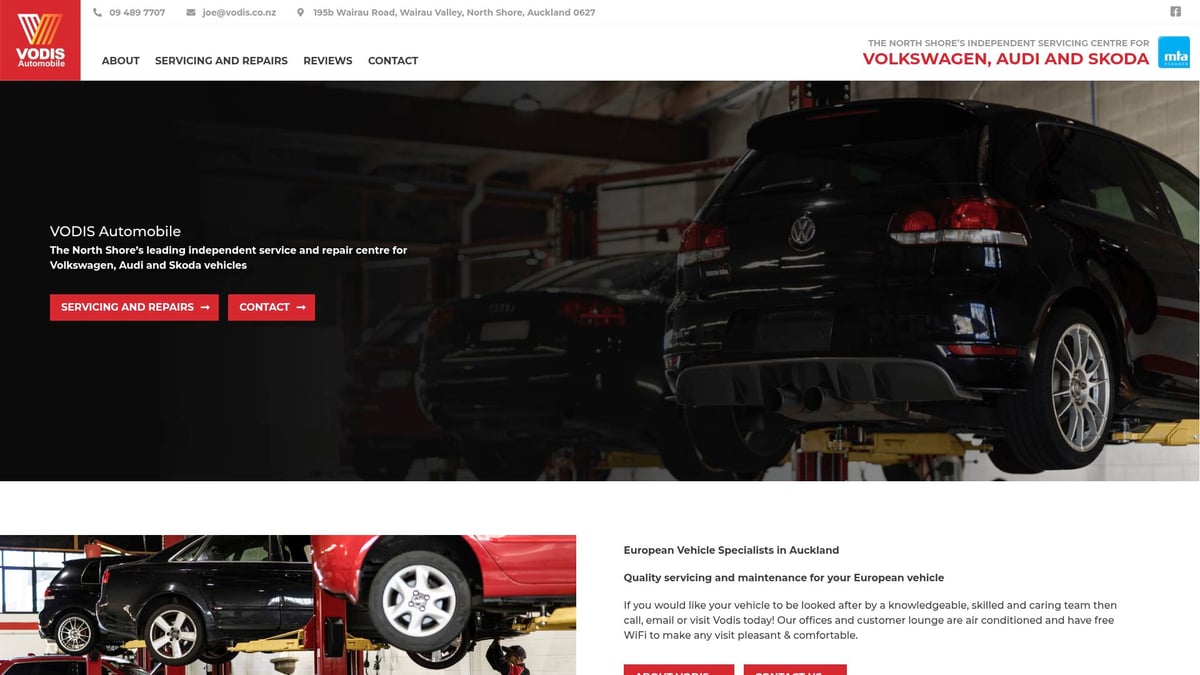
If you own a Volkswagen, their Volkswagen servicing expertise highlights their commitment to precision and brand-specific care. VODIS’s focus on customer satisfaction, transparent pricing, and ongoing training means North Shore Euro car owners receive professional, reliable service every time.
Choosing a euro auto repair provider like VODIS ensures your vehicle is maintained to the highest standards, keeping it safe and future-ready.
Cost-Saving Strategies and Future-Proofing Your Repairs
Keeping your euro auto repair costs manageable while preparing for tomorrow’s technology requires a smart, informed approach. These strategies help you save money, maintain performance, and ensure your vehicle is ready for future advances.
Comparing OEM vs. Aftermarket Parts
Choosing between OEM and aftermarket parts is a crucial decision in euro auto repair. OEM parts are made by the original manufacturer, ensuring perfect compatibility and warranty compliance. Aftermarket parts can offer cost savings and, in some cases, improved performance or availability.
| Feature | OEM Parts | Aftermarket Parts |
|---|---|---|
| Fit & Quality | Guaranteed match | Varies by brand |
| Warranty Impact | Maintains warranty | May affect warranty |
| Cost | Higher | Often lower |
| Availability | Dealer-dependent | Widely available |
Audi’s 2026 approval list highlights trusted aftermarket suppliers, but always check warranty terms before making a decision. For many euro auto repair needs, balancing cost and quality is key.
Leveraging Digital Service Records and Maintenance Apps
Digital service records are transforming euro auto repair by making maintenance history transparent and accessible. These records help preserve your warranty and boost your car’s resale value.
Many manufacturers, like Mercedes with the Me Connect app, now offer digital maintenance tracking. In New Zealand, adoption rates for such platforms are rising, ensuring owners stay on top of service intervals, recalls, and software updates.
The rise of connected car technology is influencing how repairs are managed, as shown in the Europe Connected Car Market Size, Statistics Report 2025-2034. Using top-rated apps ensures you never miss a service, which is essential for effective euro auto repair.
Group Service Plans and Extended Warranties
Bundling maintenance through group service plans or choosing an extended warranty can significantly reduce euro auto repair expenses over the life of your car. These plans often cover scheduled servicing, parts, and labor, protecting you from unexpected costs.
BMW’s 5-year inclusive maintenance plan is a prime example, offering peace of mind and cost predictability. When evaluating options, review what is covered, the reputation of the provider, and whether the plan is transferable if you sell your car.
Transparent agreements and a clear understanding of inclusions are vital for maximizing your euro auto repair investment.
Eco-Friendly and Sustainable Repair Options
Sustainability is increasingly important in euro auto repair. Opting for remanufactured parts and choosing green-certified service centers helps reduce your environmental impact.
The European Union now recognizes eco-friendly workshops that follow strict recycling and waste management practices. These workshops often use energy-efficient equipment and prioritize responsible disposal of fluids and components.
Look for the EU-certified eco-friendly badge when selecting a repair shop. Embracing these options aligns with global trends and ensures your euro auto repair is future-ready.
DIY Maintenance Tips for Savings
Some euro auto repair tasks are safe and cost-effective to perform at home. Regularly checking and topping up fluids, changing air filters, and monitoring tire pressure can prevent bigger issues.
- Keep a basic toolkit for routine checks
- Follow your manufacturer’s step-by-step guides
- Schedule tire rotations and brake inspections
Skoda’s owner manuals, for example, provide clear instructions for simple tasks. By handling these basics, you reduce repair bills and extend your vehicle’s life.
Preparing for the Next Generation of Euro Vehicles
Staying updated on new technologies is essential for future-proofing your euro auto repair strategy. Advances like solid-state batteries and AI-powered diagnostics are on the horizon.
Manufacturers such as Volkswagen are piloting predictive maintenance AI, which will soon become standard. Keeping informed through manufacturer updates and industry insights, such as those found in the Top 10 Auto Trends & Innovations 2026, ensures you are ready for the next wave of changes.
Monitor recalls, software updates, and service bulletins to keep your euro auto repair practices current and effective.
After exploring the latest trends in European auto technology and learning what it takes to keep your vehicle running smoothly in 2026, you now have the tools to make smart decisions for your car’s future. If you want dependable service from technicians who truly understand Volkswagen, Audi, Mercedes, BMW, and Skoda, it makes sense to partner with a team that’s built their reputation on expertise and trust. Let’s make sure your European vehicle stays at its best—schedule your next checkup or maintenance with the professionals who know your car inside and out. Book in your service