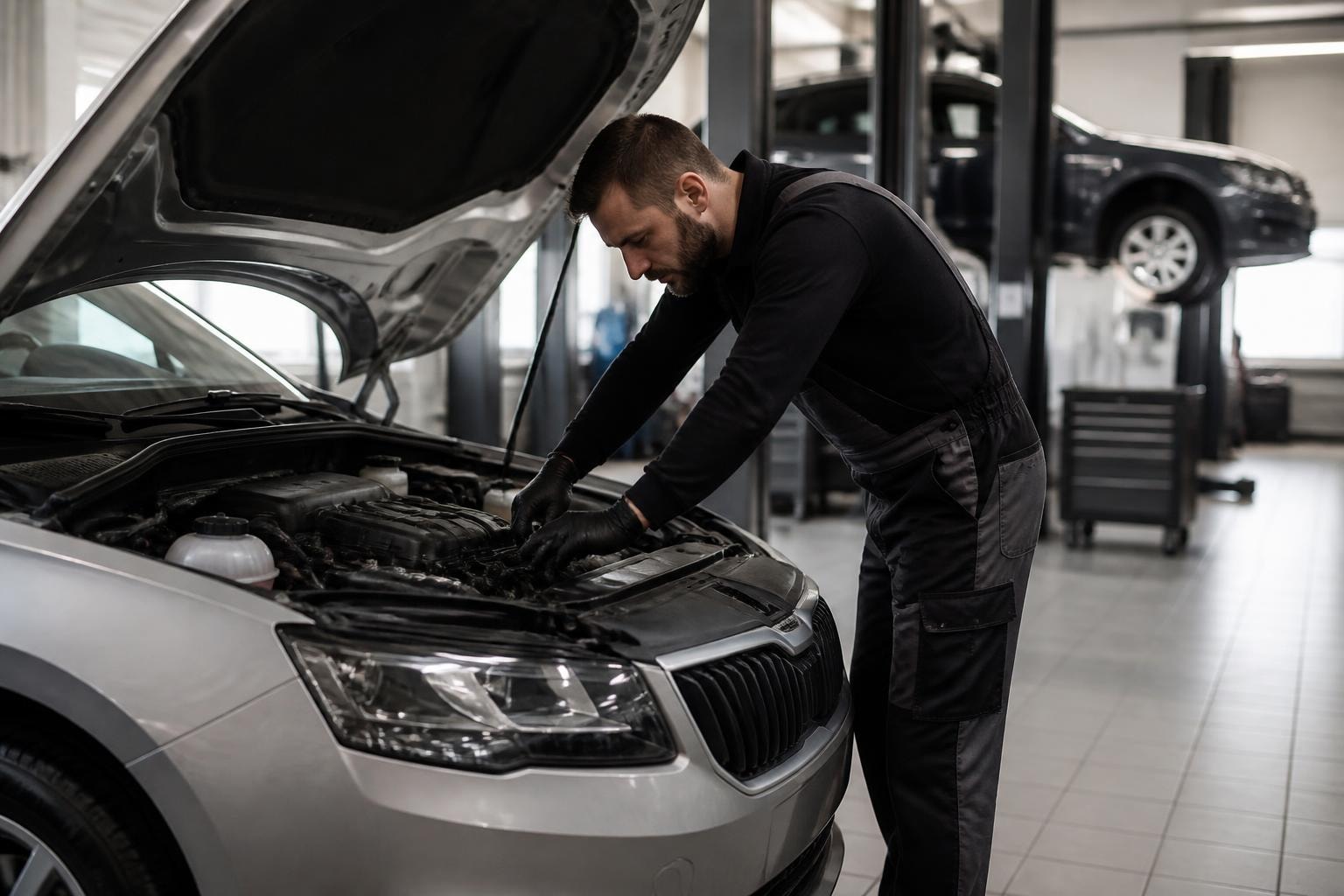

Unlock the secrets to keeping your European car at peak performance, and avoid unexpected, costly repairs. The world of precision european auto repair is evolving quickly, with new technologies and complex systems changing how owners care for their vehicles.
This guide delivers expert-backed strategies tailored to the unique needs of European cars in 2026. You will discover how to choose skilled service providers, follow best practices, and stay ahead of common challenges.
Explore the latest innovations, step-by-step repair processes, and critical industry trends. Gain the confidence to keep your European vehicle running smoothly and reliably—starting today.
Understanding Modern European Auto Technologies
Keeping pace with European automotive innovation is crucial for anyone seeking precision european auto repair. As we move into 2026, these vehicles are more advanced than ever, blending mechanical excellence with cutting-edge digital systems. Understanding this technology landscape empowers owners and repair specialists to make informed decisions, ensuring optimal performance and longevity.

Technological Advancements Shaping European Vehicles
European cars in 2026 are defined by their integration of digital systems, advanced driver assistance (ADAS), and hybrid or electric powertrains. Features like adaptive cruise control, lane-keeping assist, and automated emergency braking are now standard across most brands. According to industry reports, 75% of new European models are equipped with at least two ADAS, making expert knowledge of these systems essential for precision european auto repair.
Hybrid and electric drivetrains add another layer of complexity. Battery management, energy recovery, and thermal regulation are now core parts of routine servicing. For owners, this means maintenance is no longer just mechanical, but also digital and electrical.
Brand-Specific Innovations in 2026
Each European marque brings its own technological signature. BMW leads with predictive diagnostics, allowing early detection of potential issues before they become critical. Audi’s MMI touch response system offers intuitive control over infotainment and vehicle functions, while Mercedes’ MBUX system integrates AI-powered voice control and connected services. Volkswagen’s IQ.DRIVE platform advances semi-autonomous driving, and Skoda stands out with real-time connectivity features that support remote monitoring.
Precision european auto repair depends on understanding these brand-specific systems. Technicians must be fluent in each manufacturer’s software and diagnostic procedures to deliver accurate repairs and avoid misdiagnosis.
The Rise of Software and Over-the-Air Diagnostics
Software updates have revolutionized how issues are identified and resolved. Over-the-air diagnostics now enable real-time system checks and remote troubleshooting without a physical visit to the workshop. This shift enhances preventive maintenance and minimizes downtime.
Access to vehicle data is increasingly protected, requiring repairers to use manufacturer-approved software platforms. The significance of fair data access is highlighted in ongoing regulatory discussions, such as the EU plans law to give car services groups access to vehicle data, which ensures independent specialists can continue to provide precision european auto repair as vehicles become more connected.
The Need for Specialized Tools and Telematics
Generic diagnostic tools are often insufficient for European vehicles. Advanced OBD-II interfaces and proprietary scan tools are now standard in any precision european auto repair facility. These tools can read brand-specific codes and perform system calibrations that generic devices cannot.
Telematics systems, which monitor vehicle health and usage patterns, play a growing role in preventive maintenance. Remote alerts and service reminders help owners address small issues before they escalate, reducing the risk of unexpected breakdowns and costly repairs.
Why Precision Matters: Avoiding Common Pitfalls
European car engineering demands a tailored approach to repairs. Standardized methods can overlook crucial calibration steps, leading to persistent faults. For example, a 2025 Audi A6 developed recurring electrical issues when a general repair shop failed to use manufacturer-approved software during diagnostics. Only a precision european auto repair specialist, equipped with the right tools and expertise, could resolve the problem by following the correct digital protocols.
In summary, understanding the unique technologies embedded in modern European cars is the foundation of effective maintenance and repair. Owners who prioritize specialized expertise ensure their vehicles remain reliable, safe, and at peak performance.
Common European Auto Repair Challenges and Solutions
Owning a European vehicle is a rewarding experience, but it comes with unique challenges that require a focus on precision european auto repair. The advanced engineering and sophisticated electronics in these cars demand specialized knowledge and equipment for proper diagnosis and reliable fixes.
Frequent Issues in Modern European Cars
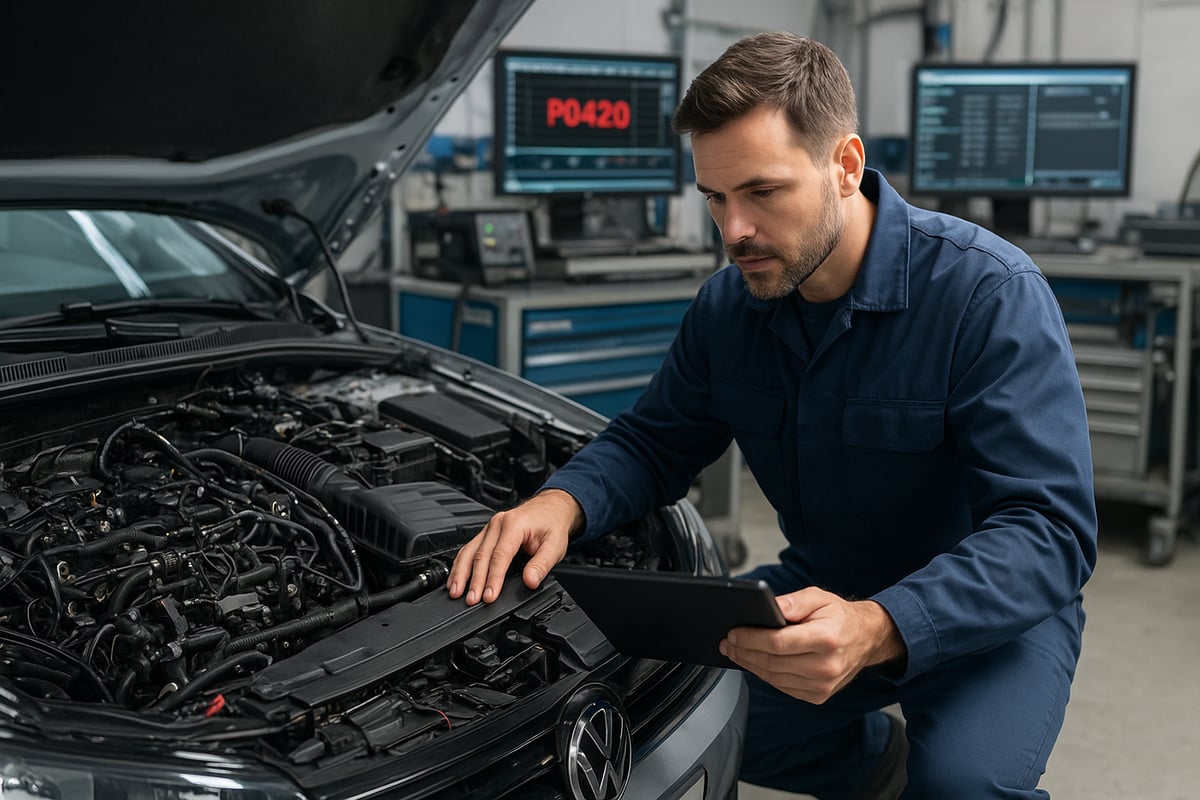
European vehicles are known for innovations, but these advancements often introduce complex repair challenges. Electrical system faults are the most common, affecting everything from infotainment to advanced driver assistance systems. Turbocharger failures, especially in Mercedes and Audi models, can result from oil starvation or improper calibration. Transmission issues, such as delayed shifting and sensor malfunctions, are frequent in dual-clutch and automatic gearboxes.
Timing chain and belt problems are particularly prevalent in Volkswagen and Audi vehicles. If not addressed, these can lead to catastrophic engine damage. High-performance brake systems, found across many European brands, require specialized pads and rotors. Using generic parts can reduce braking efficiency and safety.
Genuine vs Aftermarket Parts: The Reliability Dilemma
Sourcing the right components is crucial for precision european auto repair. Genuine parts ensure compatibility and maintain vehicle integrity, while aftermarket options may introduce fitment or longevity issues. Counterfeit or substandard parts can lead to repeat failures or even void manufacturer warranties. When addressing high-performance brake wear, for example, using factory-approved pads preserves stopping power and durability.
| Common Issue | Typical Solution | Special Considerations |
|---|---|---|
| Electrical Faults | Advanced diagnostics, genuine sensors | Require manufacturer scan tools |
| Turbocharger Failure | Calibration, quality oil, OEM parts | Follow exact torque specs |
| Transmission Problems | Software updates, fluid changes | Proprietary service intervals |
| Timing Chain/Belt | Regular inspection, timely replacement | VW/Audi-specific intervals |
Adhering to Manufacturer Specifications
Following manufacturer service intervals is essential for precision european auto repair. Delaying routine maintenance can accelerate wear or mask underlying issues. For example, Mercedes-Benz A-Class models with turbocharger issues often require recalibration and exacting service steps to restore performance. Ignoring prescribed intervals may also affect warranty coverage and long-term reliability.
According to the NZ Transport Agency, 60% of European car breakdowns in New Zealand during 2025 were linked to electrical or electronic system failures. This highlights the importance of regular checks and using advanced diagnostics to catch problems early.
Expert Insights and Best Practices
Certified European auto technicians emphasize the value of specialized training and experience. They frequently encounter vehicles misdiagnosed by general repair shops. For instance, a Mercedes A-Class with recurring turbo faults was finally resolved only after a precision european auto repair specialist recalibrated the system using manufacturer-approved software.
Best practices include:
- Always use manufacturer-specific diagnostic tools.
- Source genuine or approved parts to ensure fit and reliability.
- Maintain detailed service records for future reference and resale value.
- Seek out workshops that prioritize transparency and ongoing technician training.
When facing complex issues, turning to professionals with a proven track record is vital. For more on tailored solutions and the importance of specialist expertise, explore European car servicing and repairs.
Step-by-Step Precision Repair Process for European Vehicles
A successful precision european auto repair begins with a structured, meticulous process. Each step is designed to address the unique complexities of European vehicles, ensuring every component functions as the manufacturer intended. Let’s break down how specialists approach these repairs in 2026.
Step 1: Comprehensive Digital Diagnostics
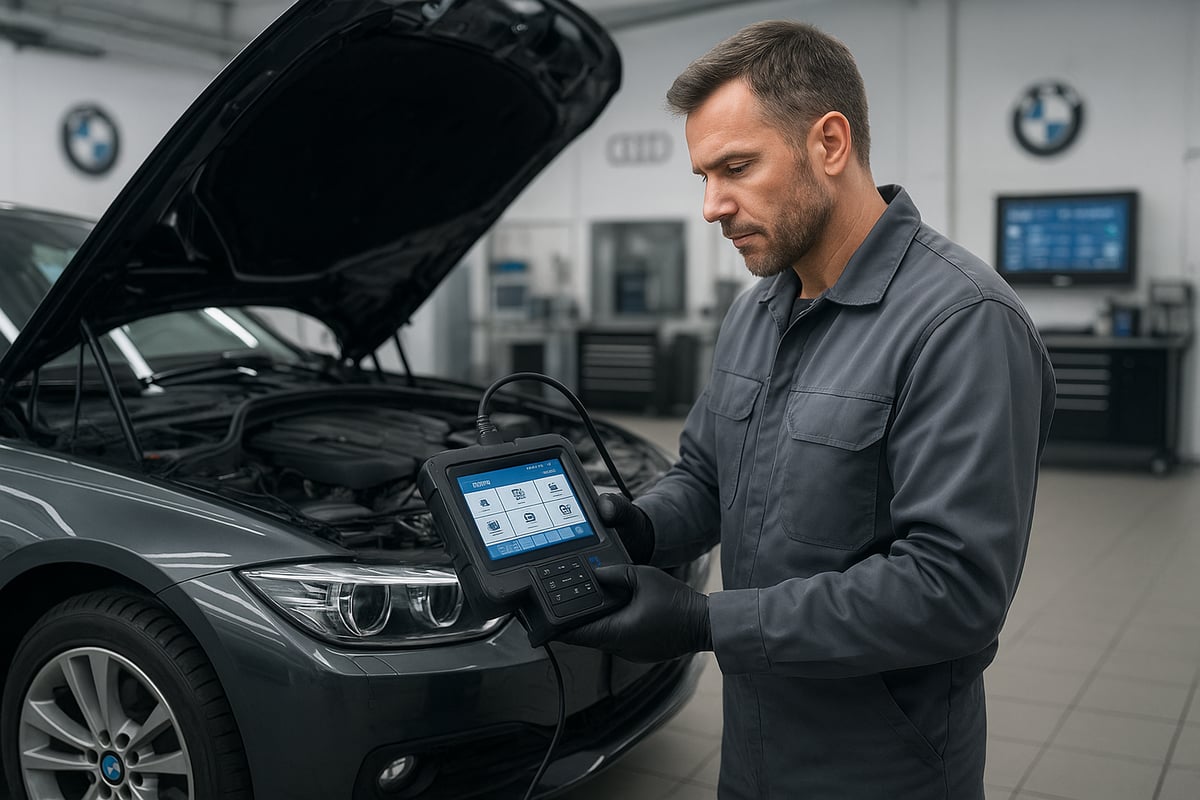
The first step in any precision european auto repair is an in-depth digital diagnosis. Modern European vehicles rely on integrated electronics and complex software. Technicians use manufacturer-specific scan tools to read error codes and assess the health of all vehicle systems.
For example, a 2026 Mercedes E-Class with adaptive cruise control issues requires a scan tool that can access the proprietary modules. Software version checks and updates are vital, as outdated firmware can mask or create faults. In fact, recent data shows that 85% of complex vehicle faults are now initially detected through digital diagnostics. This approach ensures that underlying issues are not missed, setting a solid foundation for the entire repair process.
Step 2: Visual and Mechanical Inspection
After digital diagnostics, a detailed visual and mechanical inspection follows. Precision european auto repair demands attention to both obvious and hidden issues. Technicians inspect the engine, transmission, suspension, and electrical systems.
They look for signs of wear, fluid leaks, or any modifications that may not be manufacturer-approved. In one case, an Audi Q5 with advanced underbody covers had a concealed oil leak only discoverable through thorough inspection. This step confirms the digital diagnosis and uncovers potential problems that electronic scans might overlook. By combining both methods, specialists ensure nothing is left to chance.
Step 3: Genuine Parts Sourcing and Verification
Sourcing the right parts is a cornerstone of precision european auto repair. Using OEM or approved aftermarket parts maintains both performance and warranty protection. Counterfeit or incompatible parts can lead to immediate or future failures.
For instance, BMW 3 Series models are prone to premature brake failure if non-approved components are fitted. Technicians verify part numbers and authenticity before installation. When working on systems unique to brands like Audi, specialists often reference detailed service protocols, as outlined in Audi precision servicing. This ensures every replacement maintains the original engineering standards set by the manufacturer.
Step 4: Precision Repairs and Calibrations
The fourth step in precision european auto repair involves carrying out repairs and recalibrations according to strict manufacturer protocols. This is especially important for advanced systems like ADAS, turbochargers, and infotainment units.
Technicians carefully follow torque specifications, perform required software resets, and recalibrate sensors. For example, after a windshield replacement in a Volkswagen Passat, the lane-keeping system must be precisely calibrated to function correctly. Data from the European Car Service Survey 2025 shows that proper calibration reduces repeat faults by 40 percent. By adhering to these standards, repair specialists ensure that each system operates as intended, safeguarding both vehicle performance and occupant safety.
Step 5: Quality Assurance and Post-Repair Testing
No precision european auto repair is complete without rigorous quality assurance and post-repair testing. Multi-point checks and road tests confirm that all issues have been resolved and that safety features function as designed.
Technicians provide detailed reports and future maintenance recommendations to the owner. For example, after servicing the ADAS in a Skoda Superb, post-repair testing is essential to verify the reliability of safety systems. Digital service records are updated, preserving the car’s value and service history. This final step gives owners confidence in their vehicle’s performance and reliability, making sure that every repair meets the highest industry standards.
Preventive Maintenance Strategies for European Cars
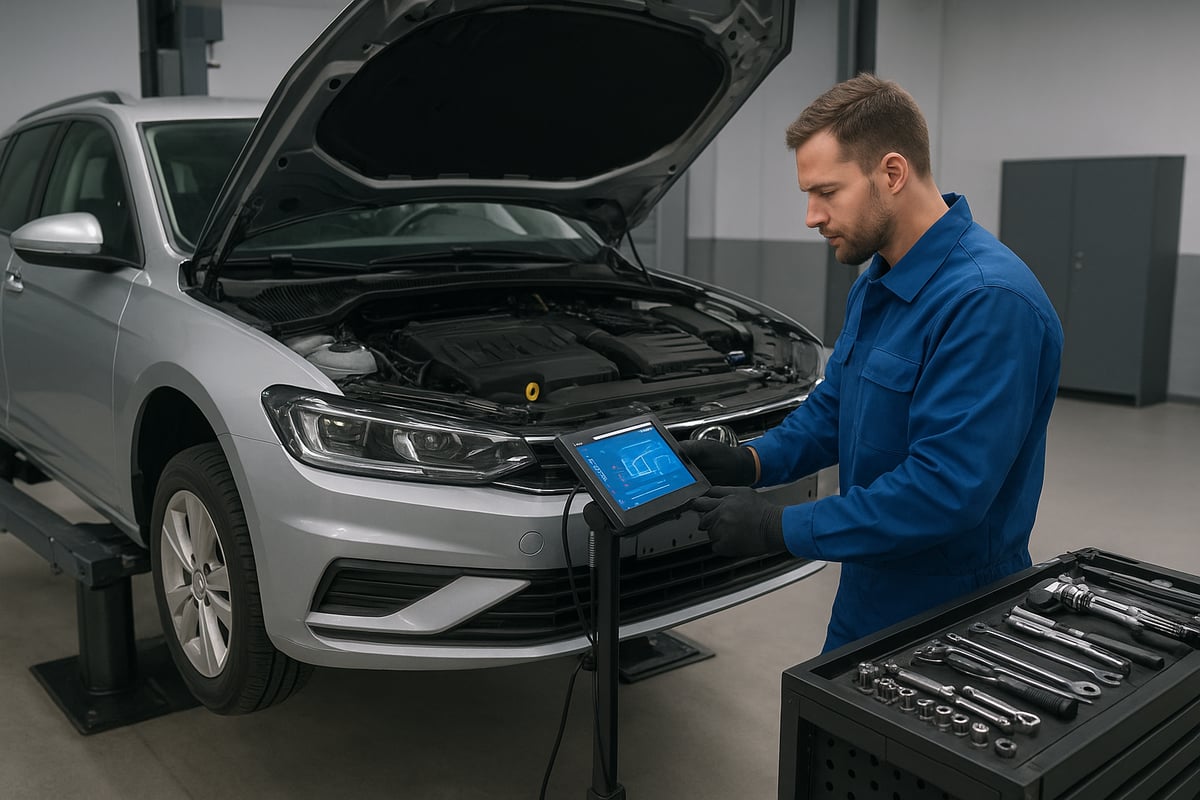
Regular preventive maintenance is the foundation of precision european auto repair. European vehicles are engineered for performance, comfort, and advanced technology, but this sophistication requires a proactive approach to care. By following expert-backed strategies, owners can limit unexpected breakdowns, maximize reliability, and control ownership costs.
Adhering to Manufacturer-Recommended Intervals
Sticking to the service intervals set by your vehicle’s manufacturer is crucial for precision european auto repair. These schedules, typically detailed in your owner’s manual or digital service log, are carefully designed to match your car’s unique engineering.
Essential tasks include oil and filter changes, fluid top-ups, brake inspections, and timing belt or chain replacements. For example, Volkswagen and Audi models often require timing component checks at specific mileage points to prevent costly engine damage. Following these intervals not only protects your investment but also supports warranty coverage and long-term performance.
Unique Maintenance Needs for Hybrid and Electric Models
Hybrid and electric European cars bring advanced technology and new maintenance requirements. Battery health is critical, so regular diagnostics and capacity checks are needed. Thermal management systems must be inspected to ensure efficient cooling and heating, especially for high-voltage components.
Software updates are another vital part of precision european auto repair for these vehicles. Manufacturers release updates to optimize energy use, enhance safety, and fix bugs. Neglecting these can lead to reduced range or system malfunctions. Always have updates performed by a qualified technician with the right diagnostic tools.
Seasonal Strategies for New Zealand Drivers
New Zealand’s changing weather means adapting your maintenance strategy throughout the year. In wet winters, check wiper blades, tire tread, and battery condition, as cold and moisture can impact performance. For hot summers, inspect the cooling system and air conditioning, and monitor fluid levels to prevent overheating.
Proactive attention to these details reduces the risk of seasonal breakdowns. For those driving Volkswagen models, you can explore Volkswagen specialist servicing for tailored advice and maintenance plans that address both climate and brand-specific needs.
Digital Tools, Parts Quality, and Avoiding Common Pitfalls
Leveraging digital service logs and reminders helps busy owners keep track of upcoming maintenance. Many modern European cars provide automated alerts for oil changes, brake service, and inspections, making it easier to stay on schedule.
Using high-quality fluids and genuine or approved aftermarket parts is essential for precision european auto repair. Inferior parts or low-grade fluids can shorten component life and compromise safety. A common pitfall is ignoring minor dashboard warning lights or delaying small repairs. Addressing issues early, such as a coolant leak or worn brake pads, prevents larger, more expensive problems down the road.
The Value of Proactive Care
Embracing a preventive maintenance mindset can reduce total ownership costs by up to 30 percent, according to the latest DAT Report 2025. A Mercedes-Benz C-Class owner who schedules proactive coolant and transmission servicing, for example, will likely enjoy a longer-lasting, smoother-running vehicle. By following these expert strategies and choosing precision european auto repair, you safeguard your car’s performance and your own peace of mind.
The Future of European Auto Repair: Trends and Innovations
European auto repair is entering a new era, shaped by digital transformation and evolving customer expectations. For owners who value precision european auto repair, understanding the forces reshaping the industry is essential for making informed decisions and ensuring their vehicles receive top-tier care.
Artificial Intelligence and Machine Learning
Artificial intelligence is rapidly becoming a central driver in precision european auto repair. By 2026, AI-powered systems can analyze vast amounts of vehicle data to detect issues before they become critical. Machine learning algorithms help predict component failures, allowing workshops to plan maintenance proactively and minimize downtime.
For example, the 2026 BMW 5 Series uses onboard AI to monitor system health and automatically schedule service appointments. This predictive approach not only enhances reliability but also extends vehicle lifespan. As AI continues to evolve, it will further personalize maintenance schedules, ensuring each European car receives exactly what it needs, when it needs it.
Augmented Reality and Remote Support
Augmented reality (AR) tools are changing how technicians approach complex repairs in precision european auto repair. With AR glasses, mechanics can access step-by-step manufacturer repair guides overlaid directly onto the vehicle. This reduces the risk of errors and speeds up repairs, especially for intricate systems like advanced driver assistance or hybrid components.
Remote support is also gaining ground. Expert technicians can now guide local mechanics through challenging repairs using live video feeds and shared AR interfaces. This technology bridges the skills gap, making specialized knowledge accessible even in smaller workshops, and ensures European vehicles receive accurate, brand-specific care.
Sustainability and Electric Vehicle Servicing
Sustainability is a growing priority in precision european auto repair. Workshops are adopting eco-friendly fluids, recycling programs, and energy-efficient practices to reduce their environmental impact. The shift to electric and hybrid vehicles brings new challenges, such as battery diagnostics and thermal management.
Servicing EVs requires advanced training and high-voltage safety protocols. As highlighted in The European Aftermarket in 2030, the rise of the aging car parc and the growth of EVs are reshaping repair markets, demanding innovation and adaptability from service providers.
Connected Car Technologies and Remote Diagnostics
Connected cars are redefining the landscape of precision european auto repair. Modern European vehicles are equipped with telematics systems that enable remote diagnostics, over-the-air software updates, and real-time performance monitoring. By 2026, 40% of repairs involve some element of remote intervention.
Self-diagnosing vehicles can alert owners and workshops to potential faults, often before symptoms appear. This connectivity streamlines the repair process, reduces diagnostic time, and enhances transparency for owners. The integration of digital service records also helps preserve vehicle value and simplifies future maintenance planning.
Technician Training and Industry Perspectives
As vehicles become more advanced, technician training is more crucial than ever in precision european auto repair. Technicians must master new diagnostic tools, software platforms, and repair procedures to keep pace with rapid technological change.
Industry experts predict that ongoing upskilling and strong manufacturer partnerships will define the most successful repair centres. The competition between independent specialists and dealership service centres is intensifying, with each offering unique advantages. According to The European Automotive Aftermarket: A Sector in Transformation, independent workshops that invest in digital capabilities and customer-centric service are well-positioned to thrive in the years ahead.
As you've seen throughout this guide, keeping your European vehicle at its best means staying proactive and trusting experts who truly understand the latest technologies and repair methods. At VODIS Automobile, you benefit from over 20 years of specialized experience, genuine parts, and transparent communication—ensuring every service is as precise as your car demands. If you want peace of mind knowing your Volkswagen, Audi, Mercedes, BMW, or Skoda is in skilled hands, now is the perfect time to take the next step.
Book in your service and experience the difference expertise makes.