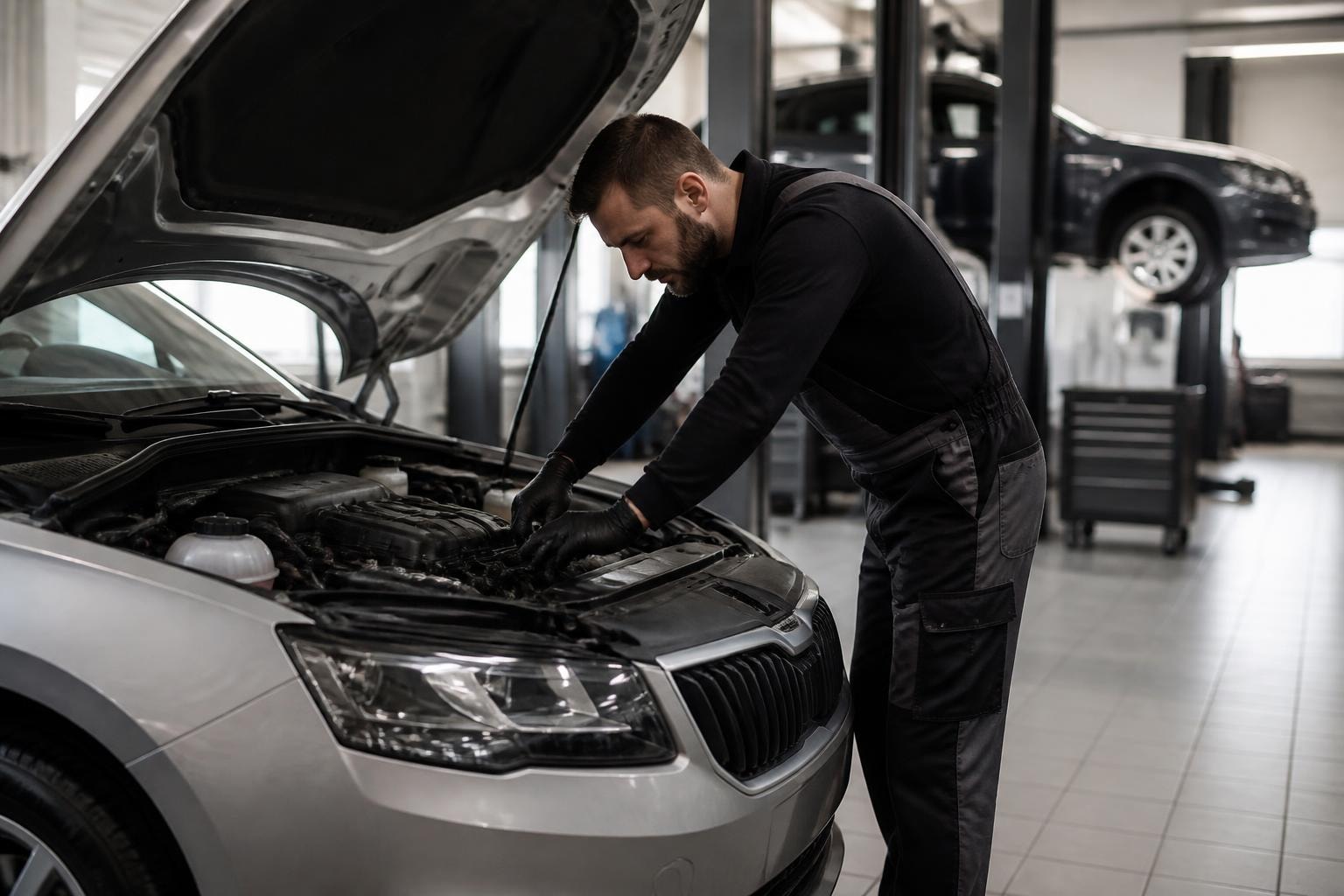

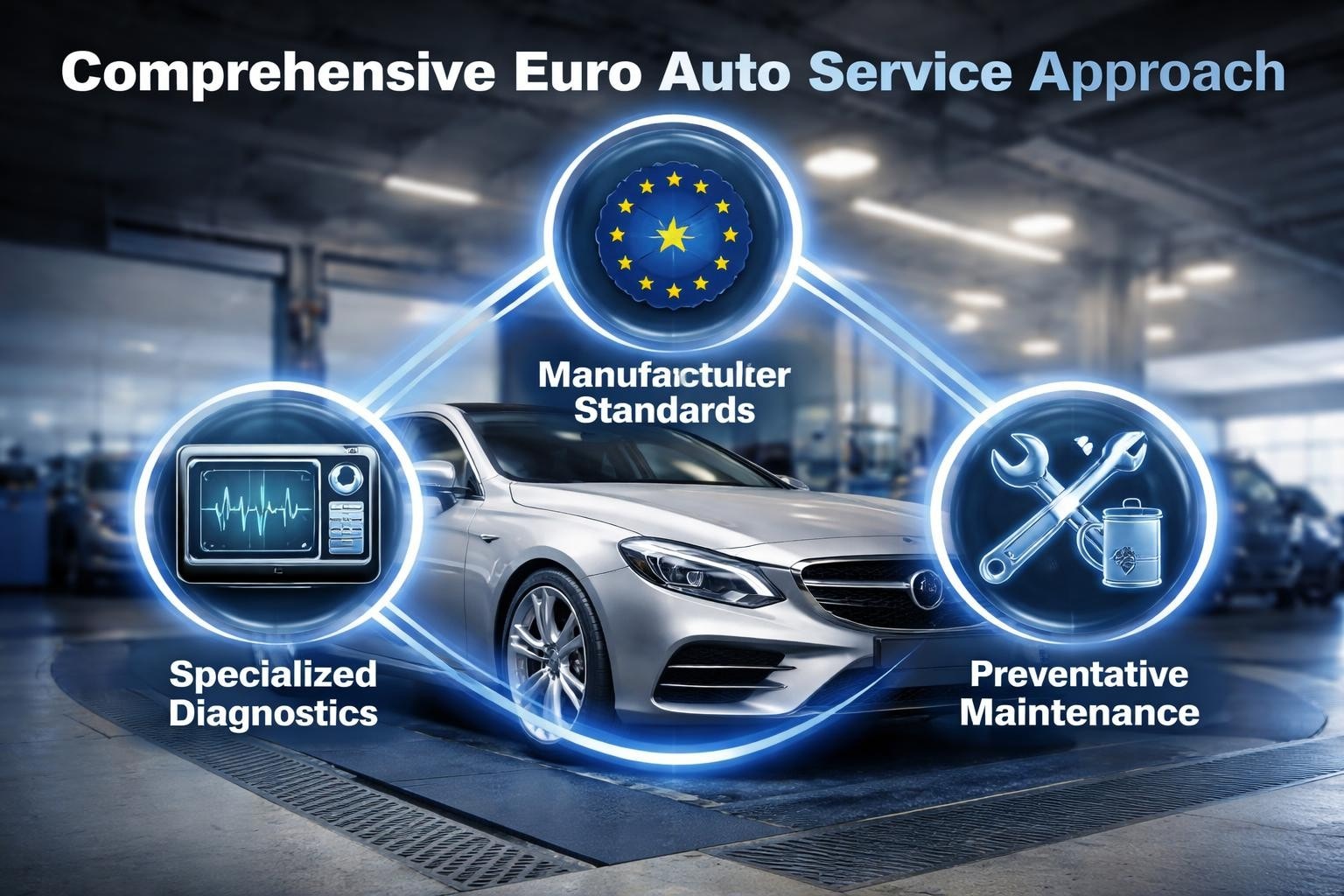
European vehicles represent the pinnacle of automotive engineering, combining performance, luxury, and advanced technology in ways that set them apart from other manufacturers. Whether you drive a Volkswagen, Audi, Mercedes, BMW, or Skoda, these sophisticated machines require specialized knowledge and expertise to maintain their exceptional performance. Euro auto service has evolved into a highly specialized field that demands technical proficiency, manufacturer-specific training, and access to advanced diagnostic equipment. As European automakers continue to push technological boundaries, the gap between standard automotive service and specialized euro auto service continues to widen, making it essential for owners to understand what truly sets expert European vehicle care apart.
Understanding the Specialized Nature of Euro Auto Service
European manufacturers operate under different engineering philosophies compared to their Asian or American counterparts. This fundamental difference manifests in every aspect of vehicle design, from engine architecture to electronic systems integration.
Key distinctions in European vehicle engineering include:
- Complex electronic control units (ECUs) that manage multiple systems simultaneously
- Manufacturer-specific diagnostic protocols requiring specialized scan tools
- Precision-engineered components with tighter tolerances
- Advanced emission control systems meeting stringent European emission standards
- Integrated safety systems that communicate across multiple modules
Euro auto service professionals must navigate these complexities daily. The diagnostic process alone differs significantly from conventional automotive service. Where a standard vehicle might use generic OBD-II protocols, European vehicles often require manufacturer-specific software to access deeper diagnostic levels and perform essential service procedures.
The Technology Gap
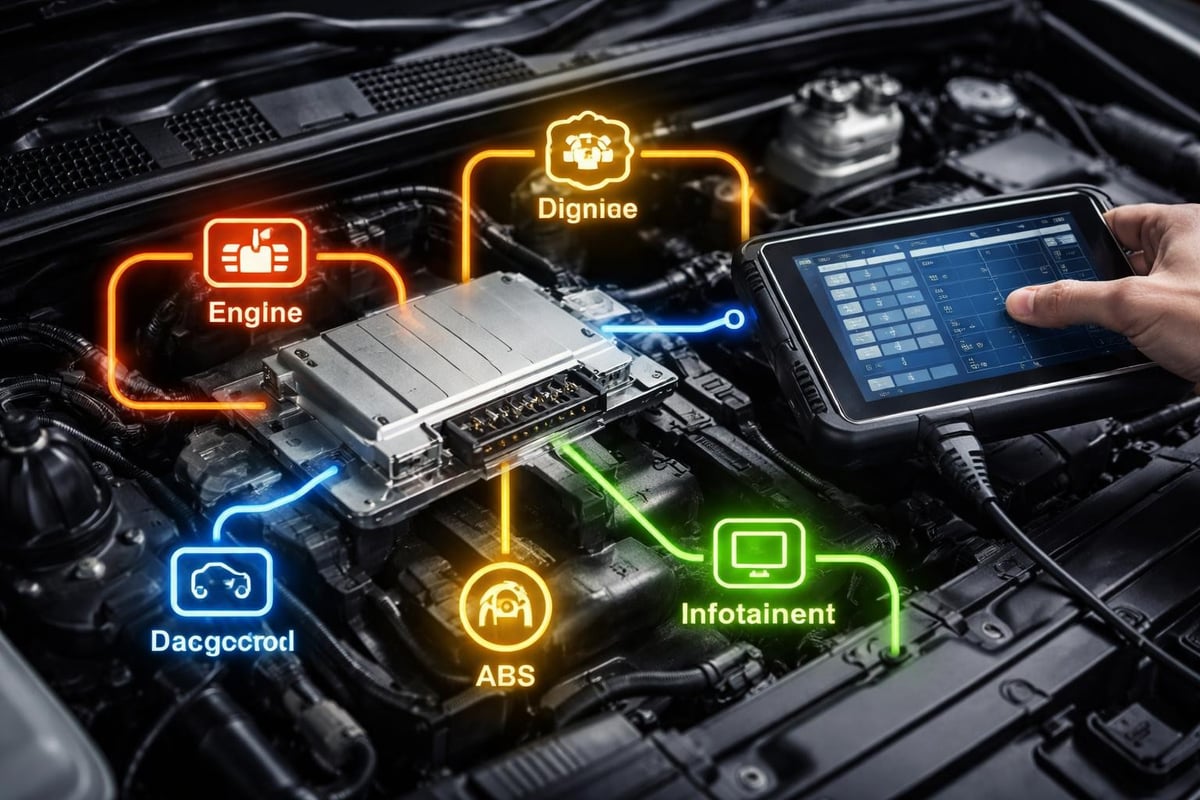
Modern European vehicles contain sophisticated computer networks that control everything from engine timing to climate control. These systems don't simply operate independently-they communicate constantly, sharing data and adjusting parameters based on driving conditions.
A qualified euro auto service technician must understand these intricate relationships. When a sensor fails in a Mercedes or BMW, the ripple effect can trigger multiple warning lights and affect seemingly unrelated systems. Proper diagnosis requires understanding the entire electronic architecture, not just isolated components.
| European Brand | Common ECU Count | Specialized Systems | Diagnostic Requirements |
|---|---|---|---|
| Volkswagen/Audi | 50-80+ modules | VCDS/VAG-COM, MQB platform | Factory-level scan tools |
| Mercedes-Benz | 60-90+ modules | COMAND, ASSYST service tracking | XENTRY diagnostics |
| BMW | 70-100+ modules | iDrive, condition-based servicing | ISTA diagnostic suite |
| Skoda | 45-70+ modules | Shared VW Group architecture | VAG-specific protocols |
Preventative Maintenance Standards for European Vehicles
The concept of preventative car maintenance takes on heightened importance with European vehicles. These automobiles are engineered for specific service intervals based on complex algorithms that monitor driving conditions, oil quality, and component wear.
Many European manufacturers have moved away from traditional mileage-based service intervals. Instead, they employ condition-based servicing systems that analyze actual vehicle usage patterns. This sophisticated approach requires euro auto service professionals to interface with these monitoring systems and interpret their recommendations accurately.
Critical Service Components
European vehicles demand attention to specific maintenance areas that differ from conventional automotive service schedules:
- High-performance engine oil specifications meeting European manufacturer approvals (VW 504.00, BMW LL-01, Mercedes 229.5)
- Dual-mass flywheels requiring specialized diagnostic procedures
- Direct injection systems needing specific cleaning protocols
- Advanced transmission services including DSG, Tiptronic, and ZF automatic units
- Brake fluid exchanges at precise intervals due to performance braking systems
The materials and fluids used in euro auto service must meet exacting standards. Using incorrect specifications, even if the product seems similar, can trigger warning lights, reduce performance, or cause premature component wear. This specificity extends beyond lubricants to include brake fluids, coolants, and even windshield washer additives formulated for specific climates and systems.
Emission Standards and Compliance
European vehicles are engineered to meet some of the world's most stringent emission regulations. The Euro emission standards have progressively tightened since their introduction, with each iteration demanding greater reductions in pollutants.
Understanding emission system complexity:
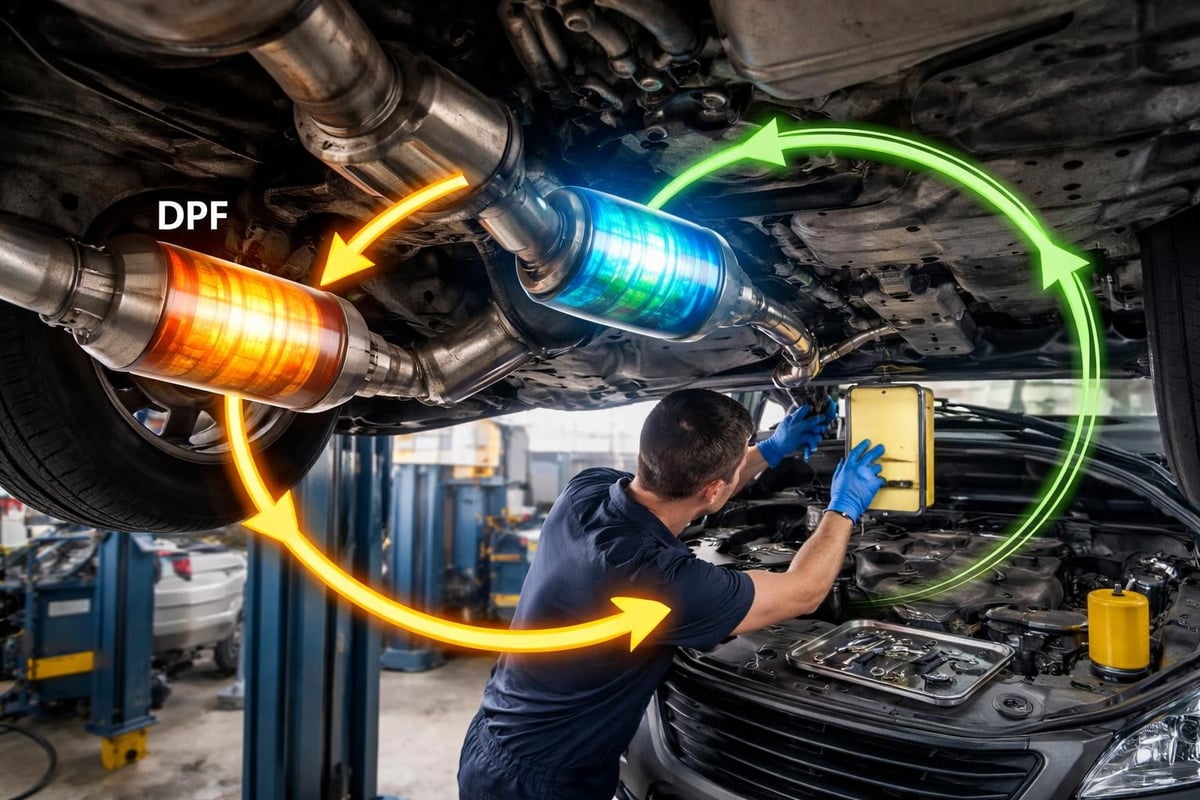
Modern European vehicles employ multiple technologies working in concert to meet these standards. Diesel particulate filters (DPF), selective catalytic reduction (SCR) systems, exhaust gas recirculation (EGR), and advanced three-way catalytic converters all require specific maintenance protocols. Euro auto service technicians must understand regeneration cycles, AdBlue quality requirements, and the diagnostic procedures necessary to maintain these systems.
The upcoming Euro 7 standards promise to further challenge the automotive industry, though many vehicles on Auckland roads currently operate under Euro 5 and Euro 6 regulations. Regardless of the standard, proper maintenance of emission systems requires specialized knowledge that general automotive service centers may not possess.
Service Impact on Emissions
Neglecting proper euro auto service procedures directly impacts emission system performance. A missed DPF regeneration cycle, contaminated AdBlue solution, or failing EGR valve can quickly cascade into expensive repairs and failed emission tests.
Diagnostic Equipment and Technical Expertise
The investment required to properly service European vehicles extends far beyond basic automotive tools. Factory-level diagnostic equipment for brands like Volkswagen, Audi, Mercedes, and BMW can cost tens of thousands of dollars-and that's before considering annual software subscription fees.
Essential euro auto service equipment includes:
- Manufacturer-specific diagnostic scan tools
- Oscilloscopes for electronic signal analysis
- Pressure transducers for precise system testing
- Specialized service tools for component removal
- Climate-controlled storage for sensitive electronic parts
This equipment alone doesn't ensure quality service. The technicians operating these tools must undergo continuous training to stay current with evolving vehicle systems. European manufacturers release software updates, technical service bulletins, and new diagnostic procedures regularly throughout the year.
The Training Investment
Euro auto service professionals typically pursue manufacturer-specific certifications beyond standard automotive qualifications. These programs cover:
- Advanced diagnostics for complex electrical systems
- Hybrid and electric vehicle service procedures
- All-wheel drive and active suspension systems
- Advanced driver assistance systems (ADAS) calibration
- Performance tuning and optimization protocols
Many technicians attend annual training sessions covering new model releases and updated service procedures. This commitment to ongoing education separates specialized euro auto service centers from general automotive shops attempting to service all vehicle types.
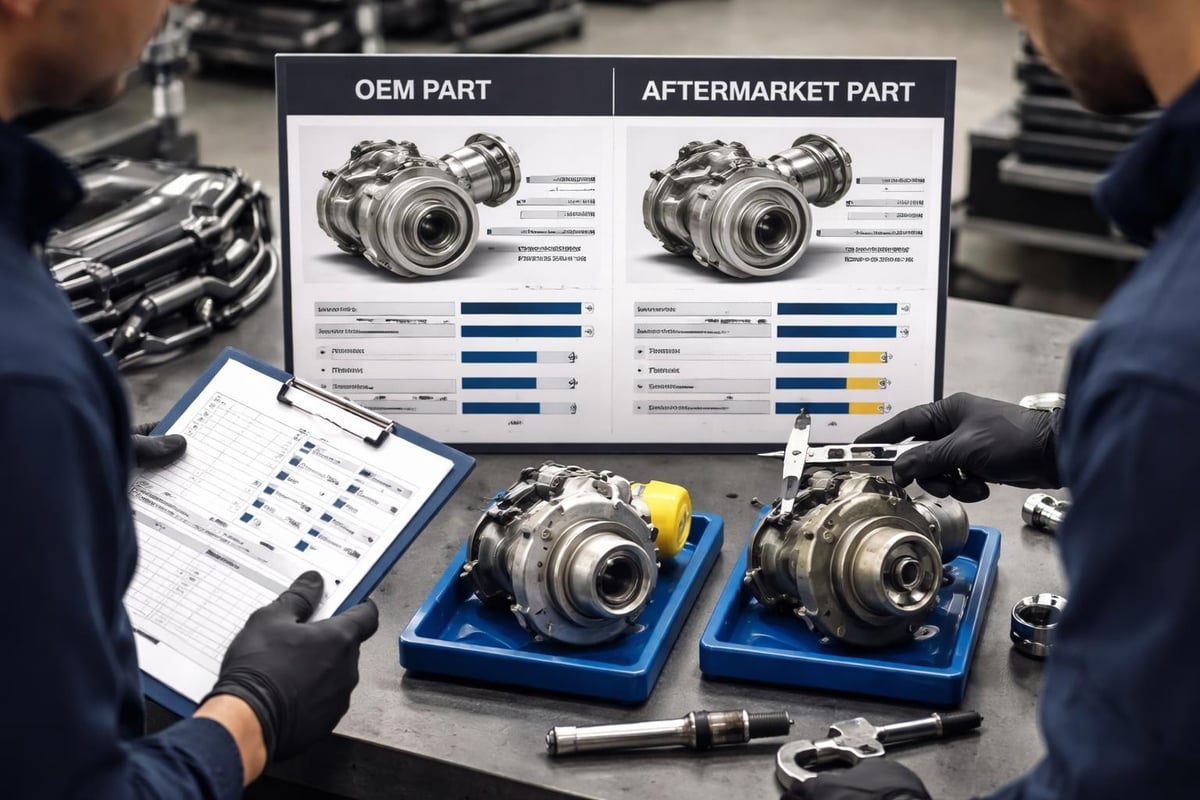
The Importance of Genuine and OEM Parts
Parts quality significantly impacts European vehicle performance and longevity. While aftermarket components exist for most European vehicles, not all alternatives meet manufacturer specifications.
| Part Category | Genuine/OEM Benefits | Aftermarket Considerations |
|---|---|---|
| Electronic Components | Guaranteed compatibility, latest software | May lack proper coding, potential module conflicts |
| Engine Components | Precise tolerances, warranty protection | Variable quality, potential fitment issues |
| Brake Systems | Performance-matched compounds | May not meet stopping distance requirements |
| Filters | Exact specifications for system protection | Flow rates may differ, affecting performance |
Euro auto service centers with strong manufacturer relationships can access technical information that helps determine when aftermarket parts offer genuine value versus when original equipment remains essential. This knowledge protects customers from both unnecessary expenses and false economy.
The Hidden Cost of Incorrect Parts
Installing incorrect components in European vehicles often creates problems that exceed the initial cost savings. A slightly out-of-spec sensor might function initially but trigger intermittent faults that prove difficult to diagnose. An improperly manufactured gasket could fail prematurely, leading to fluid leaks requiring extensive repairs.
Customer Experience in European Vehicle Service
The service standards that European manufacturers expect extend beyond technical competence to include customer communication and service delivery. Owners of premium vehicles anticipate professional interactions, clear explanations, and transparent pricing.
Elements of exceptional euro auto service experience:
- Detailed pre-service vehicle inspections with photographic documentation
- Clear communication about required versus recommended services
- Accurate time estimates and appointment scheduling
- Comfortable waiting facilities or courtesy transportation
- Post-service follow-up ensuring customer satisfaction
Trust forms the foundation of lasting customer relationships in euro auto service. Vehicle owners need confidence that their technician understands their specific model, communicates honestly about necessary repairs, and prioritizes their vehicle's long-term health over short-term profits.
Building Long-term Relationships
Many European vehicle owners develop decade-long relationships with their euro auto service provider. This continuity benefits both parties-the service center maintains comprehensive service history enabling more accurate diagnostics, while customers enjoy consistent care from technicians who understand their vehicle's unique characteristics and history.
The European car maintenance approach emphasizes this relationship-based service model, where technicians become familiar with individual vehicles and can detect subtle changes that might indicate developing issues before they become serious problems.
Common European Vehicle Service Requirements
Different European brands present characteristic service needs that qualified euro auto service technicians recognize and anticipate. Understanding these patterns helps owners budget appropriately and avoid surprise repairs.
Volkswagen and Audi Specific Considerations
Volkswagen Group vehicles share many components across the VAG platform, but service requirements vary by model and engine type:
- TSI/TFSI engines require specific carbon cleaning procedures due to direct injection
- DSG transmissions need regular fluid and filter changes despite being marketed as "lifetime fill"
- Timing chain systems on certain engines demand early inspection to prevent catastrophic failure
- Water pump failures on specific engine families require proactive replacement
Mercedes-Benz Service Patterns
Mercedes vehicles combine luxury with engineering complexity that demands careful attention:
- Air suspension systems requiring periodic inspection and eventual component replacement
- Balance shaft issues on certain M272/M273 engines necessitating preventative intervention
- Transmission conductor plate failures on 7-speed automatic transmissions
- SBC brake system maintenance on older models requiring specialized diagnostic capabilities
BMW Maintenance Specifics
BMW's performance-oriented engineering creates specific service requirements:
- Cooling system components including expansion tanks and water pumps with known service life
- Oil filter housing gaskets requiring replacement to prevent oil leaks
- VANOS system maintenance ensuring proper variable valve timing operation
- Electronic water pump failures on turbocharged engines
You can schedule your European vehicle service through convenient online booking to ensure your car receives the specialized attention it requires.
The Value Proposition of Specialized Euro Auto Service
Choosing specialized euro auto service over general automotive repair shops delivers measurable benefits that extend beyond immediate service quality. These advantages compound over the vehicle's ownership period, affecting reliability, resale value, and total cost of ownership.
Documented benefits include:
- Reduced likelihood of misdiagnosis and unnecessary repairs
- Proper service history documentation enhancing resale value
- Early detection of developing issues before major failure occurs
- Access to manufacturer technical service bulletins and known fixes
- Correct repair procedures that prevent comebacks and repeated failures
The investment in specialized service pays dividends through improved reliability and vehicle longevity. European vehicles maintained according to manufacturer specifications routinely exceed 200,000 kilometers while retaining strong performance characteristics.
Cost Considerations
While specialized euro auto service may command higher hourly rates than general automotive shops, the total cost equation favors expertise. Correct diagnosis on the first visit eliminates the trial-and-error approach that can characterize less specialized shops attempting to service unfamiliar vehicles.
| Service Approach | Initial Cost | Long-term Value | Reliability Impact |
|---|---|---|---|
| Specialized Euro Shop | Moderate to Higher | Excellent documentation and resale value | Maximized through proper procedures |
| General Automotive | Lower initial rates | Variable quality affects longevity | Depends on technician familiarity |
| Dealership | Highest rates | OEM parts and procedures | Consistent but expensive |
| Independent Euro Specialist | Competitive pricing | Best value proposition | Expert knowledge at reasonable cost |
Environmental Considerations in Modern Euro Auto Service
The automotive industry's focus on emissions reduction has transformed euro auto service requirements. Technicians must now understand complex emission control systems while properly disposing of environmentally sensitive materials.
Modern euro auto service facilities implement comprehensive environmental management systems addressing:
- Proper refrigerant recovery and recycling from air conditioning systems
- Used oil collection and certified disposal or recycling
- Battery handling protocols for conventional and hybrid vehicle batteries
- Coolant recovery preventing environmental contamination
- Particulate filter cleaning procedures that minimize environmental impact
These environmental responsibilities add complexity to euro auto service operations but ensure sustainable practices that protect both vehicles and the environment.
Technology Integration and Future Trends
European automakers continue advancing vehicle technology, creating new challenges and opportunities for euro auto service professionals. The integration of hybrid powertrains, advanced driver assistance systems, and connectivity features demands continuous adaptation.
Emerging service requirements include:
- High-voltage system safety protocols for hybrid and electric vehicles
- ADAS calibration following windshield replacement or structural repairs
- Over-the-air update compatibility ensuring software remains current
- Cybersecurity considerations protecting vehicle networks from unauthorized access
- Integration diagnostics identifying conflicts between newly installed accessories and factory systems
The euro auto service industry must invest continuously in training and equipment to maintain competency with evolving vehicle systems. This ongoing commitment separates true specialists from shops attempting to service European vehicles without proper preparation.
Preparing for Electric Transition
While many European vehicles on Auckland roads remain conventionally powered, the transition to electric powertrains accelerates. Euro auto service centers preparing for this shift invest in:
- High-voltage safety equipment and training
- Battery diagnostic and service capabilities
- Electric motor and inverter repair procedures
- Charging system installation and maintenance
This forward-looking approach ensures euro auto service providers remain relevant as the automotive landscape transforms over the coming decades.
Maintaining a European vehicle requires specialized knowledge, proper equipment, and commitment to manufacturer standards that distinguish expert care from conventional automotive service. Whether you drive a Volkswagen, Audi, Mercedes, BMW, or Skoda, your vehicle deserves attention from technicians who understand its unique engineering and service requirements. With over 20 years of specialized experience serving Auckland's North Shore, VODIS Automobile combines expert knowledge with genuine customer care, ensuring your European vehicle receives the precise maintenance it needs to deliver optimal performance and reliability for years to come.