


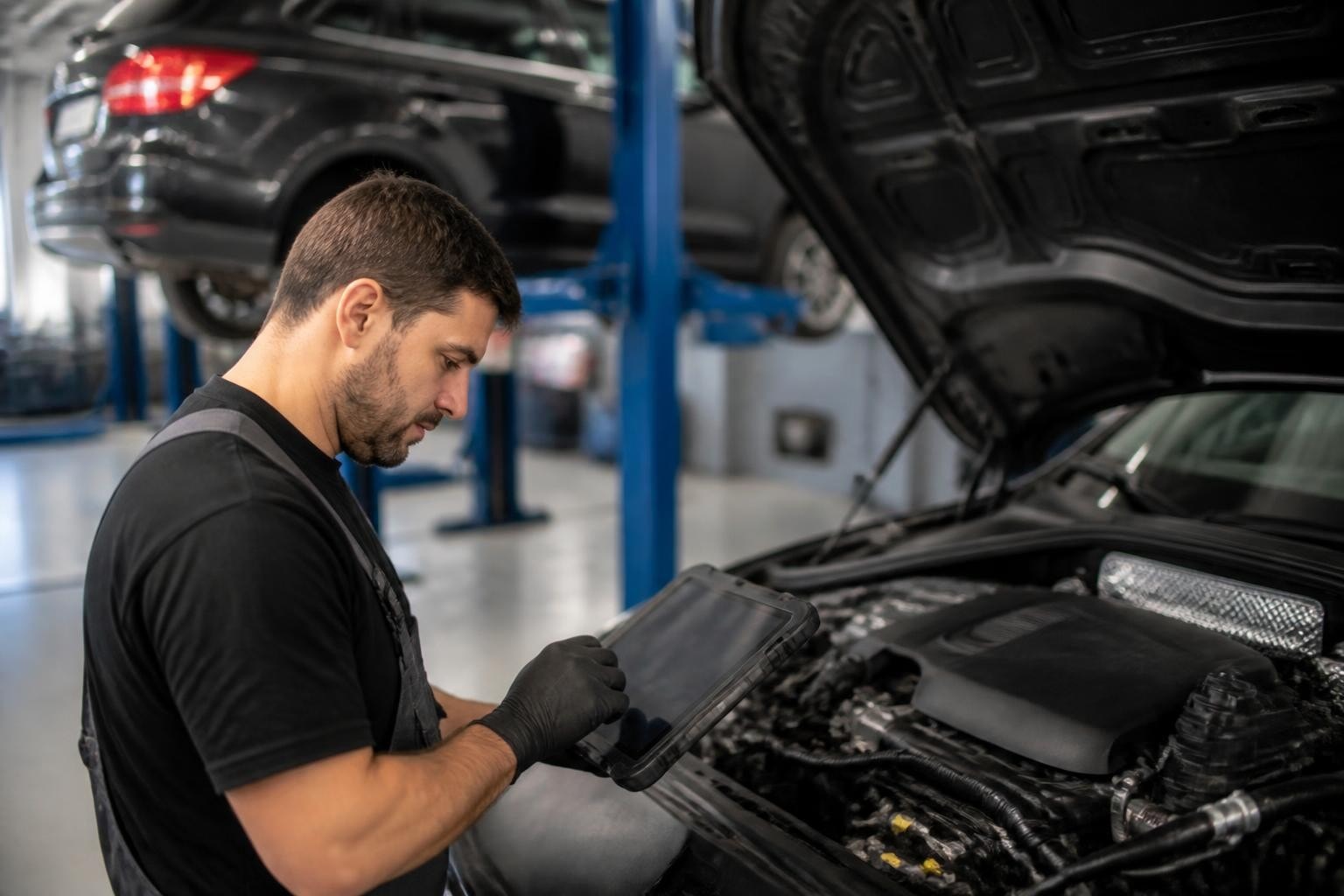
European vehicles represent engineering excellence, combining performance, luxury, and sophisticated technology. However, this advanced design demands specialized knowledge and expertise that goes far beyond general automotive repair. Understanding what makes a euro car mechanic different from a standard mechanic is essential for any owner of a Volkswagen, Audi, Mercedes, BMW, or Skoda who wants to maintain their vehicle's performance, longevity, and value. The right specialist doesn't just fix problems-they prevent them, understand the intricacies of European engineering, and possess the diagnostic tools necessary to keep these precision machines running optimally.
Why European Vehicles Require Specialist Knowledge
European manufacturers design their vehicles with distinct engineering philosophies that set them apart from Asian or American brands. A qualified euro car mechanic understands these fundamental differences and how they impact servicing requirements.
The complexity begins with engine management systems. European vehicles typically feature advanced electronic control units (ECUs) that monitor and adjust hundreds of parameters simultaneously. These systems require manufacturer-specific diagnostic equipment and software that general mechanics rarely possess. Without the correct tools, even identifying a fault becomes impossible, let alone resolving it effectively.
Advanced Engineering Standards
European manufacturers employ tighter tolerances and more sophisticated materials than many other automotive producers. This precision engineering delivers superior performance but demands equally precise maintenance protocols.
- Engine specifications: Require exact oil viscosity grades and change intervals
- Suspension systems: Feature complex multi-link designs with specific adjustment procedures
- Braking technology: Often incorporate electronic stability programs requiring specialized calibration
- Transmission systems: Include dual-clutch and continuously variable designs with unique service requirements
The engineering philosophy extends to every component. Where a standard vehicle might use a simple mechanical linkage, a European car employs an electronically controlled servo mechanism. This sophistication enhances driver experience but requires a euro car mechanic with specialized training to service correctly.
Essential Qualifications and Training
The pathway to becoming a competent euro car mechanic involves extensive education and continuous professional development. Unlike general automotive technicians, specialists in European vehicles must invest significantly more time in training.
Factory-trained technicians complete manufacturer-specific programmes that cover everything from basic servicing procedures to advanced diagnostic techniques. These programmes, offered by brands like Volkswagen, Audi, and BMW, ensure mechanics understand not just how to repair vehicles, but why certain procedures exist and how different systems interact.
| Qualification Level | Training Focus | Duration |
|---|---|---|
| Entry Level | Basic servicing, component identification | 3-6 months |
| Advanced Technician | Diagnostics, complex repairs, system integration | 1-2 years |
| Master Technician | All systems, programming, advanced troubleshooting | 3-5 years |
| Specialist Certification | Brand-specific advanced technology | Ongoing |
Beyond formal qualifications, experience matters enormously. A skilled euro car mechanic develops an intuitive understanding of how European vehicles behave, recognizing subtle symptoms that indicate developing problems. This expertise cannot be taught in classrooms-it comes from years of hands-on work with these sophisticated machines.
The requirement for ongoing education sets specialist mechanics apart. European manufacturers continuously introduce new technologies, from hybrid powertrains to advanced driver assistance systems. Staying current requires regular attendance at training courses, technical seminars, and certification updates.
Diagnostic Equipment and Technology
Modern European vehicles contain more computing power than the spacecraft that landed on the moon. Accessing and interpreting this data requires investment in sophisticated diagnostic equipment that general repair shops cannot justify.
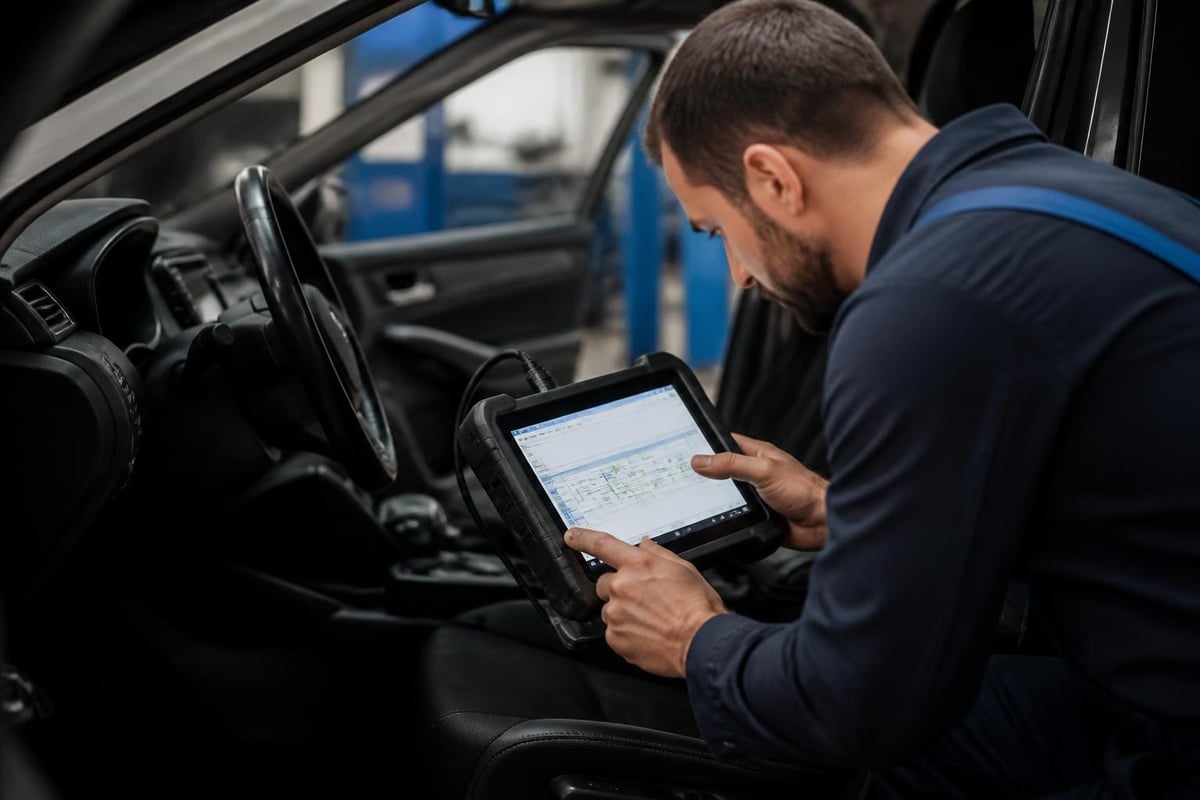
Manufacturer-specific scan tools provide the only reliable method for comprehensive diagnostics. While generic code readers might identify basic fault codes, they cannot access deeper system functions or perform essential procedures like component coding, adaptation, or programming. A professional euro car mechanic uses equipment costing tens of thousands of dollars to properly service these vehicles.
Critical Diagnostic Capabilities
Beyond basic code reading, advanced diagnostic platforms enable procedures essential for European vehicle maintenance:
- Live data streaming: Monitor real-time sensor values across multiple systems simultaneously
- Bi-directional control: Test components by commanding them to operate
- Coding and programming: Configure new components or update software
- Service reset functions: Reset maintenance indicators and perform system relearning
- Advanced measuring: Check electrical circuits with oscilloscope functions
The common mechanical issues in European cars often stem from electronic faults rather than mechanical failures. Without proper diagnostic equipment, identifying whether a driveability problem originates from a faulty sensor, wiring issue, or actual mechanical failure becomes guesswork.
Specialized tools extend beyond diagnostics. European vehicles require specific equipment for tasks like timing belt replacement, brake pad reset procedures, and suspension geometry adjustments. A competent euro car mechanic maintains a comprehensive toolkit designed specifically for these brands.
Common European Vehicle Maintenance Requirements
Understanding the unique maintenance needs of European vehicles helps owners appreciate why specialist service matters. These requirements differ significantly from Japanese or American vehicles, both in frequency and complexity.
Oil Service Intervals
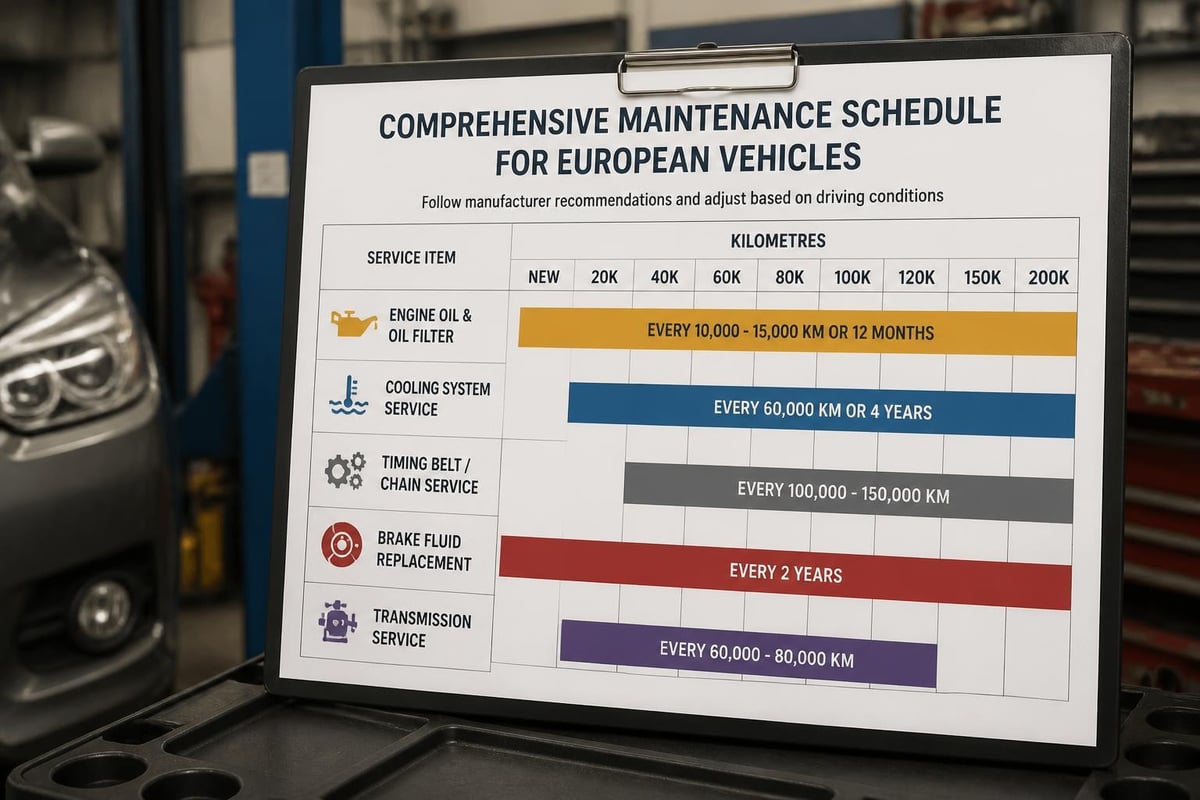
European manufacturers specify precise oil change intervals based on extensive testing. Following these schedules with the correct specification oil is non-negotiable. Using incorrect oil grades or extending intervals beyond recommendations leads to premature engine wear and potential failure.
Most European vehicles use fully synthetic oils meeting specific manufacturer approvals. A knowledgeable euro car mechanic stocks oils carrying the correct ACEA specifications and manufacturer certifications, ensuring compatibility with advanced engine designs.
Cooling System Maintenance
European engines run at higher operating temperatures than many other vehicles, placing greater stress on cooling systems. Regular coolant replacement using manufacturer-specified products prevents common European car repairs related to overheating and component failure.
Timing Component Replacement
Many European engines use timing belts or chains that require replacement at specific intervals. Unlike some manufacturers who specify replacement based solely on mileage, European brands consider both time and distance. A euro car mechanic tracks these intervals carefully, as failure to replace timing components results in catastrophic engine damage.
- Volkswagen/Audi: Typically 100,000-150,000 km or 5-7 years
- BMW: Chain-driven models require inspection rather than scheduled replacement
- Mercedes-Benz: Variable based on engine type, often 160,000 km
- Skoda: Follows Volkswagen Group specifications
The replacement procedure itself demands specialized knowledge. Incorrect installation causes immediate engine damage, making this a service where expertise is essential.
Parts Quality and Sourcing
The parts installed during service significantly impact vehicle reliability and longevity. A professional euro car mechanic understands the critical difference between genuine parts, OEM-equivalent quality components, and inferior aftermarket alternatives.
European vehicles use components engineered to exacting standards. Substituting lower-quality parts might save money initially but often leads to premature failure, poor performance, or even damage to other systems. For VODIS Automobile customers, booking your service online ensures access to genuine or high-quality European parts that maintain vehicle integrity.
| Component Type | Genuine/OEM | Quality Aftermarket | Budget Aftermarket |
|---|---|---|---|
| Durability | Manufacturer warranty | Good to excellent | Variable, often poor |
| Fitment | Perfect | Excellent | May require modification |
| Performance | Optimal | Near-optimal | Compromised |
| Cost | Highest | Moderate | Lowest |
| Warranty Support | Full | Limited | Minimal |
Beyond physical parts, European vehicles require specific fluids, from transmission oil to brake fluid, that meet stringent specifications. The higher maintenance costs in European cars reflect these quality requirements, but using correct specifications prevents expensive repairs later.
A qualified euro car mechanic maintains relationships with reputable parts suppliers, ensuring access to quality components at reasonable prices. This network provides the best balance between cost and quality, delivering value that budget parts cannot match.
Electrical System Expertise
Modern European vehicles feature electrical architectures of staggering complexity. Multiple control units communicate via high-speed data networks, managing everything from engine performance to interior lighting. Diagnosing and repairing these systems requires specialized knowledge that separates true specialists from general mechanics.
The common electrical problems in European cars often involve subtle faults that manifest as seemingly unrelated symptoms. A failing control module might cause intermittent starting problems, unusual warning lights, or erratic accessory operation. Without proper diagnostic procedures, these issues become impossible to resolve efficiently.
Network Diagnostics
European vehicles use Controller Area Network (CAN) bus systems where modules share information constantly. When one module fails or sends incorrect data, multiple systems can malfunction. A skilled euro car mechanic uses specialized software to monitor network traffic, identifying which module is causing problems and whether the issue stems from the module itself or the wiring connecting it.
Ground point corrosion represents another common electrical issue in European vehicles. These cars use sophisticated grounding schemes where multiple circuits share ground connections. When corrosion develops, it creates voltage drops that confuse control modules and cause bizarre symptoms. Locating the specific ground point causing problems requires detailed wiring diagrams and systematic testing procedures.
Preventive Maintenance Philosophy
European vehicle manufacturers design comprehensive maintenance schedules based on extensive testing and real-world data. Following these schedules prevents most major repairs and maintains vehicle value. A professional euro car mechanic educates customers about the importance of preventive maintenance rather than reactive repairs.
The essential maintenance tips for European vehicles emphasize regular servicing at specified intervals. This approach might seem more frequent or expensive than other vehicles, but it prevents the costly repairs that result from neglected maintenance.
Scheduled Inspection Points
- Brake system condition including pad thickness and fluid quality
- Suspension component wear and geometry settings
- Steering system condition and power steering fluid
- Engine mounts and drivetrain component wear
- Exhaust system integrity and emissions equipment function
- Battery condition and charging system performance
- Tyre condition, pressure, and wear patterns
These inspections identify developing problems before they cause breakdowns or damage other components. For example, worn engine mounts might seem minor, but they cause drivetrain vibration that accelerates wear on CV joints, transmission components, and even the exhaust system.
Understanding Service Costs
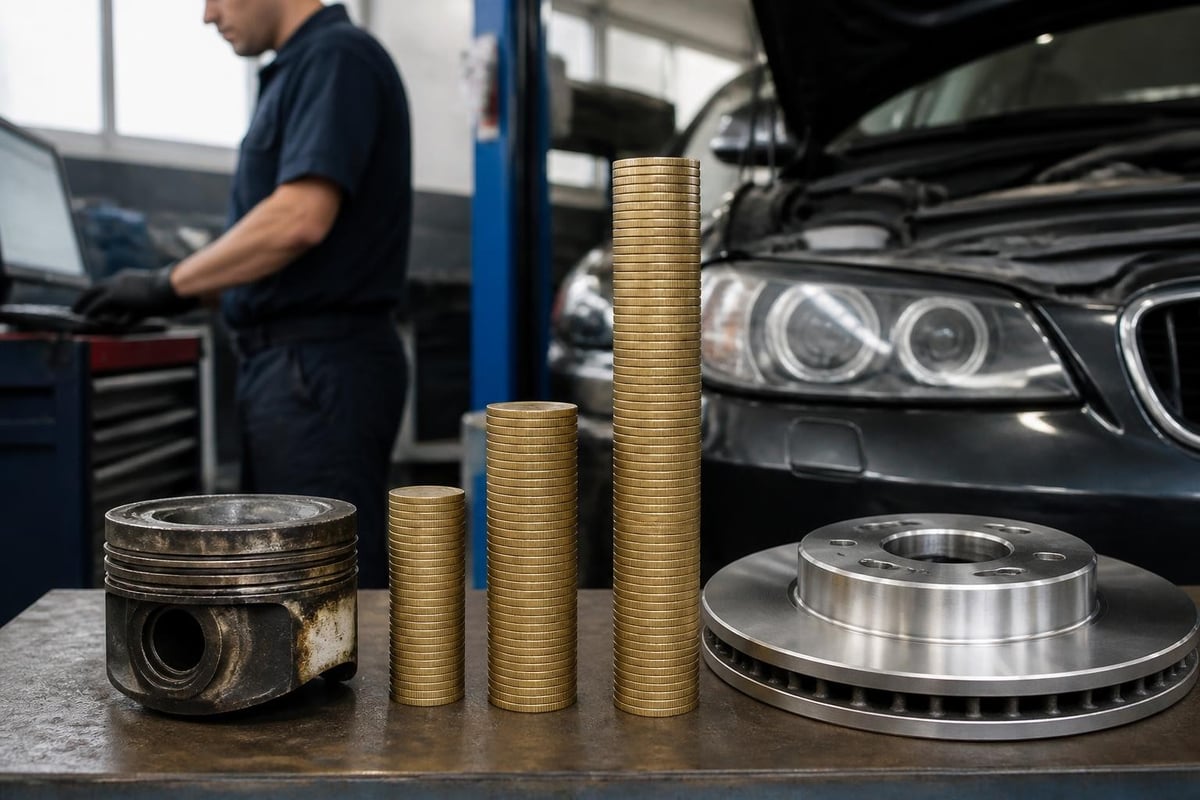
European vehicle servicing costs more than mainstream brands for legitimate reasons. Understanding these factors helps owners appreciate the value they receive from a qualified euro car mechanic.
The hourly labour rate at specialist workshops reflects the significant investment in training, equipment, and facilities required to service these vehicles properly. A mechanic who has completed manufacturer training programmes and maintains current certification commands higher rates than general technicians, but this expertise prevents the costly mistakes that come from inexperience.
Parts costs for European vehicles reflect the quality standards and engineering complexity involved. A timing belt kit for a European engine might cost three times more than one for a Japanese vehicle, but it includes components engineered to tighter tolerances and designed to operate reliably for the specified interval.
Value vs. Cost
Smart European vehicle owners recognize the difference between cost and value. Choosing the cheapest service option often leads to:
- Incorrect parts that fail prematurely
- Missed maintenance items that cause future problems
- Diagnostic errors that result in unnecessary part replacement
- Service procedures that don't meet manufacturer specifications
The common European car repairs after 100,000 km become far more expensive when previous maintenance has been substandard. A professional euro car mechanic provides transparent pricing and explains why specific services are necessary, helping customers make informed decisions.
Finding the Right Specialist
Not all workshops advertising European car service possess equal capability. Identifying a truly qualified euro car mechanic requires investigating several key factors beyond convenient location or attractive pricing.
Credentials and Experience
Request information about technician qualifications and experience. How many years has the workshop specialized in European vehicles? Do their mechanics hold manufacturer certifications? Can they demonstrate ongoing training participation?
A reputable specialist happily shares this information because their expertise represents a competitive advantage. Workshops staffed by factory-trained technicians with decades of experience deliver fundamentally different service quality than those using general mechanics who occasionally work on European vehicles.
Equipment Investment
Ask about diagnostic equipment. Does the workshop use manufacturer-specific scan tools or only generic code readers? Can they perform advanced procedures like component coding and module programming? The answers reveal whether they can properly service modern European vehicles.
Similarly, investigate their parts sourcing. Do they stock quality components or order the cheapest available alternatives? Will they install customer-supplied parts, or do they guarantee their work only when using parts they supply? These policies indicate their commitment to quality outcomes.
Communication and Transparency
The best euro car mechanic communicates clearly about required services, explains why specific work is necessary, and provides detailed estimates before commencing repairs. They show customers worn components, explain how problems developed, and recommend preventive measures to avoid future issues.
This transparency builds trust and helps customers understand the value they receive. When a mechanic explains that replacing worn suspension components now prevents tyre damage and improves handling, customers appreciate the recommendation's merit rather than viewing it as unnecessary upselling.
Modern European Vehicle Technology
The latest European vehicles incorporate technologies that seemed impossible just years ago. Hybrid powertrains, advanced driver assistance systems, and connected car features represent the cutting edge of automotive engineering. Servicing these technologies demands even more specialized expertise from euro car mechanics.
Hybrid systems combine internal combustion engines with electric motors and high-voltage battery packs. These components require specific safety procedures and specialized diagnostic equipment. A mechanic working on hybrid systems must understand electrical safety, high-voltage isolation procedures, and the complex interaction between electric and conventional powertrains.
Advanced Driver Assistance Systems
Modern European vehicles feature radar sensors, cameras, and ultrasonic sensors that enable autonomous emergency braking, adaptive cruise control, and lane-keeping assistance. When these components require replacement or the vehicle undergoes collision repair, they must be calibrated using manufacturer-specific procedures.
Calibration requires dedicated equipment and controlled environments. Camera systems need specific alignment targets positioned at precise distances. Radar sensors require calibration drives on roads meeting specific criteria. Without proper calibration, these safety systems cannot function correctly, potentially putting occupants at risk.
The expertise required to service these advanced systems explains why the role of a euro car mechanic continues evolving. Continuous learning is not optional-it is essential for anyone claiming to specialize in European vehicle service.
Long-Term Vehicle Care
European vehicles often deliver their best performance and reliability after the initial years. With proper maintenance from a skilled euro car mechanic, these vehicles regularly exceed 300,000 kilometres while maintaining excellent performance and reliability.
This longevity requires commitment to manufacturer-specified service intervals and prompt attention to developing issues. The cost of maintaining a European vehicle properly is predictable and manageable when spread across the vehicle's lifespan. Neglecting maintenance creates unpredictable, expensive failures that often exceed the vehicle's value.
Building a Service Relationship
Establishing a long-term relationship with a trusted euro car mechanic provides numerous benefits beyond convenient servicing. A mechanic familiar with your specific vehicle's history can identify developing patterns, recommend preventive measures based on your driving conditions, and maintain detailed service records that enhance resale value.
This relationship also provides peace of mind. When you trust your mechanic's expertise and integrity, service recommendations generate confidence rather than skepticism. You understand that suggested work serves your vehicle's best interests rather than the workshop's profit margins.
The importance of proper diagnostics and maintenance cannot be overstated for European vehicle owners. These sophisticated machines reward proper care with exceptional performance, reliability, and driving enjoyment across hundreds of thousands of kilometres.
Maintaining a European vehicle requires specialized knowledge, proper equipment, and commitment to quality that only trained specialists provide. Whether you drive a Volkswagen, Audi, Mercedes, BMW, or Skoda, partnering with qualified professionals ensures your vehicle receives the expert care it deserves. VODIS Automobile has served Auckland's North Shore for over 20 years with factory-trained technicians, manufacturer-specific diagnostic equipment, and an unwavering commitment to quality European vehicle service. Trust your vehicle to specialists who understand the engineering excellence behind European automotive design.