
European vehicles are increasingly popular worldwide, and with this growth comes a higher demand for trusted euro repairs. These cars bring advanced engineering, sophisticated electronics, and strict compliance requirements, making maintenance more complex, especially as 2026 introduces new technologies and regulations.
This guide offers expert insights, clear steps, and the latest advice tailored for euro vehicle owners, enthusiasts, and service providers. Use it to help ensure your European car stays reliable, efficient, and safe in 2026 and beyond.
You will find a comprehensive overview of euro repairs, including system diagnostics, common issues, maintenance strategies, technology trends, and tips for choosing the right repair specialist.
Understanding Modern Euro Vehicle Systems
European vehicles are renowned for their distinctive engineering, premium quality, and advanced features. As technology evolves, so do the complexities and requirements for euro repairs. Understanding the core systems in modern Euro cars is crucial for owners and technicians aiming to keep these vehicles performing at their best.
Key Features of European Automotive Design
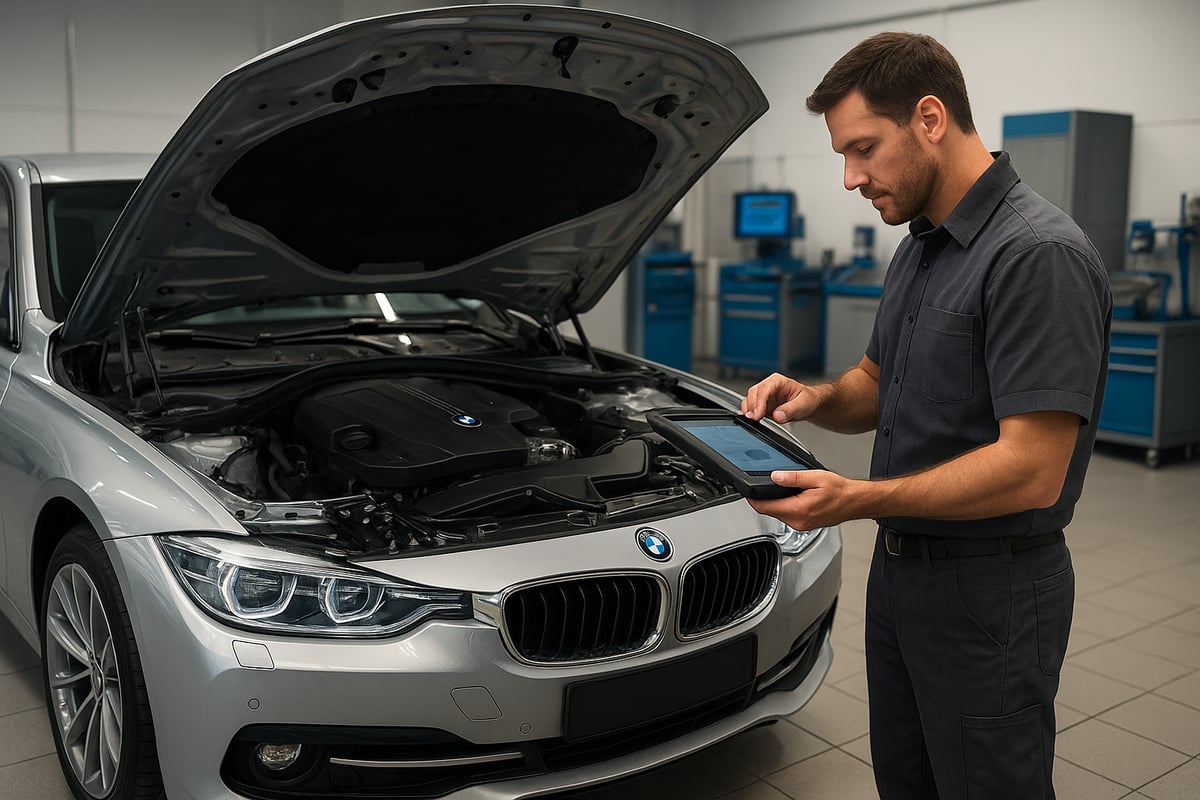
European automotive design stands apart due to its blend of precision, performance, and innovation. German brands focus on engineering excellence, while Italian manufacturers deliver exhilarating performance and style. Across the board, Euro vehicles incorporate advanced safety and driver assistance systems, prioritize fuel efficiency, and use top-tier materials for durability and comfort.
Infotainment and connectivity are seamlessly integrated, as seen in Audi’s Quattro AWD or BMW’s EfficientDynamics. Notably, over 65% of new Euro models now feature hybrid or electric drivetrains, reflecting a strong push toward sustainability. For those seeking reliable euro repairs, understanding these unique features is essential. For deeper insights into repair trends and service needs, consult the DAT Report 2025.
Electronic and Diagnostic Systems in 2026
By 2026, Euro vehicles are defined by their sophisticated electronic and diagnostic systems. The expansion of onboard diagnostics, especially OBD-III, allows for real-time data collection and remote troubleshooting. Software updates are now routine, with remote diagnostics becoming standard practice.
Specialized tools, such as Mercedes-Benz’s XENTRY and BMW’s ISTA, are vital for accurate euro repairs. These platforms enable technicians to identify faults quickly, reducing guesswork. In fact, 80% of Euro vehicle faults in 2025 were diagnosed digitally, emphasizing the importance of proper equipment and up-to-date knowledge.
Emissions, Safety, and Regulatory Compliance
Stricter emissions and safety regulations define the Euro automotive landscape in 2026. New standards require advanced catalytic converters, particulate filters, and AdBlue injection systems to manage emissions effectively. Safety technologies are also evolving, with Euro NCAP 2026 introducing more rigorous requirements for active and passive protection.
For example, Volkswagen’s adaptive safety suite integrates multiple sensors and algorithms to meet these standards. All 2026 Euro models must comply with NOx limits that are 10% more stringent than before, making regulatory compliance a top priority for euro repairs and maintenance.
Unique Maintenance Needs of Euro Vehicles
Euro vehicles demand specialized care due to their high-performance engines and intricate components. These cars often require specific fluids, unique timing belt or chain intervals, and meticulous adherence to manufacturer guidelines. Using original equipment manufacturer (OEM) parts is critical for ensuring reliability and longevity.
For instance, Skoda’s long-life service intervals are only effective when using correct parts and fluids. Industry surveys indicate that using non-OEM parts increases failure risk by 30%. Therefore, anyone overseeing euro repairs must prioritize genuine components and prescribed maintenance procedures.
Common Owner Misconceptions
Many owners believe euro repairs are always costly or that any mechanic can service these vehicles. In reality, the complexity of Euro systems demands specialized training and equipment. Some also worry that independent servicing voids warranties, though reputable specialists can maintain compliance when using approved parts and procedures.
Comparing independent specialists to dealership servicing reveals that expertise and transparency matter more than location. Notably, 40% of Euro owners overpay by visiting non-specialist shops. Understanding these misconceptions helps owners make smarter choices, ensuring their vehicles remain reliable and efficient far into the future.
Common Euro Repair Challenges in 2026
European vehicles are admired for their performance and innovation, but euro repairs in 2026 present a unique set of challenges. Owners and professionals alike must navigate brand-specific issues, complex electronics, and evolving emissions standards. Here are the most pressing repair hurdles faced by euro vehicle owners and technicians.
Most Frequent Issues by Brand
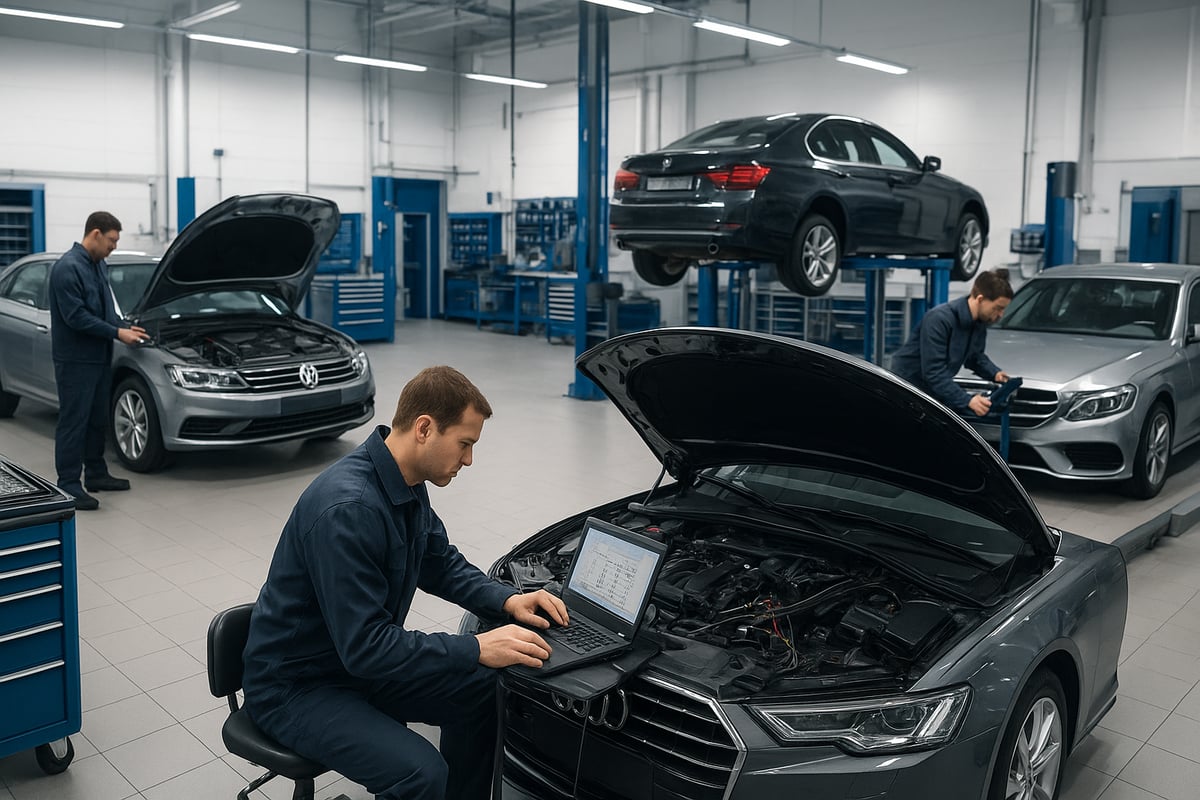
Each European marque brings its own repair patterns. For Volkswagen, DSG transmission problems and timing chain stretch top the list of euro repairs. Audi owners frequently report excessive oil consumption and mysterious electrical issues. Mercedes vehicles often face air suspension failures and troublesome sensors. BMW is known for cooling system leaks and VANOS timing unit faults, while Skoda drivers may encounter turbocharger and electrical reliability concerns.
Top 5 Euro Repair Claims (2025 Insurance Data):
| Brand | Common Issue 1 | Common Issue 2 |
|---|---|---|
| Volkswagen | DSG Transmission | Timing Chain Stretch |
| Audi | Oil Consumption | Electrical Gremlins |
| Mercedes | Air Suspension Faults | Sensor Failures |
| BMW | Cooling System Leaks | VANOS Problems |
| Skoda | Turbocharger Reliability | Electrical Faults |
Understanding these patterns allows technicians to anticipate euro repairs and address issues before they escalate.
Diagnosing Complex Electrical Problems
Modern euro vehicles are packed with electronic systems, making diagnostics a significant challenge. CAN bus failures, intermittent sensor errors, and module resets are daily realities in euro repairs. Generic scan tools often miss nuanced faults, so brand-specific equipment—like Audi’s MMI diagnostic tools—is essential for accuracy.
- CAN bus diagnostics require expertise and patience
- Sensor issues may only appear under certain conditions
- Brand-specific scan tools increase success rates
Misdiagnosis is common, with 60% of euro electronic issues initially missed by general garages. Investing in the right tools and training ensures more effective euro repairs and fewer repeat visits.
Addressing Transmission and Drivetrain Repairs
Transmission and drivetrain issues are a major contributor to euro repairs costs. DSG, ZF, and S-Tronic gearboxes require precise fluid changes and regular maintenance. Common symptoms include slipping, harsh shifting, and persistent warning lights.
- Fluid changes must match manufacturer specs
- Neglecting transfer case service, as with BMW xDrive, leads to costly failures
- Warning lights signal deeper issues that need immediate attention
Transmission repairs now account for 25% of all euro repairs expenses. Staying ahead with scheduled maintenance can prevent breakdowns and save on major repairs.
Managing Emissions and AdBlue Systems
Emissions standards for euro vehicles have become stricter for 2026, increasing the complexity of euro repairs related to emissions. Diesel models frequently require DPF regeneration and AdBlue system troubleshooting. Warning lights or limp mode can indicate clogged filters or SCR (Selective Catalytic Reduction) failures, as seen in Mercedes BlueTEC systems.
Common Emissions-Related Repairs:
- DPF cleaning or replacement
- AdBlue tank and injector diagnostics
- SCR system recalibration
By 100,000km, one in four euro diesels will need DPF attention, making emissions systems a top priority in euro repairs.
Dealing with Parts Availability and Cost
Sourcing the right parts is a growing challenge for euro repairs in 2026. OEM components are critical for reliability, but global supply chain disruptions have increased lead times and prices. Audi electronic module shortages in 2025 highlighted the vulnerability of parts supply, with euro parts costing 20 to 40 percent more than Japanese equivalents.
- OEM vs aftermarket: reliability and warranty implications
- Delays for rare or specialized components
- Price differences impact repair decisions
According to the Automotive Repair Maintenance Service Market Report, the cost and sourcing of genuine parts remain a strategic concern for euro repairs professionals and owners alike.
Step-by-Step Euro Vehicle Maintenance Guide
A thorough maintenance routine is the foundation of reliable euro repairs. Whether you are a vehicle owner or a technician, following each step correctly ensures your European car delivers peak performance and longevity. This guide provides a clear, actionable process for maintaining modern Euro vehicles in 2026.
Pre-Maintenance Checks and Preparation
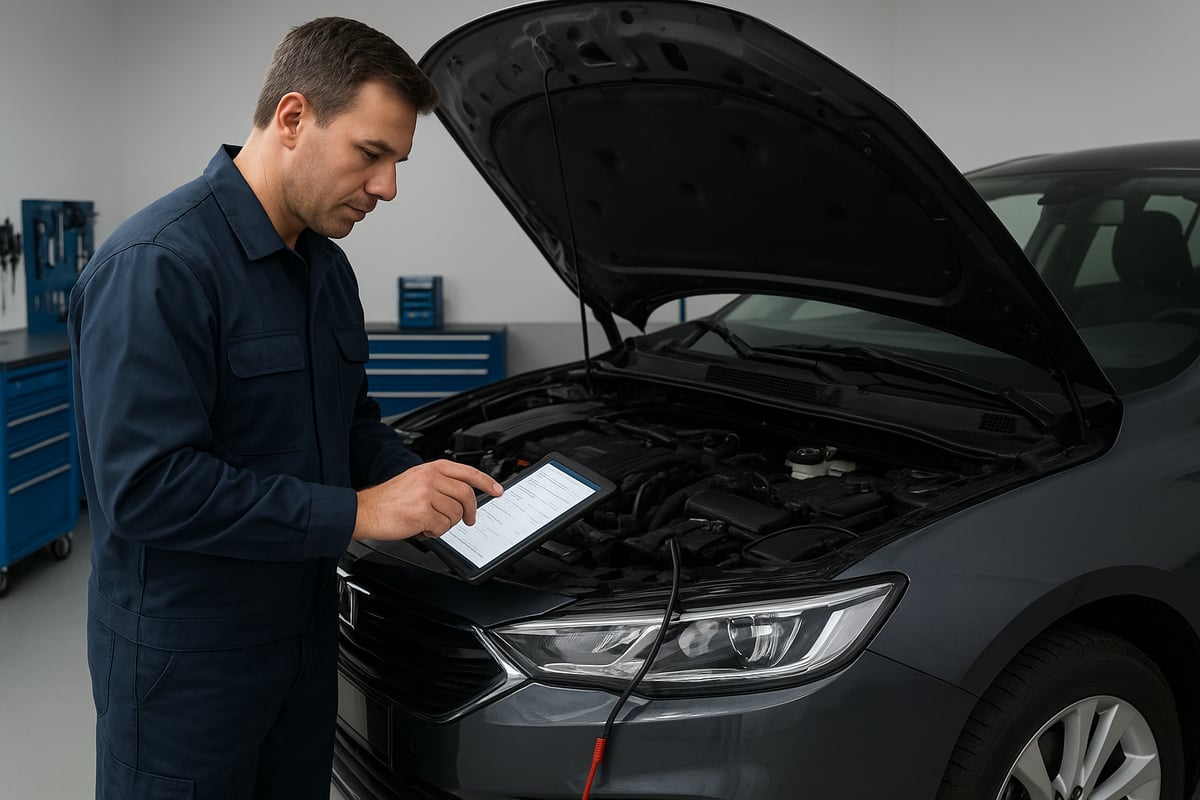
Begin every euro repairs session by verifying the vehicle’s service history and confirming that all recalls have been addressed. Gather all necessary tools, including brand-specific diagnostic equipment and safety gear, especially if working on hybrid or high-voltage systems.
Always check the latest fluid specifications and OEM part numbers before starting. Preparing in this way reduces errors and ensures compliance with manufacturer standards. Regular, well-documented maintenance not only improves reliability but also supports sustainability and safety, as outlined in the Benefits of Vehicle Repair and Maintenance report.
Engine and Oil System Maintenance
Euro repairs require strict adherence to manufacturer-recommended oil change intervals and the use of approved oil grades. Replace the oil filter and sump plug washer during every service, and always check for oil leaks or signs of sludge buildup.
Reset the service indicator once the job is complete. For newer Euro models, using the right oil and components is critical for emissions compliance and engine health. This attention to detail helps avoid costly engine issues down the line.
Cooling System and Timing Components
Inspect coolant levels and pressure test the system to detect leaks. Only use manufacturer-approved coolant, as incorrect fluids can cause corrosion or overheating. For euro repairs, pay attention to timing belt or chain intervals, which often differ from non-European vehicles.
Replace worn timing components as scheduled to prevent engine failure. Routine checks of these systems help avoid roadside breakdowns and extend engine lifespan.
Brake, Suspension, and Steering Care
Effective euro repairs include regular checks of brake pads, discs, and fluid condition. Inspect control arms, bushings, and ball joints for wear, and test the integrity of air suspension systems if equipped.
Calibrate adaptive suspension systems according to manufacturer procedures. Keeping these components in top condition ensures optimal safety, ride comfort, and handling, all of which are hallmarks of European automotive engineering.
Electrical System and Battery Maintenance
Modern Euro vehicles rely heavily on advanced electrical systems. Test AGM or EFB batteries for proper charge and check alternator output. Use brand-specific diagnostic tools to identify sensor or module faults.
Update software as needed and code new parts to the vehicle when replacements are made. Proper electrical maintenance is essential for reliable euro repairs and to prevent unexpected failures due to miscommunication between electronic modules.
Transmission and Drivetrain Servicing
For euro repairs related to transmission, always follow the correct fluid change procedures for DSG, S-Tronic, or ZF gearboxes. Inspect CV joints, driveshafts, and mounts for wear, and replace transfer case and differential fluids at recommended intervals.
Proper servicing of these components maintains smooth shifting and prevents costly transmission failures. Always use fluids that meet the precise specifications set by the manufacturer.
Final System Checks and Road Testing
Complete every euro repairs session with a thorough review. Verify all warning lights are cleared and perform adaptive resets for systems like throttle or gearbox if required.
Conduct a comprehensive road test to check drivability, performance, and ensure that all issues have been resolved. Document all work performed, as this supports warranty claims and maximizes resale value for European vehicles.
The Impact of 2026 Technology Trends on Euro Repairs
Technology is rapidly transforming euro repairs, making expertise and up-to-date knowledge more important than ever. As we move into 2026, new advancements in electrification, connectivity, safety, sustainability, and technician training are reshaping the way European vehicles are serviced and maintained.
Electrification and Hybrid Systems
The growth of plug-in hybrids and full electric vehicles is a defining trend for euro repairs in 2026. Nearly half of all new European models are now electrified, which requires workshops to adapt quickly.
Technicians must be proficient in battery diagnostics, thermal management, and high-voltage safety protocols. Special equipment is needed to safely isolate and service battery packs. For example, BMW’s i-series demands rigorous checks of its battery cooling and insulation systems at each service interval.
Owners should be aware that even routine euro repairs now involve unique procedures for hybrid components. Proper handling ensures safety, efficiency, and long-term reliability.
Connectivity, Telematics, and Over-the-Air Updates
Connectivity is a cornerstone of modern euro repairs. Today’s vehicles are equipped with advanced telematics, allowing real-time remote diagnostics and even remote repairs. Software updates are now as common as oil changes, with 70% of repairs involving some form of programming or coding.
Workshops must manage cybersecurity risks while ensuring all updates are manufacturer-approved. Audi’s MIB 3 infotainment system, for example, can receive over-the-air patches to fix bugs or improve features. The rapid adoption of connected tech is reflected in recent European Vehicle Market Statistics 2025/26, which highlight the shift toward digitalized servicing and diagnostics across the EU.
For euro repairs, this means technicians must continually upgrade their skills and tools to keep up with evolving software and connectivity standards.
Advanced Driver Assistance Systems (ADAS)
ADAS technologies are now standard in most European vehicles. Systems like lane-keeping assist, adaptive cruise control, and emergency braking all require precise calibration after repairs or windshield replacements.
Euro repairs involving ADAS demand specialized tools and expertise. For instance, Mercedes’ Distronic Plus system needs accurate sensor alignment to function safely. The rise in ADAS-equipped vehicles has led to a 35% increase in related repair work since 2023.
If sensors are misaligned, safety features may malfunction, highlighting the importance of choosing properly trained euro repairs specialists.
Sustainability and Green Repairs
Sustainability is now at the forefront of euro repairs. Workshops are adopting eco-friendly fluids, recycled materials, and emissions-conscious processes. Volkswagen’s carbon-neutral service initiative sets a benchmark, encouraging other brands to reduce their environmental impact.
About 30% of euro service centers now offer green repair options. These include recycling used components, using water-based paints, and responsibly disposing of hazardous materials. For owners, selecting a green-focused shop can reduce their vehicle’s carbon footprint and support sustainability goals.
As regulations tighten, expect more euro repairs providers to adopt environmentally responsible practices.
Skills and Training for Future Euro Technicians
The pace of change in euro repairs means ongoing technician training is essential. With new technologies, annual recertification is the norm. Major brands like Audi and Mercedes-Benz invest heavily in programs such as Audi Academy and Global Training to ensure their technicians remain at the cutting edge.
Workshops that prioritize ongoing training are better equipped to handle complex diagnostics, software updates, and safety protocols. For owners, choosing a service center with certified, regularly upskilled technicians ensures their vehicle receives the highest standard of care.
Regular training is the foundation of reliable, future-proof euro repairs in 2026.
Choosing the Right Euro Repair Specialist in 2026
Selecting the right professional for euro repairs is more important than ever. As technology and regulations evolve, specialized expertise ensures your vehicle receives the care it deserves. Not all workshops are equal, so understanding what sets true specialists apart will protect your investment and peace of mind.
What Sets Euro Specialists Apart
Euro repairs demand more than generic automotive knowledge. Specialists have in-depth training with European brands, enabling them to understand complex electrical systems, proprietary diagnostics, and unique engineering standards.
Key differentiators include:
- Access to brand-specific diagnostic tools and software
- Strict use of genuine, manufacturer-approved parts
- Adherence to factory-recommended repair procedures
Euro specialists also prioritize clear communication, ensuring you understand recommended services and their benefits. By focusing on euro repairs, these professionals deliver higher accuracy, reduce repeat visits, and support long-term reliability.
Evaluating Certifications, Reviews, and Reputation
When seeking euro repairs, always check for recognized certifications such as MTA, ASE, or direct manufacturer approval. These credentials prove technicians are well-versed in the latest technologies and compliance standards.
Take time to review customer feedback on trusted platforms. Look for consistent praise regarding technical skill, transparency, and timely service. Ask friends or local car clubs for recommendations, especially from those with similar vehicles.
A reputable euro repairs specialist will have a strong track record and transparent customer communication, giving you confidence in both quality and value.
Questions to Ask Before Booking a Service
Before confirming euro repairs, prepare a checklist to evaluate your chosen provider:
- Does the technician have experience with your specific model?
- Will they provide a detailed, itemized quote?
- Are all parts and labor covered by warranty?
- How do they handle software updates or recalls?
Asking these questions helps you compare options and avoid unexpected costs. A trustworthy euro repairs provider welcomes informed clients and values transparency throughout the service process.
VODIS Automobile: Trusted European Vehicle Specialists in Auckland
VODIS Automobile stands out in Auckland for expert euro repairs on Volkswagen, Audi, Mercedes, BMW, and Skoda vehicles. With over 20 years of experience, their team is renowned for professionalism and technical proficiency.
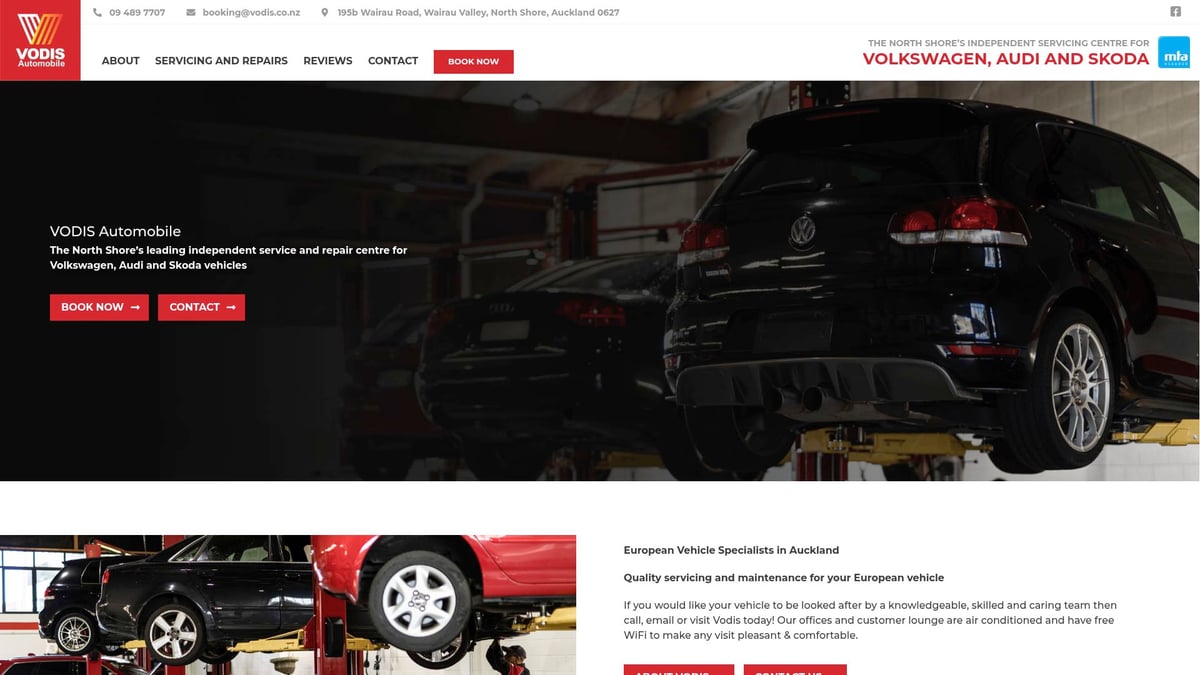
VODIS uses genuine parts, advanced diagnostics, and clear communication to ensure every repair meets factory standards. Customers enjoy modern amenities and the convenience of online booking, making euro repairs seamless and stress-free.
Local owners trust VODIS for dealership-level service at a more competitive price point. Their consistent results and positive reputation make them a top choice for euro repairs on Auckland’s North Shore.
Red Flags: When to Avoid a Repair Shop
To protect your vehicle, watch for these warning signs before committing to euro repairs:
- Lack of brand-specific tools or ongoing technician training
- Vague estimates or hidden charges
- Poor communication or rushed diagnostics
Many dissatisfied owners report issues when trusting non-specialist shops. In fact, one in three euro repairs customers encounters negative experiences at such locations.
Choosing a dedicated euro specialist minimizes risk and maximizes your car’s reliability and value.
Preventative Strategies and Cost-Saving Tips for Euro Owners
Owning a European vehicle brings undeniable benefits, but it also requires a proactive approach to care. Smart maintenance not only extends your car’s life but also helps you avoid unexpected euro repairs. By following expert strategies, you can maintain performance, control costs, and drive with confidence.
Following Manufacturer Maintenance Schedules
Adhering to your vehicle’s recommended maintenance schedule is the foundation of reliable euro repairs. European manufacturers like BMW and Mercedes use advanced systems—such as Condition Based Servicing (CBS)—to monitor fluid levels, wear, and service intervals.
Review your owner’s manual and set reminders for regular checks. Digital service records make it easier than ever to track completed tasks and upcoming needs. Skipping intervals may save time in the short term, but it often leads to more expensive euro repairs down the road.
DIY vs. Professional Repairs: When to Choose Each
Many owners wonder if tackling minor euro repairs themselves is a good idea. Simple jobs like changing air filters or bulbs are safe for most DIYers, especially with clear instructions and the right tools.
However, complex systems—such as timing chains or electronic modules—should always be serviced by qualified professionals. Attempting advanced euro repairs without proper expertise can void warranties or cause further damage. Weigh the risks and benefits before deciding which tasks to handle yourself.
Sourcing Quality Parts and Fluids
The quality of parts and fluids directly impacts the reliability of euro repairs. Always verify that components are genuine or from reputable suppliers. Counterfeit parts are increasingly common and can cause significant issues, including premature failures.
Consider using authorized dealers or trusted online retailers. Look for holograms, serial numbers, and official packaging. According to industry data, counterfeit parts contribute to 12% of euro vehicle failures. Investing in quality now prevents costly euro repairs later.
Budgeting for Repairs and Avoiding Surprise Costs
Planning for euro repairs helps you stay ahead of unexpected expenses. Set aside a maintenance fund and consider extended warranties or service plans for added peace of mind.
Compare costs across dealerships, specialists, and DIY options before committing to major services. Here’s a quick comparison:
| Service Type | Average Cost | Pros | Cons |
|---|---|---|---|
| Dealership | High | OEM parts, warranty | Expensive, longer wait times |
| Euro Specialist | Moderate | Expertise, fair pricing | May need booking ahead |
| DIY | Low | Save on labor | Risk of errors, no warranty |
With careful budgeting and informed choices, you can minimize the financial impact of euro repairs while keeping your vehicle running smoothly.
Now that you understand the unique demands of European vehicles and the importance of expert care, you can make informed decisions that keep your car performing at its best—especially as new technologies and regulations arrive in 2026. Whether you drive a Volkswagen, Audi, Mercedes, BMW, or Skoda, having a trusted specialist on your side makes all the difference in reliability and long-term value. If you're ready to put these insights into practice and ensure your vehicle receives the highest level of service, I invite you to Book in your service with dedicated Euro professionals you can trust.