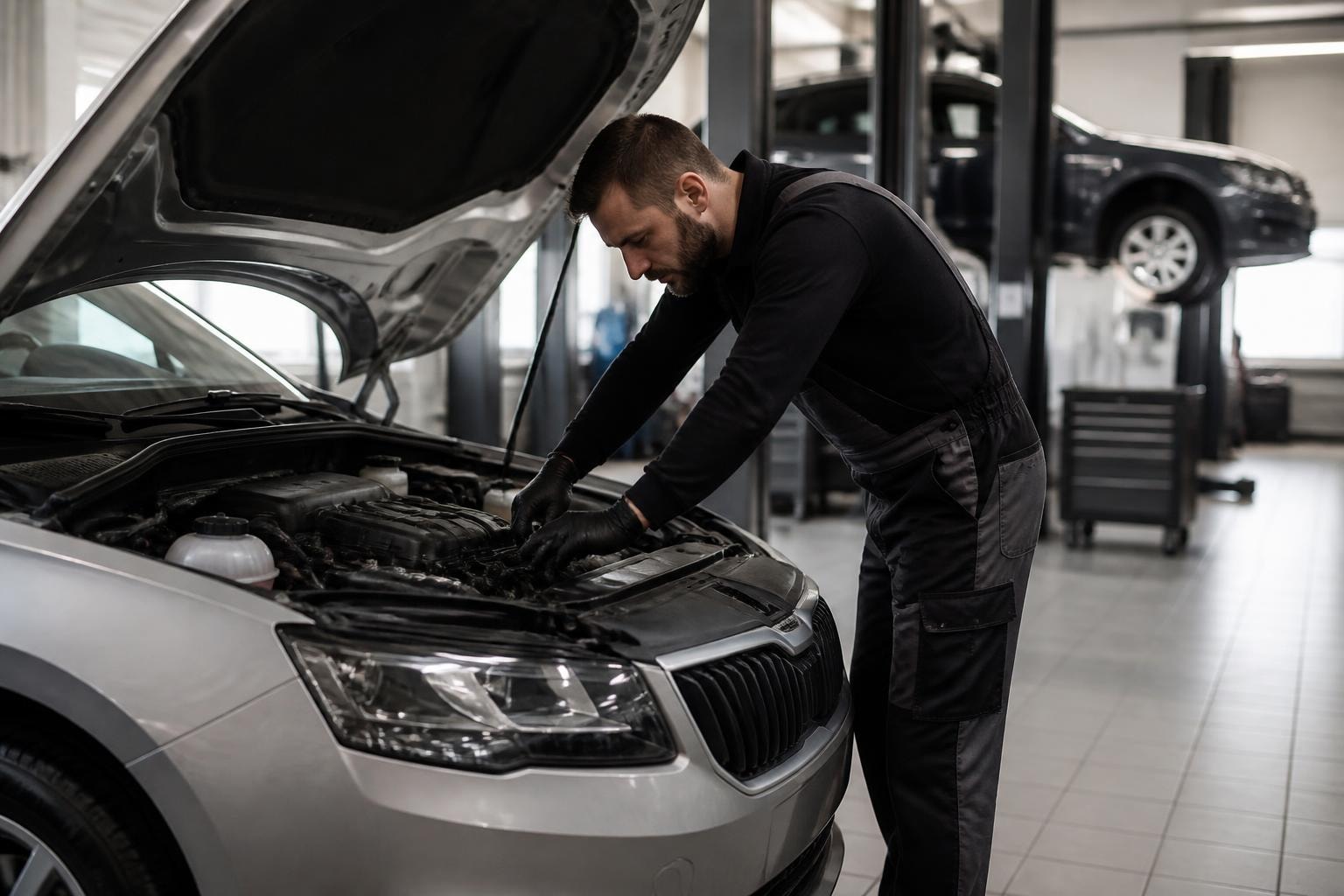

In 2026, the demand for skilled service at a european car clinic is higher than ever as more drivers invest in luxury and performance vehicles. Owners want reliable expertise to keep their prized cars running at their best.
This guide delivers essential, current tips for maintaining, servicing, and optimizing European cars. You will find practical advice on understanding unique engineering, choosing the right specialists, keeping up with the latest maintenance trends, and saving on costs.
As European car ownership rises, so do challenges with advanced technology and specialized care. Get expert-backed solutions and follow this guide to ensure your vehicle performs smoothly for years to come.
Understanding European Cars: What Sets Them Apart?
European vehicles hold a special place in the automotive world, admired for their blend of cutting-edge technology, refined engineering, and distinctive driving experience. For anyone seeking reliable service from a european car clinic, understanding what truly distinguishes these vehicles is essential.
Engineering Excellence and Brand Prestige
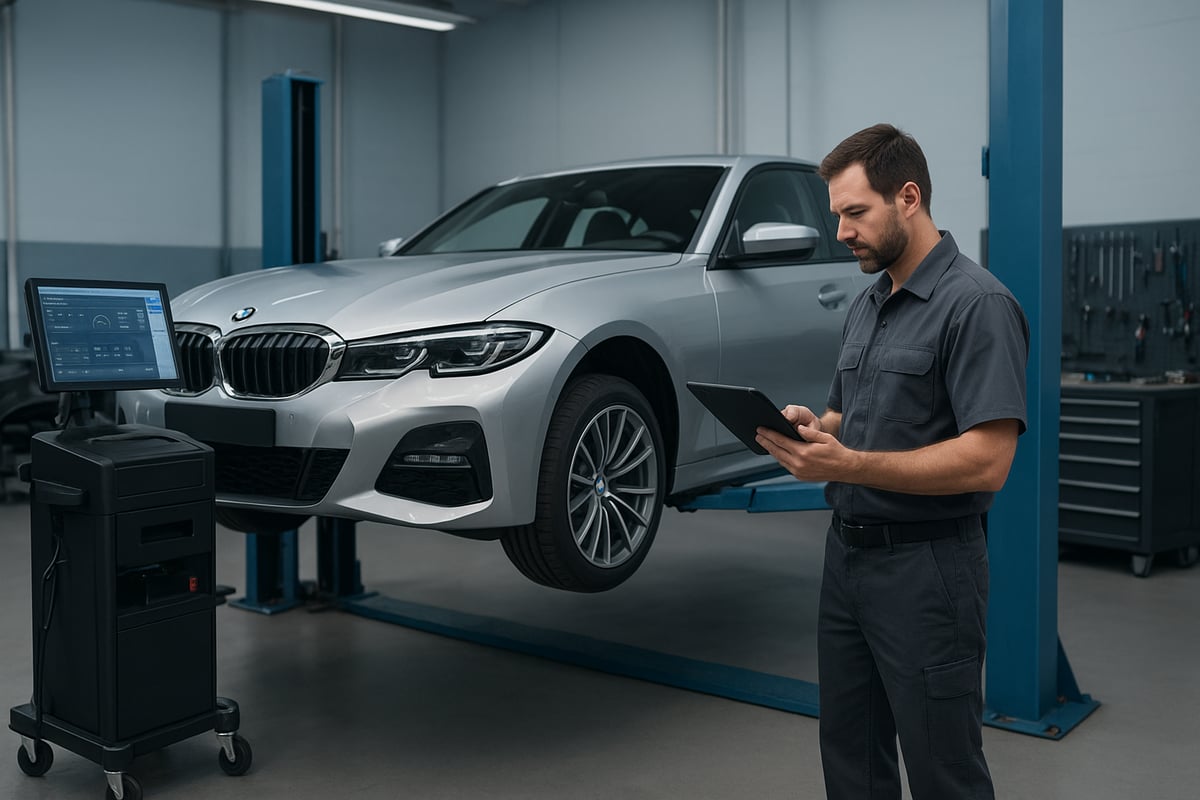
European cars are renowned for their advanced engineering and precision. Brands such as Volkswagen, Audi, BMW, Mercedes-Benz, and Skoda are known for integrating innovative technologies and robust build quality. Unlike many non-European vehicles, these brands often prioritize performance, luxury, and safety, resulting in unique design philosophies.
| Feature | European Cars | Non-European Cars |
|---|---|---|
| Engine Design | Turbocharged, direct injection | Naturally aspirated |
| Electronics | Advanced, integrated | Basic to moderate |
| Safety Systems | High, ADAS standard | Varies |
| Materials | Premium, lightweight | Mixed |
Choosing a european car clinic familiar with these brands ensures your vehicle receives care tailored to its specific needs.
The Need for Specialized Knowledge and Tools
Servicing a European vehicle goes beyond standard maintenance. These cars often require proprietary diagnostic equipment and software updates that only a dedicated european car clinic can provide. Technicians must be trained to interpret complex error codes and understand the nuances of European systems.
Many European models come equipped with advanced driver assistance systems, sophisticated infotainment, and hybrid or electric powertrains. Servicing these features demands up-to-date knowledge and the right equipment, making specialized care non-negotiable for optimal performance.
Common Issues Unique to European Models
Owners of European cars often encounter challenges specific to their vehicles. Some of the most frequent include:
- Electrical system quirks and sensor malfunctions
- Turbocharger or direct injection issues
- Advanced emissions technology failures
- Complicated transmission systems (such as DSG or dual-clutch setups)
A reputable european car clinic is equipped to diagnose and resolve these problems, ensuring that even the most intricate components are managed with expertise.
Advanced Features and the Impact of Emissions Standards
European vehicles lead the market in integrating features like Adaptive Cruise Control, lane-keeping assistance, and cutting-edge infotainment. These systems require regular calibration and software updates, which only specialized clinics can perform accurately.
Stringent European emission standards also influence how these cars are built and maintained. Components such as particulate filters, EGR valves, and SCR systems are more common, demanding precise servicing to remain compliant and efficient.
Market Growth, Owner Satisfaction, and the Value of Expertise
The popularity of European vehicles continues to rise, driven by consumer demand for innovation and luxury. In recent years, the market share for European cars, especially electric and hybrid models, has surged. According to EU car market growth statistics, battery electric vehicles accounted for over 16 percent of new registrations in 2025, underscoring the shift toward advanced technology.
High owner satisfaction rates reflect the premium experience these cars provide. However, maintaining that satisfaction relies on partnering with a european car clinic that understands the unique requirements of European engineering.
Choosing the right clinic is the first step toward ensuring your European vehicle continues to deliver the performance and reliability that set it apart.
Choosing the Right European Car Clinic in 2026
Selecting the right european car clinic in 2026 is crucial for maintaining your vehicle’s safety, value, and performance. With the increasing complexity of European cars, owners must be diligent about where they seek professional care. A quality clinic ensures your investment is protected and your driving experience remains exceptional.

Key Qualities of a Trustworthy European Car Clinic
A reputable european car clinic stands out by prioritizing brand expertise and technical excellence. Certified technicians with deep knowledge of brands like BMW, Audi, and Mercedes are essential. They use genuine or OEM parts, ensuring compatibility and preserving your car’s warranty.
Transparency is another hallmark. Reliable clinics provide clear pricing, detailed estimates, and communicate openly about services. Facility cleanliness and the use of advanced diagnostic equipment reflect a commitment to quality.
Customer feedback is invaluable when evaluating a european car clinic. Positive experiences shared in customer reviews of Vodis clinic can offer insight into service consistency and professionalism. Look for industry accreditations, such as Bosch Service or brand-specific certifications, as these underline a clinic’s dedication to high standards.
Questions to Ask Before Booking a Service
Before committing to a european car clinic, ask pointed questions to gauge their expertise. What brands and systems do they specialize in? Clinics with focused experience can better diagnose and resolve issues specific to your vehicle.
Inquire about digital service records and whether repairs are warranty-safe. Modern European cars often require software updates, so ensure the clinic can handle complex diagnostics and has access to manufacturer-approved tools.
Ask about turnaround times and whether loaner cars are available during extended repairs. Understanding guarantees and post-service support is also key. A trustworthy european car clinic will be transparent about follow-up care and stand behind their workmanship.
Red Flags: When to Look Elsewhere
Not all service providers meet the standards expected of a european car clinic. Be cautious if the clinic lacks technicians with brand-specific expertise or relies on outdated tools. Vague estimates or a reluctance to provide written quotes are warning signs.
Effective communication is vital. Avoid clinics with poor customer service or a negative online reputation. If you discover non-genuine parts are being used without disclosure, reconsider your choice.
Transparency about technician qualifications is non-negotiable. If a european car clinic cannot verify credentials or refuses to answer your questions, it’s best to seek another provider that values your trust and your vehicle’s care.
Essential Maintenance Steps for European Cars in 2026
Keeping your European vehicle performing at its best in 2026 requires a new level of attention. As technology advances and regulations shift, maintenance routines are evolving rapidly. Whether you visit a dealership or a trusted european car clinic, understanding these essentials will help you protect your investment and enjoy trouble-free driving.
Routine Maintenance Checklist: What’s New in 2026
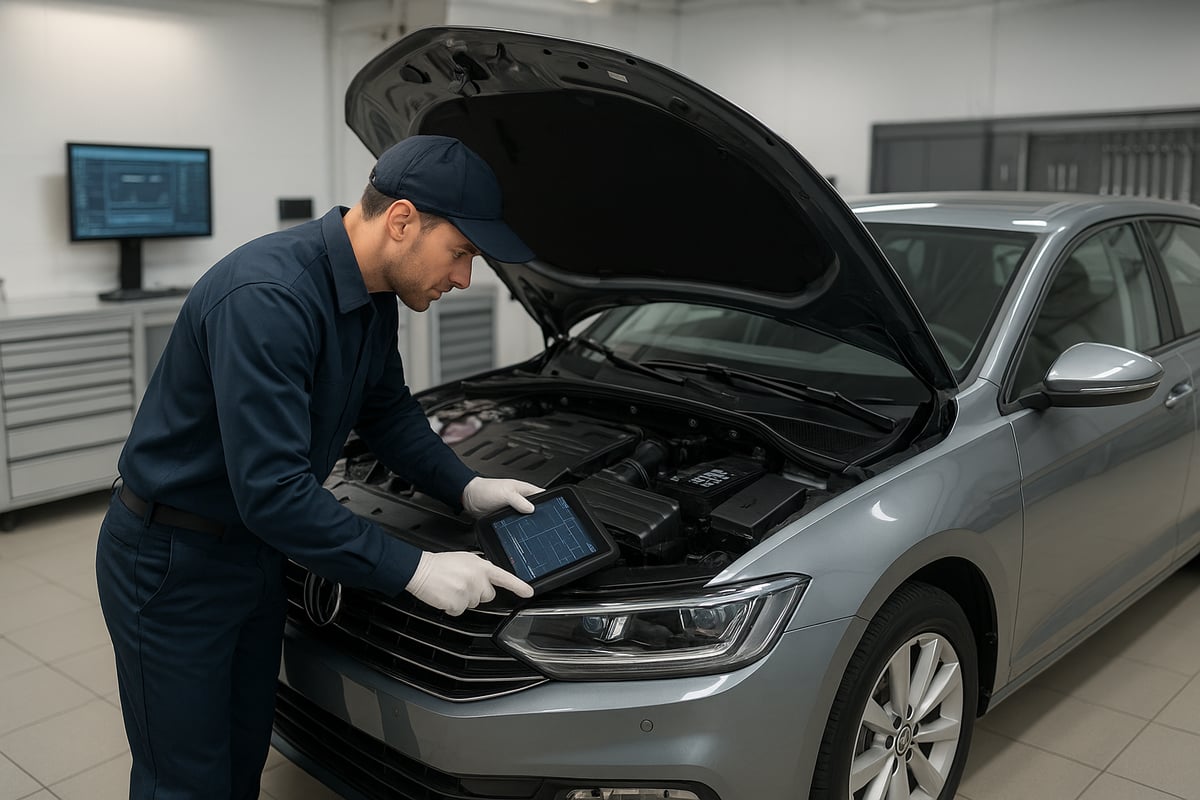
Routine care is no longer just about oil changes and tire rotations. European vehicles in 2026 feature advanced engines, electronics, and safety systems, demanding more specialized attention at every european car clinic.
Here are the updated essentials for your maintenance checklist:
- Engine Oil & Filters: Use the latest manufacturer-specified synthetic oils. Change intervals are now often extended, but only if using approved formulas. For example, a 2026 BMW 3 Series recommends oil changes every 15,000 km or 12 months.
- Digital Diagnostics: Routine service at a european car clinic includes scanning for software updates and error codes. Modern cars require digital checkups as much as mechanical ones.
- Brake Systems: Advanced safety features like ABS and ESC need regular system checks. Many European cars now include wear sensors and digital alerts, making early detection easier.
- Battery Health: Hybrid and electric models require battery monitoring and, in some cases, coolant changes for battery packs.
- Cabin Air & ADAS Sensors: Replace cabin air filters and clean sensors supporting advanced driver assistance systems (ADAS) to ensure clean air and safety feature reliability.
- Tires & Alignment: Tire pressure monitoring systems (TPMS) are standard. Alignment checks are critical for optimal handling, especially for performance models.
Regularly following these steps at your chosen European car servicing and repairs provider ensures you meet warranty requirements and keep your vehicle running smoothly.
Preventing Common Problems: Proactive Care
Proactive care is the best way to avoid expensive surprises. European vehicles come with sophisticated components that, if neglected, can lead to major repairs. Any reputable european car clinic will stress the value of early intervention.
Key proactive strategies include:
- Leak Detection: Regularly check for coolant and oil leaks, especially around turbochargers and direct-injection engines. Early repairs prevent engine damage.
- Turbo & Injection System Monitoring: Listen for unusual noises or performance drops. These systems are prone to wear if not serviced with manufacturer-approved fluids.
- Electrical System Checks: European models often experience issues with infotainment, sensors, or electronic modules. Address warning lights quickly at a european car clinic to avoid cascading problems.
- Fluids & Parts: Only use fluids and replacement parts that match your car’s exact specifications. Using generic alternatives can cause compatibility issues.
- Seasonal Preparation: Prepare for winter or summer by inspecting tires, wipers, and climate control systems. Preventative checks reduce breakdowns during extreme conditions.
Data consistently shows that vehicles maintained with proactive care at a european car clinic experience fewer major repairs and enjoy higher resale values.
The Role of Software and Connected Services
Digital technology is reshaping car maintenance. A modern european car clinic now offers services that go far beyond traditional mechanical work by integrating software tools and connected features.
Over-the-air (OTA) updates let technicians remotely update your car’s software, ensuring optimal performance and security. Many vehicles now connect with maintenance apps that send reminders and track service history. These digital records, managed by your european car clinic, protect your warranty and boost resale value.
Privacy is a growing concern as more data is transmitted between your car and service providers. Always ask your european car clinic about their data handling policies.
Examples like Mercedes Me and BMW ConnectedDrive show how owners can monitor maintenance needs, schedule appointments, and even receive diagnostic alerts directly on their smartphones. As these platforms grow, your relationship with a european car clinic becomes more collaborative and data-driven, making it easier than ever to keep your vehicle in peak condition.
Cost-Saving Strategies for European Car Owners
Owning a European vehicle is a rewarding experience, but maintenance costs can add up quickly. By making informed choices, you can enjoy your car’s performance without overspending at your european car clinic.
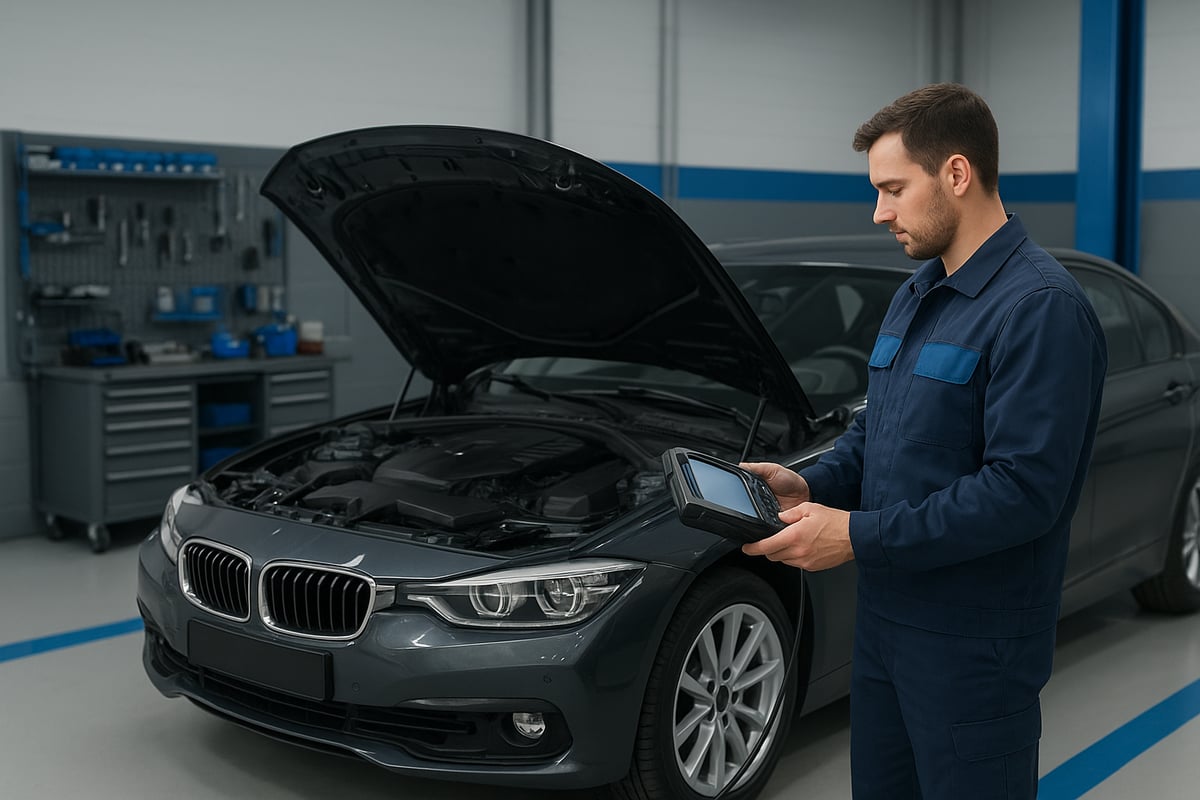
Dealership vs. Independent Specialist Clinics
Choosing between a dealership and an independent european car clinic is a crucial first step. Dealerships offer brand-specific knowledge and access to the latest software, but often at a premium price.
Independent clinics specializing in European cars typically provide comparable expertise, certified technicians, and modern diagnostic tools. They may offer more personalized service and flexible scheduling, with lower labor rates. Compare customer reviews and certifications before making a decision.
Selecting an independent european car clinic can save you money without sacrificing quality. Always verify that the clinic uses genuine or OEM parts and brand-approved diagnostic systems.
The Value of Preventative Maintenance
Proactive care is key to reducing long-term expenses at your european car clinic. Regular maintenance helps prevent costly breakdowns and keeps your vehicle running efficiently.
Schedule oil changes, brake inspections, and fluid checks according to manufacturer recommendations. Insist on periodic digital diagnostics to catch problems early. Addressing minor issues quickly at a european car clinic helps avoid major repairs and keeps your warranty intact.
A well-maintained car retains higher resale value and ensures you get the most from every visit to your european car clinic.
Sourcing Quality OEM Parts at Lower Prices
Genuine and OEM parts guarantee performance and safety, but prices can vary widely between providers. Ask your european car clinic about sourcing options for the best value.
Some specialist clinics, such as Volkswagen servicing specialists, offer direct access to factory parts at competitive rates. Compare quotes for parts and labor, and request transparency on part origins.
Consider joining owner forums or loyalty programs for discounts. Prioritize quality over the lowest price, as non-genuine parts may compromise your car’s reliability and warranty.
Leveraging Multi-Point Inspections
Comprehensive inspections offered by a european car clinic can help you spot early warning signs. Multi-point checks cover essential systems like brakes, suspension, electronics, and cooling.
Request a written inspection report after each visit. This allows you to plan future repairs and budget accordingly. Addressing recommendations promptly can prevent more expensive issues down the road.
A thorough inspection is an investment in your car’s long-term health and can save significant money over time.
Understanding Extended Warranties and Service Packages
Review the details of any extended warranty or service package before purchasing at a european car clinic. These plans can offer peace of mind, but coverage and value vary.
Ask about what is included, such as parts, labor, diagnostics, and roadside assistance. Confirm that your chosen european car clinic is authorized to perform warranty-safe repairs.
Compare the upfront cost of a service package with the average annual maintenance expenses for your car’s brand. Sometimes, investing in a package leads to lower overall costs.
DIY Basics: What Owners Can Safely Do
Simple tasks can be performed at home, reducing visits to your european car clinic. These include:
- Checking and topping up fluids (oil, coolant, washer fluid)
- Monitoring tire pressure and tread depth
- Replacing wiper blades and cabin air filters
Always follow the manufacturer’s guidelines and never attempt complex repairs. For anything beyond basic checks, rely on your trusted european car clinic to maintain safety and warranty compliance.
Real-World Example: Timing Belt Replacement Costs
Timing belt replacement is a common, high-value service. Costs can differ greatly depending on your choice of provider.
| Provider Type | Estimated Cost (NZD) |
|---|---|
| Dealership | $1,200–$1,600 |
| Independent Clinic | $900–$1,200 |
On average, European car owners spend $1,000–$2,000 per year on maintenance. Choosing the right european car clinic, investing in preventative care, and sourcing quality parts can reduce these costs significantly.
Expert Troubleshooting: Diagnosing and Solving Common Issues
Modern European vehicles are renowned for their advanced engineering, but that complexity means effective troubleshooting is more important than ever. When a warning light appears or an error code flashes on the dashboard, the right approach can save both time and money. A reputable european car clinic will always begin by carefully identifying the specific warning or error, using both manufacturer guidelines and digital diagnostic tools.
Step 1: Decoding Warning Lights and Error Codes
When a dashboard alert appears, do not ignore it. Check your owner’s manual to interpret the symbol, and use an OBD-II scanner or a brand-specific diagnostic tool for more detail. Many issues, such as emissions faults or sensor errors, can be specific to European models. At a european car clinic, technicians use specialized interfaces to access hidden codes and system logs, which are critical for an accurate diagnosis.
Step 2: Reset or Seek Professional Help?
Some minor errors, like a loose fuel cap, can be reset after correction. However, persistent or recurring warnings demand expert attention. Document any symptoms, such as unusual noises, performance drops, or intermittent faults, before visiting your european car clinic. This information helps technicians pinpoint the issue faster and reduces the risk of misdiagnosis. Advanced workshops rely on digital records and the latest diagnostic software to ensure nothing is overlooked.
Step 3: Troubleshooting Notorious European Car Problems
Certain issues are more common in European vehicles. DSG transmission faults, EGR valve clogging, and electronic glitches can all cause significant headaches if not addressed correctly. For example, an Audi A4 misfire may stem from coil pack failures, injector issues, or carbon buildup. A specialized european car clinic will use brand-specific diagnostic routines and OEM parts to resolve these issues efficiently. For detailed guidance on Audi maintenance, you can refer to Audi service and maintenance.
Step 4: Data-Driven Diagnosis and Industry Trends
Recent data shows that electronic system faults, turbocharger failures, and sensor malfunctions are among the most common repair issues in European models for 2025-2026. Here is a summary table:
| Issue Type | Frequency (2025-2026) | Example Brands |
|---|---|---|
| Electronic faults | High | BMW, Mercedes |
| Turbo failures | Medium | Audi, Volkswagen |
| Emissions systems | Medium | Skoda, Audi |
| Transmission issues | Moderate | VW, Audi |
To minimize downtime and costs, always choose a european car clinic that invests in ongoing technician training, up-to-date tools, and robust diagnostic protocols. This ensures your vehicle receives precise, effective care, reducing the likelihood of repeat problems and helping maintain peak performance.
Future Trends in European Car Care: What to Expect Beyond 2026
The automotive landscape is changing fast, and the european car clinic of the future will need to adapt to new technologies, regulations, and customer expectations. As we look beyond 2026, three major trends are shaping the way owners care for their vehicles: electrification, sustainability, and digitalization. Understanding these trends will help you make informed decisions about your european car clinic experience.
The Rise of Electrification and Hybrid Technology
Electrification is accelerating across Europe, with plug-in hybrids and fully electric vehicles now a common sight at any european car clinic. Brands like Volkswagen, BMW, and Mercedes are expanding their EV lineups, while even legacy models are adopting hybrid powertrains. According to European automotive industry transformation, this shift is driven by stricter emissions targets and growing consumer demand for sustainable transport.
Servicing these vehicles requires specialized training and new diagnostic equipment. A modern european car clinic must invest in high-voltage safety protocols and battery management systems to ensure technician and vehicle safety. For example, a 2026 Volkswagen ID.4 service appointment might include battery health analysis, software calibration, and cooling system checks—services not required for traditional engines.
As the EV market matures, expect more clinics to offer dedicated EV bays and certified technicians. This level of expertise ensures your european car clinic can handle everything from inverter maintenance to firmware updates, keeping your vehicle running efficiently.
Sustainability and Eco-Friendly Practices in Car Clinics
Sustainability is no longer optional for a european car clinic. Environmental responsibility is now a key factor influencing where owners choose to service their vehicles. Clinics are adopting eco-friendly fluids, advanced recycling programs, and energy-efficient equipment to reduce their carbon footprint. By 2026, it is estimated that over 60% of European service centers will have implemented significant green initiatives, according to EU car production statistics 2024.
Modern european car clinic facilities often feature solar panels, LED lighting, and water-saving technologies. Many have also achieved eco-certifications, which help reassure customers that their maintenance choices align with environmental values. These certifications can influence customer loyalty and even resale value, as more drivers look for responsible service providers.
Key sustainability practices include:
- Use of biodegradable cleaning agents
- Waste oil recycling and safe disposal
- Energy-efficient HVAC and lighting
- Digital paperwork to reduce paper waste
Choosing a european car clinic with these features not only benefits the environment but can also lead to cost savings for both the clinic and its customers.
Digitalization and Customer Experience Enhancements
Digitalization is transforming the traditional european car clinic into a connected, customer-centric hub. Online booking systems, digital vehicle health reports, and remote consultations are becoming standard, making maintenance more convenient than ever. AI-powered diagnostics help technicians identify issues faster, while predictive maintenance tools reduce unexpected breakdowns.
Personalized service reminders sent via connected apps help owners stay on schedule with recommended maintenance. Loyalty programs and virtual consultations further enhance the customer experience, allowing for real-time troubleshooting without a trip to the shop.
Imagine booking a virtual technician consultation to diagnose a dashboard warning light from home. These innovations save time and provide peace of mind, making the european car clinic a true partner in vehicle care. As digital tools continue to evolve, expect even more seamless interactions and transparent communication between clinics and customers.
Resources for European Car Owners
Owning a European vehicle means accessing the right resources is essential for maintaining performance and value. Whether you are new to European car ownership or a seasoned enthusiast, the right tools, schedules, and expert connections can make all the difference. Below, you will find curated resources to help you keep your vehicle in excellent shape and get the most from your european car clinic experience.
Recommended Maintenance Schedules and Checklists
Following a precise maintenance schedule is crucial for any European vehicle. Manufacturers like BMW, Mercedes, and Audi provide detailed service intervals specific to each model year. Your european car clinic will reference these timelines to ensure every system receives attention at the right time.
Sample Maintenance Timeline Table (BMW 3 Series, 2026):
| Service Item | Interval (Miles/Months) | Notes |
|---|---|---|
| Oil Change | 10,000 / 12 | Use LL-17 FE+ spec oil |
| Brake Inspection | 20,000 / 24 | Includes ABS/ESC check |
| Cabin Air Filter | 15,000 / 18 | Replace, clean sensors |
| Battery Test | 12,000 / 12 | Especially for hybrids |
| Software Update | 12,000 / 12 | OTA or at service center |
Ask your european car clinic for a printable checklist tailored to your vehicle. Many service centers now provide digital checklists that you can access via their customer portal. These lists cover routine care, seasonal checks, and reminders for advanced systems like ADAS and infotainment.
When reviewing your manufacturer’s service booklet, look for symbols indicating required versus recommended services. If unsure, bring your booklet to your next european car clinic visit and ask a technician to clarify the schedule for your model.
Trusted Online Tools and Apps
Digital tools make managing your European car’s health easier than ever. Top-rated apps help you track service, log repairs, and even connect directly to your european car clinic for appointment scheduling and digital vehicle health reports.
Popular Maintenance Apps:
- myCarFax: Track service history, get reminders, and scan VINs.
- Drivvo: Manage expenses, fuel, and maintenance schedules.
- Car Scanner ELM OBD2: Diagnose issues and monitor real-time data.
Many European automakers offer official portals where you can check recall notices, download digital owner manuals, and view your service history. For example, BMW ConnectedDrive and Mercedes me both integrate remote diagnostics and maintenance reminders, which your european car clinic can access with your permission.
Online communities like VWVortex, Bimmerfest, and AudiWorld provide forums for troubleshooting and owner tips. These platforms are invaluable for connecting with other enthusiasts, sharing experiences with your european car clinic, and learning about updates or recalls.
Always confirm that any app or tool you use is compatible with your specific vehicle and meets European data privacy standards. Your european car clinic can recommend trusted apps and help set up digital maintenance tracking.
Finding Local European Car Clinics and Specialists
Selecting the right european car clinic near you requires research and discernment. Start by searching for clinics that specialize in your vehicle’s brand, then verify their credentials and reputation.
Tips for Identifying a Reputable Clinic:
- Look for certifications like Bosch Service, ASE, or brand-specific accreditations.
- Read recent customer reviews, focusing on feedback about expertise and transparency.
- Visit the shop if possible to assess cleanliness and equipment.
With the steady rise in European car ownership, as highlighted by recent EU car registrations June 2025, more clinics are investing in advanced tools and training. This growth means you have more options, but also a greater need to ensure your chosen european car clinic employs certified technicians and uses genuine parts.
Ask if the clinic offers digital service records and warranty-safe repairs. A transparent european car clinic will provide written estimates, explain services in detail, and support you after service with follow-up care.
Check for affiliations with major industry organizations. These accreditations demonstrate a commitment to ongoing training and high standards. When in doubt, your local European car owners’ forum can recommend trusted specialists and share recent experiences.
Now that you know what sets European cars apart and how specialized care can make all the difference, you’re in the perfect position to ensure your vehicle stays at its best for years to come. From advanced diagnostics to the latest in maintenance trends, every step you take matters. If you want peace of mind and service from a team that truly understands Volkswagen, Audi, Mercedes, BMW, and Skoda, I recommend you take the next step and Book in your service. Trust your European car with Auckland’s experts and drive with total confidence.