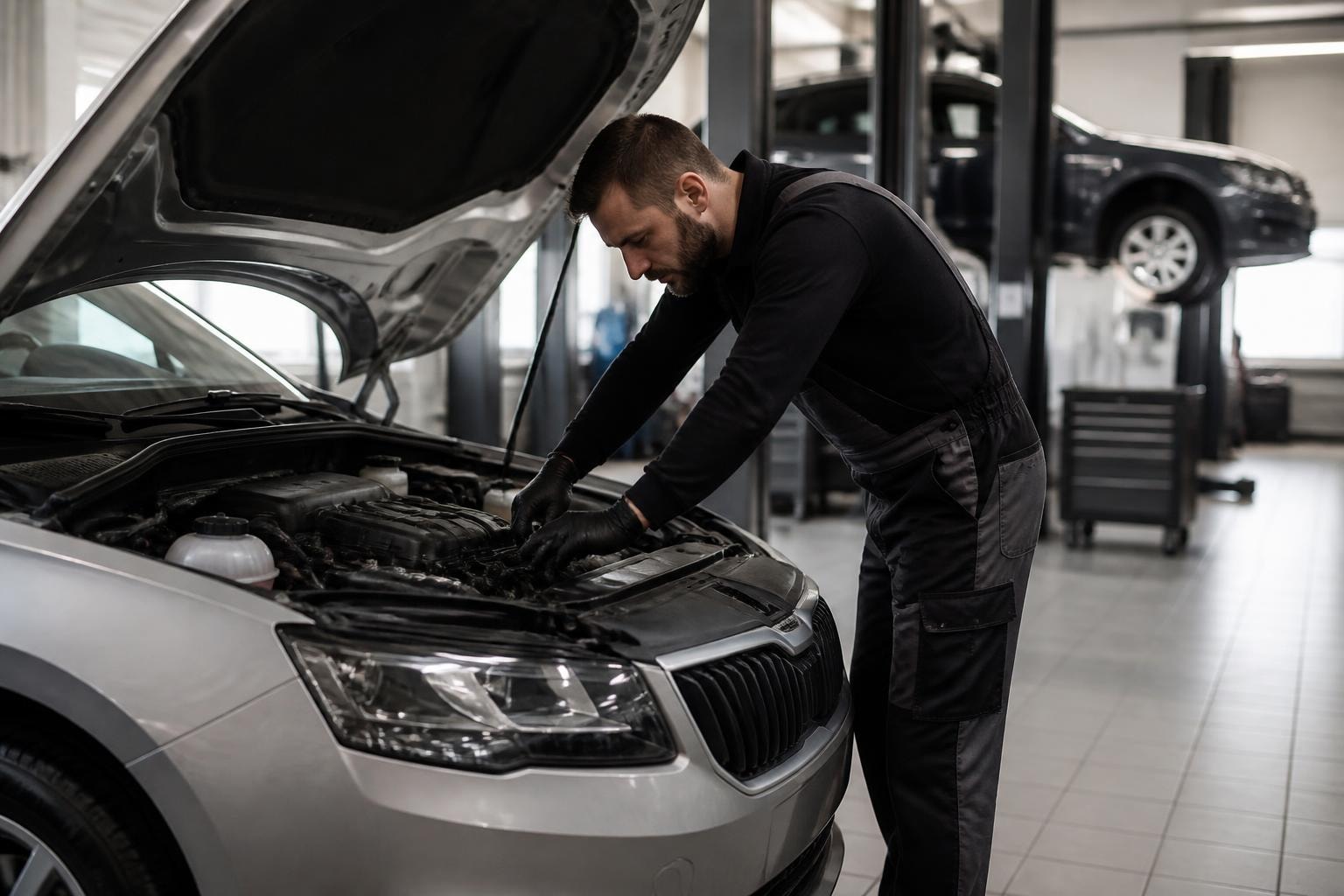

European vehicles are gaining popularity across New Zealand, and with this rise, the demand for euro service car expertise is stronger than ever. These cars come with advanced technologies and unique engineering that set them apart from the rest.
Generic servicing often fails to meet the specific needs of modern European models. For owners, choosing the right care is crucial to protect their investment and keep their cars performing at their best.
This guide is designed for both current and future Euro car owners. You will discover expert tips, essential maintenance practices, cost-saving strategies, and the latest trends shaping the euro service car landscape in 2026.
Understanding Euro Service Car Standards in 2026
The euro service car landscape in 2026 is rapidly evolving, shaped by technological innovation, strict regulations, and a growing community of discerning vehicle owners. Understanding these standards is essential for anyone looking to maintain, service, or invest in a European car. Let’s break down the key areas defining excellence in euro service car care.
Evolution of Euro Car Engineering
European vehicles in 2026 have set new benchmarks for technology and performance. The latest euro service car requirements now address advancements like electrification, sophisticated ADAS features, and seamless connectivity. For example, Volkswagen’s recent electric vehicle platforms focus on extended range and rapid charging, while Mercedes uses AI-driven diagnostics for real-time problem detection. These innovations demand a deep understanding of evolving systems, making it crucial for owners to choose euro service car specialists with up-to-date technical expertise.
Regulatory Changes and Compliance
Regulatory frameworks have a profound impact on euro service car standards. The introduction of the Euro 7 emissions standard in 2026 has raised the bar for environmental compliance and safety. Workshops must now adapt to stricter emission controls and enhanced safety checks. For more on how these changes affect servicing, see the Euro 7 emissions standards. Compliance is not just about passing inspections, it shapes everything from software updates to the types of fluids and components used in euro service car maintenance.
Specialized Tools and Diagnostics
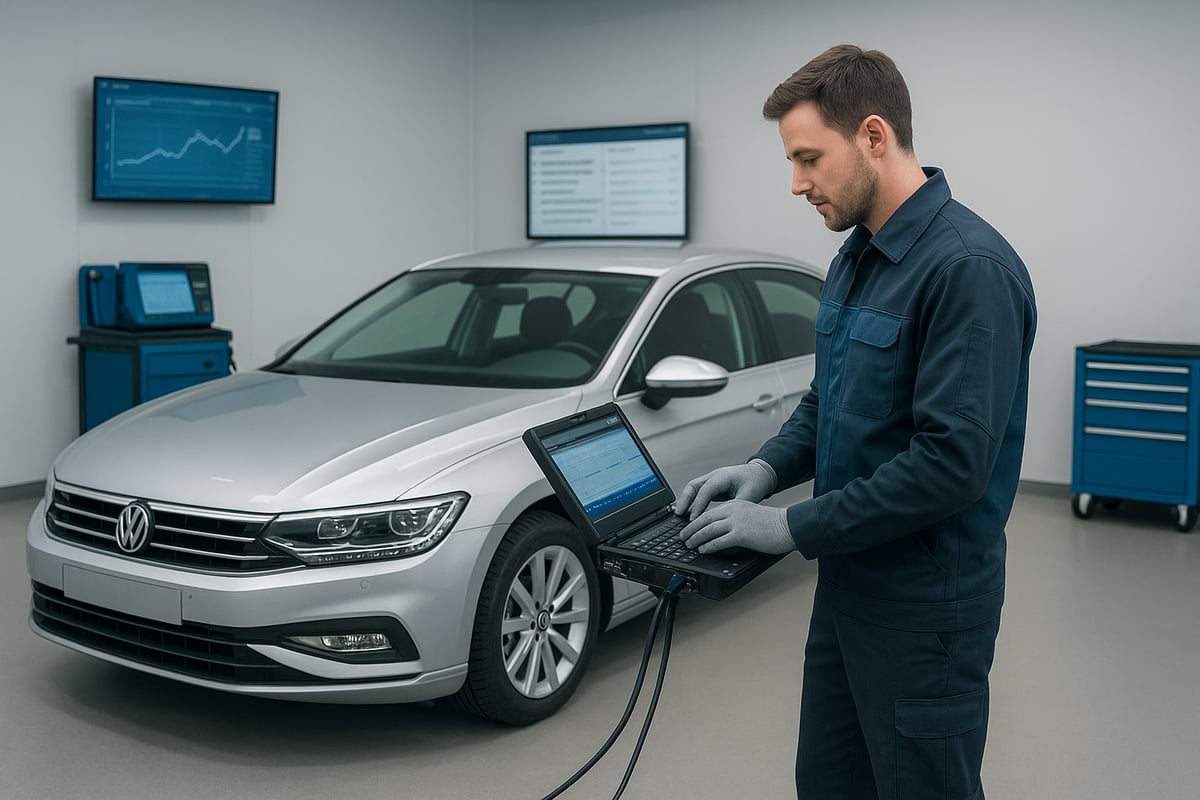
Modern euro service car workshops rely on highly specialized diagnostic tools designed for specific European brands. Manufacturer-approved systems like BMW ISTA and Audi ODIS provide advanced fault detection, real-time data analysis, and seamless integration with vehicle software. These tools enable technicians to pinpoint issues that generic scanners might overlook, ensuring precise and efficient repairs. Regular software updates are also essential, as new features and security patches are released for euro service car models.
Training and Certification Requirements
A critical component of euro service car excellence is technician training. Euro car owners increasingly demand service from certified professionals who understand the latest brand-specific technologies. According to recent surveys, over 60% of European car owners prefer certified specialists. This trend reflects the complexity of euro service car systems and the risks of entrusting valuable vehicles to underqualified personnel. Continuous education and updated certifications are no longer optional, they are expected.
Genuine Parts vs. Aftermarket
One of the ongoing debates in euro service car maintenance concerns the use of genuine (OEM) versus aftermarket parts. While aftermarket components may offer cost savings, OEM parts guarantee compatibility and uphold warranty standards. Statistics show that independent workshops use OEM parts at higher rates for critical repairs, especially on newer models. Here’s a quick comparison:
| Aspect | OEM Parts | Aftermarket Parts |
|---|---|---|
| Warranty | Fully supported | May void warranty |
| Fit & Finish | Exact match | Variable |
| Cost | Higher | Lower |
| Reliability | Consistent | Depends on supplier |
Choosing the right parts is vital for the longevity and safety of any euro service car.
Warranty and Service History Implications
Proper euro service car maintenance has direct implications for warranty coverage and resale value. Manufacturer warranties often require that all scheduled servicing is completed using approved parts and recorded in digital service histories. Missing or incomplete records can reduce resale value, especially for brands like Audi, where buyers expect a transparent maintenance history. Keeping detailed records preserves both warranty validity and long-term investment value.
Common Pitfalls in Euro Car Servicing
Many euro service car owners encounter issues when non-specialist garages attempt repairs without the right expertise or equipment. Common mistakes include using incorrect fluids, skipping critical software updates, or fitting incompatible parts. These errors can lead to breakdowns, voided warranties, and costly future repairs. Choosing a specialist euro service car provider helps avoid these pitfalls and ensures your vehicle receives the care it deserves.
Essential Maintenance Steps for European Vehicles
Proper maintenance is crucial for any European car owner who wants to ensure reliability, performance, and value retention. The euro service car approach requires attention to detail and specific knowledge of each brand’s engineering. Let’s break down the essential maintenance steps you should follow to protect your investment and keep your vehicle running at its best.
Scheduled Maintenance Intervals
Sticking to the right service schedule is fundamental for any euro service car. European brands like Volkswagen, Audi, BMW, and Mercedes often have unique maintenance intervals, with some models using long-life oil change schedules and condition-based servicing.
Below is a sample comparison table for major brands:
| Brand | Standard Interval | Long-Life/Condition-Based |
|---|---|---|
| Volkswagen | 15,000 km/12 mo | Up to 30,000 km/24 mo |
| Audi | 15,000 km/12 mo | Up to 30,000 km/24 mo |
| BMW | 10,000 km/12 mo | Variable (sensor-based) |
| Mercedes | 15,000 km/12 mo | Flexible Service System |
Following these intervals helps prevent costly repairs and protects the vehicle’s warranty. For a detailed overview of service options, you can explore European Car Servicing and Repairs.
Fluid Types and Replacement
Using correct fluids is non-negotiable for any euro service car. Each manufacturer specifies unique oil, coolant, and transmission fluids tailored to their engines and drivetrains. Substituting with generic fluids can lead to breakdowns, with industry data showing that incorrect fluids cause 15% of European car failures.
Always check the owner’s manual or consult a specialist to ensure compatibility. Pay close attention to brake fluid, as many Euro models require DOT 4 or higher for optimal performance.
Brake and Suspension Systems
European cars are renowned for their advanced brake and suspension technology. Adaptive dampers, electronic stability controls, and high-performance brake systems are common features. For any euro service car, technicians must inspect pads, discs, and suspension components regularly.
Key points to check include:
- Adaptive damper operation (Audi, BMW)
- Brake pad thickness and rotor condition
- Suspension bushings and control arms
Neglecting these systems can compromise both safety and ride quality.
Electrical and Software Updates
Modern European vehicles rely heavily on sophisticated electronics. Regular software updates are vital for a euro service car, ensuring optimal performance, security, and compliance with emissions requirements.
Examples include over-the-air updates for the Mercedes MBUX system and routine ECU recalibrations for BMW. Always have updates performed by specialists with the right diagnostic tools.
Timing Belts, Chains, and Engine Components
Critical engine components like timing belts and chains require scheduled replacement in every euro service car. For example, VW’s TSI engines have known timing chain issues that demand proactive inspection and action.
Replacement milestones:
- Timing belts: 100,000–120,000 km (varies by model)
- Timing chains: Inspect for stretch and noise, typically every 80,000–100,000 km
Failure to maintain these components can result in severe engine damage and costly repairs.
Tyres and Wheel Alignment
Tyre selection and alignment are vital for the performance and safety of any euro service car. Always use manufacturer-approved tyres, as Euro vehicles are often engineered for specific compounds and tread patterns.
Improper alignment can cause uneven tyre wear and loss of handling precision. Performance data shows that poor alignment results in noticeable efficiency and grip loss, especially in BMW and Audi models.
Seasonal and Climate Considerations
European cars may require seasonal adjustments, especially when driven outside their native climate. For winter, consider switching to seasonal tyres and performing thorough battery and coolant checks. In warmer climates, regular air conditioning servicing is essential for comfort and system longevity.
Routine checks for wiper blades, HVAC filters, and fluid levels help maintain optimal performance year-round.
VODIS Automobile: European Car Servicing Experts in Auckland
VODIS Automobile is the leading independent euro service car centre on Auckland’s North Shore. With over two decades of hands-on experience, VODIS specializes in Volkswagen, Audi, Mercedes, BMW, and Skoda servicing.
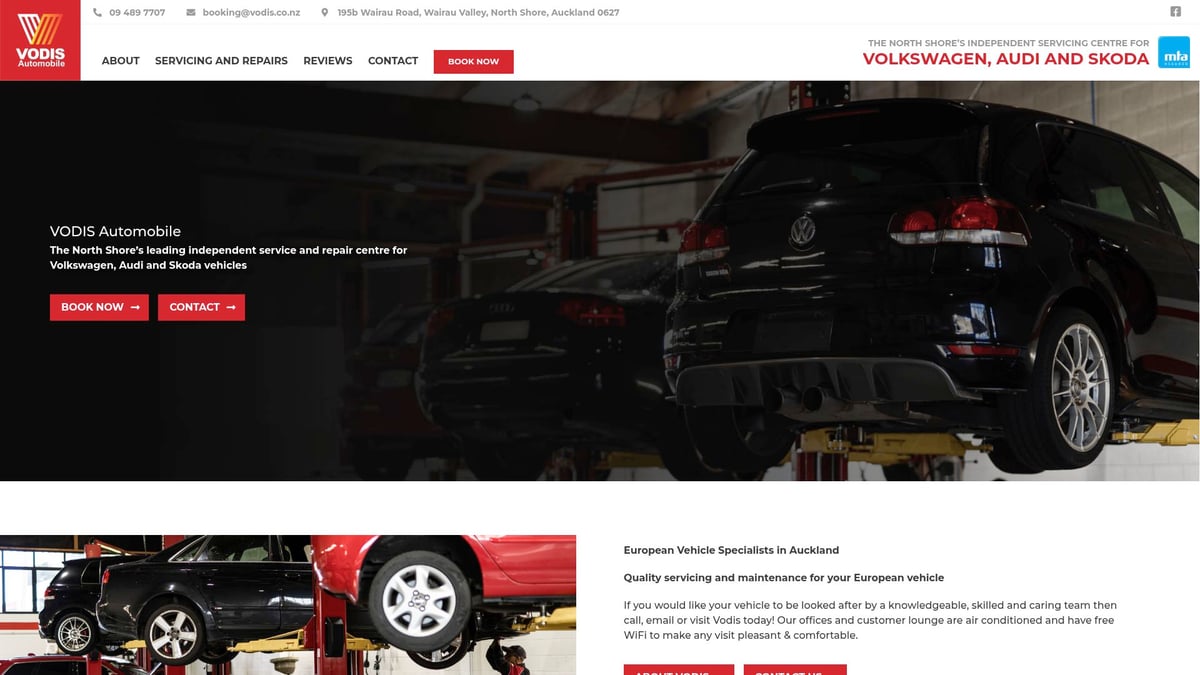
Their certified technicians use genuine parts and the latest diagnostics, offering transparency and clear communication with every visit. Customers enjoy modern amenities, including air-conditioned lounges and complimentary WiFi, making each service visit comfortable.
VODIS’s commitment to quality and integrity has earned them a strong reputation among European car owners seeking expert care.
Cost Considerations and Value for Euro Car Owners
Understanding the financial aspects of owning a euro service car is crucial for making informed decisions and protecting your investment. Costs can vary widely based on where you service your vehicle, the type of maintenance required, and your approach to long-term care. Let’s explore what influences these expenses and how to maximize value as a euro service car owner.
Price Breakdown: Dealership vs. Independent Specialists
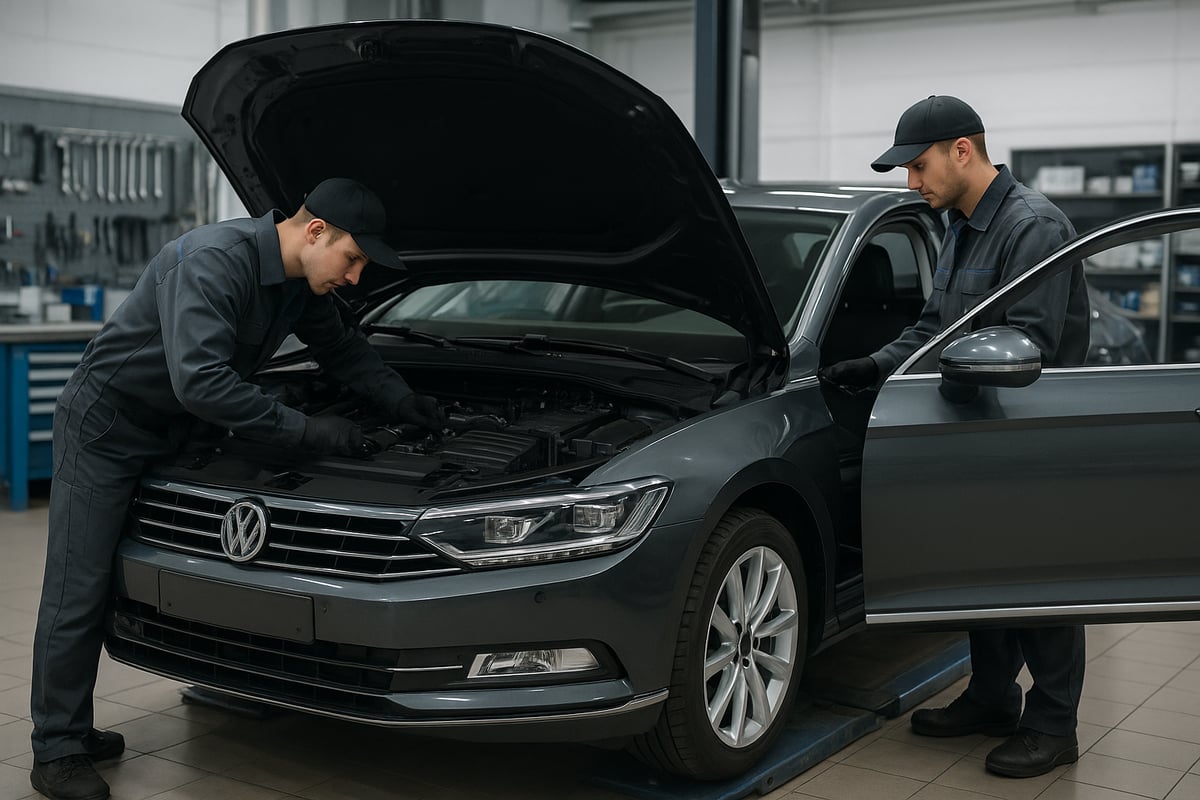
The cost of servicing a euro service car can differ greatly depending on your choice of provider. Dealerships often charge premium rates for labor and parts, partly due to brand reputation and exclusive access to proprietary tools. Independent euro specialists, on the other hand, typically offer similar expertise at lower rates.
A recent competitor analysis highlights that owners can save up to 30% on routine maintenance by choosing a reputable independent workshop. Here is a simplified comparison:
| Service Type | Dealership Avg. Cost | Independent Specialist Avg. Cost |
|---|---|---|
| Oil Change | $450 | $320 |
| Brake Replacement | $1,000 | $700 |
| Major Service | $1,800 | $1,250 |
Choosing the right euro service car provider can lead to significant savings without compromising on quality.
Factors Affecting Service Costs
Several variables influence the price of euro service car maintenance. Vehicle age, model, and the complexity of the systems involved all play a part. Advanced features, such as ADAS, require specialized calibration, which often results in higher costs for newer models.
The type of parts used, labor rates, and diagnostic requirements also impact the final bill. For example, a luxury sedan may incur higher charges for component replacements than a compact euro service car due to the advanced technology and engineering involved.
Preventive Maintenance vs. Reactive Repairs
Investing in regular preventive maintenance for your euro service car pays off over time. Industry research shows that consistent care can reduce major repair costs by 40%. Scheduled inspections and timely replacements help identify issues before they escalate, avoiding expensive emergencies.
In contrast, delaying service often leads to reactive repairs, which are typically more costly and can compromise the reliability of your euro service car. Prioritizing preventive care is a proven strategy for minimizing long-term expenses.
Warranty, Insurance, and Service Packages
Many euro service car owners take advantage of extended warranties and prepaid service plans to manage maintenance costs. These packages cover routine services, some repairs, and may offer additional benefits, such as roadside assistance.
Comparing manufacturer-backed plans with independent options is essential. For example, a Mercedes prepaid maintenance plan can offer predictable expenses, while some independent specialists provide tailored packages for euro service car owners seeking flexibility and value.
Hidden Costs and How to Avoid Them
Hidden expenses can quickly add up if you are not vigilant. Common add-ons include unnecessary fluid flushes, non-essential filter replacements, and upsold services that do not align with the manufacturer's recommendations. To avoid these pitfalls, always request a detailed estimate and compare it to your euro service car’s official service schedule.
Staying informed and asking questions helps you identify essential services, ensuring you only pay for what is truly needed.
Value Retention and Resale Benefits
Maintaining a comprehensive service history significantly boosts the resale value of your euro service car. Well-documented maintenance, especially at certified workshops, reassures potential buyers about the vehicle’s condition.
Data shows that euro service car models with full service records can retain up to 15% more value at resale compared to those with incomplete histories. Keeping digital records and invoices is an effective way to protect your investment.
Choosing the Right Service Provider
Selecting a trustworthy euro service car specialist involves more than just comparing prices. Reputation, certification, and customer feedback are key indicators of quality. Reading Customer Reviews of Euro Car Service provides real insights into the experiences of other owners and helps you gauge reliability.
Look for providers with transparent communication, modern diagnostics, and a track record of servicing your specific euro service car brand. This approach ensures peace of mind and long-term value for your vehicle.
Troubleshooting and Common Issues in European Cars
Owning a European vehicle brings advanced engineering and technology to your daily drive, but it also introduces unique challenges when it comes to maintenance. Understanding the most common issues faced by euro service car owners can help you anticipate problems, seek expert support, and minimize downtime.
Electrical System Faults
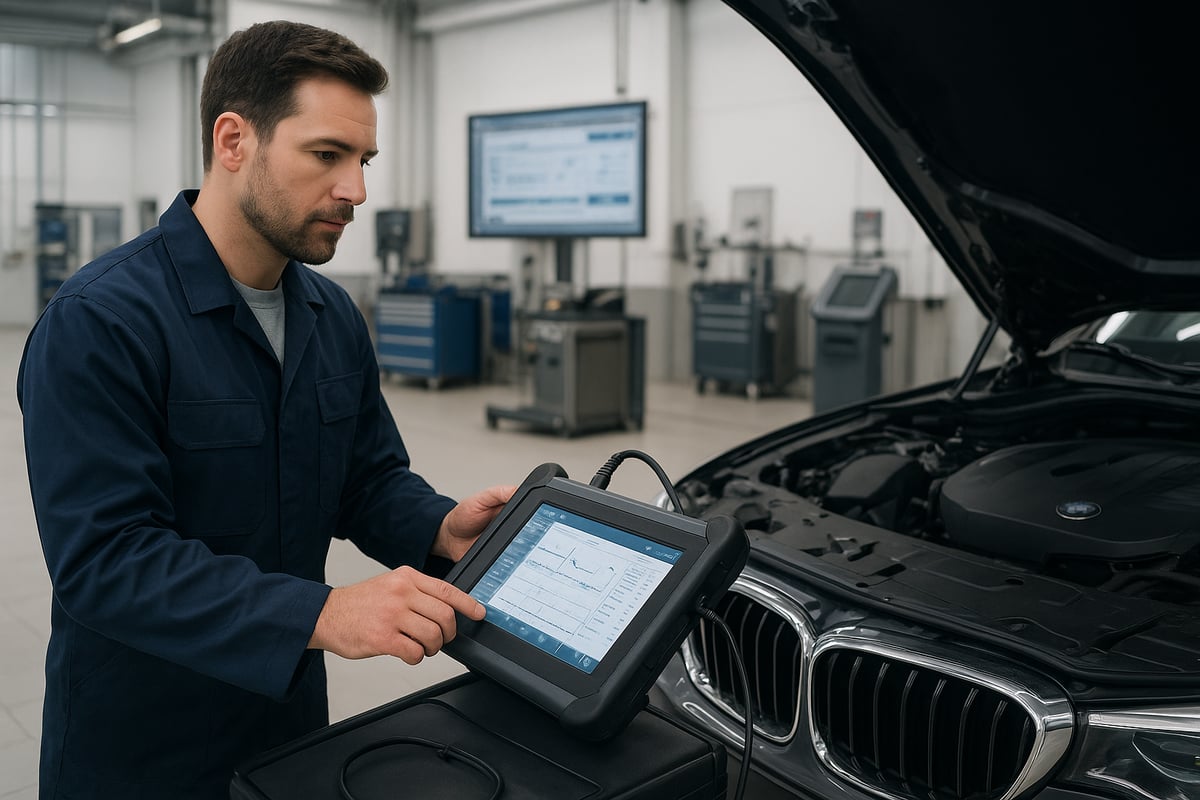
Electrical issues remain a leading cause of frustration for euro service car owners. Modern European vehicles are packed with complex networks of sensors, control modules, and advanced infotainment systems. Problems with battery management systems, faulty sensors, or glitches in infotainment units are not uncommon.
For example, some BMW models experience iDrive malfunctions, where the central control screen freezes or resets unexpectedly. These issues can often be traced to software bugs or low battery voltage. Regular diagnostic checks and timely software updates are essential to maintain reliability. If you notice persistent warning lights or erratic electronic behavior, prompt attention by a euro service car specialist is key to preventing further complications.
Engine and Transmission Challenges
Engine and transmission issues are among the most significant concerns for euro service car owners. Turbocharger failures, timing chain stretch, and dual-clutch transmission faults are frequently reported across brands like Volkswagen, Audi, and BMW.
A notable example is the timing chain problem in certain VW TSI engines, which can lead to performance loss or engine damage if ignored. Transmission faults, especially in dual-clutch systems, may manifest as rough shifting or delayed engagement. For Volkswagen owners, seeking out Volkswagen Service Specialists ensures that diagnostics and repairs are performed with genuine parts and expertise tailored to your vehicle. Early intervention can save substantial repair costs and maintain optimal euro service car performance.
Cooling and HVAC System Issues
Cooling and air conditioning systems in European cars require regular attention due to their sophisticated designs. Frequent complaints include failing water pumps, coolant leaks, and air conditioning compressor malfunctions, particularly in VW and Audi models.
A malfunctioning cooling system can quickly escalate into engine overheating, risking severe damage. HVAC faults may lead to inconsistent cabin temperatures or unpleasant odors. To prevent these issues, euro service car maintenance should include routine inspection of coolant levels, hoses, and AC system components. Using manufacturer-approved fluids and parts is vital for system longevity and efficiency.
Suspension and Steering Problems
European vehicles are renowned for their responsive handling, thanks to advanced suspension and steering technologies. However, these systems can develop issues such as adaptive damper wear, electronic steering faults, or noisy bushings.
Audi and BMW models with adaptive suspension systems may display warning lights or experience uneven ride quality when components begin to fail. Steering problems can range from minor vibrations to loss of power assist, often linked to electronic control units. Regular euro service car checks and alignment adjustments can prevent premature wear and ensure safety. Addressing minor irregularities early helps avoid costlier repairs down the road.
Warning Lights and Error Codes
Dashboard warning lights and error codes are a common source of confusion for euro service car owners. European vehicles use a sophisticated network of sensors and control modules to monitor systems.
For instance, Mercedes vehicles differentiate between a general “Check Engine” light and specific “Service A/B” reminders, guiding owners to the correct action. Decoding these alerts typically requires manufacturer-specific diagnostic tools, as generic scanners may miss critical details. Maintaining a log of warning lights and service intervals helps technicians identify patterns and provide targeted solutions for your euro service car.
Software Glitches and Updates
Software is at the heart of most modern euro service car systems. Recurring bugs in control modules, infotainment resets, or compatibility issues after updates are increasingly common. Over time, outdated software can lead to performance drops or even safety risks.
Manufacturers like Mercedes now offer over-the-air updates for their MBUX systems, ensuring vehicles remain secure and up to date. Regularly scheduling software checks as part of your euro service car maintenance routine helps prevent glitches. If you experience sudden changes in vehicle behavior following an update, consult a specialist to verify system integrity.
DIY Fixes vs. Professional Repairs
Many euro service car owners are tempted to handle minor repairs themselves, but these vehicles often require specialized tools and brand-specific knowledge. While replacing wiper blades or checking tire pressures can be done at home, complex electrical or engine issues should always be addressed by certified technicians.
Attempting advanced repairs without the right equipment can void warranties or cause further damage. Euro service car workshops invest in ongoing training and proprietary diagnostics to ensure precise, safe repairs. When in doubt, professional intervention protects both your vehicle and your investment.
Future Trends: The Next Generation of Euro Car Servicing
The landscape of euro service car maintenance is undergoing a transformation as new technologies and customer expectations redefine the industry. Owners and technicians alike must adapt to rapid change to ensure vehicles remain reliable, safe, and efficient in the years ahead.
Electrification and Hybrid Systems
By 2026, more than 40 percent of new European vehicles are projected to be electric or hybrid. This shift is reshaping euro service car requirements, demanding new expertise and safety protocols. Workshops must invest in high-voltage training and insulation tools, as well as updated charging infrastructure. According to European vehicle maintenance statistics, the average vehicle age is rising, intensifying the need for specialized EV and hybrid servicing.
Battery diagnostics, thermal management, and software updates are now routine. Safety is also in focus, with reports confirming that used electric vehicle safety standards are keeping pace with traditional models. As electrification accelerates, euro service car specialists must stay ahead of evolving requirements.
Advanced Diagnostics and AI Integration
Artificial intelligence is revolutionizing euro service car diagnostics. Machine learning tools, such as those pioneered by Audi, now predict faults before they occur. Predictive maintenance platforms analyze sensor data, alerting technicians to potential issues and minimizing downtime.
Workshops are adopting these AI-driven solutions to deliver faster, more accurate repairs. As a result, owners benefit from fewer unexpected breakdowns and more efficient service appointments. This proactive approach is set to become the new standard in euro service car care.
Remote and Over-the-Air Servicing
Remote diagnostics and over-the-air (OTA) updates are now integral to the euro service car experience. BMW and Mercedes lead the way, offering OTA software servicing for 2026 models. This technology enables technicians to resolve software bugs, security vulnerabilities, and even performance upgrades without a workshop visit.
Owners enjoy greater convenience and reduced wait times, while workshops can focus on complex mechanical issues. As connectivity improves, remote servicing will become a core feature of euro service car maintenance.
Sustainable Service Practices
Sustainability is a growing priority for euro service car providers. Eco-friendly fluids, recycling programs, and green workshop initiatives are gaining traction. Many service centers are investing in solar power, energy-efficient lighting, and responsible waste management to reduce their environmental footprint.
This commitment to sustainability extends to parts as well, with increased use of remanufactured components and responsibly sourced materials. These practices align with both regulatory expectations and changing customer values.
Personalized Maintenance and Connected Services
Modern euro service car maintenance is increasingly personalized. Advanced telematics systems monitor real-time vehicle data, allowing workshops to tailor service intervals and recommendations to each car’s usage patterns.
Connected services also enable digital service records, online booking, and automated maintenance reminders. This data-driven approach ensures optimal performance and enhances the ownership experience for drivers of all European brands.
Evolving Customer Expectations
Today’s euro service car owners expect transparency, convenience, and digital engagement. Leading workshops are responding with:
- Online appointment scheduling and service tracking
- Detailed digital reports and estimates
- Customer lounges with WiFi and amenities
These enhancements build trust and streamline the service process, raising the bar for the entire industry.
Training and Upskilling for Technicians
Ongoing education is critical as euro service car technology evolves. Technicians must stay current with new drivetrains, ADAS features, and diagnostic software. Many manufacturers now provide brand-specific certification programs, ensuring that specialists deliver expert care.
As the pace of innovation accelerates, continuous training will be essential to maintain high standards of safety, efficiency, and customer satisfaction in euro service car servicing.
| Future Trend | Impact on Euro Service Car |
|---|---|
| Electrification & Hybrids | New skills, safety, tools |
| AI Diagnostics | Predictive maintenance |
| OTA Servicing | Remote updates, convenience |
| Sustainability | Eco-friendly operations |
| Personalization | Data-driven maintenance |
| Customer Experience | Digital, transparent |
| Technician Training | Ongoing upskilling |
Choosing the Right Euro Service Car Provider
Selecting the right euro service car provider is crucial for maintaining the value and performance of your European vehicle. With increasing complexity in modern models, the choice you make directly affects your car’s longevity, warranty, and driving experience. Let’s explore the essential factors to consider when choosing a euro service car specialist.
Credentials and Certifications
When evaluating a euro service car provider, start by checking their credentials. Look for manufacturer certifications and industry affiliations, such as MTA membership or brand-specific approvals from Volkswagen, Audi, or Mercedes-Benz. Certified workshops undergo rigorous training and audits, ensuring that technicians are up to date with the latest procedures and standards.
These credentials not only confirm technical expertise but also signal a commitment to quality. For euro service car owners, choosing a certified provider helps protect your warranty and ensures your vehicle receives the best care.
Experience with Specific European Brands
Brand-specific expertise is a key differentiator among euro service car providers. Technicians familiar with your make—be it Audi, BMW, or Mercedes—can diagnose and address issues more efficiently. Many specialists invest in ongoing training to stay current with each brand’s evolving technology.
For example, those seeking professional Audi care can benefit from providers like Audi Servicing Expertise, where technicians understand the nuances of the latest models. Selecting a euro service car specialist with proven brand experience leads to more accurate repairs and better long-term results.
Transparency and Communication
Clear communication is essential when entrusting your euro service car to a workshop. Reputable providers offer detailed estimates, explain recommended work, and educate clients about their vehicle’s needs. This transparency builds trust and empowers you to make informed decisions.
Look for euro service car centers that welcome questions and provide regular updates during servicing. Transparent workshops help you avoid unnecessary costs and ensure you understand every aspect of your car’s maintenance.
Use of Genuine Parts and Modern Equipment
A top-tier euro service car provider uses genuine or OEM-approved parts and the latest diagnostic technology. Authentic components are engineered for precise fit and performance, maintaining your vehicle’s integrity and warranty status.
Modern diagnostic tools enable accurate fault detection and faster repairs for euro service car models. Always ask about the parts and equipment used, as this reflects a workshop’s commitment to quality and your car’s safety.
Customer Reviews and Reputation
Customer feedback offers valuable insight into a euro service car provider’s reliability. Check testimonials, online ratings, and independent reviews to assess service quality. Highly rated workshops often excel in expertise, communication, and customer satisfaction.
Industry analysis, such as those found in Automotive repair market insights, can also help identify leading trends and reputable service centers. Consistent positive reviews signal that a euro service car provider delivers on its promises.
Convenience and Customer Experience
A superior euro service car workshop goes beyond technical skills, offering amenities that enhance convenience and comfort. Look for features like loan vehicles, comfortable lounges, free WiFi, and flexible appointment scheduling.
These touches show that a euro service car provider values your time and overall experience. A seamless, enjoyable process makes servicing less disruptive and encourages repeat business.
Booking and Accessibility
Finally, consider how easy it is to book and access your chosen euro service car provider. Online booking platforms, extended service hours, and a convenient location make regular maintenance straightforward.
Accessible euro service car workshops help you stay on top of scheduled servicing, protecting your investment and ensuring peak performance. Prioritize providers that combine expertise with user-friendly booking and accessible facilities.
As you’ve seen, keeping your European car running at its best takes more than just standard servicing—it requires specialized knowledge, genuine parts, and a team that truly understands the unique needs of Euro vehicles. If you want peace of mind knowing your Volkswagen, Audi, Mercedes, BMW, or Skoda is in expert hands, I encourage you to take the next step. Let’s make sure your car is ready for the road ahead in 2026 and beyond.
Book in your service today and experience the difference trusted expertise makes.