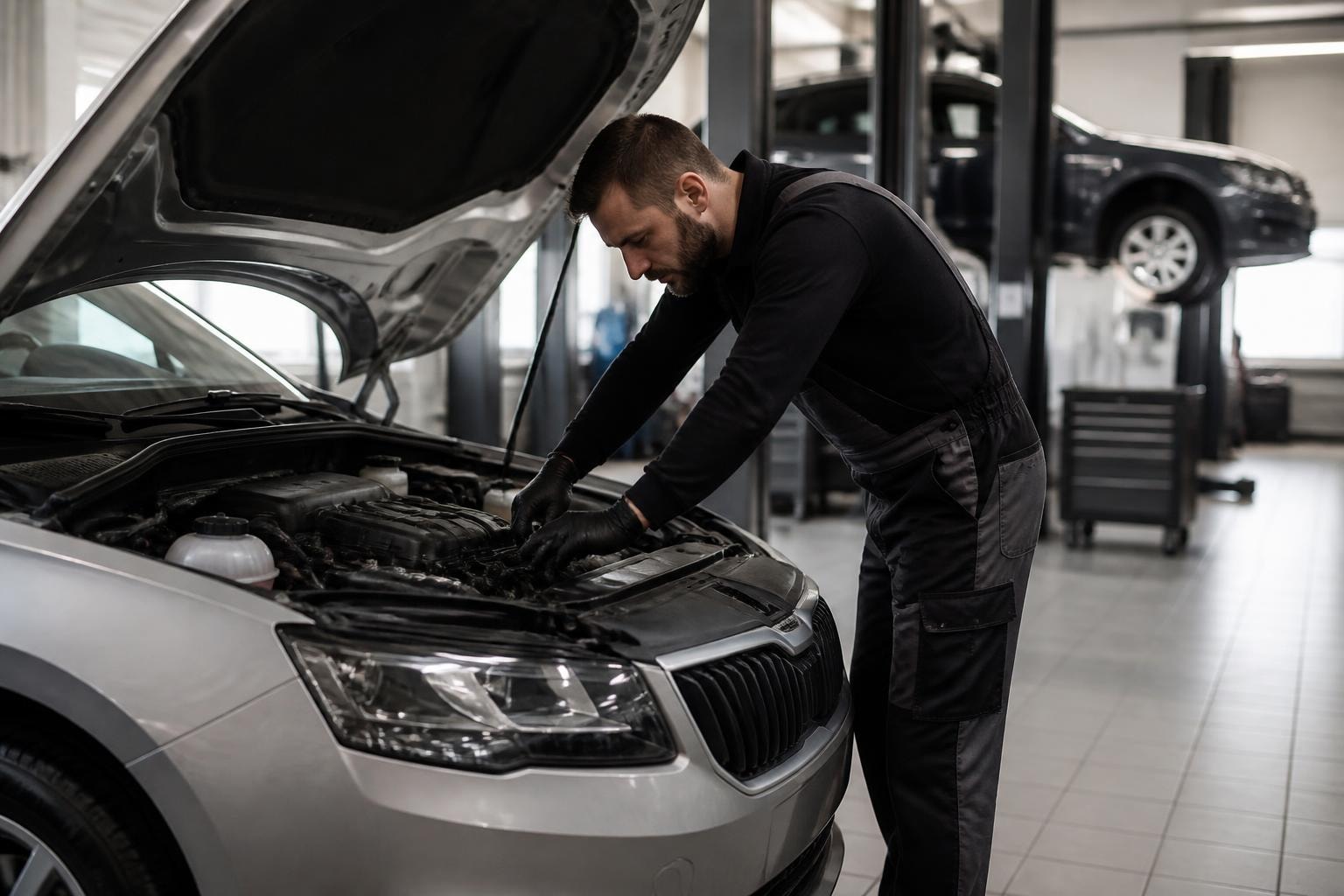

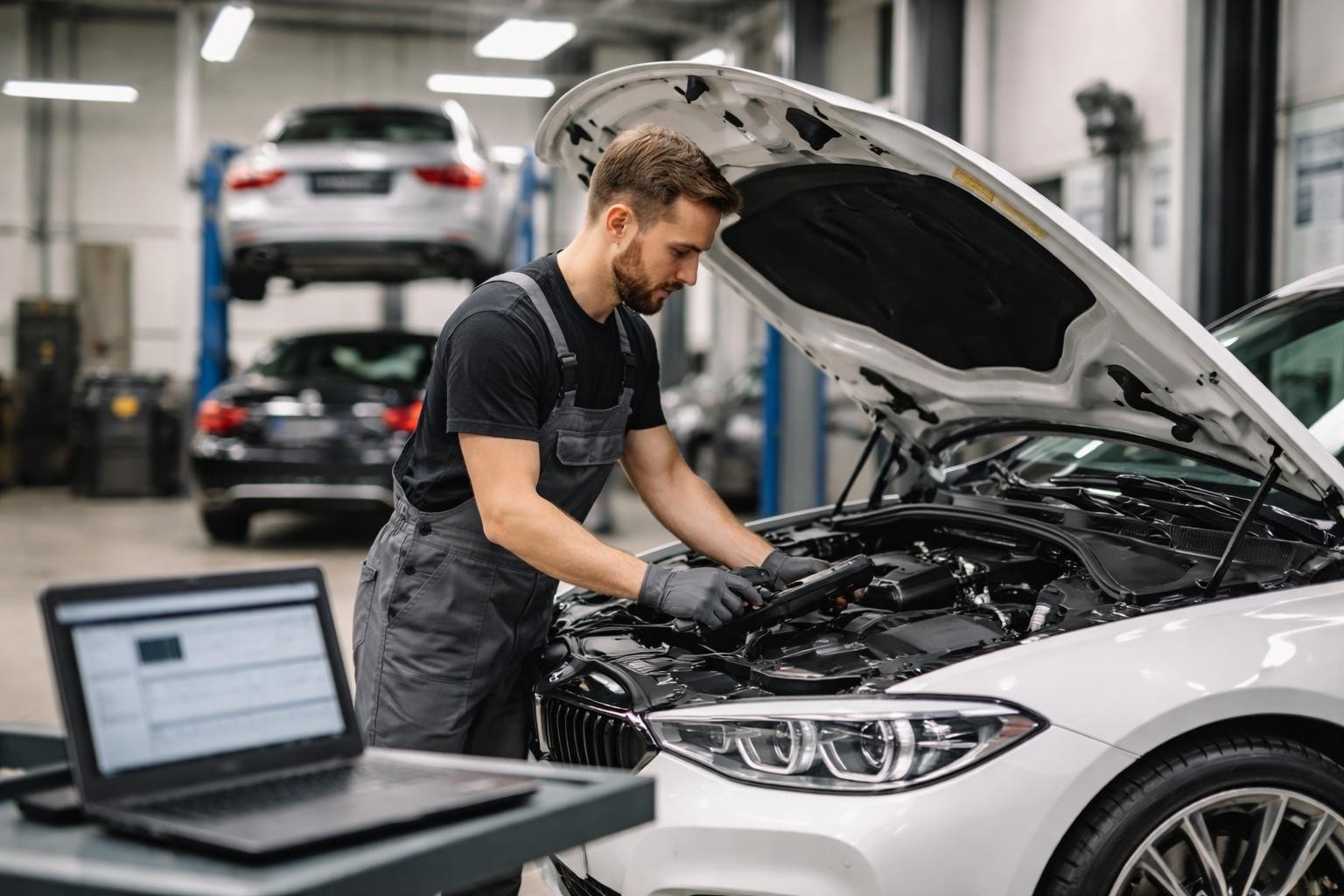
Owning a European vehicle represents a commitment to engineering excellence, performance, and sophisticated technology. Whether you drive a BMW, Audi, Mercedes-Benz, Volkswagen, or Skoda, your car demands specialized care that goes far beyond what general mechanics can provide. A european auto centre offers the expertise, equipment, and manufacturer-specific knowledge necessary to keep these precision machines running at their peak. Understanding what sets these specialized facilities apart helps owners make informed decisions about where to service their valuable investments.
Why European Vehicles Require Specialized Service
European manufacturers design their vehicles with fundamentally different philosophies compared to other automotive brands. Precision engineering sits at the heart of every component, from engine management systems to transmission calibration. These cars incorporate advanced technologies that require specialized diagnostic tools and software unavailable at standard repair shops.
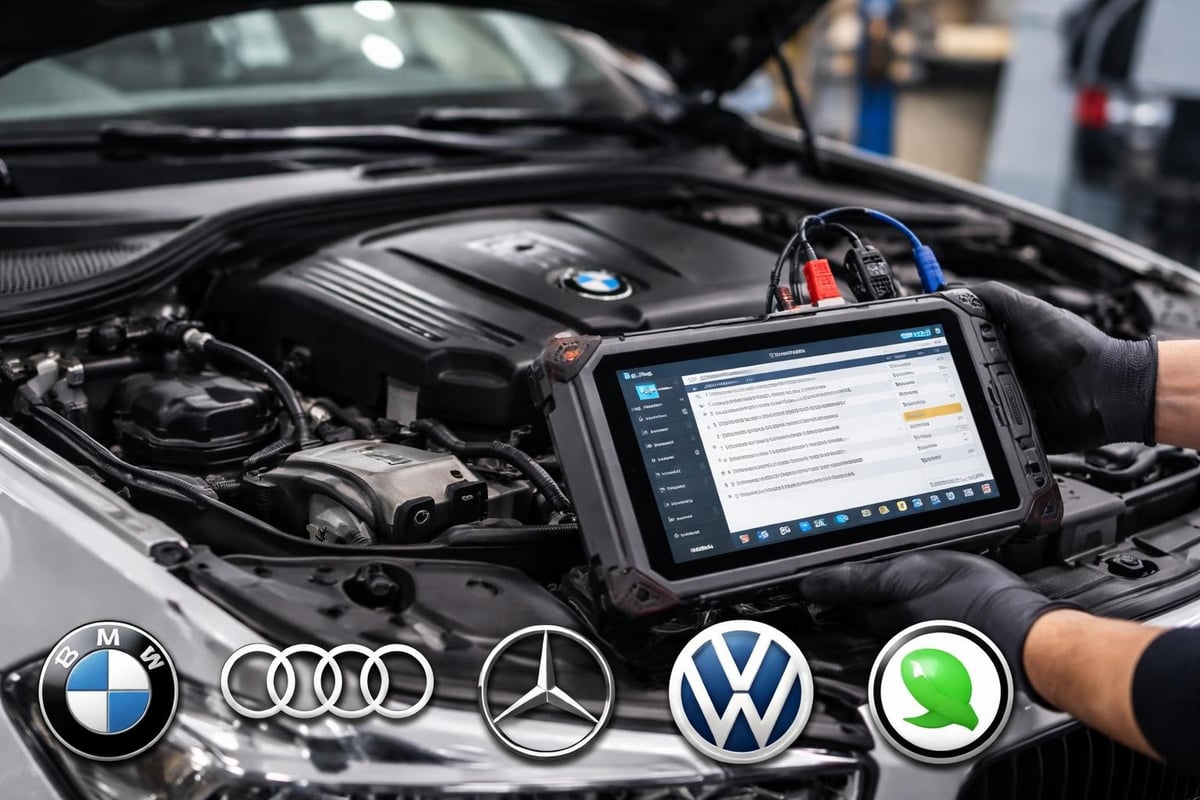
The differences extend beyond mere complexity. European cars utilize high-precision components and advanced engineering that demand specific maintenance protocols. A european auto centre invests in manufacturer-approved diagnostic equipment that communicates directly with your vehicle's onboard computer systems, identifying issues that generic code readers cannot detect.
Manufacturer-Specific Requirements
Each European brand maintains distinct service requirements:
- BMW vehicles require specialized oil formulations and specific reset procedures for service indicators
- Audi models use proprietary electrical systems that need VAG-COM diagnostic tools
- Mercedes-Benz demands precise wheel alignment specifications and brand-specific transmission fluids
- Volkswagen requires careful attention to timing belt intervals and turbocharger maintenance
- Skoda shares VW Group technology but has unique component specifications
Essential Services at a European Auto Centre
A comprehensive european auto centre provides services tailored specifically to European vehicle requirements. These facilities understand that European auto maintenance differs significantly from other vehicles in six critical ways, from specialized tools to specific fluid requirements.
Regular Maintenance Programs
European manufacturers design their vehicles around specific service intervals. Following these schedules prevents expensive repairs and maintains optimal performance. A professional european auto centre structures maintenance around factory specifications rather than generic timelines.
Oil Service Requirements:
Oil changes represent the foundation of European vehicle maintenance. Unlike many Asian or American vehicles that recommend 5,000-kilometer intervals, European engines often specify synthetic oil changes between 10,000 to 15,000 kilometers. However, this depends on driving conditions and specific model requirements.
| Service Type | Typical Interval | Key Components |
|---|---|---|
| Minor Service | 15,000 km | Oil, oil filter, inspection |
| Major Service | 30,000 km | All fluids, filters, comprehensive check |
| Brake Service | 40,000 km | Pads, rotors, fluid replacement |
| Timing Belt | 90,000-120,000 km | Belt, tensioners, water pump |
Diagnostic and Repair Services
Modern European vehicles feature complex electronic systems that control everything from engine performance to safety features. When warning lights appear, a european auto centre uses manufacturer-specific diagnostic software to pinpoint exact issues. Generic code readers often provide incomplete or misleading information for these sophisticated systems.
Advanced diagnostics cover:
- Engine Management Systems – Analyzing fuel injection, ignition timing, and emissions controls
- Transmission Programming – Diagnosing shift patterns and clutch engagement in DSG systems
- Electrical System Analysis – Identifying parasitic drains and module communication errors
- Suspension Calibration – Checking adaptive damping systems and air suspension
- Safety System Verification – Testing ABS, ESP, and advanced driver assistance features
The Importance of Specialized Technicians
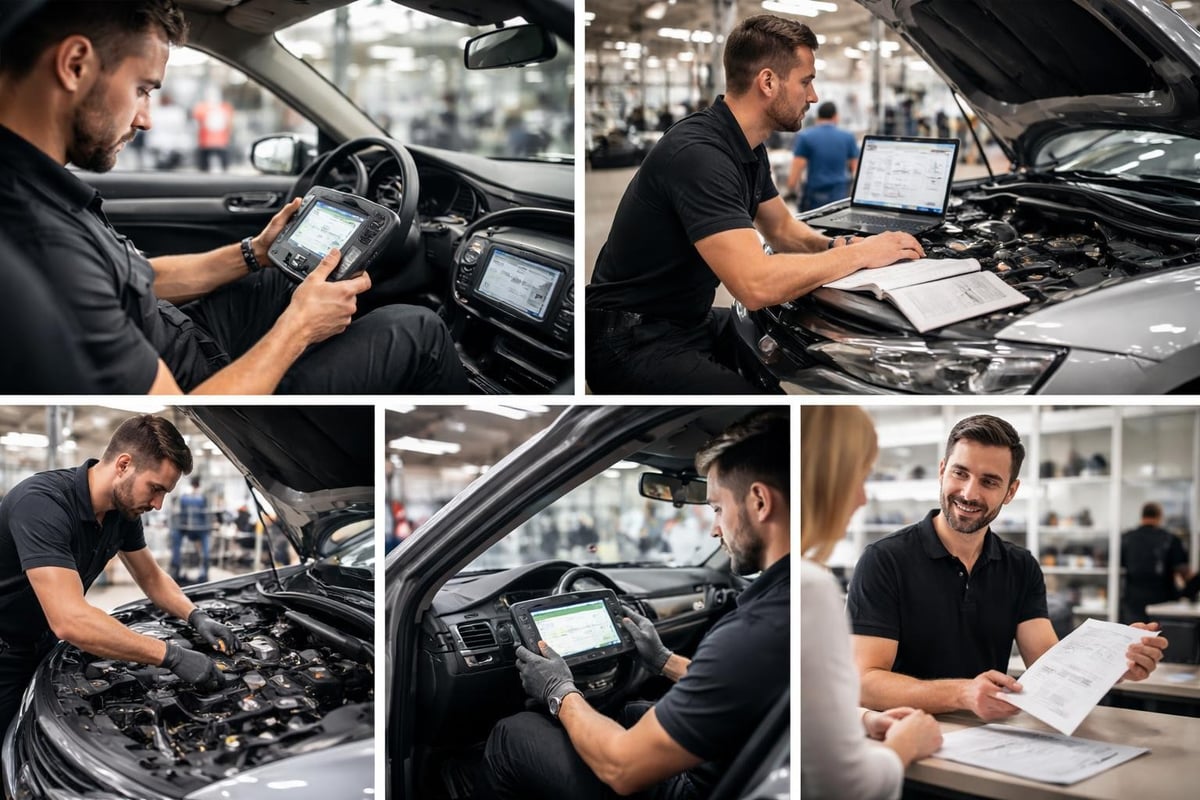
The human expertise at a european auto centre matters as much as the equipment. Technicians who specialize in European vehicles develop deep knowledge of common issues, recall campaigns, and model-specific quirks that general mechanics never encounter frequently enough to master.
Training and Certification
Professional european auto centre technicians pursue ongoing education through manufacturer training programs and independent certification courses. They understand that a cooling system issue on a BMW N55 engine differs fundamentally from the same symptom on a Mercedes M274 engine, even though both are turbocharged four-cylinders.
Experience provides critical advantages:
- Recognition of recurring issues specific to certain model years
- Knowledge of technical service bulletins and factory updates
- Understanding of proper repair sequences that prevent additional problems
- Familiarity with parts availability and suitable alternatives
Factory-Scheduled Maintenance vs. Independent Service
Many European vehicle owners face the decision between dealership service and an independent european auto centre. While dealerships offer factory-trained technicians, independent specialists provide comparable expertise often at more competitive prices. Following factory-scheduled maintenance remains crucial regardless of where you choose to service your vehicle.
Cost Considerations
| Service Provider | Average Cost Savings | Advantages | Considerations |
|---|---|---|---|
| Independent European Auto Centre | 30-40% less than dealer | Competitive pricing, personal service | Verify certifications |
| Dealership | Premium pricing | OEM parts guarantee, warranty work | Higher labor rates |
| General Mechanic | Variable, often cheapest | Convenient locations | Lacks specialized equipment |
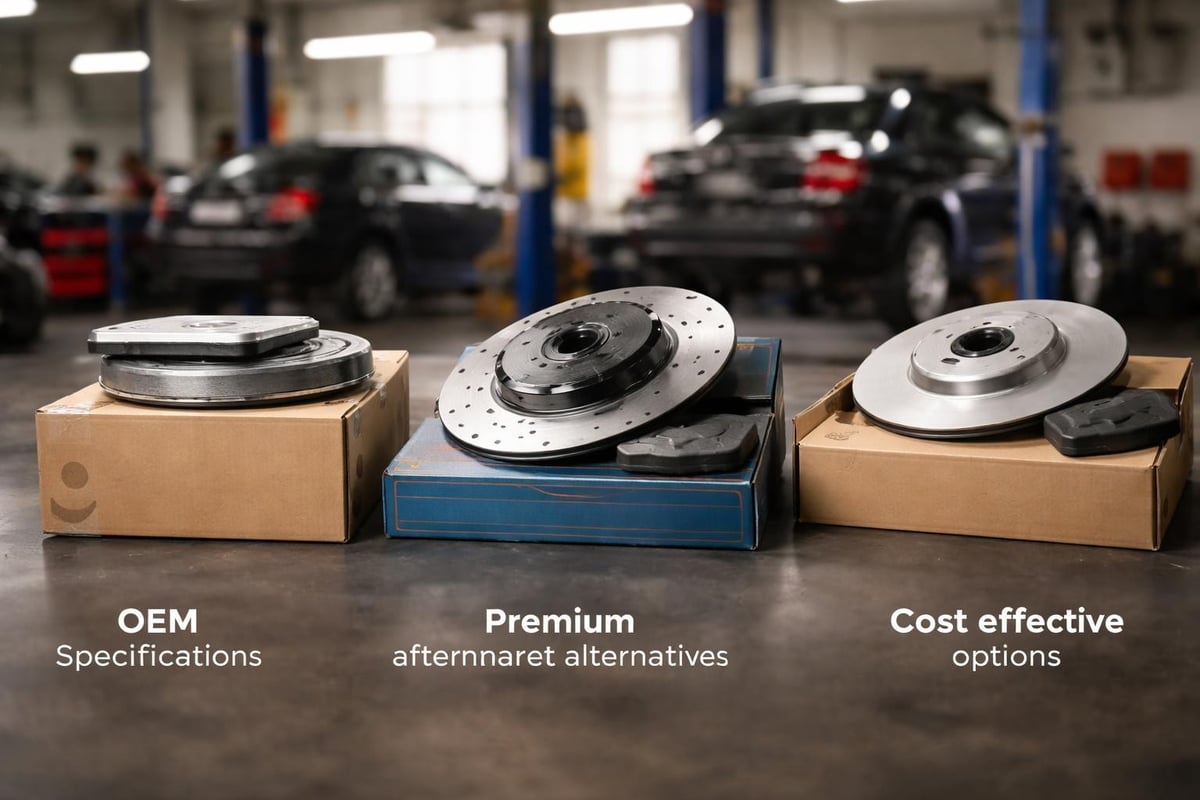
An established european auto centre maintains access to OEM parts when necessary while also offering high-quality aftermarket alternatives that meet or exceed factory specifications. This flexibility allows for cost-effective repairs without compromising quality.
Preventative Maintenance Strategies
Preventative maintenance for European cars requires understanding the specific vulnerabilities of precision-engineered vehicles. A knowledgeable european auto centre develops maintenance plans that address common failure points before they cause breakdowns.
Critical Preventative Services
Cooling System Maintenance:
European engines run at higher operating temperatures than many other vehicles. This places additional stress on cooling system components. Regular coolant replacement using manufacturer-approved formulations prevents corrosion and maintains optimal temperature regulation.
Turbocharger Care:
Many European vehicles use turbocharged engines for efficiency and performance. These systems require specific oil grades and regular maintenance to prevent costly failures. A european auto centre monitors turbocharger health during routine services, checking for early warning signs of wear.
DSG and Automatic Transmission Service:
Dual-clutch and automatic transmissions in European vehicles contain precise mechanical and electronic components. Regular transmission fluid changes extend service life significantly, yet many owners neglect this critical maintenance.
Seasonal Preparation
Auckland's climate demands specific seasonal considerations:
- Winter preparation includes battery testing and brake system inspection
- Summer readiness focuses on cooling system performance and air conditioning efficiency
- Year-round attention to tire condition and alignment protects suspension components
Parts Quality and Sourcing
A reputable european auto centre maintains relationships with multiple parts suppliers to ensure availability and competitive pricing. Understanding the difference between OEM, OE-equivalent, and aftermarket parts helps owners make informed decisions about repairs.
Parts Categories Explained
- OEM (Original Equipment Manufacturer) – Parts branded by the vehicle manufacturer, typically most expensive
- OE-Equivalent – Parts from the original supplier without manufacturer branding, identical quality at lower cost
- Premium Aftermarket – High-quality alternatives from reputable manufacturers like Bosch, Brembo, or Bilstein
- Economy Aftermarket – Budget options that may not meet European vehicle standards
A professional european auto centre recommends appropriate parts based on:
- Vehicle age and mileage
- Driving conditions and patterns
- Budget constraints
- Performance expectations
Technology Integration in Modern European Auto Centres
The automotive service industry has evolved dramatically in recent years. Leading european auto centre facilities now incorporate advanced technologies that enhance diagnostic accuracy and service quality. Real-time data from vehicle systems provides insights impossible to obtain through visual inspection alone.
Digital Service Records
Modern european auto centre operations maintain comprehensive digital service histories for their clients. These records provide several advantages:
- Complete maintenance history accessible instantly
- Reminder systems for upcoming service intervals
- Documentation for warranty claims or vehicle sales
- Trend analysis to predict potential issues
Online booking platforms like those offered through specialized service centers streamline the appointment process, allowing customers to schedule service at their convenience and receive updates throughout the repair process.
Common European Vehicle Issues by Brand
Each European manufacturer has characteristic issues that experienced technicians at a european auto centre recognize immediately. This knowledge accelerates diagnosis and prevents misguided repair attempts.
Brand-Specific Concerns
Volkswagen and Audi (VAG Group):
- DSG transmission mechatronic unit failures
- Timing chain tensioner issues in certain engine families
- Carbon buildup in direct-injection engines
- Electronic parking brake module failures
BMW:
- Oil consumption in N63 and N55 engines
- Cooling system components including water pumps and expansion tanks
- VANOS system issues affecting valve timing
- High-pressure fuel pump failures
Mercedes-Benz:
- Air suspension compressor and valve block failures
- Balance shaft issues in M272 and M273 engines
- 13-pin connector corrosion affecting multiple systems
- Transmission conductor plate failures
Maintaining Warranty Coverage
New European vehicle owners often worry about maintaining warranty coverage when using an independent european auto centre instead of a dealership. Understanding your rights prevents unnecessary expenses while ensuring proper vehicle care.
Legal Protections
New Zealand consumer law protects vehicle owners' rights to choose their service provider. A european auto centre that uses quality parts and follows manufacturer service schedules maintains warranty validity. The key requirements include:
- Following specified service intervals
- Using appropriate fluids and parts that meet manufacturer specifications
- Maintaining detailed service records
- Addressing recall campaigns promptly
Documentation becomes critical. A professional european auto centre provides comprehensive service reports that satisfy warranty requirements while offering transparency about work performed.
Value Retention Through Proper Maintenance
European vehicles represent significant investments. Proper maintenance enhances longevity while protecting resale value. Potential buyers scrutinize service history carefully, and complete records from a reputable european auto centre demonstrate responsible ownership.
Service records impact value through:
- Verification that major services occurred on schedule
- Evidence of addressed recalls and technical service bulletins
- Documentation of quality parts and fluids
- Proof of preventative maintenance rather than reactive repairs
A comprehensive service history from a trusted european auto centre can add thousands of dollars to resale value. Buyers pay premium prices for well-maintained European vehicles with documented care.
Choosing the Right European Auto Centre
Not all facilities claiming European vehicle expertise deliver equal service quality. Evaluating potential service providers requires attention to specific qualifications and capabilities.
Evaluation Criteria
| Factor | What to Look For | Why It Matters |
|---|---|---|
| Equipment | Manufacturer-specific diagnostic tools | Accurate fault identification |
| Experience | Years specializing in European brands | Pattern recognition, efficient diagnosis |
| Certifications | Technical training documentation | Verified competency levels |
| Communication | Clear explanations, detailed estimates | Informed decision-making |
| Facility | Clean, organized workspace | Professional standards |
Customer reviews provide valuable insights into service quality and communication. Long-standing relationships between a european auto centre and its clients indicate consistent satisfaction and reliable service.
Questions to Ask
Before committing to a european auto centre, discuss these important topics:
- What percentage of your work involves European vehicles specifically?
- Which diagnostic equipment and software do you use for my vehicle brand?
- Do you provide written estimates before performing work?
- What warranty do you offer on parts and labor?
- How do you handle situations where initial diagnosis reveals additional issues?
Long-Term Cost Management
European vehicle ownership costs extend beyond purchase price. Strategic maintenance planning at a quality european auto centre minimizes unexpected expenses while maintaining performance and reliability.
Budget Planning Strategies
Understanding typical maintenance costs helps owners budget appropriately. While European vehicles require more expensive maintenance than economy brands, following proper maintenance schedules prevents catastrophic failures that cost far more than routine service.
Annual maintenance budgets should account for:
- Two routine services (minor and major alternating)
- Tire replacement every 2-3 years depending on driving habits
- Brake service every 3-4 years for typical driving
- Unexpected repairs averaging 10-15% of vehicle value over ownership period
A transparent european auto centre provides honest assessments of upcoming maintenance needs, allowing owners to plan financially rather than facing emergency repairs.
The Future of European Auto Service
European manufacturers continue advancing vehicle technology, incorporating electrification, advanced driver assistance systems, and connectivity features. These developments increase the importance of specialized service facilities that invest in ongoing training and equipment updates.
Emerging Service Requirements
Modern european auto centre facilities prepare for evolving technologies:
- Hybrid and electric vehicle expertise for models like the VW ID.4 and BMW iX
- Advanced driver assistance system calibration following windscreen replacement or suspension work
- Over-the-air update management ensuring software remains current
- Battery management system diagnostics for hybrid and electric vehicles
The gap between general mechanics and specialized european auto centre capabilities will likely widen as vehicle complexity increases. Choosing a forward-thinking service provider ensures continued access to quality maintenance as vehicle technology evolves.
Building a Relationship with Your Service Provider
The most successful european auto centre relationships develop over years of consistent service. Technicians familiar with your specific vehicle provide better care because they understand its history and any previous issues addressed.
Long-term relationships enable:
- Personalized service recommendations based on your driving patterns
- Recognition of developing issues before they become serious problems
- Flexible scheduling around your needs and preferences
- Trust that recommendations serve your best interests rather than profit maximization
Establishing this relationship early in vehicle ownership provides peace of mind and often reduces lifetime maintenance costs through preventative rather than reactive care.
Maintaining a European vehicle requires specialized knowledge, proper equipment, and commitment to manufacturer standards that only a dedicated european auto centre provides. Whether you drive a Volkswagen, Audi, Mercedes-Benz, BMW, or Skoda, choosing the right service partner protects your investment while ensuring reliable performance. VODIS Automobile has served Auckland's North Shore for over 20 years as the region's leading independent european auto centre, combining factory-level expertise with personalized service and competitive pricing. Our highly skilled team uses the latest diagnostic equipment and genuine parts to keep your European vehicle performing at its best.