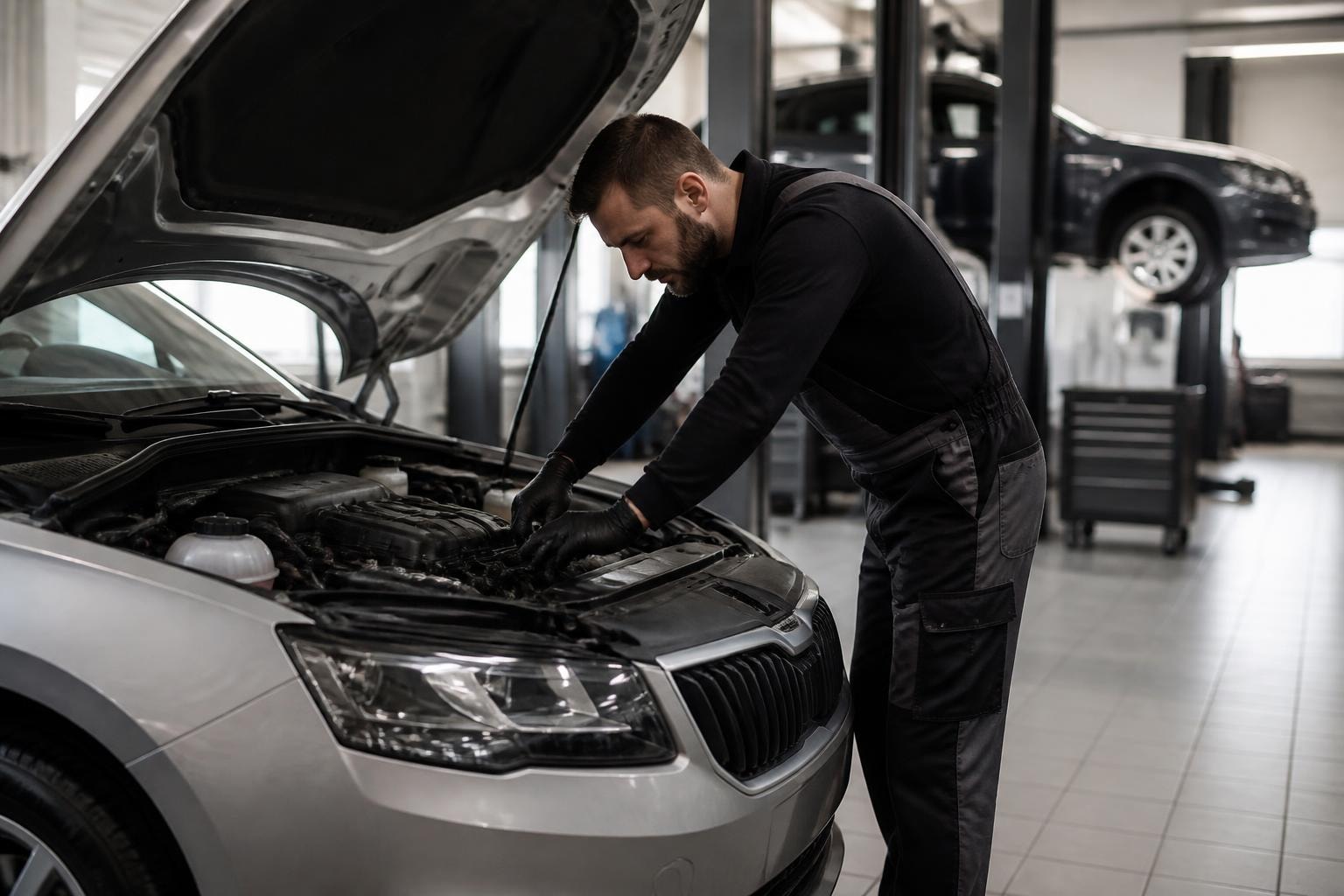

European auto technicians are at the forefront of a fast-changing industry, where technology is advancing at an unprecedented pace. Modern European vehicles now feature complex diagnostics, electrification, and integrated intelligent systems, making expert knowledge more valuable than ever. For technicians, service centers, and car owners alike, staying informed is critical to ensure vehicles perform reliably and efficiently. This guide explores emerging trends, essential skills, innovative diagnostic tools, training opportunities, and the future landscape awaiting European auto technicians in 2026.
The Evolving Landscape of European Auto Technology
The automotive industry in Europe is experiencing a remarkable transformation. European auto technicians are at the heart of this change, facing new demands as cutting-edge technology becomes standard in workshops. As vehicles evolve, so do the expectations for technician expertise and adaptability.
Key Technological Advancements in 2026
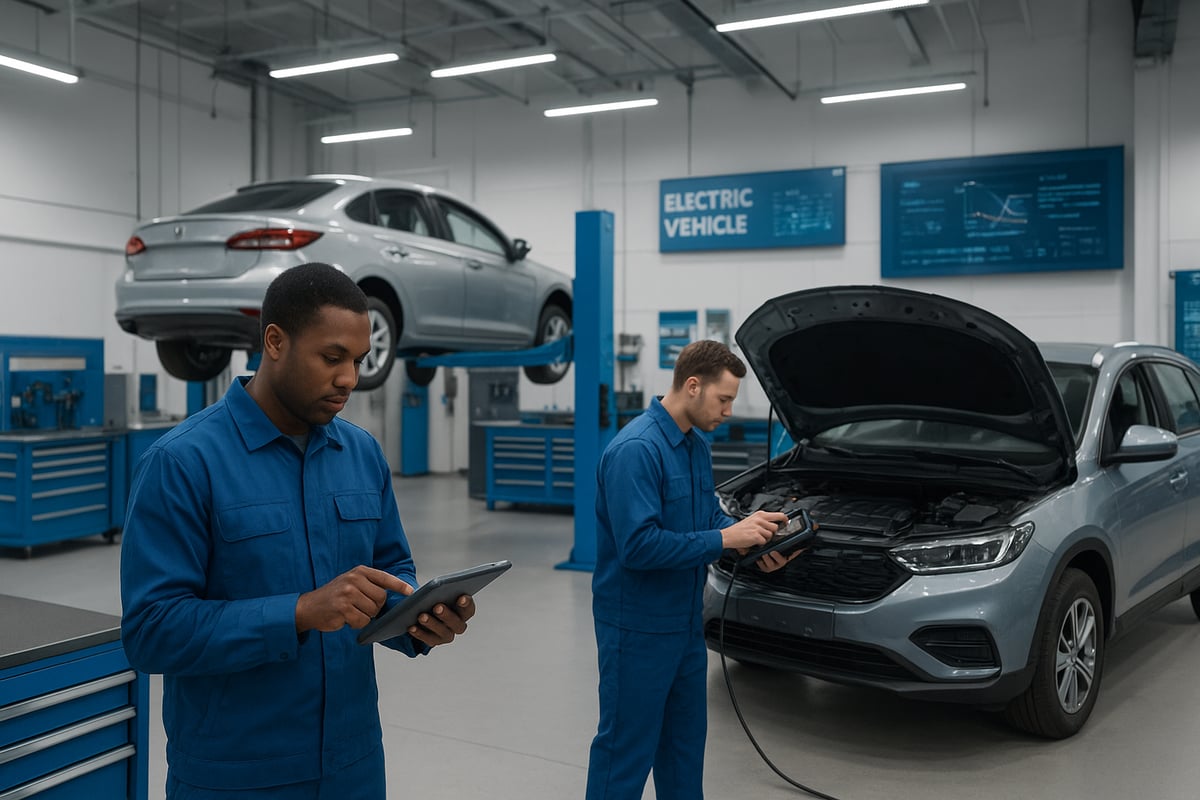
In 2026, the landscape of European auto technology is defined by rapid innovation. The dominance of electric and hybrid powertrains is evident across brands, with models like Volkswagen’s next-gen EV platforms and Mercedes-Benz’s AI-powered infotainment systems leading the way.
Advanced driver-assistance systems (ADAS) and autonomous features are now standard in most new vehicles. Lightweight materials such as aluminum and carbon composites, along with modular platforms, are used extensively to increase efficiency and flexibility. Over-the-air (OTA) software updates have become routine, allowing vehicles to receive new features and fixes remotely. Connected car ecosystems enable seamless integration of infotainment, navigation, and diagnostics.
A striking statistic is that over 65% of new European vehicles sold in 2025-2026 are expected to feature Level 2+ autonomy. This shift means that european auto technicians must be ready to address not only mechanical systems but also complex digital networks. For a comprehensive look at the forces driving these changes, see Automotive industry trends: Predictions for 2026.
The pace of advancement means that staying updated with the latest tools, protocols, and digital interfaces is essential for european auto technicians.
Impact on Technician Roles and Responsibilities
As technology evolves, the responsibilities of european auto technicians are shifting dramatically. Mechanical know-how remains important, but digital skills are now just as critical. Modern vehicles require software-based diagnostics and repairs, making fluency with OEM and third-party diagnostic platforms a necessity.
Technicians must also be aware of cyber-security risks, since connected vehicles are susceptible to digital threats. Troubleshooting now involves not only physical components, but also resolving code errors and network issues. Audi, for example, has introduced comprehensive retraining programs to help technicians adapt to electrified drivetrains and advanced electronics.
Continuous learning is central to success in this new era. European auto technicians need to participate in regular upskilling to remain effective. Digital troubleshooting, module programming, and understanding of AI-driven systems are all becoming part of daily workflows.
The profession is evolving into a blend of traditional repair expertise and digital problem-solving, with new expectations for adaptability and lifelong learning.
Regulatory and Environmental Drivers
Regulatory pressures are shaping the way european auto technicians operate. The European Union has introduced stricter emissions standards, requiring workshops to follow updated service protocols for both combustion and electrified vehicles. These regulations aim to minimize environmental impact and promote cleaner mobility.
Sustainable repair practices are now mandatory. Technicians must recycle parts and fluids, adhere to eco-friendly disposal standards, and reduce workshop emissions. BMW’s circular economy initiatives, for instance, focus on reusing components and minimizing waste throughout the vehicle lifecycle.
Mandates for eco-certifications and sustainable workshop management are becoming a norm. European auto technicians are required to document compliance with both EU and local environmental regulations. Adapting to these requirements ensures that workshops remain competitive and responsible in a rapidly changing industry.
In summary, regulatory and environmental considerations are integral to the evolving landscape, demanding a proactive approach from european auto technicians.
Essential Skills and Competencies for European Auto Technicians in 2026
The role of european auto technicians is more complex than ever in 2026. Modern vehicles demand a blend of traditional and digital expertise, requiring technicians to master evolving technologies for optimal service quality. Staying ahead means developing a multi-faceted skill set that keeps pace with industry innovation.
Advanced Diagnostic Proficiency
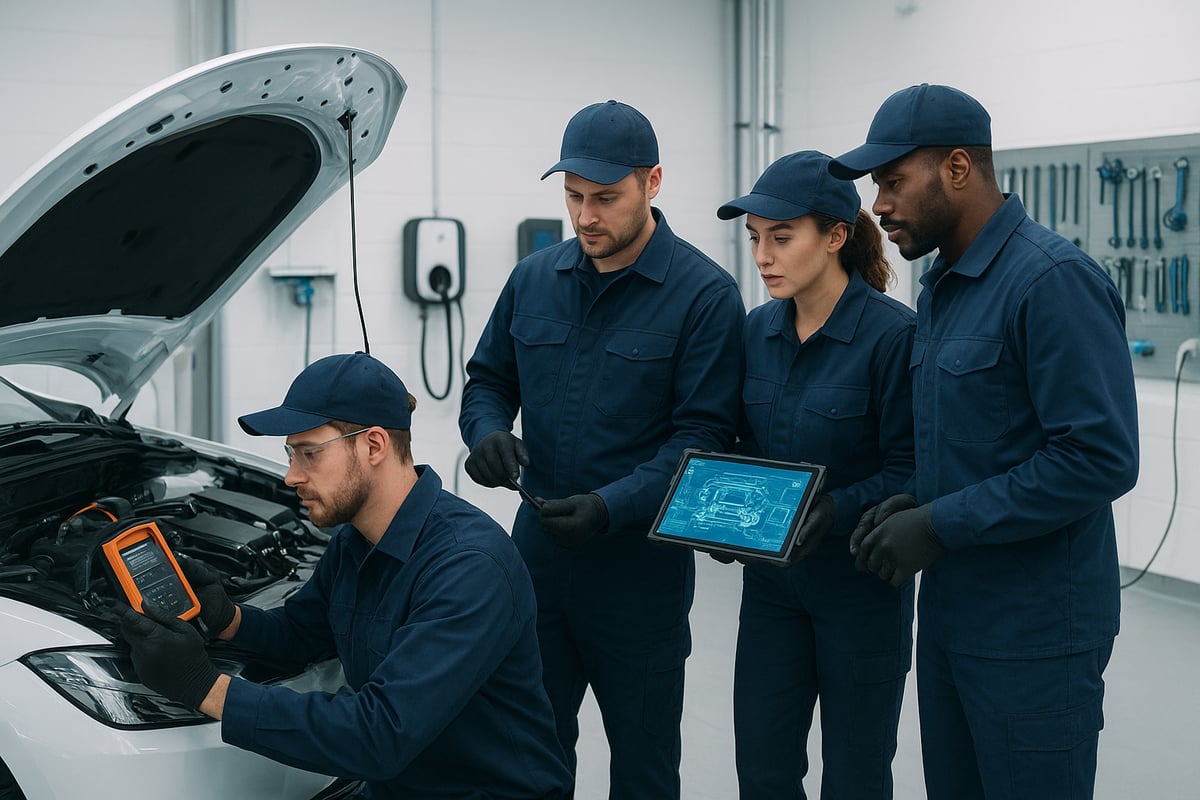
For european auto technicians, advanced diagnostic proficiency is paramount. Modern European vehicles rely heavily on networked electronics and complex software systems, making traditional troubleshooting methods insufficient.
Technicians must be adept at using both OEM and third-party diagnostic platforms. This means interpreting intricate fault codes, analyzing live data streams, and resolving communication errors, such as those found in CAN-bus systems of late-model Audis.
For example, resolving intermittent electrical faults often involves leveraging specialized tools and referencing service histories. Access to resources like Audi servicing and diagnostics can help technicians stay current with evolving diagnostic techniques.
A commitment to ongoing learning ensures european auto technicians remain effective as vehicle complexity grows.
Electrical and Hybrid Systems Expertise
By 2026, over 40 percent of European vehicles in service are electrified. European auto technicians must safely handle high-voltage systems, perform battery health assessments, and conduct precise replacement procedures.
Working on hybrid and electric vehicles requires specialized training and an acute awareness of safety protocols. Technicians need to use insulated tools, wear protective equipment, and follow strict disconnection procedures before servicing battery packs.
Mastery in this area ensures technicians can address the unique challenges presented by electric powertrains, supporting both vehicle longevity and customer trust.
Software and Firmware Updates
Software is now a core component of vehicle maintenance. European auto technicians routinely perform over-the-air updates, module programming, and firmware rollbacks to ensure system compatibility.
These updates can affect everything from infotainment systems to critical safety features. Technicians must understand manufacturer protocols, such as Mercedes-Benz’s firmware update processes, and be prepared to manage potential compatibility issues.
Staying proficient in software maintenance helps european auto technicians minimize downtime and ensure vehicles operate at peak efficiency.
Mechanical & Mechatronic Integration
Today’s vehicles demand a blend of mechanical and electronic expertise. European auto technicians must diagnose and repair integrated systems, such as adaptive suspensions, smart braking, and chassis management systems found in models like BMW’s iDrive.
This integration requires technicians to interpret data from multiple vehicle subsystems and coordinate repairs that span traditional and digital domains. The ability to bridge these domains distinguishes leading technicians in the field.
A strong foundation in both mechanics and electronics empowers european auto technicians to deliver comprehensive, future-ready service.
Soft Skills and Customer Communication
Technical expertise alone is no longer enough. European auto technicians must also excel in customer communication, translating complex diagnostics into clear, accessible explanations.
Effective communication builds trust and helps manage customer expectations, especially when repairs involve advanced systems. According to satisfaction surveys, clear explanations are a top factor influencing customer loyalty.
By developing soft skills, technicians not only improve service outcomes but also enhance the workshop’s reputation and client retention.
Safety and Compliance Awareness
With evolving vehicle technologies come new safety and compliance requirements. European auto technicians must adhere to updated standards for high-voltage systems and advanced driver-assistance features.
Proper documentation and strict compliance with EU and local regulations are essential. This includes following safety protocols, maintaining accurate service records, and ensuring all repairs meet environmental and legal standards.
A strong safety and compliance mindset protects both technicians and customers, reinforcing the professionalism expected in modern automotive service.
Advanced Tools and Equipment for Modern European Workshops
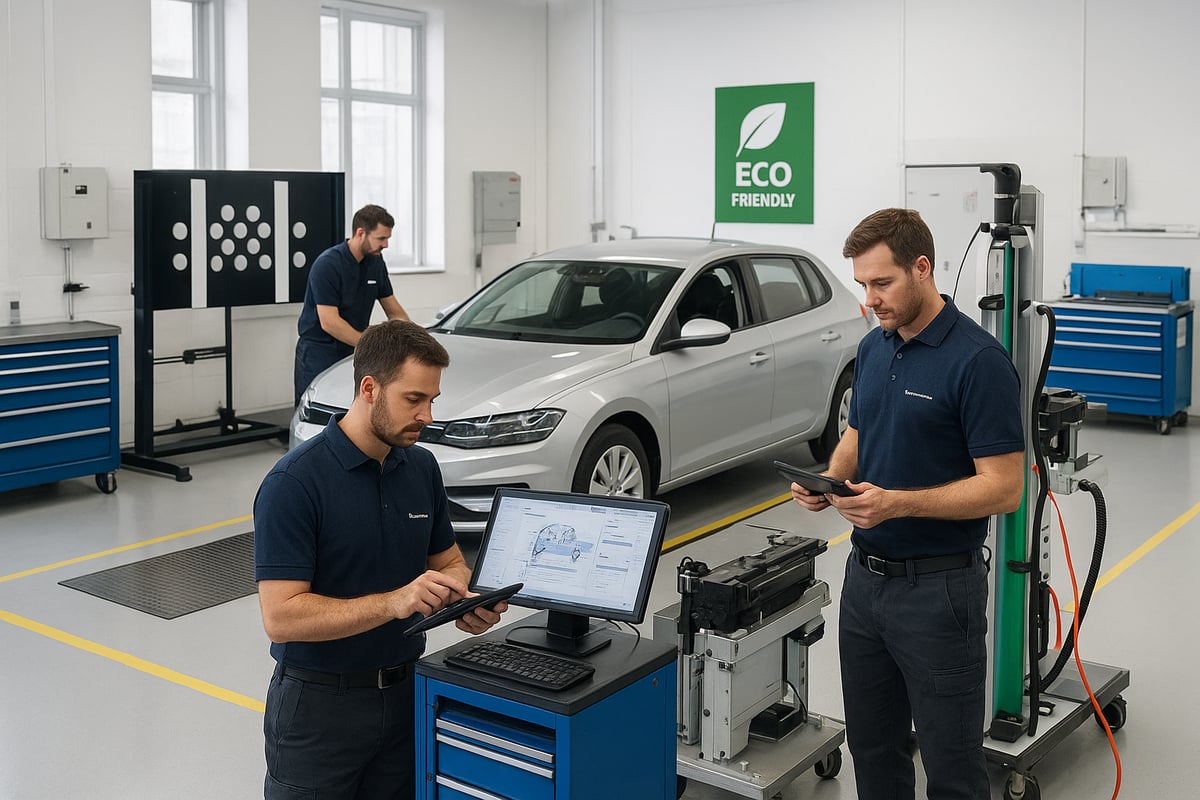
Modern European workshops are rapidly evolving, driven by the demands of increasingly complex vehicles and the expectations placed on european auto technicians. Today’s service environments blend advanced hardware, digital platforms, and sustainable practices, ensuring both efficiency and compliance.
Diagnostic Hardware and Software
The foundation of any modern workshop lies in its diagnostic capabilities. European auto technicians rely on state-of-the-art scan tools compatible with 2026 European models. These include both OEM-specific platforms and advanced multi-brand solutions like the Bosch KTS series.
Remote diagnostics and cloud-based service platforms have become standard. This enables real-time data sharing and streamlined troubleshooting. With vehicles now integrating complex electronics, the ability to interpret data logs and perform software-based diagnostics is essential.
A comparison of diagnostic solutions:
| Tool Type | Features | Example |
|---|---|---|
| OEM Diagnostic Suite | Brand-specific, deep access | Mercedes-Benz XENTRY |
| Multi-Brand Scanner | Broad compatibility, updates | Bosch KTS |
| Cloud-Based Platform | Remote access, data storage | Dealer Management |
European auto technicians must stay updated on both hardware and software advancements to maintain service excellence.
Specialized EV and Hybrid Tools
The rise of electrified vehicles demands new tools and safety measures. European auto technicians must handle high-voltage systems with specialized insulation testers and battery lifts. High-voltage personal protective equipment (PPE) is mandatory for safe operation.
Battery pack removal and installation require custom jigs and lifting devices. These tools not only ensure technician safety but also protect sensitive components during service.
Key tools for EV and hybrid servicing:
- Insulation resistance testers for high-voltage circuits
- Battery lifts for safe module handling
- High-voltage gloves, boots, and face shields
- Torque tools for secure battery connections
As the share of electrified vehicles grows, these tools become indispensable for european auto technicians across Europe.
ADAS Calibration Systems
Advanced driver-assistance systems (ADAS) are now standard in most new European cars. Accurate calibration of cameras and radar sensors is critical for vehicle safety and regulatory compliance. European auto technicians use sophisticated alignment rigs and digital calibration panels.
Volkswagen’s ADAS recalibration standards exemplify the precision required. Even minor misalignments can compromise system performance, so workshops invest in dedicated equipment for each vehicle platform.
ADAS calibration involves:
- Camera alignment tools for lane-keeping and traffic sign recognition
- Radar calibration frames for adaptive cruise control
- Software interfaces for system verification
For european auto technicians, mastering ADAS calibration is essential for delivering safe, compliant repairs.
Workshop Digitalization and Workflow Management
Digital transformation is reshaping how european auto technicians operate. Modern workshops integrate digital repair orders, automated parts sourcing, and customer communication portals. Over 70 percent of leading European workshops now utilize fully digital management systems.
These platforms streamline workflow, reduce errors, and improve transparency for both technicians and customers. For a closer look at how these systems are implemented in a real-world context, see Our European workshop facilities, which showcases advanced digital tools and workflow management in action.
Digitalization benefits:
- Real-time job tracking and status updates
- Automated inventory management
- Enhanced customer engagement through portals
European auto technicians leveraging digital tools can deliver faster, more reliable service while adapting to evolving industry standards.
Sustainable Workshop Practices
Environmental responsibility is a growing priority for european auto technicians. Workshops must comply with strict EU directives on fluid recycling, emissions testing, and eco-friendly disposal of hazardous materials.
Key sustainable practices include:
- Use of fluid recycling equipment for oils and coolants
- On-site emissions testing to ensure regulatory compliance
- Proper segregation and disposal of batteries and electronics
By adopting sustainable workshop practices, european auto technicians contribute to a greener automotive industry and meet the expectations of environmentally conscious customers.
Training, Certification, and Career Pathways for European Auto Technicians
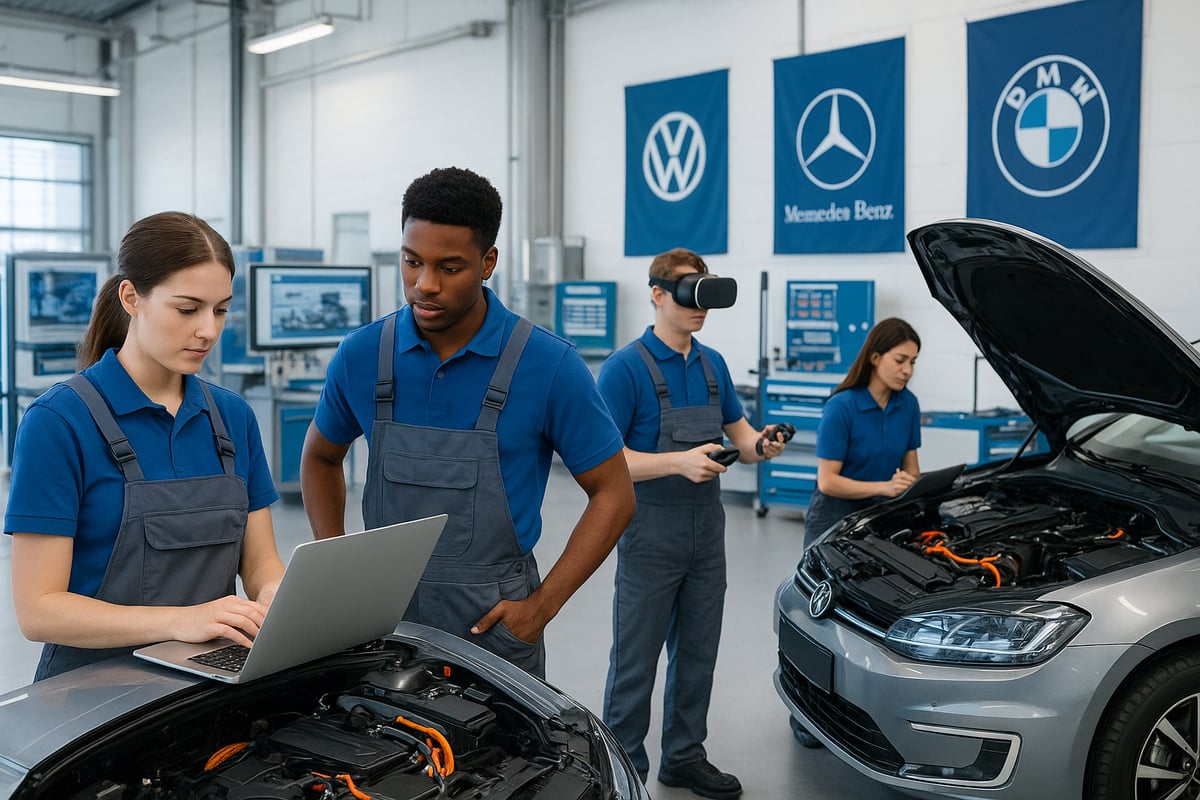
The future of european auto technicians relies on robust training, recognized certification, and clear career pathways. As technology evolves, so do the requirements for those working in Europe’s automotive sector. Comprehensive education, manufacturer-specific programs, and ongoing upskilling are essential for technicians to remain competitive and deliver high-quality service.
Formal Education and Apprenticeships
A strong foundation for european auto technicians begins with formal education. Across Europe, technical colleges and vocational schools offer specialized automotive programs. These institutions provide hands-on experience with state-of-the-art equipment and real-world scenarios.
The German dual education system stands out, blending classroom learning with practical apprenticeships. This model ensures students develop both theoretical knowledge and workplace skills. Opportunities for apprenticeships continue to expand, with leading manufacturers launching new programs. For example, aspiring technicians can explore Career Kickoff at Daimler Truck: Application Launch for Apprenticeships and Dual Study Programs Starting in 2026 to begin their journey in the automotive industry.
OEM-Specific Training and Accreditation
European auto technicians must often pursue manufacturer-branded certifications. Brands like Volkswagen, Mercedes-Benz, and BMW offer specialized training to ensure technicians are proficient in their unique systems and protocols.
These programs include advanced diagnostics, handling proprietary tools, and learning new repair procedures for electrified drivetrains. Ongoing technical workshops help maintain up-to-date knowledge. Technicians certified through OEM programs are highly valued by both dealerships and independent service centers, as they can address complex brand-specific challenges with confidence.
Independent and Third-Party Certifications
Beyond manufacturer programs, independent certifications validate a broad range of skills for european auto technicians. Organizations such as the Institute of the Motor Industry (IMI) and Automotive Service Excellence (ASE) offer widely recognized credentials.
Specialization badges in electric vehicles (EV) and advanced driver-assistance systems (ADAS) are increasingly important. The table below summarizes popular certifications:
| Certification | Focus Area | Recognition |
|---|---|---|
| IMI | General, EV, ADAS | Europe-wide |
| ASE | Diagnostics, EV | International |
| OEM | Brand-specific | Dealer networks |
Third-party certification improves employability, especially as workshops seek multi-skilled talent.
Online Learning and Remote Upskilling
Digital transformation impacts how european auto technicians learn new skills. E-learning platforms offer interactive modules on diagnostics, software updates, and safety protocols. Virtual reality (VR) training simulates complex repairs, reducing the risk of real-world errors.
According to recent data, 55% of technicians participate in online training annually. This approach supports flexible learning, allowing technicians to upskill while managing their workloads. Remote upskilling ensures that even in smaller workshops or rural locations, technicians can access the latest knowledge and best practices.
Career Progression and Specialization
A clear career ladder motivates european auto technicians to pursue excellence. Entry-level roles often include apprentice or junior technician positions. With experience and further training, technicians can specialize as diagnostic experts, EV specialists, or master technicians.
Some may progress to workshop management or technical training roles. Leading service centers in Europe provide structured pathways, supporting advancement through merit-based promotions and additional qualifications. Specialization in high-demand areas, such as battery diagnostics or ADAS calibration, can significantly boost earning potential and job satisfaction.
Addressing the Technician Shortage
Europe faces a projected demand for more than 60,000 new european auto technicians by 2026. The shortage is driven by rapid technological change and the electrification of vehicle fleets.
To attract young talent, industry initiatives promote automotive careers through school outreach, scholarships, and diversity programs. Employers also invest in upskilling existing staff to bridge the skills gap. Encouraging a wider range of applicants and offering clear advancement opportunities are vital strategies for meeting future workforce needs.
Real-World Challenges and Solutions in European Auto Service
European auto technicians face an evolving set of real-world challenges in 2026. From diagnosing intricate electrical issues to keeping up with customer expectations and new vehicle technologies, the demands on these professionals are higher than ever. Addressing these challenges requires a blend of technical expertise, adaptability, and collaboration across the European automotive service sector.
Common Technical Challenges
European auto technicians frequently encounter complex technical problems. Diagnosing intermittent electrical faults in modern vehicles, especially those with advanced driver assistance systems, is a growing concern. Sourcing genuine parts for both late-model and legacy vehicles can be difficult, especially when supply chain disruptions occur. For example, Volkswagen servicing expertise highlights the need for specialized diagnostic skills and access to authentic parts to ensure precise repairs.
These challenges are compounded by the rapid evolution of vehicle networks and the increasing reliance on software-driven systems. The shift toward electrification and modular platforms means that technicians must adapt quickly, staying up to date with the latest diagnostic protocols and repair methods. European auto technicians must continually invest in training and tools to remain effective in this dynamic landscape.
Customer Service and Expectation Management
Managing customer expectations is a crucial aspect of the daily work of european auto technicians. Handling warranty claims and manufacturer recalls requires clear communication, especially when dealing with advanced vehicle systems that may extend repair times. Customers often expect quick solutions, but resolving issues with software or complex components can take longer than traditional repairs.
Technicians need to explain technical details in plain language, helping customers understand the reasons behind delays or the necessity of certain repairs. Providing transparent timelines and regular updates builds trust and satisfaction. As vehicles become more sophisticated, european auto technicians must balance technical accuracy with excellent customer service at every step.
Workshop Efficiency and Workflow Bottlenecks
Workshop efficiency is a growing concern for european auto technicians in 2026. Balancing service bays for both traditional combustion vehicles and new EVs or hybrids requires careful scheduling and resource allocation. The integration of advanced driver assistance systems adds another layer of complexity, as ADAS-equipped vehicles often take 30 percent longer to repair due to the need for precise calibration and safety checks.
Workflow bottlenecks can arise from waiting on parts, software updates, or specialized equipment. Digital management systems have become essential for tracking repair orders, sourcing components, and monitoring progress in real time. European auto technicians rely on these tools to minimize downtime and maintain high productivity, ensuring that both new and legacy vehicles are serviced efficiently.
Solutions and Best Practices
To overcome these challenges, european auto technicians are adopting several best practices. Ongoing technical upskilling, investment in digital workflow tools, and building strong relationships with OEMs and parts suppliers are vital steps. Collaborative networks among independent European service centers help share expertise and resources, reducing delays and increasing problem-solving capabilities.
Sustainability is also becoming a priority. Many workshops are implementing eco-friendly practices, such as recycling fluids and parts, in line with discussions at the 2nd European Automotive Circular Economy Summit 2026. By focusing on continuous improvement and embracing innovation, european auto technicians are well positioned to meet the demands of the evolving automotive landscape.
The Future of European Auto Technicians: Trends and Opportunities
The automotive industry in Europe is advancing rapidly, and the future holds exciting prospects for european auto technicians. As technology evolves, new trends and opportunities are emerging, demanding a fresh set of skills and adaptability from professionals across the continent.
Electrification and the Rise of EV Specialists
Electrification is transforming the landscape for european auto technicians. By 2026, electric vehicles (EVs) are projected to represent 35% of the European car parc. This surge requires technicians to develop expertise in battery diagnostics, high-voltage safety, and charging systems.
New roles are emerging, such as battery health experts and EV safety trainers. Service centers are investing in specialized training and equipment to meet these demands. As electrification accelerates, technicians who adapt quickly will secure a competitive edge in the job market.
Integration of Artificial Intelligence and Predictive Maintenance
Artificial intelligence is reshaping how european auto technicians approach diagnostics and maintenance. Predictive platforms in fleets like Mercedes-Benz and BMW use machine learning to detect issues before they become critical. This proactive approach leads to fewer breakdowns and improved customer satisfaction.
Technicians must learn to interpret data from AI-driven tools and adjust service protocols accordingly. Embracing predictive maintenance helps workshops increase efficiency and reduce costs. The shift toward data-centric service will only intensify as connected cars become the norm.
Remote Diagnostics and Over-the-Air Support
Remote diagnostics and over-the-air (OTA) support are redefining the service experience for european auto technicians. With vehicles now capable of receiving software updates and minor repairs remotely, the technician’s role extends beyond the workshop.
This trend enables faster issue resolution and reduces customer downtime. Technicians must be adept at managing remote support platforms and troubleshooting digital issues. As remote services expand, workshops will need to balance in-person expertise with digital capabilities.
Sustainability and Green Workshop Initiatives
Sustainability is a key focus for european auto technicians and service centers. Workshops are adopting carbon-neutral practices, using renewable energy, and selecting biodegradable fluids to minimize environmental impact.
Eco-certifications are becoming more prevalent, and technicians are expected to follow strict recycling and disposal protocols. For example, some workshops now operate entirely on solar power. Staying ahead in green initiatives not only meets regulatory demands but also appeals to environmentally conscious customers.
Evolving Customer Expectations and Service Models
Customer expectations are evolving rapidly, influencing the daily work of european auto technicians. Today’s clients demand transparency, convenience, and digital-first experiences. In fact, 80% prefer digital booking and real-time service updates.
Workshops are responding by offering online portals, instant messaging, and detailed repair reports. Clear communication and streamlined processes are essential for building trust and long-term relationships. Technicians who excel in customer interaction will stand out in a competitive market.
Opportunities for Independent Specialists
The future holds significant opportunities for independent european auto technicians. As vehicles become more complex, niche expertise in high-end and classic models is increasingly valuable. Many customers seek alternatives to dealership service, fueling growth for independent workshops.
Building strong reputations and investing in advanced training can set independent technicians apart. Collaborations among independent centers also provide access to shared resources and expertise, enhancing service quality for specialized vehicles.
Globalization and Cross-Border Collaboration
Globalization is fostering new forms of collaboration among european auto technicians. Cross-border training alliances and knowledge sharing are becoming standard as the industry responds to rapid change. Technicians can now access resources, parts, and expertise from across Europe, improving service consistency.
Pan-European initiatives are helping technicians stay updated with the latest technologies and regulations. Embracing this spirit of cooperation will be vital for success in an interconnected automotive landscape. For a deeper look at industry-wide strategies, review the Action plan for the European automotive industry.
As we look ahead to the exciting changes shaping European automotive technology, staying informed and proactive is more important than ever. Whether you own a Volkswagen, Audi, Mercedes, BMW, or Skoda, having a trusted team with proven expertise makes all the difference in keeping your vehicle performing at its best. At VODIS Automobile, we combine over 20 years of experience with the latest diagnostic tools and a passion for customer care. If you’re ready to ensure your European car is prepared for the road ahead, you can Book in your service with us today.