
Keeping your Volkswagen in prime condition is essential for both performance and long-term value. This vw service repair guide provides expert-backed advice tailored to the latest 2026 models, ensuring you stay ahead with proactive care. Inside, you will find detailed strategies for scheduled maintenance, solutions for common repairs, and insights on advanced diagnostics and model-specific needs. With a focus on practical steps and professional guidance, you can confidently maintain your VW, enhance its reliability, and protect your investment for years to come.
Understanding VW Maintenance Schedules for 2026
Keeping up with your vw service repair schedule is crucial for ensuring your Volkswagen’s reliability, performance, and value. Regular maintenance not only prevents costly problems but also helps your vehicle retain its manufacturer warranty and optimal efficiency. Let’s explore why following the 2026 maintenance schedule is more important than ever.
Importance of Regular Maintenance
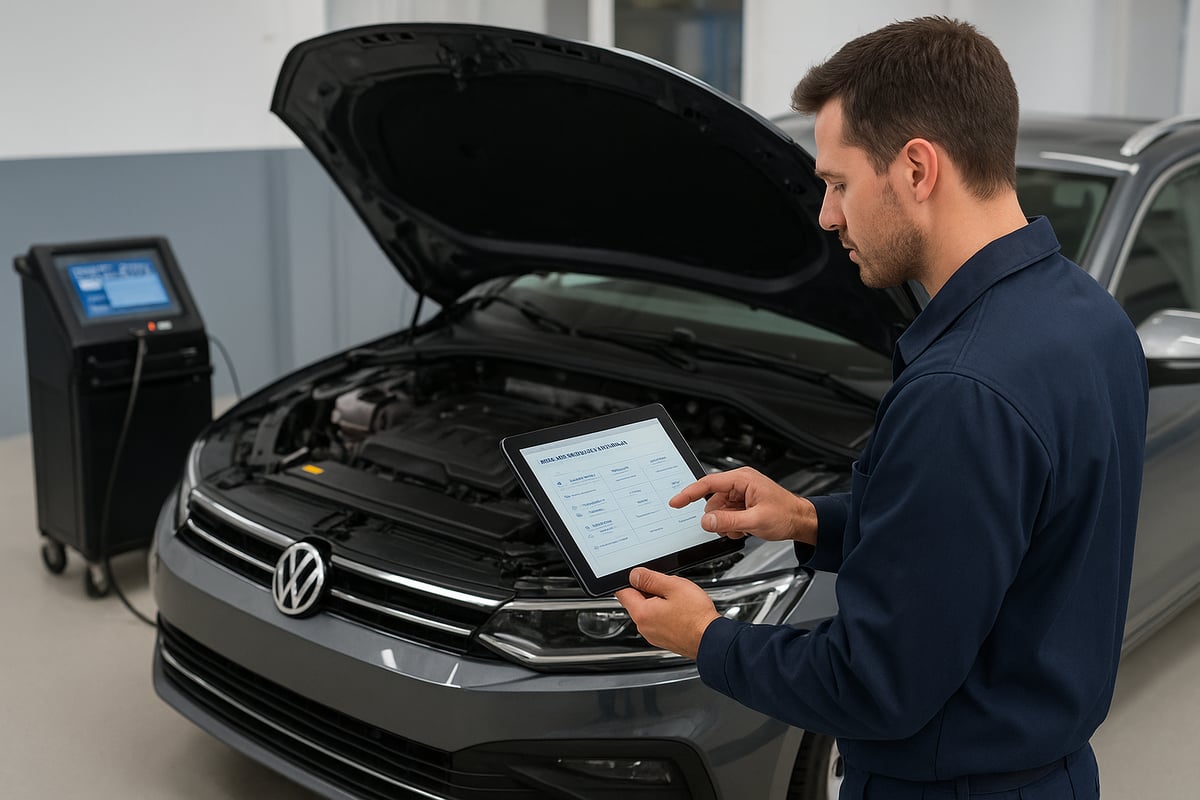
Consistent vw service repair is essential for avoiding unexpected breakdowns and extending your Volkswagen’s lifespan. Scheduled servicing maintains manufacturer warranty eligibility and keeps your car running at peak performance.
Routine maintenance also boosts safety and fuel efficiency. For example, skipping oil changes can lead to engine wear and expensive repairs. Studies show that regular servicing can cut down the risk of breakdowns by up to 40 percent, underlining the value of timely care.
By prioritizing vw service repair, you protect both your investment and your peace of mind. Every small maintenance step contributes to long-term reliability and driving enjoyment.
2026 VW Maintenance Schedule Overview
Understanding the 2026 vw service repair schedule is vital for planning ahead. Volkswagen recommends factory intervals for oil changes, filter replacements, and comprehensive inspections. Key milestones often include checks at 10,000 km, 20,000 km, and 40,000 km.
Modern models now feature digital service records and dashboard reminders, making it easier for owners to stay on track. For example, the 2026 VW Atlas requires a detailed brake inspection every 20,000 km. Following these intervals is not just about performance, it also preserves your vehicle’s resale value.
For specific intervals and model information, consult the Volkswagen Maintenance Schedule, which provides up-to-date guidance tailored to your vehicle. Keeping your vw service repair routine aligned with these milestones is the best way to ensure long-term satisfaction.
Sample Maintenance Milestones Table
| Mileage (km) | Service Tasks |
|---|---|
| 10,000 | Oil change, filter, inspection |
| 20,000 | Brake check, tire rotation |
| 40,000 | Transmission fluid, air filter |
What’s New in 2026 VW Maintenance Requirements
With each new model year, vw service repair guidelines evolve. In 2026, updates include revised synthetic oil standards and longer service intervals for select engines. Advanced electronic systems now require periodic calibration to ensure features like adaptive cruise control and lane assist function flawlessly.
Hybrid and electric VW models demand special attention to battery health and software updates. For instance, the ID.4 EV needs a software check during every service appointment. Staying current with these requirements helps prevent technology-related issues and supports seamless vehicle operation.
As vehicles become more complex, it is essential to keep your vw service repair strategy up to date. This approach minimizes the risk of unexpected failures and maximizes the benefits of cutting-edge VW technology.
Commonly Overlooked VW Maintenance Tasks
Some vw service repair tasks are frequently missed, yet they play a critical role in overall reliability. These include:
- Cabin air filter replacement
- Wiper blade changes
- Transmission fluid exchange, especially on DSG gearboxes
- Tire rotation and wheel alignment
Neglecting tire rotation, for example, can reduce tire lifespan by up to 30 percent. Even minor omissions can lead to larger issues over time. By staying diligent with all aspects of vw service repair, you ensure your Volkswagen delivers dependable performance year after year.
Essential VW Service and Repair Tips
Keeping up with vw service repair is essential for every Volkswagen owner aiming to maximize reliability and performance. By following a detailed approach to routine care, you can prevent costly issues and maintain your vehicle’s value over time. Let’s explore the most important tips for 2026 models, focusing on engine, brakes, tires, and electrical systems.
Oil Changes and Engine Care
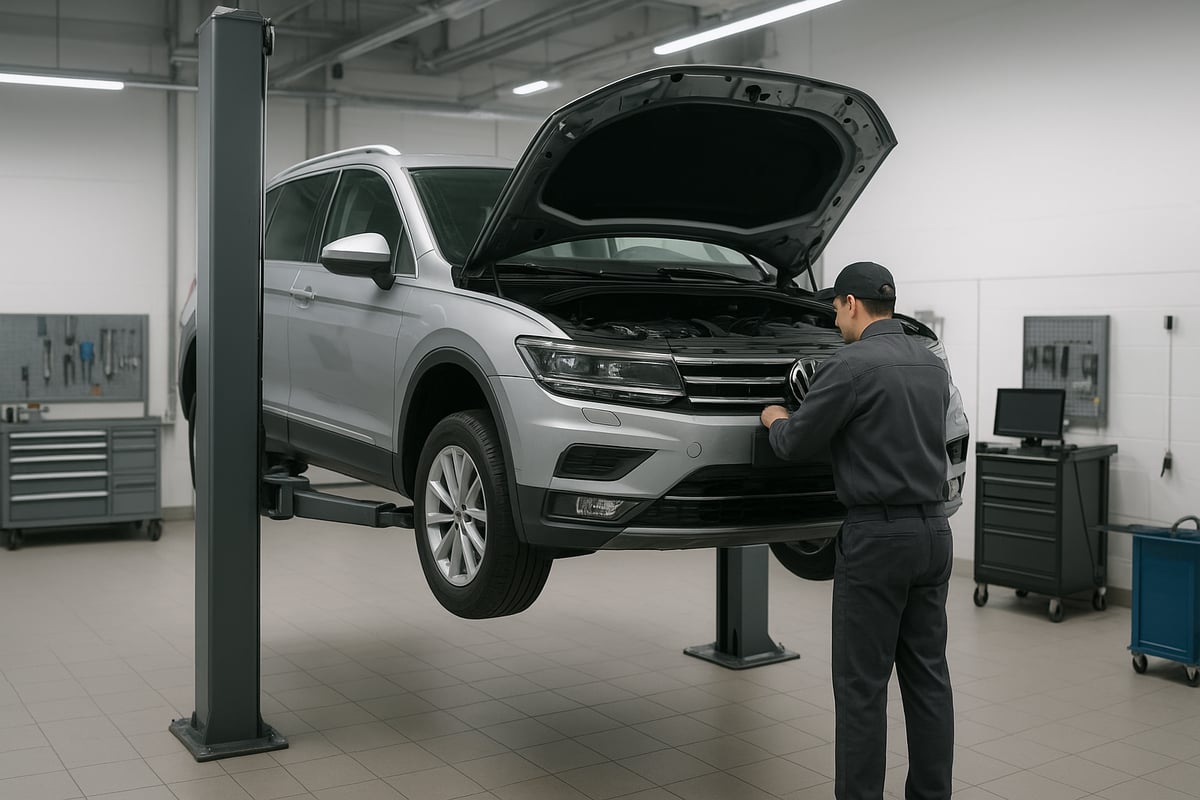
Regular oil changes are the cornerstone of effective vw service repair for all 2026 Volkswagen engines. Always use the manufacturer-recommended fully synthetic oil, as it’s specifically formulated for the latest VW powertrains. For most 2026 models, oil and filter changes should occur every 10,000 to 15,000 km, though driving habits may require more frequent intervals.
Selecting the right oil filter is as important as the oil itself. Genuine VW filters are engineered to trap contaminants and support optimal engine health. Watch for signs of oil trouble, such as dashboard warning lights, odd engine noises, or visible oil leaks. Ignoring these indicators can lead to increased wear or even catastrophic engine damage.
Using non-approved oil can void your warranty and reduce engine lifespan. According to industry data, synthetic oil extends engine life by 20 percent compared to conventional options. To keep your vehicle running at its best, always prioritize quality products and follow the official schedule for vw service repair.
Brake System Maintenance
Your VW’s braking system is critical for safety, making it a top priority in vw service repair routines. The lifespan of brake pads and rotors depends on driving style, but most 2026 models, like the Jetta, require new brake pads every 40,000 to 60,000 km. Listen for squealing, grinding, or vibrations when braking, as these are early warning signs of wear.
Routine brake fluid flushes are essential because old fluid can absorb moisture, reducing braking effectiveness. It’s best to change the fluid every two years. During every tire rotation, inspect the brake pads and rotors for uneven wear or scoring, as catching problems early reduces repair costs.
Regular brake inspections not only ensure safety but also help maintain the manufacturer’s warranty. For more details on recommended procedures and expert help, see Volkswagen servicing and repairs. Making brake care a central part of your vw service repair strategy protects both your family and your investment.
Tire Care and Wheel Alignment
Tire maintenance is a fundamental aspect of vw service repair that directly impacts safety, fuel efficiency, and ride comfort. Check your tire pressure monthly, ensuring it matches the specifications found on the driver’s door sticker. Proper inflation helps prevent blowouts and improves fuel economy.
Rotate your tires every 10,000 km to promote even wear and extend tire life. Annual wheel alignment checks are recommended for all 2026 models, especially after hitting potholes or curbs. Misalignment can cause uneven tread wear and reduce tire lifespan by up to 25 percent.
Watch for signs like vibrations, pulling to one side, or visibly uneven tread. These may indicate the need for alignment or suspension inspection. By incorporating these steps into your vw service repair schedule, you’ll enjoy a smoother, safer driving experience and save money on premature tire replacement.
Battery and Electrical System Tips
Modern Volkswagens are equipped with advanced electrical systems, making battery care a crucial part of vw service repair. The average lifespan of a 2026 VW battery is five to seven years, but frequent short trips or extreme temperatures can shorten this interval. Always use OEM batteries for replacements, as they’re designed to meet your vehicle’s specific electrical demands.
Pay attention to sluggish starts, dim lights, or dashboard battery warnings, as these can signal impending failure. For electric models like the ID.4, regular high-voltage battery inspections and software updates are mandatory to maintain performance and warranty coverage.
Diagnosing electrical issues often requires specialized diagnostic tools and professional expertise. Ensuring the electrical system is in top shape is vital for all modern VW vehicles. By making battery checks and electrical diagnostics a key part of your vw service repair plan, you’ll reduce the risk of unexpected breakdowns and costly repairs.
Advanced Diagnostics and Modern VW Technology
Keeping up with advanced diagnostics is essential for modern VW service repair. Today’s Volkswagen models rely on sophisticated onboard computers, electronic sensors, and digital records to ensure peak performance and reliability. Understanding how these technologies work helps you make informed decisions about your vehicle’s care and maintenance.
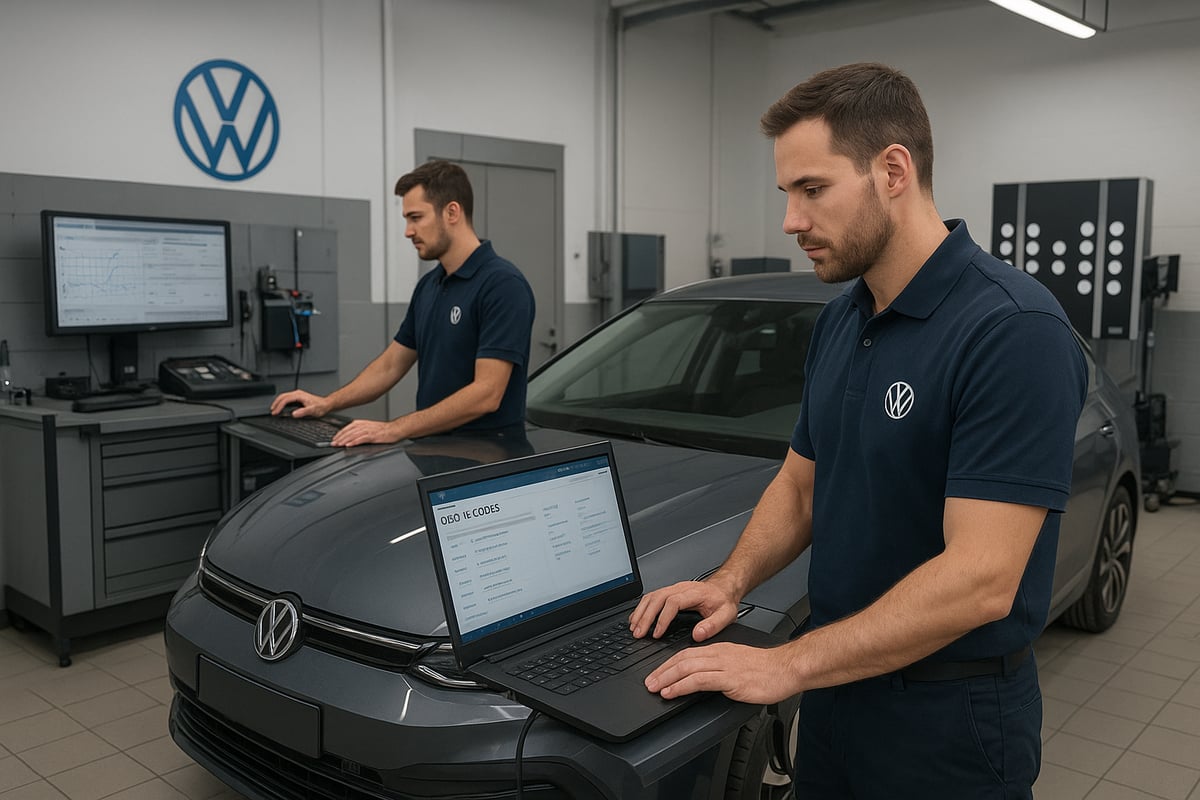
Onboard Diagnostics (OBD) and Self-Monitoring
Every 2026 VW is equipped with OBD-II, a system that constantly monitors the vehicle’s performance and emissions. When something is amiss, the system logs a fault code and triggers dashboard alerts. Common triggers for the Check Engine Light include misfires, oxygen sensor failures, and loose fuel caps.
OBD-II scans are the starting point for most vw service repair procedures. Technicians use VW-specific diagnostic tools to access error codes and view live data. This ensures issues are identified accurately and efficiently. For instance, a code like P0171 points to a lean fuel mixture, while P0300 signals random misfires.
- Benefits of OBD-II:
- Real-time monitoring of all major systems
- Early detection of problems before they escalate
- Simplifies troubleshooting for vw service repair shops
According to industry data, 60% of VW repairs begin with an OBD scan. Regular diagnostic checks help prevent small issues from turning into major repairs. Using the right diagnostic equipment is crucial for precise results.
Software Updates and Digital Service Records
Software updates are now a routine part of vw service repair. Infotainment systems, control modules, and driver assistance features receive regular enhancements to improve performance and security. For 2026 models like the ID.Buzz and ID.4, over-the-air updates are standard, reducing the need for physical service visits.
Maintaining digital service records is just as important. These records streamline warranty claims and provide a transparent maintenance history. Updated software helps prevent glitches, reduces the risk of cyber vulnerabilities, and ensures all features operate as intended.
A comparison of digital versus manual records:
| Digital Service Records | Manual Records |
|---|---|
| Automatic updates | Risk of loss or errors |
| Required for warranty | May be incomplete |
| Accessible to all dealers | Limited accessibility |
VW dealerships and authorized centers have access to the latest updates and diagnostic platforms. If you want a closer look at the diagnostic facilities and tools used for modern VW service repair, explore Our VW service workshop for further insight.
Addressing Common VW Electronic Issues
Modern Volkswagens feature more electronic sensors and modules than ever before. Troubleshooting issues like infotainment glitches, sensor failures, or warning lights requires expertise and advanced tools. For example, if the Tiguan’s lane assist system malfunctions after a windshield replacement, it often needs recalibration to function correctly.
The 2026 lineup has 20% more sensors than previous years, which means electronic problems can be complex. Common electronic issues include malfunctioning ADAS features, faulty parking sensors, or intermittent connectivity. When these arise, specialized vw service repair knowledge is essential.
Always trust qualified technicians for electronic repairs. Proper diagnosis and calibration keep your VW’s technology running smoothly and maintain the vehicle’s safety systems.
Model-Specific VW Maintenance Insights
Every Volkswagen model has unique characteristics that affect its service requirements. Understanding these differences is essential for optimal vw service repair, helping you maximize reliability and prevent common issues. Let’s break down the key maintenance insights for top VW models, including both traditional and electric vehicles.
Jetta, Tiguan, and Atlas: Unique Service Needs
The Jetta, Tiguan, and Atlas each have distinct maintenance intervals and parts requirements. For effective vw service repair, follow the recommended schedules closely. The Tiguan’s AWD system, for example, requires regular fluid changes to maintain performance. Jetta owners should monitor timing belt wear, as replacement is critical to prevent major engine damage.
Atlas models often need suspension checks due to their weight and design. Brake wear is another concern, especially for Atlas Cross Sport owners, who report higher pad and rotor replacement frequency. Always use parts specified for your model, as even small differences can impact safety and longevity.
Adapt your vw service repair plan to fit your vehicle’s needs. For example, combine brake inspections with tire rotations, or schedule AWD fluid service with major interval checks. Keeping digital records of all work performed will help preserve resale value and warranty coverage.
Electric and Hybrid VW Models: Special Considerations
Electric and hybrid Volkswagens, like the ID.4 and ID.Buzz, require a specialized approach to vw service repair. Battery health is paramount. Regular cooling system checks are essential to prevent overheating, and high-voltage safety protocols must be followed during any inspection or repair.
Unlike traditional models, the ID.4 uses regenerative braking, which reduces brake pad wear but demands periodic system checks. Software updates are another crucial part of service for these vehicles. Owners should review 2026 Volkswagen ID.4 Resources and Tutorials to stay current on maintenance tasks and updates. Remember, service intervals for electric models differ from petrol or diesel vehicles, and only technicians trained in EV systems should perform high-voltage work.
Relying on expert vw service repair for electric and hybrid models ensures safety, efficiency, and long-term battery life.
Addressing Recalls and Service Campaigns
Staying alert to recalls is a vital part of responsible vw service repair. Check for open recalls using VW’s online lookup tool, and make sure repairs are completed promptly. For instance, the 2025 Golf R faced a recall for airbag sensors, highlighting the importance of timely action.
Recall repairs are always free at authorized VW service centers. Addressing them quickly not only protects your safety but also prevents warranty complications. Always keep documentation of completed recall work as part of your service records.
Genuine vs. Aftermarket Parts: What’s Best for Your VW?
Choosing between genuine and aftermarket parts can influence the outcome of your vw service repair. Here’s a quick comparison:
| Aspect | Genuine VW Parts | Aftermarket Parts |
|---|---|---|
| Warranty Impact | Maintains warranty | May void warranty |
| Performance | Designed for VW models | Varies by supplier |
| Resale Value | Higher with OEM parts | Potentially reduced |
| Cost | Typically higher | Usually lower |
For critical systems—such as brakes, timing belts, or electronics—genuine VW parts are strongly recommended. They ensure compatibility, preserve safety features, and support your vehicle’s long-term value. Data shows that 80% of VW owners prefer OEM parts for major vw service repair tasks.
Choosing the Right VW Service Centre
Selecting the best vw service repair centre plays a critical role in maintaining your Volkswagen’s performance and value. The right choice ensures expert care, efficient repairs, and peace of mind throughout your vehicle’s life.
Dealership vs. Independent VW Specialists
When considering vw service repair, many owners face a choice between authorized dealerships and independent specialists. Dealerships offer direct access to the latest VW diagnostic tools, factory-trained technicians, and the ability to handle warranty-related repairs. This means your vehicle benefits from up-to-date technical support and genuine parts.
However, independent VW specialists often provide more personalized service and competitive pricing. Many independent centres employ certified technicians with years of experience on VW models. They may offer quicker turnaround times and flexible scheduling, which appeals to busy owners.
According to recent surveys, about 35% of VW owners select independent centres for routine vw service repair. The decision often comes down to balancing cost, convenience, and the type of service required. Use the table below to compare your options:
| Criteria | Dealership | Independent Specialist |
|---|---|---|
| Warranty Repairs | Yes | Limited |
| Latest Tools | Always | Often |
| Personalized Service | Standardized | High |
| Cost | Higher | More affordable |
| Genuine Parts | Always | Usually |
Ultimately, both options can deliver excellent vw service repair, provided you choose a reputable provider.
What to Look for in a VW Service Provider
Finding a trustworthy vw service repair provider requires careful evaluation. Start by checking for certification and proven experience with Volkswagen vehicles. Technicians should be familiar with the latest VW systems, including advanced electronics and model-specific requirements.
Look for centres that use genuine VW parts, as these preserve warranty coverage and ensure optimal performance. Transparent pricing and clear communication are also essential for building trust. Customer amenities, such as a comfortable waiting area, WiFi, and courtesy cars, can enhance your experience.
Don't underestimate the power of customer feedback. Reading customer reviews for VW service gives insight into real-world experiences and satisfaction levels. Service centres offering digital service records and thorough documentation make ongoing maintenance much simpler.
Prioritizing these qualities in a vw service repair provider helps you protect your investment and enjoy worry-free driving.
VODIS Automobile: Auckland’s Trusted Independent VW Specialist
VODIS Automobile stands out as a top choice for vw service repair in Auckland. With over 20 years of European vehicle expertise, their skilled technicians deliver high-quality maintenance and repair for all VW models.
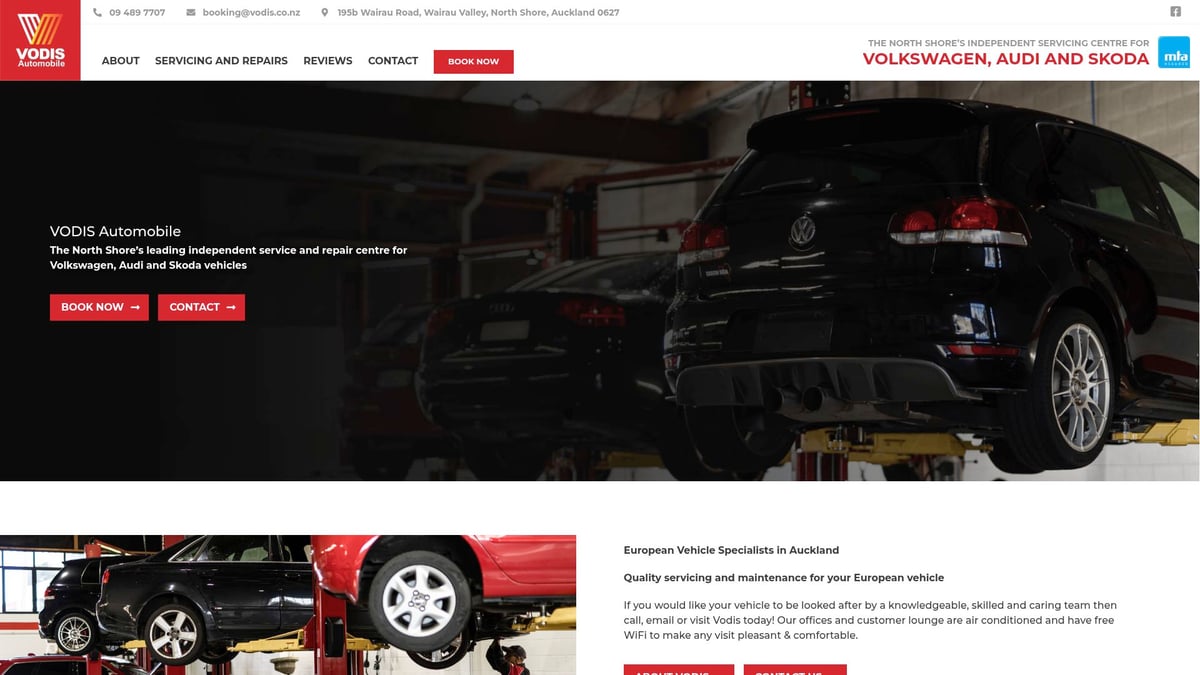
VODIS is known for transparent communication, genuine parts, and advanced diagnostics. Their North Shore location features modern amenities, making every visit comfortable and convenient for VW owners seeking reliable vw service repair.
DIY VW Maintenance: What Owners Can Safely Handle
Taking a hands-on approach to vw service repair can help owners save money, extend their vehicle’s life, and build confidence in maintaining their own Volkswagen. Knowing which tasks are safe and effective to handle, and when to consult professionals, is key to keeping your VW running smoothly.
Routine Checks and Simple Maintenance Tasks
Many vw service repair routines can be managed at home with basic tools and a little guidance. Regular checks and simple replacements help prevent small issues from becoming costly problems.
- Check oil levels monthly and top up as needed.
- Inspect and adjust tire pressure to manufacturer specifications.
- Replace wiper blades and cabin air filters every 12 months.
- Refill windshield washer fluid and check coolant and brake fluid levels.
- Swap out headlight and taillight bulbs when needed.
By handling these maintenance basics, you not only ensure your VW is in good working order but also gain familiarity with your vehicle. According to recent data, 50% of VW owners successfully perform these tasks, which contributes to overall vehicle health and can delay the need for vw service repair at a shop. Performing regular checks also makes you more aware of your car’s normal operation, helping you spot issues early.
When to Call the Professionals
While DIY maintenance is valuable, some aspects of vw service repair are best left to certified technicians. Modern VWs feature advanced electronics and complex systems that require specialized tools and expertise.
You should schedule professional vw service repair if you notice:
- Unusual noises from the engine, brakes, or suspension.
- Dashboard warning lights that do not clear after basic checks.
- Issues with the transmission, such as slipping or hard shifting.
- Persistent electrical problems, like slow starts or flickering lights.
- The need for timing belt or DSG gearbox service.
Attempting complex repairs without proper training or tools can risk your safety, void your warranty, and potentially cause more expensive damage. Tasks like ADAS calibration or high-voltage battery servicing in hybrids and electric models require professional handling. Always consult your VW manual and, when in doubt, choose expert vw service repair for peace of mind.
Tools, Resources, and Owner Support
Equipping yourself with the right tools and information makes vw service repair more accessible and less intimidating. Essential items include an OBD-II scanner for diagnostics, a reliable tire pressure gauge, and a torque wrench for safe tightening.
- VW owner manuals provide step-by-step guidance for routine tasks.
- Online forums connect you with fellow enthusiasts for troubleshooting tips.
- The official VW app offers maintenance reminders and digital service records.
- For structured support, consider Volkswagen Care Prepaid Maintenance Plans, which can help you stay on top of scheduled services and reduce long-term costs.
Being informed and prepared lets you communicate better with your service provider and ensures that your DIY efforts contribute positively to your VW’s longevity. Remember, the right approach to vw service repair balances owner initiative with professional support for optimal results.
Whether you’re aiming to keep your VW running at its peak in 2026 or want to make sure every detail is expertly handled, having a trusted team makes all the difference. At VODIS Automobile, you benefit from decades of European vehicle expertise, genuine parts, and advanced diagnostics—everything you need for reliable, long lasting performance. If you’re ready to give your Volkswagen the care it deserves, let’s make your next service effortless. You can easily Book in your service with our dedicated professionals right here in Auckland.