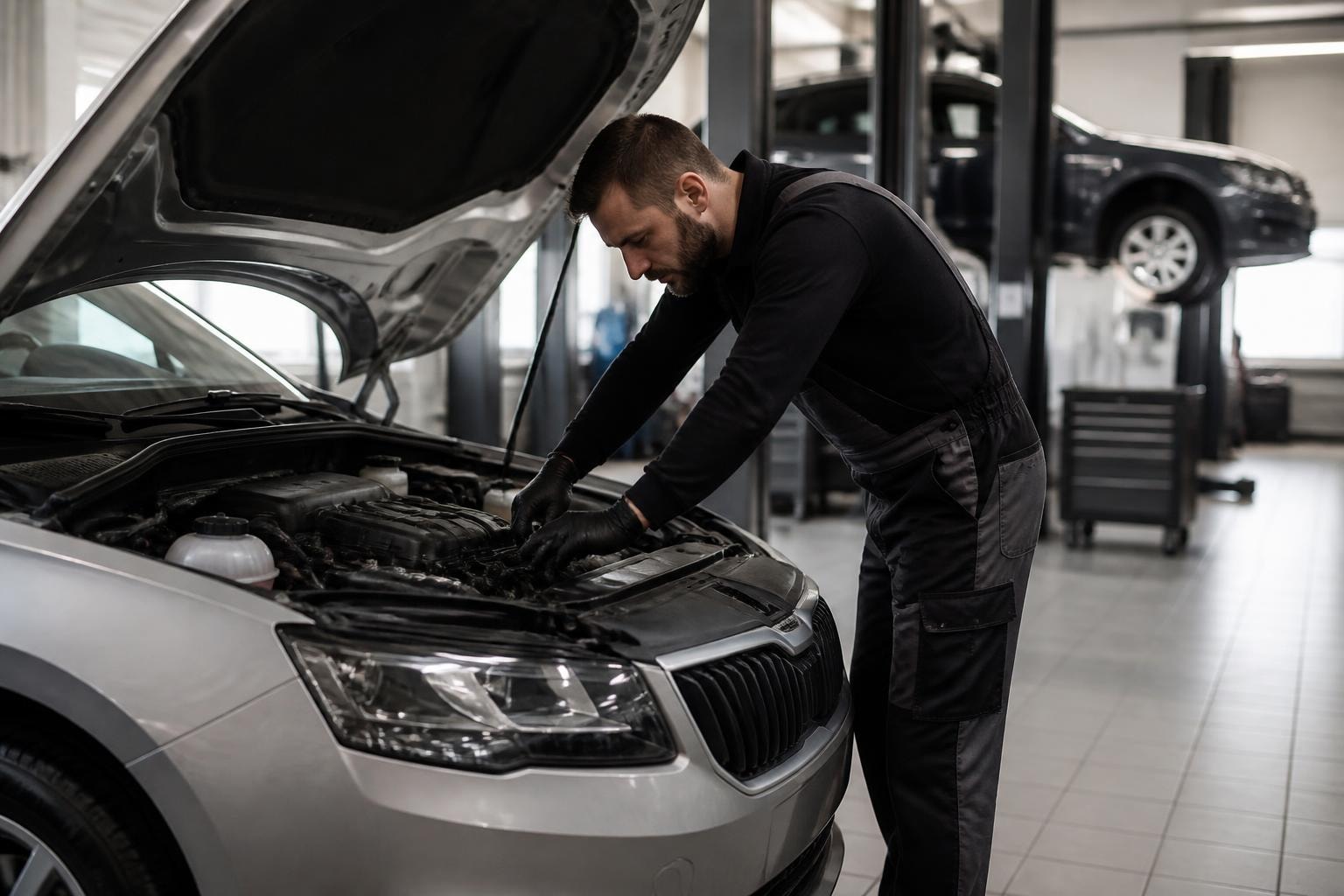

European vehicles are more popular than ever in 2026, known for their cutting-edge technology and refined engineering. With this popularity comes a new level of complexity, making european auto service and repair a challenge for many owners.
Navigating maintenance can be daunting, especially when specialized care is essential for peak performance, safety, and long-term value. That is why expert insights are crucial for anyone seeking to protect their investment.
This guide is designed as your comprehensive resource. We will explore what makes European cars unique, how to choose the right service provider, preventative maintenance steps, common repairs, advanced diagnostics, and future trends shaping the industry.
Understanding European Vehicles: Unique Features and Maintenance Needs
European vehicles have earned a reputation for their innovative engineering, luxurious features, and driving dynamics. Owners are drawn to these cars for their blend of performance, technology, and comfort. Yet, this level of sophistication also brings unique maintenance demands, making expert european auto service and repair essential.
Engineering Excellence and Brand Distinctions
European brands like BMW, Mercedes-Benz, Audi, Volkswagen, and Skoda are known for their advanced engineering. These vehicles often feature turbocharged engines, dual-clutch (DSG) transmissions, and sophisticated electronic systems. For example, Audi’s Quattro all-wheel drive and BMW’s adaptive suspension highlight their commitment to performance and safety.
Unlike many Asian or American vehicles, European cars are designed with strict tolerances and innovative materials. This results in a distinctive driving experience but demands a higher level of technical knowledge for european auto service and repair. Owners benefit from superior handling and efficiency, but must also be prepared for specialized care.
Maintenance Schedules and Manufacturer Recommendations
Service intervals for European vehicles are often more flexible than fixed schedules common in other regions. Manufacturers like Mercedes-Benz use the ASSYST system, which monitors driving patterns and adjusts service timing. BMW’s Condition Based Servicing takes a similar approach, tailoring maintenance to real-world use.
Adhering to these manufacturer guidelines is critical for warranty protection and optimal vehicle performance. Ignoring recommended intervals or using generic service approaches can lead to issues down the road. European vehicles rely on precise scheduling to ensure every component receives the attention it needs during european auto service and repair.
Specialized Parts and Fluids
Using manufacturer-approved oils, coolants, and replacement parts is non-negotiable for European cars. These fluids and parts are engineered to meet exacting standards, ensuring compatibility with advanced engines and electronics. Substituting generic alternatives may risk engine damage or void warranties.
Industry data shows that up to 65% of European vehicles experience premature wear when serviced with non-OEM fluids. Technicians performing european auto service and repair know the importance of sourcing the right products for each model.
| Fluid Type | OEM Requirement | Risk with Generic |
|---|---|---|
| Engine Oil | Yes | Potential wear |
| Coolant | Yes | Overheating |
| Transmission | Yes | Shifting issues |
Complexity and Diagnostic Requirements
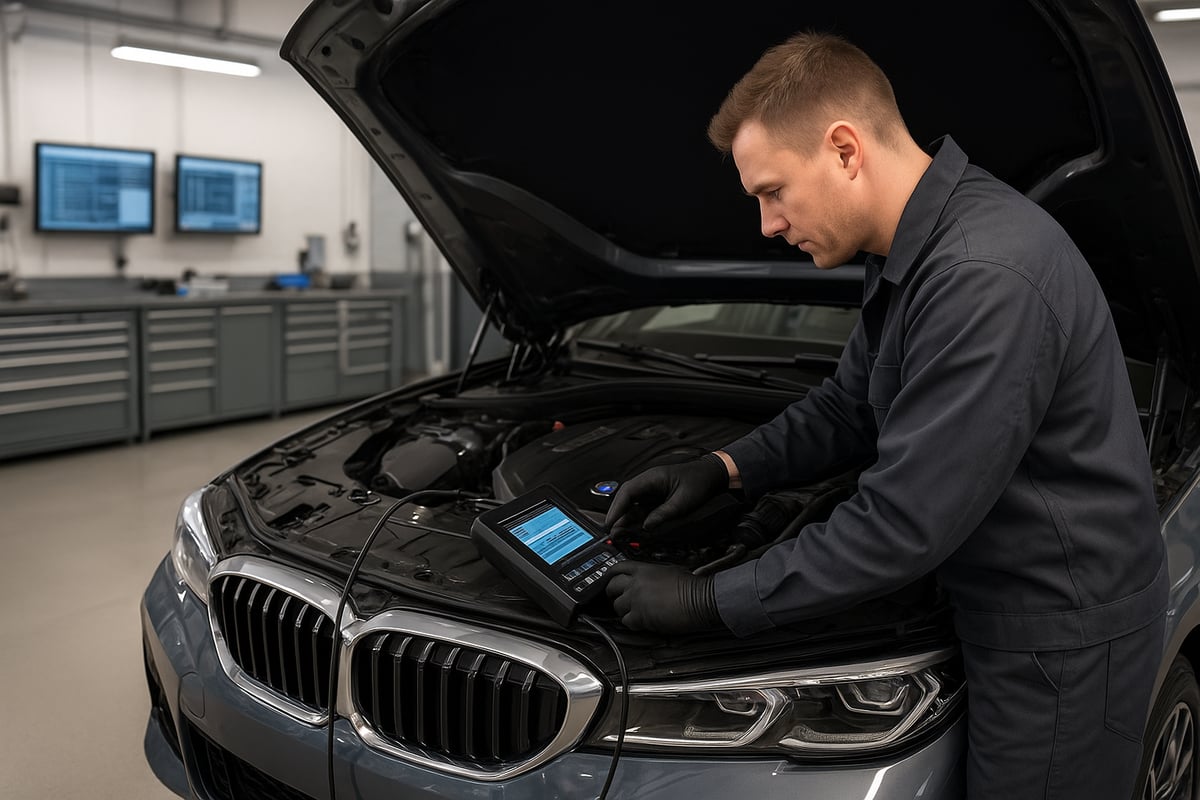
Modern European vehicles are equipped with advanced onboard computers, including OBD-II and brand-specific systems. Tools like Audi’s VCDS and BMW’s ISTA are essential for accurate diagnostics and repairs. These systems monitor everything from emissions to adaptive cruise control.
Due to this complexity, only technicians trained in european auto service and repair can efficiently pinpoint issues. Generic scan tools may not access the full range of data needed for precise troubleshooting. Expert-level diagnostics are a non-negotiable part of maintaining these vehicles.
Value Retention and Service Records
Regular specialist servicing has a significant impact on the resale value of European cars. Prospective buyers look for complete service histories, often preferring digital records that verify proper care. Consistent european auto service and repair not only protects performance but also enhances long-term value.
Maintaining up-to-date records through digital platforms is now standard practice. For a comprehensive overview of proper servicing and repair approaches, owners can consult resources like European Car Servicing and Repairs. This ensures every aspect of maintenance is professionally managed and documented.
Choosing the Right European Auto Service Provider
Selecting the ideal provider for european auto service and repair is crucial for maintaining your vehicle’s performance, safety, and value. Not all workshops are equipped to meet the sophisticated needs of European vehicles, so making an informed choice ensures quality care and long-term reliability.
Credentials and Certifications
When evaluating a european auto service and repair facility, start by checking for proper credentials. Look for workshops whose technicians hold manufacturer-level qualifications, such as ASE or Bosch Service certifications. These credentials indicate ongoing training and familiarity with the latest automotive technologies.
Equally vital is the presence of up-to-date diagnostic equipment and software. European vehicles rely on advanced systems that require specialized tools for accurate troubleshooting. A certified shop demonstrates commitment to high standards and assures you that your vehicle is in experienced hands.
Experience with European Brands
Specialization is key in european auto service and repair. Technicians with extensive hands-on experience in brands like Volkswagen, Audi, Mercedes, BMW, or Skoda can identify issues faster and resolve them efficiently. Service centers focusing exclusively on European vehicles consistently achieve higher first-time fix rates, saving you time and money.
For a comprehensive approach to care, consider workshops that service a wide range of makes. Facilities offering Other European Vehicle Servicing are well-equipped to handle diverse brands, ensuring your unique model receives the attention it deserves.
Transparency and Communication
Trustworthy european auto service and repair providers prioritize open, honest communication. They offer clear, itemized estimates before work begins, so you understand what is being done and why. After the service, detailed invoices break down every part and procedure.
Customer testimonials and online reviews provide valuable insight into a shop’s reputation. Look for patterns of positive feedback regarding professionalism, transparency, and quality of work to make a confident choice.
Warranty and Genuine Parts Assurance
Protecting your investment requires strict adherence to manufacturer guidelines. Top-tier european auto service and repair shops use only genuine or OEM-approved parts, safeguarding your warranty and your vehicle’s long-term reliability.
Some brands, like Skoda, mandate authorized parts for warranty coverage. Always confirm that your service provider follows these requirements, as using generic alternatives may void warranties or lead to premature component failure.
Location and Convenience
Convenience can be a deciding factor when choosing a european auto service and repair provider. Consider the shop’s proximity to your home or workplace, availability of courtesy vehicles, and flexible scheduling options.
Local expertise also matters. Technicians familiar with your region can address climate-specific challenges—such as Auckland’s coastal humidity affecting electronics or corrosion. A conveniently located, locally knowledgeable shop can make routine maintenance and unexpected repairs much easier.
VODIS Automobile: Trusted European Car Specialists in Auckland
For over two decades, VODIS Automobile has set the standard for european auto service and repair in Auckland’s North Shore. Their skilled technicians specialize in Volkswagen, Audi, Mercedes, BMW, and Skoda, using the latest diagnostic tools and OEM parts.
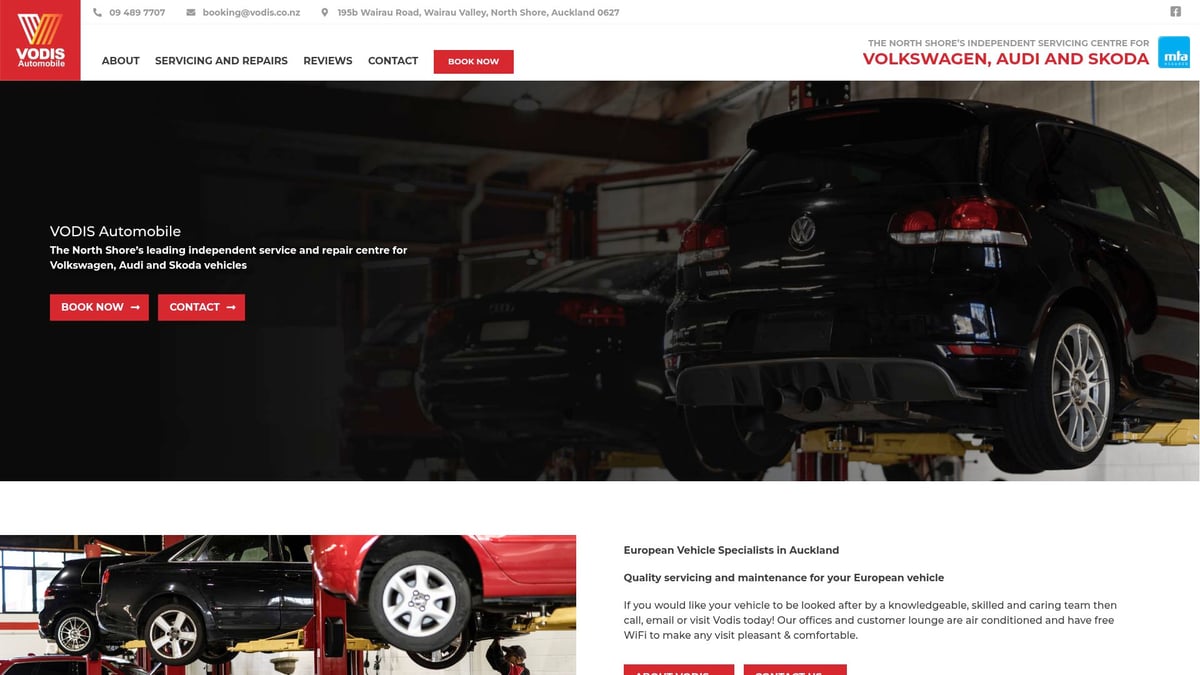
Customers consistently praise VODIS for transparent communication, quality workmanship, and a commitment to satisfaction. Their established reputation and focus on advanced European engineering make them a trusted choice for discerning vehicle owners.
Preventative Maintenance for European Cars: Step-by-Step Guide
Proper preventative maintenance is the foundation of reliable european auto service and repair. European cars are engineered for performance and longevity, but only when maintained with precision and care. As the number of vehicles on European roads continues to grow, routine upkeep is more important than ever. According to the Vehicles on European roads 2026 report, the average age of vehicles is increasing, making regular maintenance crucial for safety and value retention.
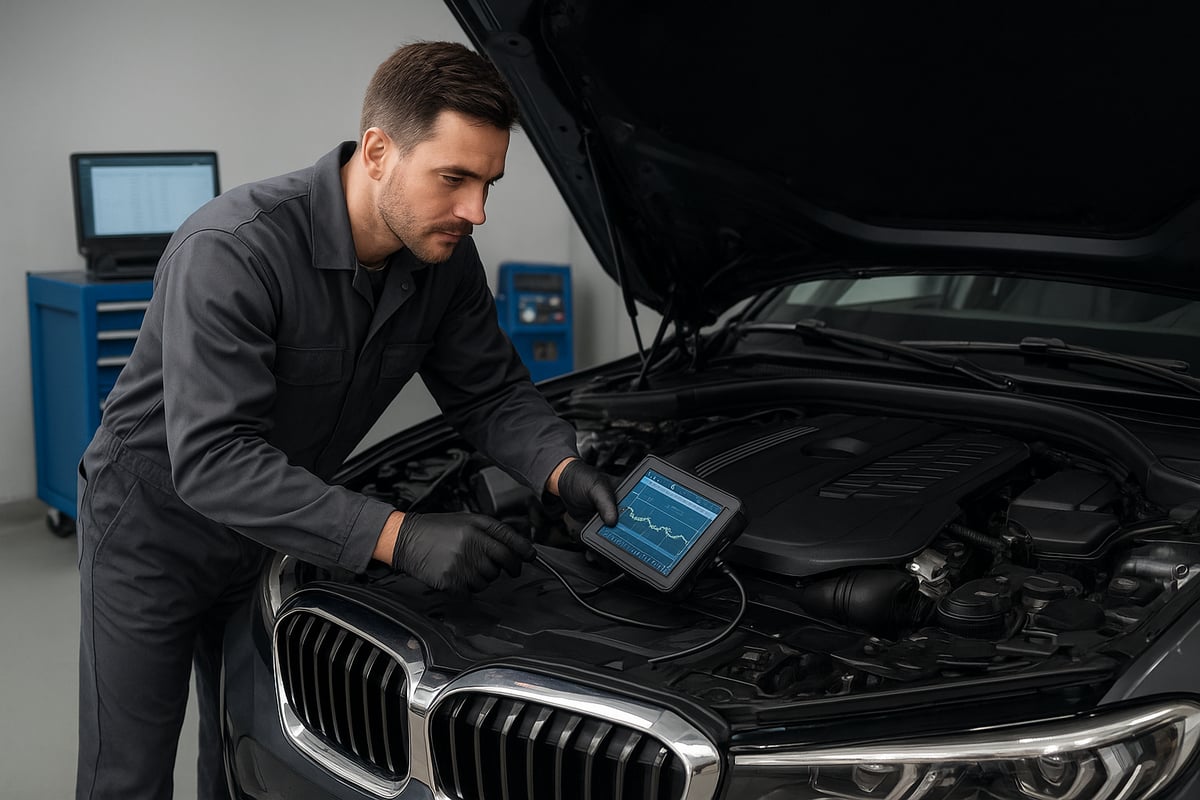
Step 1: Follow Manufacturer Service Intervals
Adhering to your car’s manufacturer service intervals is the single most effective way to protect your investment. European brands like BMW, Mercedes-Benz, and Audi use advanced systems to track service requirements. For example, BMW’s Condition Based Servicing monitors oil quality and mileage, prompting timely visits.
Missing scheduled oil changes, inspections, or filter replacements can shorten your vehicle’s lifespan. In european auto service and repair, neglecting these intervals may void warranties or reduce performance. Always consult your car’s manual and digital service reminders. Sticking to these intervals ensures both compliance and peace of mind.
Step 2: Regular Fluid Checks and Replacements
Fluids are the lifeblood of any European vehicle. Brake fluid, coolant, transmission fluid, and power steering fluid must be checked and replaced as recommended. Industry data shows that 40 percent of European car breakdowns are linked to neglected fluid maintenance.
Use only OEM-approved fluids, as generic alternatives can lead to costly damage and compromise european auto service and repair outcomes. Regular inspections help to spot leaks, contamination, or low levels before they become critical. Your technician should document each fluid check for your records.
Step 3: Tire and Brake System Inspections
Tires and brakes play a vital role in safety and handling. European models, especially those with systems like Audi’s Quattro, require matched tire sets and regular rotation. Uneven wear can affect traction and stability, so inspect tread depth and check for sidewall damage.
Brake pads and discs should be assessed during every service. Squeaking, vibration, or longer stopping distances signal the need for immediate attention. Proactive tire and brake care is key to effective european auto service and repair, reducing accident risk and maximizing performance.
Step 4: Battery and Electrical System Monitoring
Modern European vehicles feature complex electrical systems that demand a healthy battery. Frequent short trips, extreme temperatures, or infrequent use can all reduce battery life. Watch for slow engine cranking, warning lights, or electronics behaving unpredictably.
A technician should test the battery and charging system at every major service. Replacing batteries before failure is essential for consistent operation and prevents unexpected breakdowns. This step supports overall system reliability for all european auto service and repair needs.
Step 5: Suspension, Steering, and Alignment Checks
Suspension and steering components directly impact ride comfort and control. Early wear in bushings, shock absorbers, or ball joints can cause vibrations or poor handling. Regular checks help catch these issues before they become expensive repairs.
Alignment should also be checked annually or after any significant impact. Misaligned wheels cause uneven tire wear and can reduce fuel efficiency. Keeping these systems in top condition is part of comprehensive preventative maintenance.
Step 6: Software Updates and Recalls
European vehicles often receive software updates to improve performance, efficiency, and safety. Manufacturers release updates for engine management, infotainment, and driver assistance systems. Staying current with these updates ensures your car benefits from the latest technology.
Recall campaigns address safety or compliance concerns. Always check if your vehicle has any open recalls and schedule prompt repairs. Addressing recalls and updates is critical for safe and reliable european auto service and repair.
Step 7: Record Keeping and Digital Service Logs
Maintaining detailed service records is essential for warranty claims and resale value. Most new European cars use digital service logs, which are easily accessed by dealerships and buyers. Log every maintenance visit, including dates, mileage, and work performed.
Digital records provide transparency and build trust with future owners. Consistent documentation also streamlines future european auto service and repair, as technicians can quickly review your car’s maintenance history.
Common European Car Repairs and How to Address Them
Owning a European vehicle means experiencing top-tier engineering, but it also comes with unique repair challenges. Understanding the most frequent issues, and how to address them, is vital for anyone seeking reliable european auto service and repair. Let’s explore the most common faults, their symptoms, and best practices for getting them resolved efficiently.
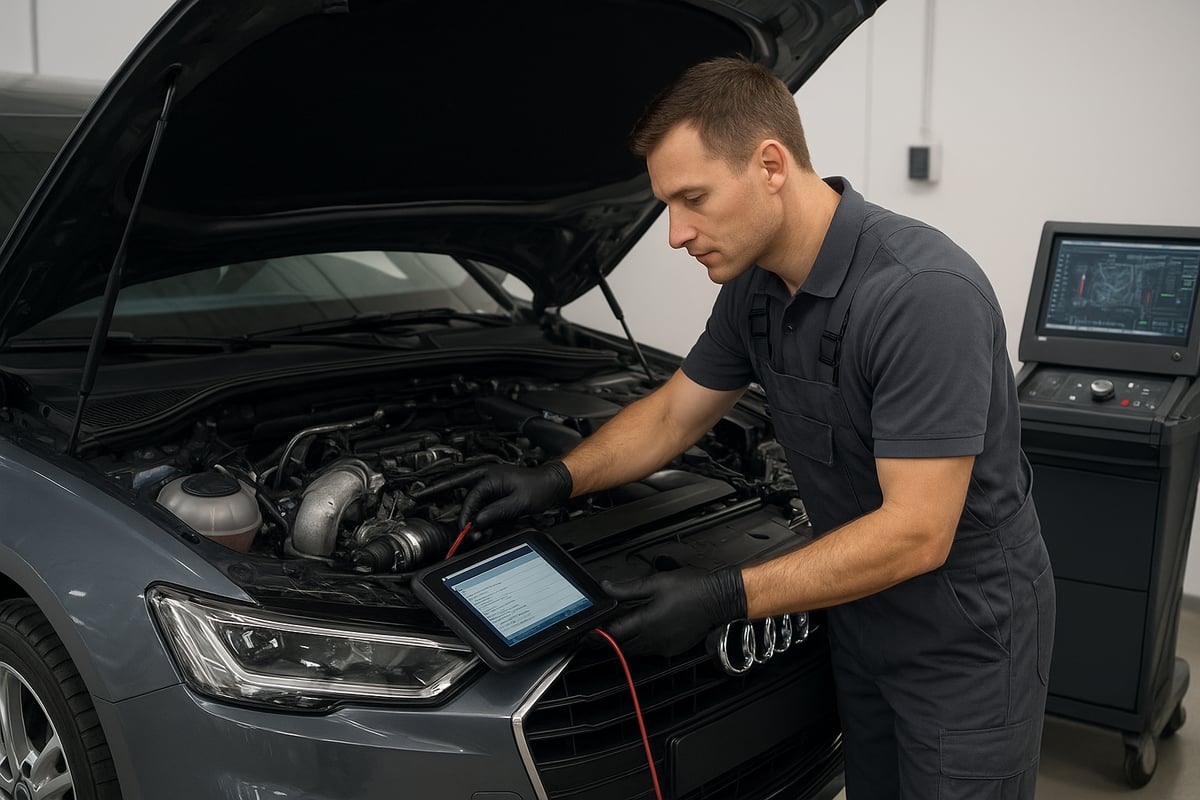
Engine and Turbocharger Issues
European engines are renowned for performance, but they can face problems such as oil leaks, timing chain wear, and turbocharger failures. Volkswagen TSI engines, for example, are known for higher oil consumption and potential turbo faults. Early signs include:
- Excessive exhaust smoke
- Reduced power or turbo lag
- Engine warning lights
Resolving these issues requires prompt attention. Using a specialist familiar with Volkswagen Servicing Specialists ensures correct diagnostics and high-quality parts. Regular oil changes and monitoring for leaks are essential for effective european auto service and repair.
Transmission and Drivetrain Repairs
Modern European cars often feature advanced transmissions like DSG or multi-speed automatics. Common issues include rough shifting, delayed engagement, or warning lights. Signs to watch for:
- Hesitation when accelerating
- Unusual noises from the gearbox
- Fluid leaks beneath the vehicle
Addressing transmission faults early can prevent costly repairs. Technicians with european auto service and repair expertise will use manufacturer-approved fluids and diagnostic tools to ensure smooth operation and maintain long-term reliability.
Electrical and Sensor Faults
Complex electronics are a hallmark of European vehicles, but they also introduce potential sensor and wiring failures. BMW’s iDrive or Audi’s MMI systems may display malfunctions or freeze unexpectedly. Typical symptoms are:
- Infotainment glitches
- Faulty sensor readings
- Dashboard warning messages
Specialized diagnostics are crucial for pinpointing electrical issues. A qualified workshop will use tools designed for european auto service and repair, ensuring accurate repairs and preventing recurring faults.
Cooling System Failures
Cooling issues are a leading cause of breakdowns in European cars. Problems often involve the radiator, water pump, or thermostat. Symptoms include:
- Engine overheating
- Coolant leaks or low coolant warnings
- Steam from the engine bay
Timely repairs are vital to avoid engine damage. Regular inspections and coolant flushes, as recommended by european auto service and repair specialists, help maintain optimal engine temperature and prevent future failures.
Suspension and Steering Components
European vehicles are engineered for precise handling, but their suspension systems require regular attention. Air suspension leaks (common in Mercedes and Audi) or worn control arms can cause:
- Uneven tire wear
- Noises over bumps
- Poor steering response
A thorough inspection by a european auto service and repair expert can identify worn components early. Replacing bushings or shocks as needed preserves safety and ride comfort.
Exhaust and Emissions Problems
Diesel models from European brands often develop issues with DPF (Diesel Particulate Filter) or EGR valves. These faults can lead to:
- Loss of power
- Increased emissions
- Warning lights for emissions systems
Prompt attention ensures compliance with emissions standards and prevents performance drops. Trusting a european auto service and repair provider for diagnostics and OEM parts is the best approach.
Cost Considerations and Repair Timelines
Repair costs can vary widely based on the issue, vehicle model, and parts required. Here’s a summary:
| Repair Type | Typical Cost (NZD) | Estimated Timeline |
|---|---|---|
| Engine/Turbo Repair | $1,500–$6,000 | 2–7 days |
| Transmission Service | $800–$4,000 | 1–5 days |
| Electrical/Sensor Replacement | $200–$2,000 | 1–3 days |
| Cooling System Repair | $400–$2,500 | 1–3 days |
| Suspension Work | $300–$2,500 | 1–3 days |
| Emissions System Repair | $500–$3,000 | 1–4 days |
Minimize downtime by scheduling regular european auto service and repair, maintaining detailed records, and addressing faults promptly. Proactive care saves time and money over the vehicle’s lifespan.
Advanced Diagnostics and Repair Technologies in 2026
In 2026, advanced diagnostics and repair technologies are transforming the landscape of european auto service and repair. Workshops now rely on cutting-edge tools and intelligent systems to keep pace with the evolving needs of modern European vehicles. Let us explore the most significant advancements shaping the industry today.
Next-Generation Diagnostic Tools
The latest diagnostic platforms use artificial intelligence to analyze data from hundreds of sensors in real time. These systems can identify subtle issues before they become major problems, reducing downtime for european auto service and repair. Remote diagnostics enable technicians to access vehicle data offsite, improving efficiency and accuracy.
For example, Audi and BMW offer proprietary diagnostic software that integrates seamlessly with their vehicles. Advanced scan tools provide deep system insights, from engine performance to adaptive cruise control. For more on Audi’s diagnostic expertise, see Audi Servicing and Diagnostics.
Software and Firmware Updates
European vehicles now rely heavily on software to control everything from engine management to driver assistance features. Over-the-air (OTA) updates allow manufacturers and workshops to deliver crucial fixes and enhancements remotely, ensuring vehicles remain secure and compliant.
Staying up to date with software is a critical aspect of european auto service and repair. These updates can resolve bugs, enhance safety systems, and even improve fuel efficiency. Owners should verify that their service provider is authorized to perform OTA updates using approved tools.
Predictive Maintenance and Telematics
Telematics systems collect and transmit data on vehicle health, driving patterns, and component wear. Using predictive analytics, service centers can forecast failures and schedule maintenance before breakdowns occur. This proactive approach is central to modern european auto service and repair.
By 2026, telematics adoption is expected to reach 80 percent in European vehicles, driving efficiency and reliability. To learn more about these emerging trends, visit Automotive industry trends 2026.
Integration with Mobile Apps and Owner Portals
Owners increasingly interact with their vehicles and service providers through mobile apps and digital portals. These platforms allow users to schedule appointments, track repairs, and access service histories with ease. Integration with manufacturer apps streamlines the european auto service and repair process.
Features such as push notifications for recalls, remote diagnostics, and digital manuals empower owners to stay informed and proactive. This digital shift enhances transparency and convenience for all stakeholders.
Training and Certification for Technicians
The complexity of today’s European cars demands highly skilled technicians. Ongoing training in advanced diagnostics, software updates, and telematics is essential for excellence in european auto service and repair. Manufacturer certifications and continuous education programs ensure technicians remain at the cutting edge.
Workshops that invest in technician development can deliver superior service, reduce error rates, and maintain compliance with manufacturer standards. This commitment to expertise safeguards both vehicle performance and customer confidence.
Future Trends in European Auto Service and Repair
The landscape of european auto service and repair is transforming rapidly as we approach 2026. Innovations in automotive technology, environmental consciousness, and evolving customer expectations are reshaping how workshops and owners approach maintenance and repairs. Staying ahead of these changes is essential for anyone invested in keeping their European vehicle performing at its best.
Electrification and Hybrid Systems
The shift toward electrification is one of the most influential forces in european auto service and repair. Brands like BMW, Audi, and Mercedes-Benz are expanding their electric and plug-in hybrid lineups, requiring new expertise in high-voltage system maintenance. Workshops must invest in specialized tools and technician training to safely handle battery diagnostics, inverter repairs, and thermal management systems.
According to European vehicle market statistics 2025/26, electric vehicle registrations are accelerating, driving demand for services tailored to these advanced drivetrains. This trend means traditional service intervals are being replaced by software updates, battery health checks, and high-voltage safety inspections.
Sustainability and Eco-Friendly Practices
Sustainability has become a priority for both service providers and vehicle owners. European workshops are adopting biodegradable fluids, implementing recycling programs, and upgrading to energy-efficient equipment. These green initiatives not only reduce environmental impact but also appeal to eco-conscious customers.
The adoption of eco-friendly practices is further driven by the rising average age of vehicles, as highlighted in Ageing cars drive aftermarket growth. Maintaining older vehicles in an environmentally responsible way is a key focus for the future of european auto service and repair.
Remote Diagnostics and Mobile Servicing
Convenience is a growing expectation in european auto service and repair. Remote diagnostics and mobile servicing are making it possible for workshops to troubleshoot issues and even perform minor repairs at a customer’s home or workplace. Using telematics and secure connections, technicians can remotely access vehicle data, identify faults, and recommend solutions without the car ever leaving the driveway.
On-demand diagnostics reduce downtime and help owners make informed decisions quickly. As these services become more sophisticated, they are transforming the traditional repair experience and raising the bar for customer satisfaction.
Parts Supply Chain and 3D Printing
Advances in supply chain logistics and 3D printing are revolutionizing parts availability for european auto service and repair. Workshops can now source or produce custom components faster than ever before, minimizing delays and ensuring vehicles are back on the road quickly.
3D printing also enables the creation of discontinued or rare parts, extending the life of older European vehicles. These improvements help address the challenges of maintaining aging fleets and support a more sustainable approach to repairs.
Customer Experience Innovations
European auto service and repair is becoming more customer-centric thanks to digital technologies. Virtual consultations allow owners to discuss issues with technicians via video calls, while digital service histories provide transparent records accessible from any device.
AI-driven platforms offer personalized maintenance reminders and streamline appointment scheduling. Enhanced transparency through itemized digital invoices and real-time repair updates builds trust and keeps customers informed at every step.
Regulatory Changes and Compliance
Staying compliant with evolving regulations is a critical part of european auto service and repair. Stricter emissions standards, safety requirements, and data privacy laws are shaping how workshops operate and document their work.
Service providers must keep up with changes in European legislation, including updates for electric vehicles and connected car technologies. Proactive compliance not only protects customers but also ensures continued access to manufacturer support and warranty coverage.
The future of european auto service and repair is defined by innovation, sustainability, and a relentless focus on customer needs. By embracing these trends, workshops and owners can ensure their vehicles remain reliable, efficient, and ready for the roads of tomorrow.
After exploring the unique needs of European vehicles and the importance of expert care, you now have the knowledge to make informed decisions about your car’s maintenance and longevity. If you want confidence that your Volkswagen, Audi, Mercedes, BMW, or Skoda is in the hands of experienced specialists who truly understand these advanced machines, it’s time to take the next step. With over 20 years of trusted service and a reputation for professionalism in Auckland, VODIS Automobile is ready to help you keep your vehicle performing at its best. For personalized, reliable European car care, Book in your service.